


تصنيف سوق الخشب العالمي بالسا العالمية، بحسب النوع (`الغرامة ألف` من النوع، و`الغرام باء` من النوع، و`الغرامين جيم` من النوع)، والتطبيق (الفضاء الجوي والدفاع، والطاقة المتجددة، والبحر، والطرق والسكك والسكك الحديدية، والصناعة والإنشاء، وما إلى ذلك) - اتجاهات الصناعة والتنبؤ إلى عام 2032
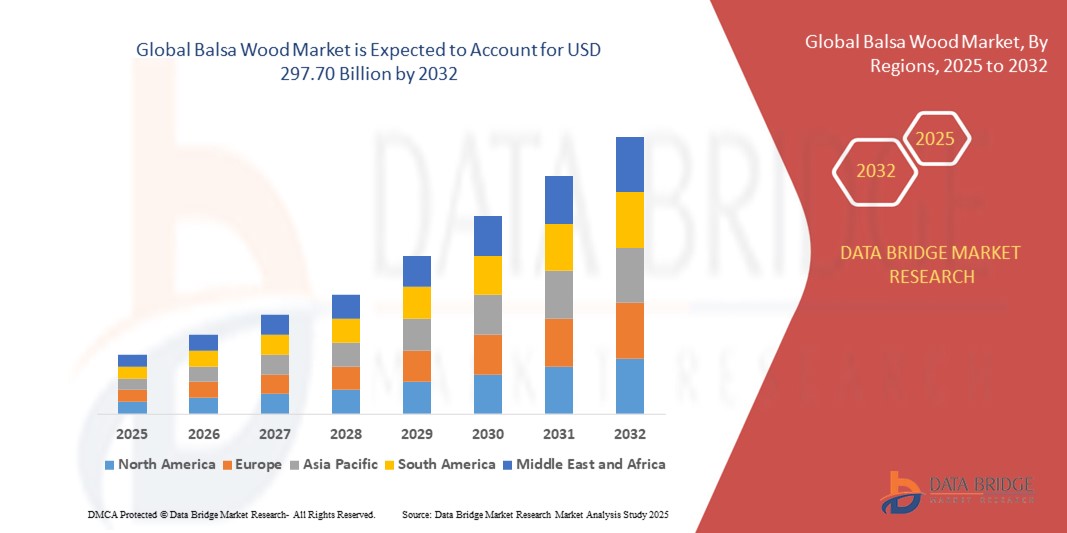
سوق البلسا للوود
- وقُيِّر حجم سوق خشب البلسا العالمي بقيمة::ومن المتوقع أن يتم ذلك(أ) 297.70 بليون, ما(أ) النسبة المئوية من 6.7 في المائةخلال الفترة التي
- إن نمو السوق يغذيه إلى حد كبير الطلب المتزايد على الوزن الخفيف والأخشاب المستدامة في مجالات البناء، والغلاف الجوي، والغلاف الجوي، والبحر، وتطبيقات الأثاث. والواقع أن نسبة القوة الاستثنائية إلى الوزن التي يتمتع بها خشب البلسا تجعله مثالياً بالنسبة للمنتجات الهندسية، والألواح العازلة، وصناعة النماذج.
- زيادة زيادة استخدام خشب البلسات في التطبيقات غير الضارة بالبيئة والتطبيقات المتجددة، إلى جانب الابتكارات في المركبات المهيكنة، مما يزيد من تسارع توسع الأسواق
شركة Balsa Wood Mars
- وتؤدي تنوعات أخ خشب بالسا، بما في ذلك استخدامها في ألواح الشطائر، والأصفة التوربينية الريحية، والحرف الهواية، إلى خلق فرص جديدة عبر القطاعين الصناعي والتجاري
- وتشهد السوق أيضاً تحسينات تكنولوجية في معالجة الأخشاب وتجهيزها، مما يعزز القدرة على الاستمرار، ومقاومة الحرائق، وخصائص الأداء، مما يعزز جاذبية السوق التجارية.
- غلبت أمريكا الشمالية على سوق الخشب بالسالسا بأكبر حصة من الإيرادات بلغت 36.2 في المائة في عام 2024، وذلك بسبب زيادة الطلب على المواد الخفيفة الوزن والمواد الخشبية المستدامة في الصناعات الفضائية الجوية والسيارات والصناعات البحرية.
- ومن المتوقع أن تشهد منطقة آسيا والمحيط الهادئ أعلى معدل نمو في العالم.(:: زيادة التوسع الحضري، وتزايد اعتماد المواد غير الضارة بالبيئة، والمبادرات الحكومية الداعمة للصناعات المستدامة، والتوسع في الاستخدام في تطبيقات الطاقة المركبة والبحرية والمتجددة
- وكان قطاع "الغرين ألف" يحمل أكبر حصة من إيرادات السوق في عام 2024، مدفوعاً بنسبة القوة إلى الوزن الأعلى والنوعية الثابتة، مما جعله مناسباً إلى حد كبير للتطبيقات الفضائية الجوية والبحرية والصناعية. والواقع أن كثافته الموحدة وموثوقيته الهيكلية تجعله الخيار المفضل للألواح المركبة والعازلة العالية الأداء.
التقرير المتعلق بالنطاق وببلسا
| الصفات الأولى | Balsa Wood مفتاح السوق |
| المُسَجَّل |
|
| البلدان | أمريكا الشمالية
أوروبا
منطقة آسيا والمحيط الهادئ
الشرق الأوسط وأفريقيا
جنوب أمريكا الجنوبية
|
| & مفتاح |
|
| ما |
|
| جاري | وبالإضافة إلى الرؤى المتعلقة بسيناريوهات السوق مثل القيمة السوقية، ومعدل النمو، والتجزئة، والتغطية الجغرافية، والجهات الفاعلة الرئيسية، فإن تقارير السوق التي تُعدها بحوث سوق جسر البيانات تشمل أيضاً تحليل صادرات الواردات، واستعراض القدرة الإنتاجية، وتحليل استهلاك الإنتاج، وتحليل اتجاهات الأسعار، وسيناريو تغير المناخ، وتحليل سلسلة التوريد، وتحليل سلسلة القيمة، واستعراض المواد الخام/الأصناف الاستهلاكية، ومعايير اختيار البائعين، وتحليل البرنامج، وتحليل بورتر، والإطار التنظيمي. |
اتجاهات سوق Balsa Wood
الطلب على المواد الخفيفة والمواد الخشبية المستدامة
- إن التفضيل المتزايد لمواد البناء الخفيفة الوزن والسهلة بالبيئة يعمل على تحويل سوق الخشب البالسا من خلال التمكين من تبنيه في مختلف التطبيقات الصناعية. والواقع أن انخفاض كثافة الخشب وارتفاع نسبة القوة إلى الوزن يجعلانه مثالياً بالنسبة للصناعات الفضائية الجوية والبحرية والسيارات، وتحسين الكفاءة البنيوية والحد من استهلاك الوقود. فضلاً عن ذلك فإن الشركات المصنعة تستكشف حلولاً مبتكرة مركبة لتعزيز الخصائص الميكانيكية، وتوسيع نطاق الاستخدام، والتقليل إلى أدنى حد من التكاليف الإجمالية للمواد.
- إن الاستخدام المتزايد في صناعة النماذج والحرف والمواد المركبة يعجل الطلب على صفائح وقطع خشبية ذات جودة عالية في بلسان البلسان. ذلك أن تنوعها وعملها يجعلانها خياراً مفضلاً للهاويين، والمصنعين، والمصممين الذين يبحثون عن بدائل مستدامة. وعلاوة على ذلك، فإن خيارات التكييف للسمك والكثافة والحبوب تسمح بالتكيف على نحو أفضل مع التطبيقات المتخصصة، مما يزيد من جاذبيتها عبر قطاعات متعددة.
- كما أن فعالية تكلفة الأخشاب البالساتية وقابليتها للتجديد تجعلها جذابة للاستخدام الصناعي الواسع النطاق، ودعم الصناعة التحويلية المستدامة، والحد من الأثر البيئي، ودورة نموها السريع وإمكاناتها في مجال التصديق على البيئة تزيد من تعزيز جاذبية السوق.
- فعلى سبيل المثال، أبلغ عدد من صانعي المكونات الفضائية الجوية والبحرية الأوروبية في عام 2023 عن زيادة استخدام مركبات خشب البلسا لتخفيض الوزن الهيكلي العام، وتحسين الكفاءة والأداء.
- وفي حين يتزايد الطلب على خشب البلسات، فإن النمو الطويل الأجل يعتمد على استمرار التوافر، وممارسات الحراجة المستدامة، وسلاسل العرض الأمثل. ويتعين على أصحاب المصلحة أن يركزوا على ضمان الجودة والقدرة على تحمل التكاليف والامتثال البيئي للاستفادة بالكامل من إمكانات السوق. وسوف يكون التعاون مع المزارعين المحليين والاستثمارات في تكنولوجيات التجهيز المتقدمة حاسماً أيضاً في تخفيف القيود المفروضة على العرض وتلبية الطلب العالمي المتنامي.
شركة Balsa Woo Wo Woth Com
سائق
:: زيادة الاعتماد في مجالات الهواء الجوي والبحري والآلات
- إن الخصائص الخفيفة والخواص العالية القوة لخشب البلسا تقود إلى تبنيه في التطبيقات الفضائية الجوية والبحرية والتطبيقات المتعلقة بالسيارات. فاستخدامه في الألواح المركبة والعازلة والنواب يعزز كفاءة الوقود ودوامه وأدائه، ويعزز استيعابه الصناعي على نطاق أوسع. وبالإضافة إلى ذلك، تدعم هذه المادة الابتكار في المركبات الهجينة، مما يساعد على تصميم المركبات على نحو أكثر أماناً وخفة وكفاءة.
- إن الصناعات التحويلية تعطي الأولوية للمواد المستدامة والمتجددة، فتدفع خشب البلسا إلى تصميمات المنتجات المراعية للبيئة. وتراوحه مع المواد اللاصقة والراتنجات في المركبات يزيد من تعزيز قيمته الصناعية. كما أن طبيعة إعادة تدوير الأخشاب والتحلل الأحيائي تتواءم أيضاً مع أهداف استدامة الشركات، الأمر الذي يخلق سحباً إضافياً للسوق.
- وتتسارع وتيرة اعتماد اللوائح والحوافز الحكومية التي تشجع المواد الخفيفة الوزن والضارة بيئياً، وتتسارع وتيرة اعتماد هذه الأنظمة والحوافز، وتتزايد الصناعات بشكل متزايد في دمج خشب البلسات امتثالاً لأهداف الحد من الانبعاثات والاستدامة، كما أن تمويل التكنولوجيات الخضراء ومبادرات التصديق الإيكولوجي يزيد من تحفيز المصنعين على اعتماد حلول قائمة على أساس البلصة.
- على سبيل المثال، في عام 2022، أدرج العديد من صانعي الطائرات الأوروبية مركبات خشبية من طراز بلسا في الصمامات والألواح الداخلية للحد من وزن الطائرات وتحسين كفاءة الوقود، وتعزيز الطلب على المواد. كما ساعد هذا التنفيذ الشركات على تحقيق أهداف الاتحاد الأوروبي الصارمة في مجال انبعاثات الكربون وتعزيز إمكانية تسويق المنتجات.
- وفي حين يؤدي تبني الصناعة إلى دفع عجلة النمو، فإن الاستفادة المثلى من سلسلة الإمداد، والحصاد المستدام، والنوعية الثابتة، لا تزال حاسمة بالنسبة لتوسيع الأسواق. وسوف تساعد الشراكات الاستراتيجية مع المزارعين والاستثمار في تقنيات التجهيز المتقدمة في ضمان إمدادات موثوقة وقابلة للقياس للتطبيقات الصناعية.
التعرّض/التحديي
(أ) الحد من التوافر وتكاليف الإنتاج المرتفعة لبريتيم بلسا وود
- إن توافر خشب البلسّة العالي الجودة محدود بسبب الاعتماد على مناطق زراعية محددة، مما يؤثر على العرض المتسق للتطبيقات الصناعية. فالتغير في كثافة الأخشاب وهيكل الحبوب قد يشكل تحديات أمام التصنيع على نطاق واسع. كما أن عوامل إضافية مثل تغير المناخ، والآفات، وأنظمة التصدير تزيد من تعقيد توافرها.
- فارتفاع تكاليف الإنتاج والتجهيز، بما في ذلك النقل من بلدان أمريكا اللاتينية، يجعل خشب البلسان أقل قدرة على المنافسة مقارنة بالمواد البديلة الخفيفة الوزن مثل الرغاوي الاصطناعية أو المركبات المجنزرة، وهذا عامل التكلفة يقيد الاعتماد في المشاريع الحساسة للأسعار.
- كما أن القيود التنظيمية والشواغل البيئية المتصلة بإزالة الغابات والحصاد غير المستدام تعوق النفاذ إلى الأسواق.كما أن ضمان الممارسات الحرجية المستدامة يضيف التعقيد والتكلفة إلى الإنتاج. والامتثال للمعايير الدولية للتصديق الإيكولوجي أمر بالغ الأهمية ولكنه يزيد من النفقات التشغيلية للمنتجين.
- ففي عام 2023، على سبيل المثال، واجهت عدة شركات أوروبية بحرية وفضائية اختناقات في العرض بسبب محدودية توافر خشب البلسا، مما أدى إلى حالات تأخير وارتفاع تكاليف الشراء. وكان لمثل هذه الاختلالات تأثير على الجداول الزمنية للإنتاج، وميزانيات المشاريع، والالتزامات التعاقدية في القطاعات العالية القيمة.
- وفي الوقت الذي بدأت تظهر فيه تحسينات تكنولوجية في التجهيز وإصدار الشهادات، فإن التصدي لأوجه القصور في العرض والتحديات المتعلقة بتكاليف الإنتاج أمر أساسي لاستمرار نمو السوق والقبول الصناعي على الصعيد العالمي. وسوف يكون من الضروري اعتماد التوسع في المزارع، والاستعانة بالمصادر الاستراتيجية، والتشغيل الآلي للعمليات، من أجل تثبيت استقرار سلاسل الإمداد وتلبية الطلب الصناعي المتزايد.
سوق بلسصة للوعود
وتقسم السوق على أساس نوع السوق وتطبيقها.
- نوع
وعلى أساس النوع، فإن سوق خشب اللباسا العالمية مقسمة إلى نوع " الجاين ألف " ، و " الجاين باء " ، و " الجاين جيم " . وكان الجزء من نوع " الجاين ألف " يحمل أكبر حصة من عائدات السوق في عام 2024، مدفوعاً بنسبة القوة إلى الوزن الأعلى والنوعية المتسقة، مما يجعله مناسباً إلى حد كبير للتطبيقات الفضائية الجوية والبحرية والصناعية. والواقع أن كثافة هذا النوع الموحد وموثوقيته الهيكلية تجعلانه الخيار المفضل للوحات المركبة العالية الأداء واليوب العازلة.
ومن المتوقع أن يشهد الجزء من نوع " Grain B " أسرع معدل نمو من عام 2025 إلى عام 2032، مدفوعاً بزيادة الاعتماد في تطبيقات الطاقة المتجددة، والبناء، والنقل بالوزن الخفيف. ويُقيَّم أخشاب الغرين B بالسا بشكل خاص بسبب فعاليتها من حيث التكلفة، وتنوعها، وسهولة التكامل مع اللاصقات والراتنجات، ودعم الاستخدامات الصناعية المتنوعة. ويتزايد استخدام الصانعين لهذا النوع من أجل تصميمات مستدامة وعالية الكفاءة في قطاعات متعددة.
- ألف -
وعلى أساس التطبيق، تُقسم سوق خشب البلسا إلى سوق للطيران والدفاع، والطاقة المتجددة، والبحرية، والطرق والسكك الحديدية، والصناعة والبناء، وغيرها. وكان قطاع الفضاء الجوي والدفاع أكبر حصة في السوق في عام 2024، مدعوماً بتزايد الطلب على المواد المركبة الخفيفة الوزن في الطائرات والطائرات بلا طيار ونظم الدفاع. وقدرة هذا القطاع على خفض الوزن البنيوي العام مع الحفاظ على قوته في الوقت نفسه تجعل منه مادة حاسمة الأهمية في هذه الصناعة.
ومن المتوقع أن يشهد قطاع الطاقة المتجددة أسرع معدل نمو من عام 2025 إلى عام 2032، مدفوعا بزيادة اعتماد شفرات التوربينات الريحية والحلول المستدامة للطاقة.ويُفضَّل خشب البلسا نظراً لخواصه الخفيفة وقوته العالية ومدى توافقه مع التكنولوجيات المركبة، مما يسهم في تعزيز الكفاءة والأداء في البنية التحتية للطاقة المتجددة.
سوق البلسا للوود
- غلبت أمريكا الشمالية على سوق الخشب بالسالسا بأكبر حصة من الإيرادات بلغت 36.2 في المائة في عام 2024، وذلك بسبب زيادة الطلب على المواد الخفيفة الوزن والمواد الخشبية المستدامة في الصناعات الفضائية الجوية والسيارات والصناعات البحرية.
- وتستفيد المنطقة من قنوات الاستيراد القائمة، ومرافق التجهيز العالية الجودة، والتطبيقات الصناعية المتنامية التي تعطي الأولوية لنسبة القوة إلى الوزن والاستدامة البيئية
- وهذا الاعتماد الواسع النطاق تدعمه أيضا زيادة الاستثمارات الصناعية، والتقدم التكنولوجي في التصنيع المركب، وتزايد الطلب على مواد البناء والتصميم الملائمة للبيئة.
الولايات المتحدة الأمريكية Balsa Wo Wo Wood Mark Sok
واستحوذت سوق بلزة الخشب في الولايات المتحدة على أكبر حصة من الإيرادات في أمريكا الشمالية في عام 2024، التي تغذيها القطاعات الفضائية الجوية والعربية والبحرية المتنامية التي تتطلب مواد عالية الأداء، والوزن الخفيف. كما أن تبني خشب البلسات في الألواح المركبة، والعازلة، والتطبيقات المتخصصة يعمل على زيادة تعزيز الكفاءة الهيكلية مع الحد من استهلاك الوقود وتكاليف المواد. كما أن زيادة التركيز على الاستدامة والموارد المتجددة في الإنتاج الصناعي يدعم أيضاً توسع الأسواق.
أوروبا Balsa
ومن المتوقع أن تشهد سوق خشب البالصة الأوروبية أسرع معدلات النمو من عام 2025 إلى عام 2032، مدفوعاً بارتفاع معدلات الاعتماد في تطبيقات الطاقة الفضائية، والبحرية، والمتجددة. ويفضل المصنعون والمصممون الأوروبيون خشب اللباسا بسبب طبيعته الخفيفة الوزن، وارتفاع نسبة القوة إلى الوزن، والاستدامة. فضلاً عن ذلك فإن التزام المنطقة بالاستعانة بمصادر معتمدة على البيئة وممارسات التصنيع الخضراء يدعم النمو.
ألمانيا Balsa Wood Mark
ومن المتوقع أن تشهد سوق خشب البلسا في ألمانيا أسرع معدل نمو من عام 2025 إلى عام 2032، والذي تغذيه صناعات قوية في مجالات الفضاء الجوي والآلات والطاقة المتجددة. ويتزايد استخدام خشب البلسا العالي الجودة في الألواح المركبة، والعزل، والمكونات البنيوية الخفيفة الوزن. والواقع أن قدرات التصنيع المتقدمة في ألمانيا، والدعم التنظيمي للمواد الصديقة للبيئة، والتركيز على الإبداع تعمل على تسريع تبني الأسواق.
المملكة المتحدة الأمريكية Balssa Wood Mars Sark
ومن المتوقع أن يشهد سوق بلسّا للأخشاب في المملكة المتحدة أسرع معدل للنمو من عام 2025 إلى عام 2032، مدفوعاً بالاستثمارات المتزايدة في مشاريع الطاقة المتجددة، والبناء المستدام، والمركبات البحرية. كما أن زيادة الاهتمام بالوزن الخفيف، والمواد الصديقة للبيئة بين المصنعين والهواة يتسارع من وتيرة الاعتماد. كما تشكل الأطر التنظيمية التي تعزز الاستدامة البيئية وارتفاع مبادرات التصميم الأخضر عاملين رئيسيين.
شركة Balsa Balsa Wood Mark
ومن المتوقع أن تشهد سوق خشب البلسا في آسيا والمحيط الهادئ أسرع معدل للنمو من عام 2025 إلى عام 2032، مدفوعاً بزيادة الطلب في صناعات السيارات، والطيران الجوي، والصناعات البحرية في الصين واليابان والهند. وتحشد المنطقة كلاً من الإنتاج المحلي والواردات من أميركا الجنوبية لتلبية الاحتياجات الصناعية. كما أن التوسع في الاستخدام في التصنيع المركب، والطاقة المتجددة، ومشاريع البناء المستدام يشكل عاملاً آخر يدفع النمو.
اليابان شركة Balsa
ومن المتوقع أن تشهد سوق خشب البلسا اليابانية أسرع معدل نمو من عام 2025 إلى عام 2032 بسبب تركيز البلاد على المركبات الخفيفة الوزن من أجل تطبيقات السيارات والغلاف الجوي والتطبيقات الصناعية. ومن المتوقع أن يفضل المصنّعون اليابانيون خشب البلسا من أجل استدامته، والتوافق مع اللاصقات والراتنجات المتقدمة، ونسبة ممتازة من القوة إلى الوزن. كما أن زيادة الوعي البيئي والطلب الصناعي على المواد العالية الأداء من شأنه أن يدفع إلى المزيد من التوسع في السوق.
الصين شركة Balsa
كانت سوق الخشب بالسان الصينية تستأثر بأكبر حصة من الإيرادات في آسيا والمحيط الهادئ في عام 2024، ويرجع ذلك إلى سرعة التصنيع، والتوسع في قطاع الفضاء الجوي وقطاع السيارات، وزيادة الواردات من أخشاب البلسا الممتازة. فاستخدامها في المركبات، والعزل، والتطبيقات الصناعية يدعم الصناعات التحويلية الخفيفة والمستدامة. كما أن السياسات الحكومية الرامية إلى تعزيز المواد الخفيفة الملائمة للبيئة والخفيفة الوزن تدفع أيضاً نمو السوق.
أسهم سوق الشركة
وتقود صناعة خشب البلسا في المقام الأول شركات راسخة، منها:
- 3A Cuposites GmbH (ألمانيا)
- شركة Schwitter Technologs AG (سويسرا)
- السيد دييـب إنترانـان انترناشيونان انتاون
- (الولايات المتحدة الأمريكية)
- شركة ADurit HAG (سويسرا)
- (الولايات المتحدة الأمريكية)
- بحرية ساحل المحيط الهادئ (الولايات المتحدة الأمريكية)
- مجموعة بونتوس الخشبية (المملكة المتحدة)
- شركة BALTEK Corporation (الولايات المتحدة)
أحدث التطورات في السوق العالمية للوائد
- في عام 2024، أطلقت شركة بلسا الولايات المتحدة الأمريكية مجموعة جديدة نموذجية للطيران الجوي تتضمن قطع خشبية دقيقة الصنع بلسا. وقد صُممت هذه المجموعة لتعزيز دقة ونوعية الطائرات النموذجية، التي تتوجه إلى الهواة والمؤسسات التعليمية. وهذا التعريف يعزز وجود الولايات المتحدة الأمريكية في قطاع بناء النماذج ويعزز الطلب على منتجات خشبية من البلسا عالية الدقة.
- في أبريل/نيسان 2023، أطلقت شركة 3A المواد الأساسية مجموعة جديدة من المنتجات، وهي المواد الأساسية الأساسية الأساسية، موجهة إلى أسواق جنوب وشمال أمريكا. وتركز التنمية على توفير حلول مواد أساسية مصممة خصيصاً لمختلف عمليات التصنيع ومعايير الصناعة. ويمكِّن هذا النوع من المنتجات الشركات المصنعة من تعزيز الكفاءة، والتكيف بسرعة مع متطلبات الإنتاج، وتحسين الأداء العام للمواد. ويقوي هذا الإطلاق حافظة شركة 3A، حيث يوفر المزيد من المرونة ويعزز موقعها في سوق المركبات العالمية. ومن المتوقع أن يدفع هذا النوع من المنتجات إلى تبنيها عبر التطبيقات الفضائية الجوية والبحرية والصناعية، الأمر الذي يؤثر تأثيراً إيجابياً على نمو السوق.
- في أبريل/نيسان 2023، أطلقت شركة 3A Corpusites Corporial Materials مجموعة جديدة من المنتجات، وهي المواد الأساسية الأساسية الأساسية، تستهدف أسواق جنوب وشمال أميركا. وتهدف التنمية إلى تقديم حلول مصممة خصيصاً تساعد المصنعين على التكيف بسرعة مع مختلف عمليات الإنتاج والمتطلبات القياسية، وتعزيز الكفاءة والاختلاف. وهذا الإطلاق يعزز حافظة منتجات الشركة ويدعم تبنيها في التطبيقات الفضائية الجوية والبحرية والصناعية، الأمر الذي يؤثر إيجابياً على سوق المركبات العالمية.
- وفي أيلول/سبتمبر 2022، أدخلت تورنادو Updraft طائرات نموذجية خشبية كهربائية من طراز Blassa CR بالتعاون مع شركة نايت هوك غليدرز (Nighthok Gliders) وأجهزة توليد الطاقة، وهي تضم جسماً خشبياً دقيقاً من طراز Balsa، ومحركاً كهربائياً كاملاً من طراز PowerUp 4.0، مما يتيح للهاواة تجربة تشاركية في البناء والطيران. وقد عزز هذا الابتكار قطاع الطائرات النموذجية من خلال الجمع بين المواد الخفيفة الوزن والدفع الكهربائي الحديث، واجتذاب المحفزات وتوسيع نطاق الوصول إلى الأسواق.
- وفي نيسان/أبريل 2022، أعلنت الهيئة بناء مرفق متقدم جديد في ألبرتا، كندا، لإنتاج مركبات أحيائية عالية الجودة، وقد صممت هذه البدائل للبالسا من أجل استخدامات نوافر الرياح والسفن البحرية والسيارات، ومعالجة ندرة موارد البلسان الطبيعية. ويعزز المرفق سلاسل الإمداد المستدامة ويدعم الاعتماد الصناعي في المكونات الهيكلية الخفيفة، مما يدفع نمو الأسواق إلى الأمام.
SKU-
احصل على إمكانية الوصول عبر الإنترنت إلى التقرير الخاص بأول سحابة استخبارات سوقية في العالم

- لوحة معلومات تحليل البيانات التفاعلية
- لوحة معلومات تحليل الشركة للفرص ذات إمكانات النمو العالية
- إمكانية وصول محلل الأبحاث للتخصيص والاستعلامات
- تحليل المنافسين باستخدام لوحة معلومات تفاعلية
- آخر الأخبار والتحديثات وتحليل الاتجاهات
- استغل قوة تحليل المعايير لتتبع المنافسين بشكل شامل
منهجية البحث
يتم جمع البيانات وتحليل سنة الأساس باستخدام وحدات جمع البيانات ذات أحجام العينات الكبيرة. تتضمن المرحلة الحصول على معلومات السوق أو البيانات ذات الصلة من خلال مصادر واستراتيجيات مختلفة. تتضمن فحص وتخطيط جميع البيانات المكتسبة من الماضي مسبقًا. كما تتضمن فحص التناقضات في المعلومات التي شوهدت عبر مصادر المعلومات المختلفة. يتم تحليل بيانات السوق وتقديرها باستخدام نماذج إحصائية ومتماسكة للسوق. كما أن تحليل حصة السوق وتحليل الاتجاهات الرئيسية هي عوامل النجاح الرئيسية في تقرير السوق. لمعرفة المزيد، يرجى طلب مكالمة محلل أو إرسال استفسارك.
منهجية البحث الرئيسية التي يستخدمها فريق بحث DBMR هي التثليث البيانات والتي تتضمن استخراج البيانات وتحليل تأثير متغيرات البيانات على السوق والتحقق الأولي (من قبل خبراء الصناعة). تتضمن نماذج البيانات شبكة تحديد موقف البائعين، وتحليل خط زمني للسوق، ونظرة عامة على السوق ودليل، وشبكة تحديد موقف الشركة، وتحليل براءات الاختراع، وتحليل التسعير، وتحليل حصة الشركة في السوق، ومعايير القياس، وتحليل حصة البائعين على المستوى العالمي مقابل الإقليمي. لمعرفة المزيد عن منهجية البحث، أرسل استفسارًا للتحدث إلى خبراء الصناعة لدينا.
التخصيص متاح
تعد Data Bridge Market Research رائدة في مجال البحوث التكوينية المتقدمة. ونحن نفخر بخدمة عملائنا الحاليين والجدد بالبيانات والتحليلات التي تتطابق مع هدفهم. ويمكن تخصيص التقرير ليشمل تحليل اتجاه الأسعار للعلامات التجارية المستهدفة وفهم السوق في بلدان إضافية (اطلب قائمة البلدان)، وبيانات نتائج التجارب السريرية، ومراجعة الأدبيات، وتحليل السوق المجدد وقاعدة المنتج. ويمكن تحليل تحليل السوق للمنافسين المستهدفين من التحليل القائم على التكنولوجيا إلى استراتيجيات محفظة السوق. ويمكننا إضافة عدد كبير من المنافسين الذين تحتاج إلى بيانات عنهم بالتنسيق وأسلوب البيانات الذي تبحث عنه. ويمكن لفريق المحللين لدينا أيضًا تزويدك بالبيانات في ملفات Excel الخام أو جداول البيانات المحورية (كتاب الحقائق) أو مساعدتك في إنشاء عروض تقديمية من مجموعات البيانات المتوفرة في التقرير.











