


بطاريات عالمية كتقسيم لسوق الخدمات، حسب نوع الخدمة (نموذج نموذج اشتق ونموذج استخدام الفد-الدفع)، والقدرة على تخزين الطاقة (أقل من 50 كيلوواط ساعة، و50-100 كيلوواط ساعة، وأكثر من 100 كيلوواط ساعة)، والتطبيقات (الخزن، والسيارات والنقل، والتطبيقات الصناعية، وما إلى ذلك)، والمستخدم النهائي (التلقون، والاتصالات السلكية واللاسلكية، والطاقة والمرافق، والسكن، والتجارة والصناعة، وما إلى ذلك) - اتجاهات الصناعة والتنبؤات حتى عام 2032
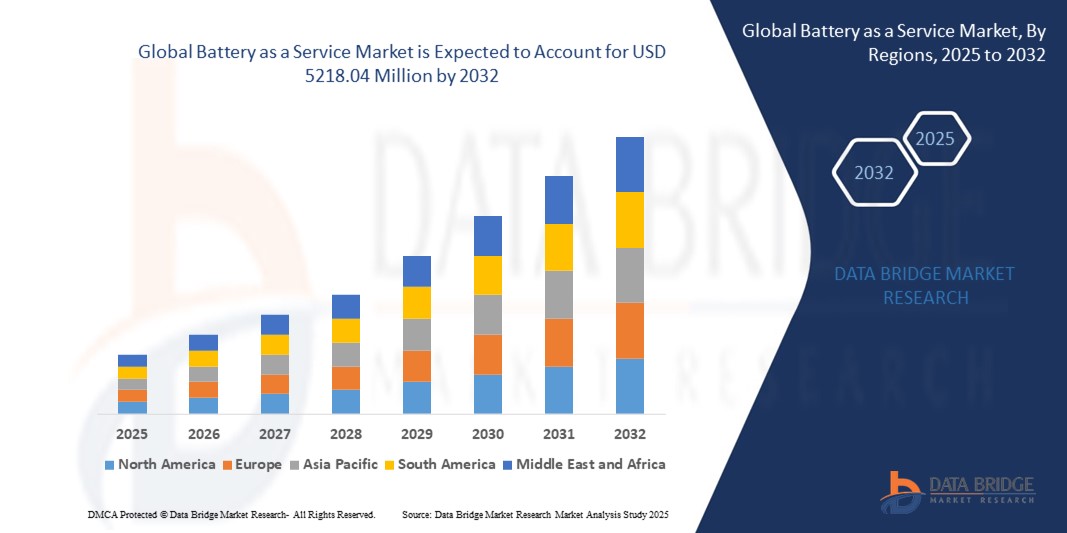
ما هو الطارئة العالمية كسوق خدمات الحجم ومعدل النمو؟
- تم تقدير قيمة البطاريات العالمية كحجم سوق خدمات بقيمة(بآلافومن المتوقع أن يتم ذلك(أ), ما(ج أ م م أ مخلال الفترة التي
- ويعزى النمو أساساً إلى اعتمادمركبات كهربائية(الأنشطة التنفيذية) والحاجة إلى التغلب على ارتفاع تكاليف البطاريات المقدمة مقدماً، مما يجعل نظام باساس نموذجاً جذاباً للمستهلكين ومشغلي السفن على السواء
- وبالإضافة إلى ذلك، فإن أوجه التقدم في الهياكل الأساسية لمعالجة البطاريات، والشراكات الاستراتيجية بين صانعي السيارات وموردي الطاقة، والحوافز الحكومية الداعمة، تعجل باعتماد حلول بايس على نطاق واسع في جميع أنحاء العالم، مما يدفع إلى التوسع الصناعي إلى حد كبير.
ما هي أهم مَن يأخذ البطارية كسوق خدمات؟
- :: أن تسمح حلول الخدمة للبطاريات كحل من حلول الخدمة لملاك EV بتأجير بطاريات منفصلة عن المركبات، مما يتيح خفض تكاليف الشراء الأولي، ومبادلات أسرع للبطاريات، وتحسين إدارة كفاءة استخدام الطاقة
- ويغذي الطلب على نظام باساس أساساً ارتفاع معدل تغلغل الاقتصادات البيئية، والدفع نحو إيجاد حلول للطاقة المستدامة، والحاجة إلى نماذج مرنة للملكية تحد من العبء الاستهلاكي
- مع زيادة الاستثمارات في شبكات محطات المقايضة، وتنامي التعاون عبر قطاعي السيارات والطاقة، والطلب الاستهلاكي على ملكية فعالة من حيث التكلفة لقيمة القيمة البيئية، برز نظام بااس كنموذج تحويلي في النظام الإيكولوجي العالمي لقيمة القيمة البيئية
- هيمنة منطقة آسيا والمحيط الهادئ على البطاريات كسوق خدمات بأكبر حصة من الإيرادات بلغت 42.5 في المائة في عام 2024، وذلك بسبب التحضر السريع، وتزايد اعتماد المركبات الكهربائية، والمبادرات الحكومية الداعمة التي تشجع الهياكل الأساسية لمقايضة البطاريات
- ومن المتوقع أن تنمو بطة أمريكا الشمالية كسوق خدمات في أسرع معدلات نمو في إطار المعدل القياسي لصافي الناتج المحلي الإجمالي بنسبة 10.6 في المائة من عام 2025 إلى عام 2032، مدفوعاً بتسريع اعتماد معايير تقييم الأداء، وزيادة الوعي البيئي، والاستثمارات القوية في البنية الأساسية للرسوم والمقايضة
- وسيطر الجزء النموذجي للاشتراكات على السوق بأكبر حصة من الإيرادات بلغت 61.4 في المائة في عام 2024، ويعزى ذلك إلى هيكل تكاليفه التي يمكن التنبؤ بها، وملاءمة كل من مالكي ومشغلي أسطول المعدات الكهربائية والإلكترونية
التقرير عن النطاق والبطاريات بوصفها سوق خدمات
| الصفات الأولى | البطاريات كخدمة رئيسية للسوق |
| المُسَجَّل |
|
| البلدان | أمريكا الشمالية
أوروبا
منطقة آسيا والمحيط الهادئ
الشرق الأوسط وأفريقيا
جنوب أمريكا الجنوبية
|
| & مفتاح |
|
| ما |
|
| جاري | وبالإضافة إلى الرؤى المتعلقة بسيناريوهات السوق مثل القيمة السوقية، ومعدل النمو، والتجزئة، والتغطية الجغرافية، والجهات الفاعلة الرئيسية، فإن تقارير السوق التي تُعدها بحوث سوق جسر البيانات تشمل أيضاً تحليلاً متعمقاً للخبراء، وتحليلاً للتسعير، وتحليلاً لحصص العلامات التجارية، واستقصاءات للمستهلكين، وتحليلاً ديمغرافياً، وتحليلاً لسلسلة التوريد، وتحليلاً لسلاسل القيمة، واستعراضاً عاماً للمواد الخام/الأصناف الاستهلاكية، ومعايير اختيار البائعين، وتحليلاً للعلامات التجارية، وتحليلاً للمستهلكين، وتحليلاً لسلسلة التوريد، وتحليلاً لسلاسل القيمة، واستعراضاً عاماً للمواد الخام/الأصناف الاستهلاكية، ومعايير اختيار البائعين، وتحليلاً للنقاط التجارية، وتحليلاً للبورتر، وإطاراً تنظيمياً. |
ما هو الاتجاه الرئيسي في البطارية كسوق خدمات؟
إدماج تكنولوجيا المعلومات والاتصالات في إدارة الطاقة الذكية
- ومن الاتجاهات الرئيسية التي تشكل البطارية العالمية كسوق خدمات، هو إدماجالمازجيومنصات الإنترنت للأشياء (IOT) من أجل الاستخدام الأمثل للطاقة، ورصد أداء البطارية، وتوسيع كفاءة دورة الحياة.مركبة كهربائية(العمال) المستخدمون ومشغلو تخزين الطاقة
- فعلى سبيل المثال، قامت شركات مثل NIO وGogroro بإدراج تحليلات تنبؤية تنبؤية تعمل بقوى الذكاء في شبكات مبادلة البطاريات لتقييم سلوك المستعملين، ودورات الشحن، والطلب على الشبكات، بما يمكّن من توزيع الطاقة على نحو أكثر ذكاء وكفاءة التكلفة
- وتتيح الحلول القائمة على أساس نظام المعلومات المتكامل لمقدمي الخدمات إمكانية التنبؤ باحتياجات الصيانة، والحيلولة دون حدوث أعطال مفاجئة، وتقديم معلومات آنية في الوقت الحقيقي عن صحة البطاريات، في حين أن الربط بشبكات تكنولوجيا النقل المتكامل يتيح الرصد عن بُعد والتكامل السلس مع أساطيل عمليات التقييم
- هذا التحول نحو منصات باساس الذكية والمترابطة والمرتبطة هو إعادة تعريف توقعات المستخدمين من خلال عرض الملاءمة، شفافية التكلفة، والموثوقية
- وتستثمر الشركات بشكل متزايد في حلول بايس الذكية والمبنية من قبل منظمة العفو الدولية لتعزيز ثقة المستخدمين، وتحسين الكفاءة التشغيلية، ودعم التحول الأوسع نحو كهربة
- ومن المتوقع أن يؤدي تزايد الطلب على نماذج بايس المتكاملة والمتوقع أن تؤدي إلى تسريع وتيرة الاعتماد في السنوات القادمة عبر جميع تطبيقات التقييم البيئي والطاقة المتجددة.
ما هي المحركات الرئيسية للبطارية كسوق خدمات؟
- :: يشكل تزايد اعتماد المركبات الكهربائية، إلى جانب الحوافز الحكومية التي تشجع على التنقل الأخضر، محركاً رئيسياً للبطاريات كسوق خدمات
- وعلى سبيل المثال، في عام 2024، أقامت غوغورو شراكة مع إنيل إكس لتوسيع بنيتها الأساسية لمبادلة البطاريات في أوروبا، بهدف التعجيل باعتماد معايير تقييم القيمة البيئية من خلال حلول قابلة للقياس وفعالة من حيث التكلفة
- إن ارتفاع التكلفة الأولية لبطاريات EV يجعل من بااس خيارا جذابا بتخفيض أسعار الشراء الأولية والتحول إلى نموذج الملكية القائم على الاشتراكات. وهذا العامل من عوامل القدرة على تحمل التكاليف هو عامل تمكين رئيسي لكل من المستهلكين الأفراد ومشغلي الأسطول.
- كما أن التوسع الحضري المتزايد والطلب على النقل العام والتجاري المستدام والنقل التجاري المستدام يزيدان من زيادة تعزيز اعتماد نظام بااس، لأنه يكفل تخفيض وقت التعطل وسهولة استبدال البطاريات
- وتيسر مقايضة البطاريات، وتكاليف الاشتراك التي يمكن التنبؤ بها، ودعم تكامل تخزين الطاقة، كلها عوامل تدفع السوق إلى الأمام
- وبالإضافة إلى ذلك، فإن التركيز المتزايد على نماذج الاقتصاد الدائري وإعادة تدوير البطاريات المستعملة يعزز من جاذبية الاستدامة المتمثلة في استخدام البطاريات كحل من حلول الخدمة.
ما هو العامل الذي يتحدى نمو البطارية كسوق خدمات؟
- :: لا تزال تكاليف الهياكل الأساسية المرتفعة المرتبطة بإنشاء محطات كبيرة الحجم لمقايضة البطاريات وشبكات الخدمات تشكل عقبة رئيسية أمام توسع السوق
- فعلى سبيل المثال، ناضل العديد من الشركات الناشئة في جنوب شرق آسيا من أجل توسيع شبكات المقايضة بسبب ارتفاع متطلبات الإنفاق الرأسمالي، مما حد من الاعتماد خارج المراكز الحضرية.
- وهناك تحد آخر يتمثل في الشواغل المتعلقة بتوحيد البطاريات عبر مختلف مصنّعي القيمة البيئية، حيث أن عدم وجود قابلية التشغيل التبادلي يقيد القابلية للتعديل ويثبط اعتماد علامة تجارية متقاطعة.
- :: يضيف شك المستهلك في موثوقية وتوافر محطات المبادلة، ولا سيما في المناطق الأقل نمواً، إلى عقبات التبني
- وبالإضافة إلى ذلك، فإن التقلبات في أسعار المواد الخام بالنسبة لليثيوم والنيكل والكوبالت واليثيوم والنيكل والكوبالت تزيد من التكاليف التشغيلية، مما يجعل أسعار الخدمات أقل استقرارا.
- وسيتطلب التغلب على هذه التحديات مزيداً من التعاون فيما بين مصنعي عمليات التقييم البيئية، والحكومات، وموردي الطاقة لبناء منصات موحدة، وتوسيع الهياكل الأساسية، وضمان القدرة على تحمل التكاليف في الأجل الطويل.
كيف يتم ترتيب البطارية كسوق خدمات؟
وتقسم السوق على أساس نوع الخدمة،(أ) ما إذا كان ذلك, التطبيقات، و(ب).
- نوع الخدمة
وعلى أساس نوع الخدمة، فإن البطاريات باعتبارها سوق خدمات تُقسم إلى نموذج اشتراكي ونموذج لكل استخدام. وكان القطاع النموذجي للاشتراك يهيمن على السوق بأكبر حصة من الإيرادات بلغت 61.4% في عام 2024، مدفوعاً بهيكل التكاليف التي يمكن التنبؤ بها وملاءمة كل من مالكي EV ومشغلي الأسطول. فالاشتراكات تسمح للزبائن بمبادلة البطاريات أو تحسينها حسب الاقتضاء، بما يضمن المرونة، مع الحد في الوقت نفسه من عبء تكاليف الملكية الأولية المرتفعة. كما أن شعبية برامج تأجير الإلكترونيات وريادة الاشتراك المدعومة من الحكومة تزيد من دعم هيمنة هذا النموذج.
ومن المتوقع أن يشهد نموذج الدفع لكل استخدام أسرع نموذج للصرف على أساس التكلفة من 22.1% في الفترة من عام 2025 إلى 2032، لأنه يوفر فعالية التكاليف للمستعملين الذين يفضلون الخدمات عند الطلب دون التزامات طويلة الأجل. وهذا النموذج يكتسب قوة دفع في خدمات التنقل المشتركة، وأساطيل الركوب، والمناطق ذات البنية الأساسية المحدودة ولكن الآخذة في التوسع. وتكمن جاذبية هذا النموذج في القدرة على تحمل التكاليف، والقدرة على التوسع، والملاءمة للأسواق الناشئة.
- حسب قدرة تخزين الطاقة
وعلى أساس القدرة على تخزين الطاقة، فإن البطارية باعتبارها سوق خدمات تُقسم إلى أقل من 50 كيلوواط ساعة، و50–100 كيلوواط ساعة، وأكثر من 100 كيلوواط ساعة. وكان الجزء الذي يتراوح بين 50 و100 كيلوواط ساعة يشكل حصة أكبر حصة من الإيرادات تبلغ 48.7% في عام 2024، ويرجع ذلك أساساً إلى ملاءمته للسيارات الكهربائية العادية، والعجلتين، والمركبات التجارية الخفيفة. وهذا النطاق من القدرات يوفر توازناً بين النطاق، وفعالية التكلفة، والشحن/المقايضة، بما يجعلها الأكثر تبنياً من جانب المستهلكين ومشغلي الأسطول على السواء.
ومن المتوقع أن يشهد الجزء الذي يزيد على 100 كيلوواط ساعة أسرع نسبة لـ 23.5% في الفترة من عام 2025 إلى عام 2032، والذي يغذيه ارتفاع الاعتماد في الشاحنات الثقيلة، والحافلات، والمركبات الكهربائية البعيدة المدى. ومع تحول اللوجستيات التجارية والنقل بين المدن بشكل متزايد نحو كهربة، أصبح الطلب على خدمات البطاريات ذات القدرة العالية لتلبية متطلبات القدرة على التحمل والكفاءة التشغيلية. وسوف يؤدي الاستثمار المتزايد في محطات مقايضة البطاريات ذات القدرة العالية إلى زيادة تسريع هذا القطاع.
- المصدر
وعلى أساس التطبيقات، تُقسم البطارية كسوق خدمات إلى تخزين الطاقة، والآلات والنقل، والتطبيقات الصناعية، وغيرها، ويسيطر قطاع السيارات والنقل على أكبر حصة من الإيرادات بلغت 55.2 في المائة في عام 2024، وذلك بسبب الزيادة المفاجئة في اعتماد المركبات الكهربائية، لا سيما في التنقل الحضري، والنقل العام، وخدمات التسليم، وتعالج شركة بااس شواغل المستهلكين بشأن ارتفاع تكاليف البطاريات وفرض رسوم التأخير، مما يجعلها حلاً جذاباً لقطاع السيارات.
ومن المتوقع أن يشهد قطاع تخزين الطاقة أسرع معدل لمعدل تخزين الطاقة في أفريقيا حيث بلغ 21.8% في الفترة من 2025 إلى 2032، مدعوماً بدوره في موازنة التكامل في مجال الطاقة المتجددة وتوفير استقرار الشبكات. ويتزايد اعتماد مقدمي خدمات المنافع وشركات الطاقة لنماذج بايس لنشر وحدات تخزين نموذجية، مما يوفر المرونة ووفورات التكاليف. ويرتبط هذا الاتجاه ارتباطاً وثيقاً بالدفعة العالمية نحو الطاقة النظيفة وتوليد الطاقة على نحو لا مركزي.
- بواسطة مُستخدِم
وعلى أساس المستخدم النهائي، تُقسم البطارية كسوق خدمات إلى سوق السيارات والاتصالات السلكية واللاسلكية والطاقة والمرافق والسكن والتجارة والصناعة وغيرها، ويستأثر قطاع السيارات بأكبر حصة من إيرادات السوق تبلغ 58.6 في المائة في عام 2024، ويُعزَّز ذلك بارتفاع معدل نفاذ القيمة البيئية وتفضيل تحقيق وفورات في التكاليف، وملكية البطاريات القائمة على الاشتراكات.
ومن المتوقع أن ينمو قطاع الاتصالات السلكية واللاسلكية في أسرع مستوياته من 22.9 في المائة من عام 2025 إلى 2032، حيث تعتمد شركات الاتصالات Baaas لحلول الطاقة الاحتياطية في أبراج 5G ومراكز البيانات. وتؤدي الحاجة إلى قدرة موثوقة وغير منقطعة للحفاظ على الاتصال الشبكي العالي السرعة إلى دفع الطلب في هذا القطاع. ومن المتوقع أن تؤدي الشراكات بين متعهدي الاتصالات السلكية واللاسلكية ومقدمي خدمات الطاقة إلى زيادة توسيع نطاق هذا التطبيق.
ما هي المنطقة التي تملك أكبر حصة من البطارية كسوق خدمات؟
- لقد سيطرت منطقة آسيا والمحيط الهادئ على البطارية باعتبارها سوق خدمات بأكبر حصة من الإيرادات بلغت 42.5% في عام 2024، وذلك بسبب التوسع الحضري السريع، وتنامي تبني المركبات الكهربائية، والمبادرات الحكومية الداعمة التي تشجع على مقايضة البطارية بالبنية الأساسية. وتقود بلدان مثل الصين واليابان والهند التوسع في بااس بسبب نظمها الإيكولوجية التصنيعية القوية، وتوسيع أساطيل القيمة البيئية، والتركيز على حلول الطاقة المستدامة.
- وينجذب المستهلكون في المنطقة إلى الكفاءة من حيث التكلفة والمرونة وخفض الوقت الذي تستغرقه البطارية لإسقاط الرسوم الجمركية كنماذج للخدمات، لا سيما في المناطق الحضرية المكتظة بالسكان حيث يرتفع انتشار العنف المميت ارتفاعا حادا
- السياسات المفضلة، والابتكارات المحلية في تكنولوجيات التقييم البيئي، وهيمنة الجهات الفاعلة الإقليمية، جعلت من آسيا والمحيط الهادئ مركزاً عالمياً لاعتماد نظام بااس، مما شكله ليصبح أكبر سوق للصناعة وأكثرها تأثيراً
ترقّي كنظرة إلى سوق الخدمات
إن البطاريات الصينية باعتبارها سوقاً للخدمات استحوذت على أكبر حصة من الإيرادات بلغت 68% في آسيا والمحيط الهادئ في عام 2024، والتي تغذيها قاعدة مستخدميها الواسعة من حيث القيمة البيئية، والدعم الحكومي القوي، والانطلاق الواسع النطاق لمحطات مسح البطاريات. والواقع أن نماذج الاشتراك الميسورة التكلفة ووجود عمالقة محليين مثل NIO و COTL تعمل على تسريع عملية الاعتماد. والمبادرات الذكية للمدن وتفضيلها لخدمات التنقل المشتركة تزيد من قوة دفع توسع السوق.
بطارية اليابان كسوق خدمات
ومن المتوقع أن تنمو البطارية اليابانية باعتبارها سوق خدمات في ظل قدر كبير من النمو في إطار سجل النمو العالمي خلال الفترة المتوقعة، وذلك بسبب البنية الأساسية المتقدمة للتكنولوجيا في البلاد وتنامي انتشار العنف في أوروبا. والواقع أن شيخوخة سكان اليابان وتركيزها على الموثوقية والسلامة والراحة يعملان على تغذية الطلب على الحلول السلسة لمعالجة البطاريات. كما يعمل دمج نظام بااس مع الأجهزة المرتبطة وخدمات التنقل الذكية أيضاً على تعزيز الاعتماد عبر القطاعات السكنية والتجارية على السواء.
بطارية الهند كبراق من سوق الخدمات
إن البطارية الهندية باعتبارها سوق خدمات تشهد نمواً قوياً، مدعوماً بارتفاع التوسع الحضري، والإعانات الحكومية من أجل تبني العنف ضد الأطفال، وشرائح الطاقة الكهرومغناطيسية المزدهرة ذات العجلتين وثلاث عجلات. وتستثمر الشركات الناشئة والمصنعون المحليون في شبكات تعويض البطارية المنخفضة التكلفة والقابلة للقياس لتلبية الطلب المتزايد على التنقل الميسور التكلفة. ومن المتوقع أن تؤدي زيادة التركيز على الحد من الانبعاثات من المركبات وتعزيز القدرة على الاتصال في الميل الأخير إلى زيادة تعزيز تبني بااس.
أي منطقة هي المنطقة المتسارعة النمو في البطارية كسوق خدمات؟
ومن المتوقع أن تنمو بطارية أميركا الشمالية باعتبارها سوقاً للخدمات عند أسرع مستويات النمو الكلي في الناتج المحلي الإجمالي بنسبة 10.6% في الفترة من 2025 إلى 2032، وذلك بسبب تسارع تبني معايير تقييم الأداء، وزيادة الوعي البيئي، والاستثمارات القوية في فرض الرسوم والمقايضة على البنية الأساسية. ويتزايد ترتيب المستهلكين في الولايات المتحدة وكندا لحلول الطاقة الفعالة من حيث التكلفة، في حين يستفيد مشغلو أسطول النقل من نماذج الملكية المنخفضة الوقت والتي يمكن التنبؤ بها والقائمة على المشاركة.
بطاريات الولايات المتحدة كسوق خدمات متبصرة
الواقع أن سوق الولايات المتحدة استأثرت بنحو 79% من حصة أميركا الشمالية من الإيرادات في عام 2024، مدفوعاً بارتفاع معدل الاختراق في أوروبا، وتفضيل المستهلكين القوي لخدمات الاشتراك، والتعاون المتنامي بين صناع السيارات ومقدمي الطاقة. والمبادرات الفيدرالية الداعمة للبنية الأساسية للصناعة الإلكترونية، إلى جانب تبني التكنولوجيات المترابطة على نطاق واسع، تعمل على تحديد موقع الولايات المتحدة باعتبارها محرك النمو الرئيسي للمنطقة.
البطاريات كسوق خدمات متبصرة
إن البطاريات الكندية باعتبارها سوق خدمات تكتسب زخماً متزايداً، وتغذيها سياساتها في مجال الطاقة النظيفة، والإعانات الحكومية من أجل تبني معايير التقييم البيئي، والتركيز على الحلول المستدامة في مجال النقل. والطلب المتزايد على معايير التقييم البيئي البعيدة المدى، إلى جانب الاستثمارات في البنية الأساسية للتنقل الحضري، يدفع المرافق العامة ومقدمي خدمات الحراك إلى تبني نماذج مرنة لتسويف البطاريات.
أي الشركات الكبرى في (باتري) كسوق خدمات؟
وتتولى قيادة البطاريات كصناعة خدمات في المقام الأول شركات راسخة، بما في ذلك:
- نيو نيو (الصين)
- Fast (فييت نام)
- المحدودة (الهند)
- غوغورو (تايوان)
- ماهيندرا وماهيندرا المحدودة (الهند)
- شركة Hewean Day Motor (كوريا الجنوبية)
- )الصين(
- (الهند)
- Ltd. (اليابان)
- شركة SAIC CRP Limited (الصين)
- التكنولوجيات الخضراء (ماليزيا)
- شركة Pissan Motor Co.، Ltd. (اليابان)
ما هي التطورات الأخيرة في البطارية العالمية كسوق خدمات؟
- في يناير/كانون الثاني من عام 2025، أقامت شركة JSW MG Motor India شراكة مع شركة كوتاك ماهيندرا برايم (الهند) لتقديم حلول تمويلية لبطارية الشركة كبرنامج خدمات، بهدف خفض التكلفة الأولية لملكية القيمة البيئية وتشجيع المبيعات. ومن المتوقع أن يؤدي هذا التحرك إلى جعل تبني القيمة المضافة أيسر من الناحية المالية بالنسبة للمستهلكين الهنود.
- في ديسمبر/كانون الأول 2024، تعاونت الشركة التابعة لشركة ماهيندرا وماهيندرا المحدودة (الهند) مع شركة فيديوت (الهند) لإطلاق بطارية كبرنامج خدمة للمركبات الكهربائية، تغطي نماذج مثل ZEO (ZEW) و Zor Grand و Treo Plus (3Ws). ومن المتوقع أن تؤدي هذه المبادرة إلى خفض كبير في الحواجز التي تحول دون ملكية القيمة السوقية وتعزيز المبيعات في قطاع التنقل المتنامي في الهند.
- في سبتمبر 2024، انضم MG Motor India إلى فيديوت (الهند) للشروع في نموذج تمويلي جديد لسيارات الركاب، ودمج البطارية كخيار خدمة لـ EVs مثل MG Comet EV، MG Windsor EV، وMG ZS EV. ومن المتوقع لهذا التعاون أن يعزز القدرة على تحمل التكاليف ويعجل من اعتماد EV في الهند.
- وفي آب/أغسطس 2024، أدخلت شركة فينفاست (فييت نام) نموذج اشتراك في البطارية في الفلبين لمركباتها الكهربائية VF5، مما سمح للزبائن بتأجير البطاريات بدلاً من دفع تكاليف أولية مرتفعة.
- في يوليو 2024، كشفت شركة هيونداي موتور (كوريا الجنوبية) عن خدمة اشتراك جديدة مرتبطة بمركباتها الكهربائية، ومن المقرر أن يكون التوافر الأولي متاحاً في عام 2025 في كوريا الجنوبية. وفي الوقت الحالي، من المتوقع أن يعزز هذا البرنامج استراتيجية هيونداي في مجال التقييم البيئي بمجرد تنفيذها بالكامل.
- وفي نيسان/أبريل 2024، أطلق فينفاست (فييت نام) سياسة اشتراك في البطارية في إندونيسيا لمعالجة شواغل المستهلكين بشأن صحة البطارية وتكاليف الصيانة الطويلة الأجل.
SKU-
احصل على إمكانية الوصول عبر الإنترنت إلى التقرير الخاص بأول سحابة استخبارات سوقية في العالم

- لوحة معلومات تحليل البيانات التفاعلية
- لوحة معلومات تحليل الشركة للفرص ذات إمكانات النمو العالية
- إمكانية وصول محلل الأبحاث للتخصيص والاستعلامات
- تحليل المنافسين باستخدام لوحة معلومات تفاعلية
- آخر الأخبار والتحديثات وتحليل الاتجاهات
- استغل قوة تحليل المعايير لتتبع المنافسين بشكل شامل
منهجية البحث
يتم جمع البيانات وتحليل سنة الأساس باستخدام وحدات جمع البيانات ذات أحجام العينات الكبيرة. تتضمن المرحلة الحصول على معلومات السوق أو البيانات ذات الصلة من خلال مصادر واستراتيجيات مختلفة. تتضمن فحص وتخطيط جميع البيانات المكتسبة من الماضي مسبقًا. كما تتضمن فحص التناقضات في المعلومات التي شوهدت عبر مصادر المعلومات المختلفة. يتم تحليل بيانات السوق وتقديرها باستخدام نماذج إحصائية ومتماسكة للسوق. كما أن تحليل حصة السوق وتحليل الاتجاهات الرئيسية هي عوامل النجاح الرئيسية في تقرير السوق. لمعرفة المزيد، يرجى طلب مكالمة محلل أو إرسال استفسارك.
منهجية البحث الرئيسية التي يستخدمها فريق بحث DBMR هي التثليث البيانات والتي تتضمن استخراج البيانات وتحليل تأثير متغيرات البيانات على السوق والتحقق الأولي (من قبل خبراء الصناعة). تتضمن نماذج البيانات شبكة تحديد موقف البائعين، وتحليل خط زمني للسوق، ونظرة عامة على السوق ودليل، وشبكة تحديد موقف الشركة، وتحليل براءات الاختراع، وتحليل التسعير، وتحليل حصة الشركة في السوق، ومعايير القياس، وتحليل حصة البائعين على المستوى العالمي مقابل الإقليمي. لمعرفة المزيد عن منهجية البحث، أرسل استفسارًا للتحدث إلى خبراء الصناعة لدينا.
التخصيص متاح
تعد Data Bridge Market Research رائدة في مجال البحوث التكوينية المتقدمة. ونحن نفخر بخدمة عملائنا الحاليين والجدد بالبيانات والتحليلات التي تتطابق مع هدفهم. ويمكن تخصيص التقرير ليشمل تحليل اتجاه الأسعار للعلامات التجارية المستهدفة وفهم السوق في بلدان إضافية (اطلب قائمة البلدان)، وبيانات نتائج التجارب السريرية، ومراجعة الأدبيات، وتحليل السوق المجدد وقاعدة المنتج. ويمكن تحليل تحليل السوق للمنافسين المستهدفين من التحليل القائم على التكنولوجيا إلى استراتيجيات محفظة السوق. ويمكننا إضافة عدد كبير من المنافسين الذين تحتاج إلى بيانات عنهم بالتنسيق وأسلوب البيانات الذي تبحث عنه. ويمكن لفريق المحللين لدينا أيضًا تزويدك بالبيانات في ملفات Excel الخام أو جداول البيانات المحورية (كتاب الحقائق) أو مساعدتك في إنشاء عروض تقديمية من مجموعات البيانات المتوفرة في التقرير.











