



Global Gluten-free Alcohol Market Segmentation, By Type (Gluten-Free Beer Gluten-Free Hard Cider, Gluten-Free Wine, Gluten-Free Wine Coolers, Gluten-Free Spirits, Gluten-Free Gin, Gluten-Free Rum, Gluten-Free Sake, Gluten-Free Tequila, Gluten-Free Vodka, Gluten-Free Whiskey, and Others), Source (Buckwheat, Sorghum, Rice, Corn, Fruits, Potatoes, Sugar Cane, Agave Cactus, and Others) - Industry Trends and Forecast to 2033
グローバルグルテンフリーアルコール市場規模と成長率は何ですか
- データブリッジ市場調査分析による 世界的なグルテンフリーのアルコール市場規模が評価されました2025年のUSD 10.84億そして到達する予定2033年までに24.36億米ドル, お問い合わせカリフォルニア 10.65%予報期間中
- 世界中のセリアック病の発生率の数の増加は、グルテンフリーのアルコール市場の成長を促進する主要な要因の一つとして機能します
- 特別な食事療法のライフスタイルの採用の増加と食品から解放され、心臓病、糖尿病、肥満、代謝症候群、脳卒中、慢性肺疾患などの健康障害のグルテン製品予防の高い採用は、市場成長を加速します。
市場規模と予測
- グローバル市場価値 (2025):USD 10.84億
- 期待される市場価値 (2033):米ドル 24.36 億
- 予測CAGR (2026-2033): 10.65%
グルテンフリーアルコール市場の主要なテイクアウトは何ですか
- 不利な腸症候群(IBS)の蔓延に上昇し、販売の増加につながる組織小売店でグルテンフリー製品の可能性を高め、健康上の利点は市場に影響を与える
- 加えて, 食品の支出を急増, 消費者の意識にメディアの影響, 食品の範囲で高い使用, 消費者の間で健康意識の増加と積極的にグルテンフリーのアルコール市場に影響を与えるダイエットの傾向に上昇
- さらに、グルテンフリー製品の保存性を向上させるためにマイクロカプセル化技術の採用は、市場プレーヤーに有益な機会を拡張します
- 北アメリカは、2025年に推定36.8%の収益シェアを持つグルテンフリーのアルコール市場を支配しました。セリアック病、グルテン不耐性、および米国とカナダを渡る清潔なラベルの好みの高消費者意識によって駆動しました。
- アジア・パシフィックは、2026年から2033年にかけて、最も速いCATGの登録を予定しており、急速な都市化、中級人口の拡大、オーストラリア、日本、中国、インドに及ぶグルテン不耐性や特産アルコール飲料の普及啓発を推進しています。
- Gluten-Freeビールのセグメントは、2025年に推定34.6%のシェアで市場を支配しました。それは最も広く消費されたグルテンフリーのアルコール飲料をグローバルに残しているため
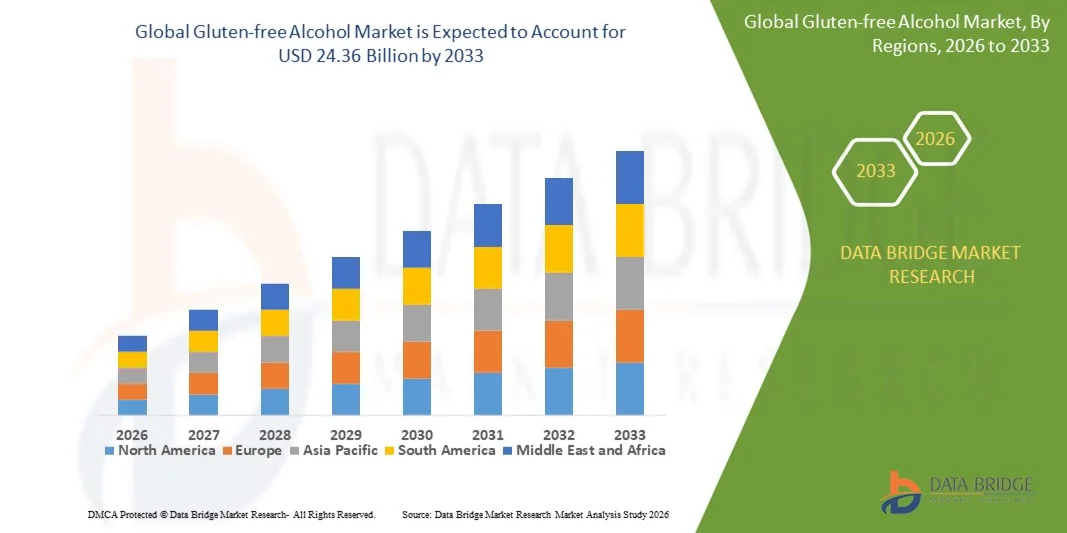
レポートスコープとグルテンフリーのアルコール市場のセグメンテーション
|
アトリビュート |
Gluten-freeアルコールキーマーケットインサイト |
|
カバーされる区分 |
|
|
カバーされた国 |
北アメリカ
ヨーロッパ
アジアパシフィック
中東・アフリカ
南米
|
|
主要市場プレイヤー |
|
|
マーケットチャンス |
|
|
付加価値データインフォセットを追加 |
市場価値、成長率、セグメンテーション、地理的カバレッジ、主要なプレーヤーなどの市場シナリオに関する洞察に加えて、Data Bridge Market Researchがキュレーションする市場レポートには、詳細なエキスパート分析、価格設定分析、ブランドシェア分析、消費者調査、デモグラフィ分析、サプライチェーン分析、バリューチェーン分析、原材料/消耗品の概要、ベンダー選定基準、PESTLE分析、ポーター分析、規制フレームワークが含まれます。 |
グルテンフリーのアルコール市場の重要な傾向は何ですか
クリーンラベル、機能性、プレミアムグルテンフリーアルコール飲料の消費者向けライジング
- グルテンフリーのアルコール市場は、グルテン不耐性、セリアック病、および消化の健康上の懸念に関する消費者意識を高めることによって推進される強い成長を目撃しています
- 製造業者は、ソルガム、米、トウモロコシ、メレ、および代替穀物として作られた飲料から作られたクラフトグルテンフリービール、スピリッツ、および準備飲み物(RTD)を導入しています
- 清潔なラベル、非GMO、有機、防腐剤のないアルコール飲料の需要は、製品イノベーション戦略を再構築しています
- たとえば、Anheuser-Busch、Bard's Brewing、Glutenberg、Ghostfish Brewingなどの企業は、グルテンフリーのポートフォリオを拡大して、健康意識の高い消費者を応援しています
- プレミアムクラフト飲料や低炭水化物のアルコール飲料の普及が加速し、小売やオントレードチャネルの多様化を加速
- 健康意識の飲酒傾向がグローバルに上昇し続けるにつれて、グルテンフリーのアルコールは、より広範なアルコール飲料業界における重要なイノベーションセグメントを維持します
グルテンフリーのアルコール市場のキードライバーは何ですか
- Celiac疾患、グルテン感受性、および消化の健康障害の有利性は、認定グルテンフリーのアルコール飲料の需要を高める
- 例えば, で 2025, 複数のグローバル醸造所と蒸留所は、上昇規制と消費者基準を満たす認定グルテンフリー生産ラインを拡大
- 米国、欧州、アジア太平洋地域における健康ライフスタイル、低炭水化物ダイエット、マインドフルな飲酒習慣の採用拡大を支援
- eコマースプラットフォーム、特産酒店、プレミアムスーパーマーケットの拡大により、製品アクセシビリティと消費者意識の向上
- 発酵技術の革新を増加させ、代替穀物処理は味のプロフィールおよび製品品質を高めます
- 使い捨ての収入増加、プレミアム化傾向、クラフトアルコール文化の拡大により支えられ、グルテンフリーのアルコール市場は持続的な長期成長を目撃する見込み
グルテンフリーのアルコール市場の成長を望む要因は
- 認定グルテンフリー成分、専用製造施設、品質検査に伴う生産コストが高まり、製品価格が向上
- 例えば、2024年~2025年の間に、ソルガムや特産品などの原料価格の変動は、製造醸造所に影響を与えた生産マージン
- グルテンフリーの認定およびラベリング基準に関する地域開発における限られた消費者意識は、広範な採用を制限します
- 伝統的なバーリーベースの飲料と比較して、知覚の課題と限られた味の品種を味わうと、繰り返し購入に影響を与える可能性があります
- 異なる国における厳格な規制基準と認証要件は、メーカーのコンプライアンスの複雑性を高めます
- これらの課題を克服するために、企業は、高度な醸造技術、コスト最適化戦略、より広い流通ネットワーク、およびグルテンフリーのアルコール飲料のグローバル採用を強化するための消費者教育取り組みに投資しています
グルテンフリーのアルコール市場はどのように区分されますか
市場は、に基づいてセグメント化されますタイプおよび源.
- タイプ別
種類に基づいて、グルテンフリーのアルコール市場はグルテンフリービール、グルテンフリーのハードサイダー、グルテンフリーのワイン、グルテンフリーのワインクーラー、グルテンフリーのスピリッツ、グルテンフリーのジン、グルテンフリーのジン、グルテンフリーのジン、グルテンフリーのラム、グルテンフリーの酒、グルテンフリーのテキーラ、グルテンフリーのウォッカ、グルテンフリーのウォッハ、その他。 Gluten-Freeビールのセグメントは、2025年に推定34.6%のシェアで市場を支配しました。それは最も広く消費されたグルテンフリーのアルコール飲料をグローバルに残しているためです。 クラフトビールの代替品のための強力な消費者好み, スーパーマーケットやバーの可用性を高めます, そして、グルテン不耐性の上昇意識は、そのリーダーシップの位置をサポートしてきました. 醸造所は、風味、食感、口笛を改善するために、ソルガムと米ベースの発酵技術に投資しています。
グルテンフリースピリットセグメントは、トウモロコシ、ポテト、アガベから作られたプレミアムウォッカ、ジン、テキーラ、ウイスキーの需要の増加によって駆動され、2026年から2033年まで最速のCAGRで成長することが期待されています。 カクテル文化、プレミアム化傾向、およびグローバル蒸留所全体のグルテンフリー認定の拡大がこのセグメントで成長を加速しています。
- ソース
ソースに基づいて、グルテンフリーのアルコール市場は、そば、ソルガム、米、トウモロコシ、フルーツ、ポテト、砂糖の杖、アガブの事実、その他に分けられます。 Sorghum セグメントは、2025 年に推定 28.9% シェアで市場を支配しました。, 主にグルテンフリービール生産で広範な使用のために. Sorghumは、優れた発酵特性、中性味特性、コスト効率性を提供し、クラフトと商業醸造所の間で好ましい穀物代替品にします。 従来の醸造プロセスとの高い澱粉の内容そして両立性は更に生産の効率および拡張性を高めます。
Agave Cactus セグメントは、2026 から 2033 までの最速の CAGR で成長するように計画されています。, プレミアムグルテンフリーのテキーラとアガベベースの精神のための世界的な需要の増加によってサポートされています。. クリーンラベル、植物ベースのアルコール飲料、およびテキーラ生産地域からの強力な輸出増加に対する消費者の傾きを上げることは、セグメントの拡大を促進しています。 代替穀物および植物ベースのアルコール生産における継続的な革新は、今後数年間で原材料調達を多様化することが期待されます。
グルテンフリーのアルコール市場の最大のシェアはどの地域ですか
- 北アメリカは、2025年に推定36.8%の収益分配とグルテンフリーのアルコール市場を支配しました。セリアック病、グルテン不耐性、および米国とカナダを渡るきれいなラベルの好みの高消費者の意識によって駆動しました。 グルテンフリービール、スピリッツ、ハードサイダーの需要が高まっています。スーパーマーケット、特産酒店、および電子商取引プラットフォームの広範な製品可用性とともに、地域の成長を促進します
- 北米の飲料メーカーとクラフトビールは、ソルガムベースのビール、トウモロコシ、ポテトベースのウォッカ、進化する消費者の好みを満たすアガベベースのプレミアムスピリッツを導入し、認定グルテンフリーポートフォリオを拡大しています。 醸造技術の継続的な革新とプレミアム化の傾向は、さらに地域のリーダーシップを強化します
- 高い使い捨て収入、強い小売流通ネットワーク、および健康意識のアルコール飲料の好みの増加は、地域全体の長期的な市場拡大を強化します
米国グルテンフリーアルコール市場の洞察
米国は、北米で最大のコントリビューターです, 特殊クラフト飲料の需要の増加とグルテンフリービールと精神消費の強い成長によってサポートされています. 消化器の健康、清潔なラベルの成分、およびアレルゲンフリー認定の認識を拡大することは、製品の採用を加速しています。 主要な醸造所、蒸留所、および革新的なスタートアップの存在は、認定グルテンフリーのアルコール飲料を発売し、市場成長を促進します。 強力なオン・トレードとオフ・トレード・ディストリビューション・チャネル、プレミアム化とカクテル文化のトレンドと相まって、引き続き米国の市場ポジションを強化します。
カナダグルテンフリーアルコールマーケットインサイト
カナダは、自然とアレルゲンフリー飲料の消費者の嗜好を高めることによって、地域成長に著しく貢献します。 グルテンフリーのクラフトビールと地元産のスピリッツの需要を成長させ、支持的なラベリング規則と共に、製品の可視性を高めます。 小売チェーンにおける特産飲料アイルの拡大と健康に重点を置いたライフスタイルの人気が高まっています。
アジアパシフィックグルテンフリーアルコール市場
アジア・パシフィックは、2026年から2033年にかけて、最も速いCATGの登録を予定しており、急速な都市化、中級人口の拡大、オーストラリア、日本、中国、インドに及ぶグルテン不耐性や特産アルコール飲料の普及が進んでいます。 プレミアム輸入スピリットの採用を増加させ、カクテル文化を盛り上げ、現代の小売フォーマットの拡大は、需要を加速しています。 観光、ホスピタリティ部門、国際ブランドの普及は、さらに地域の見通しを強化しています。 米ベースのビール、フルーツワイン、グルテンフリーのクラフトイノベーションによる実験を行なうと、地域全体の製品多様性を拡大し続けています。
中国グルテンフリーアルコール市場の洞察
中国は、高級アルコール消費の増加と都市小売インフラの拡大により、安定した成長を目撃しています。 輸入グルテンフリーの精神と革新的なフルーツベースのアルコール飲料の需要の増加は、市場拡大をサポートしています。
日本グルテンフリーのアルコール市場の洞察
日本では、米ベースのアルコール飲料やプレミアム輸入スピリッツの需要が強いため、特産品や健康志向の飲料に興味が高まっています。 食餌療法の感受性の上昇の意識は安定した採用を支えます。
インドグルテンフリーアルコール市場 Insight
インドは、都市の消費者基盤を拡大し、プレミアムアルコール消費量を増加させ、ミレニアル世代間の健康意識を成長させることによって推進される有望な成長拠点として誕生しています。 国際的なブランドのライジングは採用を強化します。
韓国グルテンフリーアルコールマーケットインサイト
韓国は、優れた精神の需要と進化する消費者の嗜好により、清潔なラベルや特殊アルコール飲料に大きく貢献しています。 現代の小売チャネルを拡大し、持続的な市場成長をサポートします。
グルテンフリーアルコール市場でトップ企業は
グルテンフリーのアルコール業界は、主に確立された企業によって導かれています。
- DSM(オランダ)
- ドヘラー(ドイツ)
- TITO’S HANDMADE VODKA(アメリカ)
- ヘンデリックのジン蒸留所株式会社(イギリス)
- BOMBAY SAPPHIRE(バンパイア)(アメリカ)
- キャプテンモーガン(アメリカ)
- 予約バー(アメリカ)
- ドン・ジュリオ(メキシコ)
- カボワボ(アメリカ)
- BeerAdvocate(米国)
- ゴーストフィッシュ醸造会社(米国)
- グルテンベルク(カナダ)
- グルテンフリービール(アメリカ)
- Anheuser-Busch 企業, LLC (米国)
- Bard’s Brewing, LLC (米国)
- ブルワリー・リッコリー(アメリカ)
- BURNING BROTHERS BREWING, LLC(アメリカ)
- COORS BREWINGカンパニー(アメリカ)
- Epic Brewing Company(アメリカ)
グローバルグルテンフリーアルコール市場の最近の発展は何ですか
- 2025年10月、Plenishは、米国初のゼロシュガーオートミール飲料を発売し、油と添加剤を含まない、Plenish Zero Sugar Oat M*lkで植物ベースのポートフォリオを拡大し、わずか4つの天然成分から作られた水、グルテンフリー有機オート麦、植物ベースのカルシウム、および塩から、天然糖にオート麦を変換せずにクリーミーな味を引き出す、ウェイトローズとオンラインで独占的に利用可能な、代替品と代替品のためのステップラベルに署名します。
- 2025年9月、セントラル・スタンダード・クラフト蒸留所は、Delta Dawnを導入しました。新しい範囲のTHC-infusedノンアルコール飲料は、ドア・カウンティ・チェリー・レモネードやフルーツ・パンチなどの風味で利用可能で、各12オンスには10mgのTHCが含まれており、アルコールフリーでグルテンフリーでグルテンフリーで、消費者は伝統的な精神に爽やかで革新的な代替品を提供し、成長を続ける機能性飲料セグメントを強化します
- 2025年8月、ディオニライフは、2つの新しい非アルコール魂、ラ・ボローサ、アガベベースのテキーラスタイルの飲料、およびパヴァリ17、地中海のインスピレーションを受けた苦い苦いアペリティボを明らかにしました。ラ・ボローサは、手持ちのブルー・アガヴェとオークエイジドから作られ、アルコールや砂糖なしで本格的なテキーラ風味を再現し、プレミアム非アルコール運動を補強します。
- 2025年1月、Kiitos Brewingは、国内初の100%Fonioビールを発売し、古代の干ばつ耐性の西アフリカの穀物フォニオから完全に醸造し、近距離の外観でlycheeと白ブドウのトロピカルな風味のノートを提供し、グルテンフリービール提供の持続可能な醸造革新と多様化を強調
SKU-
世界初のマーケットインテリジェンスクラウドに関するレポートにオンラインでアクセスする

- インタラクティブなデータ分析ダッシュボード
- 成長の可能性が高い機会のための企業分析ダッシュボード
- カスタマイズとクエリのためのリサーチアナリストアクセス
- インタラクティブなダッシュボードによる競合分析
- 最新ニュース、更新情報、トレンド分析
- 包括的な競合追跡のためのベンチマーク分析のパワーを活用
調査方法
データ収集と基準年分析は、大規模なサンプル サイズのデータ収集モジュールを使用して行われます。この段階では、さまざまなソースと戦略を通じて市場情報または関連データを取得します。過去に取得したすべてのデータを事前に調査および計画することも含まれます。また、さまざまな情報ソース間で見られる情報の不一致の調査も含まれます。市場データは、市場統計モデルと一貫性モデルを使用して分析および推定されます。また、市場シェア分析と主要トレンド分析は、市場レポートの主要な成功要因です。詳細については、アナリストへの電話をリクエストするか、お問い合わせをドロップダウンしてください。
DBMR 調査チームが使用する主要な調査方法は、データ マイニング、データ変数が市場に与える影響の分析、および一次 (業界の専門家) 検証を含むデータ三角測量です。データ モデルには、ベンダー ポジショニング グリッド、市場タイムライン分析、市場概要とガイド、企業ポジショニング グリッド、特許分析、価格分析、企業市場シェア分析、測定基準、グローバルと地域、ベンダー シェア分析が含まれます。調査方法について詳しくは、お問い合わせフォームから当社の業界専門家にご相談ください。
カスタマイズ可能
Data Bridge Market Research は、高度な形成的調査のリーダーです。当社は、既存および新規のお客様に、お客様の目標に合致し、それに適したデータと分析を提供することに誇りを持っています。レポートは、対象ブランドの価格動向分析、追加国の市場理解 (国のリストをお問い合わせください)、臨床試験結果データ、文献レビュー、リファービッシュ市場および製品ベース分析を含めるようにカスタマイズできます。対象競合他社の市場分析は、技術ベースの分析から市場ポートフォリオ戦略まで分析できます。必要な競合他社のデータを、必要な形式とデータ スタイルでいくつでも追加できます。当社のアナリスト チームは、粗い生の Excel ファイル ピボット テーブル (ファクト ブック) でデータを提供したり、レポートで利用可能なデータ セットからプレゼンテーションを作成するお手伝いをしたりすることもできます。











