



Asia-Pacific ELISpot and FluoroSpot Assay Market Segmentation, By Product Type (Assay Kits, Supplementary/ Ancillary Products, and Analyzers), Source (Human, Mouse, Monkey, and Others), Diseases (Infectious Diseases, Cancer, Autoimmune Diseases, Allergy, and Others) Application (Diagnostic Application and Research Applications), End-User (Hospitals and Clinical Laboratories, Research Institutes, Biopharmaceutical Companies, and Others), Distribution Channel (Direct Tender, Retail Sales and Others) - Industry Trends and Forecast to 2033
아시아 태평양 ELISpot 및 FluoroSpot 분석 시장 규모 및 성장률은 무엇입니까
- Data Bridge Market Research 분석에 따르면 아시아 태평양 ELISpot 및 fluorospot assay 시장 규모가 평가되었습니다.50억 원견적 요청50억 384.19, 에 의해15.50%의 CAGR예측 기간
- 시장 성장은 고급 immunological 연구 기술 및 분석 플랫폼의 지속적인 기술 발전의 증가 채택에 의해 크게 연료를 공급하고, 높은 정밀도, 감도 및 두 학문적인 연구와 임상 실험실 조정에 있는 처리량을 지도하
- 또한, vaccine 발달, 불완전한 질병 연구, 암 면역 요법 및 autoimmune 무질서 연구에 있는 정확한, reproducible 및 높 감도 면역성 감시 공구를 위한 일어나는 수요는 세포 면역 반응 분석을 위한 선호한 해결책으로 ELISpot와 FluoroSpot 분석실험을 설치하고 있습니다. 이 융합 요인은 ELISpot 및 FluoroSpot 분석실험 해결책의 uptake를 가속하고, 크게 전반적인 시장 성장을 밀어서
시장 크기 & Forecast
- 글로벌 시장 가치 (2025):50억
- 예상 시장 가치 (2033):50억
- 캐스트 CAGR (2026-2033) :15.50%
아시아 태평양 ELISpot 및 FluoroSpot 분석 시장의 주요 테이크아웃은 무엇입니까
- ELISpot 및 FluoroSpot 분석실험은 단세포 수준에 세포의 높게 과민한 탐지를 제안하고, 면역학 연구, 임상 진단 및 그것의 고정확도, 재현성 및 다수 면역 마커를 동시에 분석하는 능력 때문에 약 발달에 있는 점점 중요한 공구입니다.
- ELISpot과 FluoroSpot 분석실험을 위한 escalating 수요는 백신 발달, 암 immunotherapy, 불완전한 질병 연구 및 autoimmune 무질서 학문에 있는 급속한 성장에 의해, 전임상과 임상 조정 둘 다에 있는 강력한 면역 모니터링을 위한 증가 필요와 더불어 1 차적으로 몰고 있습니다
- 중국은 생명 과학 연구, 바이오 기술 및 제약 회사, 고급 실험실 인프라 및 학술 및 임상 연구 기관에 대한 강력한 정부 기금 지원 2025에서 약 38.7%의 가장 큰 수익 점유율을 가진 ELISpot 및 FluoroSpot 분석 시장을 지배했다.
- 인도는 예측 기간 동안 ELISpot 및 FluoroSpot 분석 시장에서 가장 빠르게 성장하는 지역이 될 것으로 예상되며, 10.6%의 예상된 CAGR로 바이오 테크 R&D 투자를 증가시켜 CRO 서비스를 확장하고, 고급 진단 및 면역 연구 도구에 대한 수요 증가
- 연구 분야 부문은 2025년 62.1%의 매출 점유율로, 면역 연구에 대한 광범위한 사용으로 구동
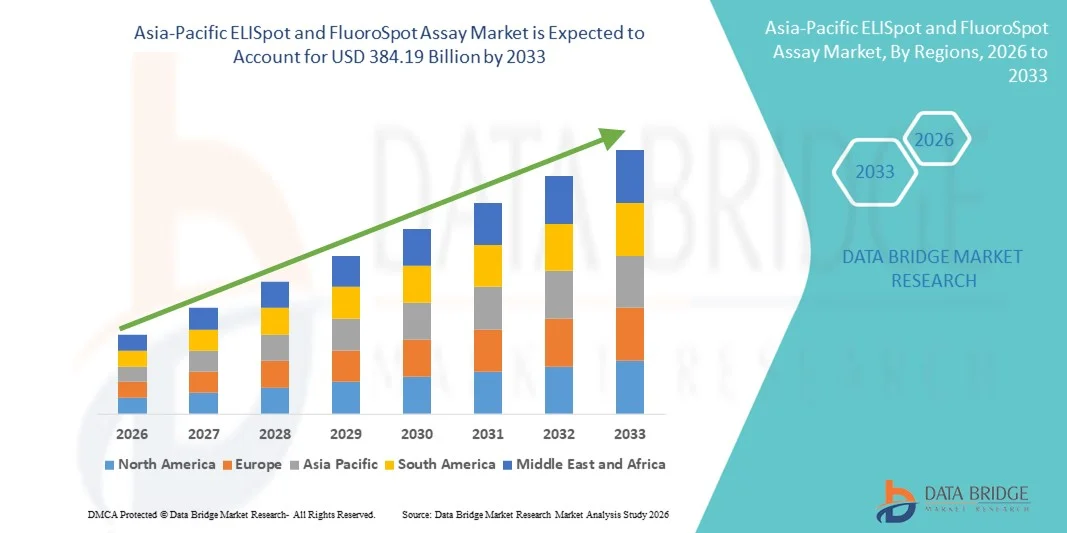
보고서 범위 및 ELISpot 및 FluoroSpot 분석 시장 세그먼트
|
관련 기사 |
ELISpot 및 FluoroSpot 분석 키 시장 통찰력 |
|
Segments 적용 |
|
|
국가 덮음 |
아시아 태평양
|
|
핵심 시장 선수 |
|
|
시장 기회 |
|
|
Value 추가 데이터 Infosets |
시장 가치, 성장률, 세그먼트, 지리적 범위 및 주요 플레이어와 같은 시장 시나리오에 대한 통찰력 외에도 데이터 브리지 시장 연구에 의해 큐레이터 시장 보고서는 심층적 인 전문가 분석, 환자 분석, 파이프라인 분석, 가격 분석 및 규제 프레임 워크를 포함합니다. |
아시아 태평양 ELISpot 및 FluoroSpot 분석 시장의 주요 추세는 무엇입니까
고급 Cellular Immune 모니터링 기술의 채택
- 세계 ELISpot 및 FluoroSpot 분석 시장에서 중요한 추세는 감염성 질환 연구, 종양학 및 백신 개발 전반에 걸쳐 고급 세포 면역 반응 모니터링 기술의 채택이 증가하고 있습니다. 이 분석실험은 단세포 수준에 항원 별 T 세포와 B 세포 응답 검출에 있는 그들의 높은 감도를 위해 인식됩니다
- 예를 들어, COVID-19 전염병 중 (2021-2022), 연구 기관 및 제약 회사 전 세계적으로 널리 채택 된 ELISpot 및 FluoroSpot Assays T-cell 응답 및 백신 효능 평가, 가속 백신 개발 및 면역 응답 모니터링 지원
- Multi-parameter FluoroSpot 분석실험을 포함하여 기술적인 발전은, 다수 세포질의 동시 탐지를 가능하게 하고, 분석실험 효율성과 자료 깊이를 개량합니다. 이 번역 연구 및 면역 요법 개발의 채택 증가
- COVID-19, tuberculosis, hepatitis 및 신흥 바이러스 감염과 같은 감염성 질환에 특히 백신 효능 테스트에서 ELISpot 및 FluoroSpot 분석실험의 성장하는 사용은 학문 및 임상 연구 기관의 전 세계 시장 수요를 강화하고 있습니다.
- 높은 정밀도, 재현성 및 확장 가능한 면역 모니터링 도구를 향한이 추세는 전 세계적으로 면역 연구 관행을 재구성하고, 제조, 유통망 및 지역별 기술 지원 기능을 확장하기 위해 노력하고 있습니다.
- 결과, 글로벌 ELISpot 및 FluoroSpot 분석 시장은 예측 기간 동안 약 9.0%~10.5%의 CAGR에서 성장할 것으로 예상되며, 전 세계 연구 활동 및 면역 요법 개발에 의해 구동됩니다.
아시아 태평양 ELISpot 및 FluoroSpot 분석 시장 역학
관련 기사
면역학 연구와 감염과 만성 질환의 상승 Burden
- 전염병, 암, 그리고 전염병의 증가는 전 세계적으로 ELISpot 및 FluoroSpot 분석실험을 위한 수요의 중요한 운전사입니다. 이 분석실험은 임상 진단과 연구 신청 둘 다에 있는 세포질 면역 반응을 연구하기 위하여 광대하게 이용됩니다
- 예를 들어, COVID-19, HIV 및 결핵과 같은 감염성 질병에 대한 글로벌 백신 연구 및 임상 시험은 2021 년과 2024 년 사이에 ELISpot 및 FluoroSpot 분석실험 키트의 조달을 크게 증가했습니다.
- 정부 지원 연구 이니셔티브 및 공공 민간 파트너십은 생물 의학 연구 및 판독성 준비를 강화하는 것을 목표로하고 있으며 학술 기관과 바이오 제약 회사들 전반에 대한 더 가속 분석실험 채택
- 글로벌 임상 시험의 성장 수는 안전과 효능 평가에 사용되는 면역 모니터링 분석실험에 대한 직접적인 요구, 특히 종양학 및 감염성 질환 백신 개발
- 또한 글로벌 생명 과학 기업과 계약 연구 조직 (CROs)의 확장 존재는 진단 및 연구 응용 분야의 분석실험 소비에 있는 일관된 성장을 지원하고 있습니다
스트레인트/Challenge
높은 분석 비용 및 기술 복잡성
- 시장 성장을 억제하는 주요 과제 중 하나는 ELISpot 및 FluoroSpot 분석실험 장비, 해석기 및 소모품의 상대적으로 높은 비용으로, 작은 실험실과 연구 센터 중 채택을 제한 할 수 있습니다 제약 예산
- 예를 들어, 많은 개발 국가에서, 연구 및 전문 FluoroSpot 분석가의 높은 비용에 대한 제한된 펀딩은 기존 ELISA 테스트에 대한 지속적인 신뢰를 바탕으로 ELISpot / FluoroSpot 분석실험이 제공하는 높은 감도 및 데이터 품질에도 불구하고
- assay 프로토콜, 샘플 준비 요구 사항 및 결과 해석에 대한 취약점, 표준화 된 워크플로우 및 숙련 된 기술 전문 지식
- 또한, 원격 또는 Underdeveloped 지역에 있는 진보된 면역 감시 기술의 한정된 인식 그리고 가용성은 더 넓은 시장 침투를 제한합니다
- 비용 효과적인 분석실험 장비, 단순화된 워크플로우, 향상된 교육 프로그램 및 지역 제조 확장을 통해 이러한 과제를 해결하는 것은 글로벌 ELISpot 및 FluoroSpot 분석 시장에서 장기적인 성장을 지속하는 데 중요합니다.
Asia-Pacific ELISpot 및 FluoroSpot 분석 시장은 무엇입니까
시장은 제품 유형, 근원, 질병, 신청, 최종 사용자 및 배급 수로의 기초에 세그먼트를 매깁니다.
- 제품 유형
제품 유형의 기초에, ELISpot와 FluoroSpot 분석실험 시장은 분석실험 장비, supplementary/ancillary 제품 및 해석기로 분류됩니다. 분석실험 장비 세그먼트는 연구와 임상 조정에 있는 높은 반복 소비에 의해 몬 2025년에 56.8%의 가장 큰 수익 점유율을 가진 시장을 지배했습니다. 분석실험 장비는 pre-optimized 시약, 입히는 판 및 탐지 항체를, 지킵니다 일관된 결과 및 높은 재현성을 제공합니다. 백신 개발, 감염성 질환 모니터링 및 면역 요법 연구에 광범위하게 사용됩니다. 제약 및 바이오 제약 회사는 여러 실험실에서 표준화를위한 분석실험 키트를 선호합니다. 연구 기금 증가로 인해 신흥 시장에서 강한 수요의 세그먼트 혜택. 또한 지속적인 제품 출시 및 향상된 키트 감도에서 이득. 많은 실험실은 assay 설정 시간과 운영 복잡성을 줄이기 위해 키트를 선호합니다. 분석실험 장비는 학문과 산업 연구 둘 다에서 넓게 채택됩니다. 선도적 인 글로벌 제조업체의 존재는 더 지배력을 강화합니다. 성장은 면역력과 T-cell 반응 연구에 의해 지원됩니다. 세그먼트는 표준화된 분석실험을 위한 지속적인 수요 때문에 그것의 지도를 유지하기 위하여 예상됩니다.
분석기 세그먼트는 2026에서 2033까지 12.9%의 CAGR을 등록하는 가장 빠르게 성장할 것으로 예상됩니다. 성장은 자동화된 지점 계산 및 다중화 분석에 대한 수요 증가로 구동됩니다. 분석기는 작업 흐름 효율을 개선하고 수동 계산에서 인간의 오류를 줄일 수 있습니다. 그들은 큰 임상 시험 및 백신 학문을 위해 필요로 한 높은 처리량 검열을 지원합니다. 고급 이미징 시스템은 더 나은 데이터 분석 및 디지털 스토리지를 가능하게 합니다. FluoroSpot assays의 채택은 정교한 분석가가가 필요하며, 더 성장이 향상됩니다. 개발된 economies에 있는 연구 실험실 자동화 동향은 채택을 가속화합니다. 또한, 정확한 면역 모니터링을 위한 면역 종양학 연구 증가 수요에 대한 투자 증가. 분석기는 여러 연구 프로젝트를 지원하는 중앙 집중식 실험실에서 점점 사용됩니다. 실험실 정보 체계 (LIMS)도 통합하는 그들의 능력은 가동 효율성을 강화합니다. 지속적인 기술 향상 및 AI 기반 스폿 인식은 급속한 성장에 기여합니다.
- 이름 *
근원의 기초에, 시장은 인간, 쥐, 원숭이 및 다른 사람으로 구분됩니다. 인간 근원 세그먼트는 광대한 임상 사용법에 의해 지원된 2025년에 48.3% 수익 공유로, 지배했습니다. 인간 근거한 분석실험은 백신 예심, 불완전한 질병 감시 및 immunotherapy 연구를 위해 근본적입니다. 암, 면역 질환 및 감염성 질환의 예방 접종은 인간 면역 반응에 대한 수요를 증가시킵니다. 제약 회사는 임상 시험에서 더 나은 번역 relevance에 대한 인간의 샘플 분석실험을 선호한다. 임상 연구 및 임상 시험 활동에 대한 강력한 펀딩의 부문 혜택. Human-relevant 데이터에 대한 규제 강조에 의해 더 지원됩니다. 인간적인 분석실험은 면역력을 위한 진단 실험실에서 널리 이용됩니다. 맞춤 의학 및 면역 요법의 성장은 채택을 강화합니다. 또한, 임상 표본에 개량한 접근은 세그먼트 성장을 밀어줍니다. 개발된 국가에서 진보된 임상 실험실의 존재는 더 dominance를 지원합니다.
마우스 소스 세그먼트는 2026에서 2033까지 11.7%의 CAGR로 빠르게 성장할 것으로 예상됩니다. 쥐 모형은 preclinical immunology 연구와 약 발견에서 널리 이용됩니다. 인간적인 시험의 앞에 면역성 기계장치에 생명 자료를 제공합니다. 성장은 전임 연구 및 동물 모델 연구에 대한 투자 상승에 의해 지원됩니다. 학술 기관 및 CROs는 초기 약물 평가를 위해 마우스 분석실험에 의존합니다. 번역 면역학 및 백신 연구에 중점을두고 수요를 늘리고 있습니다. 쥐 분석실험은 소설 치료 및 면역 반응을 평가하기 위하여 이용됩니다. 북미 및 유럽의 강력한 연구 활동의 부문 혜택. 유전적으로 수정 된 마우스 모델의 채택은 더 성장을 지원합니다.
- 질병으로
질병의 기초에, 시장은 감염성 질병, 암, 면역 질환, 알레르기 등으로 구분됩니다. 전염병 세그먼트는 글로벌 질병 부담 상승으로 인해 2025에서 34.9%의 수익 공유로 지배되었습니다. ELISpot 분석실험은 항원 별 T 세포 응답 검출을 위해 근본적입니다. 그들은 TB, HIV, 간염 및 신흥 감염성 질병을 위해 널리 이용됩니다. 정부 심사 프로그램 및 공공 보건 이니셔티브 드라이브 채택. 백신 개발 및 모니터링도 강력하게 기여합니다. 감염병에 대한 연구 기금 증가의 세그먼트 혜택. 급속한 깨는 응답 및 pandemic 준비는 더 수요를 강화합니다. 진단 실험실은 점점 면역 감시를 위한 ELISpot를 이용합니다. 이 세그먼트는 면역 반응 분석의 인식을 증가하여 지원됩니다. 최고의 assay 제조업체의 존재는 제품 가용성을 향상시킵니다. 분석실험 감도에 있는 지속적인 혁신은 진단 신뢰성을 개량합니다.
암 세그먼트는 2026에서 2033까지 13.6%의 CAGR로 빠르게 성장할 것으로 예상됩니다. 성장은 면역 요법과 개인화 된 암 치료로 구동됩니다. ELISpot 및 FluoroSpot 분석실험은 종양 특정한 면역 반응을 평가하기 위하여 이용됩니다. 환자는 면역 요법과 백신 기반 치료에 대한 응답을 모니터링합니다. 종양학 임상 시험 및 R&D 지출 지원 급속한 성장을 증가. Biopharma 회사는 biomarker discovery와 면역력에 대한 이러한 분석실험을 사용합니다. 전 세계적으로 암의 발병률이 더 많은 연료 수요가 있습니다. 성장은 또한 초기 감지 및 치료 모니터링에 초점을 증가하여 구동됩니다.
- 회사연혁
신청의 기초에, 시장은 진단 신청과 연구 신청으로 구분됩니다. 연구 분야 부문은 2025년 62.1%의 매출 점유율로, 면역학 연구의 광범위한 사용에 의해 구동되었습니다. 교육 기관 및 제약 회사는 vaccine 개발 및 면역력에 대한 ELISpot 및 FluoroSpot 분석실험에 의존합니다. 글로벌 성장 연구 기금의 부문 혜택. 감염성 질환, 암 및 면역 질환에 대한 진료 및 임상 연구를 지원합니다. 세포 면역 반응 분석은 강한 수요를 구동한다. 연구실은 일관된 결과를 위한 표준화된 분석실험 그리고 장비를 선호합니다. 부문은 대학과 생명 공학 회사 간의 협력에 의해 지원됩니다. 또한 면역 출판물과 연구 산출을 증가하는 이득.
진단 애플리케이션 세그먼트는 2026에서 2033까지 12.4%의 CAGR에서 가장 빠르게 성장할 것으로 예상됩니다. 성장은 감염성 질병 및 면역 감시를 위한 임상 진단에서 일어나는 사용에 의해 몰고 있습니다. ELISpot 분석실험은 질병 검열을 위한 진단 실험실에서 점점 이용됩니다. 검증 및 규제 승인은 임상적 채택을 지원합니다. 개인화 된 의약품의 상승은 면역 모니터링 테스트에 대한 수요를 향상시킵니다. 신흥 economies에 있는 임상 실험실의 확장은 성장을 지원합니다. 의료 지출 및 진단 인프라 증가도 기여.
- 최종 사용자
최종 사용자의 기초에, 시장은 병원과 임상 실험실, 연구 기관, 생물약학 기업 및 다른 사람으로 구분됩니다. 연구 기관 세그먼트는 광범위한 학술 연구 및 강력한 기금으로 인해 2025의 41.7%의 매출 점유율을 가진 시장을 지배했습니다. 연구 기관은 방사선과 백신 개발을 위한 주요 허브이며, ELISpot 및 FluoroSpot 분석실험을 위한 주행 수요가 있습니다. 그들은 면역 반응 프로파일링, 백신 효능 연구 및 번역 연구에 대한 이러한 분석실험을 사용합니다. 바이오테크회사와의 협력을 통해 정부의 수익 프로그램 및 협력을 지원한다. 연구 기관은 종종 assay 키트의 높은 볼륨을 요구하는 대규모 예비 진료 연구를 수행합니다. T-cell 면제에 대한 출판 출력 및 과학적 관심 증가 대학의 전문 면역 연구소는 지속적인 수요에 기여합니다. 이 기관은 재현성 및 크로스랩 일관성을 위한 표준화된 키트를 선호합니다. 대량 조달 계약은 또한 수익 공유를 밀어. 장기 연구 프로젝트 및 보조금의 세그먼트 혜택. 면역학과의 지속적인 확장은 미래 수요를 지원합니다. 연구 기관은 또한 진보된 해석기의 초기 채택자로, 시장 지배력을 강화하.
Biopharmaceutical 기업 세그먼트는 2026년에서 2033년까지 13.2%의 CAGR로 가장 빠르게 성장할 것으로 예상되며, Biologics 및 immunotherapies의 투자로 구동됩니다. Biopharma 회사는 ELISpot 및 FluoroSpot 분석실험을 약 발견, 생물 마커 검증 및 임상 시험 감시를 이용합니다. 면역 종양학 및 백신 개발 연료 수요에 중점을두고 있습니다. 임상 시험의 성장 수에서 세그먼트의 이점 및 가속된 약 승인 통로. Biopharmaceutical Company는 급속한 검열 및 일관된 결과를 위한 높은 처리량 해석기를 선호합니다. 그들은 종종 대규모 면역성 연구를위한 CROs와 파트너. 감염성 질병 및 암에 있는 파이프라인 약은 또한 급속한 성장을 지원합니다. 맞춤 의학 드라이브의 강력한 면역 프로파일링 필요. Biopharma 회사는 규제 요건을 충족하기 위해 assay 표준화를 우선합니다. 세그먼트는 지속적인 혁신과 자동화에 의해 강화됩니다. 학술 기관과의 협업을 더욱 가속화합니다.
- 유통 채널
배급 수로의 기초에, 시장은 직접적인 입찰, 소매 판매 및 다른 사람으로 구분됩니다. 직접 입찰 세그먼트는 병원, 연구소 및 정부 기관에 의해 대량 조달에 의해 구동 2025 년에 52.6%의 매출 점유율을 가진 시장을 지배했습니다. 직접 입찰은 장기 계약 및 경쟁력있는 가격을 통해 비용 이점을 제공합니다. 큰 기관은 믿을 수 있는 공급 및 일관된 질을 위한 이 수로를 선호합니다. 정부의 연구 프로젝트 및 공공 보건 프로그램은 종종 입찰을 통해 조달. Tender 기반 구매는 최신 분석실험 키트 및 분석기에 대한 액세스를 보장합니다. 이 채널은 큰 임상 시험과 전국적인 면역 이니셔티브를 지원합니다. 주요 제조업체는 예측 가능한 수요 및 수익 안정성을 위해 입찰 계약을 선호합니다. 유통 오버 헤드를 줄이고 공급망 효율성을 향상시킵니다. 병원 및 대형 실험실은 표준화 된 조달 프로세스에서 혜택을 제공합니다. 직접적인 입찰 수로는 설치된 의료 인프라를 가진 개발된 지구에 지배적입니다. 그것은 또한 대규모 공중 보건 검열 프로그램을 지원합니다. 세그먼트는 지속적인 기관 수요로 인해 강한 유지 될 것으로 예상됩니다.
소매 판매 세그먼트는 2026에서 2033년까지 11.3%의 CAGR와 더불어, 작은 실험실과 CROs 구매 장비를 분배자를 통해서 확장해서, 빨리 성장할 것으로 예상됩니다. 성장은 신흥 경제의 수요 증가에 의해 지원됩니다. 온라인 시장 및 향상된 물류는 소매 구매를 쉽고 빠르게 만듭니다. 소매 판매는 긴 조달 주기 없이 진보된 분석실험 장비에 접근하는 더 작은 기관을 가능하게 합니다. Distributor는 현지화된 지원 및 훈련, 증가 채택을 제공합니다. 민간 연구 시설과 바이오 테크 스타트업의 부문 혜택. 소매 판매는 또한 계절 연구 필요를 위한 가동 가능한 주문화를 지원합니다. 지역 시장에서 assay kit의 증가 된 가용성은이 채널을 강화합니다. 새로운 분석실험 기술의 빠른 채택에 있는 소매 판매 도움. 성장은 Point-of-care 및 분산 연구 실험실에 대한 수요 상승에 의해 지원됩니다. 세그먼트는 인식과 접근성을 높이기 위해 확장될 것으로 예상됩니다.
Asia-Pacific ELISpot 및 FluoroSpot 분석 시장 지역 분석
- 아시아 태평양 ELISpot 및 FluoroSpot 분석 시장은 2026에서 2033의 예측 기간 동안 10.6%의 가장 빠른 CAGR에서 성장하기 위해 고안되었으며, 신흥 경제학의 생명 과학 연구에 대한 투자를 늘리고 있습니다. Rising Healthcare expenditure and growing prevalence of infectious Disease in countries such as India and China are fueling demand for advanced immunology assays
- CRO 서비스 및 임상 연구 활동을 확장하는 지역의 이점. 정부는 의료 인프라 및 연구 개발 지원 시장 성장을 지원합니다. 병원 및 연구 기관에 있는 진보된 진단 기구 및 immunoassays의 채택은 수요를 밀어줍니다. Biopharmaceutical의 급속한 확장 및 백신 연구 프로그램은 시장 성장을 강화하고 있습니다. 실험실 인프라 및 숙련 된 인력 가용성 지원에 대한 개선
- 학술 연구소와 제약 회사 간의 협력은 혁신을 구동한다. 면역 요법과 백신 효능 모니터링의 인식 증가 assay 사용법. 주요 글로벌 및 지역 플레이어의 존재는 기술 전송 및 시장 진입을 가속화합니다. 저렴한 가격과 현지화된 제조는 또한 접근성을 강화합니다
중국 ELISpot 및 FluoroSpot 분석 시장 통찰력
중국 ELISpot 및 FluoroSpot 분석 시장은 ELISpot 및 FluoroSpot 분석 시장이 2025 년에 약 38.7%의 가장 큰 수익 점유율을 차지했으며 생명 과학 연구 및 생명 공학 및 제약 회사의 급속한 확장에 대한 강력한 정부 기금을 지원했습니다. 연구기관과 임상연구기관간의 면역학에 대한 선진 실험실 인프라 및 높은 채택은 시장의 지배에 기여합니다. 중국은 백신 개발 및 감염성 질환 연구에 초점을 맞추고 ELISpot 및 FluoroSpot 분석실험에 대한 수요를 구동합니다. 강력한 국내 제조 능력은 적당한 분석실험 장비 및 해석기의 가용성을 지킵니다. CRO 확장 및 계약 연구 분야는 더 시장 성장을 밀어줍니다. 급속하게 증가 임상 시험 활동은 더 높은 분석실험 소비를 지원합니다. 혁신 및 연구 상용화 촉진 정부 정책은 시장을 강화합니다. Rising public-private 파트너십은 면역 기술의 발전을 가속화합니다. 주요 글로벌 및 지역 선수의 존재는 시장 경쟁력을 강화합니다. 강력한 연구 생태계와 큰 환자 인구는 중국 주요 성장 시장을 만듭니다.
인도 ELISpot 및 FluoroSpot 분석 시장 통찰력
인도 ELISpot 및 FluoroSpot 분석 시장은 2026에서 2033의 예측 기간 동안 10.6%의 계획 된 CAGR로 가장 빠르게 성장하는 시장이 될 것으로 예상되며, 바이오 기술 연구 및 개발의 투자를 늘리고 있습니다. 국가는 CRO 서비스 및 임상 시험 활동에 있는 급속한 확장을 목격하고, 진보된 immunology 분석실험을 위한 수요 증가하는. 결핵, dengue, hepatitis와 같은 감염성 질병의 전임은 정확한 면역 반응 감시를 위한 필요를 연료를 공급합니다. 정부는 의료 인프라 및 생명 공학 혁신을 지원하는 이니셔티브는 연구 역량을 강화하고 있습니다. 병원 및 연구 기관에 있는 진보된 진단 기구의 성장 채택은 또한 시장 성장에 공헌합니다. 백신 개발 및 면역 요법 프로그램에 대한 상승 초점은 더 많은 assay 수요를 증가시킵니다. 학회 및 제약 회사 간의 협력을 증가시키는 것은 기술 개발 및 상용화를 지원합니다. clinicians와 연구원 중 면역 분석의 성장 인식은 채택을 가속화합니다. 적당한 분석실험 장비 및 현지화한 제조의 가용성은 더 넓은 accessibility를 지원합니다. 전 세계, 인도는 ELISpot 및 FluoroSpot 분석실험을 위한 핵심 시장으로 발전하고 있습니다.
Asia-Pacific ELISpot 및 FluoroSpot 분석 시장의 최고 기업은 무엇입니까
ELISpot 및 FluoroSpot 분석 산업은 주로 잘 설립 된 회사에 의해 주도됩니다.
·Mabtech 소개(스웨덴)
• Cellular Technology Limited (미국)
• BD (미국)
·머스크 KGaA(독일)
• 옥스포드 Immunotec (미국)
·임문소(미국)
·Bio-Rad 연구소(미국)
• R&D 시스템 (미국)
• Tecan 그룹 (스위스)
·Agilent 기술(미국)
• PerkinElmer (미국)
• 론자 (스위스)
• Thermo Fisher Scientific (미국)
• Sartorius AG (독일)
• Becton Dickinson (미국)
• Nexcelom Bioscience (미국)
• ELISpot.com (미국)
• CTL (Cellular Technology Limited) (미국)
• Cytiva (미국)
• AID GmbH (독일)
아시아 태평양 ELISpot 및 FluoroSpot 분석 시장의 최신 개발
- Medline Industries는 3 월 2023에서 향상된 편안함, 안정성 및 재활 및 이동성 지원 중 사용의 용이성을 위해 설계된 인체 공학적 함정의 새로운 라인을 도입하여 사용자의 장기 지원 장치에 대한 필요성을 해결
- 6 월 2023에서 획기적인 이동성 보조 제품은 Medical Device Company Canes 및 Crutches (Press release)가 글로벌 시장에서 새로운 이동성 장치로 발표되었으며 기존의 이동성 보조 기능을 확장하고 이동성 장애를 가진 사용자에 대한 의존도를 증가시킵니다.
- 8월 2023일, 영국의 Cool Crutches & Walking Sticks는 자선 PhysioNet과 협력하여 지속 가능성과 향상된 접근성을 촉진하는 데 도움이되는 기동성 보조를 거부하기 위해 자선 및 적대를 협력하는 최초의 걷는 원조 재활용 계획을 시작했습니다.
- 7 월 2024에서 Cardinal Health는 의료 기기 제조업체의 인수를 완료했으며 Canes 및 crutches를 포함한 이동식 보조 제품 포트폴리오를 강화하고 치료 이동식 솔루션의 글로벌 시장 진출을 강화했습니다.
SKU-
세계 최초의 시장 정보 클라우드 보고서에 온라인으로 접속하세요

- 대화형 데이터 분석 대시보드
- 높은 성장 잠재력 기회를 위한 회사 분석 대시보드
- 사용자 정의 및 질의를 위한 리서치 분석가 액세스
- 대화형 대시보드를 통한 경쟁자 분석
- 최신 뉴스, 업데이트 및 추세 분석
- 포괄적인 경쟁자 추적을 위한 벤치마크 분석의 힘 활용
연구 방법론
데이터 수집 및 기준 연도 분석은 대규모 샘플 크기의 데이터 수집 모듈을 사용하여 수행됩니다. 이 단계에는 다양한 소스와 전략을 통해 시장 정보 또는 관련 데이터를 얻는 것이 포함됩니다. 여기에는 과거에 수집한 모든 데이터를 미리 검토하고 계획하는 것이 포함됩니다. 또한 다양한 정보 소스에서 발견되는 정보 불일치를 검토하는 것도 포함됩니다. 시장 데이터는 시장 통계 및 일관된 모델을 사용하여 분석하고 추정합니다. 또한 시장 점유율 분석 및 주요 추세 분석은 시장 보고서의 주요 성공 요인입니다. 자세한 내용은 분석가에게 전화를 요청하거나 문의 사항을 드롭하세요.
DBMR 연구팀에서 사용하는 주요 연구 방법론은 데이터 마이닝, 시장에 대한 데이터 변수의 영향 분석 및 주요(산업 전문가) 검증을 포함하는 데이터 삼각 측량입니다. 데이터 모델에는 공급업체 포지셔닝 그리드, 시장 타임라인 분석, 시장 개요 및 가이드, 회사 포지셔닝 그리드, 특허 분석, 가격 분석, 회사 시장 점유율 분석, 측정 기준, 글로벌 대 지역 및 공급업체 점유율 분석이 포함됩니다. 연구 방법론에 대해 자세히 알아보려면 문의를 통해 업계 전문가에게 문의하세요.
사용자 정의 가능
Data Bridge Market Research는 고급 형성 연구 분야의 선두 주자입니다. 저희는 기존 및 신규 고객에게 목표에 맞는 데이터와 분석을 제공하는 데 자부심을 느낍니다. 보고서는 추가 국가에 대한 시장 이해(국가 목록 요청), 임상 시험 결과 데이터, 문헌 검토, 재생 시장 및 제품 기반 분석을 포함하도록 사용자 정의할 수 있습니다. 기술 기반 분석에서 시장 포트폴리오 전략에 이르기까지 타겟 경쟁업체의 시장 분석을 분석할 수 있습니다. 귀하가 원하는 형식과 데이터 스타일로 필요한 만큼 많은 경쟁자를 추가할 수 있습니다. 저희 분석가 팀은 또한 원시 엑셀 파일 피벗 테이블(팩트북)로 데이터를 제공하거나 보고서에서 사용 가능한 데이터 세트에서 프레젠테이션을 만드는 데 도움을 줄 수 있습니다.











