Germany Post-Traumatic Stress Disorder (PTSD) Market, By Type (Dissociative PTSD, Uncomplicated PTSD, Comorbid PTSD, Others), Treatment Type (Medication, Psycotherapy, Software Devices), Route of Administration (Oral, Parentral, Others), Age Group (Children, Adults, Geriatric), End User (Hospitals, Outpatient Clinics, Mental Health Centers, Home Healthcare, Others), Distribution Channel (Hospital Pharmacy, Retail Pharmacy, Online Pharmacy and Others) - Industry Trends and Forecast to 2030.
Germany Post-Traumatic Stress Disorder (PTSD) Market Analysis and Insights
Post-traumatic stress disorder (PTSD) is a mental health condition triggered by a terrifying event — either experiencing it or witnessing it. Symptoms may include flashbacks, nightmares, and severe anxiety, as well as uncontrollable thoughts about the event. Most people who go through traumatic events may have temporary difficulty adjusting and coping, but with time and good self-care, they usually get better. If the symptoms get worse and last for months or even years and interfere with day-to-day functioning, then it is said to have PTSD. Getting effective treatment after PTSD symptoms develop can be critical to reducing symptoms and improving function.
The Germany post-traumatic stress disorder (PTSD) market is expected to grow in the forecast period of 2023 to 2030. Data Bridge Market Research analyses that the market is growing with a CAGR of 4.4% in the forecast period of 2023 to 2030 and is expected to reach USD 210.44 million by 2030.
|
Report Metric |
Details |
|
Forecast Period |
2023 to 2030 |
|
Base Year |
2022 |
|
Historic Years |
2021 (Customisable to 2020-2015) |
|
Quantitative Units |
Revenue in USD Million |
|
Segments Covered |
By Type (Dissociative PTSD, Uncomplicated PTSD, Comorbid PTSD, Others), Treatment Type (Medication, Psycotherapy, Software Devices), Route of Administration (Oral, Parentral, Others), Age Group (Children, Adults, Geriatric), End User (Hospitals, Outpatient Clinics, Mental Health Centers, Home Healthcare, Others), Distribution Channel (Hospital Pharmacy, Retail Pharmacy, Online Pharmacy and Others) |
|
Countries Covered |
Germany |
|
Market Players Covered |
AbbVie Inc., Viatris Inc, Pfizer Inc., Eli Lilly and Company, Takeda Pharmaceutical Company Limited, Aurobindo Pharma., AstraZeneca, Cipla Inc., Lupin, Accord Healthcare GmbH, Dr. Reddy's Laboratories Ltd., Zydus Pharmaceuticals, Inc., and GlaxoSmithKline Group of Companies. Teva Pharmaceutical Industries Ltd., Alkermes. And Novartis AG among others. |
Market Definition of Germany Post-Traumatic Stress Disorder (PTSD) Market
Post-traumatic stress disorder (PTSD) is a disorder that develops in some people who have experienced a shocking, scary, or dangerous event.
It is the complex somatic, cognitive, affective, and behavioral effects of psychological trauma. It is characterized by intrusive thoughts, nightmares, and flashbacks of past traumatic events, avoidance of reminders of trauma, hypervigilance, and sleep disturbance, all of which lead to considerable social, occupational, and interpersonal dysfunction.
Post-traumatic stress disorder (PTSD) treatment help to improve patients thinking power, changes in physical activity & regain a sense of control over life. The mode of treatment applied for post-traumatic stress disorder includes medication, therapies, self-care & nutrition.
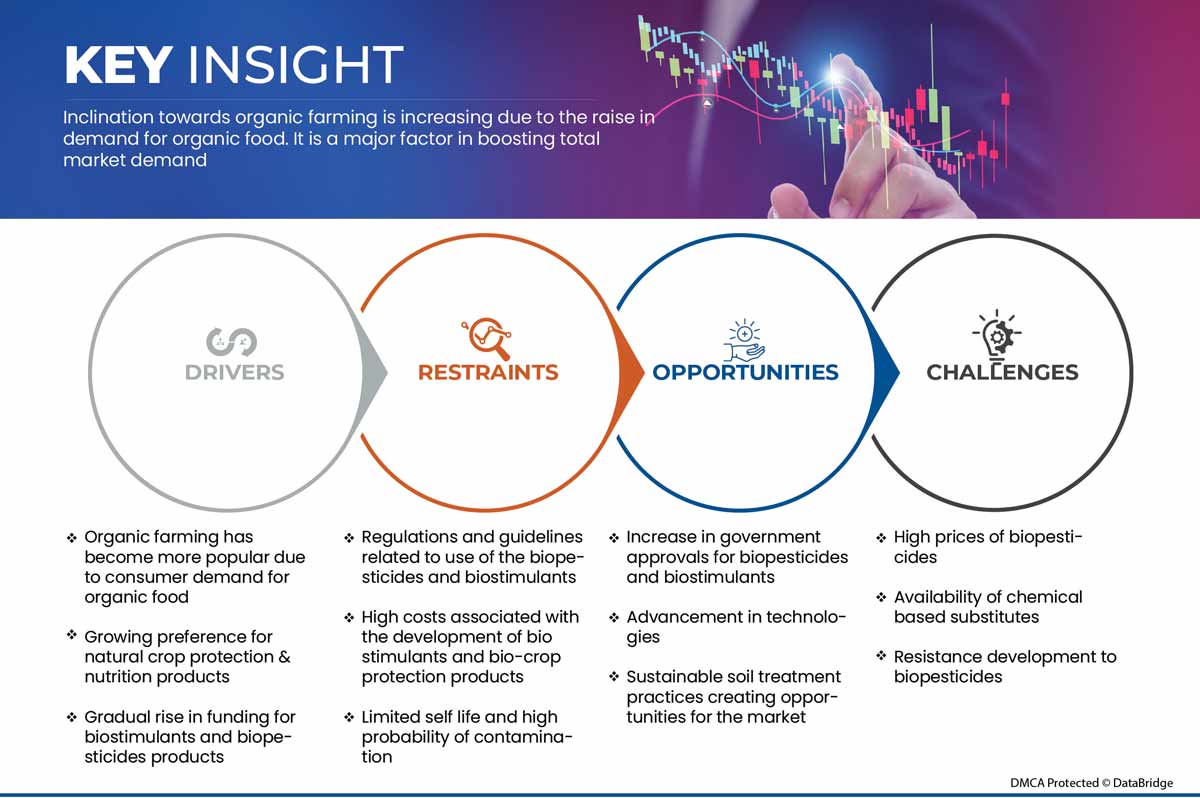
The rising prevalence of Post-traumatic stress disorder (PTSD) and technological advancements in diagnosis and treatment of PTSD in recent years is boosting the market growth while high treatment cost and adverse effects associated with treatment are working as restrain for the Germany Post-Traumatic Stress Disorder (PTSD) Market.
Germany Post-Traumatic Stress Disorder (PTSD) Market Dynamics
Drivers
Rising prevalence of PTSD.
Post-Traumatic Stress Disorder (PTSD) is a complex physical, cognitive, emotional, and behavioral consequence of psychological trauma. It is characterized by intrusive thoughts, nightmares, and flashbacks to past traumatic events, avoidance of traumatic reminders, hypervigilance, and sleep disturbance, all of which contribute to significant social, occupational, and interpersonal dysfunction.
PTSD is a psychiatric disorder that may occur in people who have experienced or witnessed a traumatic event such as a natural disaster, a serious accident, a terrorist act, war/combat, or rape, or who have been threatened with death, sexual violence, or serious injury.
As a result, an increasing number of PTSD cases every year calls for the need for improved diagnostic processes and techniques for the treatment of PTSD patients.
Thus, due to a rising prevalence of PTSD, it is expected to act as a driving factor for market growth.
Technological advancements in the diagnosis and treatment of PTSD.
Various technologies, including heart rate monitors, electroencephalography (EEG), audio recorders, and eye-tracking peripherals, are now being used to capture and analyze neurological and physiological data to identify markers for the condition of PTSD.
Video conferencing is emerging as a viable method for providing psychiatric care and individual and group-based trauma interventions within underserved and geographically remote populations. Exposure therapy is an effective treatment for PTSD. Exposure therapy is another type of therapy that decreases PTSD symptoms through imaginal exposure (i.e., vividly imaging the feared object, situation, or activity) aimed at helping individuals overcome, rather than avoid, fear- and psychological distress-inducing stimuli.
The increasing incidence of PTSD
PTSD is a clinically diagnosed condition that occurs in about 20% of all individuals who experience or witness a traumatic event that involves the actual or possible threat of death, violence, or serious injury. Examples of traumatic events include experiencing or witnessing a natural disaster, serious accident, terrorist act, war/combat, rape, or being threatened with death, sexual violence, or serious injury.
The increase in the number of incidences every year is thus encouraging manufacturers' government officials to introduce innovative diagnostic techniques, which is expected to boost the market growth in upcoming years.
Hence, the rising number of new incidences of PTSD every year is expected to act as a driver for the market's growth.
Increased awareness among patients and doctors regarding therapies for PTSD
Increased awareness leads to an increase in the treatments and diagnoses of the patients. At the same time, early detection of PTSD will help therapists who are specialized in PTSD to ensure a good recovery. Many people with PTSD often deal with negative thoughts and feelings, which can greatly affect their emotional health and well-being. Many people with PTSD may feel a sense of guilt or responsibility for their trauma. Thus, increasing awareness of PTSD helps patients to get the right treatment.
Hence, the increased awareness among patients and doctors regarding therapies for PTSD is expected to act as a driver for the growth of the market.
Restraints
High cost of the treatment
Post-traumatic stress disorders (PTSD) pose a high burden for individuals and societies. Although prevalence rates are rather low, high co-occurrence rates and overall impairments cause deleterious suffering and significant treatment costs. The cost of treating PTSD can vary significantly. Some patients can get very low-cost care from the government, but many choose to get private care and pay out of pocket, which can easily add up to thousands in a year.
Thus, the high cost of treatment will is expected to act as a major restraining factor for the growth of the market.
Side effects associated with PTSD treatment
There are several types of antidepressant drugs that can be used to treat PTSD, Antidepressants have several side effects. They vary depending on the medication and affect people differently. The most common side effects include: dry mouth, nausea, constipation, diarrhea, headache, drowsiness, insomnia, high or low blood pressure, light-headedness, sexual difficulties, changes in appetite that can lead to weight gain or loss, excessive sweating—venlafaxine, blurry vision caused by drug nefazodone and severe liver damage caused by drug nefazodone
Risk of severe mood and behavior changes, including suicidal thoughts in some patients (Young adults may be at a higher risk for this side effect.) Hence, the side effects associated with PTSD treatment is expected to hamper the market growth.
Opportunities/Challenges
Rising healthcare expenditure
The expense of money used by a country on its healthcare and its growth rate over time is inclined by a wide variety of economic and social factors, including the financing arrangements and structure of the organization for the healthcare system. In particular, there is a strong association between the whole income level of a country and how much the country's population spends on its healthcare.
The psychotherapies, or pharmacotherapies, are beneficial for individuals with PTSD, and early preventive approaches could prevent high incremental costs.
The costs are constantly increasing year by year at a small rate, which can be explained by overall increases in healthcare expenditures within the German statutory healthcare system
Growing healthcare expenditure is expected to increase the availability of Post-Traumatic Stress Disorder treatment drugs for better patient treatment with fewer human medical errors. Hence, the massive healthcare expenditure is a favorable factor and is expected to create a significant opportunity for the growth of the Post-Traumatic Stress Disorder market.
Rising approvals of drugs
The rising approvals of drugs for Post-traumatic stress disorder by The Federal Institute for Drugs and Medical Devices (BfArM) and experts contribute their knowledge to the scientific committees of the European Medicines Agency (EMA), among others. Throughout the EU and internationally, BfArM significantly contributes to the supply of safe and effective medicines.
The Federal Institute for Drugs and Medical Devices has increased the approval of drugs to treat post-traumatic stress disorder. These approval received for PTSD drugs would result in the medicine being declared safe to use and ready for post-marketing approval. It would result in the supply and distribution of medicines to the developing markets in the Germany region. Hence, the rise in product approvals is expected to propel market growth.
Patent expiry of drugs
Patent expiry of innovator pharmaceutical companies changes the market dynamics that brought the increased production of generics by rival companies after the expiry of the patent of the product, which affects the competitive market price changes, pressures, and changes in sales volumes and profit of multinational innovator pharmaceutical companies
The rising number of generic drugs in the market enhances the challenge among the market players that impacts the revenue of the market by reduction of existing drug prices.
The termination of patents would result in fewer chances of product approval and the rise of generic drugs in the market, which may act as a challenge to the growth of the market.
Recent Developments
- In March 2022, AbbVie and Gedeon Richter Plc. (Richter) announced a new co-development and license agreement to research, develop and commercialize novel dopamine receptor modulators for the potential treatment of neuropsychiatric diseases. The collaboration is based on the results of preclinical research carried out by Richter and included several new chemical entities selected for development. AbbVie and Richter have collaborated for 15 years on Central Nervous System (CNS) projects, including globally launched products such as cariprazine (VRAYLAR / REAGILA. This collaboration helps the company to expand its business and find new and innovative solutions and discoveries in terms of neurological disorders.
Germany Post-Traumatic Stress Disorder (PTSD) Market
Germany post-traumatic stress disorder (PTSD) market is segmented into type, treatment type, route of administration, age group, end user and distribution channel. The growth amongst these segments will help you analyze major growth segments in the industries and provide the users with a valuable market overview and market insights to make strategic decisions to identify core market applications.
Type
- Dissociative PTSD
- Uncomplicated PTSD
- Comorbid PTSD
- Others
On the basis of type, the Germany post-traumatic stress disorder (PTSD) market is segmented into dissociative PTSD, uncomplicated PTSD, comorbid PTSD, and others.
Treatment Type
- Medication
- Psychotherapy
- Software Devices
On the basis of procedure type, the Germany post-traumatic stress disorder (PTSD) market is segmented into medication, psychotherapy, and software devices.
Route of Administration
- Oral
- Parentral
- Others
On the basis of the route of administration, the Germany post-traumatic stress disorder (PTSD) market is segmented into oral, parenteral, and others.
Age Group
- Children
- Adult
- Geriatrics
On the basis of Age group, the Germany post-traumatic stress disorder (PTSD) market is segmented into children, adults, and geriatrics.
End User
- Hospitals
- Outpatient Clinics
- Mental Health Centers
- Home Healthcare
- Others
On the basis of end-user, the Germany post-traumatic stress disorder (PTSD) market is segmented into hospitals, outpatient clinics, mental health centers, home healthcare, and others.
Distribution Channel
- Hospital Pharmacy
- Retail Pharmacy
- Online Pharmacy
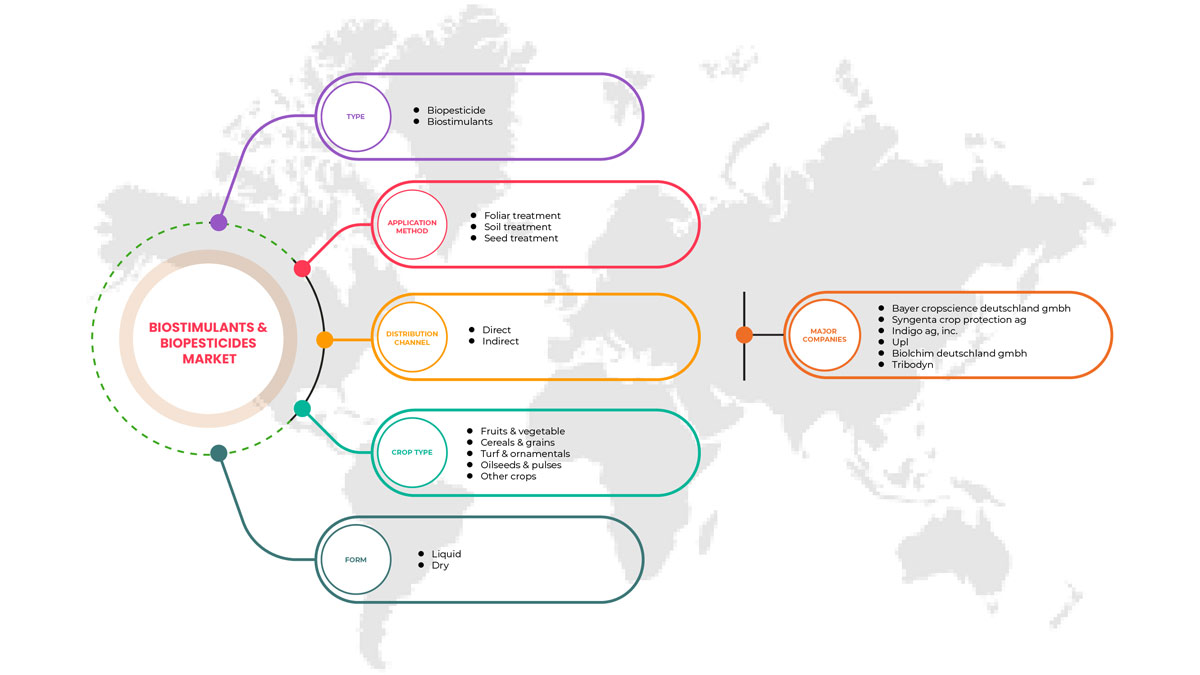
On the basis of the distribution channel, the Germany post-traumatic stress disorder (PTSD) market is segmented into hospital pharmacy, retail pharmacy, and online pharmacy.
Competitive Landscape and Germany Post-Traumatic Stress Disorder (PTSD) Market Share Analysis
Germany post-traumatic stress disorder (PTSD) market competitive landscape provides details of a competitor. Details include company overview, company financials, revenue generated, market potential, investment in research and development, new market initiatives, global presence, production sites and facilities, production capacities, company strengths and weaknesses, product launch, product width and breadth, and application dominance. The above data points provided are only related to the companies' focus related to the vagus nerve stimulation market.
Some of the major players operating in the Germany Post-Traumatic Stress Disorder (PTSD) Market are AbbVie Inc., Viatris Inc, Pfizer Inc., Eli Lilly and Company, Takeda Pharmaceutical Company Limited, Aurobindo Pharma., AstraZeneca, Cipla Inc., Lupin, Accord Healthcare GmbH, Dr. Reddy's Laboratories Ltd., Zydus Pharmaceuticals, Inc., and GlaxoSmithKline Group of Companies. Teva Pharmaceutical Industries Ltd., Alkermes., and Novartis AG among others.
SKU-
세계 최초의 시장 정보 클라우드 보고서에 온라인으로 접속하세요
- 대화형 데이터 분석 대시보드
- 높은 성장 잠재력 기회를 위한 회사 분석 대시보드
- 사용자 정의 및 질의를 위한 리서치 분석가 액세스
- 대화형 대시보드를 통한 경쟁자 분석
- 최신 뉴스, 업데이트 및 추세 분석
- 포괄적인 경쟁자 추적을 위한 벤치마크 분석의 힘 활용
목차
1 서론
1.1 연구 목적
1.2 시장 정의
1.3 독일 외상후스트레스장애(PTSD) 시장 개요
1.4 통화 및 가격
1.5 제한 사항
1.6 대상 시장
2 시장 세분화
2.1 대상 시장
2.2 지리적 범위
연구에 2.3년이 고려됨
2.4 DBMR TRIPOD 데이터 검증 모델
2.5 주요 여론 리더와의 1차 인터뷰
2.6 다변량 모델링
2.7 유형 라이프라인 곡선
2.8 시장 적용 범위 그리드
2.9 DBMR 시장 위치 그리드
2.1 공급업체 점유율 분석
2.11 2차 소스
2.12 가정
3 요약
3.1 합병 및 인수
3.2 독일 외상 후 스트레스 장애 시장을 위한 파이프라인 분석
3.2.1 최근 승인
3.3 PESTEL 분석
3.4 포터의 5가지 힘 모델
4 독일 외상후스트레스장애(PTSD) 시장 규정
4.1 독일의 규제 및 약물 승인 시나리오
4.2 승인 프레임워크
4.2.1 임상실무
4.2.2 마케팅 허가
5가지 산업 통찰력
5.1 특허 분석
5.1.1 성숙 시장별 약물 치료율
5.1.2 인구 통계적 추세: 모든 발생률에 미치는 영향
5.1.3 주요 가격 책정 전략
5.1.4 주요 환자 등록 전략
6 역학
6.1 역사적 PTSD 풀
6.2 현재 PTSD 풀
6.3 분노 PTSD 풀
6.4 국가별 해리성 PTSD 유병률
6.5 국가별 단순 PTSD 유병률
6.6 국가별 동반 PTSD 유병률
6.7 치료율
7 서론
7.1 개요
7.2 우크라이나와 러시아 전쟁이 독일의 외상후스트레스장애(PTSD) 시장에 미치는 영향
7.3 수요에 따른 영향 분석
7.4 결론
8 시장 개요
8.1 드라이버
8.1.1 PTSD 유병률 증가.
8.1.2 PTSD 진단 및 치료의 기술적 발전.
8.1.3 PTSD의 증가
8.1.4 PTSD 치료에 대한 환자 및 의사의 인식 증가
8.2 제약
8.2.1 치료 비용이 많이 든다
8.2.2 PTSD 치료와 관련된 부작용.
8.3 기회
8.3.1 증가하는 의료비 지출
8.3.2 약물 승인 증가
8.3.3 임상 시험의 증가는 외상 후 스트레스 장애 치료 시장의 성장을 촉진할 것으로 예상됩니다.
8.4 과제
8.4.1 약물의 특허 만료
8.4.2 증가하는 대체 요법
8.5 충족되지 않은 요구 사항
8.5.1 충족되지 않은 환급 비용
8.5.2 망명 신청자의 정신 건강 상태 및 사회적 조건
9 독일 외상후스트레스장애(PTSD) 시장, 유형별
9.1 개요
9.2 복잡하지 않은 PTSD
9.3 해리성 PTSD
9.4 동반 PTSD
9.5 기타
10 독일 외상후스트레스장애(PTSD) 시장, 치료별
10.1 개요
10.2 심리치료
10.2.1 인지 행동 치료
10.2.2 가족치료
10.2.3 스트레스 예방접종 요법
10.2.4 장시간 노출 요법
10.2.5 기타
10.3 약물
10.3.1 항우울제
10.3.1.1 선택적 세로토닌 재흡수 억제제
10.3.1.1.1 세르트랄린
10.3.1.1.2 파록세틴
10.3.1.1.3 플루옥세틴
10.3.1.1.4 시탈로프람
10.3.1.1.5 네파조돈
10.3.1.1.6 기타
10.3.1.2 세로토닌-노르피네프린 재흡수 억제제
10.3.1.2.1 둘록세틴
10.3.1.2.2 벤라팍신
10.3.1.2.3 기타
10.3.1.3 삼환계 항우울제
10.3.1.3.1 아미트립틸린
10.3.1.3.2 이미프라민
10.3.1.3.3 기타
10.3.2 반정신병자
10.3.2.1 퀘티아핀
10.3.2.2 아리피프라졸
10.3.2.3 디발프로엑스
10.3.2.4 라모트리진
10.3.2.5 기타
10.3.3 기타
10.4 소프트웨어 장치
10.4.1 PTSD 코치
10.4.2 체육 코치
10.4.3 CPT 코치
10.4.4 기타
11 독일 외상후스트레스장애(PTSD) 시장, 투여 경로별
11.1 개요
11.2 경구
11.3 부모의
11.4 기타
12 독일 외상후스트레스장애(PTSD) 시장, 연령대별
12.1 개요
12.2 성인
12.3 노인의학
12.4 어린이
13 독일 외상후스트레스장애(PTSD) 시장, 최종 사용자별
13.1 개요
13.2 정신 건강 센터
13.3 병원
13.4 외래 진료소
13.5 홈 헬스케어
13.6 기타
14 독일 외상후스트레스장애(PTSD) 시장, 유통채널별
14.1 개요
14.2 병원약국
14.3 소매 약국
14.4 온라인 약국
14.5 기타
15 독일 외상 후 스트레스 장애(PTSD) 시장: 회사 환경
15.1 회사 점유율 분석: 독일
16 SWOT 분석
17 회사 프로필
17.1 애브비(2022)
17.1.1 회사 스냅샷
17.1.2 수익 분석
17.1.3 제품 포트폴리오
17.1.4 최근 개발
17.2 VIATRIS INC. (2022)
17.2.1 회사 스냅샷
17.2.2 수익 분석
17.2.3 제품 포트폴리오
17.3 파이저 주식회사
17.3.1 회사 스냅샷
17.3.2 수익 분석
17.3.3 제품 포트폴리오
17.3.4 최근 개발 사항
17.3.5 최근 개발
17.4 엘리 릴리 앤드 컴퍼니(2022)
17.4.1 회사 스냅샷
17.4.2 수익 분석
17.4.3 제품 포트폴리오
17.4.4 최근 개발
17.5 다케다제약 주식회사(2022)
17.5.1 회사 스냅샷
17.5.2 수익 분석
17.5.3 제품 포트폴리오
17.5.4 최근 개발
17.6 아코드 헬스케어 GmbH.
17.6.1 회사 스냅샷
17.6.2 제품 포트폴리오
17.6.3 최근 개발 사항
17.7 알케르메스.
17.7.1 회사 스냅샷
17.7.2 수익 분석
17.7.3 제품 포트폴리오
17.7.4 최근 개발 사항
17.8 아스트라제네카(2022)
17.8.1 회사 스냅샷
17.8.2 수익 분석
17.8.3 제품 포트폴리오
17.8.4 최근 개발
17.9 아우로빈도파마.
17.9.1 회사 스냅샷
17.9.2 수익 분석
17.9.3 제품 포트폴리오
17.9.4 최근 개발 사항
17.1 CIPLA 주식회사 (2022)
17.10.1 회사 스냅샷
17.10.2 수익 분석
17.10.3 제품 포트폴리오
17.10.4 최근 개발
17.11 DR. REDDY'S LABORATORIES LTD
17.11.1 회사 스냅샷
17.11.2 수익 분석
17.11.3 제품 포트폴리오
17.11.4 최근 개발 사항
17.12 글락소스미스클라인 그룹 회사.
17.12.1 회사 스냅샷
17.12.2 수익 분석
17.12.3 제품 포트폴리오
17.12.4 최근 개발 사항
17.13 루팡 (2022)
17.13.1 회사 스냅샷
17.13.2 수익 분석
17.13.3 제품 포트폴리오
17.13.4 최근 개발
17.14 노바티스 AG
17.14.1 회사 스냅샷
17.14.2 수익 분석
17.14.3 제품 포트폴리오
17.14.4 최근 개발 사항
17.15 테바제약공업주식회사
17.15.1 회사 스냅샷
17.15.2 수익 분석
17.15.3 제품 포트폴리오
17.15.4 최근 개발 사항
17.16 지두스제약(주)(2022)
17.16.1 회사 스냅샷
17.16.2 수익 분석
17.16.3 제품 포트폴리오
17.16.4 최근 개발
18 설문지
19 관련 보고서
표 목록
표 1 독일 외상후스트레스장애(PTSD) 시장, 유형별, 2021-2030년(백만 달러)
표 2 독일 외상 후 스트레스 장애(PTSD) 시장, 치료별, 2021-2030년(백만 달러)
표 3 독일의 외상 후 스트레스 장애(PTSD) 시장에서의 심리 치료, 치료별, 2021-2030년(백만 달러)
표 4 독일 외상후스트레스장애(PTSD) 치료제 시장, 치료별, 2021-2030년(백만 달러)
표 5 독일 외상 후 스트레스 장애(PTSD) 시장에서의 항우울제, 치료별, 2021-2030년(백만 달러)
표 6 독일 선택적 세로토닌 재흡수 억제제의 외상 후 스트레스 장애(PTSD) 시장, 치료별, 2021-2030년(백만 달러)
표 7 독일 세로토닌-노르피네프린 재흡수 억제제의 외상 후 스트레스 장애(PTSD) 시장, 치료별, 2021-2030년(백만 달러)
표 8 독일의 외상 후 스트레스 장애(PTSD) 시장에서의 삼환계 항우울제, 치료별, 2021-2030년(백만 달러)
표 9 독일 외상 후 스트레스 장애(PTSD) 시장에서의 항정신병제, 치료별, 2021-2030년(백만 달러)
표 10 독일 소프트웨어 장치 시장, 치료별, 2021-2030년(백만 달러)
표 11 독일 외상후스트레스장애(PTSD) 시장, 행정 경로별, 2021-2030년(백만 달러)
표 12 독일 외상후스트레스장애(PTSD) 시장, 연령대별, 2021-2030년(백만 달러)
표 13 독일 외상 후 스트레스 장애(PTSD) 시장, 최종 사용자별, 2021-2030년(백만 달러)
표 14 독일 외상후스트레스장애(PTSD) 시장, 유통채널별, 2021-2030년(백만 달러)
그림 목록
그림 1 독일 외상 후 스트레스 장애(PTSD) 시장: 세분화
그림 2 독일 외상 후 스트레스 장애(PTSD) 시장: 데이터 삼각 측량
그림 3 독일 외상 후 스트레스 장애(PTSD) 시장: DROC 분석
그림 4 독일 외상 후 스트레스 장애(PTSD) 시장: 글로벌 대 지역 시장 분석
그림 5 독일 외상 후 스트레스 장애(PTSD) 시장: 회사 연구 분석
그림 6 독일 외상 후 스트레스 장애(PTSD) 시장: 인터뷰 인구 통계
그림 7 독일 외상 후 스트레스 장애(PTSD) 시장: 시장 응용 범위 그리드
그림 8 독일 외상 후 스트레스 장애(PTSD) 시장: DBMR 시장 위치 그리드
그림 9 독일 외상 후 스트레스 장애(PTSD) 시장: 공급업체 점유율 분석
그림 10 독일 외상 후 스트레스 장애(PTSD) 시장: 세분화
그림 11 인구 내 외상 후 스트레스 장애 유병률 증가는 예측 기간 동안 독일 외상 후 스트레스 장애(PTSD) 시장을 주도할 것으로 예상됩니다.
그림 12 복제되지 않은 PTSD 세그먼트는 2023년 및 2030년에 독일 외상 후 스트레스 장애(PTSD) 시장에서 가장 큰 점유율을 차지할 것으로 예상됩니다.
그림 13 독일 외상후스트레스장애(PTSD) 시장의 동인, 제약, 기회 및 과제
그림 14 독일 외상 후 스트레스 장애(PTSD) 시장: 유형별, 2022년
그림 15 독일 외상 후 스트레스 장애(PTSD) 시장: 유형별, 2023-2030년(백만 달러)
그림 16 독일 외상 후 스트레스 장애(PTSD) 시장: 유형별, CAGR(2023-2030)
그림 17 독일 외상 후 스트레스 장애(PTSD) 시장: 유형별, 수명선 곡선
그림 18 독일 외상 후 스트레스 장애(PTSD) 시장: 치료별, 2022년
그림 19 독일 외상 후 스트레스 장애(PTSD) 시장: 치료별, 2023-2030년(백만 달러)
그림 20 독일 외상 후 스트레스 장애(PTSD) 시장: 치료별, CAGR(2023-2030)
그림 21 독일 외상 후 스트레스 장애(PTSD) 시장: 치료별, 생명선 곡선
그림 22 독일 외상 후 스트레스 장애(PTSD) 시장: 관리 경로별, 2022년
그림 23 독일 외상 후 스트레스 장애(PTSD) 시장: 행정 경로별, 2023-2030년(백만 달러)
그림 24 독일 외상 후 스트레스 장애(PTSD) 시장: 관리 경로별, CAGR(2023-2030)
그림 25 독일 외상 후 스트레스 장애(PTSD) 시장: 투여 경로별, 생명선 곡선
그림 26 독일 외상 후 스트레스 장애(PTSD) 시장: 연령대별, 2022년
그림 27 독일 외상 후 스트레스 장애(PTSD) 시장: 연령대별, 2023-2030년(백만 달러)
그림 28 독일 외상 후 스트레스 장애(PTSD) 시장: 연령대별, CAGR(2023-2030)
그림 29 독일 외상 후 스트레스 장애(PTSD) 시장: 연령대별, 생명선 곡선
그림 30 독일 외상 후 스트레스 장애(PTSD) 시장: 최종 사용자별, 2022년
그림 31 독일 외상 후 스트레스 장애(PTSD) 시장: 최종 사용자별, 2023-2030년(백만 달러)
그림 32 독일 외상 후 스트레스 장애(PTSD) 시장: 최종 사용자별, CAGR(2023-2030)
그림 33 독일 외상 후 스트레스 장애(PTSD) 시장: 최종 사용자별, 라이프라인 곡선
그림 34 독일 외상 후 스트레스 장애(PTSD) 시장: 유통 채널별, 2022년
그림 35 독일 외상 후 스트레스 장애(PTSD) 시장: 유통 채널별, 2023-2030년(백만 달러)
그림 36 독일 외상 후 스트레스 장애(PTSD) 시장: 유통 채널별, CAGR(2023-2030)
그림 37 독일 외상 후 스트레스 장애(PTSD) 시장: 유통 채널별, 생명선 곡선
그림 38 독일 외상 후 스트레스 장애(PTSD) 시장: 회사 점유율 2022(%)

연구 방법론
데이터 수집 및 기준 연도 분석은 대규모 샘플 크기의 데이터 수집 모듈을 사용하여 수행됩니다. 이 단계에는 다양한 소스와 전략을 통해 시장 정보 또는 관련 데이터를 얻는 것이 포함됩니다. 여기에는 과거에 수집한 모든 데이터를 미리 검토하고 계획하는 것이 포함됩니다. 또한 다양한 정보 소스에서 발견되는 정보 불일치를 검토하는 것도 포함됩니다. 시장 데이터는 시장 통계 및 일관된 모델을 사용하여 분석하고 추정합니다. 또한 시장 점유율 분석 및 주요 추세 분석은 시장 보고서의 주요 성공 요인입니다. 자세한 내용은 분석가에게 전화를 요청하거나 문의 사항을 드롭하세요.
DBMR 연구팀에서 사용하는 주요 연구 방법론은 데이터 마이닝, 시장에 대한 데이터 변수의 영향 분석 및 주요(산업 전문가) 검증을 포함하는 데이터 삼각 측량입니다. 데이터 모델에는 공급업체 포지셔닝 그리드, 시장 타임라인 분석, 시장 개요 및 가이드, 회사 포지셔닝 그리드, 특허 분석, 가격 분석, 회사 시장 점유율 분석, 측정 기준, 글로벌 대 지역 및 공급업체 점유율 분석이 포함됩니다. 연구 방법론에 대해 자세히 알아보려면 문의를 통해 업계 전문가에게 문의하세요.
사용자 정의 가능
Data Bridge Market Research는 고급 형성 연구 분야의 선두 주자입니다. 저희는 기존 및 신규 고객에게 목표에 맞는 데이터와 분석을 제공하는 데 자부심을 느낍니다. 보고서는 추가 국가에 대한 시장 이해(국가 목록 요청), 임상 시험 결과 데이터, 문헌 검토, 재생 시장 및 제품 기반 분석을 포함하도록 사용자 정의할 수 있습니다. 기술 기반 분석에서 시장 포트폴리오 전략에 이르기까지 타겟 경쟁업체의 시장 분석을 분석할 수 있습니다. 귀하가 원하는 형식과 데이터 스타일로 필요한 만큼 많은 경쟁자를 추가할 수 있습니다. 저희 분석가 팀은 또한 원시 엑셀 파일 피벗 테이블(팩트북)로 데이터를 제공하거나 보고서에서 사용 가능한 데이터 세트에서 프레젠테이션을 만드는 데 도움을 줄 수 있습니다.