세계적인 선택적인 에스트로겐 수용체 변조기 (SERM) 약 시장 세그먼트, 유형 (Tamoxifen, Raloxifene, Toremifene, Bazedoxifene, Ospemifene 및 다른 사람)에 의하여, 표시 (동성 암, Osteoporosis, Postmenopausal 증상, 불임 및 다른 사람) - 기업 동향 및 2033년에 예측
선택적인 에스트로겐 수용체 변조기 (SERM) 약 시장 크기 및 성장 비율은 무엇입니까
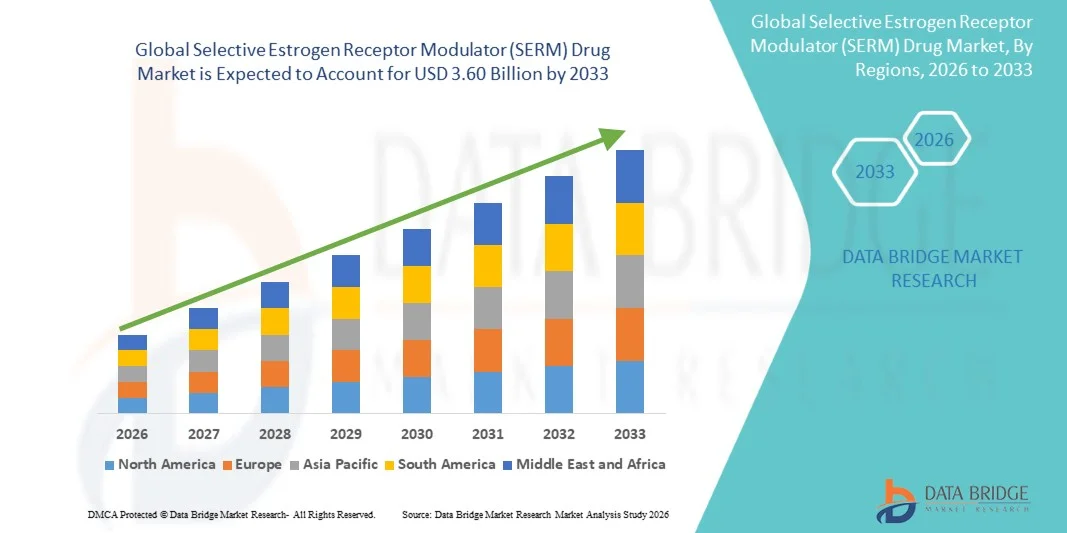
- Data Bridge Market Research 분석 결과 세계적인 선택적인 에스트로겐 수용체 변조기 (SERM) 약 시장 크기는에 평가되었습니다25억 달러견적 요청2033년 USD 3.60억, 에 의해6.20%의 CAGR예측 기간
- 시장 성장은 야기성 암, osteoporosis 및 postmenopausal 증후와 같은 호르몬 의존하는 상태의 증가에 의해 크게 연료를 공급하고, 표적과 더 안전한 치료를 위한 일어나는 수요와 더불어
- 또한, SERMs의 장점에 대한 환자와 의료 제공 업체 중 인식을 성장, 소설 SERM 약물에 대한 R & D에 투자 증가, 에스트로겐 관련 장애를 관리하기 위해 선호하는 선택으로 이러한 치료를 구축하고있다. 이러한 융합 요인은 선택적 에스트로겐 수용체 변조기 (SERM) 약물 솔루션의 섭취를 가속화하고 업계의 성장을 크게 향상
시장 크기 & Forecast
- 글로벌 시장 가치 (2025):미화 25억
- 예상 시장 가치 (2033):100억
- 캐스트 CAGR (2026–2033):6.20%
선택적인 에스트로겐 수용체 변조기 (SERM) 약 시장 분석
- 선택적인 에스트로겐 수용체 변조기 (SERM) 약은 전통적인 암, osteoporosis 및 postmenopausal 증후와 같은 호르몬 의존한 상태를 위한 효과적인 처리 선택권을 제공하는 그들의 능력 때문에 현대 의학에서 점점 생명 입니다
- SERM 약물에 대한 에스컬레이션 요구는 주로 호르몬 관련 장애의 성장률에 의해 연료를 공급하고, 표적 치료에 대한 인식을 증가시키고, 소설 SERM 제형에 대한 임상 연구의 상승 투자
- 북미는 고급 의료 인프라, 높은 의료 expenditure, 핵심 제약 회사의 강한 존재, 및 미국에서 혁신적인 치료의 높은 채택의 높은 채택과 2025에서 약 39.5%의 가장 큰 수익을 가진 선택적인 에스트로겐 수용체 변조기 (SERM) 약 시장을 지배했습니다.
- 아시아 태평양은 선택적 에스트로겐 수용체 변조기 (SERM) 약물 시장의 가장 빠르게 성장하는 지역으로 예상됩니다, 의료 지출 상승에 의해 구동, 성장 세균 인구, 고급 치료에 액세스 확장, 신흥 경제학 및 골다공증 관리의 인식 증가
- Breast 암 세그먼트는 2025 년 45.7%의 가장 큰 시장 수익 점유율을 차지했으며, 전 세계적으로 호르몬 수용체 positive 모유 암의 높은 prevalence에 의해 구동됩니다.
보고 범위와 선택적인 에스트로겐 수용체 변조기 (SERM) 약 시장 세그먼트
|
관련 기사 |
선택적인 에스트로겐 수용체 변조기 (SERM) 약 중요한 시장 통찰력 |
|
Segments 적용 |
|
|
국가 덮음 |
북아메리카
·
아시아 태평양
중동 및 아프리카
대한민국
|
|
핵심 시장 선수 |
|
|
시장 기회 |
|
|
Value 추가 데이터 Infosets |
시장 가치, 성장률, 세그먼트, 지리적 범위 및 주요 플레이어와 같은 시장 시나리오에 대한 통찰력 외에도 데이터 브리지 시장 연구에 의해 큐레이터 시장 보고서는 심층적 인 전문가 분석, 환자 분석, 파이프라인 분석, 가격 분석 및 규제 프레임 워크를 포함합니다. |
선택적인 에스트로겐 수용체 변조기 (SERM) 약 시장에 있는 중요한 동향은 무엇입니까
"Breast 암 예방 및 치료를위한 SERMs의 채택·
- 세계 SERM 약물 시장에서의 중요한 가속 추세는 특히 높은 리스크 여성과 호르몬 수용체 positive 종양과 그들 중 뇌암 예방 및 치료를위한 SERMs의 증가 채택이다
- 예를 들어, 의료 제공 업체는 점점 장기 임상 증거와 임상 지침 업데이트 임상 지침에 의해 구동 breast 암의 높은 위험에 여성에 대한 예방 치료로서 tamoxifen 및 raloxifene을 선행하고 있습니다.
- 초기 검출 및 예방 종양학의 성장 초점은 개발 및 신흥 시장에서 SERM의 채택을 추진하고 있습니다.
- 새로운 임상 시험 및 연구는 또한 표적 대리인을 가진 조합 처리를 포함하여 모유 암 치료에 있는 SERMs를 위한 표시를 확장하고 있습니다
- 전 세계적으로 breast 암의 발생률, 예방 치료의 인식 증가와 함께, SERMs에 대한 수요 강화
- 이 트렌드는 의료 시스템이 예방주의를 강조하고 환자의 결과를 개선 할 것으로 예상됩니다.
선택적인 에스트로겐 수용체 변조기 (SERM) 약 시장 역학
관련 기사
“아버지암과 오스테oporosis의 증가로 인해 성장해야”
- 노화 인구 중 특히 모유 암과 골다공증의 증가 전도는 SERM 약 시장의 핵심 드라이버입니다.
- 예를 들어, 2021 년 11 월, 미국 FDA 승인 bazedoxifene / 부상 에스트로겐 (Duavee) 폐경 증상의 치료 및 폐경 osteoporosis 예방, SERM 기반 치료에 대한 규제 지원 강조
- 예방 치료 및 심사 프로그램에 대한 인식은 SERMs에 대한 수요 증가
- 신흥 경제에 대한 점차적인 인구와 향상된 의료 접근은 높은 채택률에 기여하고 있습니다.
- 여성 건강 및 뼈 질병 예방에 초점을 맞춘 정부 이니셔티브 및 공공 보건 프로그램 시장의 성장 지원
- 의료 시스템은 예방 및 장기 질병 관리를 강조하며 SERMs의 수요는 꾸준히 증가하고 있습니다.
스트레인트/Challenge
"부작용 및 엄격한 규제 요구 사항·
- thromboembolic 사건, 뜨거운 섬광 및 uterine 암 (몇 SERMs에서)와 같은 부작용의 위험은 시장 성장을 위한 중요한 도전을 포즈합니다
- 예를 들어, 부작용과 검은 상자 경고에 대한 우려는 고위 환자 인구의 특정 SERMs의 광범위한 채택을 제한하고, 대체 요법을 선호하는 진료소를 선도
- Strict 규제 요구 사항 및 새로운 SERM 약물에 대한 긴 승인 시간 증가 개발 비용 및 지연 시장 진입
- 또한, aromatase 억제물과 같은 대안 치료에서 경쟁호르몬 보충 치료시장 성장을 제한할 수 있습니다
- 가격 민감도 및 일부 지역에서 제한 된 수익은 더 새로운 SERM 약물의 채택을 방해 할 수 있습니다.
- 개선된 약물 안전 프로파일, 환자 교육 및 강력한 임상 증거를 통해 이러한 과제를 해결하는 것은 지속적인 시장 성장에 필수적입니다.
선택적인 에스트로겐 수용체 변조기 (SERM) 약 시장 범위
시장은 유형과 표시의 기초에 구분됩니다.
• 유형에 의하여
유형의 기초에, 선택적인 에스트로겐 수용체 변조기 (SERM) 약 시장은 Tamoxifen, Raloxifene, Toremifene, Bazedoxifene, Ospemifene 및 다른 사람으로 구분됩니다. Tamoxifen 세그먼트는 에스트로겐 수용체 긍정 암 치료와 예방을 위한 배려의 기준으로 그것의 설치된 위치에 의해 2025년에 39.2%의 가장 큰 시장 수익 몫을 지배했습니다. Tamoxifen는 그것의 장기 임상 증거 때문에 넓게, recurrence 비율을 감소시키기에 있는 입증된 efficacy, 및 중요한 시장에 있는 강한 reimbursement 지원 처방됩니다. 약의 비용 효과 및 광범위한 의사 친숙도는 지배적 인 시장 존재에 기여합니다. 또한 Tamoxifen은 종종 ADjuvant 치료 및 Premenopausal 여성에 사용됩니다.
Raloxifene 세그먼트는 2026에서 2033에 ~10.8%의 가장 빠른 CAGR를 목격할 것으로 예상되고, osteoporosis prevalence 증가 및 더 안전한 호르몬 보충 대안을 위한 상승 수요에 의해 모는. Raloxifene의 뼈 손실을 줄이기 위해 breast 암의 위험이 증가하지 않는 능력은 postmenopausal 여성 중 선호하는 옵션을 만듭니다. osteoporosis 관리와 호의를 베푸는 임상 결과는 그것의 급속한 채택을 지원합니다. 환자 인식 프로그램을 확장하고 신흥 경제에 대한 의료 접근을 개선하고 세그먼트의 성장 순간에 기여하고 있습니다.
• 표시에 의하여
표시의 기초에, 선택적인 에스트로겐 수용체 변조기 (SERM) 약 시장은 Breast 암, Osteoporosis, Postmenopausal 증상, 불임 및 다른 사람으로 구분됩니다. Breast 암 세그먼트는 2025 년 45.7%의 가장 큰 시장 수익 점유율을 차지했으며, 전 세계적으로 호르몬 수용체 positive 모유 암의 높은 prevalence에 의해 구동됩니다. SERM 약물은 부유 한 치료에서 특히 부유 한 치료, 회복의 예방, 고위성 환자의 위험 감소. 뇌암의 증가, 상승 스크리닝 속도와 초기 진단과 결합 된, SERM 약물에 대한 수요를 운전. 또한, 장기적인 SERM을 지원하는 강력한 임상 지침은 부종의 시장 지배력을 강화시킵니다.
Osteoporosis 세그먼트는 2026에서 2033 %의 가장 빠른 CAGR을 등록 할 것으로 예상되며 증가 된 노인 인구와 인후 뼈 밀도 손실의 상승 사례가 지원됩니다. Raloxifene와 같은 SERM 약은 호르몬 보충 치료와 비교된 그들의 뼈 보존 효력 및 더 낮은 암 위험 때문에 osteoporosis 예방을 위해 점점 이용됩니다. 골다공증에 대한 인식을 높이고 노후화 인구의 예방 치료는 세그먼트의 성장을 구동하고 있습니다. 의료 인프라의 확장 및 신흥 경제학의 뼈 건강 치료에 대한 액세스 개선은 시장의 성장을 더욱 강화하고 있습니다.
선택적인 에스트로겐 수용체 변조기 (SERM) 약 시장 지역 분석
- 북미는 가장 큰 수익 점유율을 가진 선택적인 에스트로겐 수용체 변조기 (SERM) 약 시장을 지배했습니다2025년에 대략 39.5%, 진보된 의료 인프라에 의해 지원해, 높은 건강 관리 expenditure, 중요한 약제 회사의 강한 존재, 그리고 미국에서 혁신적인 치료의 높은 채택.
- 미국 시장은 심리학 및 골다공증 치료에 대한 광범위한 액세스로 인해 지역 수요의 대다수에 대한 계정, 모유 암을위한 높은 검열 비율, SERM 치료에 대한 강력한 재투자 지원. 폐암의 상승과 폐경 골다공증의 전세 증가는 주요 요인 연료화 성장입니다
- 잘 설립 된 유통 네트워크 및 강력한 임상 연구 활동의 가용성은 더 시장을 강화합니다. 또한, 약물 개발, 고급 진단 시설 및 호르몬 관련 장애에 대한 높은 환자 인식은 북미 SERM 채택을 구동하기 위해 계속
미국 선택적인 에스트로겐 수용체 변조기 (SERM) 약 시장 통찰력
미국 선택적인 에스트로겐 수용체 변조기 (SERM) 약 시장은 2025년에 북아메리카에 있는 가장 큰 수익 몫을 붙잡아, 높은 breast 암 부신, 증가 osteoporosis 케이스 및 진보된 치료의 강한 채택합니다. 이 국가는 강력한 의료 인프라와 광범위한 임상 연구 프로그램을 가지고 있으며, 새로운 SERM 약물 및 조합 치료의 초기 채택에 주력합니다. 또한, 높은 의료 지출 및 호의를 베푸는 reimbursement 정책은 SERM 약물에 환자 액세스를 지원합니다. 임상 시험, 주요 제약 회사의 강한 존재, 및 높은-리스크 모유 암 환자에 대한 예방 치료에 대한 환자 인식을 증가 시장 성장을 지속 할 것으로 예상된다. 미국은 북미 SERM 시장의 주요 성장 드라이버 남아있다.
유럽 선택적인 에스트로겐 수용체 변조기 (SERM) 약 시장 통찰력
유럽 선택적인 에스트로겐 수용체 변조기 (SERM) 약 시장은 노후화 인구에 있는 야후암과 osteoporosis의 상승에 의해 구동되는 예측 기간 도중 실질적 CAGR에 확장하기 위하여 계획됩니다. 고급 의료 서비스에 대한 향상된 액세스, 환자 인식 성장, 및 지원 정부 의료 이니셔티브는 SERM 약물의 채택을 촉진하고있다. 유럽은 임상 연구 활동 증가 및 예방 치료에 더 높은 초점, 시장 지원. 또한, 전문 종양 센터 및 뼈 건강 클리닉의 확장은 주요 유럽 국가에서 SERM 약물에 대한 수요를 운전하고 있습니다.
U.K. 선택적인 에스트로겐 수용체 변조기 (SERM) 약 시장 통찰력
U.K. 선택적인 에스트로겐 수용체 변조기 (SERM) 약 시장은 예측 기간 도중 주목할만한 CAGR에 성장하기 위하여 예상됩니다, 야금술 암 검열 프로그램 일어나고 osteoporosis 처리에 접근을 개량했습니다. 이 나라의 잘 개발된 의료 인프라 및 예방에 중점을 두고 SERM 치료의 사용을 지원합니다. 또한, 호르몬 교체 대안 및 성장에 대한 인식 증가 geriatric 인구의 시장 성장에 기여. 최고의 제약 회사 및 연구 기관의 존재는 더 미국 SERM 시장을 강화합니다.
독일 선택적인 에스트로겐 수용체 변조기 (SERM) 약 시장 통찰력
독일 선택적인 에스트로겐 수용체 변조기 (SERM) 약 시장은 예측 기간 도중 고려할 수 있는 CAGR에 확장할 것으로 예상되고, 건강 관리 expenditure를 증가하고, 야기암과 osteoporosis의 발현, 그리고 진보된 치료의 성장 채택.
독일의 강력한 의료 인프라 및 의료 혁신에 중점을두고 새로운 SERM 정립의 도입을 지원합니다.
국가는 유럽에서 가장 빠르게 성장하는 시장이 될 것으로 예상됩니다. 병원 인프라 확장, 환자 인식 상승, 암 치료 및 geriatric 의료 정부 지원.
Asia-Pacific 선택적인 에스트로겐 수용체 변조기 (SERM) 약 시장 통찰력
Asia-Pacific 선택적인 에스트로겐 수용체 변조기 (SERM) 약 시장은 예측 기간 도중 가장 빠른 CAGR에 성장할 것으로 예상되고, 의학 expenditure, 성장한 geriatric 인구, 진보된 치료에 접근을 확장하고, 모유 암과 osteoporosis 관리의 인식을 증가하는 것으로 예상됩니다. 중국과 인도와 같은 급속하게 성장하는 경제는 SERM 약의 더 높은 채택을 지원하는 진단 기능 및 더 나은 의료 접근을 목격하고 있습니다. 암 치료를위한 정부 이니셔티브 및 의료 인프라에 투자 증가 시장 성장. 또한 환자 인식을 높이고 보험 적용을 개선하는 것은 APAC의 SERM 약 시장 확장을 지원합니다.
일본 선택적인 에스트로겐 수용체 변조기 (SERM) 약 시장 통찰력
일본의 선택적인 에스트로겐 수용체 변조기 (SERM) 약 시장은 노후화 인구 때문에, osteoporosis의 불편을 증가시키고, 높은 건강 관리 기준 증가하는 모세관을입니다. 암 예방에 대한 강력한 의료 인프라와 더 높은 인식은 시장 성장에 기여합니다. 국가의 선진 연구 환경 지원임상시험SERM 치료의 채택, 이는 시장 확장을 구동하는.
중국 선택적인 에스트로겐 수용체 변조기 (SERM) 약 시장 통찰력
중국 선택적인 에스트로겐 수용체 변조기 (SERM) 약 시장은 2025년에 아시아 태평양에 있는 가장 큰 시장 수익 공유를 위해, 몹시 야심한 암 발산 증가, 확고한 인구를 확장하고, 의학 소비를 올리기 위하여 발사했습니다. 종양학 및 뼈 건강 치료에 대한 액세스를 성장, 암 치료 정부 지원과 함께, SERM 약물 채택을 밀어. 의료 인프라 확장 및 고위험 환자에 대한 예방 치료의 인식은 키 성장 드라이버입니다.
선택적인 에스트로겐 수용체 변조기 (SERM) 약 시장에 있는 정상 회사는 무엇입니까
선택적인 에스트로겐 수용체 변조기 (SERM) 약 기업은 주로 잘 설치된 회사에 의해, 다음을 포함합니다:
- AstraZeneca (미국)
- Pfizer (미국)
- Novartis (스위스)
- Eli Lilly 및 회사 (미국)
- 다이이치 산쿄 (일본)
- Gedeon Richter (헝가리)
- Teva 제약 (이스라엘)
- Mylan (미국)
- Glenmark 제약 (인도)
- Cipla (인도)
- Reddy의 Laboratories 박사 (인도)
- Lupin (인도)
- Torrent 제약 (인도)
- Hetero 약 (인도)
- Zydus Cadila (인도)
- Merck & Co. (미국)
- Bayer AG (독일)
- Sanofi (프랑스)
- Boehringer Ingelheim (독일)
- Biocon (인도)
세계 선택적인 에스트로겐 수용체 변조기 (SERM) 약 시장의 최신 발달
- 1 월 2023에서 미국 식품 및 의약품 관리 (FDA)는 ER-positive, HER2-negative, ESR1-mutated advanced 또는 metastatic breast Cancer의 처리를위한 ER-positive, HER2-negative, ESR1-mutated advanced 또는 metastatic breast Cancer의 치료 옵션을 제공하는 새로운 구두 endocrine 치료 옵션을 제공
- 6월 2023일, Pfizer의 DUAVEE (농축 에스트로겐/bazedoxifene), 포스트menopausal 여자를 위한 conjugated 에스트로겐을 가진 SERM를 결합하는 조합 치료는, 온건한에 빈 뜨거운 섬광을 감소시키기 위하여 처리로 상업 및 임상 갱신에서 강조되고 도움은, 여자의 건강 치료에 있는 그것의 역할을 지속하는 폐경 osteoporosis를 막습니다
- Atossa Therapeutics는 Atossa Therapeutics가 미국 특허 및 상표 사무소가 (Z) endoxifen, estrogen receptor-positive breast 암을 위해 개발 된 소설 SERM / SERD 후보의 지적 재산 이정표를 표시하는 새로운 특허 덮음 enteric 구두 정립을 수여했다고 발표했습니다.
- 4월 2025일, Sermonix Pharmaceuticals와 Quantum Leap Healthcare Collaborative는 HR+/HER2- 지방질량 암에 있는 lasofoxifene의 neoadjuvant 평가판에서 좋은 관용성 및 조기 억제를 보여주는 Quantum Leap Healthcare Collaborative를 보고했습니다.
- Atossa Therapeutics는 지속적인 연구에 관한 San Antonio Breast Cancer Symposium의 여러 임상 시험 업데이트를 발표했습니다 (Z)-endoxifen, 브로스트 암 관리 및 데이터 생성의 다른 단계에서 잠재적 역할을 강화
SKU-
세계 최초의 시장 정보 클라우드 보고서에 온라인으로 접속하세요
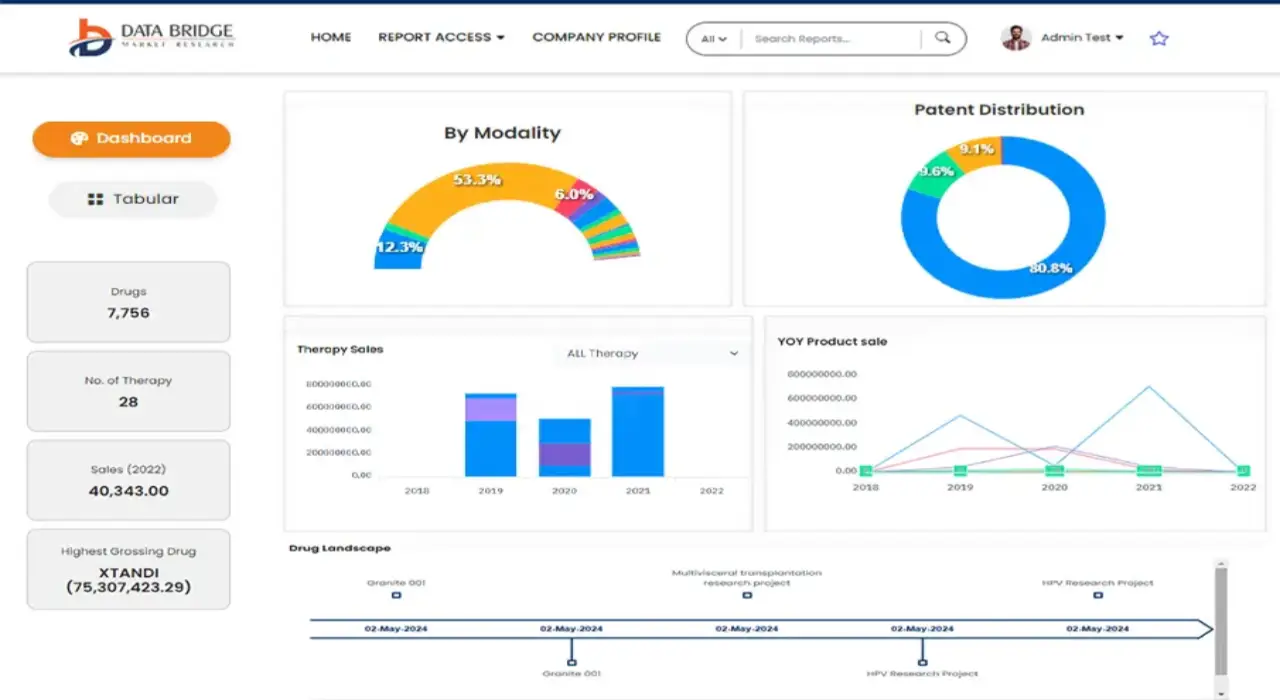
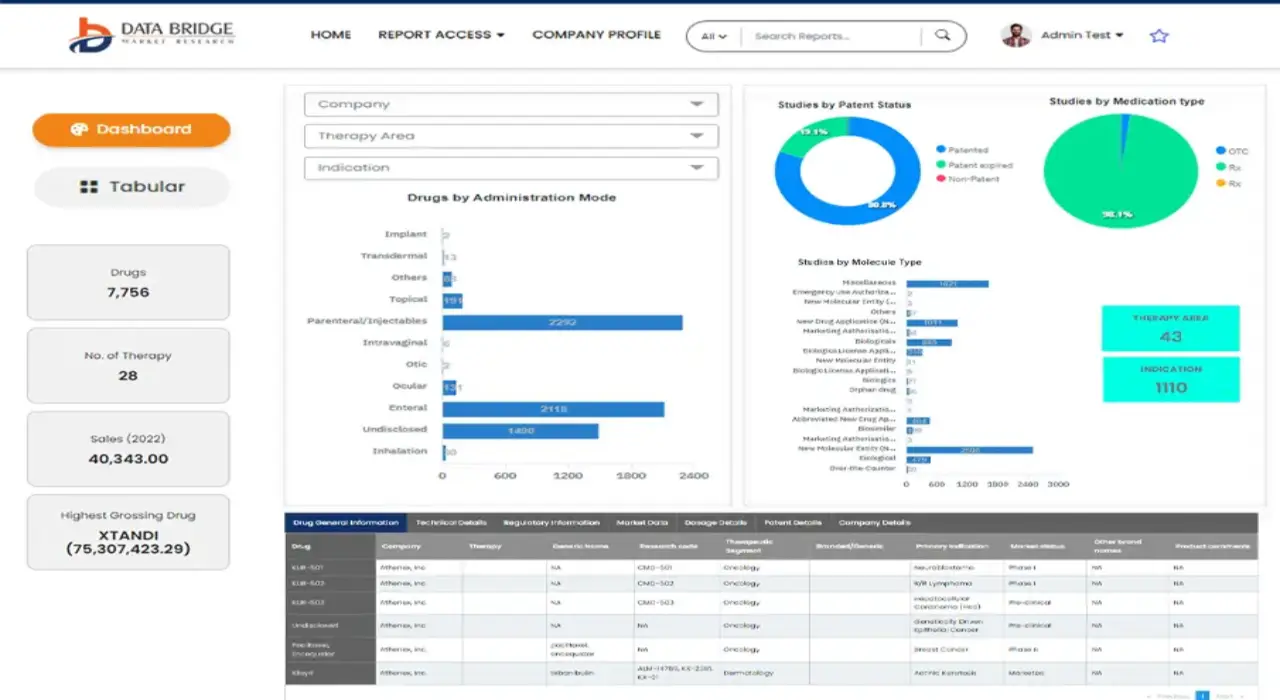
- 대화형 데이터 분석 대시보드
- 높은 성장 잠재력 기회를 위한 회사 분석 대시보드
- 사용자 정의 및 질의를 위한 리서치 분석가 액세스
- 대화형 대시보드를 통한 경쟁자 분석
- 최신 뉴스, 업데이트 및 추세 분석
- 포괄적인 경쟁자 추적을 위한 벤치마크 분석의 힘 활용
연구 방법론
데이터 수집 및 기준 연도 분석은 대규모 샘플 크기의 데이터 수집 모듈을 사용하여 수행됩니다. 이 단계에는 다양한 소스와 전략을 통해 시장 정보 또는 관련 데이터를 얻는 것이 포함됩니다. 여기에는 과거에 수집한 모든 데이터를 미리 검토하고 계획하는 것이 포함됩니다. 또한 다양한 정보 소스에서 발견되는 정보 불일치를 검토하는 것도 포함됩니다. 시장 데이터는 시장 통계 및 일관된 모델을 사용하여 분석하고 추정합니다. 또한 시장 점유율 분석 및 주요 추세 분석은 시장 보고서의 주요 성공 요인입니다. 자세한 내용은 분석가에게 전화를 요청하거나 문의 사항을 드롭하세요.
DBMR 연구팀에서 사용하는 주요 연구 방법론은 데이터 마이닝, 시장에 대한 데이터 변수의 영향 분석 및 주요(산업 전문가) 검증을 포함하는 데이터 삼각 측량입니다. 데이터 모델에는 공급업체 포지셔닝 그리드, 시장 타임라인 분석, 시장 개요 및 가이드, 회사 포지셔닝 그리드, 특허 분석, 가격 분석, 회사 시장 점유율 분석, 측정 기준, 글로벌 대 지역 및 공급업체 점유율 분석이 포함됩니다. 연구 방법론에 대해 자세히 알아보려면 문의를 통해 업계 전문가에게 문의하세요.
사용자 정의 가능
Data Bridge Market Research는 고급 형성 연구 분야의 선두 주자입니다. 저희는 기존 및 신규 고객에게 목표에 맞는 데이터와 분석을 제공하는 데 자부심을 느낍니다. 보고서는 추가 국가에 대한 시장 이해(국가 목록 요청), 임상 시험 결과 데이터, 문헌 검토, 재생 시장 및 제품 기반 분석을 포함하도록 사용자 정의할 수 있습니다. 기술 기반 분석에서 시장 포트폴리오 전략에 이르기까지 타겟 경쟁업체의 시장 분석을 분석할 수 있습니다. 귀하가 원하는 형식과 데이터 스타일로 필요한 만큼 많은 경쟁자를 추가할 수 있습니다. 저희 분석가 팀은 또한 원시 엑셀 파일 피벗 테이블(팩트북)로 데이터를 제공하거나 보고서에서 사용 가능한 데이터 세트에서 프레젠테이션을 만드는 데 도움을 줄 수 있습니다.