


Saudi Arabia Building Thermal Insulation Market, By Product (FiberglassMineral Wool, Plastic Foam, Aerogels, Cellulose, and Others), Insulation (Slab or Block, Blanket, Loose Fill, Reflective, Spray Foam, and Others), Distribution Channel (Offline and Online), Application (Roof, Wall, and Floor), End-use (Residential, Commercial, Warehouses, Institutional, and Industrial) Industry Trends and Forecast to 2029.
사우디 아라비아 건축 열 절연제 시장 분석 및 통찰력
사우디 아라비아 건축 열 절연제 시장은 2022년에서 2029년까지 예측 기간에 있는 뜻깊은 성장을 예상할 것으로 예상됩니다. 데이터 브리지 시장 연구는 시장이 2022 년 2029 년 예측 기간에서 7.0%의 CAGR로 성장하고 있으며, 2029 년 USD 437,612.95 천에 도달 할 것으로 예상됩니다. 성장 시장을 몰는 주요 요인은 건물과 건축에 있는 경량 물자로 플라스틱 거품의 성장 인기, 녹색 건물의 확장, 및 옥상 절연제의 중요성입니다.
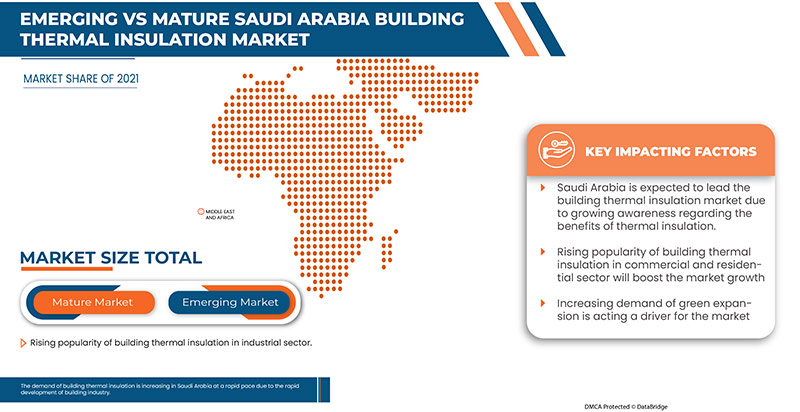
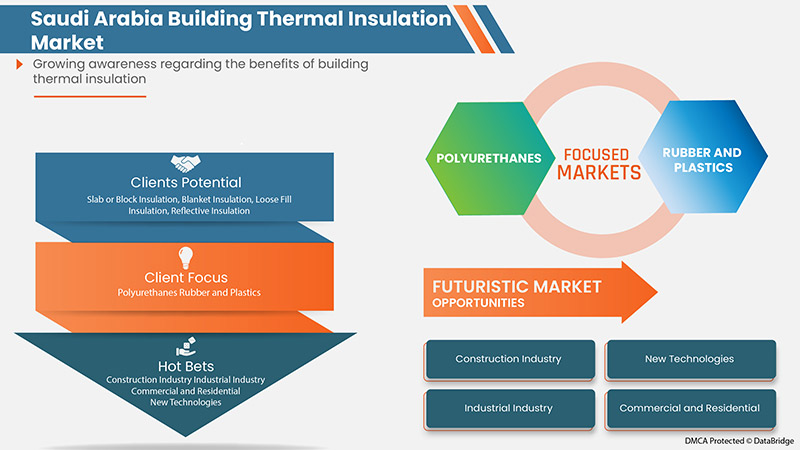
건축 열 절연제 제품은 인기를 얻고 건물과 건축 공업에서 널리 이용됩니다, 특히 주거, 상업 및 산업 분야에서. 인프라 개발 및 지원 정부 이니셔티브에 대한 상승 투자의 계정은 국가의 지속 가능성에 대한 기회를 제공 할 것으로 예상된다 시장 성장. 또한, 몇몇 시장 선수는 R&D 활동에 투자하여 인프라 부문의 요구 사항에 새 제품을 출시합니다.
사우디 아라비아 건축 열 절연제 시장 보고서는 시장 점유율, 새로운 발달의 세부사항을 제공하고, 국내와 현지화한 시장 선수의 충격은, 시장 규칙, 제품 승인, 전략적인 결정, 제품 발사, 지리적 확장 및 시장에 있는 과학 기술 혁신의 기간에 있는 기회를 분석합니다. 분석 및 시장 시나리오를 이해하기 위해 분석 Brief에 문의하십시오. 우리 팀은 원하는 목표를 달성하기 위해 수익을 창출하는 데 도움이 될 것입니다.
|
미터 표시 |
제품 정보 |
|
예측 기간 |
2022에서 2029 |
|
기본 년 |
2021 |
|
역사 년 |
2020 (2019년~2014년) |
|
양적 단위 |
USD에서 수익 |
|
Segments 적용 |
제품 (섬유유리, 미네랄 모직, 플라스틱 폼, 에어로젤, 셀룰로오스 및 기타), 절연 (Slab 또는 블록, 담요, 느슨한 필, 반사, 스프레이 폼, 기타), 유통 채널 (오프라인 및 온라인), 응용 프로그램 (로프, 벽 및 바닥), End-use (Residential, 상업용, 창고, 기관 및 산업). |
|
국가 덮음 |
사우디 아라비아 |
|
시장 선수는 덮었습니다 |
사우디 록 모직 공장, 아라비아 섬유유리 절연제 회사 주식 회사, BASF SE, SAINT-GOBAIN, Dow, DuPont, Wanhua 화학 그룹 Co., 주식 회사, MASCO, Clariant, PPG 기업, Inc., Fahad 국제 그룹, 사우디 Vetonit Co. 주식 회사, 일본 장 유리 Co., 주식 회사, Sika AG, Fletcher 건물 및 GAF |
시장 정의
건물 열 절연제는 건물 봉투를 통해서 열 손실/gain의 양을 방지해서 건물에 있는 에너지 소비를 감소시키는 것을 돕는 기술입니다. 열 절연제는 섬유유리 무기물 모직, 플라스틱 거품, 에어로젤, 셀루로스 및 다른 사람과 같은 다른 물자로 위로 만듭니다. 무기물 모직은 돌 모직 및 유리 모직으로 더 세분화됩니다. 이 재료는 사우디 아라비아의 난방 건물에 광범위한 응용 프로그램을 가지고 있기 때문에 열 절연 특성을 가지고 있습니다. 열 절연제는 무기물 모직으로 열 손실을 방지해서 필요한 온도를 유지하는 것을 돕습니다. 다른 한편, 유리 섬유 열 절연은 비용 효과 및 환경 친화적 인 때문에 가장 인기있는 절연 재료 중 하나입니다. 친환경 옵션을 만드는 재활용 유리로 구성되어 있습니다. 다양한 재료로 제조된 열 절연제는 산업, 상업 및 주거 단지에 있는 광대한 신청이 있습니다.
사우디 아라비아 건축 열 절연제 시장 역학
드라이버
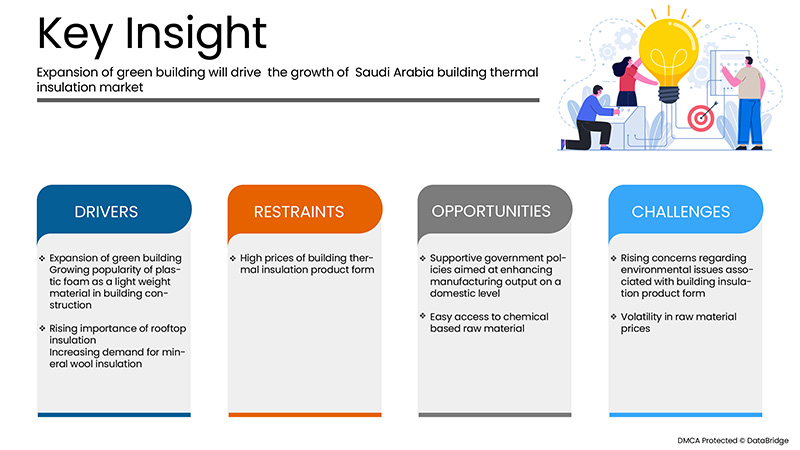
- 그린 빌딩의 확장
녹색 건물은 표준 구조 보다는 환경에 더 적은 독성입니다. elective 건축재료를 이용하여 정상적인 자산을 검토하고, 정상적인 자산을 저장하고, 많은 트럭을 매립하는 대신 개발 스러버를 재사용합니다. 녹색 건물의 더 큰 부분에서, 안쪽 공간에는 정상적인 점화가 있고 외부는 봅니다. 동시에 생산적인 중앙 공기 (온도, 통풍 및 냉각) 기구 및 낮은 휘발성 유기 화합물 (VOC) (인기할 수 있는 자연적인 화합물) 가구 페인트와 같은 물자 및 마루는 unrivaled 실내 공기 질을 만듭니다.
지속 가능한 녹색 건물은 개발 및 건설로 인해 환경의 기준을 개선하거나 유지할 수 있습니다. 능력의 높은 정도를 달성하기 위해, 에너지, 물 및 한계 오염에 대한 다른 자산의 활용 감소는 근본적입니다. 녹색 건물도 유지 또는 엘리트 실행 구조라고합니다. 또한, 건축, 건설, 유지 보수 보수, 설계 및 앉아있는 작업을 포함하여 건물의 기존 패턴을 통해 생태계 및 자산 생산에 무해 물질의 설계 및 사용을 포함합니다.
UAE는 걸프 협력위원회 (GCC) 지역 및 세계에서 단위 당 가장 surprising Essentialness 사용의 가장 제기 된 속도를 가지고 있습니다.
녹색 구조, 자연 보안, 지구 전체 온도 향상, 학교 및 대학 교육 계획의 관리 가능성은 빛에 문제를 가져올 수 있습니다. 또한, 녹색 구조에 모임과 쇼는 현장 전문가 중 대중의 마음과 마음을 높이는 데 도움이 될 것입니다. 이 마음의 충실한 추정은 녹색 구조의 일반 대중적인 팬을 만들고 협력과 정보 공유에 문을 엽니다. 변화의 보호는 외곽에 놓고 정부의 중재를 필요로하는 것은 새로운 녹색 구조를 개발하기 위해 팩을 리드하는 것을 기억하고 새로운 지침 (예를 들면, 처벌 및 임박)을 제시하는 것입니다.
- 건축 건축에 있는 경량 물자로 플라스틱 거품의 인기를 성장
플라스틱은 부는 전문가에 의해 응답될 때 거품이 됩니다. 플라스틱 거품은 비 fibrous입니다; 개인적인 보호 계기는 설치 도중 필요하지 않습니다. 각종 플라스틱 거품은 페놀, Polyisocyanurate (PIR), polystyrene, elastomeric 및 폴리우레탄 (PUR)를 포함합니다. 플라스틱 서리의 거대한 시장은 다른 온도 범위에 있는 그것의 신청에 attributable 입니다. 마찬가지로 재료의 더 나은 삶 패턴은 벽, 바닥 및 옥상과 같은 응용 분야에 적합합니다. 그것의 높은 온난한 야당, 적응성, 힘 및 수명은 그것의 관심사를 모읍니다. 그것은 가벼운 무게로, 건축 도중 사우디 아라비아 사용 플라스틱 거품에 있는 건물 회사의 대부분.
플라스틱 거품은 기초 중합체를 위해 이용된 유사한 지상 계획 기술에 의해 대우됩니다. 이것은 특히 열가소성 "primary" 폼에 대한 유효성, 예를 들어, 폴리 카보네이트 및 교체 폴리 페닐렌 산화물. 시간에, 이 열가소성 거품은 dissolvable 및 단단하게 할지도 모릅니다. 가장 일반적으로 경험있는 열경화성 거품은 폴리우레탄, 가동 가능하고, 단단하고, 반 엄밀한 거품에서 접근 가능합니다. 엄밀한 거품은 densities의 큰 수에서 현실적입니다. denser 등급은 denser 등급의 진정한 재료의 확장 된 표면 영역으로 부드럽게 샌딩의 표준 절차에 의해 계획하고 진공 또는 브러시로 후속 잔류물을 제거 할 수 있습니다.
폴리에틸렌 폼이있는 절연 시스템은 건물, 숙박 및 특수 물체의 에너지 효율을 보장합니다. 일관된 보호 코팅의 아이디어의 실행은 동반 에너지 효과 부품의 acknowledgment 권한을 부여합니다. 몇몇 중요성의 사정으로, 보호 덮음을 통해서 직접 강도 misfortunes의 끝 또는, 다른 한편으로는, 보호한 품목에 있는 찬 보존. 또한, 외부 기후 효과의 디자인의 보험 또는 강제적 인 조건은 이러한 디자인의 내구성에 기여합니다.
세 번째로, 그것은 이상적인 내부 미생물을 건설하기 위해 conceivable, 기사에 대한 비공식적 인 이유에 대한 지속적인. 폴리에틸렌 서리로 만든 일관적인 보호의 기구가 있는 경제 부분은 개인과 현대 발달, 농업 사무실의 직립, 스포츠 사무실의 보호 및 눈 보전으로 그런 상상적인 지역 이용됩니다. 일관적인 합동을 가진 폴리에틸렌 거품을 사용하는 보호 기구는 carports의 보호에 있는 중대한 결과, 농업 품목의 Stockrooms, 및 가축 시설을 보여주었습니다. 고려 된 프레임 워크에서 명시적 기능 문제로 수행되어야하는 다양한 항목과 특정 것들의 정상적인 특성을 인식 할 수 있습니다.
- 옥상 단열의 중요성
수요는 신속하게 개발 산업을 확장하기 때문에 옥상 보호 수준에 큰 영향을 미쳤습니다. 중국, 사우디 아라비아, 인도 및 미국과 같은 국가의 민간 및 비 민간 벤처 시장 또는 수평 옥상 보호 시장을 운전하고 있습니다. 복원 및 개조는이 조각에서 시장을 구동. 옥상 보호에 사용되는 재료는 돌 플리스, PUR 및 PIR 서리, EPS 서리 및 XPS 폼, 돌 모직, EPS 폼, PUR 및 PIR 폼 및 XPS 폼을 통합했습니다. 에너지 효율적인 건물 개발을 위한 가이드라인은 민간 건물 섹션에서 시장에 진입해야 합니다. 화재 안전 및 높은 온난 한 효과와 같은 재료에 열 절연의 속성은 그들의 관심을 확장하기 위해 특별히 평가됩니다.
녹색 옥상은 수많은 생물학적 혜택을 누리고 있습니다. 그들은 도시 공동체의 보호 및 냉각 및 감소 메트로폴리탄 강도를 제공합니다. 그들은 중요한 냉각 충격을 은폐하고 온도를 감소시킵니다. 게다가, 강도는 customary 옥상과 같은 녹색 옥상 내에서 유지되지 않습니다. 그런 다음, 그들은 구조의 소리 보호에서 viable, 이는 메트로폴리탄 지역의 중요한 점, 그리고 더 많은 것, 그들은 자연 생활 번영을 업그레이드. 녹색 옥상은 공기를 깨끗하고 에너지를 절약합니다. 그들은 폭풍에 중요한 부분을 재생합니다 보드와 이산화탄소 감소에 미치는 영향. 또한, 그들은 음식 창조와 세련한 각에서 유용합니다. 녹색 옥상의 창조와 upkeep은 몇 가지 특정 사무실이 필요합니다. 녹색 옥상은 옥상의 구색을 기반으로 할 수 있습니다. 그러나 케이스의 더 큰 부분에서 수평 옥상에 개발됩니다.
다양한 옥상에 대한 이해, 그들은 건물 프레임 워크의 다양한 스타일과 활용 재료. 옥상에 녹색 옥상을 건설하는 절차가 있습니다. 그러나 가장 잘 알려진 문제는 중량 운송의 한계입니다. 녹색 옥상을 건설하기위한 가장 적합한 시간은 현재 구조의 상단이 수정하거나 개화 될 때 다른 구조 또는 지점을 개발하는 시간입니다. 두 상황에서 적절한 녹색 옥상을 건설하는 데 필요한 적절한 방법론을 결정하기 위해 논의를 위해 1 차 전문가가 고용됩니다.
녹색 옥상은 옥상을 통해 숲속의 열전도가 높은 소재입니다. 그들은 옥상 표면 위에 놓인 시트의 보호재를 구성합니다. 이 덮개는 물 증거와 루핑 물자의 밑에 또는 놓입니다. 위에 놓인 경우에, 그것은 젖은 상태를 uncovering를 위해 물자 적합으로 합니다. 그런 다음, 우리는 약간의 보호 층이 고온을 피할 수 없기 때문에 한 번 집중 층을 원합니다. Polyisocyanates, 압출기 폴리스티렌, 장시간 폴리스티렌 및 fresco 시트는 가장 유명한 옥상 encasing 재료입니다.
- 미네랄 울 단열에 대한 수요 증가
무기물 모직은 로에 있는 자연적인 무기물의 녹에서 생성한 자연적인 물자이고, 제품은 날조됩니다. 그것은 아주 낮은 열 전도도가 있습니다. 무기물 모직 절연제는 계기 기간에 뜻깊은 발달을 대표했습니다, 제품의 전성적 특성에, 호환성, 화재 안전, 환경 안정성 및 능률적인 열 장벽을 포함하여. 따뜻한 방해 응용 분야의 미네랄 울을 확장하면 예상되는 기간 동안의 개발을 구동합니다. 그것은 무게, 강하고, 취급하기 쉽고 복잡한 모양에 적합하기 쉽습니다. 그것은 8000°C까지의 최대 서비스 온도가 있습니다.
무기물 모직 절연제는 사기그릇 보호, 돌 모직 보호, 또는 주름 모직 보호이라고 칭한 이유인 slag와 돌의 조합을 사용하여 생성합니다. 돌이나 슬랩은 액체가 될 때까지 히터에서 따뜻합니다. 그런 점에서, 모이는 면 감미료 같이 주기에서, 액체 돌 또는 slag는 긴, flimsy 물가의 발달에서 냉각될 때까지 돌 것입니다. 물가는 그 때 두껍게 다른 사람의 정상에 붙입니다. 무기물 모직 절연제는 다수 요인 때문에 구조와 디자인에서 이용됩니다. 어떤 중요성의 문제로, 그것은 잘 열에 지도하지 않습니다. 이것은 외부 기후보다 구조 가열기 또는 냉각기를 유지하려고하는 동안 중요합니다. 불꽃은 구조에 대한 신뢰할 수있는 걱정이기 때문에 미네랄 울이 연소 할 수있는 방법은 encasing으로 웅대한 선택을합니다. 마찬가지로, 광채는 clamor가 건설하는 동안 걱정할 때 웅대한 음향 감쇠기입니다.
1 차적인 모직 보호는 액체 basalt 또는 diabase와 같은 일정한 돌 필라멘트를 사용하여 주로 생성합니다. 이 무기물 모직은 화산 돌에서, 약 1,600°C에 연화됩니다. 이 녹은 돌은 "fleece"로 돌을 돌고 다양한 tars와 기름에 의해 결합됩니다. 두 번째는 슬랩을 사용하여 생산됩니다. Slag는 강철의 창조의 부산물입니다. Producers는 일정한 돌에서 또는 액체 slag, 정상적인 돌 및 유리의 혼합 할 수 있습니다. 일반적으로, 무기물 또는 돌 보호는 90%까지 재사용한 내용을 포함합니다.
사업영역
- 국내 수준의 생산량 강화를 목표로 하는 지원 정부 정책
Mandeli (2008) 사우디 정부는 예를 들어, 레크리에이션 시설, 도시 청소, 아웃소싱 차량 공급, 해충 제어 및 다른 관리의 일부를 활성화하기 시작했습니다. 사우디 정부에 대한 엄청난 혜택이 없습니다. 은밀한 지역과 협회 계약을 맺기 시작합니다. 그러나, 문제는 focal 및 인근 전문가의 힘이 부족한 공공 개인 협회의 위쪽을 조사하기 위해 중요한 정보베이스의 부재이며, 비만적 인 합법적 인 구조, 실행 측면 또는 유해 평가를 촉진하는 데 도움이되는이 개방적인 문과 관련하여. 게다가, 제한적 ?scal and lawful force of near experts intensified by the deficiency of staff restricts extension after which metropolitan endeavor can create (Mandeli, 2008). 사우디 정부는 사우디 건설 표준을 통해 지원 가능한 구조의 실행에 즉시 영향을 미칠 수 있습니다.
정부는 발전하거나 열 절연제를 내리는 거대한 부분을 가정합니다. 에너지 보전 및 숙련도를 선호하는 다양한 가이드라인을 갖추고 있습니다. 심리적으로, 반대 결과는 심각한 고려가 에너지 가이드에 주어지지 않을 때 인정될 수 있습니다. 특히, 에너지 보존 및 생산성에 대한 관리 전략 구조의 접근성 또는 제한적 존재는 녹색 구조 개선에 방해를 요구합니다. 이행 가이드라인은 정부 시스템의 진행을 위한 근본입니다.
관련 상품
- 건물 단열 제품 형태와 관련된 환경 문제에 대한 우려
시장은 열 보호에 대한 심각한 건강 걱정에 의해 해적 될 것으로 예상된다. 설치 상호 작용 중 유리 울에 긴 운반 노점, 예를 들어, 눈과 호흡 프레임 워크를 새겨. 몇 가지 검사는 확장 및 폭발 과정이 폴리스티렌을 만드는 데 사용되었는지 암 치료 인 스티렌의 도착에 대해 가져올 수 있음을 보여줍니다. 이 잘 관련 문제는 시장의 확장을 강화하고 그 후속의 수신률을 제한하는 것으로 예상됩니다.
섬유유리 절연제는 습기찬에 대하여 helpless입니다. 예를 들면, 거품 널 또는 샤워한 거품 절연제를 위해 선택권과는 달리, 젖은 섬유유리 보호는 모든 R 가치를 잃고 그것 dries까지 실질적으로 보호 재산이 없습니다. Dampness는 저장실에 있는 오염 보호, 일정한 옥상 방출 또는 기본적인 건축 때문에, 섬유유리 배를 위한 근본적인 지역은 생활 공간 underneath에서 soggy 온난한 공기로, 온도가 밤 시간의 주위에 감소할 때, 보호를 적시. 습기가 섬유유리 절연제에서 출석할 때 점에서, 형 발달은 수시로 따릅니다. 이것은 셀룰로오스가 형성을 수송하고 습기를 전달하는 공기의 자유로운 진행을 허용하지 않기 때문에 자유롭게 채우는 셀룰로오스와 같은 선택에서 섬유유리에서 더 일반적입니다. Airborne 모양은 안락하게, 공기 또는 건축에 있는 물 증기에서 습기에 선물될 때 섬유유리 보호의 물가를 얻게 합니다. 모양은 undesirable 실내 공기 질의 좋은 봄이고 방어적인 사람들에 있는 과민한 부작용을 일으킬 수 있습니다.
보호 구조를 위한 제일 기술의 한개는 PUR 서리 온난한 보호입니다. 이 보호 기술의 evident detriment는 그것의 비용 일지도 모릅니다 — 다른 전략과 대조해, 과도하게 비용으로 나타날 수 있었습니다. 그것은 단지 그래서 그것의 비용은 elective 보호 전략과 동등하다. 모든 비용은 다음과 같은 몇 년 동안 회복되며 PUR 폼 단열의 견고는 단단히 길게됩니다. 당신은 폴리우레탄 서리 보호의 위쪽의 각각을 보면, 비용으로 멀리 힌트는 immaterial가 됩니다.
- 원료 가격의 변동성
열 절연제 화합물을 건축하는 시장은 에너지와 자연적인 물질 비용 및 동요 경제의 불평성을 포함하여 경험 요인을, 합성합니다. 따라서 이러한 변수는 건설 화합물에 대한 확장의 시장의 속도를 다시 다이얼. 또한 시장 개발이 프로젝트 실행에 대한 분산 된 시간을 확장하는 법의 원칙과 지침의 변경을 우회하는 취약점에 의해 해적 될 것이라고 가정합니다.
최근 개발
- 9 월 2022에서 사우디 에너지 효율 센터는 국가의 시민이 건물에 열 단열을 보장하고 에너지를 절약 할 수 있도록 요청했습니다. 열 절연제의 사용은 거의 30%에서 40%에 전기 에너지 소비를 삭감할 수 있습니다. 정부에 의해 촬영 된이 이니셔티브는 전국 전체 시장 성장에 긍정적 인 영향을 미칠 것으로 예상된다.
사우디 아라비아 건축 열 절연제 시장 범위
사우디 아라비아 건축 열 절연제 시장은 제품, 절연제, 배급 수로, 신청 및 끝 사용에 근거를 둡니다. 이러한 세그먼트의 성장은 업계의 주요 성장 세그먼트를 분석하고 핵심 시장 응용 프로그램을 식별하기 위해 전략적 결정을 내릴 수있는 가치있는 시장 개요 및 시장 통찰력으로 사용자에게 제공합니다.
제품정보
- 섬유 유리
- 플라스틱 FOAM
- MINERAL 공구
- 지원하다
- 카테고리
- 기타
제품에 바탕을 두어, 시장은 섬유유리, 무기물 모직, 플라스틱 거품, 에어로젤, 셀룰로오스 및 다른 사람으로 구분됩니다.
제품정보
- SLAB 또는 블록
- 스낵 바
- LOOSE는
- 관련 상품
- SPRAY 폼
- 기타
절연제에 바탕을 두어, 시장은 석판 또는 구획, 담요, 느슨한 충분한 양, 반사, 살포 거품 및 다른 사람으로 구분됩니다.
배급 채널
- 공지사항
- 이름 *
유통 채널을 기반으로, 시장은 오프라인 및 온라인으로 구분됩니다.
제품 설명
- 채용 정보
- 계정 만들기
- 제품정보
응용 프로그램에 따라 시장은 지붕, 벽 및 바닥으로 구분됩니다.
끝 사용
- 관련 기사
- 회사연혁
- 오시는 길
- 관련 기사
- 산업 분야
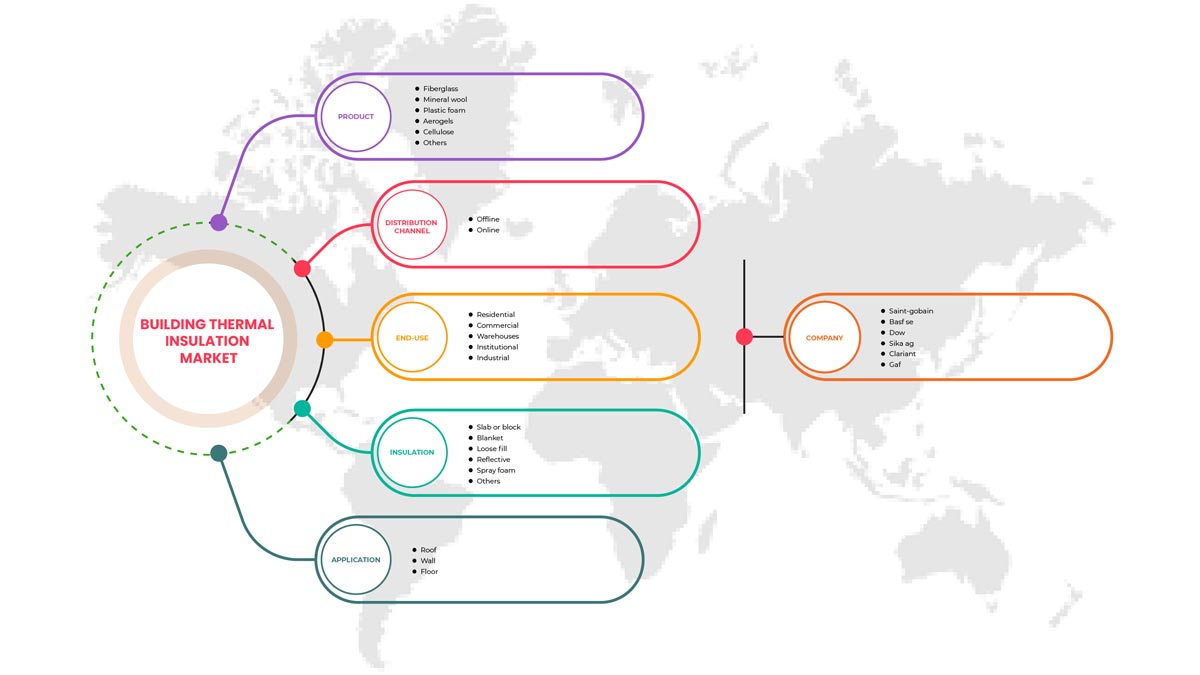
최종 용도에 따라 시장은 상업, 주거, 창고, 산업 및 기관으로 구분됩니다.
사우디 아라비아 건축 열 절연제 시장 지역 분석/Insights
사우디 아라비아 건축 열 절연제 시장은 제품, 절연제 유형, 배급 수로, 신청 및 끝 사용에 근거를 둔 5개의 주목할만한 세그먼트로 세그먼트를 답니다.
보고서는 시장의 영향 요인과 시장의 추세에 영향을 미치는 시장 규제의 변화도 제공합니다. 데이터 포인트 다운스트림 및 업스트림 값 체인 분석, 기술 동향 포터의 5 단계 분석 및 사례 연구는 사우디 아라비아의 시장 시나리오를 예측하는 데 사용되는 포인터의 일부입니다. 또한 사우디 아라비아 브랜드의 존재 및 가용성과 현지 및 국내 브랜드의 대형 또는 스카이스 대회로 인해 직면하고 있으며 국내 관세 및 무역 경로의 영향은 국가 데이터의 예측 분석을 제공하고 있습니다.
경쟁적인 조경 및 사우디 아라비아 건축 열 절연제 시장 점유율 분석
사우디 아라비아 건축 열 절연제 시장 경쟁적인 조경은 경쟁자에 의해 세부사항을 제공합니다. 포함 된 세부 사항은 회사 개요, 회사 재무, 수익 생성, 시장 잠재력, R & D에 투자, 새로운 시장 이니셔티브, 생산 사이트 및 시설, 회사 강점 및 약점, 제품 출시, 제품 평가 파이프라인, 제품 승인, 특허, 제품 폭 및 폭, 응용 도민, 기술 수명 곡선. 상기 데이터 포인트는 사우디 아라비아 건축 열 절연제 시장과 관련된 회사의 초점과 관련이 있습니다.
시장에서 운영되는 탁월한 참가자 중 일부는 사우디 록 모직 공장, 아라비아 유리 섬유 단열 회사, BASF SE, SAINT-GOBAIN, Dow, DuPont, Wanhua Chemical Group Co., Ltd, MASCO, Clariant, PPG Industries, Inc., Fahad International Group, Saudi Vetonit Co. Ltd, Nippon Sheet Glass Co., Ltd, Sika AG, Fletcher Building 및 GAF입니다.
연구 방법론
Data collection and base year analysis are done using data collection module with large sample size. 시장 데이터 분석 및 시장 통계 및 일관성 모델을 사용하여 추정된다. 또한 시장 점유율 분석 및 주요 추세 분석은 시장 보고서의 주요 성공 요인입니다. DBMR 연구팀에서 사용하는 핵심 연구 방법론은 데이터 마이닝, 시장의 데이터 변수의 영향 분석, 및 기본 (산업 전문가) 검증을 포함하는 데이터 트리angulation입니다. 이 외에도 데이터 모델에는 Vendor Positioning grid, Market Time Line Analysis, Market Overview 및 Guide, Company Positioning Grid, Company Market Share Analysis, Standard of Measurement, Global Vs Regional 및 Vendor Share Analysis가 포함됩니다. 더 많은 문의의 경우 analyst 전화 요청하십시오.
SKU-
세계 최초의 시장 정보 클라우드 보고서에 온라인으로 접속하세요

- 대화형 데이터 분석 대시보드
- 높은 성장 잠재력 기회를 위한 회사 분석 대시보드
- 사용자 정의 및 질의를 위한 리서치 분석가 액세스
- 대화형 대시보드를 통한 경쟁자 분석
- 최신 뉴스, 업데이트 및 추세 분석
- 포괄적인 경쟁자 추적을 위한 벤치마크 분석의 힘 활용
목차
1 서론
1.1 연구 목적
1.2 시장 정의
1.3 사우디 아라비아 건물 단열재 시장 개요
1.4 제한
1.5 대상 시장
2 시장 세분화
2.1 대상 시장
2.2 지리적 범위
연구에 2.3년이 고려됨
2.4 통화 및 가격
2.5 DBMR TRIPOD 데이터 검증 모델
2.6 제품 라인 곡선
2.7 다변량 모델링
2.8 주요 여론 선도자와의 1차 인터뷰
2.9 DBMR 시장 위치 그리드
2.1 시장 적용 범위 그리드
2.11 DBMR 시장 도전 매트릭스
2.12 DBMR 공급업체 점유율 분석
2.13 2차 소스
2.14 가정
3 요약
4가지 프리미엄 인사이트
4.1 PESTLE 분석
4.1.1 정치적 요인
4.1.2 경제적 요인
4.1.3 사회적 요인
4.1.4 기술적 요인
4.1.5 법적 요소
4.1.6 환경 요인
4.2 지속 가능성 시나리오
4.3 표준/인증
4.3.1 사우디 표준, 계측 및 품질 기구(SASO)
4.3.2 ISO(국제표준화기구) 인증
4.3.3 사우디 제품 적합성 인증서(PCOC)
4.3.4 FM 승인
4.3.5 녹색 인증
5 규제
6 사우디 아라비아 건물 단열 시장, 국가별 기록
7 시장 개요
7.1 드라이버
7.1.1 녹색건축 확대
7.1.2 건축 자재의 경량 소재로서 플라스틱 폼의 인기 증가
7.1.3 옥상 단열의 중요성 증가
7.1.4 미네랄울 단열재에 대한 수요 증가
7.2 구속
7.2.1 건물 단열 제품 형태의 높은 가격
7.3 기회
7.3.1 국내 제조업 생산량 증대를 목표로 한 지원 정부 정책
7.3.2 화학 기반 원료에 대한 쉬운 접근
7.4 과제
7.4.1 건물 단열 제품 양식과 관련된 환경 문제에 대한 우려 증가
7.4.2 원자재 가격의 변동성
8 사우디 아라비아 건물 단열재 시장, 제품별
8.1 개요
8.2 유리섬유
8.2.1 플라스틱 폼
8.2.1.1 폴리스티렌
8.2.1.1.1 발포 폴리스티렌(EPS)
8.2.1.1.2 가교 폴리스티렌(XPS)
8.2.1.2 푸에르토리코
8.2.1.3 폴리이소시아누레이트(PIR)
8.2.1.4 탄성 폼
8.2.1.5 기타
8.2.2 미네랄울
8.2.2.1 스톤울
8.2.2.2 유리솜
8.3 에어로젤
8.4 셀룰로스
8.5 기타
9 사우디 아라비아 건물 단열 시장, 단열재별
9.1 개요
9.2 슬래브 또는 블록
9.2.1 담요
9.2.1.1 롤드
9.2.1.2 배터리
9.3 느슨한 채우기
9.4 반사
9.5 스프레이 폼
9.6 기타
10 사우디 아라비아 건물 단열 시장, 유통 채널별
10.1 개요
10.2 오프라인
10.3 온라인
11 사우디 아라비아 건물 단열재 시장, 응용 분야별
11.1 개요
11.1.1 지붕
11.1.1.1 플랫
11.1.1.2 피치
11.1.2 벽
11.1.2.1 내부
11.1.2.2 외부
11.1.2.3 공동
11.1.3 바닥
11.1.3.1 콘크리트 바닥
11.1.3.2 융기 목재 바닥
12 사우디 아라비아 건물 단열재 시장, 최종 용도별
12.1 개요
12.2 상업적
12.2.1 상업적, 제품별
12.2.1.1 유리섬유
12.2.1.2 플라스틱 폼
12.2.1.3 미네랄울
12.2.1.4 에어로젤
12.2.1.5 셀룰로스
12.2.1.6 기타
12.2.2 세그먼트별 상업
12.2.2.1 사무실
12.2.2.2 경기장
12.2.2.3 병원
12.2.2.4 쇼핑 센터
12.2.2.5 멀티플렉스
12.2.2.6 레저 빌딩
12.2.2.7 기타
12.3 주거
12.3.1 주거용, 제품별
12.3.1.1 유리섬유
12.3.1.2 플라스틱 폼
12.3.1.3 미네랄울
12.3.1.4 에어로젤
12.3.1.5 셀룰로스
12.3.1.6 기타
12.4 산업
12.4.1 산업, 제품별
12.4.1.1 유리섬유
12.4.1.2 플라스틱 폼
12.4.1.3 미네랄울
12.4.1.4 에어로젤
12.4.1.5 셀룰로스
12.4.1.6 기타
12.5 창고
12.5.1 제품별 창고
12.5.1.1 유리섬유
12.5.1.2 플라스틱 폼
12.5.1.3 미네랄울
12.5.1.4 에어로젤
12.5.1.5 셀룰로스
12.5.1.6 기타
12.6 기관
12.6.1 기관별, 제품별
12.6.1.1 유리섬유
12.6.1.2 플라스틱 폼
12.6.1.3 미네랄울
12.6.1.4 에어로젤
12.6.1.5 셀룰로스
12.6.1.6 기타
12.6.2 기관별, 세그먼트별
12.6.2.1 학교
12.6.2.2 대학
12.6.2.3 기타
13 사우디 아라비아 건물 단열 시장, 회사 풍경
13.1 회사 점유율 분석: 사우디 아라비아
13.1.1 확장 및 합의
14 SWOT 분석
15개 회사 프로필
15.1 생고뱅
15.1.1 회사 스냅샷
15.1.2 수익 분석
15.1.3 제품 포트폴리오
15.1.4 최근 업데이트
15.2 바스프 SE
15.2.1 회사 스냅샷
15.2.2 수익 분석
15.2.3 제품 포트폴리오
15.2.4 최근 업데이트
15.3 다운
15.3.1 회사 스냅샷
15.3.2 수익 분석
15.3.3 제품 포트폴리오
15.3.4 최근 업데이트
15.4 시카 AG
15.4.1 회사 스냅샷
15.4.2 수익 분석
15.4.3 제품 포트폴리오
15.4.4 최근 업데이트
15.5 클라리언트 AG
15.5.1 회사 스냅샷
15.5.2 수익 분석
15.5.3 제품 포트폴리오
15.5.4 최근 업데이트
15.6 가프
15.6.1 회사 스냅샷
15.6.2 제품 포트폴리오
15.6.3 최근 업데이트
15.7 듀폰
15.7.1 회사 스냅샷
15.7.2 수익 분석
15.7.3 제품 포트폴리오
15.7.4 최근 업데이트
15.8 PPG 인더스트리 주식회사
15.8.1 회사 스냅샷
15.8.2 수익 분석
15.8.3 제품 포트폴리오
15.8.4 최근 업데이트
15.9 사우디 록울 공장
15.9.1 회사 스냅샷
15.9.2 제품 포트폴리오
15.9.3 최근 업데이트
15.1 파하드 인터내셔널 그룹
15.10.1 회사 스냅샷
15.10.2 제품 포트폴리오
15.10.3 최근 업데이트
15.11 아라비안 유리섬유 단열재 주식회사
15.11.1 회사 스냅샷
15.11.2 제품 포트폴리오
15.11.3 최근 업데이트
15.12 사우디 베토닛 주식회사
15.12.1 회사 스냅샷
15.12.2 제품 포트폴리오
15.12.3 최근 업데이트
15.13 일본판유리 주식회사
15.13.1 회사 스냅샷
15.13.2 수익 분석
15.13.3 제품 포트폴리오
15.13.4 최근 업데이트
15.14 WANHUA CHEMICAL GROUP CO.LTD.
15.14.1 회사 스냅샷
15.14.2 수익 분석
15.14.3 제품 포트폴리오
15.14.4 최근 업데이트
15.15 마스코 주식회사
15.15.1 회사 스냅샷
15.15.2 수익 분석
15.15.3 제품 포트폴리오
15.15.4 최근 업데이트
15.16 플렉처 빌딩 유한회사
15.16.1 회사 스냅샷
15.16.2 수익 분석
15.16.3 제품 포트폴리오
15.16.4 최근 업데이트
16 설문지
17 관련 보고서
표 목록
표 1 사우디 아라비아 건물 단열재 시장, 제품별, 2020-2029 (USD 천)
표 2 사우디 아라비아 건물 단열재 시장, 제품별, 2020-2029(톤)
표 3 사우디 아라비아 건물 단열재 시장에서의 플라스틱 폼, 세그먼트별, 2020-2029 (USD 천)
표 4 사우디 아라비아 건물 단열재 시장의 플라스틱 폼에 사용되는 폴리스티렌, 세그먼트별, 2020-2029년(USD 천)
표 5 사우디 아라비아 건물 단열재 시장에서의 미네랄 울, 세그먼트별, 2020-2029 (USD 천)
표 6 사우디 아라비아 건물 단열 시장, 단열재별, 2020-2029 (USD 천)
표 7 사우디 아라비아 건물 단열재 시장, 단열재별, 2020-2029(톤)
표 8 사우디 아라비아 건물 단열재 시장, 세그먼트별, 2020-2029(USD 천)
표 9 사우디 아라비아 건물 단열 시장, 유통 채널별, 2020-2029 (USD 천)
표 10 사우디 아라비아 건물 단열재 시장, 단열재별, 2020-2029(톤)
표 11 사우디 아라비아 건물 단열재 시장, 응용 분야별, 2020-2029 (USD 천)
표 12 사우디 아라비아 건물 단열재 시장, 적용 분야별, 2020-2029(톤)
표 13 사우디 아라비아 건물 단열재 시장, 세그먼트별, 2020-2029 (USD 천)
표 14 사우디 아라비아 건물 단열재 시장, 세그먼트별, 2020-2029 (USD 천)
표 15 사우디 아라비아 건물 단열재 시장, 세그먼트별, 2020-2029 (USD 천)
표 16 사우디 아라비아 건물 단열재 시장, 최종 용도별, 2020-2029 (USD 천)
표 17 사우디 아라비아 건물 단열재 시장, 최종 용도별, 2020-2029(톤)
표 18 사우디 아라비아 상업용 건물 단열재 시장, 제품별, 2020-2029 (USD 천)
표 19 사우디 아라비아 상업용 건물 단열재 시장, 세그먼트별, 2020-2029 (USD 천)
표 20 사우디 아라비아 주거용 건물 단열재 시장, 제품별, 2020-2029 (USD 천)
표 21 사우디 아라비아 산업용 건물 단열재 시장, 제품별, 2020-2029 (USD 천)
표 22 사우디 아라비아 창고 건물 단열재 시장, 제품별, 2020-2029 (USD 천)
표 23 사우디 아라비아 기관 건물 단열 시장, 제품별, 2020-2029 (USD 천)
표 24 사우디 아라비아 기관 건물 단열 시장, 세그먼트별, 2020-2029 (USD 천)
그림 목록
그림 1 사우디 아라비아 건물 단열 시장: 세분화
그림 2 사우디 아라비아 건물 단열 시장: 데이터 삼각 측량
그림 3 사우디 아라비아 건물 단열 시장: DROC 분석
그림 4 사우디 아라비아 건물 단열 시장: 사우디 아라비아 시장 분석
그림 5 사우디 아라비아 건물 단열 시장: 회사 연구 분석
그림 6 사우디 아라비아 건물 단열 시장: 제품 수명 곡선
그림 7 사우디 아라비아 건물 단열 시장: 다변량 모델링
그림 8 사우디 아라비아 건물 단열 시장: 인터뷰 인구 통계
그림 9 사우디 아라비아 건물 단열 시장: DBMR 시장 위치 그리드
그림 10 사우디 아라비아 건물 단열 시장: 시장 적용 범위 그리드
그림 11 사우디 아라비아 건물 단열 시장: 시장 과제 매트릭스
그림 12 사우디 아라비아 건물 단열재 시장: 공급업체 점유율 분석
그림 13 사우디 아라비아 건물 단열 시장: 세분화
그림 14 주요 상업 및 스포츠 인프라에 대한 지출 증가가 예측 기간 동안 사우디 아라비아 건물 단열 시장을 주도할 것으로 예상됨
그림 15 유리 섬유 부문은 2022년 및 2029년 사우디 아라비아 건물 단열 시장에서 가장 큰 점유율을 차지할 것으로 예상됩니다.
그림 16 사우디 아라비아 건물 단열 시장의 동인, 제약, 기회 및 과제
그림 17 사우디 아라비아 건물 단열재 시장: 제품별, 2021
그림 18 사우디 아라비아 건물 단열 시장: 단열재별, 2021
그림 19 사우디 아라비아 건물 단열 시장: 유통 채널별, 2021
그림 20 사우디 아라비아 건물 단열 시장: 응용 분야별, 2021
그림 21 사우디 아라비아 건물 단열 시장: 최종 사용 기준, 2021
그림 22 사우디 아라비아 건물 단열 시장: 회사 점유율 2021(%)

연구 방법론
데이터 수집 및 기준 연도 분석은 대규모 샘플 크기의 데이터 수집 모듈을 사용하여 수행됩니다. 이 단계에는 다양한 소스와 전략을 통해 시장 정보 또는 관련 데이터를 얻는 것이 포함됩니다. 여기에는 과거에 수집한 모든 데이터를 미리 검토하고 계획하는 것이 포함됩니다. 또한 다양한 정보 소스에서 발견되는 정보 불일치를 검토하는 것도 포함됩니다. 시장 데이터는 시장 통계 및 일관된 모델을 사용하여 분석하고 추정합니다. 또한 시장 점유율 분석 및 주요 추세 분석은 시장 보고서의 주요 성공 요인입니다. 자세한 내용은 분석가에게 전화를 요청하거나 문의 사항을 드롭하세요.
DBMR 연구팀에서 사용하는 주요 연구 방법론은 데이터 마이닝, 시장에 대한 데이터 변수의 영향 분석 및 주요(산업 전문가) 검증을 포함하는 데이터 삼각 측량입니다. 데이터 모델에는 공급업체 포지셔닝 그리드, 시장 타임라인 분석, 시장 개요 및 가이드, 회사 포지셔닝 그리드, 특허 분석, 가격 분석, 회사 시장 점유율 분석, 측정 기준, 글로벌 대 지역 및 공급업체 점유율 분석이 포함됩니다. 연구 방법론에 대해 자세히 알아보려면 문의를 통해 업계 전문가에게 문의하세요.
사용자 정의 가능
Data Bridge Market Research는 고급 형성 연구 분야의 선두 주자입니다. 저희는 기존 및 신규 고객에게 목표에 맞는 데이터와 분석을 제공하는 데 자부심을 느낍니다. 보고서는 추가 국가에 대한 시장 이해(국가 목록 요청), 임상 시험 결과 데이터, 문헌 검토, 재생 시장 및 제품 기반 분석을 포함하도록 사용자 정의할 수 있습니다. 기술 기반 분석에서 시장 포트폴리오 전략에 이르기까지 타겟 경쟁업체의 시장 분석을 분석할 수 있습니다. 귀하가 원하는 형식과 데이터 스타일로 필요한 만큼 많은 경쟁자를 추가할 수 있습니다. 저희 분석가 팀은 또한 원시 엑셀 파일 피벗 테이블(팩트북)로 데이터를 제공하거나 보고서에서 사용 가능한 데이터 세트에서 프레젠테이션을 만드는 데 도움을 줄 수 있습니다.











