


Saudi Arabia Wood Market, By Timber Type (Ash, Beech, Birch, Cedar, Fir, Mahogany, Maple, Oak, Pine), Application (Fuel Wood, Industrial Round Wood, Engineered Woods), Use (Construction, Flooring, Packaging, Transport, Others), End-User (Residential, Commercial, Industrial), Wood Type (Hardwood, Softwood), Industry Trends and Forecast to 2029.
사우디 아라비아 목재 시장 규모와 개요는 무엇입니까
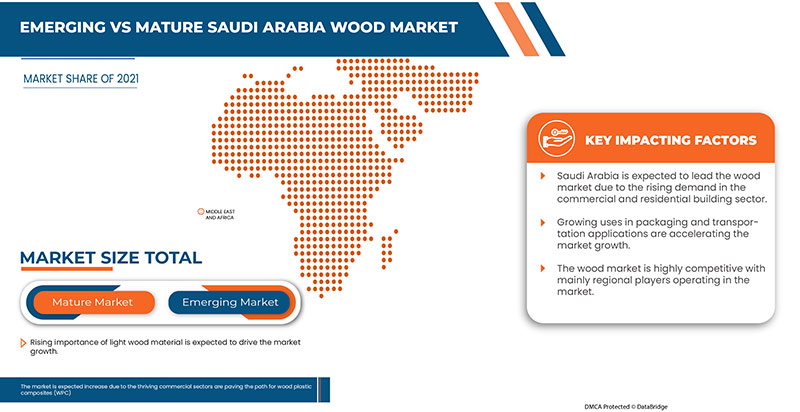
Data Bridge Market Research Analysis에 따르면 Rising Commercial 및 주거 건물 수요가 사우디 아라비아 목재 시장의 중요한 드라이버입니다. 또한 포장 및 운송 응용 분야에서 성장하는 용도는 시장 성장을 가속화하고 있습니다. 이름 *사우디 아라비아 목재 시장USD 4,101.80 백만의 가치에 도달 할 것으로 예상됩니다. 2029, 예측 기간 동안 2.2%의 CAGR. 가장 눈에 띄는 Mahogany 계정뚱 베어유형 세그먼트.
시장 크기 & Forecast
- 글로벌 시장 가치 (2021):3,435.09 백만
- 글로벌 시장 가치 (2029): 4,101.80 백만
- 캐스트 CAGR (2022–2029): 2.2%의 탄소
|
미터 표시 |
제품 정보 |
|
예측 기간 |
2022에서 2029 |
|
기본 년 |
2021 |
|
역사 년 |
2020 (2019년~2014년) |
|
양적 단위 |
USD 백만에서 수익 |
|
Segments 적용 |
Timber 유형 (Ash, Beech, Birch, Cedar, Fir, Mahogany, Maple, Oak 및 Pine), 응용 프로그램 (Fuel Wood, Industrial Round Wood 및 Engineered Woods), 사용 (건설,회사 소개, 포장, 수송 및 다른 사람), End-User (Residential와 상업 및 산업), 목제 유형 (Hardwood 및 Softwood). |
|
국가 덮음 |
사우디 아라비아 |
|
시장 선수는 덮었습니다 |
사우디 현대 공장 회사, 신뢰 나무, 아살라 나무, ITCO,Gupta Timbertrader 바지. 주식 회사 및 Airolam 장식적인 laminates. |
시장 정의
목재 산업은 임업, 로깅, 목재 무역 및 주요 숲 제품 및 목재 제품 생산 (예 : 가구 용) 및 펄프 및 종이 산업을위한 목재 펄프와 같은 이차 제품과 관련된 산업입니다. 가장 큰 생산자 중 일부는 목재의 가장 큰 주인 중 하나입니다. 목재 산업은 역사적으로 많은 경제 분야에서 중요한 분야가되고 계속되었습니다. Wood는 구조상 목적을 위한 목제 효율성이 강철과 유사한 질이 있기 때문에 무게와 강한에 있는 상대적으로 빛입니다. 나무는 일반적으로 소나무와 같은 빗자루와 오크, 또는 소나무와 같은 광대한 나무에서 한 잔으로 분류됩니다. 파인 나무와 같은 빠르게 성장하는 종은 오크와 같은 느린 성장 나무보다 지속되는 경향이 있기 때문에. Oak Forest는 지속 가능한 성장과 수확을 위해 신중하게 관리해야합니다. 그러나 수행 할 수 있습니다.
엔지니어링 된 목재는 일반적으로 같은 경재 및 연질재로 제작되었지만 접착제와 같은 첨가제와 혼합되어 있습니다. 나무의이 유형은 종종 톱밀에서 폐기물 나무를 활용하고 화학 또는 열 공정을 통해 자연에서 찾기 힘든 크기 요구 사항을 충족하는 나무를 생산합니다. 설계한 나무는 가정 건축에서 상업적인 건물에 산업 제품에 각종 신청에서 이용됩니다. 사우디 아라비아는 숲과 숲을 보호하기위한 법적 조치를 도입했으며이 일 더 많은 나무는 떨어졌다. 사우디 아라비아의 숲과 더불어 미래에 대한 좋은 소식은 실제로 감소 대신 성장하고있다.
Saudi Arabia Wood Market의 주요 드라이버는 무엇입니까
드라이버
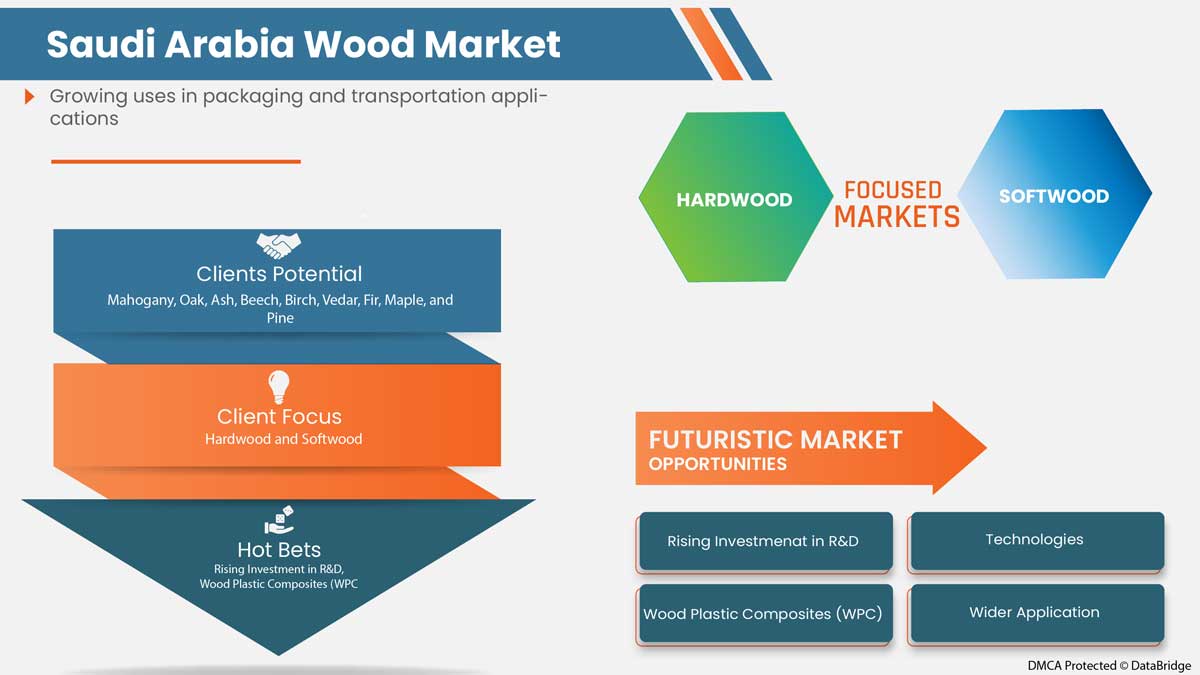
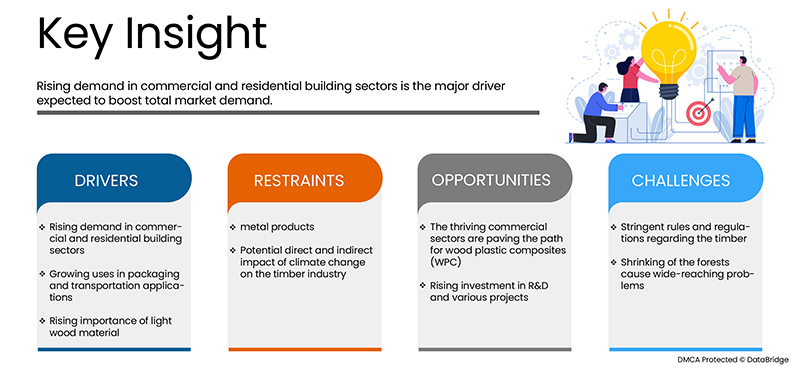
- 상업 및 주거 건물 부문에서의 수요 상승
목재 및 목재는 현재 건축 자재에서 일반적으로 사용되고 있으며, 탄소 발자국에 의한 선택의 재료로 콘크리트 및 강철을 신속하게 교체하고 있습니다. 현재 사우디 아라비아 온실 가스 배출량의 25 %를 차지하는 건물 부문은 녹색 건물 건설이 CO2 배출량을 줄이고 탄소를 저장 할 수 있다고 생각합니다. Wood는 강철에 명백한 이점을 전달하고 상업, 주거 및 산업 구조에 있는 콘크리트를 전달하는 동안 requisite 탄력, 경도, 내구성 및 힘이 있는 입증됩니다. Timber는 건축가 및 건축가가가 지속 가능하고 경제적이며 생태 친화적 인 구조를 만들 수 있습니다. 더 야심한 프로젝트를 위해, 나무 및 수은 건축재료로 사용됩니다. 그것은 건물 건축을 위한 costly 물자이고, 가구는 문 창, 장, 찬장, 선반, 테이블 및 다른 많은 다른 사람과 같은 제조합니다. Timber는 또한 합판 (Plywood 구획과 합판 널) 및 익지않는 나무로 광대하게 사용됩니다. 무거운 본드 문 및 창은 힘, 강인성 및 경도를 위한 단단한 wood/timber로 구성됩니다. 이러한 특성과 응용의 결과로 Timber와 나무는 주요 건축 자재가되었습니다.
- 포장 및 운송 용도의 성장
목재 및 목재는 포장 및 배송에 중요한 부분을 재생합니다. 나무로 되는 포장은 그것의 중대한 힘 및 싼 비용을 위한 고대 시간부터 이용되었습니다... 과거에, 몇몇 다른 물자는 패킹의 관점에서 나무를 능가했습니다. 그러나 지속 가능한 성장과 환경 보전의 인식은 1 차 포장 재료로 나무를 재배하는 데 도움이되었습니다. 다른 물자에 비교해, 나무로 되는 포장은 안정되어 있고는 그리고 환경에 친절한 말됩니다. 이 물자는 오래 견딘, 재생 가능하고, 환경에 benign, 무거운 목표를 위해 적당한, 그리고 쌓을 수 있습니다. 나무로 되는 포장 물자는 중량 품목을 취급하는 분야를 위해 제일 적응됩니다. 그것은 그것의 중대한 힘 및 싼 비용 때문에 비용 효과적인 포장 해결책으로 간주됩니다.
- 가벼운 목제 물자의 상승 중요성
지속 가능한 갱도로, 가벼운 나무는 건축 가정, 훈장, 가구, 외부 디자인 및 종이 그림 구조, 선반, 장, 옷장, 정원 담, 재배자 상자 및 다른 사람과 같은 제품을 위한 잠재적인 대안입니다. 나무 위에 그것의 중요한 이익은 그것의 경량과 낮은 조밀도입니다. 마찬가지로 가벼운 목재 종은 고품질의 목재를 생산하는 동안 신속하게 개발할 수 있습니다. Lightwood는 건물 부문에서 게임 체인이 될 잠재력을 가지고 있습니다. 이 종은 빨리 성장하기 때문에, 하나는 빠르고, 고품질 및 지속 가능한 나무 및 다른 나무 제품을 얻을 수 있습니다. 높은 품질의 목재 건축 자재로서, 가벼운 목재는 목재 사업으로 전략적 이점을 제공 할 수 있으며 기술 목재 용품 및 현대 대량 목재 건설에 독특한 서 있습니다. 나무를 사용하여 전체 잠재력으로 CO2 하수구 (숲 탄소 주식), CO2 저장 (물자에 있는 탄소)와 같은 기후 이점의 충격을 강화할 수 있습니다, 높 방출 제품의 대용암호 및 재생 (생활주기의 끝).
회사연혁
- thriving 상업적인 분야는 목제 플라스틱 합성 (WPC)를 위한 경로를 포장하고 있습니다
최근 몇 년 동안 사우디 아라비아는 사무실, 소매, 산업, 의료, 레저 및 기타와 같은 상업 지역에 엄청난 확장을 보았다. 실제 나무를 사용하여 CO2 배출량을 낮추는 중요한 역할을하는 나무 제거를 중단합니다. Wood는 또한 플라스틱 보다는 heavier, 그래서 전달하고 진짜 나무를 수송하는 것은 더 비싸고, 더 많은 연료를 요구하고 더 큰 탄소 충격을 떠나. 수많은 이점에도 불구하고, 그것은 일부분의 환경 결과를 가지고있다. 환경에 대한 더 많은 우려가되고 나무의 가치를 실현하기 때문에 나무에 대안을 선호하기 시작했습니다. 이것은 목제 플라스틱 합성 (WPC)가, 유사한 질 및 강한 환경 이점을 가진 목제를 위한 우수한 보충에서 옵니다.
- R&D 투자 및 다양한 프로젝트
사우디 아라비아는 R & D에 투자하여 경제를 다각화합니다. 연구, 개발 및 혁신 분야는 왕국의 경쟁력을 높일 것을 목표로합니다. RDI는 개방형 혁신과 과학에 크게 의존하고 있으며, 세계 각국의 전문가들을 그릴 수 있는 특별한 주민들을 통해 특별한 프로그램을 수립하고 왕국으로의 이동을 간단하게 합니다. 왕국의 장기 계획의 변화는 사우디 경제를 몰고 있으며, 특히 디지털 경제에 익숙해지는 성장하는 인구가 많습니다. 가장 중요한 것은 사우디 비전 2030에 의해 제공 된 운송 중심이며, 2016 년에 처음 발표 된 전략 프레임 워크는 국내 소비를 성장하고 민간 배우 개발을 지원하는 석유 수입에 대한 국가의 의존을 줄이기 위해. 정부는 석유에서 수익을 창출하기 위해 최선을 다하고 있습니다. 그 결과, 플라스틱과 목재 및 목재 재료 품목으로 전환하는 데 도움이됩니다.
스트레인 / 캡enges
어떤 요인은 사우디 아라비아 우드 시장의 성장을 촉구
엔지니어는 긴 사용 된 목재, 금속 및 콘크리트가 수많은 건설을 건설합니다. Timber 산책은 숲 보존 및 공원 당국에서 자주 금속 좌석을 취득했습니다. Wood는 또한 침대 용 제조업체에 의해 고용되었습니다. 엔지니어는 재활용 플라스틱 목재를 개발했습니다. 환경 친화적 인 더 내구성이 뛰어나고 나무보다 덜 비쌉니다. 금속, 콘크리트, 나무에는 몇 가지 장점이 있지만, 많은 사람들이 지구의 지구를 원조하고 우리의 자연 자원을 보존하기 위해 건물 프로젝트에 나무에서 멀리 이동하고 있습니다. 강철 건축은 제조, 선적 및 임명의 높은 비용 때문에 한정된 예산에 클라이언트를 위한 범위에서 입니다. 콘크리트는 오래 지속되고 낮 정비 물자인 동안, 플라스틱 조이와 같은 시장에 대안 물자가 있습니다, 그 법안 및 프로젝트 더 나은 적합하. 금속 (expense, 화재 위험, 부식), 콘크리트 (시간, 수축), 그리고 난 모두 drawbacks (흡입, 붓기, 악화, 건강 위험).
- 목재 산업에 대한 기후 변화의 잠재적 직접 및 간접 영향
숲 나무는 인간성을 위한 중요한 필요성은 문명의 새벽부터이고 우리의 일상 생활에 있는 많은 신청을 위한 1 차적인 공급을 남아 있습니다. 나무는 물주기를 유지하고 종을 위해 서식지를 제공합니다. 사우디 아라비아의 직접적이고 간접적인 기후 변화의 영향은 나무 생산의 확장을 hampered. 기후와 관련된 숲의 가장 큰 손실은 매년 많은 나무를 죽이는 숲 화재입니다. 이것은 가혹한 여름 및 겨울 온도에 기인합니다. 자연은 불을 점화, 이는 숲 덮개의 다량 손실에서 유래.
- 목재에 대한 엄격한 규칙 및 규정
사우디 아라비아의 숲은 낮은 변동 강우, 심한 가뭄, 고온 및 도시 및 농업 개발과 같은 인간 효과뿐만 아니라 연료 목재 수확과 같은 열악한 환경에 의해 위협됩니다. 자연과 인공 원인의 혼합을 exacerbates 자원을 지속적으로 관리하기 위해 필요한 활동을 수행하는 데 필요한 것이 무엇인지 비교하는 능력의 무술 전문가. 이 원인에 대한 응답으로 사우디 정부는 기관 및/또는 합법적 인 노력의 수를 취하고, 숲 퇴직 및 유지 보수, 확장 및 기존의 숲을 개발하기 위해 많은 프로그램을 돕고 있습니다.
- 숲의 수축은 넓은 문제의 원인
숲, 헛간 또는 나무가 매일 학교에 다니는 것을 고려할 수 있는 양에 나무를 젓는 데forestation. 자연적인 숲은 땅을 재배하기 위하여 파괴되고, 집과 기업, 통나무, 가축 grazing, 추출물 기름, 광산, 건축 댐을 위한 명확한 땅, 또는 가구와 연료를 위한 나무를 얻습니다. 숲 덮개의 손실은 생물 다양성에 영향을 미칩니다. 숲 수축량은 토양 침식, 더 적은 작물, 홍수, 물 주기 방해, 온실 가스 배출량, 기후 변화 및 생물 다양성 손실과 같은 광범위한 문제를 일으킬 수 있습니다.
Instance를 위해,
- 2021 년, Riyadh, Jeddah, Dammam 및 Khobar의 수요 증가로 인해 Timber Exchange에 따르면 사우디 아라비아는 향후 10 년 동안 백만 개의 추가 주택이 필요합니다. 수요가 628,000 단위를 만들 것입니다, Riyadh 회계 48 % 단위.
사우디 아라비아 목재 시장 범위
사우디 아라비아 목재 시장은 목재 유형, 응용 프로그램, 사용, 최종 사용자 및 목재 유형의 기초에 구분됩니다. 이러한 세그먼트의 성장은 업계의 meagre 성장 세그먼트를 분석하고 핵심 시장 응용 프로그램을 식별하기위한 전략적 결정을 만드는 데 도움이되는 가치있는 시장 개요 및 시장 통찰력을 가진 사용자에게 제공합니다.
Timber 유형
- 으로
- 뚱 베어
- 스낵 바
- 뚱 베어
- 기본 정보
- 마호가니
- 지도보기
- 오크우드
- 담당자: Mr. Li
목재 유형의 기초에 사우디 아라비아 목재 시장은 재, beech, 자작나무, 삼나무, fir, 마호가니, 단풍나무, 오크 및 소나무로 분류됩니다.
제품 설명
- 연료 나무
- 산업 둥근 나무
- 설계 Woods
신청의 기초에, 사우디 아라비아 목제 시장은 연료 나무, 산업 둥근 나무 및 설계한 나무로 분류됩니다.
제품 정보
- 제품정보
- 회사 소개
- 포장 세부 사항
- 관련 상품
- 기타
사용의 기초에, 사우디 아라비아 나무 시장은 건축, 마루, 포장, 수송 및 다른 사람으로 분류됩니다.
끝 사용
- 주거 및 상업
- 산업 분야
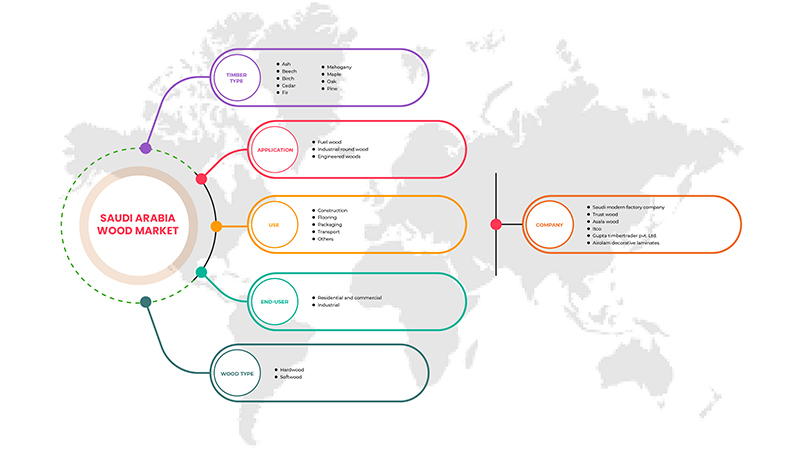
끝 사용의 기초에, 사우디 아라비아 나무 시장은 주거와 상업으로 분류되고, 산업.
목제 유형
- 하드우드
- 리뷰 쓰기
목제 유형의 기초에, 사우디 아라비아 나무 시장은 경재로 분류되고, softwood.
경쟁력 있는 조경과 사우디 아라비아 우드 공유 분석
사우디 아라비아 목재 시장 경쟁력 있는 풍경은 경쟁업체의 세부 사항을 제공합니다. 포함 된 세부 사항은 회사 개요, 회사 재무, 수익 생성, 시장 잠재력, 연구 및 개발 투자, 새로운 시장 이니셔티브, 사우디 아라비아 존재, 생산 사이트 및 시설, 생산 능력, 회사 강점 및 약점, 제품 출시, 제품 폭 및 폭, 응용 도민. 위의 데이터 포인트는 사우디 아라비아 목재 시장과 관련된 회사의 초점과 관련이 있습니다.
사우디 아라비아 목재 시장에서 종사하는 주요 시장 플레이어 중 일부는 사우디 현대 공장 회사, 신뢰 나무, 아사라 나무, ITCO, Gupta Timbertrader Pvt. Ltd. 및 Airolam 장식용 라미네이트입니다.
SKU-
세계 최초의 시장 정보 클라우드 보고서에 온라인으로 접속하세요

- 대화형 데이터 분석 대시보드
- 높은 성장 잠재력 기회를 위한 회사 분석 대시보드
- 사용자 정의 및 질의를 위한 리서치 분석가 액세스
- 대화형 대시보드를 통한 경쟁자 분석
- 최신 뉴스, 업데이트 및 추세 분석
- 포괄적인 경쟁자 추적을 위한 벤치마크 분석의 힘 활용
목차
1 서론
1.1 연구 목적
1.2 시장 정의
1.3 사우디 아라비아 목재 시장 개요
1.4 제한
1.5 대상 시장
2 시장 세분화
2.1 대상 시장
2.2 지리적 범위
연구에 2.3년이 고려됨
2.4 통화 및 가격
2.5 DBMR TRIPOD 데이터 검증 모델
2.6 목재 종류 라인 곡선
2.7 다변량 모델링
2.8 주요 여론 선도자와의 1차 인터뷰
2.9 DBMR 시장 위치 그리드
2.1 시장 적용 범위 그리드
2.11 DBMR 시장 도전 매트릭스
2.12 DBMR 공급업체 점유율 분석
2.13 수입-수출 데이터
2.14 2차 소스
2.15 가정
3 요약
4가지 프리미엄 인사이트
4.1 사우디 아라비아 목재 및 목재 시장, PESTEL 분석
4.1.1 개요
4.1.2 정치적 요인
4.1.3 환경 요인
4.1.4 사회적 요인
4.1.5 기술적 요인
4.1.6 경제적 요인
4.1.7 법적 요소
4.1.8 결론
4.2 인도네시아에서의 불법 목재 수입
4.3 인증
4.4 목재 및 목재의 전체 수명 주기
4.5 사우디 아라비아 시장으로의 목재 및 목재의 합법적 및 불법적 수입
4.6 목재 및 목재의 지속 가능성
4.7 목재의 지속 가능성
4.8 목재 및 목재의 운송 및 세관 세부 정보
4.9 목재 및 목재에 대한 규정 및 표준
5 시장 개요
5.1 드라이버
5.1.1 상업 및 주거용 건물 부문의 수요 증가
5.1.2 포장 및 운송 응용 분야에서의 사용 증가
5.1.3 가벼운 목재 재료의 중요성 증가
5.2 제약
5.2.1 플라스틱 및 금속 제품과 같은 대체품의 가용성
5.2.2 기후 변화가 목재 산업에 미치는 잠재적인 직접 및 간접 영향
5.3 기회
5.3.1 번창하는 상업 부문은 목재 플라스틱 복합재(WPC)의 길을 개척하고 있습니다.
5.3.2 R&D 및 다양한 프로젝트에 대한 투자 증가
5.4 과제
5.4.1 목재에 관한 엄격한 규칙 및 규정
5.4.2 산림의 축소는 광범위한 문제를 야기합니다.
6 사우디 아라비아 목재 시장, 목재 유형별
6.1 개요
6.2 마호가니
6.3 오크
6.4 재
6.5 비치
6.6 자작나무
6.7 시더
6.8 원거리
6.9 메이플
6.1 소나무
7 사우디 아라비아 목재 시장, 응용 분야별
7.1 개요
7.2 산업용 원목
7.3 인공목재
7.3.1 교차적층목재(CLT)
7.3.2 지향성 스트랜드 보드(OSB)
7.3.3 글루램(접착 적층 목재)
7.3.4 적층 베니어 목재(LVL)
7.3.5 I-빔, 합판
7.3.6 기타
7.4 연료용 나무
8 사우디 아라비아 목재 시장, 용도별
8.1 개요
8.2 건설
8.3 바닥재
8.4 포장
8.5 운송
8.6 기타
9 사우디 아라비아 목재 시장, 최종 사용자별
9.1 개요
9.2 주거 및 상업
9.3 산업
10 사우디 아라비아 목재 시장, 목재 종류별
10.1 개요
10.2 경재
10.3 침엽수
11 사우디 아라비아 목재 시장, 회사 풍경
11.1 회사 점유율 분석: 사우디 아라비아
11.2 인증
12 SWOT 분석
13 회사 프로필
13.1 국제무역공사
13.1.1 회사 스냅샷
13.1.2 제품 포트폴리오
13.1.3 최근 개발
13.2 굽타 팀버트레이더 주식회사
13.2.1 회사 스냅샷
13.2.2 제품 포트폴리오
13.2.3 최근 개발
13.3 아살라 우드
13.3.1 회사 스냅샷
13.3.2 제품 포트폴리오
13.3.3 최근 개발
13.4 사우디 모던 팩토리 컴퍼니
13.4.1 회사 스냅샷
13.4.2 제품 포트폴리오
13.4.3 최근 개발
13.5 트러스트 우드
13.5.1 회사 스냅샷
13.5.2 제품 포트폴리오
13.5.3 최근 개발
13.6 AIROLAM 장식용 라미네이트
13.6.1 회사 스냅샷
13.6.2 수익 분석
13.6.3 제품 포트폴리오
13.6.4 최근 개발
14 설문지
15 관련 보고서
그림 목록
그림 1 사우디 아라비아 목재 시장: 세분화
그림 2 사우디 아라비아 목재 시장: 데이터 삼각 측량
그림 3 사우디 아라비아 목재 시장: DROC 분석
그림 4 사우디 아라비아 목재 시장: 사우디 아라비아 시장 분석
그림 5 사우디 아라비아 목재 시장: 회사 연구 분석
그림 6 사우디 아라비아 목재 시장: 목재 종류 수명선 곡선
그림 7 사우디 아라비아 목재 시장: 다변량 모델링
그림 8 사우디 아라비아 목재 시장: 인터뷰 인구 통계
그림 9 사우디 아라비아 목재 시장: DBMR 시장 위치 그리드
그림 10 사우디 아라비아 목재 시장: 시장 적용 범위 그리드
그림 11 사우디 아라비아 목재 시장: 시장 과제 매트릭스
그림 12 사우디 아라비아 목재 시장: 공급업체 점유율 분석
그림 13 사우디 아라비아 목재 시장: 세분화
그림 14 상업 및 주거용 건물 부문의 수요 증가가 예측 기간 동안 사우디 아라비아 목재 시장을 주도할 것으로 예상됨
그림 15 산업용 원목 세그먼트는 2022년 및 2029년 사우디 아라비아 목재 시장에서 가장 큰 점유율을 차지할 것으로 예상됩니다.
그림 16 사우디 아라비아 목재 및 목재 시장: PESTEL 분석
그림 17 사우디 아라비아 목재 시장의 동인, 제약, 기회 및 과제
그림 18 사우디 아라비아 목재 시장: 목재 유형별, 2021
그림 19 사우디 아라비아 목재 시장: 응용 분야별, 2021
그림 20 사우디 아라비아 목재 시장: 사용별, 2021
그림 21 사우디 아라비아 목재 시장: 최종 사용자별, 2021
그림 22 사우디 아라비아 목재 시장: 목재 유형별, 2021
그림 23 사우디 아라비아 목재 시장: 회사 점유율 2021(%)

연구 방법론
데이터 수집 및 기준 연도 분석은 대규모 샘플 크기의 데이터 수집 모듈을 사용하여 수행됩니다. 이 단계에는 다양한 소스와 전략을 통해 시장 정보 또는 관련 데이터를 얻는 것이 포함됩니다. 여기에는 과거에 수집한 모든 데이터를 미리 검토하고 계획하는 것이 포함됩니다. 또한 다양한 정보 소스에서 발견되는 정보 불일치를 검토하는 것도 포함됩니다. 시장 데이터는 시장 통계 및 일관된 모델을 사용하여 분석하고 추정합니다. 또한 시장 점유율 분석 및 주요 추세 분석은 시장 보고서의 주요 성공 요인입니다. 자세한 내용은 분석가에게 전화를 요청하거나 문의 사항을 드롭하세요.
DBMR 연구팀에서 사용하는 주요 연구 방법론은 데이터 마이닝, 시장에 대한 데이터 변수의 영향 분석 및 주요(산업 전문가) 검증을 포함하는 데이터 삼각 측량입니다. 데이터 모델에는 공급업체 포지셔닝 그리드, 시장 타임라인 분석, 시장 개요 및 가이드, 회사 포지셔닝 그리드, 특허 분석, 가격 분석, 회사 시장 점유율 분석, 측정 기준, 글로벌 대 지역 및 공급업체 점유율 분석이 포함됩니다. 연구 방법론에 대해 자세히 알아보려면 문의를 통해 업계 전문가에게 문의하세요.
사용자 정의 가능
Data Bridge Market Research는 고급 형성 연구 분야의 선두 주자입니다. 저희는 기존 및 신규 고객에게 목표에 맞는 데이터와 분석을 제공하는 데 자부심을 느낍니다. 보고서는 추가 국가에 대한 시장 이해(국가 목록 요청), 임상 시험 결과 데이터, 문헌 검토, 재생 시장 및 제품 기반 분석을 포함하도록 사용자 정의할 수 있습니다. 기술 기반 분석에서 시장 포트폴리오 전략에 이르기까지 타겟 경쟁업체의 시장 분석을 분석할 수 있습니다. 귀하가 원하는 형식과 데이터 스타일로 필요한 만큼 많은 경쟁자를 추가할 수 있습니다. 저희 분석가 팀은 또한 원시 엑셀 파일 피벗 테이블(팩트북)로 데이터를 제공하거나 보고서에서 사용 가능한 데이터 세트에서 프레젠테이션을 만드는 데 도움을 줄 수 있습니다.











