Europe Uterine Cancer Drugs Market, By Cancer Type (Endometrial Cancer and Uterine Sarcoma), Treatment Type (Chemotherapy, Hormone Therapy, Targeted Therapy, Immunotherapy, and Others), Drug Type (Generics and Branded), Age Group (Adults and Geriatric), Route of Administration (Oral and Parenteral), End User (Hospitals, Cancer Centers, Specialty Clinics, and Others), Distribution Channel (Direct Tender, Retail Sales, and Others) – Industry Trends and Forecast to 2030.
Europe Uterine Cancer Drugs Market Analysis and Insights
The Europe uterine cancer drugs market is a vital segment within the broader oncology pharmaceutical industry, reflecting the increasing prevalence of uterine cancer cases worldwide. Uterine cancer ranks among the most common gynecological malignancies, with an incidence rate that has been steadily rising over the years. Several factors contribute to this trend, including an aging population, the obesity epidemic, and improved diagnostic capabilities, leading to earlier detection. As a result, the market for uterine cancer drugs continues to expand as pharmaceutical companies develop innovative treatments to address the needs of patients facing this challenging disease.
Key drivers of the Europe uterine cancer drugs market include advancements in R&D, a growing emphasis on precision medicine, and an evolving understanding of the molecular mechanisms driving uterine cancer. However, the market faces challenges such as the high cost associated with treatment, lack of skilled personnel, and complex regulatory requirements.
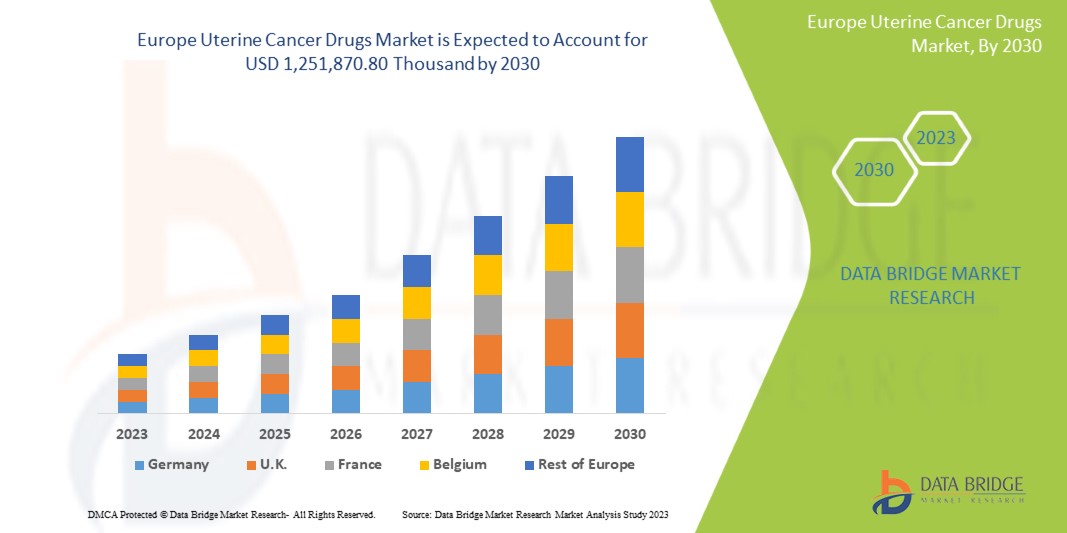
The Europe uterine cancer drugs market is expected to reach USD 1,251,870.80 thousand by 2030 from USD 684,672.98 thousand in 2022, growing at a CAGR of 8.4% during the forecast period of 2023 to 2030.
|
Report Metric |
Details |
|
Forecast Period |
2023 to 2030 |
|
Base Year |
2022 |
|
Historic Years |
2021 (Customizable to 2015-2020) |
|
Quantitative Units |
Revenue in USD Thousand |
|
Segments Covered |
Cancer Type (Endometrial Cancer and Uterine Sarcoma), Treatment Type (Chemotherapy, Hormone Therapy, Targeted Therapy, Immunotherapy, and Others), Drug Type (Generics and Branded), Age Group (Adults and Geriatric), Route of Administration (Oral and Parenteral), End User (Hospitals, Cancer Centers, Specialty Clinics, and Others), Distribution Channel (Direct Tender, Retail Sales, and Others) |
|
Countries Covered |
Germany, France, U.K., Italy, Spain, Russia, Turkey, Belgium, Netherlands, Switzerland, and Rest of Europe |
|
Market Players Covered |
Baxter, Eli Lilly and Company, Hikma Pharmaceuticals PLC, Sun Pharmaceutical Industries Ltd., Fresenius SE & Co. KGaA, Viatris Inc., Sanofi, Teva Pharmaceuticals USA, Inc., Amneal Pharmaceuticals LLC, Merck & Co., Inc., GSK plc., Eisai Co., Ltd., Pfizer Inc. and Getwell Oncology, among others |
Market Definition
Uterine cancer drugs comprise a class of pharmaceutical drugs and therapies designed specifically to treat and manage uterine cancer, a malignancy originating in the endometrium, the inner lining of the uterus. These drugs play a critical role in the comprehensive treatment and care of individuals diagnosed with uterine cancer. Their primary objectives are to target, suppress, or eliminate cancerous cells within the uterus, thereby slowing or halting the progression of the disease and reducing associated symptoms, such as abnormal uterine bleeding, pelvic pain, and discomfort.
Europe Uterine Cancer Drugs Market Dynamics
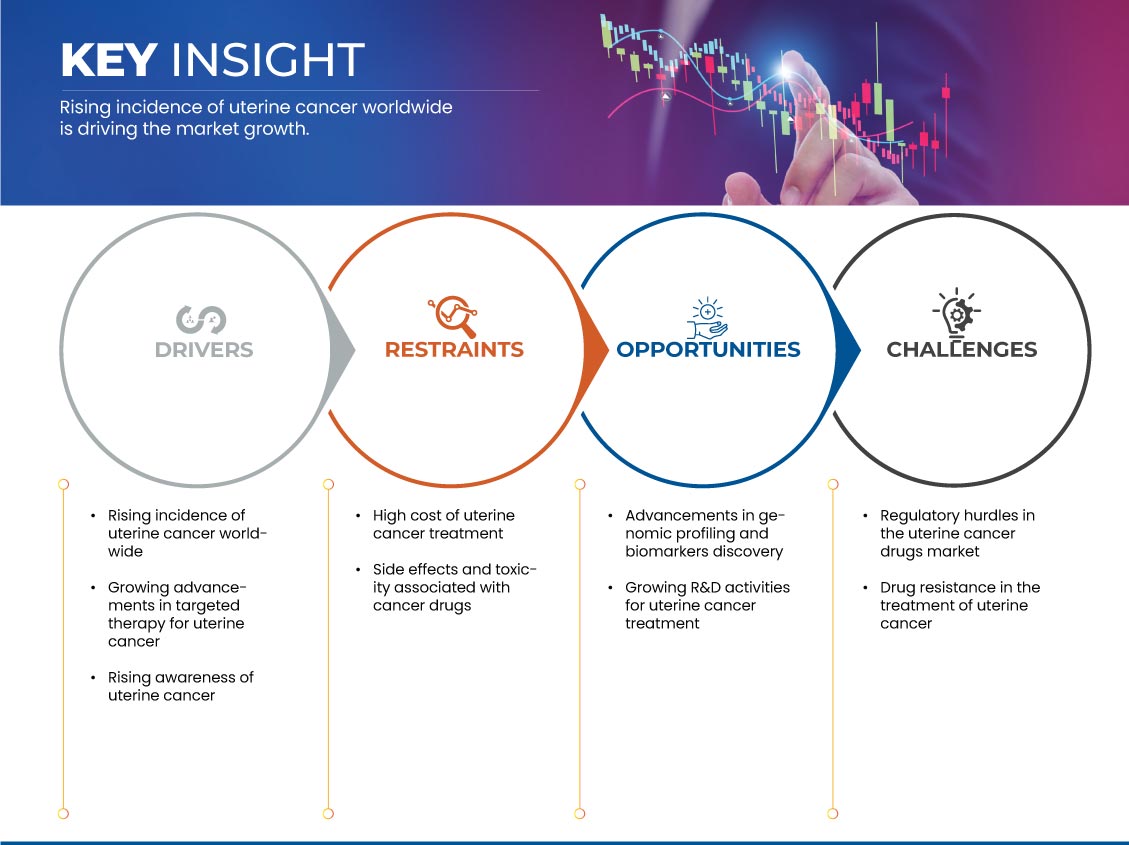
This section deals with understanding the market drivers, restraints, opportunities, and challenges. All of this is discussed in detail below:
Drivers
- Rising Incidence of Uterine Cancer Worldwide
In recent years, the world has witnessed a notable surge in the prevalence of uterine cancer, emerging as a significant health concern in Europe. The rising incidence of uterine cancer worldwide is a complex and multifaceted issue, influenced by a combination of genetic, lifestyle, environmental, and healthcare factors, which is driving the market growth.
- Growing Advancements in Targeted Therapy for Uterine Cancer
Advancements in targeted therapy for uterine cancer have been promising in improving treatment outcomes, reducing side effects, and enhancing the quality of life for patients. Targeted therapy is a type of cancer treatment that focuses on specific molecules or pathways involved in the growth and spread of cancer cells rather than broadly affecting rapidly dividing cells, as in traditional chemotherapy.
Targeted therapies are drugs designed to target particular changes in cancer cells. They can be helpful for high risk or advanced uterine cancer.
Thus, growing advancements in targeted therapy for uterine cancer are propelling the market growth.
Opportunity
- Advancements in Genomic Profiling and Biomarker Discovery
Advancements in genomic profiling and biomarker discovery have had a significant impact on uterine cancer treatment, offering a more targeted and personalized approach to managing the disease. Uterine cancer encompasses a range of subtypes, and these advancements have helped identify genetic variations and molecular characteristics specific to each subtype, allowing for more effective treatment strategies. These advancements have transformed the landscape of uterine cancer treatment and have led to a better understanding of the genetic and molecular characteristics of uterine cancer subtypes, more targeted treatment options, and the potential for earlier detection. As research continues to evolve in this field, it holds promise for further improving patient outcomes and expanding the array of therapeutic options available to individuals with uterine cancer. Thus, advancements in genomic profiling and biomarker discovery are expected to act as an opportunity for market growth.
Challenges/ Restraints
- High Cost of Uterine Cancer Treatment
The high cost associated with the treatment of uterine cancer treatment is a significant concern in healthcare, impacting both individuals and healthcare systems.
Uterine cancer often requires multimodal treatment, which can include surgery, radiation therapy, chemotherapy, targeted therapy, and hormone therapy. The combined expenses of these various treatment modalities, along with the associated hospital stays, consultations, and follow-up visits, can significantly escalate the overall cost of treatment. Patients with uterine cancer may require hospitalization for surgeries, chemotherapy, or radiation therapy, leading to substantial costs associated with hospital stays, operating room expenses, and inpatient care.
Thus, the high cost of uterine cancer treatment is restraining the market growth.
- Regulatory Hurdles in the Uterine Cancer Drugs Market
The regulatory hurdles in the uterine cancer drug market are critical factors that shape the development, approval, and accessibility of new treatments. Regulatory agencies, such as the U.S. Food and Drug Administration (FDA), the European Medicines Agency (EMA), and others are responsible for ensuring the safety, efficacy, and quality of drugs. These agencies set strict standards and guidelines that companies must adhere to during the drug development process.
The regulatory hurdles in the uterine cancer drug market are multifaceted and often prolonged. Thus, it is expected to act as a challenge to market growth.
Recent Developments
- In October 2023, Merck and Co., Inc. introduced effects from the Phase three KEYNOTE-A39 trial (additionally referred to as EV-302), which turned into collaboration with Seagen and Astellas, comparing KEYTRUDA, Merck’s anti-PD-1 therapy, plus Padcev (enfortumab vedotin-ejfv), an antibody-drug conjugate, as compared to chemotherapy (gemcitabine plus cisplatin or carboplatin) in sufferers with formerly untreated domestically superior or metastatic urothelial carcinoma. This helped the company to expand the application of their brand KEYTRUDA
- In October 2023, Eli Lilly and Company announced the acquisition of POINT Biopharma Global, Inc., which has radiopharmaceuticals in its pre-clinical and clinical pipeline used to target multiple types of cancer precisely. This acquisition helped the company to expand oncology capabilities into next-generation radioligand therapies
- In March 2023, Eisai Co., Ltd. announced the presentation of two abstracts at the Society of Gynaecologic Oncology (SGO) Women's Cancer 2023 Annual Meeting held in person in Tampa, Florida, and at the practice on March 25, 2023. Notable research to be featured in the Scientific Plenary IX: The Best of the Rest session includes a presentation of real-world outcomes and healthcare resource utilization in patients with recurrent or advanced endometrial carcinoma who were rechallenged with platinum chemotherapy in Europe. Also, presented data from the LEAP (LEnvatinib And Pembrolizumab) clinical program, which analyzed tumor response to the arm of lenvatinib (LENVIMA) and pembrolizumab (KEYTRUDA) in the pivotal Phase 3 study 309/KEYNOTE-775 in patients with advanced endometrial carcinoma following at least one previous platinum-based regimen in any setting. This initiative by the company was to raise awareness about LENVIMA treating endometrial cancer
- In March 2023, Teva Pharmaceuticals, a subsidiary of Teva Pharmaceutical USA, Inc. and NATCO Pharma Limited USA subsidiary, announced the launch of the generic version of Revlimid (lenalidomide capsules) in additional strengths of 2.5 mg and 20 mg. The companies launched four additional product strengths in the U.S. market in March 2022. At launch, the companies made all strengths of Lenalidomide available in the U.S. market
- In December 2022, Sanofi and Innate Pharma SA announced an expansion of their collaboration, with Sanofi licensing a Natural Killer (NK) cell engager program targeting B7H3 from Innate’s ANKETTM (Antibody-based NK Cell Engager Therapeutics) platform. Sanofi will also have the option to add up to two additional ANKETTM targets. Upon candidate selection, Sanofi will be responsible for all development, manufacturing, and commercialization. This collaboration helped expand Sanofi’s oncology portfolio in the market
Europe Uterine Cancer Drugs Market Scope
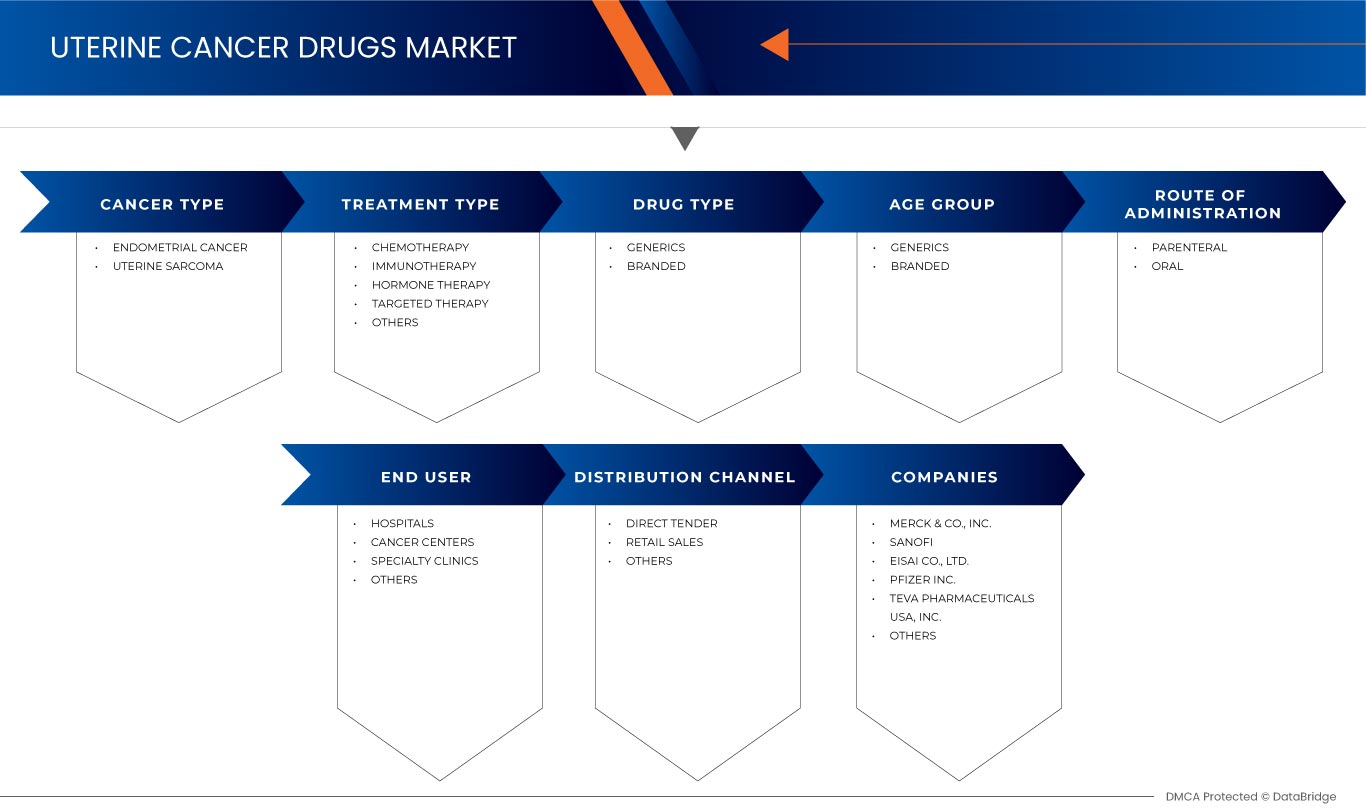
The Europe uterine cancer drugs market is segmented into seven notable segments based on cancer type, treatment type, drug type, age group, route of administration, end user, and distribution channel. The growth among segments helps you analyze niche pockets of growth and strategies to approach the market and determine your core application areas and the differences in your target markets.
Cancer Type
- Endometrial Cancer
- Uterine Sarcoma
On the basis of cancer type, the market is segmented into endometrial cancer and uterine sarcoma.
Treatment Type
- Chemotherapy
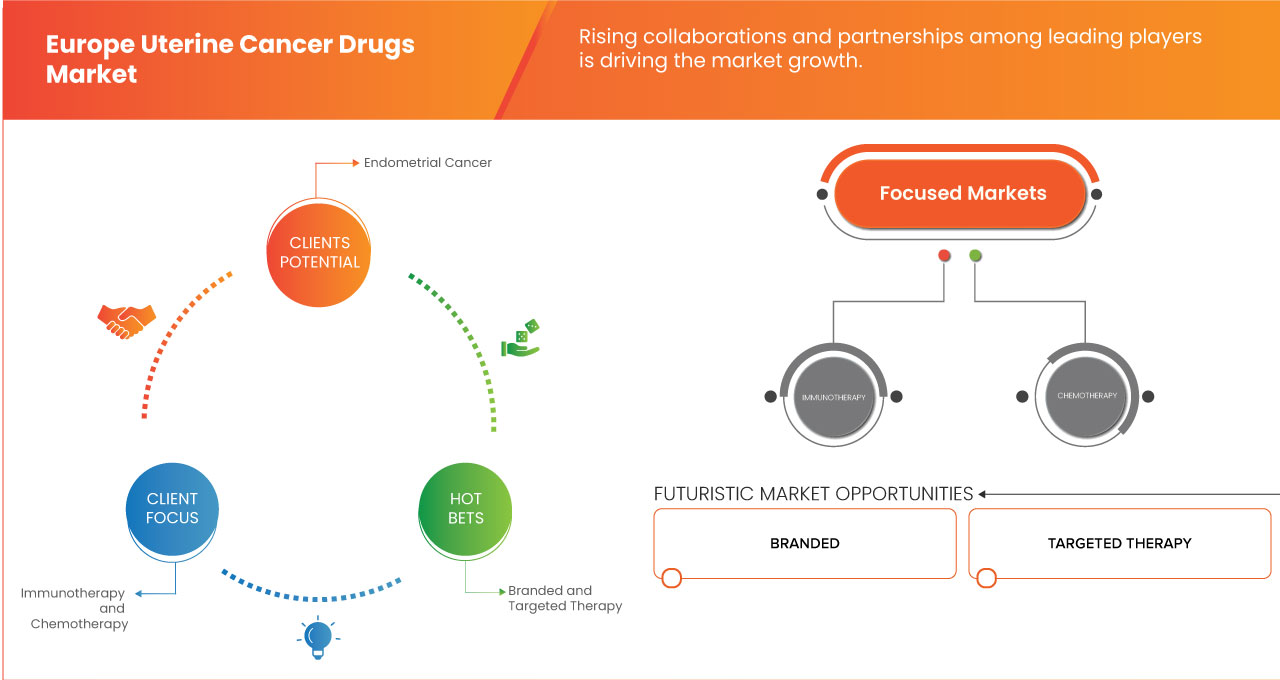
- Immunotherapy
- Hormone Therapy
- Targeted Therapy
- Others
On the basis of treatment type, the market is segmented into chemotherapy, immunotherapy, hormone therapy, targeted therapy, and others.
Drug Type
- Generics
- Branded
On the basis of drug type, the market is segmented into generics and branded.
Age Group
- Geriatric
- Adults
On the basis of age group, the market is segmented into geriatric and adults.
Route of Administration
- Parenteral
- Oral
On the basis of route of administration, the market is segmented into parenteral and oral.
End User
- Hospitals
- Cancer Centers
- Specialty Clinics
- Others
On the basis of end user, the market is segmented into hospitals, cancer centers, specialty clinics, and others.
Distribution Channel
- Direct Tender
- Retail Sales
- Others
On the basis of distribution channel, the market is segmented into direct tender, retail sales, and others.
Europe Uterine Cancer Drugs Market Regional Analysis/Insights
The Europe uterine cancer drugs market is segmented into seven notable segments based on cancer type, treatment type, drug type, age group, route of administration, end user, and distribution channel.
The countries covered in this market report are Germany, France, U.K., Italy, Spain, Russia, Turkey, Belgium, Netherlands, Switzerland, and Rest of Europe.
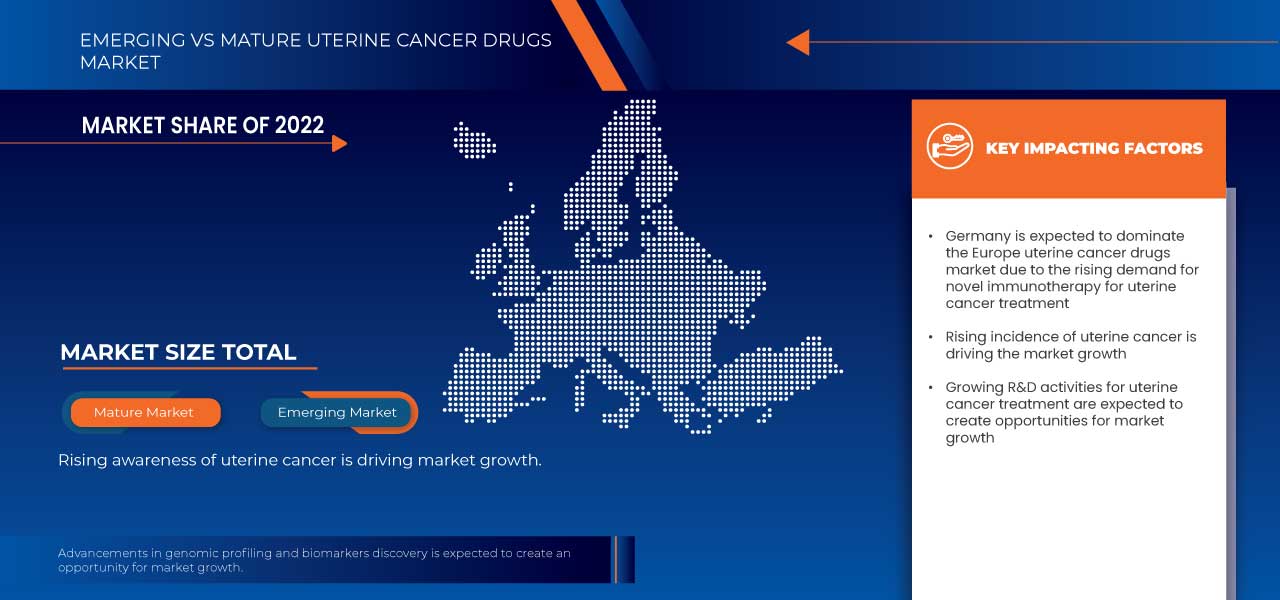
Germany is expected to dominate the Europe uterine cancer drugs market due to the strong presence of market players in the region.
The country section of the report also provides individual market-impacting factors and changes in regulation in the market domestically that impact the current and future trends of the market. Data points such as new sales, replacement sales, country demographics, regulatory acts, and import-export tariffs are some of the major pointers used to forecast the market scenario for individual countries. Also, the presence and availability of regional brands and their challenges faced due to large or scarce competition from local and domestic brands, and the impact of sales channels are considered while providing forecast analysis of the country data.
Competitive Landscape and Europe Uterine Cancer Drugs Market Share Analysis
The Europe uterine cancer drugs market competitive landscape provides details of competitors. Details included are company overview, company financials, revenue generated, market potential, investment in R&D, new market initiatives, production sites and facilities, company strengths and weaknesses, product launch, product approvals, product width and breadth, application dominance, and product type lifeline curve. The above data points provided are only related to the company’s focus on the market.
Some of the major market players operating in the Europe uterine cancer drugs market are Baxter, Eli Lilly and Company, Hikma Pharmaceuticals PLC, Sun Pharmaceutical Industries Ltd., Fresenius SE & Co. KGaA, Viatris Inc., Sanofi, Teva Pharmaceuticals USA, Inc., Amneal Pharmaceuticals LLC, Merck & Co., Inc., GSK plc., Eisai Co., Ltd., Pfizer Inc., and Getwell Oncology, among others.
SKU-
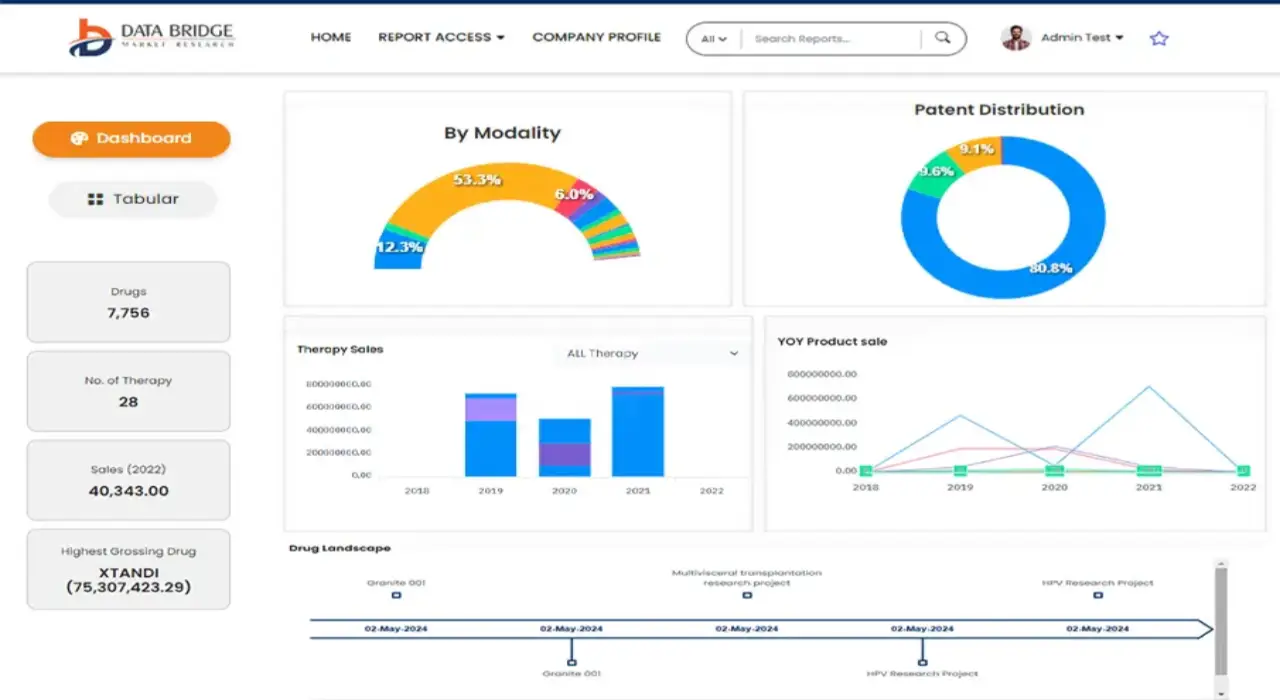
Obtenha acesso online ao relatório sobre a primeira nuvem de inteligência de mercado do mundo
- Painel interativo de análise de dados
- Painel de análise da empresa para oportunidades de elevado potencial de crescimento
- Acesso de analista de pesquisa para personalização e customização. consultas
- Análise da concorrência com painel interativo
- Últimas notícias, atualizações e atualizações Análise de tendências
- Aproveite o poder da análise de benchmark para um rastreio abrangente da concorrência
Metodologia de Investigação
A recolha de dados e a análise do ano base são feitas através de módulos de recolha de dados com amostras grandes. A etapa inclui a obtenção de informações de mercado ou dados relacionados através de diversas fontes e estratégias. Inclui examinar e planear antecipadamente todos os dados adquiridos no passado. Da mesma forma, envolve o exame de inconsistências de informação observadas em diferentes fontes de informação. Os dados de mercado são analisados e estimados utilizando modelos estatísticos e coerentes de mercado. Além disso, a análise da quota de mercado e a análise das principais tendências são os principais fatores de sucesso no relatório de mercado. Para saber mais, solicite uma chamada de analista ou abra a sua consulta.
A principal metodologia de investigação utilizada pela equipa de investigação do DBMR é a triangulação de dados que envolve a mineração de dados, a análise do impacto das variáveis de dados no mercado e a validação primária (especialista do setor). Os modelos de dados incluem grelha de posicionamento de fornecedores, análise da linha de tempo do mercado, visão geral e guia de mercado, grelha de posicionamento da empresa, análise de patentes, análise de preços, análise da quota de mercado da empresa, normas de medição, análise global versus regional e de participação dos fornecedores. Para saber mais sobre a metodologia de investigação, faça uma consulta para falar com os nossos especialistas do setor.
Personalização disponível
A Data Bridge Market Research é líder em investigação formativa avançada. Orgulhamo-nos de servir os nossos clientes novos e existentes com dados e análises que correspondem e atendem aos seus objetivos. O relatório pode ser personalizado para incluir análise de tendências de preços de marcas-alvo, compreensão do mercado para países adicionais (solicite a lista de países), dados de resultados de ensaios clínicos, revisão de literatura, mercado remodelado e análise de base de produtos . A análise de mercado dos concorrentes-alvo pode ser analisada desde análises baseadas em tecnologia até estratégias de carteira de mercado. Podemos adicionar quantos concorrentes necessitar de dados no formato e estilo de dados que procura. A nossa equipa de analistas também pode fornecer dados em tabelas dinâmicas de ficheiros Excel em bruto (livro de factos) ou pode ajudá-lo a criar apresentações a partir dos conjuntos de dados disponíveis no relatório.