


(أ) تطبيق (الطب التجديدي، والأوعية الدموية، والمواد الكيميائية، والمواد الأخرى)،(م)- الاتجاهات الصناعية والتنبؤات حتى عام ٢٠٣٢
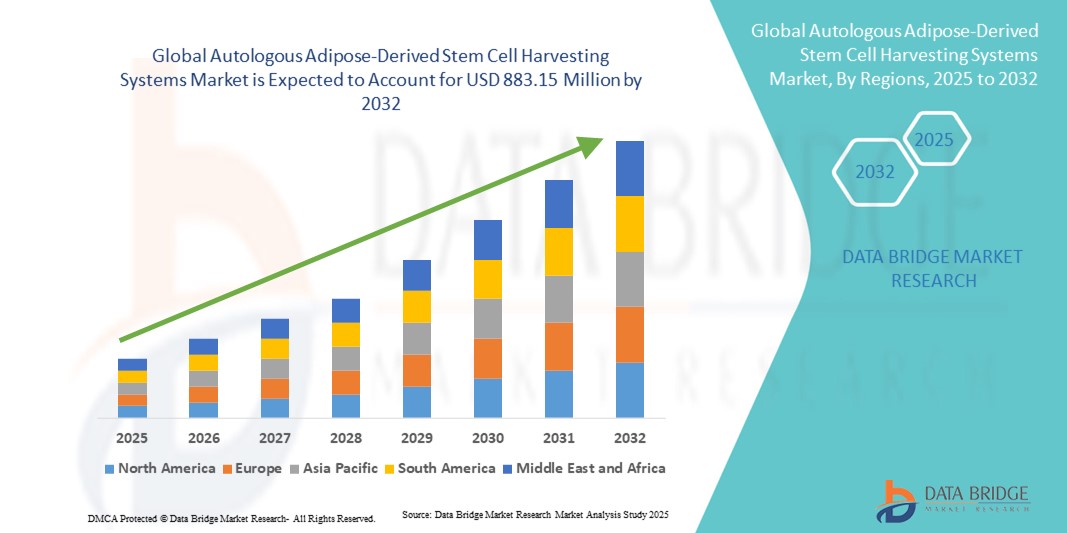
سوق نظم جمع الخلايا
- وقُيِّمت قيمة حجم سوق نظم جمع نظم الخلايا الجذعية الجذعية العالمية ذات التطابق التلقائية العالمية بقيمة(ب) مبلغ قدره 320ومن المتوقع أن يتم ذلك(أ) 883.15 مليون دولار بحلول عام 2032, ما(أ) أن يكون 13,5,3٪خلال الفترة التي
- ومما يغذي نمو السوق إلى حد كبير تزايد اعتماد الطب التجديدي والإجراءات الجمالية، إلى جانب أوجه التقدم التكنولوجي في نظم جمع الخلايا الجذعية، التي تعزز كفاءة الخلايا الجذعية ذاتية التطابق من حيث القدرة على السلامة والعائدات.
- فضلاً عن ذلك، فإن الطلب المتزايد على الإجراءات التي تنطوي على الحد الأدنى من الاجتيازات الغازية، والتطبيقات المتنامية لأنظمة الرعاية الصحية الخاصة في علاجات تقويم العظام، والأوعية الدموية، وعلاجات الشفاء من الجروح، وتوسع سوق الجراحة التجميلية، تدفع إلى تبني نظم الحصاد المتقدمة. وهذه العوامل المتقاربة تعجل من استيعاب الحلول الذاتية المتماثلة لأنظمة جمع الخلايا الجذعية الدهنية، وبالتالي تعزيز نمو الصناعة بشكل كبير.
تحليل نظم سوق
- إن نظم جمع الخلايا الجذعية ذاتية التطابق ذاتية المنشأ والمستمدة من الدهون، التي تُستخدم من أجل استخراج وتجهيز الخلايا الجذعية من الأنسجة الدهنية بكفاءة، تشكل بصورة متزايدة عناصر حيوية في الطب التجديدي، والجراحة التجميلية، والتطبيقات العلاجية، نظرا لتعزيز سلامتها، وإمكانية تكرارها، والإجراءات التي تنطوي على حد أدنى من الاجهاد.
- ويؤجج الطلب المتزايد على هذه النظم أساساً تزايد اعتماد العلاجات التجديدية، وزيادة التطبيقات في علاجات تقويم العظام والأوعية الدموية وعلاجات علاج الجروح، وزيادة الوعي بين المهنيين العاملين في مجال الرعاية الصحية بشأن فوائد استخدام الخلايا الجذعية الذاتية المتماثلة.
- كانت أميركا الشمالية هي المهيمنة على سوق نظم جمع الخلايا الجذعية الدهنية المستنبطة التلقائية، حيث كانت حصة أكبر من الإيرادات تبلغ 42.5% في عام 2024، وهي تتسم بالهياكل الأساسية القوية للرعاية الصحية، وارتفاع مستوى اعتماد تكنولوجيات الطب التجديدي، ووجود الجهات الفاعلة الرئيسية في الصناعة. وكانت الولايات المتحدة تستأثر بغالبية الإيرادات الإقليمية، مدفوعة بمرافق البحوث السريرية الراسخة، والاستخدام الواسع النطاق لأجهزة الحصاد المتقدمة، والتعاون بين المستشفيات وصانعي الأجهزة لتحسين إنتاج الخلايا الجذعية وكفاءة التجهيز.
- ومن المتوقع أن تكون منطقة آسيا والمحيط الهادئ أسرع المناطق نموا في سوق نظم جمع الخلايا الجذعية الدهنية المستنبطة من السوق الآلية خلال الفترة المتوقعة، مدعومة بزيادة الاستثمارات في الرعاية الصحية، وزيادة توافر الإجراءات التجميلية والعلاجية المتقدمة، والتوسع الحضري المتزايد، وزيادة الوعي بالطب التجديدي في بلدان مثل الصين والهند واليابان.
- واستحوذ قطاع الطب التجديدي على سوق نظم جمع الخلايا الجذعية الحية المستمدة من المواد الدهنية ذات الطابع التلقائي، حيث بلغت حصة أكبر حصة من الإيرادات 42.7 في المائة في عام 2024، ويعزى ذلك إلى تزايد اعتماد علاجات الخلايا الجذعية في هندسة الأنسجة، وعلاج الأمراض المزمنة، والطب الشخصي.
التقرير المتعلق بنطاق الخلية
| الصفات الأولى | نظم نظـم نظـم نظـم نظـم رئيسيـة |
| المُسَجَّل |
|
| البلدان | أمريكا الشمالية
أوروبا
منطقة آسيا والمحيط الهادئ
الشرق الأوسط وأفريقيا
جنوب أمريكا الجنوبية
|
| & مفتاح |
|
| ما |
|
| جاري | وبالإضافة إلى الرؤى المتعلقة بسيناريوهات السوق مثل القيمة السوقية، ومعدل النمو، والتجزئة، والتغطية الجغرافية، والجهات الفاعلة الرئيسية، فإن تقارير السوق التي تُعدها بحوث سوق جسر البيانات تشمل أيضاً تحليلاً متعمقاً للخبراء، وتحليلاً للتسعير، وتحليلاً لحصص العلامات التجارية، واستقصاءات للمستهلكين، وتحليلاً ديمغرافياً، وتحليلاً لسلسلة التوريد، وتحليلاً لسلاسل القيمة، واستعراضاً عاماً للمواد الخام/الأصناف الاستهلاكية، ومعايير اختيار البائعين، وتحليلاً للعلامات التجارية، وتحليلاً للمستهلكين، وتحليلاً لسلسلة التوريد، وتحليلاً لسلاسل القيمة، واستعراضاً عاماً للمواد الخام/الأصناف الاستهلاكية، ومعايير اختيار البائعين، وتحليلاً للنقاط التجارية، وتحليلاً للبورتر، وإطاراً تنظيمياً. |
أسواق أسواق السلع
تعزيز عقد الاجتماعات من خلال التشغيل الآلي والتشغيل الأمثل
- وهناك اتجاه هام ومتسارع في سوق نظم جمع الخلايا الجذعية الجذوعية الثنائية المستنِدة من المواد المستنِدة ذات الصلة على الصعيد العالمي يتمثل في تزايد اعتماد تكنولوجيات جمع مؤتمتة وشبه مؤتمتة وشبه مؤتمتة، تعزز إلى حد كبير الكفاءة التشغيلية، وقابلية إعادة التجديد، وصلاحية الخلايا.
- فعلى سبيل المثال، تمكّن أجهزة النظم المغلقة الحديثة من تبسيط عملية استخراج الخلايا الجذعية ومعالجتها مع الحد الأدنى من التدخل اليدوي، مما يكفل قدراً أكبر من الاتساق والحد من خطر التلوث.
- وتوفر نظم الحصاد المتقدم سمات مثل الرصد الآلي للغلة والقدرة على البقاء، مما يمكّن الأطباء من تحسين الإجراءات إلى أقصى حد وإجراء تعديلات آنية لزيادة استعادة الخلايا الجذعية إلى أقصى حد ممكن، وهذه النظم تحد أيضا من وقت التجهيز وتحسين الكفاءة في سير العمل في المستشفيات وفي بيئات البحوث.
- وييسر التكامل السلس بين نظم الحصاد ومناهج إدارة المختبرات التتبع المركزي لعينات المرضى، وأداء الأجهزة، ومقاييس مراقبة الجودة، بما يكفل التقيد بالمعايير التنظيمية وتحسين الإنتاجية الإجمالية للمختبرات
- إن هذا الاتجاه نحو زيادة كفاءة إجراءات الحصاد وموثوقيتها وتوحيدها يعيد بصورة أساسية تشكيل التوقعات في مجال الطب التجددي والتطبيقات التجميلية. ونتيجة لذلك، تعمل الشركات على تطوير الجيل المقبل من أجهزة الحصاد في إطار مبادرة الحد من الانبعاثات الناجمة عن إزالة الغابات وتدهورها مع تعزيز القدرة على إعادة التجديد، والوصلات البينية السهلة الاستعمال، والتوافق مع مجموعة من نظم المعالجة والتخزين النهائية.
- ويتزايد الطلب على الحلول الآلية والمُثلى لجمع الخلايا الجذعية بسرعة في كل من القطاعين السريري والبحثي، مع إيلاء المستشفيات ومعاهد البحوث والعيادات الجمالية الأولوية بشكل متزايد لموثوقية الإجراءات والحد الأدنى من التوغل والعائدات العالية الجودة للخلايا.
نظام نظم جمع البيانات
سائق
الحاجة المتزايدة بسبب تزايد الطلب على الحد الأدنى من التلقيح الكفء والضار
- ويمثل الطلب المتزايد على العلاجات التجديدية الحدية الغازية الحد الأدنى، إلى جانب زيادة اعتماد إجراءات الخلايا الجذعية الذاتية المتطابقة، عاملاً رئيسياً في زيادة الحاجة إلى نظم جمع الخلايا الحافظة ذاتية التماثل
- فعلى سبيل المثال، في نيسان/أبريل 2024، أدخلت شركة رائدة في مجال الطب الأحيائي منصة تجميع متقدمة لنظام مغلق ومتقدمة، وهي منظّمة لجمع البيانات، صُمّمت لتعظيم غلة الخلايا مع التقليل إلى أدنى حد من الوقت الذي يستغرقه التجهيز ومن مخاطر التلوث.
- نظراً لأن الأطباء السريريين والباحثين يركزون بشكل متزايد على العلاجات الخاصة بالمريضات الخاصة والطب الشخصي، فإن نظم الحصاد الكفؤة توفر قدرة أكبر على البقاء للخلايا الجذعية ونواتج موحدة، وتحسين النتائج السريرية ودعم مبادرات البحث
- وعلاوة على ذلك، فإن العدد المتزايد من إجراءات الطب الجمالي والتقويم والطب التجديدي على الصعيد العالمي قد زاد من الحاجة إلى تبسيط عمليات الحصاد، مما يقلل من اعتماد المشغلين على المشغلين وتقلبهم الإجرائي.
- إن ملاءمة النظم المؤتمتة أو شبه الآلية، بالاقتران مع الوصلات البينية السهلة الاستعمال والرصد المتكامل لحصّل الخلايا ومدى قابليتها للبقاء، تؤدي إلى دفع اعتماد أجهزة حصاد ADSC في المستشفيات والعيادات ومختبرات البحوث.
التعرّض/التحديي
التكاليف الأولية العالية والامتثال التنظيمي للآليات
- إن تكاليف الاستثمار الأولية المرتفعة المرتبطة بنظم تجميع الخلايا الحابثية المتينة الدهنية - الدهنية - المتفاعلة المتقدمة تشكل تحدياً أمام دخول الأسواق على نطاق أوسع، لا سيما في العيادات الصغيرة والأسواق الناشئة. وكثيراً ما تتطلب هذه الأجهزة تدريباً متخصصاً، ومعدات معدة، ومواد استهلاكية قابلة للاستهلاك، مما يساهم في ارتفاع النفقات التشغيلية.
- وبالإضافة إلى ذلك، فإن الأطر التنظيمية الصارمة التي تحكم جمع الخلايا الجذعية ومعالجتها واستخدامها السريري تخلق حواجز أمام دخول الأطراف الأصغر وتحد من سرعة الاعتماد في بعض المناطق. والامتثال لممارسات التصنيع الجيدة والمعايير التنظيمية المحلية أمر أساسي لضمان سلامة المرضى وموثوقية الأجهزة، مما يزيد من تعقيد النشر.
- إن التصدي لهذه التحديات من خلال الاستخدام الأمثل للتكاليف، وخيارات الأجهزة القابلة للقياس، وبرامج التدريب الشامل أمر بالغ الأهمية لتعزيز الاعتماد على نطاق أوسع. فالشركات الرائدة تركز بنشاط على تطوير منصات نموذجية سهلة الاستخدام ذات بروتوكولات موحدة لخفض التكاليف التشغيلية ودعم الامتثال التنظيمي.
- وبينما أصبحت أسعار بعض نظم الحصاد تدريجياً أكثر قدرة على المنافسة، فإن ما يُتصور من ارتفاع التكاليف والتعقيد التشغيلي يمكن أن يعوق الاعتماد بين مقدمي الرعاية الصحية المراعية للميزانية أو المؤسسات البحثية الأصغر حجماً.
- والتغلب على هذه التحديات من خلال الابتكار في تصميم الأجهزة، وتدريب المستعملين، والتعاون الاستراتيجي مع مقدمي الرعاية الصحية ومنظمات البحوث سيكون أمراً حيوياً لاستدامة النمو في سوق نظم جمع الخلايا الدهنية - الدهنية - الرصينة الآلية في السنوات المقبلة
سوق نظم جمع البيانات
ويتم تقسيم السوق على أساس النوع، وطريقة التجهيز، وآلية الحصاد، والتطبيق.
- نوع
وعلى أساس النوع، فإن سوق نظم جمع الخلايا الجذعية ذاتية التماثل مقسمة إلى سوق لأنظمة جني الخلايا الجذعية ذات الصلة إلى نظم إنزيمية، وغير زائفة، ونظام مغلق، ونظام مفتوح، وغير ذلك من النظم.() ويهيمن القطاع الأنزيمي على أكبر حصة من إيرادات السوق قدرها 38.5 في المائة في عام 2024، مدفوعة بكفاءة عالية في عزل الخلايا الجذعية القابلة للحياة مع التقليل إلى أدنى حد من أضرار الأنسجة.() ويُستخدم هذا القطاع على نطاق واسع في كل من الأوساط السريرية والبحثية بسبب قابليته للتكرار والقدرة على توفير غلات عالية للخلايا مناسبة للعلاجات التجديدية.() وتعزِّز الموافقات التنظيمية على مجموعات المواد الأنزيمية هيمنة السوق، مما يكفل توحيد بروتوكولات المعالجة للخلايا.() ويسمح توافقه مع منصات التشغيل الآلي وشبه الآلي باعتماد أوسع نطاقاً في المستشفيات ومراكز الجراحة التجميلية ومعاهد البحوث.() وتدعم النظم النزيكزمية أيضاً أنواعاً متعددة من الأنسجة وأحجام المعالجة، وتجعلها خياراً مرناً لتطبيقات متنوعة.() ويفضِّل الأطباء على أساليب العلاج النزيهة من أجل قدرتهم على الحفاظ على مقومات البقاء في الخلايا، وعلى الأداء الوظيفي، ونتائج المعالجة الشاملة.() ويستفيد هذا القطاع من توافر المستمر للمنتجات والدعم القوي للبائع على
ومن المتوقع أن يشهد قطاع النظام المغلق أسرع معدل نمو لـ CAGR 22.1% من عام 2025 إلى عام 2032، مدفوعاً بزيادة الطلب على عمليات الحصاد العقيمة الخالية من التلوث. فالنظم المغلقة تقلل من اعتماد المشغلين إلى أدنى حد ممكن، وتقلل إلى حد كبير من التلوث الميكروبي، مما يجعلها مثالية لتطبيقات الطب التجديدي في المستشفيات والتجارة. ويكفل دمجها مع وحدات المعالجة الآلية إمكانية إعادة التشكيل والامتثال لمعايير برنامج الرصد العالمي. وتوفر النظم المغلقة أيضاً حماية معززة لكل من المشغل والمنتج، وهو أمر بالغ الأهمية في الإجراءات ذات الحجم الكبير أو الإجراءات الحساسة. وتفضَّل هذه النظم في التجارب السريرية المتعددة المراكز والبيئات التنظيمية التي تتطلب مراقبة صارمة للجودة. ويعجل ارتفاع الاستثمارات في معدات التجهيز الأحيائي المتقدمة من اعتمادها على الصعيد العالمي. وهذه النظم أصبحت أكثر فعالية من حيث التكلفة مع نضوج التكنولوجيا. كما أن النمو يزداد تغذية من جانب مقدمي الرعاية الصحية بإيلاء الأولوية لسلامة المرضى واتساق المنتجات.
- حسب طريقة التجهيز
وعلى أساس طريقة المعالجة، تُقسم سوق نظم جمع الخلايا الجذعية ذاتية التبادل إلى سوق يدوية، شبه آلية، مؤتمتة، وغير ذلك، ويحتل الجزء اليدوي أكبر حصة من الإيرادات قدرها 41.2 في المائة في عام 2024، بسبب استخدامه على نطاق واسع في العيادات الصغيرة ومختبرات البحوث التي تحتاج إلى حلول مرنة وفعالة من حيث التكلفة. ويتيح التجهيز اليدوي للمشغلين الاحتفاظ بالسيطرة المباشرة على إجراءات عزل الخلايا، مما يجعلها مثالية للبروتوكولات التجريبية والتطبيقات السريرية ذات الحجم المنخفض. وتيسر بساطته واحتياجاته الدنيا من المعدات إمكانية الوصول إلى مجموعة واسعة من مرافق الرعاية الصحية على الصعيد العالمي. وتسمح أساليب الدليل أيضاً بالتكييف في بروتوكولات التجهيز استناداً إلى نوع النسيج والتطبيق العلاجي. ويستفيد هذا القطاع من الدراية القوية للممارسين وبرامج التدريب الثابتة. وعلاوة على ذلك، يظل هذا الجزء مهماً في المناطق التي لا تتوفر فيها نظم آلية متقدمة على نطاق واسع. وعلى الرغم من زيادة كثافة اليد العاملة، فإن التجهيز اليدوي لا يزال يوفر غلة الخلايا الجذعية الموثوقة والنوعية.
ومن المتوقع أن يشهد قطاع التجهيز الآلي أسرع نسبة لـ 23.5 في المائة من عام 2025 إلى عام 2032، حيث يسعى مقدمو الرعاية الصحية إلى إيجاد حلول موحدة عالية الإنتاجية. فالطرق الآلية تقلل من التقلبات، وتحسِّن العقم، وتقلل من إرهاق المشغل، وهو أمر بالغ الأهمية بالنسبة للإجراءات المتجددة على نطاق واسع والتجارب السريرية. ويؤدي التكامل مع النظم المغلقة إلى تعزيز كفاءة تدفق العمل وضمان الامتثال التنظيمي. كما تسمح المنصات الآلية بالرصد عن بُعد والتحقق من العمليات في الوقت الحقيقي، من خلال مناشدة مؤسسات البحوث والمستشفيات. ويستفيد هذا القطاع أيضاً من دعم البائعين القوي والابتكار المستمر في تكنولوجيا التشغيل الآلي.
- الآلية المُقَرنة
وعلى أساس آلية الحصاد، فإن سوق نظم جمع الخلايا الجذعية ذاتية التماثل ذات الصلة تنقسم إلى سوق تقوم على المحاقن، وتقوم على شفا الشحوم، وتقوم على أساس الشحوم الشحيحة، وتقوم على القرعة الدقيقة، وتقوم على الفواصل الميكانيكية، وغير ذلك. ويهيمن القطاع القائم على المحاقن على حصة من الإيرادات تبلغ 36.8% في عام 2024، وذلك نظراً إلى حده الأدنى من الطبيعة الغازية، ودقته في استخراج الأنسجة، واضطراب المريض المخفض. ويُفضَّل الحصد القائم على العضادات على نطاق واسع في الإجراءات التجميلية والجمالية لأنه يمكِّن من جمع الدهون المستهدفة مع الحفاظ على قدرة الخلية على البقاء. ويكفل توافقه مع التجهيز اليدوي وشبه الآلي نتائج متسقة بين التطبيقات السريرية. وتسمح النظم القائمة على العجينة أيضاً بالتكامل السهل مع بروتوكولات العلاج التجديدي في المستشفيات ومعاهد البحوث. وهي تتطلب الحد الأدنى من التجهيز وتُفضَّل في إجراءات المرضى الخارجيين والمكاتب. ذلك أن معدلات التبني المرتفعة في المناطق التي توجد فيها أسواق للجراحة التجميلية الراسخة تعزز من هيمنة هذه الشريحة. والواقع أن الحصاد السريري القائم على القيمة على المحاقنة من أجل سلامة وكفاءة وموثوقية إنتاج الخلايا الجذعية الجذعية
ومن المتوقع أن يشهد قطاع الفصل الميكانيكي أسرع نظام CAGR من عام 2025 إلى عام 2032، مدعوماً بعزلته السريعة والخالية من الانزيمات للخلايا الجذعية. فالفصل الميكانيكي يقلل من الوقت الذي يستغرقه التجهيز ويخفض من مخاطر التلوث، الأمر الذي يجعله مثالياً لتطبيقات نقطة الرعاية والعيادات الخارجية للمرضى. وتكفل هذه الطريقة غلات الخلايا الثابتة والقدرة على البقاء من دون الاعتماد على الكواشف العصبية، والتي يمكن أن تكون أكثر تكلفة واستهلاكاً للوقت. كما يعمل سهولة استخدامها والحد من كثافة العمالة على التعجيل بتبنيها في المستشفيات ومراكز الجراحة ومختبرات البحوث. وتتكامل أجهزة الفصل الميكانيكية بشكل متزايد مع الأنظمة الآلية لتعزيز كفاءة تدفق العمل. ويؤدي الطلب المتزايد على منتجات الخلايا المتوافقة مع اللوائح التنظيمية إلى دفع نمو هذا القطاع. كما يتواءم هذا النهج أيضاً مع زيادة الاهتمام العالمي بأساليب الحصاد غير النزيجية الأكثر أماناً.
- ألف -
وعلى أساس التطبيق، فإن سوق أنظمة جمع الخلايا الجذعية ذاتية التماثل تنقسم إلى سوق للطب التجديدي، والجراحات، وجراحة التجميل، وشفاء الجروح، وغيرها. وكان جزء الطب التجديدي يشكل أكبر حصة من الإيرادات بنسبة 42.7% في عام 2024، وذلك بسبب الاعتماد المتزايد لعلاجات الخلايا الجذعية في هندسة الأنسجة، وعلاج الأمراض المزمنة، والطب الشخصي. أما المستشفيات، ومراكز البحوث، وعيادات العلاج التجديدي المتخصصة فتفضّل أنظمة تجميع الحمض النووي المنشط بسبب قدرتها على توفير خلايا جذعية عالية الجودة وقابلة للاستمرار. كما أن المبادرات الحكومية، وتمويل البحوث، وسياسات السداد المواتي تدعم أكثر هيمنة هذا القطاع. كما أن زيادة أنشطة التجارب السريرية في مجال العلاج بالعضلات القلبية العضلية، والأوعية الدموية، والتطبيقات العصبية تعزز الطلب. ويكفل التوافق مع منصات الحصاد اليدوية والآلي على حد سواء المرونة التشغيلية. كما أن الطب الإصلاحي يستفيد أيضاً من إطار تنظيمي راسخ لتبني العلاج بالخلايا.
ومن المتوقع أن يشهد قطاع الجراحة التجميلية أسرع عملية جراحية من نوعها في الفترة من 2025 إلى 2032، والتي تغذيها زيادة شعبية عمليات تطعيم الدسم التلقائي والإجراءات الجمالية. ومن العوامل الرئيسية التي تدفع إلى تبني هذه العملية أن الحصاد الغازي إلى الحد الأدنى، وتحسين نتائج المرضى، وارتفاع الدخل المتاح. ويعتمد جراحو التجميل بشكل متزايد على أنظمة الحصاد المتقدمة لزيادة غلة الخلايا إلى الحد الأقصى وصلاحية الأنسجة. إن دمج أجهزة الحصاد المحمولة والسهلة الاستعمال تسمح للعيادات بأداء الإجراءات بكفاءة. إن الاتجاه نحو العلاجات الخارجية والعلاجات القائمة على المكاتب يعجل من نمو القطاع. والواقع أن الوعي المتزايد بالإجراءات الجمالية المتجددة والتقدم التكنولوجي في أساليب الحصاد يزيد من تعزيز معدلات الاعتماد على المستوى العالمي.
نظام المعلومات الإدارية المتكامل
- كانت أميركا الشمالية هي التي هيمنت على سوق نظم حصاد الخلايا الجذعية الدهنية المستنبطة التلقائية ذات السوق ذات أكبر حصة من الإيرادات بلغت 42.5% في عام 2024. وهذا النمو مدعوم بالهياكل الأساسية القوية للرعاية الصحية، ومرافق البحوث السريرية المتقدمة، والاعتماد العالي لتكنولوجيات الطب التجديدي.
- وكان السبب في ذلك هو غالبية الإيرادات الإقليمية، ويعزى ذلك إلى الاستخدام الواسع النطاق لأجهزة الحصاد المؤتمتة، وتزايد الطلب على إجراءات التجميل والتجميل وإعادة البناء، والتعاون بين المستشفيات وصانعي الأجهزة بهدف تحسين إنتاجية الخلايا الجذعية وكفاءة تجهيزها.
- وتستثمر المستشفيات ومراكز البحوث والعيادات الجمالية بشكل متزايد في الأجهزة التي تكفل قدرة الخلايا العالية على الاستمرار والعقم، في حين أن المبادرات الحكومية التي تدعم الطب التجديدي تزيد من تعزيز اعتماد الأسواق
ADDP-DERVD Sstem System System System System System System Syst Syst Syst Syst Syst Syst Syst Syst Syst Syst Syst Syst Systs Syst Syst Syst Syst Syst Syst Syst Syth Syst Syst Syth Syst Syth Syth Syst Syth Syth Sythth Sy S S S S S S S S S S S S S S S S S S
وقد استحوذت سوق نظم جمع الخلايا الجذعية ذاتية التماثل على أكبر حصة من الإيرادات بلغت 80 في المائة في أمريكا الشمالية في عام 2024، التي تغذيها زيادة اعتماد العلاجات التجديدية والأجهزة المتقدمة للحصاد.() وتتوسع التطبيقات السريرية والجمالية، بما في ذلك إجراءات التجميل وإعادة البناء، بسرعة بسبب التركيز على سلامة المرضى وتحسين كفاءة التجهيز.() وتؤدي الابتكارات في أجهزة النظم المغلقة، والطرد المركزي الآلي، والحلول العالية الإنتاجية لاستخراج الخلايا الجذعية إلى دفع الطلب عبر المستشفيات والعيادات ومرافق البحوث.() ويؤدي التعاون الاستراتيجي بين صانعي الأجهزة والمؤسسات الطبية إلى زيادة تسريع وتيرة استيعاب نظم الحصاد المتطورة، في حين توفر اللوائح الداعمة للطب التجديدي بيئة مواتية لتوسيع الأسواق.
أوروبا الأوروبية - أوروبا - أوروبا - سوق نظم
ومن المتوقع أن تنمو سوق نظم جمع الخلايا الجذعية ذات الطابع الذاتي في أوروبا عند مستوى كبير من النمو في إطار نظام تجميع الخلايا الجذعية ذات المنشأ المزدوج خلال الفترة المتوقعة، استناداً إلى نظم الرعاية الصحية الراسخة، وزيادة الاستثمار في بحوث الطب التجديدي، واعتماد تكنولوجيات الحصاد المتقدمة. وتشهد بلدان مثل ألمانيا وفرنسا والمملكة المتحدة تبنياً مطرداً للسوق في التطبيقات السريرية والتجميلية على حد سواء. وتتزايد المستشفيات والعيادات الجمالية في تكامل نظم الحصاد الآلية لتعزيز إنتاج الخلايا الجذعية، والحد من مخاطر التلوث، وتحسين نتائج المرضى. وبالإضافة إلى ذلك، فإن التعاون بين صانعي الأجهزة ومقدمي الرعاية الصحية يقود الابتكار في تصميم الأجهزة وكفاءة التشغيل، مما يغذي النمو الإقليمي.
ألمانيا المتطابقة الأوّلية Addi الدّيسب - المفكّك - الخلية الحافظة
ومن المتوقع أن تتوسع سوق ألمانيا لنظم جمع الخلايا الجذعية ذاتية التماثل ذات الصلة في ظل قدر كبير من الكفاءة في إدارة الموارد الطبيعية بسبب تركيز ألمانيا القوي على الإبداع، والبنية الأساسية الجيدة للرعاية الصحية، والوعي المتزايد بالعلاجات التجديدية. وتستخدم المستشفيات والعيادات على نحو متزايد أجهزة الحصاد الآلية وتكنولوجيات النظم المغلقة لتحسين قدرة الخلايا الجذعية على البقاء والحد من المخاطر التشغيلية. كما أن تبني الأنظمة المتقدمة في إجراءات التجميل وإعادة البناء، إلى جانب التعاون البحثي بين صناع الأجهزة والمؤسسات السريرية، من شأنه أن يزيد من دعم توسع السوق.
UK ALUC ALUC ALUC ADDDS-DERVD Sstome Drive Drve الخلية
ومن المتوقع أن يشهد سوق نظم جمع الخلايا الجذعية الثنائية المستنبطة في المملكة المتحدة نمواً ملحوظاً، مدفوعاً بتزايد اعتماد الطب التجديدي في تطبيقات التجميل، وإعادة البناء، والتطبيقات العلاجية. ويكفل الاتجاه نحو إدماج نظم الحصاد المؤتمتة في الإجراءات السريرية زيادة الكفاءة، والسلامة، ونتائج المرضى. وعلاوة على ذلك، فإن التعاون بين المستشفيات، والعيادات الجمالية، ومصنعي الأجهزة ييسر تطوير وتوزيع الحلول المبتكرة، في حين تستمر بيئة تنظيمية قوية وبنية تحتية متقدمة للرعاية الصحية في تحفيز الاعتماد في مختلف أنحاء البلاد.
سوق نظم تبادل المعلومات
ومن المتوقع أن تكون سوق نظم جمع الخلايا الجذعية ذاتية المشابهة في آسيا والمحيط الهادئ أسرع المناطق نمواً في سوق نظم جمع الخلايا الجذعية ذاتية التبادل خلال الفترة المتوقعة. ويحرك النمو ارتفاع الاستثمارات في مجال الرعاية الصحية، وزيادة توافر إجراءات التجميل والعلاج المتقدمة، والتوسع الحضري، وزيادة الوعي بالطب التجديدي في بلدان مثل الصين والهند واليابان. وتستفيد المنطقة من الأجهزة الفعالة من حيث التكلفة، وتنامي السياحة الطبية، والمبادرات الحكومية التي تشجع على تبني الأدوية المتجددة. وتقوم المستشفيات والعيادات الجمالية على نحو متزايد بتنفيذ تكنولوجيات الحصاد المتقدمة لضمان قدرة الخلايا الجذعية العالية على البقاء وسلامة المرضى.
ADDDDB-DERVD SSSSSM Mark
كانت سوق الصين ذات الصلة بسوق جمع الخلايا الجذعية ذات الدلالة المحلية تشكل أكبر حصة من الإيرادات في آسيا والمحيط الهادئ في عام 2024، ويرجع ذلك إلى سرعة التوسع الحضري، وزيادة الإنفاق على الرعاية الصحية، وارتفاع الطلب على إجراءات التجميل وإعادة البناء. إن تبني أجهزة الحصاد المتقدمة تغذيه الطبقة المتوسطة المتنامية، والدعم الحكومي للطب التجديدي، والمصنعين المحليين الأقوياء. وتعمل المستشفيات ومراكز البحوث على دمج أنظمة التشغيل الآلي ذات العائد المرتفع في مسارات العمل السريرية لتعزيز الكفاءة وسلامة المرضى، ودعم نمو السوق المطرد.
اليابان: اليابان
إن سوق اليابان لنظم جمع الخلايا الجذعية ذات الصلة بالدواء الدهني تنمو باطراد بسبب البنية الأساسية المتقدمة للرعاية الصحية، وارتفاع مستوى وعي المرضى، وتزايد اعتماد العلاجات التجديدية. والواقع أن الثقافة العالية التكنولوجيا والتوسع الحضري السريع يدفعان بالطلب على نظم الحصاد الآلية في التطبيقات السريرية والجمالية. والتكامل مع التكنولوجيات الطبية الأخرى، مثل أجهزة التصوير والتجهيز، يعمل على تحسين الكفاءة والنتائج. كما يدعم السكان المسنون الحاجة إلى حلول مناسبة وآمنة وفعالة في مختلف العيادات والمستشفيات السكنية.
الهند ذاتية التماثل
إن سوق نظم جمع الخلايا الجذعية ذات الصلة بالدواء الدهني في الهند آخذة في الظهور كسوق عالية النمو، مدعومة بزيادة الوعي بالطب التجديدي، وتوسيع مرافق الرعاية الصحية الحضرية، وتزايد الطلب على إجراءات التجميل والعلاج. والواقع أن تبني المستشفيات والعيادات الجمالية لأجهزة الحصاد المتطورة والفعالة من حيث التكلفة، آخذ في الازدياد. كما أن التعاون الاستراتيجي مع صناع الأجهزة العالمية والمبادرات الحكومية التي تشجع الرعاية الصحية المتجددة يعمل على زيادة تعزيز توقعات نمو الأسواق.
حصة السوق في أسواق نظم جمع الخلايا
وتقود صناعة نظم جمع الخلايا الجذعية الدهنية المستنبطة الآلية أساسا شركات راسخة، من بينها:
- مؤسسة أمريكا الأمريكية للتبريد (الولايات المتحدة)
- الخلول (الولايات المتحدة الأمريكية)
- In Gigneron, Inc. (الولايات المتحدة)
- Cytori Inc. (الولايات المتحدة الأمريكية)
- فريق التكنولوجيا المكتسبة (الولايات المتحدة)
- المنظمة الدولية ليبوغلمز الدولية (إيطاليا)
- مختبرات الى الابد (الولايات المتحدة الأمريكية)
- آبوسي (ألمانيا)
- Arthrnex Inc. (الولايات المتحدة الأمريكية)
- شركة Teromo (اليابان)
أحدث التطورات في سوق نظم جمع البيانات العالمية
- وفي أيار/مايو 2025، أدخلت دراسة نشرت في التقارير العلمية طريقة خالية من الانزيمات لعزل عدد كبير من الخلايا الجذعية المستمدة من الدهن على جانب السرير، وتستخدم هذه التقنية أجهزة التحليل الدقيق في معالجة الأنسجة الدهنية، مما يوفر بديلا سريعا وفعالا للطرق التقليدية للهضم الأنزيمي. ويهدف هذا النهج إلى تعزيز إمكانية الوصول إلى علاجات الخلايا الجذعية في البيئات السريرية وإمكانية تطبيقها عمليا.
- وفي تموز/يوليه 2025، أفادت البحوث التي أُبرزت في البحوث والعلاجات المتعلقة بخلية الخلايا الجذعية حدوث تحسينات كبيرة في تجديد شعر المرضى المصابين بداء اللوبسيا، وهي عبارة عن متابعة العلاج بالخلايا الأوتوماتية الأوتوماتيكية المتفرعة عن الخلايا الشرجية الدهنية المستشعرة. وقد أدى العلاج إلى زيادة كثافة الشعر وسمك الأعمدة، لا سيما بين المرضى من الإناث، مما يشير إلى قدرة هذه الخلايا في مجال علم الجلد التجديدي.
- وفي آب/أغسطس 2025، ناقشت دراسة أجريت على الحدود في مجال علم الأدوية دور الخلايا الجذعية المستمدة من المواد الدهنية في الطب التجديدي، مع التركيز على قدرتها على الاستعاضة عن نخاع العظام كمصدر متاح ووافر من الخلايا الجذعية المتوسطة المصدر.
SKU-
احصل على إمكانية الوصول عبر الإنترنت إلى التقرير الخاص بأول سحابة استخبارات سوقية في العالم

- لوحة معلومات تحليل البيانات التفاعلية
- لوحة معلومات تحليل الشركة للفرص ذات إمكانات النمو العالية
- إمكانية وصول محلل الأبحاث للتخصيص والاستعلامات
- تحليل المنافسين باستخدام لوحة معلومات تفاعلية
- آخر الأخبار والتحديثات وتحليل الاتجاهات
- استغل قوة تحليل المعايير لتتبع المنافسين بشكل شامل
منهجية البحث
يتم جمع البيانات وتحليل سنة الأساس باستخدام وحدات جمع البيانات ذات أحجام العينات الكبيرة. تتضمن المرحلة الحصول على معلومات السوق أو البيانات ذات الصلة من خلال مصادر واستراتيجيات مختلفة. تتضمن فحص وتخطيط جميع البيانات المكتسبة من الماضي مسبقًا. كما تتضمن فحص التناقضات في المعلومات التي شوهدت عبر مصادر المعلومات المختلفة. يتم تحليل بيانات السوق وتقديرها باستخدام نماذج إحصائية ومتماسكة للسوق. كما أن تحليل حصة السوق وتحليل الاتجاهات الرئيسية هي عوامل النجاح الرئيسية في تقرير السوق. لمعرفة المزيد، يرجى طلب مكالمة محلل أو إرسال استفسارك.
منهجية البحث الرئيسية التي يستخدمها فريق بحث DBMR هي التثليث البيانات والتي تتضمن استخراج البيانات وتحليل تأثير متغيرات البيانات على السوق والتحقق الأولي (من قبل خبراء الصناعة). تتضمن نماذج البيانات شبكة تحديد موقف البائعين، وتحليل خط زمني للسوق، ونظرة عامة على السوق ودليل، وشبكة تحديد موقف الشركة، وتحليل براءات الاختراع، وتحليل التسعير، وتحليل حصة الشركة في السوق، ومعايير القياس، وتحليل حصة البائعين على المستوى العالمي مقابل الإقليمي. لمعرفة المزيد عن منهجية البحث، أرسل استفسارًا للتحدث إلى خبراء الصناعة لدينا.
التخصيص متاح
تعد Data Bridge Market Research رائدة في مجال البحوث التكوينية المتقدمة. ونحن نفخر بخدمة عملائنا الحاليين والجدد بالبيانات والتحليلات التي تتطابق مع هدفهم. ويمكن تخصيص التقرير ليشمل تحليل اتجاه الأسعار للعلامات التجارية المستهدفة وفهم السوق في بلدان إضافية (اطلب قائمة البلدان)، وبيانات نتائج التجارب السريرية، ومراجعة الأدبيات، وتحليل السوق المجدد وقاعدة المنتج. ويمكن تحليل تحليل السوق للمنافسين المستهدفين من التحليل القائم على التكنولوجيا إلى استراتيجيات محفظة السوق. ويمكننا إضافة عدد كبير من المنافسين الذين تحتاج إلى بيانات عنهم بالتنسيق وأسلوب البيانات الذي تبحث عنه. ويمكن لفريق المحللين لدينا أيضًا تزويدك بالبيانات في ملفات Excel الخام أو جداول البيانات المحورية (كتاب الحقائق) أو مساعدتك في إنشاء عروض تقديمية من مجموعات البيانات المتوفرة في التقرير.











