



تصنيف السوق العالمية لسوق الكمية الكمية العالمية القائمة على السحب، بواسطة الحل (البرمجيات والخدمات)، والتكنولوجيا (الآونات المفخخة، والحساب الكمي، والحصص في المعاملات فوق السريعة، وغيرها)، والتطبيق (التفعيل، والمحاكاة والنمذجة، وأخذ العينات، وغيرها)، والعمودية (الفضاء الجوي والدفاع، وBFSI، والرعاية الصحية، والآلات، والطاقة والطاقة والطاقة والطاقة والطاقة، والمواد الكيميائية، والحكومة، وغيرها) - اتجاهات الصناعة والتنبؤات حتى عام 2033
سوق الكمية
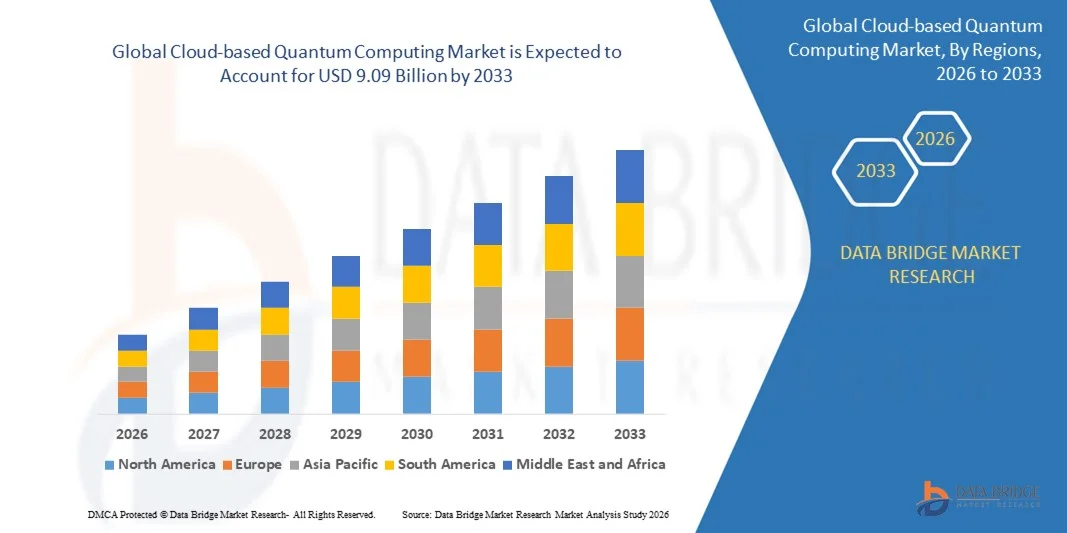
- تم تقدير حجم سوق الحوسبة الحاسوبية القائمة على السحب السحابي العالمي على أساس1.12 مليار دولار أمريكي في عام 2025ومن المتوقع أن يتم ذلك9.09 مليار مليار, ماالرقم الإجمالي الإجمالي الإجماليخلال الفترة التي
- ويغذي نمو السوق إلى حد كبير التطورات السريعة في المعدات الكمّية، والبنية التحتية السحابية، ومنصات التشغيل الكمّي، التي تجعل الحوسبة الكمّية أيسر منالاً للمؤسسات، ومؤسسات البحوث، والمطورين دون الحاجة إلى استثمارات في المعدات في الموقع
- وعلاوة على ذلك، فإن الطلب المتزايد على حل مشاكل معقدة مثل الاستخدام الأمثل والمحاكاة والحسابيات والمشاكل المعقدة عبر صناعات مثل BFSI، والرعاية الصحية، والطاقة، تعجل باعتماد الحوسبة الكمية القائمة على السحب، مما يدعم إلى حد كبير توسع السوق عموماً.
تحليل سوق الكمية
- الحوسبة الكمية القائمة على السحب، التي تمكِّن من الوصول عن بعد إلى المعالجات الكمية من خلال منصات السحاب، آخذة في الظهور كتكنولوجيا حاسمة للحوسبة من الجيل المقبل نظراً لقدرتها على معالجة مشاكل تتجاوز الحدود العملية للنظم الكلاسيكية.
- ويعزى الاعتماد المتزايد للحلول الكمية القائمة على سحابة في المقام الأول إلى الاستثمارات القوية في مجال البحث والتطوير، وارتفاع مستوى تجارب المشاريع، ومبادرات الكم المدعومة من الحكومة، ومرونة إدماج الحوسبة الكمية مع البيئات السحابية الكلاسيكية القائمة.
- هيمنة أمريكا الشمالية على سوق الحوسبة الكمية القائمة على السحب مع حصة من26.2 في المائة في عام 2025، بسبب الاستثمارات القوية في بحوث الكم، وتسويق منصات السحب الكمي في وقت مبكر، ووجود مقدمي التكنولوجيا الرئيسيين
- ومن المتوقع أن تكون منطقة آسيا والمحيط الهادئ أسرع المناطق نموا في سوق الحوسبة الكمية القائمة على السحابة خلال الفترة المتوقعة بسبب ارتفاع الاستثمارات في التكنولوجيات الحاسوبية المتقدمة والتحول الرقمي السريع.
- وكان قطاع البرمجيات مهيمناً على السوق بحصة سوقية بلغت 52.4% في عام 2025، وذلك بسبب زيادة اعتماد برامجيات الكم، ومجموعات الأدوات الإنمائية، وبيئة برمجة الكم التي يمكن الوصول إليها من السحاب. وتستثمر المؤسسات ومؤسسات البحوث في المقام الأول في برامج تصميم واختبار ومحاكاة خوارزميات الكم دون امتلاك معدات الكم المادي. وقد أدى توفر منصات الكم كخدمة من كبار مقدمي الخدمات إلى زيادة تعزيز تبني البرمجيات عبر المستخدمين الأكاديميين والتجاريين. كما أدى التقدم المستمر في أطر تطوير الكم والتكامل مع البنية الأساسية الكلاسيكية السحابية أيضاً إلى دعم استمرار هيمنة هذا الجزء.
التقرير المتعلق بالنطاق وبسوق الكمية الكمية القائمة على
| الصفات الأولى | كم كمّ كمّ كمّ |
| المُسَجَّل |
|
| البلدان | أمريكا الشمالية
أوروبا
منطقة آسيا والمحيط الهادئ
الشرق الأوسط وأفريقيا
جنوب أمريكا الجنوبية
|
| & مفتاح |
|
| ما |
|
| جاري | وبالإضافة إلى الرؤى السوقية مثل القيمة السوقية، ومعدل النمو، وأجزاء السوق، والتغطية الجغرافية، والجهات الفاعلة في السوق، وسيناريو السوق، يشمل تقرير السوق الذي أعده فريق بحوث سوق جسر البيانات تحليلا متعمقا للخبراء، وتحليلا للاستيراد/التصدير، وتحليلا للتسعير، وتحليلا لاستهلاك الإنتاج، وتحليلا للآفات. |
الاتجاهات في سوق كم الكمية
زيادة اعتماد منصات الكميات المخصصة
- وهناك اتجاه بارز في سوق الحوسبة الكمية القائمة على السحابة يتمثل في تزايد تبني منصات الكم كخدمة، مدفوعة بالحاجة إلى توفير إمكانية الوصول إلى القدرات الكمية على نحو قابل للقياس وكفؤ من حيث التكلفة دون اشتراط الملكية المباشرة لمعدات الكم. والواقع أن نماذج التنفيذ القائمة على السحب تمكن المؤسسات والمؤسسات البحثية والمطورين من اختبار خوارزميات الكم مع الاستفادة في الوقت نفسه من البنية الأساسية الحالية للسحابة.
- فعلى سبيل المثال، تقدم خدمات شبكة الأمازون على الإنترنت خدمات أمازون براكيت، التي تتيح الوصول المنظم إلى أجهزة الكم من مقدمي الخدمات مثل IonQ وRigti وD-Wave، مما يتيح للمستخدمين اختبار وإدارة أعباء العمل الكمية من خلال واجهة سحابية موحدة.
- وتعمل شركات التكنولوجيا الكبرى على دمج خدمات الكم في النظم الإيكولوجية السحابية الأوسع نطاقاً، مما يمكِّن من إحداث تدفقات عمل كمية - كلاسيكية مهجنة تعمل على تحسين القابلية للاستخدام والمرونة. ومن خلال منصات من شركة IBM وشركة ميكروسوفت تسمح للمقاولين بدمج الموارد الحاسوبية الكلاسيكية مع معالجات الكم، وتعزيز التجارب العملية والنشر في المراحل المبكرة.
- إن التوافر المتزايد لتكنولوجيات متعددة لمعدات الكم من خلال منصات السحابة يعمل على توسيع نطاق اختيار المستخدم وتنوع التطبيقات. والواقع أن الوصول إلى قوالب فائقة التوصيل، والأيونات المحصورة، ومثبطات الكم من خلال بيئات السحابة يدعم استكشاف حالات الاستخدام على نطاق أوسع.
- وتعتمد مؤسسات البحوث والجامعات بشكل متزايد على الوصول الكمي القائم على السحب إلى مبادرات دعم التعليم والتدريب والبحوث التعاونية.
- إن الاعتماد المتزايد لمنصات الكم كخدمة يعزز الحوسبة الكمية القائمة على السحب باعتبارها المسار المفضل للتسويق المبكر. وهذا الاتجاه يشكل نظاماً إيكولوجياً قابلاً للتطوير يدعم التجريب والتعاون والانتقال التدريجي نحو حلول كمية مصنفة على مستوى المؤسسة.
سوق كم
سائق
الطلب المزيــد
- إن الطلب على الحوسبة الكمية القائمة على السحب مدفوع بقوة بالحاجة إلى حل المشاكل الحسابية المعقدة للغاية والتي تفتقر إلى الكفاءة أو غير العملية بالنسبة للنظم الحاسوبية الكلاسيكية. إن الصناعات مثل التمويل، والرعاية الصحية، والمواد الكيميائية، واللوجستيات تتطلب بشكل متزايد أساليب حوسبة متقدمة لمعالجة التحديات في مجالات الاستخدام الأمثل، والمحاكاة، والنماذج.
- فعلى سبيل المثال، تتعاون الإدارة الدولية لإدارة المخاطر مع المؤسسات المالية ومنظمات البحوث لتطبيق خوارزميات الكم على الاستخدام الأمثل للحافظة وتحليل المخاطر من خلال منصة سحابة IBM الكميوم.
- وفي مجال علوم الحياة، تستكشف المنظمات حالياً كيفية الحوسبة الكمية لنموذج التفاعلات الجزيئية وتسريع عمليات اكتشاف العقاقير.
- إن التعقيد المتزايد لشبكات سلاسل الإمداد ونظم الطاقة يثير الاهتمام بالحلول الكمية المثلى التي يتم التوصل إليها عبر السحابة. وتسعى المؤسسات إلى الحصول على مزايا حسابية لتحسين الكفاءة، وخفض التكاليف، وإدارة المتغيرات الضخمة على نطاق واسع.
- إن هذه الحاجة المتزايدة إلى الحوسبة المتقدمة تعزز الحوسبة الكمية القائمة على السحب كتكنولوجيا استراتيجية. والقدرة على الوصول إلى القوة الكمية عند الطلب من خلال منصات السحب تدعم بشكل مباشر نمو السوق المستدام.
التعرّض/التحديي
الخبرة المحدودة في مجال الكم
- تواجه سوق الحوسبة الكمية القائمة على سحابة تحدياً كبيراً يرجع إلى محدودية توافر المهنيين المهرة ذوي الخبرة في تطوير الخوارزميات الكمية والمعدات الحاسوبية والبرامجيات. فالحوسبة الكمية تتطلب معرفة متخصصة تجمع بين الفيزياء، والرياضيات، وعلوم الحاسوب، الأمر الذي يقيد الاعتماد الواسع الانتشار.
- على سبيل المثال، على الرغم من تقديم منصات الكم القائمة على السحب، فإن شركات مثل مايكروسوفت وآي بي إم تواصل تسليط الضوء على النقص في مطوري الكم المدربين باعتباره حاجزاً رئيسياً أمام التنفيذ على نطاق المؤسسة. وكثيراً ما تكافح المنظمات لترجمة القدرات النظرية الكمية إلى حالات استخدام تجاري عملي.
- ويزيد تعقيد لغات وأطر برمجة الكم من منحنى التعلم للمطورين الذين ينتقلون من خلفيات حاسوبية كلاسيكية.
- وهناك مبادرات تعليمية وتدريبية آخذة في التوسع، ولكن خط المواهب الحالي لا يزال غير كاف لتلبية الطلب المتنامي على الأسواق.
- ولا يزال هذا التحدي يحد من وتيرة الاعتماد على الرغم من تنامي الاستعداد التكنولوجي. ولا يزال التصدي للفجوة في المهارات الكمية يشكل عاملاً حاسماً في إطلاق كامل إمكانات الحوسبة الكمية السحابية عبر الصناعات.
سوق الكمية
فالسوق مقسمة إلى أجزاء على أساس الحل والتكنولوجيا والتطبيق والعمودي.
- من طرف
وعلى أساس الحل، فإن سوق الحوسبة الكمية القائمة على السحابة مقسمة إلى برمجيات وخدمات. وكان قطاع البرمجيات يهيمن على السوق بأكبر حصة من الإيرادات بلغت 52.4% في عام 2025، مدفوعاً بزيادة اعتماد برامجيات الكم، ومجموعات الأدوات الإنمائية، وبيئة برمجة الكم التي يمكن الوصول إليها بواسطة السحب. وتستثمر المؤسسات والمؤسسات البحثية في المقام الأول في برامج تصميم واختبار ومحاكاة خوارزميات الكم من دون امتلاك معدات الكم المادي. وقد أدى توفر منصات الكم كواسير الخدمات من كبار الموردين إلى زيادة تعزيز تبني البرمجيات عبر المستخدمين الأكاديميين والتجاريين. كما أن التقدم المستمر في أطر تطوير الكم والاندماج في البنية الأساسية السحابية الكلاسيكية يدعم استمرار هيمنة هذا الجزء.
ومن المتوقع أن يشهد قطاع الخدمات أسرع نمو من عام 2026 إلى عام 2033، الذي يغذيه الطلب المتزايد على الخدمات الاستشارية، وتكامل النظم، والتدريب، وخدمات الكم المدارة. وتعتمد المنظمات التي تدخل مرحلة الاعتماد الكمي في المراحل المبكرة اعتماداً متزايداً على مقدمي الخدمات لسد الثغرات في المهارات والاستفادة المثلى من الحالات. ومن المتوقع أن تؤدي تجارب المشاريع المتنامية والمشاريع الرائدة إلى تسريع الطلب على خدمات الكم المتخصصة.
- التكنولوجيا المنقولة
وعلى أساس التكنولوجيا، فإن سوق الحوسبة الكمّية القائمة على السحابة تُقسم إلى أيونات محصورة، وتكرار كمي، وامتدادات فائقة التوصيل، وغيرها. وكان الجزء المتعلق بالقوالب الفائقة التوصيل يحمل أكبر حصة من إيرادات السوق في عام 2025، مدعومة باستثمارات قوية من شركات سحاب وتكنولوجيا كبرى ومزايا قابليتها للتطوير. وتستفيد هذه التكنولوجيا من عمليات أسرع من عمليات البوابة والتوافق مع عمليات تصنيع أشباه الموصلات القائمة، مما مكّن من التسويق السريع. وقد أدى توافرها من خلال المنصات السحابية إلى جعلها في متناول المؤسسات والباحثين على نطاق واسع.
ومن المتوقع أن يسجل قطاع الأيونات المحصور أسرع معدل نمو على مدى الفترة المتوقعة، مدفوعاً بارتفاع أوقات اتساقه في المقياس ودقته الفائقة في الحساب الكمّي المعقّد. فزيادة التركيز على البحوث والإثباتات الناجحة على الحد من الأخطاء تشجع مقدمي خدمات السحابة على توسيع عروض أيونات المحصورين. وهذه العوامل تضع الأيونات في مركز الصدارة باعتبارها تكنولوجيا النمو الرئيسية في النظم الإيكولوجية الكمية القائمة على السحابة.
- ألف -
وعلى أساس التطبيق، تُقسم السوق إلى عوامل مثل الاستخدام الأمثل، والمحاكاة والنمذجة، وأخذ العينات، وغير ذلك من العوامل. وكان الجزء الأمثل من السوق في عام 2025، مدفوعاً بأهميته القوية في مختلف مجالات اللوجستيات والتمويل والتصنيع واستخدام الطاقة. والواقع أن الاستخدام الأمثل القائم على السحب يسمح للمنظمات بمعالجة مشاكل التطابق المعقدة التي تصعب على الأنظمة التقليدية. وقد ركزت المشاريع التجريبية التجارية المبكرة ومشاريع إثبات الفهم إلى حد كبير على تحسين أعباء العمل.
ومن المتوقع أن يشهد الجزء الخاص بالمحاكاة ووضع النماذج أسرع نمو من 2026 إلى 2033، مدفوعاً بزيادة الاستخدام في علوم المواد، واكتشاف المخدرات، ووضع النماذج الكيميائية.() وتوفر عمليات المحاكاة الكمية مزايا هامة في وضع نماذج دقيقة للتفاعلات الجزيئية والذرية.() ويؤدي التعاون المتزايد بين مقدمي خدمات السحاب ومؤسسات البحث إلى التعجيل باعتماد تطبيقات كم تركز على المحاكاة.
- هذا
وعلى أساس رأسي، يتم تقسيم سوق الحوسبة الكمية القائمة على السحب إلى سوق للطيران والدفاع، وBFSI، والرعاية الصحية، والسيارات، والطاقة والطاقة والطاقة، والطاقة، والكيماوي، والحكومة، وغيرها. وقد استأثرت هذه الشريحة بأكبر حصة من الإيرادات في عام 2025، مدفوعاً بالتبكير باعتماد الحوسبة الكمية من أجل تحسين الحافظة، وتحليل المخاطر، والكشف عن الغش. وتعمل المؤسسات المالية بنشاط على تعزيز الوصول القائم على السحب إلى التجارب على خوارزميات الكم مع التقليل إلى أدنى حد من الاستثمارات في البنية الأساسية. ويدعم الإنفاق القوي في مجال البحث والتطوير والشراكات مع مقدمي تكنولوجيا الكم هذه الهيمنة.
ومن المتوقع أن يشهد قطاع الرعاية الصحية أسرع نمو خلال الفترة المتوقعة، مدفوعاً بتزايد الاهتمام باكتشاف العقاقير القائمة على الكم، والجينوم، والطب الشخصي. ومناورات الكم القائمة على السحب تسمح لمنظمات الرعاية الصحية بإجراء محاكاة متقدمة من دون امتلاك معدات الكم. والواقع أن زيادة التركيز على الحد من الجداول الزمنية لتطوير العقاقير وتحسين دقة التشخيص تعجل من الاعتماد في هذا العمودي.
الكمية القائمة على السحب
- هيمنت أمريكا الشمالية على سوق الحوسبة الكمية القائمة على السحب بأكبر حصة من الإيرادات بلغت 26.2 في المائة في عام 2025، مدفوعة باستثمارات قوية في بحوث الكم، وتسويق منصات السحب الكمي في وقت مبكر، ووجود مقدمي التكنولوجيا الرئيسيين
- المؤسسات ومؤسسات البحوث في المنطقة تعمل بنشاط على الاستفادة من الحوسبة الكمية القائمة على سحابة من أجل إجراء التجارب وتطوير الخوارزميات ونشر نشرات إثبات التصورات في صناعات متعددة
- وتدعم هذه الهيمنة أيضاً بنية تحتية رقمية قوية، وإنفاق عالٍ على البحث والتطوير، ومبادرات كم مدعومة من الحكومة، وتعاون قوي بين الأوساط الأكاديمية والجهات الفاعلة الخاصة، وجعل أمريكا الشمالية رائدة عالمية في اعتماد الكم القائم على السحب
سوق الولايات المتحدة للكم الكمي القائم على السحب
إن سوق الحوسبة الكمية القائمة على السحب في الولايات المتحدة استحوذت على أكبر حصة من العائدات داخل أميركا الشمالية في عام 2025، والتي يغذيها الوجود القوي لمقدمي خدمات السحابة الرئيسيين ومطوري معدات الكم. إن المنظمات عبر بنك الاحتياطي الفيدرالي، وهيئة الفضاء الجوي، والرعاية الصحية على نحو متزايد تحصل على قدرات الكم من خلال منصات السحابة للتعجيل بالابتكار مع تجنب تكاليف البنية الأساسية المرتفعة. وما زال التمويل الفيدرالي الكبير، وبرامج الكم الوطنية، والمشاركة النشطة من الجامعات والشركات الناشئة، تعمل على دفع توسع السوق.
(ب) السوق الكمية المعتمدة على السحب
ومن المتوقع أن تنمو سوق الحوسبة الكمية القائمة على السحب في أوروبا في ظل نظام ثابت لسجل الأرصدة السمكية في أوروبا أثناء الفترة المتوقعة، مدفوعاً بمبادرات إقليمية منسقة وزيادة التركيز على السيادة التكنولوجية. والواقع أن التركيز القوي على البحوث التعاونية، والشراكات بين القطاعين العام والخاص، ومشاريع الكم عبر الحدود يدعم الاعتماد القائم على السحب. والواقع أن المؤسسات الأوروبية تعمل تدريجياً على دمج الحوسبة الكمية في عمليات الاستخدام الأمثل، والمحاكاة، وتدفقات العمل في مجال البحوث الصناعية.
المملكة المتحدة، سوق كمّ كمّيّات قائمة على السحب
ومن المتوقع أن ينمو سوق الحوسبة الكمية القائمة على السحب في المملكة المتحدة في ظل سجل قياسي ملحوظ من النمو العالمي على مدى فترة التنبؤ، بدعم من برامج الكم التي تقودها الحكومات وقاعدة بحث أكاديمية قوية. ومن المتوقع أن يؤدي تركيز البلاد على تسويق تكنولوجيات الكم من خلال الوصول إلى السحابة إلى تمكين المشاريع من إجراء تجارب أوسع نطاقا. والواقع أن زيادة التعاون بين الشركات الناشئة والجامعات ومقدمي خدمات السحابة تعمل على زيادة تعزيز نمو السوق.
ألمانيا سوق كم الكمية القائمة على السحب
ومن المتوقع أن تتوسع سوق الحوسبة الكمية القائمة على السحابة في ألمانيا في ظل قدر كبير من الكفاءة في استخدام الموارد الطبيعية، مدفوعاً بالطلب الصناعي القوي والقيادة في الصناعات التحويلية والهندسة المتقدمة. وتستكشف المؤسسات الألمانية حالياً حلولاً كمية سحابية من أجل تحقيق الاستفادة المثلى، وعلوم المواد، والمحاكاة الكيميائية. والواقع أن التمويل الحكومي الداعم والتركيز على البحوث التطبيقية يعجلان من عملية الاعتماد عبر القطاعات الصناعية والبحثية.
السوق الكمية القائمة على السحب
ومن المتوقع أن تنمو سوق الحوسبة الكمية القائمة على السحابة في آسيا والمحيط الهادئ بأسرع ما يمكن خلال الفترة المتوقعة، مدفوعة بزيادة الاستثمارات في التكنولوجيات الحاسوبية المتقدمة والتحول الرقمي السريع. وتركز الحكومات والمؤسسات في مختلف أنحاء المنطقة بشكل متزايد على منصات الكم التي يمكن الوصول إليها بواسطة السحابة لبناء القدرات المحلية.
اليابان سوق كم الكمية القائمة على السحب
إن سوق الحوسبة الكمية القائمة على السحب في اليابان تكتسب زخماً بسبب التركيز القوي على تقنيات الحوسبة العالية الأداء والجيل المقبل. وتتبنى المنظمات اليابانية بشكل متزايد إمكانية الوصول الكمي القائم على السحب من أجل البحوث في علوم المواد، والاستخدام الأمثل، والتطبيقات الصناعية. ولا تزال المبادرات المدعومة من الحكومات والتعاون الوثيق بين الصناعات والأكاديميا تدعم نمو الأسواق.
الصين
الواقع أن سوق الحوسبة الكمية القائمة على السحابة في الصين استأثرت بأكبر حصة من العائدات في آسيا والمحيط الهادئ في عام 2025، مدفوعاً باستثمارات حكومية كبيرة وتقدم سريع في بحوث الكم. إن تركيز البلاد على منصات السحابة يمكِّن من الوصول على نطاق أوسع إلى القدرات الكمية عبر المؤسسات والمؤسسات البحثية. والواقع أن لاعبي التكنولوجيا المحلية القوية والاستراتيجيات الوطنية الرامية إلى قيادة تكنولوجيات الكم تشكل عوامل رئيسية في دفع نمو السوق.
حصة سوق الكمية الكمية
وتقود صناعة الحوسبة الكمية القائمة على السحب أساسا شركات راسخة، منها:
- شركة بايدو المحدودة (الصين)
- Rigtiti & Co Co, LLC (الولايات المتحدة الأمريكية)
- فوجيتسو المحدودة (اليابان)
- (الولايات المتحدة)
- س. أ. (فرنسا)
- (الولايات المتحدة الأمريكية)
- شركة Xanadu Countaum Technologs Inc. (كندا)
- أتوس (فرنسا)
- IonQ, Inc. (الولايات المتحدة)
- شركة Alibabababa GG Group Dging Limited (الصين)
- شركة QC Ware Corp. (الولايات المتحدة)
- شركة Oxford Kutaum Cultum Crites Ltd (U.K.)
- مؤسسة رواتس الأعمال التجارية الدولية (الولايات المتحدة الأمريكية)
- شركة QEERA ERA ERA IC Inc. (الولايات المتحدة)
- شركة D-Wave Kutuum Inc. (كندا)
- شركة Microscort (U.S.
- زاباتا (الولايات المتحدة الأمريكية)
- (U.K.)
- (الولايات المتحدة)
- شركة PsiQuantum Corp. (الولايات المتحدة الأمريكية)
أحدث التطورات في السوق العالمية للكتلة الكمية القائمة على السحب
- في فبراير/شباط من عام 2025، أعلنت جوجل عن إحراز تقدم كبير مع رقاقة ويلو الكم الخاصة بها من خلال خفض معدلات الخطأ المنطقي إلى ما دون معدلات الخطأ المادي، مما يشكل عتبة حاسمة لبناء أنظمة الكم القادرة على تحمل الأخطاء. ويعالج هذا الإنجاز أحد أكبر الحواجز التي تحول دون الحوسبة الكمية القابلة للقياس ويعزز ثقة السوق في جدوى عمليات النشر الكمي التجارية الطويلة الأجل. ونتيجة لهذا، من المتوقع أن تشهد منصات الحوسبة الكمية القائمة على السحاب زيادة في تجارب المؤسسات واستثمارات حكومية وأكاديمية أقوى.
- في يناير/كانون الثاني من عام 2025، التزمت الوكالة الوطنية لشؤون الطاقة في الهند بتخصيص 750 مليون دولار من دولارات الولايات المتحدة لشركة PsiQuantum للتعجيل بتطوير خطوط تصنيع المعدات الكمية الضوئية الكبيرة. ويدعم هذا الاستثمار انتقال الحوسبة الكمية من أنظمة حجم المختبرات إلى الإنتاج الصناعي، وهو أمر أساسي لنشر السحب على نطاق أوسع. وهذا التحرك يعزز النظام الإيكولوجي الكمي العام القائم على السحب من خلال ضمان إمداد المستقبل بمعالجات كم قابلة للتطوير وفعالة من حيث الطاقة.
- في ديسمبر/كانون الأول 2024، انتهت شركة آيونQ من اقتناءها لـ "DI Quantique" بمبلغ 250 مليون دولار من دولارات الولايات المتحدة، الأمر الذي جلب قدرات توزيع كمي رئيسية إلى عروضها الكمية القائمة على سحابة. وهذا التطور يعزز بشكل كبير أمن البيانات والثقة في خدمات الكم التي يتم تسليمها بواسطة السحب، وخاصة في مجالات الحكومة والدفاع والتطبيقات المالية. ومن خلال دمج تكنولوجيات الاتصالات الآمنة كمياً، يعمل معهد آيونكتيك على تحسين موقعه التنافسي في حلول كمية السحابة الآمنة.
- في نوفمبر/تشرين الثاني 2023، أدخل بنك الأمازون براكيت براكيت مباشرة، مما سمح للمستخدمين بحجز قدرة معدات الكم المخصصة والتفاعل المباشر مع خبراء الكم. وهذه المبادرة تخفض الحواجز التي تحول دون إجراء بحوث متقدمة في مجال الكم من خلال توفير إمكانية الوصول على نحو يمكن التنبؤ به والتعرض المبكر لأجهزة الجيل المقبل مثل نظام آيون فورت فورت (IonQ) للحجز. ومن المتوقع أن يعمل البرنامج على التعجيل بالابتكار، والحد من فترات التجريب، وتعزيز الدور الذي تلعبه شركة AWS في سوق الحوسبة الكمية القائمة على السحابة.
- وفي نيسان/أبريل 2023، أعلنت شركة مورنالا عن تعاون استراتيجي مع شركة IBM لاستكشاف الاستخدام المشترك للحوسبة الكمية والاستخبارات الاصطناعية لأغراض البحث والتطوير في مجال البحث والتطوير في مجال إدارة الموارد الطبيعية في المناطق الريفية. وتبرهن هذه الشراكة على الأهمية المتزايدة للحوسبة الكمية القائمة على السحابية في الابتكار الصيدلاني من خلال تمكين المحاكاة الجزيئية المعقدة ومهام الاستخدام الأمثل. ويسلط هذا التعاون الضوء على الكيفية التي يمكن بها للتكنولوجيات الكمية أن تقصر من دورات اكتشاف العقاقير وتحسن كفاءة البحوث عبر قطاع علوم الحياة.
SKU-
احصل على إمكانية الوصول عبر الإنترنت إلى التقرير الخاص بأول سحابة استخبارات سوقية في العالم

- لوحة معلومات تحليل البيانات التفاعلية
- لوحة معلومات تحليل الشركة للفرص ذات إمكانات النمو العالية
- إمكانية وصول محلل الأبحاث للتخصيص والاستعلامات
- تحليل المنافسين باستخدام لوحة معلومات تفاعلية
- آخر الأخبار والتحديثات وتحليل الاتجاهات
- استغل قوة تحليل المعايير لتتبع المنافسين بشكل شامل
منهجية البحث
يتم جمع البيانات وتحليل سنة الأساس باستخدام وحدات جمع البيانات ذات أحجام العينات الكبيرة. تتضمن المرحلة الحصول على معلومات السوق أو البيانات ذات الصلة من خلال مصادر واستراتيجيات مختلفة. تتضمن فحص وتخطيط جميع البيانات المكتسبة من الماضي مسبقًا. كما تتضمن فحص التناقضات في المعلومات التي شوهدت عبر مصادر المعلومات المختلفة. يتم تحليل بيانات السوق وتقديرها باستخدام نماذج إحصائية ومتماسكة للسوق. كما أن تحليل حصة السوق وتحليل الاتجاهات الرئيسية هي عوامل النجاح الرئيسية في تقرير السوق. لمعرفة المزيد، يرجى طلب مكالمة محلل أو إرسال استفسارك.
منهجية البحث الرئيسية التي يستخدمها فريق بحث DBMR هي التثليث البيانات والتي تتضمن استخراج البيانات وتحليل تأثير متغيرات البيانات على السوق والتحقق الأولي (من قبل خبراء الصناعة). تتضمن نماذج البيانات شبكة تحديد موقف البائعين، وتحليل خط زمني للسوق، ونظرة عامة على السوق ودليل، وشبكة تحديد موقف الشركة، وتحليل براءات الاختراع، وتحليل التسعير، وتحليل حصة الشركة في السوق، ومعايير القياس، وتحليل حصة البائعين على المستوى العالمي مقابل الإقليمي. لمعرفة المزيد عن منهجية البحث، أرسل استفسارًا للتحدث إلى خبراء الصناعة لدينا.
التخصيص متاح
تعد Data Bridge Market Research رائدة في مجال البحوث التكوينية المتقدمة. ونحن نفخر بخدمة عملائنا الحاليين والجدد بالبيانات والتحليلات التي تتطابق مع هدفهم. ويمكن تخصيص التقرير ليشمل تحليل اتجاه الأسعار للعلامات التجارية المستهدفة وفهم السوق في بلدان إضافية (اطلب قائمة البلدان)، وبيانات نتائج التجارب السريرية، ومراجعة الأدبيات، وتحليل السوق المجدد وقاعدة المنتج. ويمكن تحليل تحليل السوق للمنافسين المستهدفين من التحليل القائم على التكنولوجيا إلى استراتيجيات محفظة السوق. ويمكننا إضافة عدد كبير من المنافسين الذين تحتاج إلى بيانات عنهم بالتنسيق وأسلوب البيانات الذي تبحث عنه. ويمكن لفريق المحللين لدينا أيضًا تزويدك بالبيانات في ملفات Excel الخام أو جداول البيانات المحورية (كتاب الحقائق) أو مساعدتك في إنشاء عروض تقديمية من مجموعات البيانات المتوفرة في التقرير.











