


Global Human Insulin Drugs and Delivery Devices Market Segmentation, By Product (Human Insulin (HI) Drugs, and Human Insulin (HI) Delivery Devices), Drug (Insulin Analogs and Biosimilar, Long-Acting Biosimilar, Rapid-Acting Biosimilar, Premixed Biosimilar, Human Insulin Biologics, Short-Acting Biologics, Intermediate-Acting Biologics, and Premixed Biologics), Delivery Device (Syringes, Pens, Disposable Pens, Reusable Pens, Pen Needles, Standard Pen Needles, and Safety Pen Needles), Application (Type I Diabetes, and Type II Diabetes), Type (Human Insulin, and Insulin Analog ), End User (Hospitals, Specialty Clinics, Homecare, and Others), Distribution Channel (Hospital Pharmacy, Retail Pharmacy, Online Pharmacy, and Others) - Industry Trends and Forecast to 2032

Human Insulin Drugs and Delivery Devices Market Size
- The global human insulin drugs and delivery devices market size was valued atUSD 54.35 billion in 2024and is expected to reachUSD 102.48 billion by 2032, at aCAGR of 8.25%during the forecast period
- This growth is driven by factors such as the rising global prevalence of diabetes, increasing geriatric population, and the growing demand for user-friendly insulin delivery technologies
Human Insulin Drugs and Delivery Devices Market Analysis
- Human insulin drugs and delivery devices are essential components in the management of diabetes, enabling accurate blood glucose control through various formulations and advanced delivery systems such as pens, pumps, and injectors
- The demand for these products is significantly driven by the rising global incidence of diabetes, increasing awareness about insulin therapy, and the growing adoption of self-administration devices
- North America is expected to dominate the human insulin drugs and delivery devices market with largest market share of 44.7%, due to a high prevalence of diabetes, supportive reimbursement policies, and strong presence of key market players
- Asia-Pacific is expected to be the fastest growing region in the human insulin drugs and delivery devices during the forecast period due to rising healthcare investments, growing diabetic population, and improved access to insulin therapies
- Insulin Analog segment is expected to dominate the market with a largest market share of 87.4% due to its advantages over human insulin. Analog insulins, including rapid-acting and long-acting formulations, offer improved glycemic control and flexibility in managing blood sugar levels. Their pharmacokinetic profiles enable patients to tailor insulin administration around meal times, reducing the risk of hypoglycemia and enhancing overall treatment adherence
Report Scope and Human Insulin Drugs and Delivery Devices Market Segmentation
|
Attributes |
Human Insulin Drugs and Delivery Devices Key Market Insights |
|
Segments Covered |
|
|
Countries Covered |
North America
Europe
Asia-Pacific
Middle East and Africa
South America
|
|
Key Market Players |
|
|
Market Opportunities |
|
|
Value Added Data Infosets |
In addition to the insights on market scenarios such as market value, growth rate, segmentation, geographical coverage, and major players, the market reports curated by the Data Bridge Market Research also include in-depth expert analysis, patient epidemiology, pipeline analysis, pricing analysis, and regulatory framework. |
Human Insulin Drugs and Delivery Devices Market Trends
“Digital Health Integration and Personalized Insulin Delivery”
- One prominent trend in the evolution of human insulin drugs and delivery devices is the increasing integration of digital health technologies and personalized medicine into diabetes management
- These innovations enhance patient adherence and glycemic control by offering real-time monitoring, dose tracking, and data sharing between patients and healthcare providers
- For instance, smart insulin pens and Bluetooth-enabled insulin pumps can sync with mobile apps and continuous glucose monitors (CGMs), allowing for tailored insulin dosing and improved disease management
- These advancements are reshaping diabetes care, enabling more precise and patient-centric treatment, and driving demand for next-generation insulin delivery devices equipped with connectivity and automation features
Human Insulin Drugs and Delivery Devices Market Dynamics
Driver
“Growing Demand Driven by Rising Diabetes Prevalence”
- The increasing global prevalence of diabetes, especially type 2 diabetes, is a primary driver fueling the demand for human insulin drugs and advanced delivery devices
- As sedentary lifestyles, obesity, and unhealthy diets become more widespread, the incidence of diabetes continues to rise—particularly in developing and urbanizing regions
- With a growing diabetic population, there is a rising need for effective insulin therapy and user-friendly delivery systems to manage blood glucose levels and reduce long-term complications
For instance,
- According to the International Diabetes Federation (IDF), approximately 537 million adults (aged 20–79) were living with diabetes in 2021, and this number is projected to rise to 643 million by 2030 and 783 million by 2045
- As diabetes cases surge globally, the demand for innovative insulin formulations and delivery technologies is expected to grow significantly, supporting better disease management and quality of life for patients
Opportunity
“Expanding Potential Through Digital Health and AI Integration”
- The integration ofartificial intelligence (AI)and digital health platforms into insulin therapy presents a transformative opportunity for the diabetes care market
- AI-powered insulin delivery systems and mobile applications can enhance patient self-management by providing real-time dose recommendations, predictive alerts, and personalized treatment insights based on continuous glucose monitoring (CGM) data
- Additionally, AI can assist healthcare providers by analyzing patient data to optimize insulin regimens, predict hypoglycemic episodes, and reduce hospital readmissions
For instance,
- In 2024, several companies launched AI-enabled insulin management platforms that connect insulin pumps, smart pens, and CGMs, enabling automated insulin titration and improving glycemic control across diverse patient populations
- The integration of AI in insulin delivery not only supports personalized therapy but also improves adherence, reduces complications, and enhances overall patient outcomes—presenting a significant opportunity for innovation and growth in the global insulin market
Restraint/Challenge
“High Cost of Insulin and Delivery Devices Limiting Accessibility”
- The high cost of insulin therapies and modern delivery devices remains a significant barrier, particularly in low- and middle-income countries, where access to affordable diabetes care is limited
- Insulin prices have steadily increased over the years, and advanced delivery technologies—such as insulin pumps and smart pens—can be prohibitively expensive for many patients, often requiring out-of-pocket payments
- This financial burden restricts widespread adoption, particularly among uninsured populations or in countries with inadequate reimbursement policies
For instance,
- In 2023 report from the World Health Organization highlighted that in some regions, individuals spend over half their monthly income on insulin and essential diabetes supplies, creating a major barrier to consistent treatment and glycemic control
- As a result, the high cost of insulin and associated delivery devices limits treatment adherence and equitable access to care, posing a significant challenge to market penetration and long-term growth
Human Insulin Drugs and Delivery Devices Market Scope
The market is segmented on the basis of product, drug, delivery device, application, type, end-users, and distribution channel
|
Segmentation |
Sub-Segmentation |
|
By Product |
|
|
By Drug |
|
|
By Application |
|
|
By Delivery Device |
|
|
By Type |
|
|
By End-Users |
|
|
By Distribution Channel |
|
In 2025, the insulin analog is projected to dominate the market with a largest share in type segment
The insulin analog segment is expected to dominate the human insulin drugs and delivery devices market with the largest share of 87.4% due to its advantages over human insulin. Analog insulins, including rapid-acting and long-acting formulations, offer improved glycemic control and flexibility in managing blood sugar levels. Their pharmacokinetic profiles enable patients to tailor insulin administration around meal times, reducing the risk of hypoglycemia and enhancing overall treatment adherence
The type I diabetes is expected to account for the largest share during the forecast period in application segment
In 2025, the type I diabetes segment is expected to dominate the market with the largest market share of 78.9% due to the rising incidence of this autoimmune condition among children and adults. As Type 1 requires lifelong therapy for blood glucose management, the demand for various formulations, including rapid-acting, long-acting, and combination insulins, continues to grow
Human Insulin Drugs and Delivery Devices Market Regional Analysis
“North America Holds the Largest Share in the Human Insulin Drugs and Delivery Devices Market”
- North America dominates the human insulin drugs and delivery devices market with largest market share of 44.7%, driven by advanced healthcare infrastructure, high adoption of innovative diabetes management technologies, and a strong presence of leading pharmaceutical and medical device companies
- The U.S. holds a significant share of approximately 31.4%, due to the rising prevalence of diabetes, increasing demand for advanced insulin delivery devices like insulin pumps and pens, and continuous advancements in diabetes care technologies
- The availability of well-established reimbursement policies, as well as substantial investments in research and development by major players such as Eli Lilly, Medtronic, and Abbott, further strengthen the market
- Additionally, the growing focus on patient education and self-management, coupled with increased access to diabetes care programs, is fueling market expansion in the region
“Asia-Pacific is Projected to Register the Highest CAGR in the Human Insulin Drugs and Delivery Devices Market”
- The Asia-Pacific region is expected to witness the highest growth rate in the human insulin drugs and delivery devices market, driven by rapid urbanization, an expanding diabetic population, and improving healthcare infrastructure
- Countries like China, India, and Japan are emerging as key markets due to a large population base and the increasing prevalence of diabetes, particularly type 2 diabetes, associated with lifestyle changes
- India and China, with their rapidly growing middle class and rising healthcare access, are experiencing increased demand for affordable insulin therapies and advanced delivery devices. The government’s focus on expanding healthcare access and modernizing healthcare infrastructure further contributes to market growth
- Japan, with its advanced medical technology and healthcare systems, remains a crucial market for diabetes care devices, with a high adoption rate of insulin pumps and continuous glucose monitoring (CGM) systems
Human Insulin Drugs and Delivery Devices Market Share
The market competitive landscape provides details by competitor. Details included are company overview, company financials, revenue generated, market potential, investment in research and development, new market initiatives, global presence, production sites and facilities, production capacities, company strengths and weaknesses, product launch, product width and breadth, application dominance. The above data points provided are only related to the companies' focus related to market.
The Major Market Leaders Operating in the Market Are:
- Novo Nordisk(Denmark)
- Sanofi(France)
- Eli Lilly and Company(U.S.)
- BD(U.S.)
- Medtronic(Ireland)
- Roche Holding AG (Switzerland)
- Abbott Laboratories (U.S.)
- B. Braun Melsungen AG (Germany)
- Biocon Limited (India)
- Owen Mumford Ltd (UK)
- Stevanato Group (Italy)
- Ypsomed Holding AG (Switzerland)
- Terumo Corporation (Japan)
- Mylan N.V. (now part of Viatris) (U.S.)
- Sandoz (a Novartis division) (Switzerland)
- F. Hoffmann-La Roche Ltd (Switzerland)
- Dexcom, Inc. (U.S.)
- Insulet Corporation (U.S.)
- Tandem Diabetes Care, Inc. (U.S.)
- ICU Medical, Inc. (U.S.)
Latest Developments in Global Human Insulin Drugs and Delivery Devices Market
- In January 2024, Novo Nordisk completed the COMBINE 3 phase 3a trial, which assessed IcoSema, a once-weekly combination therapy consisting of basal insulin icodec and semaglutide. The results demonstrated that IcoSema effectively reduced HbA1c levels and showed comparable efficacy to daily insulin glargine U100 and insulin aspart. This innovation addresses key patient needs for more convenient and effective treatment options
- In September 2023, Novo Nordisk entered into a partnership aimed at enhancing human insulin production in South Africa to improve the accessibility of affordable insulin across the African continent. This initiative targets providing insulin to 4.1 million individuals living with Type 1 and Type 2 diabetes by 2026. This initiative addresses the challenges of insulin accessibility in underserved regions, particularly in Africa. By focusing on local production and affordable pricing, Novo Nordisk is not only expanding its footprint in emerging markets but also contributing to the global effort to make diabetes care more accessible
- In March 2023, Eli Lilly announced a significant price reduction of 70% for its most widely prescribed insulin products, alongside a cap on out-of-pocket costs for patients at USD 35 per month. Starting May 1, 2023, the list price of Insulin Lispro will be reduced to USD 25 per vial. This move by Eli Lilly is a pivotal step in increasing insulin affordability, particularly in regions where the rising cost of diabetes care has become a significant challenge. By reducing insulin prices and implementing cost caps, Eli Lilly is likely to improve patient access to essential insulin therapies, which could drive demand in both developed and emerging markets
- In August 2023, Novo Nordisk A/S and Inversago Pharma entered into an agreement under which Novo Nordisk will acquire Inversago for a total consideration of up to USD 1.075 billion in cash, contingent upon the achievement of specific development and commercial milestones. This acquisition by Novo Nordisk aligns with the company’s broader strategy to strengthen its portfolio in metabolic disorders, particularly obesity and diabetes, which are growing global health concerns
- In March 2023, Diabeloop, a leader in Automated Insulin Delivery technology, announced a strategic partnership with Novo Nordisk. This collaboration aims to integrate Diabeloop’s advanced self-learning algorithm, DBL-4pen, designed for Multiple Daily Injections (MDI) therapy, with Novo Nordisk’s innovative connected and reusable insulin pens, NovoPen 6 and NovoPen Echo Plus. This partnership marks a significant advancement in the development of next-generation insulin delivery systems, combining cutting-edge digital technology with traditional insulin delivery methods
SKU-
세계 최초의 시장 정보 클라우드 보고서에 온라인으로 접속하세요
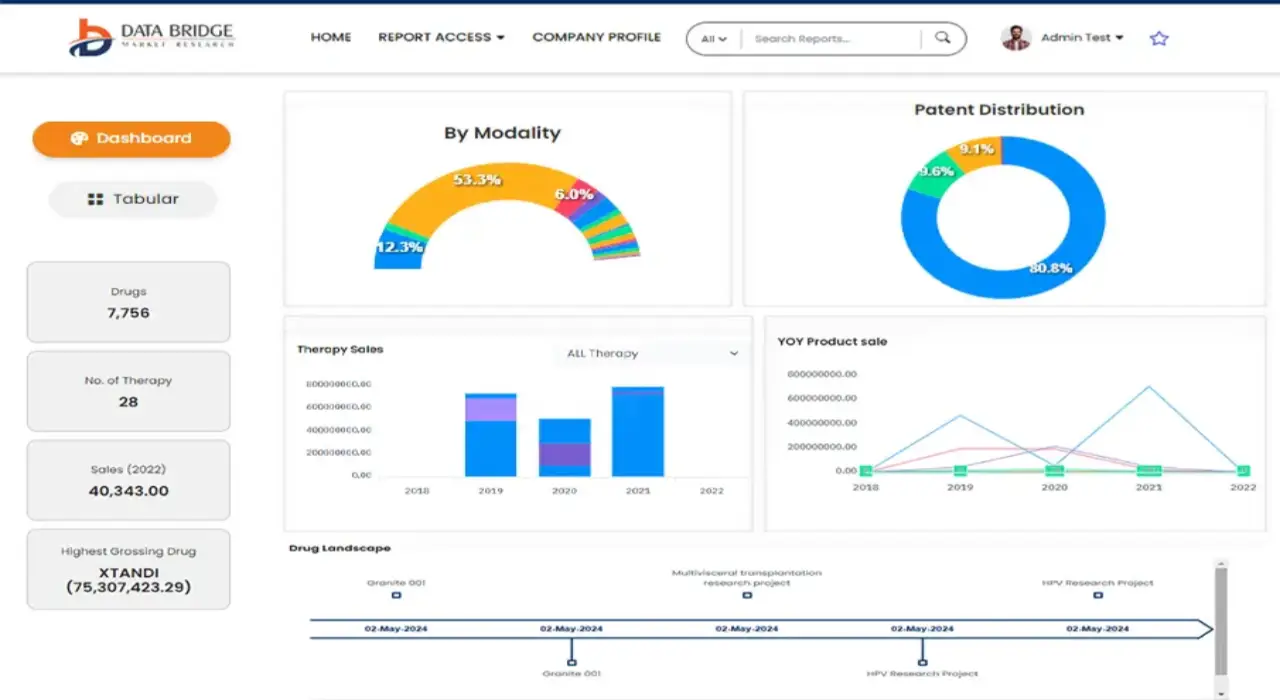
- 대화형 데이터 분석 대시보드
- 높은 성장 잠재력 기회를 위한 회사 분석 대시보드
- 사용자 정의 및 질의를 위한 리서치 분석가 액세스
- 대화형 대시보드를 통한 경쟁자 분석
- 최신 뉴스, 업데이트 및 추세 분석
- 포괄적인 경쟁자 추적을 위한 벤치마크 분석의 힘 활용
연구 방법론
데이터 수집 및 기준 연도 분석은 대규모 샘플 크기의 데이터 수집 모듈을 사용하여 수행됩니다. 이 단계에는 다양한 소스와 전략을 통해 시장 정보 또는 관련 데이터를 얻는 것이 포함됩니다. 여기에는 과거에 수집한 모든 데이터를 미리 검토하고 계획하는 것이 포함됩니다. 또한 다양한 정보 소스에서 발견되는 정보 불일치를 검토하는 것도 포함됩니다. 시장 데이터는 시장 통계 및 일관된 모델을 사용하여 분석하고 추정합니다. 또한 시장 점유율 분석 및 주요 추세 분석은 시장 보고서의 주요 성공 요인입니다. 자세한 내용은 분석가에게 전화를 요청하거나 문의 사항을 드롭하세요.
DBMR 연구팀에서 사용하는 주요 연구 방법론은 데이터 마이닝, 시장에 대한 데이터 변수의 영향 분석 및 주요(산업 전문가) 검증을 포함하는 데이터 삼각 측량입니다. 데이터 모델에는 공급업체 포지셔닝 그리드, 시장 타임라인 분석, 시장 개요 및 가이드, 회사 포지셔닝 그리드, 특허 분석, 가격 분석, 회사 시장 점유율 분석, 측정 기준, 글로벌 대 지역 및 공급업체 점유율 분석이 포함됩니다. 연구 방법론에 대해 자세히 알아보려면 문의를 통해 업계 전문가에게 문의하세요.
사용자 정의 가능
Data Bridge Market Research는 고급 형성 연구 분야의 선두 주자입니다. 저희는 기존 및 신규 고객에게 목표에 맞는 데이터와 분석을 제공하는 데 자부심을 느낍니다. 보고서는 추가 국가에 대한 시장 이해(국가 목록 요청), 임상 시험 결과 데이터, 문헌 검토, 재생 시장 및 제품 기반 분석을 포함하도록 사용자 정의할 수 있습니다. 기술 기반 분석에서 시장 포트폴리오 전략에 이르기까지 타겟 경쟁업체의 시장 분석을 분석할 수 있습니다. 귀하가 원하는 형식과 데이터 스타일로 필요한 만큼 많은 경쟁자를 추가할 수 있습니다. 저희 분석가 팀은 또한 원시 엑셀 파일 피벗 테이블(팩트북)로 데이터를 제공하거나 보고서에서 사용 가능한 데이터 세트에서 프레젠테이션을 만드는 데 도움을 줄 수 있습니다.











