


Global Neurological Disorder Drugs Market Segmentation, By Indication (Epilepsy, Alzheimer’s Disease, Parkinson’s Disease, Multiple Sclerosis, Cerebrovascular Disease, Others), Drug Class (Cholinesterase Inhibitors, NMDA Receptor Antagonists, Antiepileptic, Antipsychotic and Antidepressant, Others), Route of Administration (Oral, Parenteral, Others), End-Users (Hospitals, Specialty Clinics, Homecare, Others), Distribution Channel (Hospital Pharmacy, Retail Pharmacy, Online Pharmacy, Others) – Industry Trends and Forecast to 2032
Neurological Disorder Drugs Market Analysis
Globally, neurological disorders are the main cause of death. It is defined as both central and peripheral nervous system disorders. The diseases primarily affect the elderly population. It may progress and necessitate long-term treatment. Congenital neurological abnormalities appear during the early stages of embryo development and can be detected at birth. A variety of factors, such as traumatic brain injuries, immunological problems, postnatal injections, spinal cord injuries, neoplasia, and exposure to ambient chemicals or poisons, can cause acquired neurological disorders after birth. Many bacterial, viral, fungal, and parasite diseases can damage the nervous system, resulting in neurological illnesses.
Global Neurological Disorder Drugs Market Size
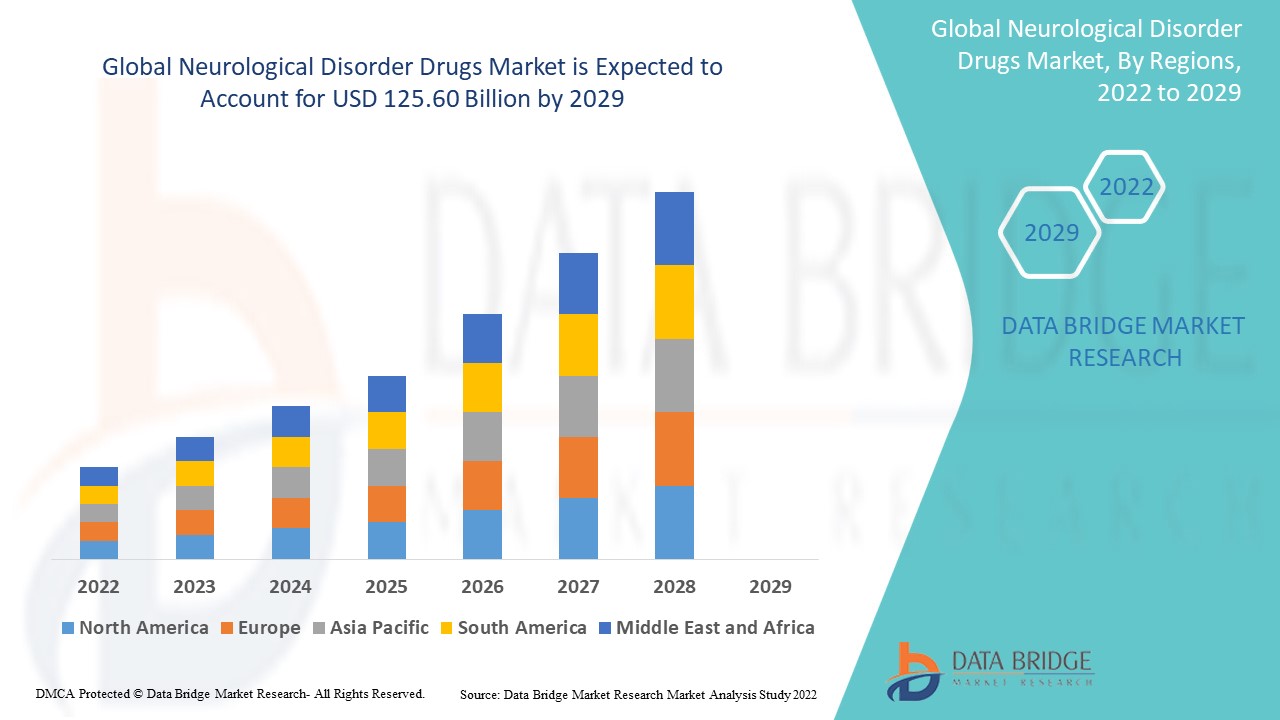
Global neurological disorder drugs market size was valued at USD 94.30 billion in 2024 and is projected to reach USD 149.17 billion by 2032, with a CAGR of 5.9% during the forecast period of 2025 to 2032.
Report Scope and Market Segmentation
|
Attributes |
Neurological Disorder Drugs Key Market Insights |
|
Segmentation |
|
|
Countries Covered |
U.S., Canada and Mexico in North America, Germany, France, U.K., Netherlands, Switzerland, Belgium, Russia, Italy, Spain, Turkey, Rest of Europe in Europe, China, Japan, India, South Korea, Singapore, Malaysia, Australia, Thailand, Indonesia, Philippines, Rest of Asia-Pacific (APAC) in the Asia-Pacific (APAC), Saudi Arabia, U.A.E, South Africa, Egypt, Israel, Rest of Middle East and Africa (MEA) as a part of Middle East and Africa (MEA), Brazil, Argentina and Rest of South America as part of South America |
|
Key Market Players |
Merck KGaA (Germany), Eisai Co., Ltd. (Japan), AstraZeneca (U.K.), Sanofi (France), Novartis AG (Switzerland), Abbott (U.S.), F. Hoffmann-La Roche Ltd. (Switzerland), Teva Pharmaceutical Industries Ltd. (Ireland), Pfizer Inc. (U.S.), GlaxoSmithKline plc (U.K.), WOCKHARDT (Mumbai), Novo Nordisk A/S (Denmark), Glenmark Pharmaceuticals Limited (India), Cipla Inc. (U.S.), Bausch Health Companies Inc. (Canada), Otsuka America Pharmaceutical, Inc. (US), Johnson & Johnson Private Limited (U.S.), Takeda Pharmaceutical Company Limited (Japan), Sumitomo Corporation (Japan), Biocon (India) |
|
Market Opportunities |
|
Neurological Disorder Drugs Market Definition
A neurological diseases occurs when any portion of the brain or nervous system malfunctions, causing physical and/or psychological symptoms. Neurological disorders are treated with a variety of medications, including antipsychotics, antiepileptics, anticholinergics, and analgesics. Furthermore, the drug that is prescribed is primarily determined by the patient's neurological condition. These medications aid in the management of neurological conditions, symptom reduction, and improved quality of life. Corticosteroids, which are widely used to treat multiple sclerosis and help reduce inflammation, are among the most commonly used neurological medications.
Neurological Disorder Drugs Market Dynamics
Drivers
- Growing geriatric population
The market’s growth is propelled by an increase in the geriatric population, which leads to the presentation of numerous neurological problems. Cerebrovascular disorders such as stroke and migraine affect people of all ages in countries including Germany, the United Kingdom, and Italy. In adults aged 45 to 84, France, Sweden, Greece, Denmark, and Russia have high rates of cerebrovascular illness. As per a study published in the NCBI in 2018, the prevalence of stroke in Singapore was 7.67 percent among persons aged 65 and up.
- Increasing investment for healthcare infrastructure
Another significant factor influencing the growth rate of dermatitis market is the rising healthcare expenditure which helps in improving its infrastructure. Also, various government organizations aims to improve the healthcare infrastructure by increasing funding and this will further influence the market dynamics.
- Rising awareness about early disease diagnosis
The neurological disorder drugs market is expected to grow due to rising awareness associated with early disease diagnosis through awareness campaigns by government regulatory bodies and private organizations, and market entry of efficient drugs in the near future, owing to the presence of a strong drug pipeline. As per a report published by the Pharmaceutical Research and Manufacturers of America (PhRMA) in April 2018, biopharmaceutical companies in the United States are currently developing 537 medications for various neurological illnesses. 95 drugs for brain tumors, 46 for chronic pain, and 92 for Alzheimer's disease are among them. Multiple sclerosis, migraines, amyotrophic lateral sclerosis, and Parkinson's disease are among the 30 illnesses being researched.
Furthermore, surging number of government initiatives to spread awareness and increasing prevalence of neurological diseases such as dementia will result in the expansion of neurological disorder drugs market. Along with this, sedentary lifestyle of people and will enhance the growth rate of the market.
Opportunities
- Development of new drugs
Moreover, the market's growth is fueled by an increase in the development of new drugs. This will provide beneficial opportunities for the market growth. Brain injuries and neurological disorders are among the major causes of death around the world. As a result, researchers are pursuing chances to produce new medications that could improve the treatment of neurological disorders by altering glucose metabolism. For instance, Gero Discovery, a provider of novel therapeutic alternatives for neurodegenerative disorders, recently revealed the discovery of a prospective medicine that uses the technique of glucose metabolism alteration in stressed neurons to assist avoid neuronal death. To create novel treatments, companies in the neurological disorder drugs industry need work with qualified researchers.
- Increase in the number of research and development activities
The increase in the number of research and development activities is estimated to provide various beneficial opportunities for the neurological disorder drugs market’s growth. New therapeutic techniques for the treatment of Parkinson's disease are being adopted by companies in the neurological disorder pharmaceuticals market. This leads to high number of research activities to better understand the disease's genetic risk factors in order to find better drugs. As a result, mutations in the GBA1 gene are emerging as a prospective therapeutic development strategy. Mutations in the gene, however, may cause GCase (glucocerebrosidase) enzyme deficiencies. As a result, manufacturers in the neurological disorder pharmaceuticals market are concentrating on activating wild type GCase in order to produce new therapeutic molecules for the treatment of Parkinson's disease.
Moreover, the market's growth is fueled by rising investment for the development of advanced technologies and increase in the number of emerging markets. These factors will provide beneficial opportunities for the neurological disorder drugs market growth.
Restraints/Challenges
On the other hand, high cost associated with the research and development activities will obstruct the growth rate of market. The lack of healthcare infrastructure in developing economies and dearth of skilled professionals will challenge the neurological disorder drugs market. Additionally, product recalls and strict government regulations will act as restrain and further impede the growth rate of market during the forecast period of 2025-2032.
This neurological disorder drugs market report provides details of new recent developments, trade regulations, import-export analysis, production analysis, value chain optimization, market share, impact of domestic and localized market players, analyses opportunities in terms of emerging revenue pockets, changes in market regulations, strategic market growth analysis, market size, category market growths, application niches and dominance, product approvals, product launches, geographic expansions, technological innovations in the market. To gain more info on the neurological disorder drugs market contact Data Bridge Market Research for an Analyst Brief, our team will help you take an informed market decision to achieve market growth.
Patient Epidemiology Analysis
Neurological disorder drugs market also provides you with detailed market analysis for patient analysis, prognosis and cures. Prevalence, incidence, mortality, adherence rates are some of the data variables that are available in the report. Direct or indirect impact analyses of epidemiology to market growth are analysed to create a more robust and cohort multivariate statistical model for forecasting the market in the growth period.
Neurological Disorder Drugs Market Scope
The neurological disorder drugs market is segmented on the basis of indication, drug class, route of administration, end-users and distribution channel. The growth amongst these segments will help you analyze meagre growth segments in the industries and provide the users with a valuable market overview and market insights to help them make strategic decisions for identifying core market applications.
Indication
- Epilepsy
- Alzheimer’s Disease
- Parkinson’s Disease
- Multiple Sclerosis
- Cerebrovascular Disease
- Others
Drug Class
- Cholinesterase Inhibitors
- NMDA Receptor Antagonists
- Antiepileptic
- Antipsychotic and Antidepressant
- Others
Route of Administration
- Oral
- Parenteral
- Others
End-Users
- Hospitals
- Specialty Clinics
- Homecare
- Others
Distribution Channel
- Hospital Pharmacy
- Retail Pharmacy
- Online Pharmacy
- Others
Neurological Disorder Drugs Market Regional Analysis
The neurological disorder drugs market is analysed and market size insights and trends are provided by country, indication, drug class, route of administration, end-users and distribution channel as referenced above.
The countries covered in the neurological disorder drugs market report are U.S., Canada and Mexico in North America, Germany, France, U.K., Netherlands, Switzerland, Belgium, Russia, Italy, Spain, Turkey, Rest of Europe in Europe, China, Japan, India, South Korea, Singapore, Malaysia, Australia, Thailand, Indonesia, Philippines, Rest of Asia-Pacific (APAC) in the Asia-Pacific (APAC), Saudi Arabia, U.A.E, South Africa, Egypt, Israel, Rest of Middle East and Africa (MEA) as a part of Middle East and Africa (MEA), Brazil, Argentina and Rest of South America as part of South America
North America dominates the neurological disorder drugs market in terms of market share and market revenue and will continue to flourish its dominance during the forecast period. This is due to the high prevalence of prevalence of neurological disorder and rising healthcare expenditure will further propel the market’s growth rate in this region. Additionally, growing presence of major key players and increase in number of FDA approval drugs will further propel the market’s growth rate in this region.
Asia-Pacific is expected to grow during the forecast period of 2025-2032 due to high presence of generic manufacturer in this region. Also, development of healthcare infrastructure and rising government initiatives will further propel the market’s growth rate in this region.
The country section of the report also provides individual market impacting factors and changes in regulation in the market domestically that impacts the current and future trends of the market. Data points like down-stream and upstream value chain analysis, technical trends and porter's five forces analysis, case studies are some of the pointers used to forecast the market scenario for individual countries. Also, the presence and availability of global brands and their challenges faced due to large or scarce competition from local and domestic brands, impact of domestic tariffs and trade routes are considered while providing forecast analysis of the country data.
Neurological Disorder Drugs Market Share
The neurological disorder drugs market competitive landscape provides details by competitor. Details included are company overview, company financials, revenue generated, market potential, investment in research and development, new market initiatives, global presence, production sites and facilities, production capacities, company strengths and weaknesses, product launch, product width and breadth, application dominance. The above data points provided are only related to the companies' focus related to neurological disorder drugs market.
Neurological Disorder Drugs Market Leaders Operating in the Market Are:
- Merck KGaA (Germany)
- Eisai Co., Ltd. (Japan)
- AstraZeneca (U.K.)
- Sanofi (France)
- Novartis AG (Switzerland)
- Abbott (U.S.)
- F. Hoffmann-La Roche Ltd. (Switzerland)
- Teva Pharmaceutical Industries Ltd. (Ireland)
- Pfizer Inc. (U.S.)
- GlaxoSmithKline plc (U.K.)
- WOCKHARDT (Mumbai)
- Novo Nordisk A/S (Denmark)
- Glenmark Pharmaceuticals Limited (India)
- Cipla Inc. (U.S.)
- Bausch Health Companies Inc. (Canada)
- Otsuka America Pharmaceutical, Inc. (U.S.)
- Johnson & Johnson Private Limited (U.S.)
- Takeda Pharmaceutical Company Limited (Japan)
- Sumitomo Corporation (Japan)
- Biocon (India)
Latest Developments in Neurological Disorder Drugs Market
- In September 2021, Sumitomo Dainippon Pharma and Otsuka had announced a collaboration as well as license agreement for four psychiatry and neurology compounds namely ulotaront (SEP-363856), SEP-4199, SEP-378614, and SEP-380135. Under the terms of the partnership, Sunovion and Otsuka will split the costs and revenues of clinical trials, regulatory applications, and commercialization in each of these nations and areas. Additional ulotaront indications, and also SEP-378614 and SEP-380135 indications, will be identified after future Sumitomo Dainippon Pharma Group and Otsuka consultations.
SKU-
Obtenha acesso online ao relatório sobre a primeira nuvem de inteligência de mercado do mundo
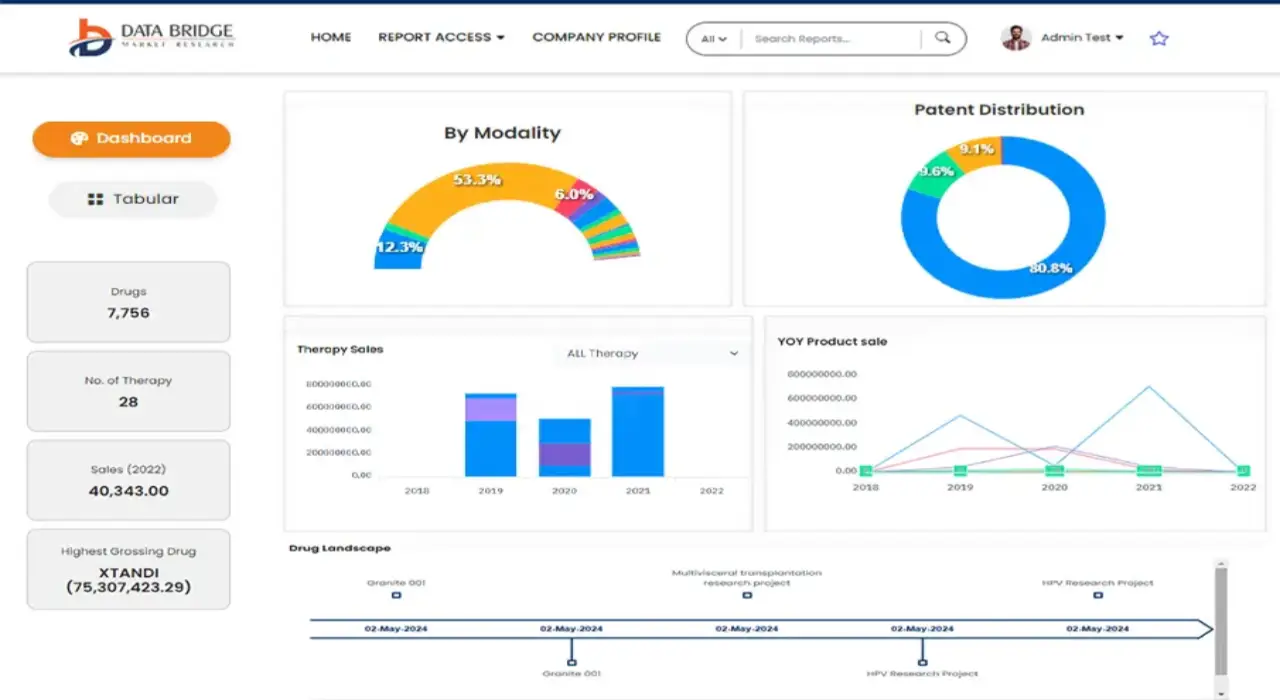
- Painel interativo de análise de dados
- Painel de análise da empresa para oportunidades de elevado potencial de crescimento
- Acesso de analista de pesquisa para personalização e customização. consultas
- Análise da concorrência com painel interativo
- Últimas notícias, atualizações e atualizações Análise de tendências
- Aproveite o poder da análise de benchmark para um rastreio abrangente da concorrência
Metodologia de Investigação
A recolha de dados e a análise do ano base são feitas através de módulos de recolha de dados com amostras grandes. A etapa inclui a obtenção de informações de mercado ou dados relacionados através de diversas fontes e estratégias. Inclui examinar e planear antecipadamente todos os dados adquiridos no passado. Da mesma forma, envolve o exame de inconsistências de informação observadas em diferentes fontes de informação. Os dados de mercado são analisados e estimados utilizando modelos estatísticos e coerentes de mercado. Além disso, a análise da quota de mercado e a análise das principais tendências são os principais fatores de sucesso no relatório de mercado. Para saber mais, solicite uma chamada de analista ou abra a sua consulta.
A principal metodologia de investigação utilizada pela equipa de investigação do DBMR é a triangulação de dados que envolve a mineração de dados, a análise do impacto das variáveis de dados no mercado e a validação primária (especialista do setor). Os modelos de dados incluem grelha de posicionamento de fornecedores, análise da linha de tempo do mercado, visão geral e guia de mercado, grelha de posicionamento da empresa, análise de patentes, análise de preços, análise da quota de mercado da empresa, normas de medição, análise global versus regional e de participação dos fornecedores. Para saber mais sobre a metodologia de investigação, faça uma consulta para falar com os nossos especialistas do setor.
Personalização disponível
A Data Bridge Market Research é líder em investigação formativa avançada. Orgulhamo-nos de servir os nossos clientes novos e existentes com dados e análises que correspondem e atendem aos seus objetivos. O relatório pode ser personalizado para incluir análise de tendências de preços de marcas-alvo, compreensão do mercado para países adicionais (solicite a lista de países), dados de resultados de ensaios clínicos, revisão de literatura, mercado remodelado e análise de base de produtos . A análise de mercado dos concorrentes-alvo pode ser analisada desde análises baseadas em tecnologia até estratégias de carteira de mercado. Podemos adicionar quantos concorrentes necessitar de dados no formato e estilo de dados que procura. A nossa equipa de analistas também pode fornecer dados em tabelas dinâmicas de ficheiros Excel em bruto (livro de factos) ou pode ajudá-lo a criar apresentações a partir dos conjuntos de dados disponíveis no relatório.











