


U.S. Tuberous Sclerosis Drugs Market, By Gene (TSC2, TSC1), Site (Brain, Kidney, Skin, Heart, Lungs, Others), Drug Class (mTOR inhibitors, Anti-Convulsants, Cannabidiol or Epidiolex, Others), Drug Type (Branded, Generics), Population Type (Children, Adults), Route of Administration (Oral, Parenteral, Others), End User (Hospitals, Specialty Clinics, Academic & Research Institutes and Others), Distribution Channel (Hospitals Pharmacy, Retail Pharmacy, Online Pharmacy) – Industry Trends and Forecast to 2030.
EUA esclerose tuberosa drogas análise de mercado e tamanho
O mercado de drogas de esclerose tuberosa EUA está aumentando significativamente devido a fatores como a aprovação do FDA de novos medicamentos para o tratamento da esclerose tuberosa. Em 3 em cada 4 casos, a falha genética ocorre em pessoas sem familiares afetados com essa doença. A esclerose tuberosa causa doença leve em que os indivíduos são deixados não tratados na idade adulta ou pode causar grandes riscos que podem afetar a qualidade de vida ou a desordem pequenas manchas vermelhas aparecem entre as idades de 3 e 5 anos, principalmente no rosto e aparecem em um padrão de borboleta.
Data Bridge Market Research analisa uma taxa de crescimento no mercado de drogas de esclerose tuberosa no período de previsão 2023-2030. O CAGR esperado do mercado de drogas de esclerose tuberosa tende a ser em torno de 23,10% no período de previsão mencionado. O valor de mercado é de USD 237,2 milhões em 2022, e cresceria até USD 1250,7 milhões em 2030. Além dos insights de mercado, como valor de mercado, taxa de crescimento, segmentos de mercado, cobertura geográfica, atores de mercado e cenário de mercado, o relatório de mercado curado pela equipe de Pesquisa do Mercado Data Bridge também inclui análise de especialistas em profundidade, epidemiologia do paciente, análise de pipeline, análise de preços e marco regulatório.
Esclerose Tuberosa dos EUA Drogas Âmbito de Mercado e Segmentação
|
Metric de Relatório |
Detalhes |
|
Período de previsão |
2023 a 2030 |
|
Ano de base |
2022 |
|
Anos Históricos |
2021 (Personalizável até 2015 - 2020) |
|
Unidades quantitativas |
Receitas em USD Million, Volumes em Unidades, Preços em USD |
|
Segmentos Cobertos |
Por Gene (TSC2, TSC1), Site (Cérebro, Rim, Pele, Coração, Pulmões, Outros), Classe de Medicamentos (inibidores de MTOR, Anticonvulsivantes, Cannabidiol ou Epidiolex, Outros), Tipo de Medicamentos (Branded, Generics), Tipo de População (Crianças, Adultos), Rota de Administração (Oral, Parenteral, Outros), Usuário Final (Hospitales, Clínicas Especiais, Institutos Acadêmicos e de Pesquisa e Outros), Canal de Distribuição ( Farmácia dos Hospitais, Farmácia Varejista, Farmácia Online) |
|
Jogadores de mercado cobertos |
Sanofi (França), Novartis AG (Suíça), F. Hoffmann-La Roche Ltd (Suíça), Pfizer Inc. (EUA), Amgen Inc. (EUA), Lilly (EUA), AstraZeneca (EUA), AbbVie Inc (EUA), Johnson & Johnson Private Limited (EUA), LEO Pharma A/S (Denmark), Merck & Co., Inc (EUA), Bausch Health Companies Inc (Canadá) e Bristol-Myers Squibb Company (EUA), Takeda Pharmaceutical Company Limited (Japão), Par Pharmaceutical (EUA), Dr. Reddy’s Laboratories Ltd (Índia), Jazz Pharmaceuticals, Inc (UK), Hikmaceuticals PLC (UK), Viatris Inc. (EUA), Teva Pharmaceutical Industries Ltd. (Israel), VistaPharm, Inc. (U.) |
|
Oportunidades de Mercado |
|
Definição do mercado
A esclerose tuberosa é um tipo de doença genética esporádica crônica. O distúrbio está relacionado com a formação de tumores benignos (não cancerosos) em numerosos órgãos do corpo. Os tumores são denominados hamartomas, que é tipo tumor propagado crescimento que consiste em células geralmente encontradas na área onde a formação de hamartoma ocorre. Os sinais e sintomas desse transtorno podem variar de pessoa para pessoa, e também entre membros da mesma família, que é hereditária.
Esclerose Tuberosa dos EUA Drogas Mercado Dinâmica
Controladores
- Aumento da prevalência de esclerose tuberosa
A esclerose tuberosa é um tipo de desordem genética rara que afeta principalmente em torno de 1 em 6.000 recém-nascidos nos EUA. A ocorrência na Europa deverá ser de cerca de 1 em 25.000 a 1 em 11.300. Os machos e as fêmeas são amplamente afetados em igual número e o transtorno ocorre em todas as raças e grupos étnicos. Dessa forma, essa crescente inicidência exige uma elevada quantidade de medicamentos que impulsionam o crescimento do mercado.
- Maior demanda de opções diagnósticas
Existem várias opções diagnósticas para a esclerose tuberosa que aumentam a demanda do mercado. Testes genéticos moleculares podem ajudar a confirmar um diagnóstico de esclerose tuberosa. Uma série de testes podem ser usados para ajudar a obter um diagnóstico de esclerose tuberosa ou para avaliar ou estabelecer a extensão do distúrbio em um indivíduo. Tais testes incluem a digitalização eressonância magnética(RM), tomografia computadorizada (TC) para avaliar o cérebro para a ampla presença de tumores ou outro envolvimento cerebral. Além disso, testes como um ecocardiograma e um eletrocardiograma (ECG) podem ser amplamente utilizados para avaliar o coração para a presença de um rabdomioma. Assim, isso impulsiona o crescimento do mercado.
Oportunidades
- Lançamentos de produtos crescentes por organizações
Tem havido um número crescente de lançamentos de produtos que são úteis para o desenvolvimento do crescimento do mercado. Duas drogas foram aprovadas pela Food and Drug Administration dos EUA para tratar convulsões associadas à esclerose tuberosa. Além disso, em 2018, a FDA aprovou o Afinitor (everolimus) utilizado no tratamento de crises em pacientes pediátricos e adultos com idade igual ou superior a 2 anos com esclerose tuberosa, e o Epidiolex (canabidiol) para pacientes com um ano ou mais em 2020. Assim, esses lançamentos de produtos estão impulsionando o crescimento do mercado.
- Aumento da procura de inibidores mTOR
Indivíduos sob inibidores de mTOR para tumores internos podem testemunhar melhora nas lesões cutâneas. Formulações tópicas de inibidores mTOR têm demonstrado grande melhora no tratamento de angiofibromas faciais. Por exemplo, o FDA aprovou o uso de inibidores de mTOR para tratar complicações pulmonares, comoLymphangioleiomiomatose(LAM) em indivíduos com esclerose tuberosa em 2015. A Lymphangioleiomiomatose ocorre frequentemente em mulheres jovens em idade fértil, portanto, cientistas têm esperado que hormônios femininos como o estrogênio desempenham um papel importante no desenvolvimento do transtorno. Assim, essa adoção crescente de inibidores de mTOR ajuda no crescimento do mercado.
Restrições/Desafios
- Alto custo das drogas
Muitas drogas estão associadas à esclerose tuberosa, tais como drogas convencionais, anticonvulsivantes, medicação anticonvulsiva e numerosos métodos de terapia reabilitativa e comportamental. A maioria desses métodos de tratamento custa alto custo. Esses processos de drogas causam o aumento da taxa de custo. Assim, esses fatores restringem o crescimento do mercado.
Este relatório de mercado de drogas esclerose tuberosa fornece detalhes de novos desenvolvimentos recentes, regulamentos comerciais, análise importação-exportação, análise de produção, otimização da cadeia de valor, market share, impacto de jogadores do mercado nacional e localizado, analisa oportunidades em termos de emergentes bolsas de receita, mudanças na regulamentação do mercado, análise estratégica do crescimento do mercado, tamanho do mercado, crescimentos categoria mercado, nichos de aplicação e dominância, aprovação de produtos, lançamentos de produtos, expansões geográficas, inovações tecnológicas no mercado. Para obter mais informações sobre a esclerose tuberosa drogas mercado contato Data Bridge Market Research para um Analyst Brief, nossa equipe irá ajudá-lo a tomar uma decisão de mercado informada para alcançar o crescimento do mercado.
Esclerose Tuberosa dos EUA Drogas Âmbito de Mercado
O mercado de drogas de esclerose tuberosa é segmentado com base no gene, local, classe de drogas, tipo de drogas, tipo de população, via de administração, usuário final e canal de distribuição. O crescimento entre esses segmentos irá ajudá-lo a analisar segmentos de crescimento escassos nas indústrias e fornecer aos usuários uma visão geral de mercado valiosa e insights de mercado para ajudá-los a tomar decisões estratégicas para identificar aplicações de mercado principais.
Gene
- TSC2
- TSC1
Site
- Cérebro
- Rim
- Pele
- Coração
- Pulmões
- Outros
Classe de drogas
- Inibidores mTOR
- Anticonvulsivantes
- Cannabidiol ou Epidiolex
- Outros
Tipo de Droga
- Marcado
- Genéricos
Tipo de População
- Crianças
- Adultos
Via de administração
- Oral
- Parenteral
- Outros
Utilizador Final
- Serviços hospitalares
- Clínicas especiais
- Institutos Acadêmicos e de Pesquisa
- Outros
Canal de Distribuição
- Farmácia Hospitalar
- Farmácia de retalho
- Farmácia Online
Paisagem competitiva e Esclerose Tuberosa EUA Drogas Análise de Compartilhar
A esclerose tuberosa drogas mercado paisagem competitiva fornece detalhes por concorrente. Detalhes incluídos são visão geral da empresa, finanças da empresa, receita gerada, potencial de mercado, investimento em pesquisa e desenvolvimento, novas iniciativas de mercado, presença dos EUA, locais de produção e instalações, capacidades de produção, pontos fortes e fracos da empresa, lançamento do produto, largura e amplitude do produto, dominância da aplicação. Os dados acima apresentados estão relacionados apenas ao foco das empresas no mercado de medicamentos para a esclerose tuberosa.
Os principais atores que operam no mercado de drogas esclerose tuberosa incluem:
- Sanofi (França)
- Novartis AG (Suíça)
- F. Hoffmann-La Roche Ltd (Suíça)
- Pfizer Inc. (EUA)
- Sanofi (França)
- Amgen inc. (EUA)
- Lilly (EUA)
- AstraZeneca (U.K.)
- AbbVie Inc (EUA)
- Johnson & Johnson Private Limited (EUA)
- LEO Pharma A/S (Dinamarca)
- Merck & Co., Inc (EUA)
- Bausch Health Companies Inc (Canadá)
- Bristol- Myers Squibb Company (EUA)
- Takeda Pharmaceutical Company Limited (Japão)
- Par Pharmaceutical (EUA)
- Dr. Reddy’s Laboratories Ltd (Índia)
- Jazz Pharmaceuticals, Inc (U.K.)
- Hikma Pharmaceuticals PLC (U.K.)
- Viatris Inc. (EUA)
- Teva Pharmaceutical Industries Ltd (Israel)
- VistaPharm, Inc. (EUA)
SKU-
Obtenha acesso online ao relatório sobre a primeira nuvem de inteligência de mercado do mundo
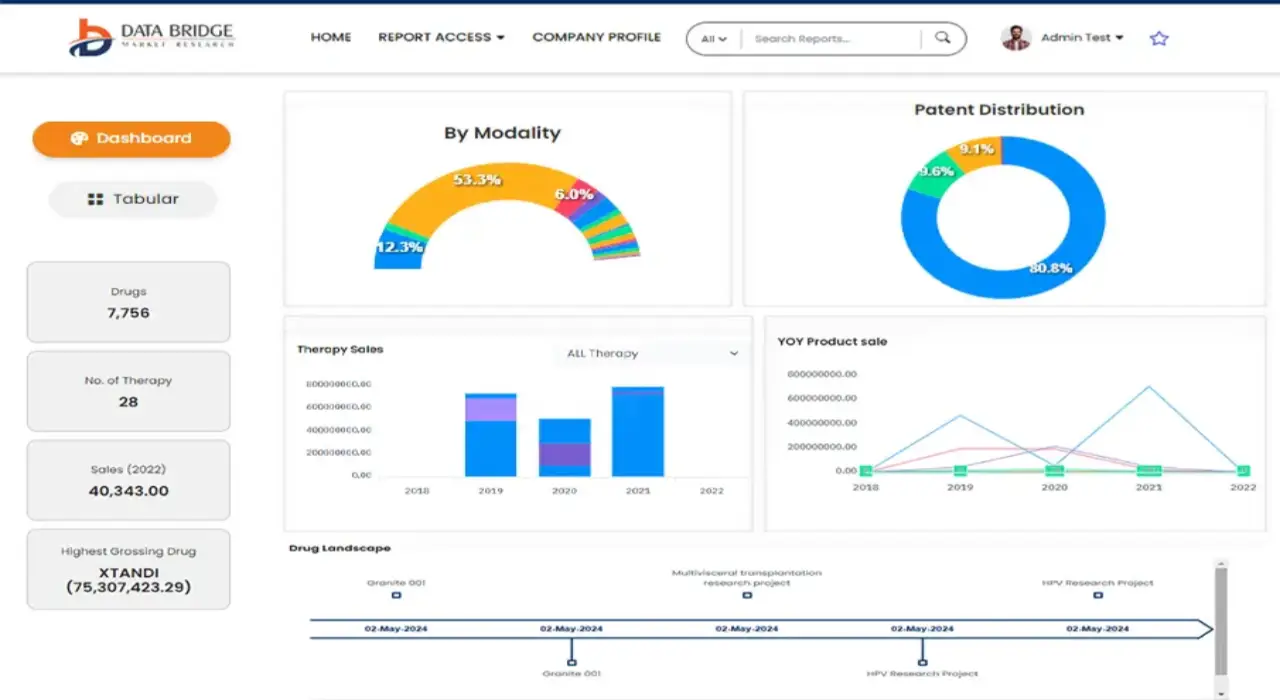
- Painel interativo de análise de dados
- Painel de análise da empresa para oportunidades de elevado potencial de crescimento
- Acesso de analista de pesquisa para personalização e customização. consultas
- Análise da concorrência com painel interativo
- Últimas notícias, atualizações e atualizações Análise de tendências
- Aproveite o poder da análise de benchmark para um rastreio abrangente da concorrência
Metodologia de Investigação
A recolha de dados e a análise do ano base são feitas através de módulos de recolha de dados com amostras grandes. A etapa inclui a obtenção de informações de mercado ou dados relacionados através de diversas fontes e estratégias. Inclui examinar e planear antecipadamente todos os dados adquiridos no passado. Da mesma forma, envolve o exame de inconsistências de informação observadas em diferentes fontes de informação. Os dados de mercado são analisados e estimados utilizando modelos estatísticos e coerentes de mercado. Além disso, a análise da quota de mercado e a análise das principais tendências são os principais fatores de sucesso no relatório de mercado. Para saber mais, solicite uma chamada de analista ou abra a sua consulta.
A principal metodologia de investigação utilizada pela equipa de investigação do DBMR é a triangulação de dados que envolve a mineração de dados, a análise do impacto das variáveis de dados no mercado e a validação primária (especialista do setor). Os modelos de dados incluem grelha de posicionamento de fornecedores, análise da linha de tempo do mercado, visão geral e guia de mercado, grelha de posicionamento da empresa, análise de patentes, análise de preços, análise da quota de mercado da empresa, normas de medição, análise global versus regional e de participação dos fornecedores. Para saber mais sobre a metodologia de investigação, faça uma consulta para falar com os nossos especialistas do setor.
Personalização disponível
A Data Bridge Market Research é líder em investigação formativa avançada. Orgulhamo-nos de servir os nossos clientes novos e existentes com dados e análises que correspondem e atendem aos seus objetivos. O relatório pode ser personalizado para incluir análise de tendências de preços de marcas-alvo, compreensão do mercado para países adicionais (solicite a lista de países), dados de resultados de ensaios clínicos, revisão de literatura, mercado remodelado e análise de base de produtos . A análise de mercado dos concorrentes-alvo pode ser analisada desde análises baseadas em tecnologia até estratégias de carteira de mercado. Podemos adicionar quantos concorrentes necessitar de dados no formato e estilo de dados que procura. A nossa equipa de analistas também pode fornecer dados em tabelas dinâmicas de ficheiros Excel em bruto (livro de factos) ou pode ajudá-lo a criar apresentações a partir dos conjuntos de dados disponíveis no relatório.











