


America Polyester Market Segmentation, By Type (Aliphatic and Aromatic), Application (Fibers, Flexible Packaging, Foam, Adhesives, Coatings, Inks, Insulation, Shoe Systems, and Others), End-Use (Textile, Automotive, Construction, Footwear, Electrical & Electronics, Marine & Aerospace, Polyurethane Industry, and Others) - Industry Trends and Forecast to 2032
Анализ рынка Polyester
Американский рынок полиэстера обусловлен растущим спросом в текстильной, упаковочной и автомобильной промышленности. Полиэстер, ценимый за долговечность, доступность и универсальность, доминирует в отрасли синтетического волокна. США лидируют по потреблению благодаря сильной индустрии одежды и мебели для дома, в то время как в Латинской Америке наблюдается устойчивый рост производства ПЭТ-бутылок и пленок. Проблемы устойчивости способствуют внедрению био- и переработанных полиэфиров. Проблемы рынка включают волатильность цен на сырье и экологические нормы. Ключевые игроки, такие как Indorama Ventures, Eastman и DuPont, сосредоточены на инициативах в области инноваций и циркулярной экономики. В целом ожидается, что рынок будет неуклонно расти, чему способствуют промышленные и потребительские приложения.
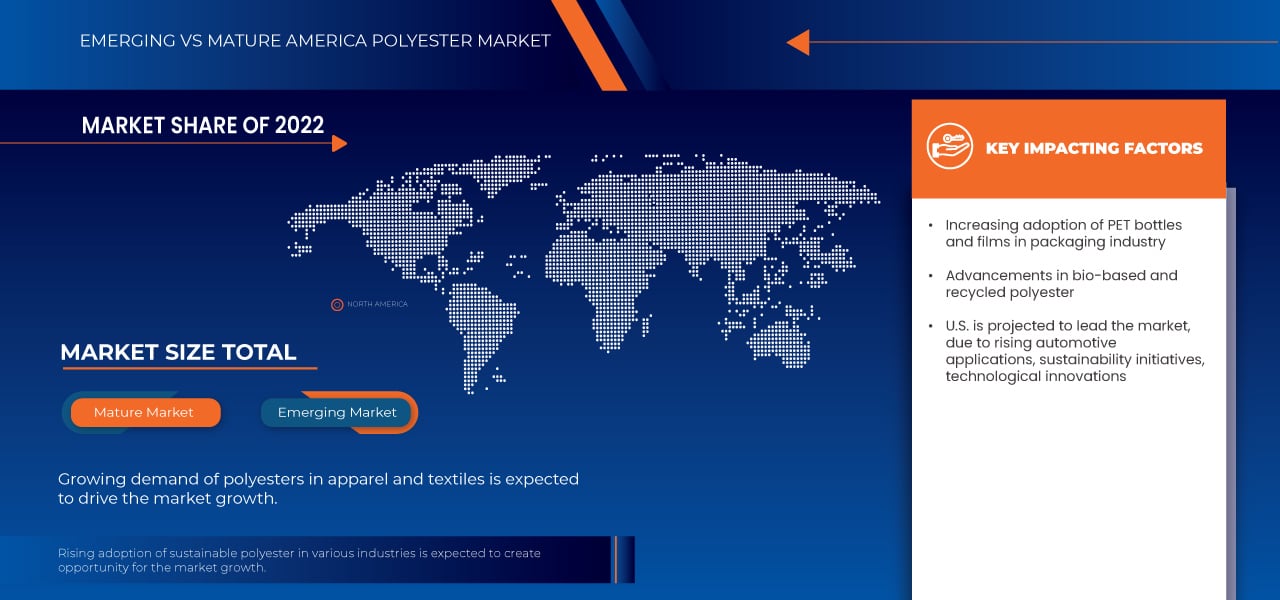
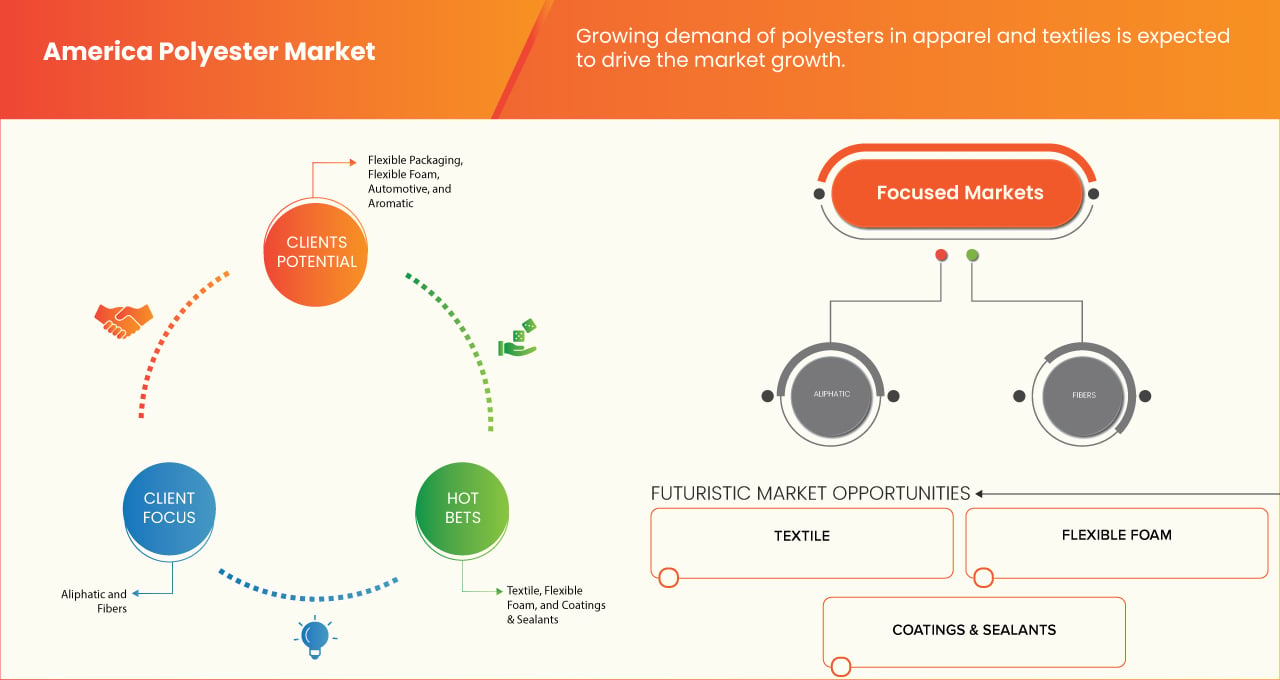
Размер рынка Polyester
Размер рынка полиэфира в Америке был оценен в 32,78 миллиарда долларов США в 2024 году и, по прогнозам, достигнет 56,10 миллиарда долларов США к 2032 году с CAGR 7,0% в течение прогнозируемого периода 2025-2032 годов. В дополнение к информации о рыночных сценариях, таких как рыночная стоимость, темпы роста, сегментация, географическое покрытие и основные игроки, рыночные отчеты, курируемые Data Bridge Market Research, также включают анализ экспорта импорта, обзор производственных мощностей, анализ потребления продукции, анализ ценового тренда, сценарий изменения климата, анализ цепочки поставок, анализ цепочки создания стоимости, обзор сырья / расходных материалов, критерии выбора поставщиков, анализ PESTLE, анализ портеров и нормативную базу.
Рынок Polyesterтенденции
«Рост спроса на полиэфиры в одежде и текстиле»
Полиэстер стал предпочтительным материалом благодаря своей универсальности, долговечности и доступности, что делает его важным компонентом в различных областях одежды и тканей. Его способность плавно смешиваться с другими волокнами, такими как хлопок и шерсть, еще больше повышает его привлекательность, позволяя производителям создавать текстиль с уникальными свойствами, такими как устойчивость к морщинам, влагостойкость и возможности быстрой сушки. Акцент американской швейной промышленности на износостойкость и активную одежду усилил спрос на полиэстер. Легкий характер материала и высокая прочность на растяжение делают его идеальным для спортивной одежды, где долговечность и гибкость имеют первостепенное значение.
В целом, растущий спрос на полиэфир в американской швейной и текстильной промышленности обусловлен его универсальностью, доступностью и способностью адаптироваться к меняющимся потребительским предпочтениям. Эта тенденция позиционирует полиэфир как важный материал для поддержки инноваций и роста на американском рынке полиэфира.
Сфера охвата и сегментация рынка Polyester
| Атрибуты | ПолиэстерКлючОбзор рынка |
| Сегменты покрыты |
|
| Страны, охваченные | США, Канада, Бразилия, Аргентина, Мексика, Колумбия, Чили, Перу, Венесуэла и остальная часть Америки |
| Ключевые игроки рынка | Alpek Polyester (США), Dow (США), Eastman Chemical Company (США), Huntsman International LLC (США), Shell plc (Англия), Arkema (Франция), Coim Group (Италия), DIC CORPORATION (Япония), Repsol (Испания) и Stepan Company (США) |
| Рыночные возможности |
|
| Информационные наборы данных с добавленной стоимостью | В дополнение к информации о рыночных сценариях, таких как рыночная стоимость, темпы роста, сегментация, географическое покрытие и основные игроки, рыночные отчеты, курируемые Data Bridge Market Research, также включают углубленный экспертный анализ, анализ цен, анализ доли бренда, опрос потребителей, анализ демографии, анализ цепочки поставок, анализ цепочки создания стоимости, обзор сырья / расходных материалов, критерии выбора поставщиков, анализ PESTLE, анализ Porter и нормативную базу. |
ПолиэстеррынокОпределение
Полиэстер - этосинтетический полимерполученный в основном из химических веществ на нефтяной основе, широко известный как полиэтилентерефталат (ПЭТ). Он широко используется в текстиле, упаковке и промышленных применениях из-за его долговечности, морщинистой стойкости и влагостойких свойств. Полиэфирные ткани предпочитаются в моде, домашней мебели и спортивной одежде, в то время как полиэстер промышленного класса используется в автомобильном, строительном и упаковочном секторах.
Полиэстеррынокдинамика
Водители
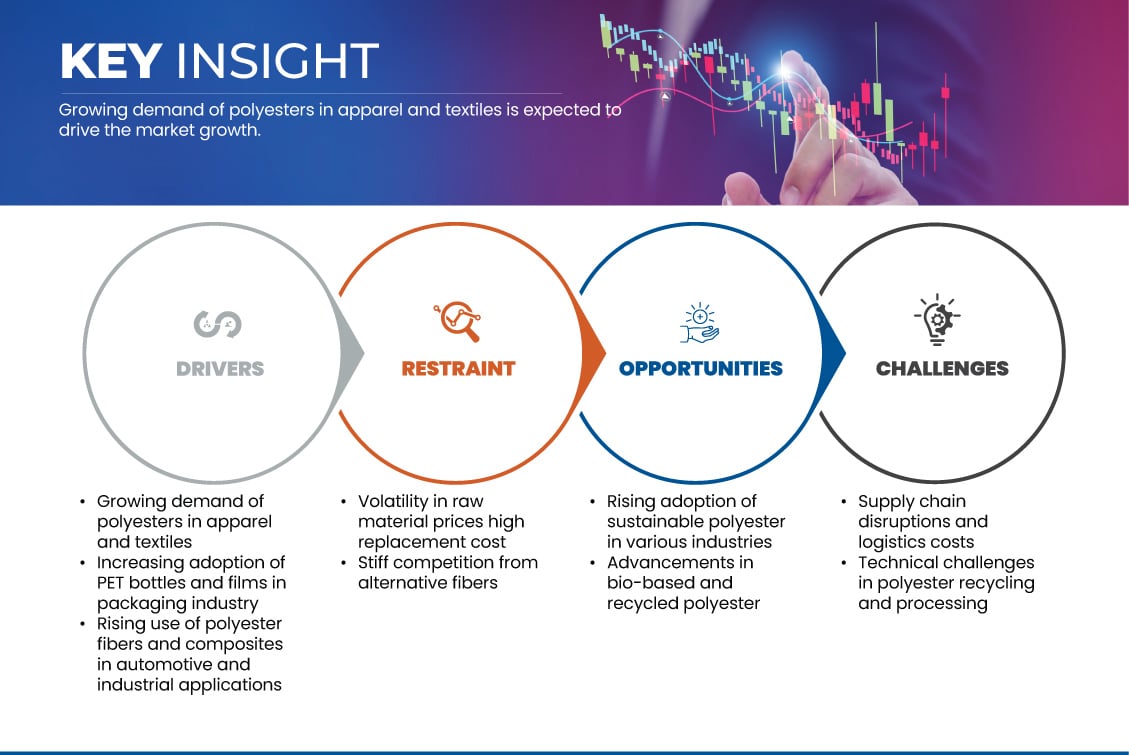
- Увеличение использования ПЭТ-бутылок и пленок в упаковочной промышленности
ПЭТ, тип полиэстера, приобрел значительную популярность благодаря своим превосходным свойствам, включая легкий вес, долговечность, прозрачность и перерабатываемость. Эти атрибуты делают его идеальным выбором для широкого спектра упаковочных приложений, особенно в секторах напитков, продуктов питания, личной гигиены и фармацевтики.
Одним из ключевых факторов, способствующих внедрению ПЭТ-бутылок, является растущий спрос на экологически чистые упаковочные решения. Поскольку правительства, отрасли и потребители все больше сосредотачиваются на сокращении пластиковых отходов и продвижении переработки, ПЭТ-бутылки выделяются как устойчивый вариант. Они на 100% пригодны для вторичной переработки и могут быть преобразованы в новые ПЭТ-продукты или другие материалы, такие как полиэфирные волокна, снижающие воздействие на окружающую среду и поддерживающие инициативы по круговой экономике. Это привело к росту спроса на упаковку на основе ПЭТ, что привело к росту рынка полиэфиров. Рост индустрии напитков, особенно бутилированной воды и газированных безалкогольных напитков, является еще одним фактором, способствующим широкому использованию напитков.ПЭТ бутылкиЭти бутылки предпочтительнее традиционных материалов, таких как стекло, из-за их легкой природы, что снижает транспортные расходы и повышает удобство для потребителей. Аналогичным образом ПЭТ-пленки широко используются в гибких упаковочных приложениях из-за их превосходных барьерных свойств, которые защищают продукты от влаги, кислорода и загрязняющих веществ, обеспечивая более длительный срок хранения.
Например,
В сентябре 2024 года, согласно статье, опубликованной Plastics Engineering, в статье освещаются достижения в области гибкой упаковки пленки, уделяя особое внимание тенденциям устойчивости. Мономатериальные фильмы, такие как AmPrima от Amcor и Omni Xtra от Berry Global, способствуют вторичной переработке, заменяя многослойные структуры. Инновации включают интеграцию ПЦР, отладку и альтернативы алюминиевой фольги, поддерживая круговую экономику при сохранении производительности и снижении воздействия на окружающую среду.
- Растущее использованиеПолиэфирные волокнаКомпозиты в автомобильных и промышленных приложениях
Уникальные свойства Polyester, включая высокую прочность на растяжение, долговечность, легкий вес и экономическую эффективность, делают его важным материалом в этих секторах. Поскольку отрасли все чаще ищут инновационные материалы для повышения производительности, эффективности и устойчивости, полиэфирные волокна и композиты становятся незаменимыми в производственных процессах.
В автомобильном секторе полиэфирные волокна широко используются в обивке сидений, коврах, хедлайнерах и ремнях безопасности из-за их прочности, устойчивости к пятнам и простоты обслуживания. Кроме того, композиты, изготовленные из полиэфирных смол, используются в структурных компонентах, таких как панели, бамперы и щиты под днищем, обеспечивая отличную ударопрочность и снижение веса автомобиля. Легкий характер материалов на основе полиэстера вносит значительный вклад в эффективность использования топлива и сокращение выбросов в соответствии с целями устойчивого развития отрасли и нормативными требованиями. С ростом производстваЭлектромобилиВ Америке спрос на полиэфирные композиты продолжает расти, поскольку они поддерживают легкий вес при сохранении структурной целостности.
Например,
- В феврале 2024 года, согласно статье, опубликованной AZoNetwork, автомобильная промышленность использует армированные волокнами полимерные композиты (FRPC) для повышения производительности, эффективности и устойчивости. FRPC, изготовленные из стекла, углерода или натуральных волокон в полимерной матрице, предлагают снижение веса, экономию затрат и возможность переработки.
Возможности
- Устойчивое использование полиэстера в различных отраслях промышленности
С ростом осведомленности потребителей об экологических проблемах и глобальным стремлением к устойчивости спрос на экологически чистые материалы вырос. Устойчивый полиэстер, часто производимый из переработанных ПЭТ-бутылок или сырья на биологической основе, стал жизнеспособным решением, предлагая те же эксплуатационные характеристики, что и обычный полиэстер, при этом значительно снижая воздействие на окружающую среду.
Одним из ключевых факторов, лежащих в основе этой возможности, является растущее внимание к инициативам круговой экономики. Правительства, организации и отрасли поощряют использование переработанных материалов для минимизации отходов и снижения зависимости от первичных нефтехимических продуктов. Устойчивый полиэстер легко вписывается в эти инициативы, поскольку он позволяет отраслям промышленности соответствовать экологическим нормам и целям корпоративной устойчивости. Этот сдвиг открыл двери для производителей полиэстера, чтобы удовлетворить такие отрасли, как одежда, автомобильная промышленность, упаковка и строительство, которые все чаще отдают приоритет экологически чистым материалам. В швейной промышленности устойчивый полиэстер приобрел значительную популярность, особенно среди брендов быстрой моды и спортивной одежды, стремящихся привлечь экологически сознательных потребителей. Многие мировые модные бренды включают переработанный полиэстер в свои коллекции, заменяя традиционные волокна для достижения целей устойчивого развития. Эта тенденция не только укрепляет актуальность полиэстера на рынке, но и повышает его имидж как экологически чистого продукта.
Например,
В январе 2025 года, согласно статье, опубликованной Xometry, растущее внедрение устойчивого полиэстера трансформирует такие отрасли, как мода, автомобилестроение и упаковка. Благодаря достижениям в области переработки и био-альтернатив, компании снижают воздействие на окружающую среду, сохраняя при этом долговечность и производительность. По мере роста спроса на экологически чистые материалы устойчивый полиэстер становится ключевым решением для более зеленого будущего.
- Достижения в области био- и переработанного полиэстера
По мере того, как отрасли и потребители все чаще отдают приоритет устойчивости, разработка инновационных полиэфирных решений, полученных из возобновляемых ресурсов или переработанных материалов, получила значительный импульс. Эти достижения согласуются с глобальными экологическими целями, предлагая путь к снижению зависимости от ископаемого топлива и минимизации экологического следа производства полиэстера. Био-полиэфир, производимый из возобновляемых источников сырья, таких как кукуруза, сахарный тростник или другие растительные материалы, становится экологически чистой альтернативой обычному полиэфиру. Это нововведение позволяет производителям сократить выбросы парниковых газов во время производства, одновременно удовлетворяя растущий спрос на экологически чистые материалы. С ростом инвестиций в био-технологии и исследования потенциал для крупномасштабного производства био-полиэфира расширяется, создавая выгодные возможности для рынка.
Аналогичным образом, разработка переработанного полиэстера, особенно изготовленного из постпотребительских ПЭТ-бутылок и промышленных отходов, произвела революцию в полиэфирной промышленности. Утилизированный полиэстер обеспечивает ту же долговечность, универсальность и производительность, что и первичный полиэстер, при этом значительно сокращая отходы и потребление энергии во время производства. Эти качества делают его предпочтительным выбором для таких отраслей, как одежда, автомобиль и упаковка, где устойчивость и функциональность одинаково ценятся.
Например,
- В ноябре 2024 года, согласно статье, опубликованной Американским химическим обществом, стремление к устойчивости вызвало интерес к биополиэфирам в качестве альтернативы полимерам на основе нефти. Полученные из возобновляемых источников, они обеспечивают биоразлагаемость и сильные механические свойства, но сталкиваются с такими проблемами, как низкая стабильность и медленная кристаллизация. Достижения в области синтеза, сополимеризации и зеленых катализаторов улучшают их промышленную жизнеспособность и производительность.
Ограничения/проблемы
- Жесткая конкуренция со стороны альтернативных волокон
Эти волокна часто обращаются к потребителям и отраслям за их уникальными характеристиками и пригодностью для конкретных применений, создавая проблемы для полиэстера, чтобы сохранить свою долю рынка в различных секторах. Хлопок, например, остается предпочтительным выбором в швейной и текстильной промышленности из-за его естественного происхождения, воздухопроницаемости и мягкости. С ростом потребительских предпочтений в отношении экологически чистых и биоразлагаемых материалов хлопок часто рассматривается как устойчивая альтернатива полиэфиру, который основан на нефти и требует больше времени для разложения. Шерсть, еще одно натуральное волокно, занимает прочные позиции в сегментах одежды премиум-класса благодаря своим превосходным изоляционным свойствам и роскошной привлекательности, что делает ее жестким конкурентом для полиэстера на конкретных рынках.
Аналогичным образом, волокна, такие как нейлон и полипропилен, предпочтительны в технических и промышленных применениях из-за их более высоких характеристик, таких как большая прочность, долговечность и термостойкость. Эти альтернативы могут превосходить полиэфир в конкретных случаях использования, особенно когда требуются высокопроизводительные материалы. Рост устойчивых и инновационных волоконных альтернатив, включая лиоцеллы, коноплю и биоматериалы, еще больше усиливает конкуренцию. Эти волокна набирают обороты из-за их минимального воздействия на окружающую среду и соответствия растущим тенденциям устойчивости. Этот сдвиг создает дополнительную проблему для рынка полиэстера, поскольку производители и потребители все чаще принимают экологически безопасные варианты.
Например,
В декабре 2023 года, согласно статье, опубликованной Lyfcycle Ltd., Polyester доминирует над текстилем, но имеет экологические проблемы. Устойчивые альтернативы включают переработанный полиэстер, биоразлагаемый полиэстер и натуральные волокна, такие как лиоцелл. Бренды принимают экологически чистые варианты, но проблемы остаются, включая загрязнение микропластиком и производственные затраты. Сочетание решений необходимо для различных приложений, чтобы обеспечить устойчивость в индустрии моды.
- Перебои в цепочке поставок и логистические затраты
Перебои в цепочке поставок и растущие затраты на логистику являются серьезными проблемами, стоящими перед американским рынком полиэстера. Полиэфирная промышленность в значительной степени зависит от бесперебойного потока сырья, производственных ресурсов и готовой продукции по глобальным цепочкам поставок. Любые перерывы в этих процессах могут серьезно повлиять на производственные графики, увеличить затраты и нарушить работу рынка.
Геополитическая напряженность, торговые ограничения и стихийные бедствия выявили уязвимость цепочек поставок. Эти сбои привели к задержкам в закупке основного сырья, такого как этилен и терефталевая кислота, которые имеют решающее значение для производства полиэстера. Перегруженность портов, задержки в транспортировке и ограничения трансграничной торговли еще больше усугубляют эти проблемы, создавая узкие места в цепочке поставок. Такие сбои увеличивают время выполнения заказа, препятствуют управлению запасами и в конечном итоге задерживают доставку продукта конечным пользователям. Кроме того, растущие расходы на логистику способствуют решению этой проблемы. Рост цен на топливо, нехватка морских контейнеров и повышенные расходы на перевозку значительно увеличили транспортные расходы. Для производителей полиэстера, работающих в чувствительных к затратам секторах, таких как одежда, упаковка и автомобилестроение, эти дополнительные затраты создают давление на прибыль и снижают конкурентоспособность.
Например,
Согласно статье, опубликованной QIMA, переработанный полиэстер (rPET) является устойчивой альтернативой первичному полиэфиру, составляя более 15% глобального использования полиэфирного волокна. Тем не менее, проблемы цепочки поставок, такие как проверка содержания rPET, обеспечение прослеживаемости и предотвращение устойчивости к озеленению. В этом руководстве рассматриваются методы аутентификации и решения для соответствия. QIMA обеспечивает тестирование и проверку для повышения прозрачности цепочки поставок.
Этот отчет о рынке содержит подробную информацию о новых недавних событиях, торговых правилах, анализе импорта-экспорта, анализе производства, оптимизации цепочки создания стоимости, доле рынка, влиянии отечественных и локализованных игроков рынка, анализе возможностей с точки зрения новых доходов, изменениях в рыночных правилах, анализе стратегического роста рынка, размере рынка, росте рынка категорий, нишах применения и доминировании, утверждениях продуктов, запусках продуктов, географических расширениях, технологических инновациях на рынке. Чтобы получить больше информации о рыночных контактах Data Bridge Market Research for an Analyst Brief, наша команда поможет вам принять обоснованное рыночное решение для достижения роста рынка.
Влияние и текущий рыночный сценарий дефицита сырья и задержек в доставке
Data Bridge Market Research предлагает высокоуровневый анализ рынка и предоставляет информацию, учитывая влияние и текущую рыночную среду нехватки сырья и задержек поставок. Это означает оценку стратегических возможностей, создание эффективных планов действий и оказание помощи предприятиям в принятии важных решений.
Помимо стандартного отчета, мы также предлагаем углубленный анализ уровня закупок от прогнозируемых задержек поставок, картирование дистрибьюторов по регионам, анализ сырьевых товаров, анализ производства, тенденции картирования цен, поиск источников, анализ эффективности категорий, решения по управлению рисками в цепочке поставок, расширенный бенчмаркинг и другие услуги для закупок и стратегической поддержки.
Ожидаемое влияние экономического спада на цены и доступность продукции
Когда экономическая активность замедляется, отрасли начинают страдать. Прогнозируемое влияние экономического спада на ценообразование и доступность продукции учитывается в отчетах и разведывательных службах, предоставляемых DBMR. При этом наши клиенты обычно могут на один шаг опережать своих конкурентов, прогнозировать свои продажи и доходы и оценивать свои расходы на прибыль и убытки.
Сфера применения Polyester Market
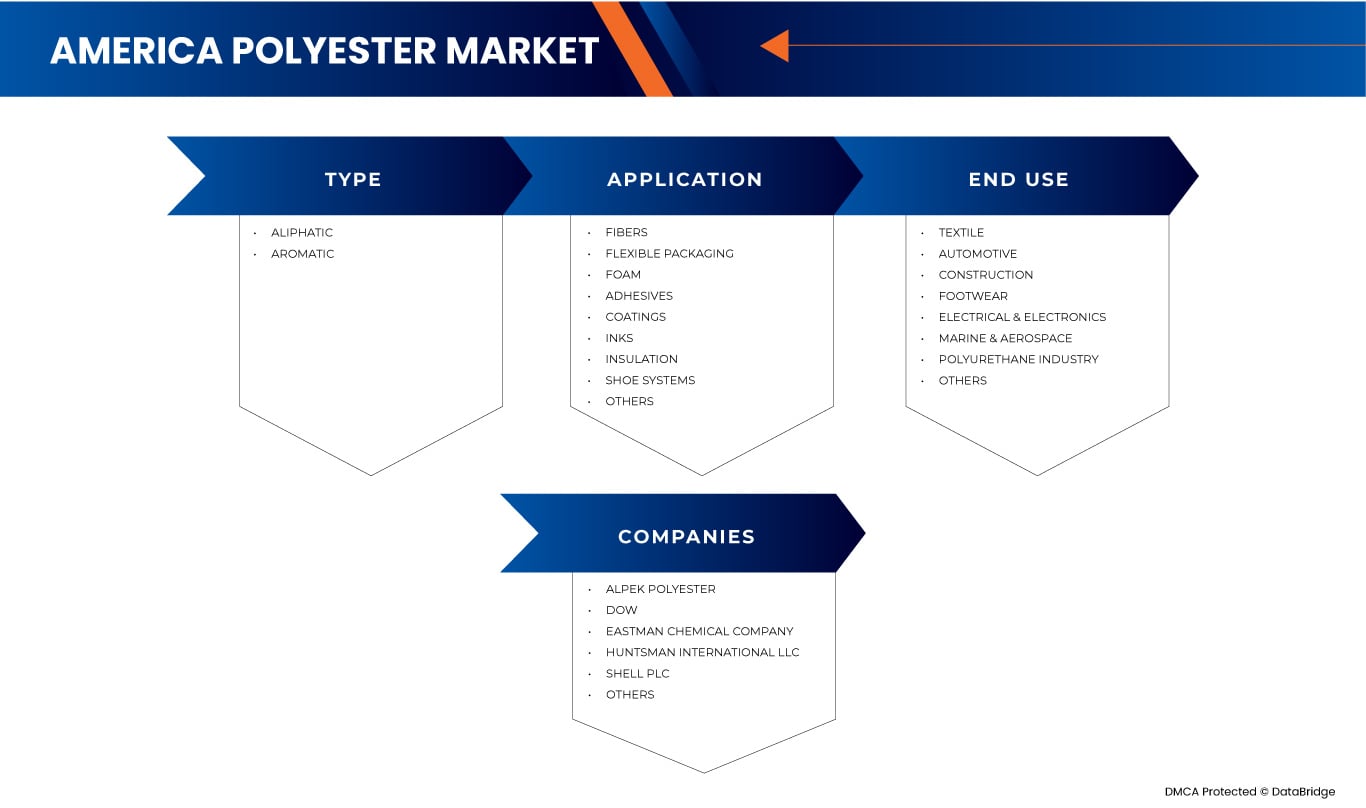
Рынок сегментирован на основе типа, применения и конечного использования. Рост среди этих сегментов поможет вам проанализировать скудные сегменты роста в отраслях и предоставить пользователям ценный обзор рынка и понимание рынка, чтобы помочь им принимать стратегические решения для определения основных рыночных приложений.
Тип
- алифатический
- ароматический
Применение
- волокно
- Гибкая упаковка
- пена
- Гибкая пена
- пенопласт
- клеи
- Покрытия
- чернила
- Изоляция
- Обувные системы
- Другие
конечное использование
- текстиль
- автомобильный
- Гибкие и жесткие пены
- Покрытия
- Адгезивы и герметики
- Строительство
- Покрытия и герметики
- клеи
- Изоляционные пены
- обувь
- Электроника и электроника
- Морской и аэрокосмический
- Полиуретановая промышленность
- Другие
Региональный анализ рынка Polyester
Рынок анализируется, и информация о размере рынка и тенденциях предоставляется по странам, типам, применению и конечному использованию, как указано выше.
Странами, охваченными рынком, являются США, Канада, Бразилия, Аргентина, Мексика, Колумбия, Чили, Перу, Венесуэла и остальная часть Америки.
США, по прогнозам, будут лидировать и быстро расти на рынке из-за высокого спроса на текстиль, передового производства, сильной упаковочной промышленности, растущих автомобильных приложений, инициатив в области устойчивого развития, технологических инноваций и основных игроков, способствующих расширению и развитию рынка.
В страновом разделе отчета также представлены отдельные факторы, влияющие на рынок, и изменения в регулировании на внутреннем рынке, которые влияют на текущие и будущие тенденции рынка. Точки данных, такие как анализ цепочки создания стоимости, технические тенденции и анализ пяти сил Портера, тематические исследования являются одними из указателей, используемых для прогнозирования рыночного сценария для отдельных стран. Кроме того, рассматриваются наличие и доступность глобальных брендов и их проблемы, с которыми сталкиваются из-за большой или скудной конкуренции со стороны местных и отечественных брендов, влияние внутренних тарифов и торговых маршрутов при предоставлении прогнозного анализа данных по стране.
Доля рынка Polyester
Конкурентный ландшафт рынка предоставляет детали конкурентам. Подробности включают в себя обзор компании, финансовые показатели компании, генерируемые доходы, рыночный потенциал, инвестиции в исследования и разработки, новые рыночные инициативы, глобальное присутствие, производственные площадки и объекты, производственные мощности, сильные и слабые стороны компании, запуск продукта, ширина и широта продукта, доминирование приложений. Приведенные выше данные касаются только фокуса компаний на рынке.
ПолиэстерЛидерами рынка, работающими на рынке, являются:
- Alpek Polyester (США)
- Dow (США)
- Eastman Chemical Company (США)
- Huntsman International LLC (США)
- Shell plc (Англия)
- Аркема (Франция)
- Coim Group (Италия)
- DIC CORPORATION (Япония)
- Repsol (Испания)
- Stepan Company (США)
Последние события на рынке Polyester
- В январе 2025 года Dow объявила о сотрудничестве с Brivaplast и TecnoGi для продвижения устойчивости в секторе предметов роскоши путем переработки несовершенных парфюмерных колпаков в высококачественные компоненты для роскошной обуви и кожаных изделий. Dow поставляет смолу SURLYN, используемую в производстве премиальных парфюмерных колпачков Brivaplast, ведущим производителем косметической упаковки. В то время как эти колпачки предназначены для соответствия строгим стандартам качества, некоторые детали считаются некачественными. Вместо того, чтобы отказаться от них, TecnoGi перенаправит несовершенные колпачки в компоненты для индустрии моды класса люкс. Эта инициатива демонстрирует приверженность цикличности и демонстрирует, как межотраслевое сотрудничество может сократить отходы и повысить стоимость.
- В декабре 2022 года Eastman и Krahn Chemie GmbH подписали соглашение, в котором говорится о распределении продукции Eastman по Центральной и Восточной Европе. Данное соглашение способствует расширению их бизнеса путем дистрибуции их продукции в различных регионах с благоприятными условиями и в оригинальной форме.
- В мае 2020 года Huntsman Corporation объявила о ребрендинге своего ведущего в мире бизнеса по производству полиуретановой пены под названием Huntsman Building Solutions. Huntsman Building Solutions является международной платформой под управлением подразделения Polyurethanes. Этот ребрендинг помог компании расширить свой бизнес в бизнесе пенополиуретана.
- В ноябре 2023 года Shell Chemicals была удостоена награды в рамках программы BNSF Sustainability Awards 2023. Наряду с девятью другими получателями, Shell Chemicals получила это признание от BNSF, известной североамериканской грузовой транспортной компании, за ее достижения в области устойчивых решений в течение года.
- В октябре 2024 года корпорация DIC объявила о разработке новой специализированной полифениленсульфидной (PPS) пленки, созданной в сотрудничестве с японской фирмой Unitika Ltd., предназначенной для снижения потерь передачи на высоких частотах. Благодаря своим низким диэлектрическим свойствам эта инновационная пленка идеально подходит для использования в печатных платах миллиметрового диапазона, которые необходимы для устройств связи следующего поколения и радара миллиметрового диапазона. Продукт уже прошел оценку нескольких производителей электронных материалов, и в настоящее время ведется подготовка к коммерческому производству.
SKU-
Получите онлайн-доступ к отчету на первой в мире облачной платформе рыночной аналитики

- Интерактивная панель анализа данных
- Панель анализа компании для возможностей с высоким потенциалом роста
- Доступ аналитика-исследователя для настройки и запросов
- Анализ конкурентов с помощью интерактивной панели
- Последние новости, обновления и анализ тенденций
- Используйте возможности сравнительного анализа для комплексного отслеживания конкурентов
Содержание
1 Введение
1.1 Цели исследования
1.2 Маркетологическое определение
1.3 Просмотр
1.4 Ограничения
1.5 МАРКЕТЫ
2 МАРКЕТНАЯ СЕГМЕНТАЦИЯ
2.1 Приняты меры
2.2 ГЕОГРАФИЧЕСКАЯ СКОПА
2,3 года, присланные на обучение
2.4 КУРРЕНСИЯ И ПРИЧИНА
2.5 DBMR TRIPOD DATA VALIDATION
2.6 МУЛЬТИВАРИАТНОЕ МОДЕЛИРОВАНИЕ
2.7 Первичное Интервью с ключевыми лидерами
2.8 DBMR MARKET POSITION GRID
2.9 МАРКЕТНАЯ ПРИМЕЧАНИЕ КОВЕРАГ ГРИД
2.1 Вторичные источники
2.11 Предложения
3 ИСПОЛНИТЕЛЬНАЯ РЕЗЮМЕ
4 Премиум Впечатления
4.1 ПЕСТЕЛЬНЫЙ АНАЛИЗ
4.1.1 Политические факторы
4.1.2 Экономические факторы
4.1.3 Социальные работники
4.1.4 Технические характеристики
4.1.5 ОБЩИЕ ФАКТОРЫ
4.1.6 Правовые факторы
4.2 Пять сил Портера
4.2.1 Угроза новых предпринимателей
4.2.2 Угроза субститутов
4.2.3 СОБРАЩАЮЩАЯСЯ ВЛАСТЬ ПОКУПАТЕЛЕЙ
4.2.4 СОБРАЩАЮЩАЯСЯ ВЛАСТЬ ПОСТОЯТЕЛЕЙ
4.2.5 Компетентное правосудие
4.3 ВАЖНОЕ ЭКСПОРТНОЕ СКЕНАРИО
4.4 Критерии отбора вендоров
4.4.1 Анализ затрат и выгод
4.4.2 Обеспечение качества и стандарты
4.4.3 Надежность и согласованность
4.4.4 ВЕНДОРНЫЕ УСЛОВИЯ И КАПАБИЛИТИИ
4.4.5 Финансовая стабильность и долговечность
4.4.6 Этические и устойчивые практики
4.5 Изменение климата
4.5.1 ОБЩИЕ КОНЦЕРНЫ
4.5.2 Ответы промышленных предприятий
4.5.3 Роль правительства
4.5.4 Аналитические рекомендации
4.6 Список потенциальных клиентов
4.7 RAW MATERIAL COVERAGE
4.7.1 ПРИРОДНЫЙ ТЕРЕФТАЛЬНЫЙ АКИД (ПТА)
4.7.2 MONOETHYLENE GLYCOL (MEG)
4.7.3 PARAXYLENE (PX)
4.7.4 DIMETHYL TEREPHTHALATE (DMT)
4.7.5 ЭТИЛЕНОВЫЙ ОКСИД (ЕО)
4.7.6 Биосодержащие и рециркулированные федстоксы
4.7.7 СОДЕРЖАНИЯ И КАТАЛИСТЫ
4.7.8 Включение
4.8 Вспомогательный анализ цепи
4.8.1 Проверка
4.8.2 ЛОГИСТИЧЕСКИЙ КОСТ СКЕНАРИО
4.8.3 ВАЖНОСТЬ ЛОГИСТИЧЕСКИХ СЕРВИСОВ ПРОВИДЕРОВ
4.9 Технические достижения производителей
4.9.1 УПРАВЛЕННЫЕ ТЕХНОЛОГИИ РЕЦИКЛЯЦИИ
4.9.2 БИО-БАСОВЫЙ ПОЛИСТЕР ПРОДУКЦИИ
4.9.3 Технология безводной смерти
4.9.4 Энергоэффективные производственные процессы
4.9.5 УМНЫЕ ТЕКСТИЛЫ И ФУНКЦИОННЫЙ ПОЛИСТЕР
4.9.6 УСТОЙЧИВЫЕ ДЕЯТЕЛЬНОСТИ И ЗЕЛЕНАЯ ХИМИСТРИЯ
4.9.7 КАРБОННАЯ КАПТУРА И СТОРОГА (ККС) ТЕХНОЛОГИИ
4.9.8 Включение
5 Регуляторный кодекс
6 МАРКЕТНЫЙ ОБЗОР
6.1 Водители
6.1.1 Растущий спрос на ПОЛИСТЕРОВ В АППАРЕЛЬНЫХ И ТЕСТИЛЯХ
6.1.2 Внедрение ПЭТОВЫХ БОТТЛЕВ И ФИЛЬМ В ПАКАГИРОВОЙ ИНДУСТРИИ
6.1.3 ПРИМЕЧАНИЕ ПИБЕРОВ ПОЛИЕСТЕРОВ И КОМПОЗИТОВ В АВТОМОТИВНЫХ И ИНДУСТРИАЛЬНЫХ ПРИМЕНЕНИЯх
6.2 УВЕДОМЛЕНИЯ
6.2.1 Количественность в сырых материальных ценах
6.2.2 ПРИМЕНЕНИЕ ПРЕДОСТАВЛЕННЫХ ПИБЕР
6.3 Положения
6.3.1 ОБЯЗАТЕЛЬНОЕ ВОПРОСАНИЕ УСТОЙЧИВОГО ПОЛИТЕРА В ДРУГИХ ИНДУСТРИЯХ
6.3.2 ПРЕДОСТАВЛЕНИЯ В БИО-БАСОВАННОМ И РЕЦИКЛЕДНОМ ПОЛИТЕРЕ
6.4 Вызовы
6.4.1 ЦЕННЫЕ ДИСРУПЦИИ И КОСТЫ ЛОГИСТИКИ
6.4.2 ТЕХНИЧЕСКИЕ ОТВЕТСТВЕННОСТИ В ПОЛИСЕСТРАННОЙ РЕЦИКЛЯЦИИ И ПРОЦЕССИИ
7 АМЕРИКАНСКИЙ ПОЛИСЕТНЫЙ МАРКЕТ
7.1 Проверка
7.2 АЛИФАТИКА
7.3 Ароматический
8 АМЕРИКАНСКИЙ ПОЛИСЕТНЫЙ МАРКЕТ
8.1 Проверка
8.2 Фиберы
8.3 ПРЕДПРИМЕЧАНИЕ
8.4 FOAM
8.5 Адхесивы
8.6 Покрытие
8.7 ИНК
8.8 ИНСУЛЯЦИЯ
8.9 Системы обуви
8.1 Другие
9 АМЕРИКАНСКИЙ ПОЛИСТЕР МАРКЕТ, К концу использования
9.1 Проверка
9.2 ТЕСТИЛЬ
9.3 Автомобили
9.4 Конструкция
9.5 Футвар
9.6 Электроника и электроника
9.7 МАРИН И АЭРОСПЕЙС
9.8 Индустрия ПОЛИУРЕТАНА
9.9 Другие
10 АМЕРИКАНСКИЙ ПОЛИСТЕР МАРКЕТ, СТРАНА
10.1 Америка
10.1.1 США.
10.1.2 Канада
10.1.3 БРАЗИЛ
10.1.4 Аргентина
10.1.5 МЕХИКО
10.1.6 Коломбия
10.1.7 Чайл
10.1.8 ПЕРУ
10.1.9 ВЕНЕЗУЕЛА
10.1.10 Продолжительность пребывания в Америке
11 АМЕРИКАНСКИЙ ПОЛИСЕТНЫЙ МАРКЕТ: КОМПАНИЯ ЛАНДСКАП
11.1 КОМПАНИЯ ДЛЯ АНАЛИЗА: АМЕРИКА
12 СВОТ АНАЛИЗ
13 КОМИТЕТНЫЕ ПРОФИЛЫ
13.1 ALPEK POLYESTER
13.1.1 КОМПАНИЯ СНАПШОТ
13.1.2 ПРОДУКТ ПОРТФОЛИО
13.1.3 ПРОЕКТ РАЗВИТИЯ
13.2 Двигатель
13.2.1 КОМПАНИЯ СНАПШОТ
13.2.2 РЕВЕННЫЙ АНАЛИЗ
13.2.3 ПРОДУКТ ПОРТФОЛИО
13.2.4 Обновлено
13.3 Восточная химическая компания
13.3.1 КОМПАНИЯ СНАПШОТ
13.3.2 НОВЫЕ ФИНАНСИАЛЫ
13.3.3 ПРОДУКТ ПОРТФОЛИО
13.3.4 ПРОЕКТ РАЗВИТИЯ
13.4 Международная компания HUNTSMAN
13.4.1 КОМПАНИЯ СНАПШОТ
13.4.2 РЕВЕННЫЙ АНАЛИЗ
13.4.3 ПРОДУКТ ПОРТФОЛИО
13.4.4 РАЗВИТИЯ РЕЦЕНТОВ
13.5 Шелл ПЛК
13.5.1 КОМПАНИЯ СНАПШОТ
13.5.2 РЕВЕННЫЙ АНАЛИЗ
13.5.3 ПРОДУКТ ПОРТФОЛИО
13.5.4 РАЗВИТИЕ/НОВОСТИ
13.6 Аркема
13.6.1 КОМПАНИЯ СНАПШОТ
13.6.2 РЕВЕННЫЙ АНАЛИЗ
13.6.3 ПРОДУКТ ПОРТФОЛИО
13.6.4 РАЗВИТИЕ/НОВОСТИ
13.7 ГРУППА КОИМ
13.7.1 КОМПАНИЯ СНАПШОТ
13.7.2 ПРОДУКТ ПОРТФОЛИО
13.7.3 ПРОЕКТ РАЗВИТИЯ
13.8 Корпорация DIC
13.8.1 КОМПАНИЯ СНАПШОТ
13.8.2 Финансисты
13.8.3 ПРОДУКТ ПОРТФОЛИО
13.8.4 ПРОЕКТ РАЗВИТИЯ
13.9 РЕЗЮМЕ
13.9.1 КОМПАНИЯ СНАПШОТ
13.9.2 Ревеневный анализ
13.9.3 ПРОДУКТ ПОРТФОЛИО
13.9.4 ПРОЕКТ РАЗВИТИЯ
13.1 СТЕПАН-КОМПАЙ
13.10.1 КОМПАНИЯ СНАПШОТ
13.10.2 РЕВЕННЫЙ АНАЛИЗ
13.10.3 ПРОДУКТ ПОРТФОЛИО
13.10.4 ПРОЕКТ РАЗВИТИЯ
14 Вопросник
15 СВЯЗАННЫХ РЕПОРТОВ
Список таблиц
СТАТЬЯ 1 ПОТЕНциальный клиент
СТАТЬЯ 2 ПРАВИТЕЛЬНАЯ КОВЕРАГИЯ
Таблица 3 АМЕРИКА ПОЛИСЕСТЕР МАРКЕТ, ВЫБОР, 2018-2032 (USD THOUSAND)
Таблица 4 АМЕРИКА ПОЛИСЕСТЕР МАРКЕТ, В ТИПЕ, 2018-2032 (ТОНС)
Таблица 5 АМЕРИКА ПОЛИСЕСТЕР МАРКЕТ, В ТИПЕ, 2018-2032 (USD/KG)
СТАТЬЯ 6 АМЕРИКАНСКИЙ ПОЛИЕСТЕР МАРКЕТ, ПРИМЕЧАНИЕ, 2018-2032 (USD THOUSAND)
СТАТЬЯ 7 АМЕРИКАНСКИЙ ПОЛИЕСТЕР МАРКЕТ, ПРИМЕЧАНИЕ, 2018-2032 (ТОНС)
СТАТЬЯ 8 АМЕРИКАНСКИЙ ПОЛИЕСТЕР МАРКЕТ, ПРИМЕЧАНИЕ, 2018-2032 (USD/KG)
СТАТЬЯ 9 АМЕРИКАНСКИЙ ФОМ В ПОЛИСТЕРНОМ МАРКЕТЕ, В ТИПЕ, 2018-2032 (USD THOUSAND)
СТАТЬЯ 10 АМЕРИКАНСКИЙ ПОЛИЕСТЕР МАРКЕТ, К концу использования, 2018-2032 (USD THOUSAND)
СТАТЬЯ 11 АМЕРИКАНСКИЙ ПОЛИЕСТЕР МАРКЕТ, К концу использования, 2018-2032 (ТОНС)
СТАТЬЯ 12 АМЕРИКАНСКИЙ ПОЛИСЕСТЕР МАРКЕТ, К концу использования, 2018-2032 (USD/KG)
СТАТЬЯ 13 АМЕРИКАНСКАЯ АВТОМОТИВА В ПОЛИСТЕРНОМ МАРКЕТЕ, В ТИПЕ, 2018-2032 (USD THOUSAND)
СТАТЬЯ 14 СТРОИТЕЛЬСТВО АМЕРИКИ В ПОЛИСТЕРНОМ МАРКЕТЕ, В ТИПЕ, 2018-2032 (USD THOUSAND)
СТАТЬЯ 15 АМЕРИКАНСКИЙ ПОЛИСЕСТЕР МАРКЕТ, СТРАНА, 2018-2032 (USD THOUSAND)
СТАТЬЯ 16 АМЕРИКАНСКИЙ ПОЛИСЕСТЕР МАРКЕТ, СТРАНА, 2018-2032 (ТОНС)
СТАТЬЯ 17 ПОЛИСТЕРНЫЙ МАРКЕТ США, ВЫБОР, 2018-2032 (USD THOUSAND)
СТАТЬЯ 18 ПОЛИСТЕРНЫЙ МАРКЕТ США, В ТИПЕ, 2018-2032 (ТОНС)
СТАТЬЯ 19 МАРКЕТ ПОЛИТЕРА США, ПРИМЕЧАНИЕ, 2018-2032 (USD THOUSAND)
Таблица 20 Полиэстер Маркет США, ПРИМЕЧАНИЕ, 2018-2032 (ТОНС)
СТАТЬЯ 21 ФОМ США В ПОЛИСЕСТРАННОМ МАРКЕТЕ, В ТИПЕ, 2018-2032 (USD THOUSAND)
22 U.S. POLYESTER MARKET, BY END USE, 2018-2032 (USD THOUSAND)
СТАТЬЯ 23 Полиэстер Маркет, К концу использования, 2018-2032 (ТОНС)
СТАТЬЯ 24 АВТОМОТИВА США В ПОЛИСТЕРНОМ МАРКЕТЕ, В ТИПЕ, 2018-2032 (USD THOUSAND)
СТАТЬЯ 25 СТРОИТЕЛЬСТВО США В ПОЛИСЕСТЕРНОМ МАРКЕТЕ, ВЫБОР, 2018-2032 (USD THOUSAND)
СТАТЬЯ 26 CANADA POLYESTER MARKET, BYYPE, 2018-2032 (USD THOUSAND)
Таблица 27 CANADA POLYESTER MARKET, BYYPE, 2018-2032 (ТОНС)
СТАТЬЯ 28 CANADA POLYESTER MARKET, ПОСТАНОВЛЕНИЕ, 2018-2032 (USD THOUSAND)
СТАТЬЯ 29 CANADA POLYESTER MARKET, BY APPLICATION, 2018-2032 (TONS)
Таблица 30 CANADA FOAM IN POLYESTER MARKET, BYPE, 2018-2032 (USD THOUSAND)
СТАТЬЯ 31 CANADA POLYESTER MARKET, К концу использования, 2018-2032 (USD THOUSAND)
Таблица 32 CANADA POLYESTER MARKET, К концу использования, 2018-2032
СТАТЬЯ 33 АВТОМОТИВА КАНАДА В ПОЛИСЕСТЕРНОМ МАРКЕТЕ, В ТИПЕ, 2018-2032 (USD THOUSAND)
СТАТЬЯ 34 КОНСТРУКЦИЯ КАНАДА В ПОЛИСТЕРНОМ МАРКЕТЕ, В ТИПЕ, 2018-2032 (USD THOUSAND)
СТАТЬЯ 35 БРАЗИЛЬСКИЙ ПОЛИСТЕР МАРКЕТ, В ТИПЕ, 2018-2032 (USD THOUSAND)
СТАТЬЯ 36 БРАЗИЛЬСКИЙ ПОЛИСТЕР МАРКЕТ, В ТИПЕ, 2018-2032 (ТОНС)
Таблица 37 БРАЗИЛЬСКИЙ ПОЛИСТЕР МАРКЕТ, ПРИМЕЧАНИЕ, 2018-2032 (USD THOUSAND)
СТАТЬЯ 38 БРАЗИЛЬСКИЙ ПОЛИСТЕР МАРКЕТ, ПРИМЕЧАНИЕ, 2018-2032 (ТОНС)
СТАТЬЯ 39 БРАЗИЛЬСКАЯ КЛУМА В ПОЛИСЕСТЕРНОМ МАРКЕТЕ, В ТИПЕ, 2018-2032 (USD THOUSAND)
СТАТЬЯ 40 БРАЗИЛЬСКИЙ ПОЛИСТЕР МАРКЕТ, К концу использования, 2018-2032 (USD THOUSAND)
СТАТЬЯ 41 БРАЗИЛЬСКИЙ ПОЛИСТЕР МАРКЕТ, К концу использования, 2018-2032 (ТОНС)
Таблица 42 БРАЗИЛЬСКАЯ АВТОМОТИВА В ПОЛИЕСТЕРНОМ МАРКЕТЕ, ВЫБОР, 2018-2032 (USD THOUSAND)
СТАТЬЯ 43 БРАЗИЛЬСКАЯ КОНСТРУКЦИЯ В ПОЛИСТЕРНОМ МАРКЕТЕ, В ТИПЕ, 2018-2032 (USD THOUSAND)
СТАТЬЯ 44 АРГЕНТИНА ПОЛИЕСТЕР МАРКЕТ, ВЫБОР, 2018-2032 (USD THOUSAND)
СТАТЬЯ 45 АРГЕНТИНА ПОЛИЕСТЕР МАРКЕТ, ВЫБОР, 2018-2032 (ТОНС)
СТАТЬЯ 46 АРГЕНТИНА ПОЛИЕСТЕР МАРКЕТ, ПРИМЕЧАНИЕ, 2018-2032 (USD THOUSAND)
СТАТЬЯ 47 АРГЕНТИНА ПОЛИЕСТЕР МАРКЕТ, ПРИМЕЧАНИЕ, 2018-2032 (ТОНС)
TABLE 48 ARGENTINA FOAM IN POLYESTER MARKET, BYPE, 2018-2032 (USD THOUSAND)
Таблица 49 Аргентина Полиэстер Маркет, К концу использования, 2018-2032 (USD THOUSAND)
Таблица 50 Аргентина Полиэстер Маркет, К концу использования, 2018-2032 (ТОНС)
СТАТЬЯ 51 АРГЕНТИНА АВТОМОТИВА В ПОЛИСЕСТЕРНОМ МАРКЕТЕ, ВЫБОР, 2018-2032 (USD THOUSAND)
СТАТЬЯ 52 АРГЕНТИНСКАЯ КОНСТРУКЦИЯ В ПОЛИСТЕРНОМ МАРКЕТЕ, В ТИПЕ, 2018-2032 (USD THOUSAND)
СТАТЬЯ 53 МЕХИКО ПОЛИСЕСТЕР МАРКЕТ, В ТИПЕ, 2018-2032 (USD THOUSAND)
Таблица 54 MEXICO POLYESTER MARKET, BYYPE, 2018-2032 (ТОНС)
Таблица 55 МЕХИКО ПОЛИСЕСТЕР МАРКЕТ, ПРИМЕЧАНИЕ, 2018-2032 (USD THOUSAND)
СТАТЬЯ 56 МЕХИКО ПОЛИЕСТЕР МАРКЕТ, ПРИМЕЧАНИЕ, 2018-2032 (ТОНС)
TABLE 57 MEXICO FOAM IN POLYESTER MARKET, BYPE, 2018-2032 (USD THOUSAND)
СТАТЬЯ 58 MEXICO POLYESTER MARKET, К концу использования, 2018-2032 (USD THOUSAND)
Таблица 59 MEXICO POLYESTER MARKET, К концу использования, 2018-2032
СТАТЬЯ 60 МЕХИКО АВТОМОТИВ В ПОЛИСЕСТРАННОМ МАРЕ, ВЫБОР, 2018-2032 (USD THOUSAND)
СТАТЬЯ 61 МЕХИКОВСКАЯ КОНСТРУКЦИЯ В ПОЛИСТЕРНОМ МАРКЕТЕ, СТАТЬЯ, 2018-2032 (USD THOUSAND)
СТАТЬЯ 62 КОЛОМБИЯ ПОЛИСЕСТЕР МАРКЕТ, ВЫБОР, 2018-2032 (USD THOUSAND)
СТАТЬЯ 63 COLOMBIA POLYESTER MARKET, BYYPE, 2018-2032 (ТОНС)
СТАТЬЯ 64 COLOMBIA POLYESTER MARKET, ПРИМЕЧАНИЕ, 2018-2032 (USD THOUSAND)
СТАТЬЯ 65 COLOMBIA POLYESTER MARKET, ПОСТАНОВЛЕНИЕ, 2018-2032 (ТОНС)
TABLE 66 COLOMBIA FOAM IN POLYESTER MARKET, BYPE, 2018-2032 (USD THOUSAND)
СТАТЬЯ 67 COLOMBIA POLYESTER MARKET, К концу использования, 2018-2032 (USD THOUSAND)
СТАТЬЯ 68 COLOMBIA POLYESTER MARKET, К концу использования, 2018-2032
СТАТЬЯ 69 COLOMBIA AUTOMOTIVE IN POLYESTER MARKET, BYPE, 2018-2032 (USD THOUSAND)
СТАТЬЯ 70 COLOMBIA CONSTRUCTION IN POLYESTER MARKET, BYPE, 2018-2032 (USD THOUSAND)
TABLE 71 CHILE POLYESTER MARKET, BYPE, 2018-2032 (USD THOUSAND)
Таблица 72 Чайл Полиэстер Маркет, КИП, 2018-2032 (ТОНС)
СТАТЬЯ 73 ЧИЛЬ ПОЛИЕСТЕР МАРКЕТ, ПРИМЕЧАНИЕ, 2018-2032 (USD THOUSAND)
Таблица 74 Чайл Полиэстер Маркет, ПРИМЕЧАНИЕ, 2018-2032 (ТОНС)
СТАТЬЯ 75 ЧИЛЬ ФОМ В ПОЛИСТЕРНОМ МАРКЕТЕ, КИП, 2018-2032 (USD THOUSAND)
Таблица 76 Чайл Полистер Маркет, К концу использования, 2018-2032 (USD THOUSAND)
Таблица 77 Чайл Полистер Маркет, К концу использования, 2018-2032 (ТОНС)
СТАТЬЯ 78 ЧИЛЬСКАЯ АВТОМОТИВА В ПОЛИСТЕРНОМ МАРКЕТЕ, В ТИПЕ, 2018-2032 (USD THOUSAND)
СТАТЬЯ 79 СТРОИТЕЛЬСКАЯ КОНСТРУКЦИЯ В ПОЛИСТЕРНОМ МАРКЕТЕ, В ТИПЕ, 2018-2032 (USD THOUSAND)
Таблица 80 PERU POLYESTER MARKET, BYYPE, 2018-2032 (USD THOUSAND)
СТАТЬЯ 81 ПЕРУ ПОЛИЕСТЕР МАРКЕТ, В ТИПЕ, 2018-2032 (ТОНС)
СТАТЬЯ 82 ПЕРУ ПОЛИЕСТЕР МАРКЕТ, ПРИМЕЧАНИЕ, 2018-2032 (USD THOUSAND)
СТАТЬЯ 83 ПЕРУ ПОЛИЕСТЕР МАРКЕТ, ПРИМЕЧАНИЕ, 2018-2032 (ТОНС)
СТАТЬЯ 84 ПЕРУ ФОАМ В ПОЛИСЕСТРАННОМ МАРКЕТЕ, В ТИПЕ, 2018-2032 (USD THOUSAND)
СТАТЬЯ 85 PERU POLYESTER MARKET, К концу использования, 2018-2032 (USD THOUSAND)
СТАТЬЯ 86 ПЕРУ ПОЛИЕСТЕР МАРКЕТ, К концу использования, 2018-2032 (ТОНС)
СТАТЬЯ 87 ПЕРУ АВТОМОТИВ В ПОЛИЕСТЕРНОМ МАРКЕТЕ, В ТИПЕ, 2018-2032 (USD THOUSAND)
СТАТЬЯ 88 СТРОИТЕЛЬСТВО ПЕРУ В ПОЛИСТЕРНОМ МАРКЕТЕ, В ТИПЕ, 2018-2032 (USD THOUSAND)
СТАТЬЯ 89 VENEZUELA POLYESTER MARKET, BYYPE, 2018-2032 (USD THOUSAND)
Таблица 90 VENEZUELA POLYESTER MARKET, BYYPE, 2018-2032 (ТОНС)
СТАТЬЯ 91 VENEZUELA POLYESTER MARKET, ПОСТАНОВЛЕНИЕ, 2018-2032 (USD THOUSAND)
СТАТЬЯ 92 VENEZUELA POLYESTER MARKET, BY APPLICATION, 2018-2032 (TONS)
СТАТЬЯ 93 ВЕНЕЗУЕЛА ФОМ В ПОЛИСЕСТРЕ МАРКЕТ, ВЫБОР, 2018-2032 (USD THOUSAND)
СТАТЬЯ 94 VENEZUELA POLYESTER MARKET, К концу использования, 2018-2032 (USD THOUSAND)
СТАТЬЯ 95 VENEZUELA POLYESTER MARKET, К концу использования, 2018-2032 (ТОНС)
СТАТЬЯ 96 ВЕНЕЗУЕЛЬСКАЯ АВТОМОТИВА В ПОЛИЕСТЕРНОМ МАРКЕТЕ, ВЫБОР, 2018-2032 (USD THOUSAND)
СТАТЬЯ 97 ВЕНЕЗУЕЛЬСКАЯ КОНСТРУКЦИЯ В ПОЛИСТЕРНОМ МАРКЕТЕ, ВЫБОР, 2018-2032 (USD THOUSAND)
98 REST OF AMERICA POLYESTER MARKET, BYPE, 2018-2032 (USD THOUSAND)
СТАТЬЯ 99 ПОЛЬЗОВАТЕЛЬСКИЙ МАРКЕТ АМЕРИКИ, СТАТЬЯ 2018-2032 (ТОНС)
Список рисунков
ФИГРАФИЯ 1 ПОЛИСЕТЕР АМЕРИКИ
ФИГРАФИЯ 2 ПОЛИСЕТЕР АМЕРИКИ: ТРИАНГУЛЯЦИЯ ДАННЫХ
ФИГРАЛЬ 3 ПОЛИСЕТЕР АМЕРИКИ: ДРОК АНАЛИЗИС
ФИГРА 4 ПОЛИСЕТНЫЙ МАРКЕТ АМЕРИКИ: АНАЛИЗ СТРАНЫ-МЫШКИ
ФИГРАФИЯ 5 ПОЛИСТЕРНЫЙ МАРКЕТ АМЕРИКИ: КОМПАНИЯ ИССЛЕДОВАНИЯ АНАЛИЗА
Рисунок 6 АМЕРИКАНСКИЙ ПОЛИЕСТЕР МАРКЕТ: МУЛЬТИВАРИАТНЫЙ МОДЕЛЛИНГ
ФИГРАФИЯ 7 ПОЛИСЕТНЫЙ МАРКЕТ АМЕРИКИ: ИНТЕРВЬЮ-ДЕМОГРАФИКА
ФИГРАЛЬ 8 ПОЛИСЕТЕР АМЕРИКИ: ПОЛИТИКА МАРКЕТА ДБМР
ФИГРАФИЯ 9 ПОЛИЕСТЕРНЫЙ МАРКЕТ АМЕРИКИ: ПРИМЕЧАНИЕ КОВЕРАЖНЫЙ ГРИД
ФИГРАЛ 10 ПОЛИСЕТЕР АМЕРИКИ: СЕГМЕНТАЦИЯ
ФИГРАФИЯ 11 ИСПОЛНИТЕЛЬНОЕ РЕЗЮМЕ
ФИГРАЛЬ 12 ДВА СЕГМЕНТА КОМПРИЗАЦИИ АМЕРИКАНСКОГО ПОЛИТЕРА МАРКЕТ, В ТИПЕ (2024)
Рисунок 13 СТРАТЕГИЧЕСКИЕ РЕШЕНИЯ
ФИГРА 14 Растущий спрос на ПОЛИСТЕРОВ В ОТНОШЕНИИ И ТЕКСТИЛЯХ ОЖИДАЕТСЯ ВЫВОДИТЬ ПОЛИСТЕРНЫЙ МАРКЕТ АМЕРИКИ
ФИГРА 15 АЛИФАТИЧЕСКОЕ ОБЯЗАТЕЛЬСТВО ОЖИДАЕТСЯ СОГЛАСИТЬСЯ ДЛЯ ЛАРГЕСТИЧЕСКОГО ДЕЯТЕЛЬСТВА АМЕРИКАНСКОГО ПОЛИТЕРА МАРКЕТА В 2025 И 2032 годах
ФИГРА 16 ПЕСТЕЛЬНЫЙ АНАЛИЗ
Рисунок 17 Пять сил Портера
Рисунок 18 ВАЖНОЕ ЭКСПОРТНОЕ СКЕНАРИО (USD THOUSAND)
Рисунок 19 Критерии выбора вендора
Рисунок 20 Водители, УВЕДОМЛЕНИЯ, ПОМОЩИ И ЗАЯВЛЕНИЯ ДЛЯ ПОЛИТЕРА АМЕРИКИ
ФИГРАФИЯ 21 ПОЛИСЕТЕР АМЕРИКИ: ПО ТИПУ, 2024
ФИГРАФИЯ 22 ПОЛИЕСТЕРНЫЙ МАРКЕТ АМЕРИКИ, ПОСТАНОВЛЕНИЕ, 2024
ФИГРАЛ 23 ПОЛИСЕТЕР АМЕРИКИ, К концу использования, 2024
ФИГРА 24 АМЕРИКА ПОЛИСТЕР МАРКЕТ: СНАПШОТ (2024)
25 АМЕРИКАНСКИЙ ПОЛИСЕСТЕР МАРКЕТ: КОМПАНИЯ ДЕЛЯ 2024 (%)

Методология исследования
Сбор данных и анализ базового года выполняются с использованием модулей сбора данных с большими размерами выборки. Этап включает получение рыночной информации или связанных данных из различных источников и стратегий. Он включает изучение и планирование всех данных, полученных из прошлого заранее. Он также охватывает изучение несоответствий информации, наблюдаемых в различных источниках информации. Рыночные данные анализируются и оцениваются с использованием статистических и последовательных моделей рынка. Кроме того, анализ доли рынка и анализ ключевых тенденций являются основными факторами успеха в отчете о рынке. Чтобы узнать больше, пожалуйста, запросите звонок аналитика или оставьте свой запрос.
Ключевой методологией исследования, используемой исследовательской группой DBMR, является триангуляция данных, которая включает в себя интеллектуальный анализ данных, анализ влияния переменных данных на рынок и первичную (отраслевую экспертную) проверку. Модели данных включают сетку позиционирования поставщиков, анализ временной линии рынка, обзор рынка и руководство, сетку позиционирования компании, патентный анализ, анализ цен, анализ доли рынка компании, стандарты измерения, глобальный и региональный анализ и анализ доли поставщика. Чтобы узнать больше о методологии исследования, отправьте запрос, чтобы поговорить с нашими отраслевыми экспертами.
Доступна настройка
Data Bridge Market Research является лидером в области передовых формативных исследований. Мы гордимся тем, что предоставляем нашим существующим и новым клиентам данные и анализ, которые соответствуют и подходят их целям. Отчет можно настроить, включив в него анализ ценовых тенденций целевых брендов, понимание рынка для дополнительных стран (запросите список стран), данные о результатах клинических испытаний, обзор литературы, обновленный анализ рынка и продуктовой базы. Анализ рынка целевых конкурентов можно проанализировать от анализа на основе технологий до стратегий портфеля рынка. Мы можем добавить столько конкурентов, о которых вам нужны данные в нужном вам формате и стиле данных. Наша команда аналитиков также может предоставить вам данные в сырых файлах Excel, сводных таблицах (книга фактов) или помочь вам в создании презентаций из наборов данных, доступных в отчете.











