



Global Aerospace Telemetry Market Segmentation, By Type (Radio and Satellite), Component (Sensors, Display, Transmitter, Recorder, and Control Devices), Equipment (Data Aquisition Unit, Telemetry Transmitters, Flight Termination Receivers, and Other Equipment), Application (Aircraft, Spacecraft, UAVs, Missiles, Guided Weapons, Civil Aviation, and Defense) - Industry Trends and Forecast to 2033
Каков размер и темпы роста рынка аэрокосмической телеметрии
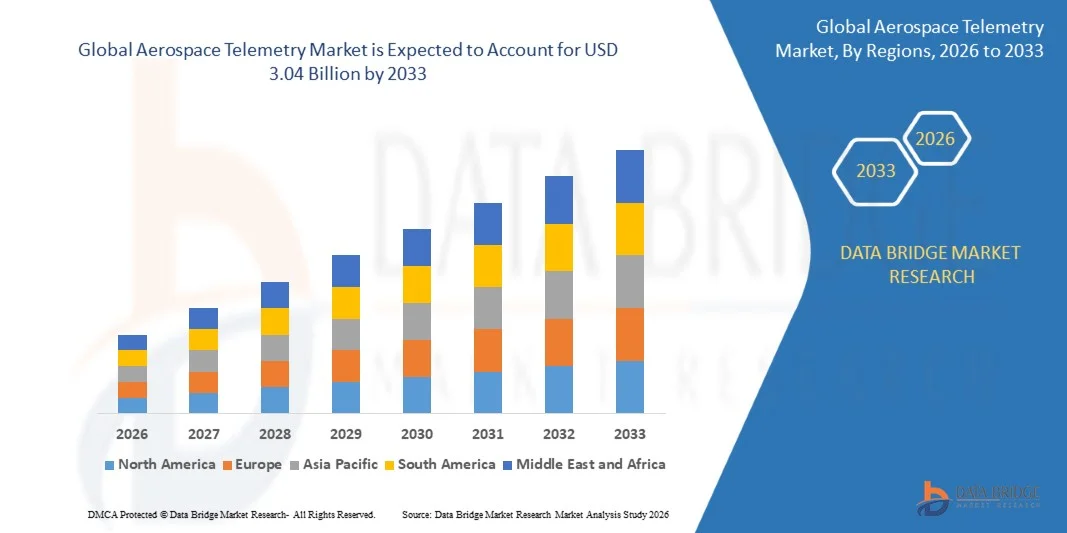
- По данным Data Bridge Market Research Analysis Объем мирового рынка аэрокосмической телеметрии оценивается в2,11 млрд долларов в 2025 годуОжидается, что он достигнет3,04 млрд долларов к 2033 году, вCAGR 4,7%в течение прогнозируемого периода
- Рост рынка в значительной степени обусловлен увеличением программ модернизации обороны, расширением инициатив в области БПЛА и ракет, а также растущими инвестициями в освоение космоса, которые стимулируют внедрение передовых аэрокосмических телеметрических систем для мониторинга и сбора данных в режиме реального времени.
- Кроме того, растущая потребность в точном, высокоскоростном сборе и передаче данных во время летных испытаний, спутниковых операций и полетов самолетов создает телеметрические решения в качестве важнейшего компонента в аэрокосмических и оборонных программах. Эти факторы ускоряют освоение передовых телеметрических технологий, тем самым значительно стимулируя рост рынка.
Размер рынка и прогноз
- Глобальная рыночная стоимость (2025):$2,11 млрд.
- Ожидаемая рыночная стоимость (2033):3,04 миллиарда долларов
- Прогноз CAGR (2026–2033):4.7%
Анализ рынка аэрокосмической телеметрии
- Системы аэрокосмической телеметрии состоят из аппаратных и программных решений, включая датчики, передатчики, блоки сбора данных и антенны, которые позволяют осуществлять мониторинг в реальном времени, запись данных и связь для самолетов, БПЛА, ракет, управляемого оружия, космических аппаратов и других аэрокосмических приложений.
- Растущий спрос на телеметрические системы в первую очередь обусловлен потребностью в точных приборах для летных испытаний, повышенной безопасности полетов и надежной передаче данных. Кроме того, растущие инвестиции правительств и коммерческих аэрокосмических организаций в высокопроизводительные телеметрические решения двигают рынок вперед в секторах обороны, гражданской авиации и космических исследований.
- Северная Америка доминирует на рынке аэрокосмической телеметрии с долей 38,7%В 2025 году благодаря высоким оборонным расходам, обширным программам аэрокосмических исследований и наличию ведущих производителей телеметрических систем.
- Ожидается, что Азиатско-Тихоокеанский регион станет самым быстрорастущим регионом на рынке аэрокосмической телеметрии в течение прогнозируемого периода из-за роста оборонных бюджетов, расширения программ БПЛА и ракет и увеличения инвестиций в освоение космоса в таких странах, как Китай, Япония и Индия.
- Сегмент радиосвязи доминировал на рынке с долей рынка 52,85% в 2025 году, благодаря его широкому распространению в области связи ближнего и среднего радиуса действия и передачи данных в режиме реального времени во время летных испытаний и военных операций. Системы радиотелеметрии предлагают низкую задержку, высокую надежность и экономически эффективное развертывание, что делает их очень подходящими для самолетов, БПЛА и ракетных программ. Их способность эффективно работать в контролируемых условиях и обеспечивать непрерывный мониторинг критических параметров полета усиливает их доминирование.
Сфера охвата и сегментация рынка аэрокосмической телеметрии
|
Атрибуты |
Аэрокосмическая телеметрия: ключевые идеи рынка |
|
Сегменты покрыты |
|
|
Страны, охваченные |
Северная Америка
Европа
Азиатско-Тихоокеанский регион
Ближний Восток и Африка
Южная Америка
|
|
Ключевые игроки рынка |
|
|
Рыночные возможности |
|
|
Информационные наборы данных с добавленной стоимостью |
В дополнение к рыночным идеям, таким как рыночная стоимость, темпы роста, сегменты рынка, географический охват, игроки рынка и рыночный сценарий, отчет о рынке, курируемый командой Data Bridge Market Research, включает углубленный экспертный анализ, анализ импорта / экспорта, анализ цен, анализ потребления продукции и анализ пестле. |
Каковы основные тенденции на рынке аэрокосмической телеметрии
«Растущее внедрение БПЛА и ракетных телеметрических систем»
- Ключевой тенденцией на рынке аэрокосмической телеметрии является растущее развертывание телеметрических систем в беспилотных летательных аппаратах (БПЛА) и ракетных платформах, обусловленное необходимостью точного сбора данных о полетах, мониторинга миссий и диагностики систем в режиме реального времени. Эта тенденция усиливает ситуационную осведомленность, улучшает механизмы управления и поддерживает критически важные операции в оборонных и космических программах.
- Например, Northrop Grumman и Lockheed Martin предоставляют передовые телеметрические решения для БПЛА и ракетных систем, предлагая каналы передачи данных в режиме реального времени, высокоточную обработку сигналов и безопасные каналы связи. Такие системы позволяют операторам отслеживать показатели производительности, траекторию полета и поведение полезной нагрузки во время сложных миссий.
- Расширение коммерческих операций беспилотных летательных аппаратов и военных беспилотных летательных аппаратов увеличивает спрос на телеметрические системы, способные к высокоскоростной передаче данных, дальней связи и экологической устойчивости. Эти возможности позиционируют телеметрию как жизненно важный компонент для надежных автономных и дистанционно пилотируемых операций.
- Сектор космических исследований интегрирует надежные телеметрические системы для спутников, ракет-носителей и планетарных зондов, где непрерывный мониторинг и обнаружение неисправностей имеют решающее значение. Это внедрение позволяет точно отслеживать, оптимизировать миссии и улучшить управление здоровьем космических аппаратов.
- Отрасли, занимающиеся аэрокосмическими исследованиями и разработками, используют телеметрию для поддержки испытаний, прототипирования и моделирования, где точные данные датчиков необходимы для проверки системы и повышения производительности. Таким образом, внедрение телеметрии формирует больше циклов аэрокосмического развития, основанных на данных.
- Растущее внимание к программам модернизации обороны в регионах способствует интеграции многоканальных и безопасных телеметрических систем. Эта тенденция усиливает роль телеметрии как основной технологии, которая лежит в основе принятия решений в режиме реального времени и успеха миссии.
Динамика рынка аэрокосмической телеметрии
водитель
«Увеличение программ модернизации обороны и космических исследований»
- Растущие инициативы по модернизации обороны и расширение миссий по исследованию космоса стимулируют спрос на сложные телеметрические системы, которые позволяют осуществлять мониторинг, контроль и анализ данных в режиме реального времени на воздушных и орбитальных платформах. Телеметрия имеет решающее значение для обеспечения успеха миссии, надежности системы и операционной безопасности.
- Например, НАСА использует передовую телеметрию в своих миссиях Artemis для мониторинга состояния космических аппаратов, траектории и критически важных параметров. Такие приложения подчеркивают стратегическое значение телеметрии в поддержке сложных аэрокосмических программ.
- Растущее развертывание БПЛА как в оборонном, так и в коммерческом секторах требует наличия телеметрических систем, способных управлять большими объемами данных, обеспечивать безопасную связь и обеспечивать точную навигацию. Эти требования стимулируют инновации и внедрение среди производителей.
- Спутниковые операторы и поставщики услуг по запуску инвестируют в высокопроизводительные телеметрические системы для оптимизации показателей успеха запуска, производительности спутников и механизмов обнаружения неисправностей. Эти инвестиции усиливают интеграцию телеметрии в критически важные операции.
- Расширение автономных и дистанционно пилотируемых аэрокосмических платформ требует телеметрических систем с расширенной обработкой сигналов, связью с низкой задержкой и обратной связью в режиме реального времени. Эта постоянная зависимость от телеметрических решений поддерживает непрерывный мониторинг системы и эффективность работы.
Сдержанность/вызов
«Высокая стоимость и сложность современных телеметрических систем»
- Рынок аэрокосмической телеметрии сталкивается с проблемами из-за высокой стоимости и технической сложности разработки, развертывания и обслуживания передовых телеметрических систем. Эти системы требуют точного оборудования, безопасных каналов передачи данных и сложного программного обеспечения, увеличивая инвестиционные требования и эксплуатационные расходы.
- Например, такие компании, как Honeywell Aerospace, внедряют высокоинтегрированные телеметрические решения с многодиапазонной связью, шифрованием сигналов и закалкой окружающей среды. Эти передовые функции повышают стоимость системы и требуют специализированного опыта для эксплуатации и обслуживания.
- Интеграция телеметрии на различных платформах, включая БПЛА, ракеты и спутники, включает в себя сложную системную инженерию и обширные испытания. Эта сложность способствует более длительным циклам разработки и более высокой общей стоимости владения для конечных пользователей.
- Зависимость от специализированных компонентов, таких как высокочастотные приемопередатчики, сигнальные процессоры и прочные антенны, создает зависимость от цепочки поставок и проблемы производства. Управление этими факторами важно для поддержания надежности системы и эффективности затрат.
- Соблюдение строгих нормативных стандартов и требований к конкретной миссии увеличивает инженерные усилия и испытания, необходимые для телеметрических решений. Эти ограничения в совокупности ограничивают быстрое принятие и требуют тщательного планирования, настройки системы и распределения ресурсов.
Объем рынка аэрокосмической телеметрии
Рынок сегментирован на основе типа, компонента, оборудования и применения.
• По типу
По типу рынок аэрокосмической телеметрии сегментирован на радио- и спутниковый. Сегмент радиотелеметрии доминировал на рынке с наибольшей долей выручки в 52,85% в 2025 году, что обусловлено его широким распространением в области связи ближнего и среднего радиуса действия и передачи данных в режиме реального времени во время летных испытаний и военных операций. Системы радиотелеметрии предлагают низкую задержку, высокую надежность и экономически эффективное развертывание, что делает их очень подходящими для самолетов, БПЛА и ракетных программ. Их способность эффективно работать в контролируемых условиях и обеспечивать непрерывный мониторинг критических параметров полета усиливает их доминирование. Кроме того, достижения в области технологий управления частотами и обработки сигналов повысили производительность и масштабируемость радиотелеметрических систем в различных аэрокосмических приложениях.
Ожидается, что в сегменте спутниковой телеметрии будут наблюдаться самые быстрые темпы роста с 2026 по 2033 год, что обусловлено растущим спросом на возможности связи на большие расстояния вне прямой видимости. Спутниковые системы обеспечивают бесшовное глобальное покрытие, что делает их необходимыми для космических аппаратов, дальних космических миссий и длительных операций БПЛА. Растущее число инициатив по исследованию космоса и запусков спутников значительно повышает спрос на решения для спутниковой телеметрии. Кроме того, достижения в области инфраструктуры спутниковой связи и интеграции высокопроизводительных спутников повышают эффективность передачи данных, способствуя быстрому расширению этого сегмента.
• по компонентам
На основе компонента рынок аэрокосмической телеметрии сегментирован на датчики, дисплей, передатчик, регистратор и устройства управления. Сегмент передатчиков доминировал на рынке в 2025 году, что обусловлено его важной ролью в обеспечении точной и непрерывной передачи данных о полетах на наземные станции. Передатчики необходимы для преобразования собранных данных в сигналы для связи в режиме реального времени, что делает их незаменимыми во всех системах аэрокосмической телеметрии. Растущий спрос на высокоскоростную передачу данных и надежную связь в сложных аэрокосмических миссиях также способствует росту сегмента. Кроме того, непрерывные технологические достижения в области миниатюризации и энергоэффективности повышают производительность передатчиков, укрепляя их лидирующие позиции на рынке.
Ожидается, что в сегменте датчиков будут наблюдаться самые высокие темпы роста с 2026 по 2033 год, чему способствует растущий спрос на точный сбор данных и мониторинг нескольких параметров полета. Датчики играют жизненно важную роль в получении важной информации, такой как температура, давление, скорость и структурная целостность во время полетов. Растущая сложность аэрокосмических систем и растущий акцент на безопасность и оптимизацию производительности способствуют внедрению передовых сенсорных технологий. Кроме того, интеграция интеллектуальных и IoT-сенсоров еще больше ускоряет рост, обеспечивая улучшенную аналитику в реальном времени и возможности прогнозного обслуживания.
• По оборудованию
На базе оборудования рынок аэрокосмической телеметрии сегментирован на блок сбора данных, телеметрические передатчики, приемники терминации полётов и другое оборудование. Сегмент подразделения сбора данных доминировал на крупнейшей доле рынка в 2025 году, что обусловлено его центральной ролью в сборе, обработке и управлении данными с различных бортовых датчиков. Эти устройства обеспечивают точную синхронизацию и интеграцию данных, что имеет решающее значение для эффективных телеметрических операций как в оборонной, так и в коммерческой аэрокосмической промышленности. Растущий спрос на анализ данных в режиме реального времени и принятие критически важных решений еще больше укрепляет доминирование этого сегмента. Кроме того, достижения в области цифровых технологий обработки и возможностей системной интеграции повышают эффективность и надежность устройств сбора данных.
Ожидается, что в сегменте телеметрических передатчиков будут наблюдаться самые высокие темпы роста с 2026 по 2033 год, что обусловлено растущей потребностью в высокоскоростных и безопасных системах передачи данных. По мере того, как аэрокосмические миссии становятся все более сложными, растет потребность в современных передатчиках, способных обрабатывать большие объемы данных с минимальной задержкой. Расширение БПЛА, ракетных систем и космических миссий вносит значительный вклад в рост сегмента. Кроме того, непрерывные инновации в технологиях беспроводной связи и использовании частотного спектра ускоряют внедрение передовых телеметрических передатчиков.
• Подача заявки
На основе применения рынок аэрокосмической телеметрии сегментирован на самолеты, космические аппараты, БПЛА, ракеты, управляемое оружие, гражданскую авиацию и оборону. Сегмент обороны доминировал на крупнейшей доле рынка в 2025 году, чему способствовало широкое использование телеметрических систем в ракетных испытаниях, операциях наблюдения и передовых программах военной авиации. Организации обороны в значительной степени полагаются на телеметрию для мониторинга в реальном времени, оценки эффективности и успеха миссии, что делает ее критически важным компонентом в современных военных системах. Увеличение оборонных бюджетов и увеличение инвестиций в передовые системы вооружений еще больше поддерживают рост сегмента. Кроме того, растущее внимание к национальной безопасности и технологическому превосходству продолжает стимулировать спрос на надежные телеметрические решения в оборонном секторе.
Ожидается, что в сегменте БПЛА будут наблюдаться самые быстрые темпы роста с 2026 по 2033 год, чему способствует быстрое расширение беспилотных авиационных систем как в коммерческих, так и в военных приложениях. БПЛА требуют эффективных телеметрических систем для навигации, управления и передачи данных в режиме реального времени, что обеспечивает значительный спрос на передовые решения. Растущее внедрение беспилотных летательных аппаратов в области наблюдения, логистики, сельского хозяйства и борьбы со стихийными бедствиями ускоряет рост сегмента. Кроме того, продолжающиеся достижения в области автономных летных технологий и систем связи повышают возможности БПЛА, способствуя росту спроса на телеметрические системы в этом сегменте.
Региональный анализ рынка аэрокосмической телеметрии
- Северная Америка доминировала на рынке аэрокосмической телеметрии с самой большой долей выручки 38,7% в 2025 году, чему способствовали высокие расходы на оборону, обширные программы аэрокосмических исследований и присутствие ведущих производителей телеметрических систем.
- Аэрокосмические организации и оборонные ведомства в регионе отдают приоритет передовым телеметрическим решениям для мониторинга полетов в режиме реального времени, испытаний ракет и эксплуатации БПЛА.
- Широкое распространение также поддерживается высокими технологическими возможностями, надежной инфраструктурой НИОКР и правительственными инициативами по модернизации обороны, что делает Северную Америку ключевым рынком для аэрокосмических телеметрических систем.
Рынок аэрокосмической телеметрии США Insight
Американский рынок аэрокосмической телеметрии занял самую большую долю доходов в 2025 году в Северной Америке, чему способствовали передовые военные программы страны и значительные инвестиции в инициативы по исследованию космоса. Агентства обороны все больше полагаются на телеметрию в реальном времени для мониторинга ракет, БПЛА и современных самолетов, повышая оперативную безопасность и успех миссии. Растущее внедрение спутниковой телеметрии и интеграция с аналитикой данных с поддержкой IoT также поддерживает рост рынка. Кроме того, сотрудничество с отечественными поставщиками телеметрических решений для обновления программного обеспечения и услуг ускоряет расширение рынка аэрокосмической телеметрии в США.
Европейский рынок аэрокосмической телеметрии Insight
По прогнозам, европейский рынок аэрокосмической телеметрии будет расширяться в течение прогнозируемого периода, в основном за счет растущих программ модернизации обороны и увеличения проектов освоения космоса. Растущее внедрение БПЛА и управляемого оружия в сочетании со спросом на точный сбор данных в режиме реального времени способствует росту рынка. Европейские аэрокосмические агентства подчеркивают высокую надежность и безопасные телеметрические решения для военных и гражданских применений. Сильная государственная поддержка и технологические достижения в аэрокосмических производственных центрах, таких как Германия, Франция и Италия, еще больше укрепляют рынок.
Британский рынок аэрокосмической телеметрии Insight
Ожидается, что в течение прогнозируемого периода рынок аэрокосмической телеметрии в Великобритании будет расти на примечательном уровне CAGR, что обусловлено инициативами по модернизации обороны и внедрением систем БПЛА для наблюдения и разведки. В аэрокосмической промышленности страны особое внимание уделяется передовым системам телеметрии для повышения точности данных, безопасности и операционной эффективности. Интеграция со спутниковыми сетями связи и передовыми технологиями сбора данных способствует расширению развертывания в оборонных и коммерческих приложениях.
Немецкий рынок аэрокосмической телеметрии Insight
Ожидается, что в течение прогнозируемого периода рынок аэрокосмической телеметрии Германии будет расширяться на значительном CAGR, чему будет способствовать сосредоточение страны на аэрокосмических инновациях и внедрении передовых технологий датчиков и передатчиков. Сильная аэрокосмическая производственная база Германии и приверженность высокоточному машиностроению способствуют использованию телеметрии как в военной, так и в гражданской авиации. Интеграция с устройствами сбора данных и решениями мониторинга в режиме реального времени становится все более распространенной, обеспечивая безопасность, эффективность и надежность работы.
Азиатско-Тихоокеанский рынок аэрокосмической телеметрии
Азиатско-Тихоокеанский рынок аэрокосмической телеметрии будет расти самыми быстрыми темпами в течение прогнозируемого периода с 2026 по 2033 год, что обусловлено ростом оборонных бюджетов, расширением программ БПЛА и ракет и увеличением инвестиций в освоение космоса в таких странах, как Китай, Япония и Индия. Растущее внимание региона к развитию местной аэрокосмической промышленности и внедрению передовых телеметрических систем способствует проникновению на рынок. Правительственные инициативы по поддержке «умной» оборонной и аэрокосмической инфраструктуры в сочетании с отечественными производственными возможностями делают телеметрические решения более доступными и экономически эффективными.
Японский рынок аэрокосмической телеметрии
Японский рынок аэрокосмической телеметрии набирает обороты благодаря внедрению передовых технологий, модернизации обороны и сосредоточению внимания на беспилотных и спутниковых программах. Япония делает упор на безопасные и надежные телеметрические решения для повышения безопасности и эффективности полетов как в коммерческих, так и в оборонных целях. Интеграция с телеметрией с поддержкой IoT и передовой аналитикой данных стимулирует рост рынка, в то время как быстрая урбанизация и старение населения стимулируют спрос на автоматизированные системы мониторинга.
Китайский рынок аэрокосмической телеметрии
Китайский рынок аэрокосмической телеметрии составил самую большую долю рынка в Азиатско-Тихоокеанском регионе в 2025 году, что объясняется растущими инвестициями в космические миссии, беспилотные летательные аппараты и управляемое оружие. Расширяющиеся оборонные и аэрокосмические программы Китая, наряду с сильными отечественными поставщиками телеметрических решений, поддерживают широкое распространение. Ориентация страны на интеллектуальную аэрокосмическую инфраструктуру и экономически эффективные телеметрические решения стимулирует рост в гражданских, военных и исследовательских приложениях.
Какие компании занимают ведущие позиции на рынке аэрокосмической телеметрии
Индустрия аэрокосмической телеметрии в основном возглавляется хорошо зарекомендовавшими себя компаниями, в том числе:
- Honeywell International Inc. (США)
- Сафран (Франция)
- BAE Systems (Великобритания)
- L-3Harris Technologies Inc. (США)
- Dassault Aviation (Франция)
- Orbit Communication Systems Ltd. (Израиль)
- Curtiss-Wright Corporation (США)
- Kongsberg Gruppen (Норвегия)
- Cobham Ltd. (Великобритания)
- Leonardo S.p.A. (Италия)
- NetAcquire Corporation (США)
- Сафран (Франция)
Последние разработки на мировом рынке аэрокосмической телеметрии
- В марте 2026 года Rocket Lab успешно завершила свою 85-ю миссию и свой первый специализированный запуск для Европейского космического агентства, продемонстрировав надежность и точность своей ракеты-носителя Electron для коммерческих и институциональных миссий. Это достижение подчеркивает растущую важность аэрокосмических телеметрических систем для точного мониторинга в режиме реального времени, сбора данных и послеполетного анализа во время запусков. Растущая частота развертывания коммерческих спутников и правительственных космических миссий стимулирует спрос на высокопроизводительные телеметрические решения, которые обеспечивают успех миссии и снижают операционные риски, стимулируя рост рынка.
- В ноябре 2025 года AeroVironment заключила контракт с Космическими силами США на поставку антенных систем с фазированной решеткой BADGER, которые имеют решающее значение для спутниковой связи и передачи телеметрических данных. Этот контракт укрепляет экосистему аэрокосмической телеметрии за счет улучшения высокопроизводительной инфраструктуры связи, которая поддерживает управление и контроль в режиме реального времени, точный мониторинг спутниковых операций и надежную доставку данных. Разработка отражает растущую зависимость от спутниковых систем с поддержкой телеметрии для оборонных и космических программ, ускорение внедрения и технологических инноваций на рынке.
- В марте 2025 года Командование военно-морских авиационных систем заключило контракт с подразделением оборонных решений Curtiss-Wright на сумму 50 миллионов долларов США на поставку высокоскоростного оборудования для систем сбора данных и ремонта для специального пула приборов для летных испытаний. Этот контракт подчеркивает важную роль телеметрии в проведении летных испытаний, что позволяет осуществлять непрерывный мониторинг, оценку производительности и техническое обслуживание испытательных самолетов. Повышая надежность и эффективность испытательных приборов, эта награда, как ожидается, будет стимулировать более высокий спрос на передовое оборудование и услуги телеметрии как в оборонных, так и в исследовательских приложениях.
- В феврале 2025 года Safran Defense & Space, Inc. получила заказ от Bell Textron Inc. на предоставление решений для испытаний на борту и на земле шести самолетов в рамках программы Future Long Range Assault Aircraft (FLRAA) армии США. Этот контракт иллюстрирует растущую зависимость от аэрокосмической телеметрии для самолетов вертикального подъема следующего поколения, что позволяет получать данные в режиме реального времени, анализировать производительность системы и проверять работоспособность. Интеграция сложных телеметрических решений в эти программы поддерживает более безопасные, более эффективные летные испытания и укрепляет рост рынка систем телеметрии оборонной авиации.
- В феврале 2025 года Safran Group заключила контракт на поставку летно-испытательного оборудования и антенн для программы FLRAA армии США, подчеркнув принятие телеметрических систем для точного мониторинга производительности самолетов и структурной целостности. Эта разработка подчеркивает растущий спрос на высокоточные телеметрические аппаратные средства и передовые компоненты связи в программах военной авиации. Обеспечивая беспрепятственный сбор данных и передачу сигналов во время тестирования, он усиливает расширение рынка за счет увеличения закупок бортовых приборов с поддержкой телеметрии и сопутствующих вспомогательных услуг.
SKU-
Получите онлайн-доступ к отчету на первой в мире облачной платформе рыночной аналитики

- Интерактивная панель анализа данных
- Панель анализа компании для возможностей с высоким потенциалом роста
- Доступ аналитика-исследователя для настройки и запросов
- Анализ конкурентов с помощью интерактивной панели
- Последние новости, обновления и анализ тенденций
- Используйте возможности сравнительного анализа для комплексного отслеживания конкурентов
Методология исследования
Сбор данных и анализ базового года выполняются с использованием модулей сбора данных с большими размерами выборки. Этап включает получение рыночной информации или связанных данных из различных источников и стратегий. Он включает изучение и планирование всех данных, полученных из прошлого заранее. Он также охватывает изучение несоответствий информации, наблюдаемых в различных источниках информации. Рыночные данные анализируются и оцениваются с использованием статистических и последовательных моделей рынка. Кроме того, анализ доли рынка и анализ ключевых тенденций являются основными факторами успеха в отчете о рынке. Чтобы узнать больше, пожалуйста, запросите звонок аналитика или оставьте свой запрос.
Ключевой методологией исследования, используемой исследовательской группой DBMR, является триангуляция данных, которая включает в себя интеллектуальный анализ данных, анализ влияния переменных данных на рынок и первичную (отраслевую экспертную) проверку. Модели данных включают сетку позиционирования поставщиков, анализ временной линии рынка, обзор рынка и руководство, сетку позиционирования компании, патентный анализ, анализ цен, анализ доли рынка компании, стандарты измерения, глобальный и региональный анализ и анализ доли поставщика. Чтобы узнать больше о методологии исследования, отправьте запрос, чтобы поговорить с нашими отраслевыми экспертами.
Доступна настройка
Data Bridge Market Research является лидером в области передовых формативных исследований. Мы гордимся тем, что предоставляем нашим существующим и новым клиентам данные и анализ, которые соответствуют и подходят их целям. Отчет можно настроить, включив в него анализ ценовых тенденций целевых брендов, понимание рынка для дополнительных стран (запросите список стран), данные о результатах клинических испытаний, обзор литературы, обновленный анализ рынка и продуктовой базы. Анализ рынка целевых конкурентов можно проанализировать от анализа на основе технологий до стратегий портфеля рынка. Мы можем добавить столько конкурентов, о которых вам нужны данные в нужном вам формате и стиле данных. Наша команда аналитиков также может предоставить вам данные в сырых файлах Excel, сводных таблицах (книга фактов) или помочь вам в создании презентаций из наборов данных, доступных в отчете.











