



Global Continuous Glucose Monitoring Market Segmentation, By Component (Integrated Insulin Pumps, Transmitters and Receivers and Sensors), Demographics (Child Population (14 Years)), End User (Clinics and Diagnostic Centers, Home Care, Private Clinics, Hospitals and Others)- Industry Trends and Forecast to 2033
Каков размер и обзор рынка непрерывного мониторинга глюкозы
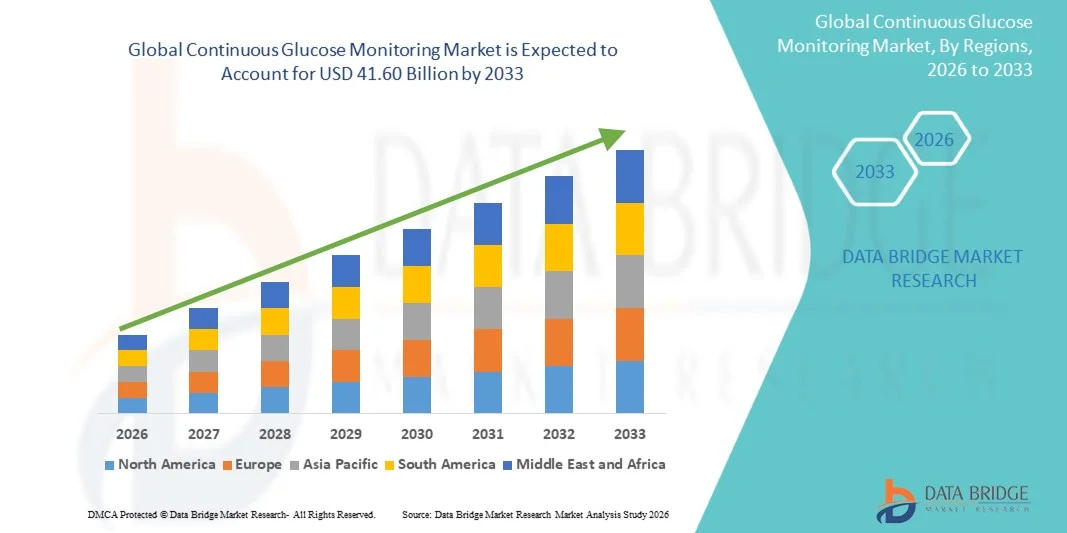
- Анализ рынка Data Bridge Market Research Мировой объем рынка непрерывного мониторинга глюкозы был оценен в12,69 млрд долларов в 2025 годуОжидается, что он достигнет41,60 млрд долларов к 2033 году, вCAGR 16.00%в течение прогнозируемого периода
- Рост рынка в значительной степени обусловлен растущей распространенностью диабета во всем мире и постоянными технологическими достижениями в носимых медицинских устройствах, что приводит к более широкому внедрению решений для мониторинга глюкозы в режиме реального времени как в домашних условиях, так и в клинических условиях. Растущий переход к цифровому управлению здоровьем и удаленному мониторингу пациентов еще больше ускоряет интеграцию систем непрерывного мониторинга глюкозы в повседневную помощь при диабете.
- Кроме того, растущий спрос пациентов на удобные, минимально инвазивные и точные решения для отслеживания глюкозы создает системы непрерывного мониторинга глюкозы в качестве предпочтительной альтернативы традиционным методам тестирования. Эти факторы ускоряют внедрение решений непрерывного мониторинга глюкозы, тем самым значительно повышая рост отрасли.
Размер рынка и прогноз
- Глобальная рыночная стоимость (2025) 12,69 млрд. долларов США
- Ожидаемая рыночная стоимость (2033): $41,60 млрд
- Прогноз CAGR (2026–2033): 16,00%
Каковы основные выводы рынка непрерывного мониторинга глюкозы
- Системы непрерывного мониторинга глюкозы, предлагающие отслеживание уровня глюкозы в крови в режиме реального времени с помощью носимых сенсорных технологий, стали важными инструментами в современном мире.Управление диабетомкак в домашних условиях, так и в клинических условиях из-за их точности, удобства и способности предоставлять непрерывную информацию о данных
- Растущий спрос на системы непрерывного мониторинга глюкозы в первую очередь подпитывается растущей глобальной распространенностью диабета, растущим внедрением носимых медицинских технологий и растущим предпочтением минимально инвазивных решений для мониторинга глюкозы, которые уменьшают необходимость частого тестирования пальцев.
- Северная Америка доминировала на рынке непрерывного мониторинга глюкозы с самой большой долей дохода в 44,8% в 2025 году, характеризующейся передовой инфраструктурой здравоохранения, сильными структурами возмещения, высокой осведомленностью о диабете и присутствием ведущих производителей КГМ. В США наблюдался значительный рост внедрения ХГМ, особенно среди диабетических групп населения 1-го и инсулинозависимого типа 2, чему способствовали технологические достижения, такие как обмен данными в режиме реального времени.смартфонинтеграция
- Ожидается, что Азиатско-Тихоокеанский регион станет самым быстрорастущим регионом на рынке непрерывного мониторинга глюкозы в течение прогнозируемого периода, который, по прогнозам, увеличится на 14,2%, что обусловлено быстрым ростом населения с диабетом, ростом расходов на здравоохранение, улучшением доступа к передовым медицинским устройствам и растущей осведомленностью о проактивном мониторинге глюкозы в таких странах, как Китай, Индия и Япония.
- Сегмент «Взрослое население» (> 14 лет) составил наибольшую долю доходов рынка в 68,2% в 2025 году, что объясняется высокой распространенностью диабета 2 типа среди взрослых во всем мире.
Сфера охвата иНепрерывный мониторинг сегментации рынка глюкозы
Атрибуты |
Непрерывный мониторинг Глюкозы ключевые идеи рынка |
|
Сегменты покрыты |
|
|
Страны, охваченные |
Северная Америка
Европа
Азиатско-Тихоокеанский регион
Ближний Восток и Африка
Южная Америка
|
|
Ключевые игроки рынка |
•Эбботт(США) |
|
Рыночные возможности |
|
|
Информационные наборы данных с добавленной стоимостью |
В дополнение к информации о рыночных сценариях, таких как рыночная стоимость, темпы роста, сегментация, географическое покрытие и основные игроки, рыночные отчеты, курируемые Data Bridge Market Research, также включают углубленный экспертный анализ, эпидемиологию пациентов, анализ трубопроводов, анализ цен и нормативную базу. |
Каковы основные тенденции на рынке непрерывного мониторинга глюкозы
"Развитие хирургического интеллекта в реальном времени и совместимость системы"
- Выдающейся и быстро развивающейся тенденцией на мировом рынке устройств для поддержки принятия решений с помощью ИИ является продвижение систем хирургического интеллекта в реальном времени, которые интегрируют изображения с высоким разрешением, прогнозную аналитику и алгоритмы машинного обучения непосредственно в рабочие процессы операционных комнат. Эти технологии превращают традиционные хирургические среды в управляемые данными экосистемы, способные поддерживать точное и обоснованное принятие решений во время сложных процедур.
- Например, такие платформы, как навигационная система StealthStation от Medtronic, позволяют хирургам визуализировать детализированные анатомические структуры внутриоперационно, повышая точность процедур и снижая риск осложнений. Такие системы объединяют данные визуализации с передовой аналитикой для руководства хирургическими действиями с повышенной уверенностью.
- Больницы и хирургические центры все чаще отдают приоритет решениям, которые легко интегрируются с платформами визуализации, электронными медицинскими записями и хирургическими технологиями с роботизированной помощью. Эта совместимость обеспечивает непрерывный поток данных, позволяя клиницистам получать доступ к критически важным сведениям о пациентах без нарушения процедурной эффективности.
- Растущее предпочтение минимально инвазивных и высокоточных операций еще больше усиливает спрос на интеллектуальные интраоперационные системы поддержки, которые улучшают визуализацию, оптимизируют хирургические пути и поддерживают клинические решения, основанные на фактических данных.
- Производители постоянно внедряют инновации для разработки комплексных платформ, которые объединяют возможности визуализации, аналитики на основе ИИ и прогнозного моделирования, тем самым удовлетворяя растущую сложность хирургических вмешательств и улучшая общую безопасность пациентов и результаты.
Непрерывный мониторинг динамики рынка глюкозы
водитель
«Растущее бремя сложных хирургических процедур и хронических заболеваний»
- Растущая глобальная распространенность хронических заболеваний и растущее число сложных хирургических процедур являются ключевыми факторами, ускоряющими внедрение интраоперационных устройств поддержки принятия решений с помощью ИИ. По мере того, как случаи заболевания пациентов становятся все более сложными, хирургам требуется передовая технологическая помощь для обеспечения точности, эффективности и улучшения клинических результатов.
- Например, роботизированная система NAV3 Stryker была широко принята в крупных больницах по всей территории Соединенных Штатов для повышения точности ортопедической хирургии, оптимизации рабочих процессов в операционных и снижения вероятности послеоперационных осложнений.
- Медицинские учреждения вкладывают значительные средства в передовые хирургические технологии, чтобы минимизировать ошибки, сократить время восстановления и оптимизировать показатели успеха процедур. Эти инвестиции согласуются с более широким сдвигом в сторону ценностного здравоохранения и стратегий лечения, ориентированных на результат.
- Технологические достижения, в том числе улучшенное разрешение изображений, аналитика в реальном времени и прогнозные идеи с поддержкой ИИ, укрепляют возможности принятия решений в интраоперационном режиме, позволяя хирургам вносить обоснованные корректировки во время процедур.
- Кроме того, увеличение расходов на здравоохранение, поддерживающие правительственные инициативы по продвижению передовых медицинских технологий и растущий акцент на доказательной хирургической практике в совокупности способствуют расширению этого рынка.
Сдержанность/вызов
"Высокие инвестиционные и регуляторные сложности"
- Существенные первоначальные капиталовложения, необходимые для систем поддержки принятия решений с помощью искусственного интеллекта, остаются значительным барьером, особенно для небольших больниц и хирургических центров в развивающихся регионах. Стоимость аппаратного обеспечения, интеграции программного обеспечения, технического обслуживания и модернизации может ограничить доступность, несмотря на очевидные клинические преимущества.
- Например, раннее внедрение системы кривой навигации Brainlab требовало значительных финансовых затрат, что затрудняло принятие решений для медицинских учреждений с ограниченным бюджетом.
- Например, в дополнение к финансовым соображениям, необходимость специализированной подготовки врачей и адаптации рабочих процессов может замедлить проникновение на рынок. Интеграция передовых технологий поддержки принятия решений в существующие хирургические протоколы требует времени, ресурсов и институциональной приверженности.
- Строгие процессы утверждения регулирующих органов и соответствие меняющимся стандартам безопасности и качества создают проблемы для производителей, стремящихся к своевременной коммерциализации продукции.
- Более того, скептицизм или ограниченная осведомленность о надежности и долгосрочной эффективности интраоперационных систем на основе искусственного интеллекта среди некоторых поставщиков медицинских услуг могут сдерживать принятие.
- Решение этих проблем с помощью стратегий оптимизации затрат, комплексных программ обучения, надежных рамок кибербезопасности и проверенных данных о клинических результатах будет иметь решающее значение для обеспечения устойчивого роста рынка и более широкого признания.
Как сегментируется рынок непрерывного мониторинга глюкозы
Рынок сегментирован на основе компонентов, демографии и конечного пользователя.
• по компонентам
На основе компонента рынок непрерывного мониторинга глюкозы сегментирован на интегрированные инсулиновые насосы, передатчики и приемники и датчики. Сегмент датчиков доминировал на рынке с самой большой долей выручки в 49,5% в 2025 году, что обусловлено их постоянным использованием и важной ролью в непрерывном отслеживании глюкозы. Датчики требуют периодической замены, что создает устойчивую генерацию доходов для производителей. Расширение внедрения систем КГМ в режиме реального времени среди пациентов с диабетом еще больше усиливает спрос. Технологические достижения улучшили точность датчиков, продолжительность износа и комфорт пациента. Больницы и домашние работники предпочитают минимально инвазивные датчики с расширенными интервалами калибровки. Рост распространенности диабета во всем мире значительно поддерживает рост сегмента. Интеграция с приложениями для смартфонов и облачными платформами повышает удобство использования. Регуляторные одобрения для усовершенствованных датчиков также повышают доверие среди поставщиков медицинских услуг. Сегмент выигрывает от сильной поддержки возмещения на развитых рынках. Непрерывные инновации в биосенсорах следующего поколения обеспечивают устойчивое доминирование.
Ожидается, что сегмент интегрированных инсулиновых насосов будет наблюдать самый быстрый CAGR в 17,8% с 2026 по 2033 год, что обусловлено растущим внедрением автоматизированных систем доставки инсулина. Интеграция CGM с инсулиновыми помпами позволяет создавать замкнутые системы, улучшая гликемический контроль и снижая риски гипогликемии. Увеличение спроса на искусственные системы поджелудочной железы ускоряет рост. Пациенты предпочитают интегрированные устройства для удобства и снижения ручного вмешательства. Технологические достижения в интеллектуальных алгоритмах и прогнозирование глюкозы на основе ИИ способствуют дальнейшему внедрению. Повышение осведомленности о передовых решениях для управления диабетом способствует расширению. Благоприятная политика возмещения в Северной Америке и Европе усиливает проникновение на рынок. Экспансия на развивающиеся рынки с растущим населением диабетиков способствует быстрому росту. Непрерывные инновации в продуктах и стратегическое сотрудничество между производителями устройств повышают динамику сегмента.
• Демография
На основе демографических данных рынок непрерывного мониторинга глюкозы подразделяется на детское население (≤14 лет) и взрослое население (>14 лет). Сегмент «Взрослое население» (> 14 лет) составил самую большую долю рынка в 68,2% в 2025 году, что объясняется высокой распространенностью диабета 2 типа среди взрослых во всем мире. Сидячий образ жизни, ожирение и старение населения значительно способствуют более широкому внедрению устройств CGM. Взрослые все чаще предпочитают непрерывный мониторинг для лучшего управления гликемией и предотвращения долгосрочных осложнений. Программы информирования о здоровье на рабочем месте и рекомендации врачей также стимулируют спрос. Растущее сознание здоровья и внедрение носимых технологий поддерживают рост сегмента. Страховое покрытие для лечения диабета у взрослых повышает доступность. Технологическая интеграция со смартфонами и носимыми устройствами повышает удобство. Более высокие показатели диагностики у взрослых еще больше усиливают доминирование.
Ожидается, что сегмент детского населения (≤14 лет) будет наблюдать самый быстрый CAGR в 16,4% с 2026 по 2033 год, что обусловлено увеличением заболеваемости диабетом 1 типа среди детей. Родители предпочитают CGM-системы для удаленного мониторинга и обеспечения безопасности. Интеграция с оповещениями смартфонов и уведомлениями о воспитателе поддерживает принятие. Правительственные инициативы по развитию детского диабета способствуют росту. Технологические достижения улучшили комфорт датчиков и уменьшили инвазивность, что делает их пригодными для детей. Пропагандистские кампании организаций здравоохранения еще больше способствуют принятию. Одобрение устройств, ориентированных на педиатрию, и расширение охвата возмещением ускоряют проникновение на рынок. Расширению сегмента также способствует расширение программ мониторинга здоровья на базе школ.
• Конечный пользователь
На основе конечного пользователя рынок сегментирован на клиники и диагностические центры, домашнюю помощь, частные клиники, больницы и другие. Сегмент госпиталей доминировал с долей рынка 38,9% в 2025 году, чему способствовали передовые программы по лечению диабета и доступ к квалифицированным медицинским работникам. Больницы используют устройства CGM для стационарного мониторинга глюкозы, особенно в отделениях неотложной помощи и хирургии. Наличие развитой диагностической инфраструктуры способствует внедрению устройств. Увеличение числа госпитализаций, связанных с осложнениями диабета, еще больше стимулирует спрос. Политика возмещения расходов и структурированные протоколы ухода усиливают использование больниц. Врачи полагаются на данные CGM для корректировки лечения и оптимизации инсулинотерапии. Стратегические партнерские отношения между больницами и производителями устройств повышают доступность. Растущие клинические исследования систем КГМ также поддерживают доминирование.
Ожидается, что сегмент домашнего ухода будет наблюдать самый быстрый CAGR в 18,6% с 2026 по 2033 год, что обусловлено растущим предпочтением самоконтроля и дистанционного управления диабетом. Пациенты все чаще используют CGM-устройства для ежедневного отслеживания глюкозы без частых посещений больницы. Интеграция со смартфонами, носимыми устройствами и платформами телемедицины обеспечивает удобство. Растущая осведомленность о проактивном контроле диабета стимулирует спрос. Благоприятное возмещение и модели поставок датчиков на основе подписки ускоряют внедрение. Увеличение проникновения интернета и цифровой грамотности повышают доступность. Технологические улучшения в носимых системах CGM еще больше поддерживают рост. Расширение программ лечения хронических заболеваний на дому в значительной степени способствует быстрому расширению сегмента.
Непрерывный мониторинг рынка глюкозы Региональный анализ
- Северная Америка доминировала на рынке непрерывного мониторинга глюкозы с самой большой долей дохода в 44,8% в 2025 году, характеризующейся передовой инфраструктурой здравоохранения, сильными структурами возмещения, высокой осведомленностью о диабете и присутствием ведущих производителей CGM, таких как Dexcom и Abbott.
- Хорошо зарекомендовавшие себя клинические рекомендации и страховые полисы региона значительно поддержали внедрение устройств среди пациентов с диабетом.
- Постоянные технологические достижения, в том числе отслеживание глюкозы в режиме реального времени, повышение точности датчиков и бесшовное подключение к смартфону, еще больше укрепили рост рынка как в больницах, так и в учреждениях по уходу на дому.
Непрерывный мониторинг рынка глюкозы в США
Рынок непрерывного мониторинга глюкозы в США занял самую большую долю доходов в 2025 году в Северной Америке, что обусловлено высокой распространенностью диабета и быстрым внедрением передовых технологий мониторинга глюкозы. Сильная поддержка со стороны государственных и частных плательщиков в сочетании с повышением осведомленности пациентов о проактивном лечении диабета ускорила использование КГМ. Усыновление особенно высоко среди диабетических групп населения 1 типа и инсулинозависимых 2 типа. Кроме того, такие функции, как обмен данными в режиме реального времени с воспитателями и медицинскими работниками, интеграция смартфонов и совместимость с инсулиновыми насосами, способствуют устойчивому расширению рынка в стране.
Европа: постоянный мониторинг рынка глюкозы
По прогнозам, рынок непрерывного мониторинга глюкозы в Европе будет расширяться при существенном CAGR в течение прогнозируемого периода, чему будет способствовать благоприятная государственная политика в области здравоохранения, рост распространенности диабета и растущий акцент на профилактической помощи. Страны по всему региону укрепляют механизмы возмещения расходов на КГМ-устройства, поощряя более широкий доступ пациентов. Повышение осведомленности о непрерывном отслеживании глюкозы и улучшении результатов лечения пациентов способствует внедрению в больницах и домашних условиях. Кроме того, технологические инновации и сотрудничество между поставщиками медицинских услуг и производителями устройств усиливают рост рынка.
Непрерывный мониторинг рынка глюкозы в Великобритании
Ожидается, что в течение прогнозируемого периода рынок непрерывного мониторинга глюкозы в Великобритании будет расти с заметным CAGR, что обусловлено расширением поддержки Национальной службы здравоохранения (NHS) для внедрения CGM и растущими инициативами по управлению диабетом. Повышенное внимание к снижению осложнений, связанных с диабетом, и госпитализации побуждают медицинских работников рекомендовать решения для мониторинга глюкозы в режиме реального времени. Кроме того, ожидается, что предпочтение пациентов минимально инвазивным, носимым системам мониторинга и улучшенному доступу через программы возмещения будет поддерживать рост рынка в стране.
Непрерывный мониторинг рынка глюкозы в Германии
Ожидается, что в течение прогнозируемого периода рынок непрерывного мониторинга глюкозы в Германии будет расширяться на значительном CAGR, чему будет способствовать сильная инфраструктура здравоохранения, поддерживающее статутное медицинское страхование и растущее внедрение цифрового здравоохранения. Фокус Германии на передовых медицинских технологиях и структурированных программах управления диабетом ускоряет проникновение ХГМ. Растущее признание носимых медицинских устройств и акцент на решениях о лечении, основанных на данных, также способствуют развитию рынка как в клинических, так и в личных медицинских учреждениях.
Азиатско-Тихоокеанский непрерывный мониторинг рынка глюкозы
Рынок непрерывного мониторинга глюкозы в Азиатско-Тихоокеанском регионе будет расти на самом быстром CAGR 14,2% в течение прогнозируемого периода, что обусловлено быстрым ростом населения с диабетом, ростом расходов на здравоохранение и улучшением доступа к передовым медицинским технологиям в таких странах, как Китай, Индия и Япония. Расширение урбанизации, малоподвижный образ жизни и диетические изменения значительно увеличили заболеваемость диабетом, создавая высокий спрос на эффективные решения для мониторинга глюкозы. Правительственные инициативы, способствующие ранней диагностике и лечению заболеваний, наряду с повышением осведомленности о проактивном контроле глюкозы, еще больше способствуют региональному росту.
Япония: постоянный мониторинг рынка глюкозы
Рынок непрерывного мониторинга глюкозы в Японии набирает обороты благодаря передовой системе здравоохранения страны, старению населения и сильному акценту на лечение хронических заболеваний. Растущая распространенность диабета среди пожилых людей способствует внедрению систем непрерывного мониторинга, которые обеспечивают удобство и отслеживание в режиме реального времени. Технологическая изощренность в сочетании с предпочтением пациентов компактным и точным носимым устройствам способствует более широкой интеграции систем CGM в повседневную помощь при диабете.
Китай продолжает мониторинг рынка глюкозы
Китайский рынок непрерывного мониторинга глюкозы составил самую большую долю доходов в Азиатско-Тихоокеанском регионе в 2025 году, что объясняется расширением населения страны с диабетом, ростом среднего класса и быстрой модернизацией инфраструктуры здравоохранения. Повышение осведомленности о непрерывном мониторинге глюкозы, наряду с улучшением доступности и внутренних производственных возможностей, укрепляет проникновение на рынок. Усилия правительства по улучшению управления хроническими заболеваниями и внедрению цифровых технологий также способствуют устойчивому росту рынка ХГМ в Китае.
Непрерывный мониторинг доли рынка глюкозы
Индустрия непрерывного мониторинга глюкозы в основном возглавляется хорошо известными компаниями, в том числе:
•Эбботт(США)
Dexcom, Inc. (США)
•Medtronic plc(Ирландия)
Senseonics Holdings, Inc. (США)
Roche Holding AG (Швейцария)
Ascensia Diabetes Care Holdings AG (Швейцария)
• Insulet Corporation (США)
Tandem Diabetes Care, Inc. (США)
• Ypsomed AG (Швейцария)
Novo Nordisk A/S (Дания)
• Санофи С.А. (Франция)
• B. Braun Melsungen AG (Германия)
GlySens Incorporated (США)
Nemaura Medical Inc. (Великобритания)
AgaMatrix, Inc. (США)
LifeScan IP Holdings, LLC (США)
Terumo Corporation (Япония)
Arkray, Inc. (Япония)
MicroTech Medical (Китай)
POCTech Co., Ltd. (Китай)
Последние события на мировом рынке непрерывного мониторинга глюкозы
- В июне 2021 года Abbott Laboratories объявила о разрешении FDA для своего приложения FreeStyle Libre 2 для iOS, что позволяет пользователям получать сигналы глюкозы в режиме реального времени непосредственно на своем iPhone, не требуя отдельного устройства считывания. Эта разработка повысила удобство пользователей и стала важным шагом на пути к интегрированным в смартфон решениям для лечения диабета.
- В декабре 2021 года Dexcom получила одобрение CE Mark для своей системы непрерывного мониторинга глюкозы Dexcom G7 в Европе. G7 представила уменьшенную конструкцию датчика и передатчика «все в одном» с более быстрым временем разогрева, улучшая комфорт и удобство использования для пациентов по сравнению с предыдущими поколениями.
- В августе 2022 года Abbott Laboratories запустила систему FreeStyle Libre 3 в США после получения разрешения FDA. Система, признанная одним из самых маленьких и тонких в мире CGM-датчиков, обеспечивала показания глюкозы в реальном времени, отправляемые непосредственно на смартфон каждую минуту, укрепляя конкурентные позиции Abbott на мировом рынке CGM.
- В апреле 2023 года Medtronic получила одобрение FDA США для своей системы MiniMed 780G с датчиком Guardian 4, усовершенствованной гибридной системой доставки инсулина с замкнутым контуром, которая объединяет данные CGM с автоматизированными настройками инсулина. Это утверждение укрепило интеграцию технологии CGM с автоматизированными платформами управления диабетом.
- В марте 2024 года Abbott Laboratories объявила о разрешении FDA для Lingo и Libre Rio, двух внебиржевых систем непрерывного мониторинга глюкозы, построенных на платформе FreeStyle Libre. Эти продукты расширили доступ к КГМ за пределами инсулинозависимых пациентов на более широкие потребительские и оздоровительные рынки.
- В августе 2024 года Dexcom запустила Stelo by Dexcom, свой первый внебиржевой CGM, предназначенный для взрослых с диабетом 2 типа, которые не используют инсулин. Этот стратегический шаг значительно расширил адресный рынок Dexcom и стал важной вехой в принятии CGM без рецепта.
- В октябре 2024 года Senseonics Holdings получила одобрение FDA США на систему непрерывного мониторинга глюкозы Eversense 365, первую имплантируемую CGM, рассчитанную на срок до одного года. Долгосрочная имплантируемая технология представляет собой прорыв в снижении частоты замены датчиков и улучшении соответствия долгосрочному мониторингу глюкозы.
- В апреле 2025 года Dexcom получила одобрение FDA на 15-дневную систему непрерывного мониторинга глюкозы Dexcom G7, что позволило продлить время износа датчиков при сохранении высоких стандартов точности. Длительность износа направлена на улучшение удобства пациента и снижение общих затрат на устройство в день использования.
SKU-
Получите онлайн-доступ к отчету на первой в мире облачной платформе рыночной аналитики

- Интерактивная панель анализа данных
- Панель анализа компании для возможностей с высоким потенциалом роста
- Доступ аналитика-исследователя для настройки и запросов
- Анализ конкурентов с помощью интерактивной панели
- Последние новости, обновления и анализ тенденций
- Используйте возможности сравнительного анализа для комплексного отслеживания конкурентов
Методология исследования
Сбор данных и анализ базового года выполняются с использованием модулей сбора данных с большими размерами выборки. Этап включает получение рыночной информации или связанных данных из различных источников и стратегий. Он включает изучение и планирование всех данных, полученных из прошлого заранее. Он также охватывает изучение несоответствий информации, наблюдаемых в различных источниках информации. Рыночные данные анализируются и оцениваются с использованием статистических и последовательных моделей рынка. Кроме того, анализ доли рынка и анализ ключевых тенденций являются основными факторами успеха в отчете о рынке. Чтобы узнать больше, пожалуйста, запросите звонок аналитика или оставьте свой запрос.
Ключевой методологией исследования, используемой исследовательской группой DBMR, является триангуляция данных, которая включает в себя интеллектуальный анализ данных, анализ влияния переменных данных на рынок и первичную (отраслевую экспертную) проверку. Модели данных включают сетку позиционирования поставщиков, анализ временной линии рынка, обзор рынка и руководство, сетку позиционирования компании, патентный анализ, анализ цен, анализ доли рынка компании, стандарты измерения, глобальный и региональный анализ и анализ доли поставщика. Чтобы узнать больше о методологии исследования, отправьте запрос, чтобы поговорить с нашими отраслевыми экспертами.
Доступна настройка
Data Bridge Market Research является лидером в области передовых формативных исследований. Мы гордимся тем, что предоставляем нашим существующим и новым клиентам данные и анализ, которые соответствуют и подходят их целям. Отчет можно настроить, включив в него анализ ценовых тенденций целевых брендов, понимание рынка для дополнительных стран (запросите список стран), данные о результатах клинических испытаний, обзор литературы, обновленный анализ рынка и продуктовой базы. Анализ рынка целевых конкурентов можно проанализировать от анализа на основе технологий до стратегий портфеля рынка. Мы можем добавить столько конкурентов, о которых вам нужны данные в нужном вам формате и стиле данных. Наша команда аналитиков также может предоставить вам данные в сырых файлах Excel, сводных таблицах (книга фактов) или помочь вам в создании презентаций из наборов данных, доступных в отчете.











