


Global Fuel Additive Market Segmentation, By Type (Deposit Control, Cetane Improvers, Lubricity Improvers, Cold Flow Improvers, Stability Improvers, Octane Improvers, and Corrosion Inhibitors), Application (Diesel Fuel Additives, Gasoline Fuel Additives, Aviation Fuel Additives, and Others) - Industry Trends and Forecast to 2033
Каков размер рынка топливных добавок и темпы роста
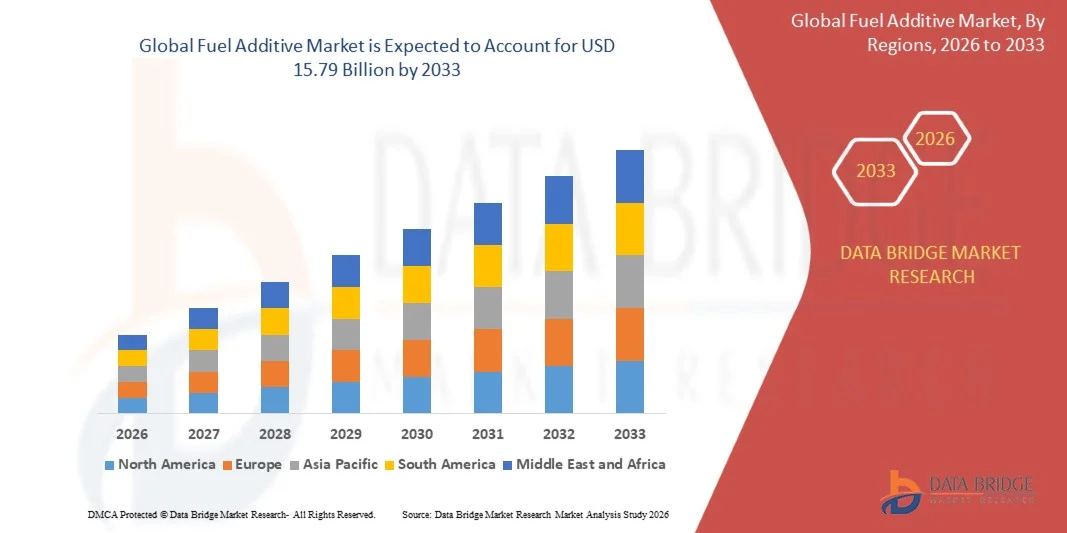
- По данным Data Bridge Market Research Analysis Объем мирового рынка топливных добавок оценивается в10,79 млрд долларов в 2025 годуОжидается, что он достигнет15,79 млрд долларов к 2033 году, вCAGR 4,88%в течение прогнозируемого периода
- Рост рынка в значительной степени обусловлен растущим спросом на более чистые виды топлива и строгими нормами выбросов, что стимулирует принятие топливных добавок, которые повышают производительность двигателя, повышают топливную эффективность и уменьшают вредные выбросы выхлопных газов.
- Кроме того, растущая индустриализация, растущее владение транспортными средствами и технологические достижения в разработке двигателей и топливных составов создают топливные добавки в качестве основных решений для автомобильного и промышленного применения. Эти сходящиеся факторы ускоряют поглощение высокоэффективных топливных добавок, тем самым значительно повышая рост отрасли.
Размер рынка и прогноз
- Глобальная рыночная стоимость (2025):$10,79 млрд.
- Ожидаемая рыночная стоимость (2033):$15,79 млрд.
- Прогноз CAGR (2026–2033):4.88%
Анализ топливно-аддитивного рынка
- Топливные добавки представляют собой химические соединения, добавленные в топливо для повышения их производительности, повышения эффективности сгорания, предотвращения отложений двигателя и сокращения выбросов. Эти добавки включают моющие средства, антиоксиданты, ингибиторы коррозии, усилители смазки и улучшители цетана или октана и широко используются в бензине, дизельном топливе и биотопливе.
- Растущий спрос на топливные добавки в первую очередь обусловлен необходимостью соблюдения экологических стандартов, повышения долговечности двигателя и оптимизации расхода топлива. Растущая осведомленность потребителей и отраслей в отношении устойчивости и операционной эффективности способствует внедрению решений для топливных добавок во всем мире.
- Северная Америка доминирует на рынке топливных добавок с долей в34,3% в 2025 году из-за широкого использования дизельных и бензиновых двигателей в транспортном, промышленном и коммерческом секторах.
- Ожидается, что Азиатско-Тихоокеанский регион станет самым быстрорастущим регионом на рынке топливных добавок в течение прогнозируемого периода из-за быстрой урбанизации, роста владения транспортными средствами и расширения промышленного и транспортного секторов в таких странах, как Китай, Индия и Япония.
- Сегмент управления депозитами доминировал на рынке с долей рынка около 40% в 2025 году из-за его критической роли в предотвращении залежей двигателей и поддержании оптимальной производительности топливного инжектора. Производители двигателей и операторы автопарка отдают приоритет аддитивам управления депозитами за их способность повышать эффективность сгорания, снижать затраты на техническое обслуживание и продлевать срок службы двигателя. Устойчивое внедрение также подпитывается нормативным акцентом на сокращение выбросов и топливную эффективность, что делает добавки для контроля за осаждением необходимыми как в дизельных, так и в бензиновых двигателях.
Сфера охвата и сегментация рынка топливных добавок
|
Атрибуты |
Топливная добавка Key Market Insights |
|
Сегменты покрыты |
|
|
Страны, охваченные |
Северная Америка
Европа
Азиатско-Тихоокеанский регион
Ближний Восток и Африка
Южная Америка
|
|
Ключевые игроки рынка |
|
|
Рыночные возможности |
|
|
Информационные наборы данных с добавленной стоимостью |
В дополнение к информации о рыночных сценариях, таких как рыночная стоимость, темпы роста, сегментация, географическое покрытие и основные игроки, рыночные отчеты, курируемые Data Bridge Market Research, также включают анализ экспорта импорта, обзор производственных мощностей, анализ потребления продукции, анализ ценового тренда, сценарий изменения климата, анализ цепочки поставок, анализ цепочки создания стоимости, обзор сырья / расходных материалов, критерии выбора поставщиков, анализ PESTLE, анализ Porter и нормативную базу. |
Каковы основные тенденции на рынке топливных добавок
«Растущее внедрение высокоэффективных и экологически чистых топливных добавок»
- Видной тенденцией на рынке топливных добавок является растущий сдвиг в сторону высокоэффективных и экологически чистых топливных добавок, обусловленный растущим акцентом на сокращение выбросов транспортных средств и повышение эффективности двигателя. Этот сдвиг способствует разработке составов, которые повышают сжигание топлива, снижают углеродный след и продлевают срок службы двигателя в автомобильных и промышленных применениях.
- Например, такие компании, как BASF и Afton Chemical, внедряют передовые моющие средства и улучшители сгорания, которые оптимизируют производительность двигателя при соблюдении экологических стандартов. Эти инновации позволяют автопроизводителям и операторам автопарка соблюдать более строгие нормы выбросов без ущерба для выработки электроэнергии.
- Спрос на био- и синтетические топливные добавки растет, поскольку правительства и регулирующие органы поощряют устойчивые энергетические решения. Эти добавки повышают стабильность топлива, уменьшают образование залежей и повышают общую энергоэффективность, поддерживая долгосрочные цели в области транспорта и логистики.
- На рынке наблюдается рост количества многофункциональных добавок, которые сочетают в себе очищающие, противоударные и смазочные свойства для обеспечения комплексных решений по производительности топлива. Это усиливает внедрение аддитивных пакетов, которые уменьшают износ двигателя, снижают затраты на техническое обслуживание и повышают надежность автомобиля.
- Такие отрасли, как авиация и морской транспорт, все чаще используют специализированные топливные добавки для поддержания целостности двигателя в экстремальных условиях эксплуатации. Добавки, улучшающие свойства холодного потока, защиту от коррозии и эффективность сгорания топлива, становятся стандартными требованиями для высокопроизводительных операций.
- Повышение осведомленности потребителей об экономии топлива и воздействии на окружающую среду влияет на решения о покупке, побуждая производителей внедрять инновации с более экологичными и эффективными аддитивными решениями. Эта тенденция продолжает стимулировать инвестиции в исследования и разработки для топливных добавок следующего поколения.
Динамика рынка топлива
водитель
«Увеличение спроса на более чистое топливо и эффективность двигателя»
- Растущий акцент на сокращении выбросов транспортных средств и повышении долговечности двигателя стимулирует спрос на топливные добавки, которые повышают эффективность сгорания и снижают выброс загрязняющих веществ. Эти добавки позволяют двигателям работать оптимально при соблюдении более строгих стандартов топлива, установленных правительствами и экологическими агентствами.
- Например, Chevron Oronite обеспечивает топливные моющие добавки, которые повышают эффективность сжигания топлива и уменьшают отложения углерода, поддерживая более чистые операции в автомобильных и промышленных двигателях. Такие решения имеют решающее значение для операторов автопарка, стремящихся сбалансировать производительность и соответствие нормативным требованиям.
- Растущее внедрение высокопроизводительных транспортных средств и тяжелых машин увеличивает зависимость от топливных добавок, которые предотвращают сбивание двигателя, улучшают смазку и поддерживают термостабильность. Это повышает срок службы двигателя и эксплуатационную надежность в транспортном и промышленном секторах.
- Глобальный толчок к устойчивому топливу и сокращению выбросов парниковых газов расширяет рынок экологически чистых аддитивных решений. Добавки, которые обеспечивают совместимость биотоплива и снижение содержания серы, становятся ключевыми инструментами для производителей и поставщиков топлива.
- Повышение нормативных требований к качеству топлива и нормам выбросов продолжает усиливать этот спрос. Требование к более высокой топливной эффективности и более чистому сгоранию заключается в позиционировании топливных добавок в качестве основных средств обеспечения современных характеристик двигателя.
Сдержанность/вызов
«Строгие нормативные требования и высокие производственные затраты»
- Рынок топливных добавок сталкивается с проблемами из-за строгих нормативных стандартов, которые регулируют разработку, производительность и воздействие на окружающую среду. Соблюдение ограничений выбросов, правил химической безопасности и требований к качеству топлива увеличивает сложность и эксплуатационные расходы для производителей.
- Например, Infineum должна придерживаться глобальных стандартов выбросов, таких как правила Евро-6 и Tier 3, при производстве высокоэффективных добавок, что приведет к значительным инвестициям в НИОКР и испытания. Эти обязательства по соблюдению способствуют более длительным циклам развития и увеличению производственных расходов.
- Разработка высокоэффективных и экологически чистых добавок часто требует дорогостоящего сырья и сложных методов химической обработки. Эта комбинация увеличивает общие производственные затраты и влияет на стратегии ценообразования на рынке.
- Протоколы обеспечения качества и испытаний топливных добавок являются обширными, поскольку производительность в условиях переменного двигателя должна быть подтверждена. Эти процедуры еще больше расширяют сроки производства и увеличивают эксплуатационные накладные расходы для поставщиков.
- Масштабирование производства при обеспечении последовательной аддитивной производительности и соответствия нормативным требованиям остается серьезной проблемой. Производители должны сбалансировать эффективность затрат со строгими стандартами качества, которые ограничивают гибкость и влияют на потенциал роста рынка.
Сфера рынка топлива
Рынок сегментирован на основе типа и применения.
• По типу
По типу рынок топливных присадок сегментирован на депозитный контроль, цетановые очистители, очистители смазки,Улучшение холодного потока, улучшители стабильности, улучшители октана и ингибиторы коррозии. Сегмент управления депозитами доминировал на крупнейшей доле рынка около 40% в 2025 году, что обусловлено его критической ролью в предотвращении депозитов двигателей и поддержании оптимальной производительности топливного инжектора. Производители двигателей и операторы автопарка отдают приоритет аддитивам управления депозитами за их способность повышать эффективность сгорания, снижать затраты на техническое обслуживание и продлевать срок службы двигателя. Сильное внедрение также подпитывается нормативным акцентом на сокращение выбросов и топливную эффективность, что делает добавки для контроля за осаждением необходимыми как в дизельных, так и в бензиновых двигателях. Их совместимость с широким спектром типов двигателей и составов топлива еще больше укрепляет их позиции на рынке.
Ожидается, что в сегменте цетановых улучшителей будут наблюдаться самые быстрые темпы роста с 2026 по 2033 год, чему способствует растущий спрос на дизельные двигатели в коммерческом и транспортном секторах. Улучшители цетана повышают качество зажигания, что приводит к более плавной работе двигателя, снижению выбросов и улучшению экономии топлива. Например, такие компании, как BASF, внедряют высокопроизводительные ускорители цетана, предназначенные для современных дизельных двигателей. Ожидается, что более пристальное внимание к соблюдению строгих норм выбросов и повышению эффективности двигателей в странах с формирующейся рыночной экономикой ускорит их принятие. Кроме того, их простота интеграции в существующие дизельные составы делает их предпочтительным выбором среди топливных блендеров.
• Подача заявки
На основе применения рынок топливных добавок сегментирован на дизельные топливные добавки, бензиновые топливные добавки, авиационные топливные добавки и другие. Дизельные топливные добавки доминировали на рынке в 2025 году, чему способствовало широкое использование дизельных двигателей в транспортном, логистическом и промышленном секторах. Дизельные добавки помогают повысить эффективность сгорания, уменьшить выбросы твердых частиц и повысить долговечность двигателя, что делает их критически важными как для коммерческих автопарков, так и для отдельных владельцев транспортных средств. Нормативно-правовые требования к снижению выбросов в дизельных двигателях также поддерживают постоянное внедрение добавок к дизельному топливу на зрелых и развивающихся рынках. Их эффективность в условиях холодной погоды и стабильность топлива еще больше укрепляют доминирование на рынке.
Ожидается, что с 2026 по 2033 год бензиновые топливные добавки станут свидетелями самых быстрых темпов роста, чему будет способствовать растущий спрос на высокоэффективные пассажирские транспортные средства и более чистое топливо. Эти добавки улучшают уровни октана, предотвращают стуки двигателя и уменьшают образование отложений, повышая общую эффективность двигателя и долговечность. Например, такие компании, как Chevron Oronite, разработали усовершенствованные составы бензиновых добавок, которые оптимизируют производительность двигателя при соблюдении экологических стандартов. Растущее внедрение премиальных видов топлива и повышение осведомленности потребителей о техническом обслуживании двигателей способствуют их ускорению роста. Кроме того, их роль в сокращении выбросов и поддержке экономии топлива делает их все более актуальными как на развитых, так и на развивающихся рынках.
Региональный анализ рынка топлива
- Северная Америка доминировала на рынке топливных добавок с самой большой долей дохода 34,3% в 2025 году, что обусловлено широким использованием дизельных и бензиновых двигателей в транспортном, промышленном и коммерческом секторах.
- Потребители и операторы автопарка в регионе отдают приоритет добавкам, которые повышают топливную экономичность, уменьшают отложения двигателей и обеспечивают соблюдение строгих правил выбросов.
- Рынок также поддерживается высокой осведомленностью о передовых составах топлива, технологически сложных транспортных средствах и надежной нормативной базе, способствующей более чистым видам топлива.
Американский рынок топливной добавки Insight
Американский рынок топливных добавок занял самую большую долю доходов в 2025 году в Северной Америке, чему способствовало растущее использование высокоэффективных видов топлива и растущий спрос на решения по сокращению выбросов. Переход к более чистым видам топлива и соблюдение нормативных требований способствует внедрению топливных добавок в бензиновых и дизельных двигателях. Например, Chevron Phillips Chemical Company предлагает современные моющие средства и улучшители сгорания, которые повышают эффективность использования топлива при одновременном снижении вредных выбросов. Кроме того, растущие потребительские предпочтения автомобилей с более длительным сроком службы двигателя и лучшей производительностью способствуют дальнейшему росту рынка. Расширение присутствия нефтеперерабатывающей и нефтехимической промышленности также поддерживает широкую доступность и разработку составов топливных добавок.
Европейское исследование рынка топлива
По прогнозам, европейский рынок топливных добавок будет расширяться со значительным CAGR в течение прогнозируемого периода, что обусловлено жесткими стандартами выбросов и растущей потребностью в эффективности использования топлива в коммерческих и пассажирских транспортных средствах. Увеличение урбанизации, тенденции электрификации транспортных средств и внедрение биотоплива стимулируют спрос на специализированные добавки. Европейские потребители и промышленные предприятия все чаще предпочитают добавки, которые повышают производительность двигателя при одновременном снижении воздействия на окружающую среду. Рынок демонстрирует рост в области применения дизельного и бензинового топлива, при этом широко используются усовершенствованные средства контроля за депозитами и октановые улучшители.
Британский рынок топливной добавки Insight
Ожидается, что в течение прогнозируемого периода рынок топливных добавок в Великобритании будет расти при заметном CAGR, что обусловлено строгими нормативными требованиями к более чистым видам топлива и повышенным вниманием к долговечности и производительности двигателя. Растущая осведомленность владельцев транспортных средств об экономии топлива и сокращении выбросов стимулирует внедрение высокоэффективных топливных добавок. Рынок также поддерживается хорошо зарекомендовавшим себя автомобильным сектором страны и растущим предпочтением премиальных топливных составов, которые интегрируют передовые аддитивные решения.
Германия проанализирует рынок топлива
Немецкий рынок топливных добавок будет расширяться на значительном CAGR, что обусловлено высоким производством автомобилей, технологическими достижениями в области эффективности двигателя и строгими европейскими нормами выбросов. Немецкие потребители и операторы автопарка демонстрируют растущее предпочтение добавкам, которые повышают стабильность топлива, смазку и качество цетана. Интеграция добавок как в коммерческое, так и в пассажирское топливо, а также поддержка устойчивых составов топлива способствуют сильному росту рынка.
Азиатско-Тихоокеанский рынок топливной добавки
Ожидается, что Азиатско-Тихоокеанский рынок топливных добавок будет расти самыми быстрыми темпами в течение прогнозируемого периода с 2026 по 2033 год, что обусловлено быстрой урбанизацией, ростом владения транспортными средствами и расширением промышленного и транспортного секторов в таких странах, как Китай, Индия и Япония. Растущее внедрение дизельных и бензиновых топливных добавок, поддерживаемое правительственными инициативами по более чистым видам топлива и контролю выбросов, повышает спрос. Более того, появление APAC в качестве крупного производственного центра для компонентов и составов топливных добавок улучшает доступность и доступность, способствуя проникновению на рынок как в городских, так и в полугородских регионах.
Японский рынок топлива Insight
Японский рынок топливных добавок набирает обороты из-за высокого внимания страны к эффективности двигателя, контролю выбросов и технологическим достижениям в автомобильных топливных системах. Японские потребители и коммерческие операторы все чаще предпочитают топливные добавки, которые улучшают качество цетана, смазку и контроль за осаждением как дизельных, так и бензиновых двигателей. Принятие также поддерживается большим количеством современных транспортных средств, строгими правилами выбросов и интеграцией добавок в промышленное и авиационное топливо.
Китай проанализировал рынок топлива
Китайский рынок топливных добавок составил самую большую долю доходов в Азиатско-Тихоокеанском регионе в 2025 году, чему способствовала быстрая индустриализация, рост автопарка и внедрение высоких технологий в автомобильном и транспортном секторах. Сильные правительственные инициативы, направленные на продвижение более чистых видов топлива, расширение сетей распределения топлива и присутствие отечественных производителей, производящих экономически эффективные аддитивные решения, являются основными драйверами роста. Акцент Китая на топливной эффективности и сокращении выбросов в сочетании с растущим внедрением дизельных и бензиновых топливных добавок в жилых, коммерческих и промышленных приложениях продолжает продвигать рынок вперед.
Какие компании занимают лидирующие позиции на рынке топливных добавок
Индустрия топливных добавок в основном возглавляется хорошо зарекомендовавшими себя компаниями, в том числе:
- INEOS (Великобритания)
- Китайская нефтехимическая корпорация (Китай)
- Kothari Petrochemicals Limited (Индия)
- Lubrizol Corporation (США)
- BASF SE (Германия)
- Infineum International Limited (Великобритания)
- Chevron Corporation (США)
- Cummins Inc. (США)
- Cerion, LLC (США)
- Royal Dutch Shell Plc (Нидерланды)
- Eni S.p.A. (Италия)
- Evonik Industries AG (Германия)
- LANXESS (Германия)
- LG Chem (Южная Корея)
- LyondellBasell Industries Holdings B.V.
- Нижнекамскнефтехим (Россия)
- Repsol (Испания)
- Exxon Mobil Corporation (США)
- TPC Group (США)
- Formosa Plastics Corporation, США
- Borealis AG (Австрия)
- Versalis S.p.A. (Италия)
Последние события на мировом рынке топливных добавок
- В октябре 2023 года Lubrizol Corporation объявила о новом дистрибьюторском контракте с IMCD Group, ведущим мировым дистрибьютором и разработчиком специальных химикатов. Это стратегическое партнерство повышает способность Lubrizol обслуживать растущий рынок топливных добавок и смазочных материалов в Бангладеш, обеспечивая улучшенную доступность продукта и более сильное проникновение на рынок. Соглашение позволит Lubrizol удовлетворить растущий региональный спрос, расширить клиентскую базу и укрепить свое присутствие в развивающемся топливно-аддитивном секторе Южной Азии.
- В августе 2022 года BASF начала производство топливных добавок на недавно созданной площадке Pudong в Шанхае, Китай. Этот объект был разработан в ответ на растущий региональный спрос на высокоэффективные топливные добавки и призван обеспечить лучшую гибкость поставок и безопасность для клиентов по всей Азии. Локализуя производство, BASF может сократить время выполнения заказов, повысить экономическую эффективность и поддержать расширяющийся автомобильный и промышленный секторы, тем самым укрепляя свое конкурентное преимущество на рынке топливных добавок в Азиатско-Тихоокеанском регионе.
- В декабре 2021 года BASF запустила в Южной Корее высокопроизводительную многоцелевую дизельную добавку KEROPUR-D. Продукт предназначен для удаления существующих отложений двигателя, предотвращая образование новых отложений, повышая эффективность двигателя и производительность топлива. Этот запуск укрепляет портфель продуктов BASF в Азиатско-Тихоокеанском регионе, решает растущие проблемы технического обслуживания двигателей и выбросов, а также поддерживает внедрение высококачественного дизельного топлива среди операторов коммерческих и промышленных транспортных средств.
- В ноябре 2021 года компания Evonik открыла в Азиатско-Тихоокеанском регионе новую испытательную лабораторию по эффективности использования масляных добавок. Современный завод предоставляет комплексные услуги по тестированию и оценке топливных и смазочных добавок, что позволяет клиентам оптимизировать производительность продукта. Предлагая передовые возможности тестирования, Evonik расширяет свое ценностное предложение для региональных клиентов, поддерживает разработку специализированных аддитивных решений и способствует внедрению высокоэффективных добавок на развивающихся азиатских рынках.
- В январе 2021 года BASF Enzymes LLC и Innospec Fuel Specialties LLC заключили дистрибьюторское соглашение на поставку DCI-11 Plus ClearTrak, концентрированного ингибитора коррозии, производителям этанола в США. Это сотрудничество направлено на повышение общей ценности для потребителей в сегменте этанолового топлива, демонстрируя приверженность обеих компаний растущей отрасли биотоплива. Соглашение обеспечивает более широкую доступность специализированных добавок, усиливает охват рынка и поддерживает операционную эффективность для производителей этанола, тем самым способствуя росту на североамериканском рынке топливных добавок.
SKU-
Получите онлайн-доступ к отчету на первой в мире облачной платформе рыночной аналитики

- Интерактивная панель анализа данных
- Панель анализа компании для возможностей с высоким потенциалом роста
- Доступ аналитика-исследователя для настройки и запросов
- Анализ конкурентов с помощью интерактивной панели
- Последние новости, обновления и анализ тенденций
- Используйте возможности сравнительного анализа для комплексного отслеживания конкурентов
Методология исследования
Сбор данных и анализ базового года выполняются с использованием модулей сбора данных с большими размерами выборки. Этап включает получение рыночной информации или связанных данных из различных источников и стратегий. Он включает изучение и планирование всех данных, полученных из прошлого заранее. Он также охватывает изучение несоответствий информации, наблюдаемых в различных источниках информации. Рыночные данные анализируются и оцениваются с использованием статистических и последовательных моделей рынка. Кроме того, анализ доли рынка и анализ ключевых тенденций являются основными факторами успеха в отчете о рынке. Чтобы узнать больше, пожалуйста, запросите звонок аналитика или оставьте свой запрос.
Ключевой методологией исследования, используемой исследовательской группой DBMR, является триангуляция данных, которая включает в себя интеллектуальный анализ данных, анализ влияния переменных данных на рынок и первичную (отраслевую экспертную) проверку. Модели данных включают сетку позиционирования поставщиков, анализ временной линии рынка, обзор рынка и руководство, сетку позиционирования компании, патентный анализ, анализ цен, анализ доли рынка компании, стандарты измерения, глобальный и региональный анализ и анализ доли поставщика. Чтобы узнать больше о методологии исследования, отправьте запрос, чтобы поговорить с нашими отраслевыми экспертами.
Доступна настройка
Data Bridge Market Research является лидером в области передовых формативных исследований. Мы гордимся тем, что предоставляем нашим существующим и новым клиентам данные и анализ, которые соответствуют и подходят их целям. Отчет можно настроить, включив в него анализ ценовых тенденций целевых брендов, понимание рынка для дополнительных стран (запросите список стран), данные о результатах клинических испытаний, обзор литературы, обновленный анализ рынка и продуктовой базы. Анализ рынка целевых конкурентов можно проанализировать от анализа на основе технологий до стратегий портфеля рынка. Мы можем добавить столько конкурентов, о которых вам нужны данные в нужном вам формате и стиле данных. Наша команда аналитиков также может предоставить вам данные в сырых файлах Excel, сводных таблицах (книга фактов) или помочь вам в создании презентаций из наборов данных, доступных в отчете.











