Global Induced Pluripotent Stem Cells (iPSCs) Market Segmentation, By Cell Source (Skin Cells and Blood Cells), Type (Human IPSCs and Mouse IPSCs), Product (Instruments, Consumables & Kits and Services), Applications (Academic Research, Regenerative Medicine, Cellular Therapy, Toxicology Screening, Drug Discovery and Development, Disease Modelling, Stem Cell Banking, 3D Bio printing and Others), End User (Biotechnology & Pharmaceutical Companies, Research Laboratories, Diagnostic Laboratories and Others), Distribution Channel (Direct Tender and Retail Sales) - Industry Trends and Forecast to 2033
Каков размер и обзор рынка индуцированных плюрипотентных стволовых клеток (iPSCs)
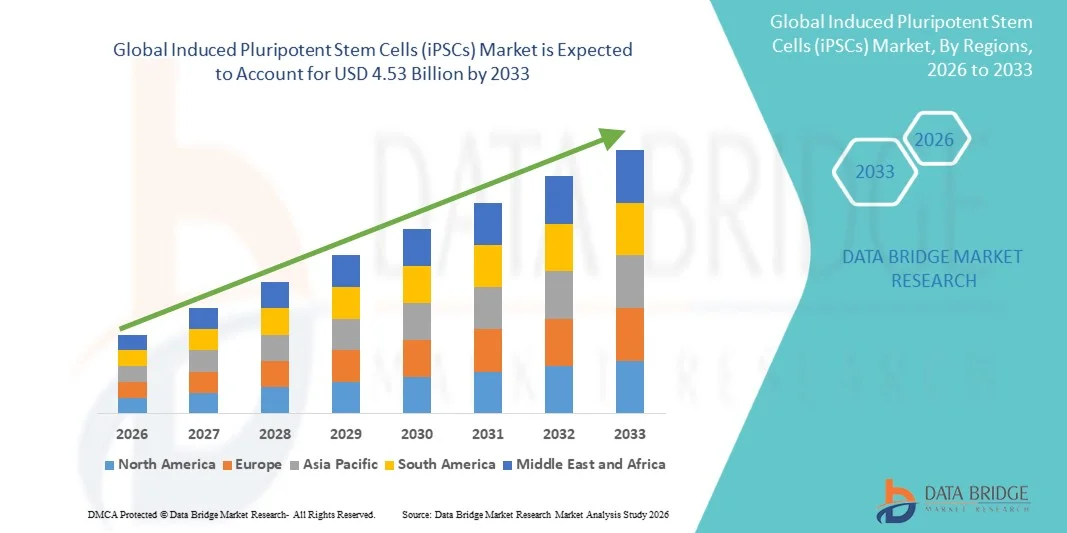
- Согласно анализу рынка Data Bridge, глобальные индуцированные плюрипотентные стволовые клетки (iPSC) Размер рынка оценивается в2,13 млрд долларов в 2025 годуОжидается, что он достигнет$4,53 млрд к 2033 году, вCAGR 9,90%в течение прогнозируемого периода
- Рост рынка в значительной степени подпитывается растущим внедрением передовых методов исследований на основе клеток и быстрым технологическим прогрессом в биологии стволовых клеток, что приводит к расширению применения индуцированных плюрипотентных стволовых клеток в моделировании заболеваний, открытии лекарств и разработке новых методов лечения.Регенеративная медицинав исследовательских и клинических условиях
- Кроме того, растущий спрос на персонализированную медицину в сочетании с растущими инвестициями в исследования стволовых клеток и биофармацевтические разработки делает iPSC важным инструментом в современных инновациях в области здравоохранения. Эти сходящиеся факторы ускоряют поглощение индуцированных плюрипотентных стволовых клеток (iPSC), тем самым значительно стимулируя рост рынка.
Размер рынка и прогноз
- Глобальная рыночная стоимость (2025):$2,13 млрд.
- Ожидаемая рыночная стоимость (2033):$4,53 млрд.
- Прогноз CAGR (2025–2033):9.90%
Индуцированные плюрипотентные стволовые клетки (iPSCs) анализ рынка
- Индуцированные плюрипотентные стволовые клетки, которые генерируются путем перепрограммирования взрослых клеток в плюрипотентное состояние, становятся все более важными в биомедицинских исследованиях и регенеративной медицине из-за их способности дифференцироваться в несколько типов клеток и поддерживать передовые приложения, такие как моделирование заболеваний и открытие лекарств.
- Растущий спрос на ИПСК в первую очередь обусловлен растущими инвестициями в исследования стволовых клеток, увеличением внимания к персонализированной медицине и расширением применения в тестировании токсичности, регенеративной терапии и клинических исследованиях.
- Северная Америка доминировала на рынке индуцированных плюрипотентных стволовых клеток (iPSCs) с долей дохода около 42,6% в 2025 году, чему способствовало сильное финансирование НИОКР, развитая инфраструктура здравоохранения и присутствие ведущих биотехнологических фирм. США продолжают лидировать благодаря обширным клиническим исследованиям и инновациям в технологиях стволовых клеток.
- Ожидается, что Азиатско-Тихоокеанский регион станет самым быстрорастущим регионом на рынке индуцированных плюрипотентных стволовых клеток (iPSCs) в течение прогнозируемого периода, что обусловлено ростом государственной поддержки, увеличением инвестиций в биотехнологии и быстрым расширением исследовательских возможностей в таких странах, как Китай, Япония и Индия.
- Сегмент Human iPSCs занимал самую большую долю рынка в 64,8% в 2025 году, чему способствовало их широкое применение в клинических исследованиях, открытии лекарств и регенеративной медицине.
Сфера охвата и индуцированные плюрипотентные стволовые клетки (iPSC) сегментация рынка
|
Атрибуты |
Индуцированные плюрипотентные стволовые клетки (iPSCs) ключевые рыночные идеи |
|
Сегменты покрыты |
|
|
Страны, охваченные |
Северная Америка
Европа
Азиатско-Тихоокеанский регион
Ближний Восток и Африка
Южная Америка
|
|
Ключевые игроки рынка |
|
|
Рыночные возможности |
|
|
Информационные наборы данных с добавленной стоимостью |
|
Каковы основные тенденции на рынке индуцированных плюрипотентных стволовых клеток (iPSCs)
"Растущее принятие в регенеративной медицине и моделировании заболеваний"
- Значительной и ускоряющейся тенденцией на мировом рынке индуцированных плюрипотентных стволовых клеток (ИПСК) является растущее внедрение ИПСК в регенеративной медицине, моделировании заболеваний и приложениях для обнаружения лекарств.
- ИПСК широко используются для генерации клеточных линий, специфичных для пациента, что позволяет исследователям более точно изучать механизмы заболевания и разрабатывать целевые терапевтические подходы.
- Например, клетки, полученные из iPSC, все чаще используются для моделирования сложных заболеваний, таких как нейродегенеративные расстройства, сердечно-сосудистые заболевания и редкие генетические заболевания.
- Кроме того, достижения в технологиях перепрограммирования и методах культивирования клеток повышают эффективность, масштабируемость и надежность производства iPSC.
- Растущее использование ИПСК в тестировании токсичности и персонализированной медицине еще больше повышает их важность в фармацевтических исследованиях и разработках.
- Кроме того, сотрудничество между научно-исследовательскими институтами и биотехнологическими компаниями ускоряет инновации и коммерциализацию приложений на основе iPSC.
- Эта тенденция значительно расширяет сферу применения iPSC, стимулируя рост на мировом рынке.
Индуцированные плюрипотентные стволовые клетки (iPSC) динамика рынка
водитель
Растущий спрос на персонализированную медицину и открытие лекарств
- Растущий спрос на персонализированную медицину и более эффективные процессы обнаружения лекарств является основным драйвером рынка индуцированных плюрипотентных стволовых клеток (iPSC).
- iPSC позволяют разрабатывать терапию для конкретных пациентов, позволяя исследователям создавать индивидуальные модели клеток, которые отражают индивидуальные генетические профили.
- Например, фармацевтические компании все чаще используют модели на основе iPSC для скрининга кандидатов на лекарства, снижения частоты неудач в клинических испытаниях и повышения безопасности и эффективности лекарств.
- Кроме того, растущая распространенность хронических и генетических заболеваний обусловливает необходимость в передовых исследовательских инструментах и инновационных терапевтических решениях.
- Увеличение инвестиций в исследования стволовых клеток, а также поддерживающие правительственные инициативы и программы финансирования еще больше ускоряют рост рынка.
- Кроме того, способность ИПСК обходить этические проблемы, связанные с эмбриональными стволовыми клетками, способствует более широкому внедрению в исследования и клинические применения.
- Эти факторы в совокупности вносят значительный вклад в расширение рынка индуцированных плюрипотентных стволовых клеток (iPSC).
Сдержанность/вызов
"Высокие производственные затраты и технические сложности"
- Одной из основных проблем на рынке индуцированных плюрипотентных стволовых клеток (iPSC) является высокая стоимость, связанная с перепрограммированием, обслуживанием и крупномасштабным производством клеток.
- Процесс создания высококачественных ИПСК требует специализированного оборудования, квалифицированных специалистов и строгих мер контроля качества, что увеличивает общие эксплуатационные расходы.
- Например, изменчивость в эффективности перепрограммирования и потенциале дифференциации может повлиять на воспроизводимость и ограничить широкое распространение в клинических условиях.
- Кроме того, технические проблемы, связанные с геномной нестабильностью, потенциальной опухолевостью и долгосрочными проблемами безопасности, остаются значительными препятствиями для клинического перевода.
- Регулирующие сложности и необходимость обширной валидации и клинических испытаний еще больше задерживают коммерциализацию терапии на основе ИПСК
- Кроме того, ограниченная стандартизация протоколов и нехватка квалифицированной рабочей силы в некоторых регионах могут препятствовать росту рынка.
- Решение этих проблем с помощью технологических достижений, оптимизации затрат и гармонизации регулирования будет иметь важное значение для устойчивого расширения рынка.
Индуцированные плюрипотентные стволовые клетки (iPSCs)
Рынок сегментируется на основе источника ячеек, типа, продукта, приложения, конечного пользователя и канала распределения.
• Источник сотовой связи
На основе клеточного источника рынок индуцированных плюрипотентных стволовых клеток (iPSCs) сегментирован на клетки кожи и клетки крови. Сегмент Skin Cells доминировал на рынке с наибольшей долей выручки в 57,3% в 2025 году, что обусловлено простотой доступа и хорошо зарекомендовавшими себя протоколами перепрограммирования. Широко используются фибробласты кожи благодаря высокой эффективности и надежности перепрограммирования при создании стабильных линий iPSC. Сегмент выигрывает от широкого использования в исследовательских приложениях, особенно в моделировании заболеваний и регенеративной медицине. Кроме того, клетки кожи относительно легко получить с помощью минимально инвазивных процедур. Наличие стандартизированных протоколов еще больше повышает воспроизводимость в лабораторных условиях. Исследователи предпочитают iPSC кожи из-за их доказанного опыта в различных экспериментальных исследованиях. Увеличение инвестиций в исследования стволовых клеток также способствует росту сегмента. Кроме того, расширение персонализированной медицины повышает спрос на клеточные линии для конкретных пациентов. Постоянные достижения в области технологий перепрограммирования еще больше укрепляют этот сегмент. В целом, доступность и надежность сохраняют доминирующее положение на рынке.
Ожидается, что в сегменте клеток крови будет наблюдаться самый быстрый рост на 22,6% с 2026 по 2033 год, чему способствует растущее предпочтение менее инвазивных методов сбора образцов. Клетки крови могут быть получены с помощью простых процедур, повышая комфорт пациента и его соответствие. Сегмент набирает обороты благодаря достижениям в эффективности перепрограммирования и сокращению времени оборота. Расширение использования в клинических исследованиях и терапевтических приложениях также способствует росту. Кроме того, ИПСК, полученные из крови, очень подходят для изучения гематологических расстройств. Технологические инновации улучшают качество и масштабируемость производства клеток. Растущий спрос на персонализированные методы лечения еще больше ускоряет их внедрение. Сегмент также выигрывает от растущих исследований в области иммунологии и регенеративной медицины. Расширение сотрудничества между научно-исследовательскими учреждениями и биотехнологическими компаниями способствует расширению. Поскольку малоинвазивные методы набирают популярность, ожидается, что этот сегмент будет быстро расти.
• По типу
На основе типа рынок индуцированных плюрипотентных стволовых клеток (iPSCs) сегментирован на человеческие iPSC и мышиные iPSC. Сегмент Human iPSCs занимал самую большую долю рынка в 64,8% в 2025 году, чему способствовало их широкое применение в клинических исследованиях, открытии лекарств и регенеративной медицине. ИПСК человека тесно имитируют физиологические состояния человека, что делает их очень ценными для моделирования заболеваний и терапевтического развития. Сегмент выигрывает от увеличения инвестиций в персонализированную медицину и клеточную терапию. Кроме того, нормативная поддержка исследований стволовых клеток способствует принятию. Фармацевтические компании широко используют человеческие ИПСК для скрининга лекарств и тестирования токсичности. Растущее внимание кточная медицинаПоддерживает рост сегмента. Технологические достижения повышают эффективность и масштабируемость перепрограммирования. Растущая распространенность хронических заболеваний увеличивает спрос на инновационные подходы к лечению. Сильное сотрудничество между научными кругами и промышленностью также способствует расширению. В целом их клиническая значимость и широкая применимость поддерживают доминирование.
Ожидается, что в сегменте мышиных ИПСК самый быстрый CAGR составит 20,9% с 2026 по 2033 год, что обусловлено их широким использованием в доклинических исследованиях и фундаментальных исследованиях. Мышиные модели необходимы для понимания механизмов заболевания и тестирования новых методов лечения перед испытаниями на людях. Сегмент выигрывает от хорошо зарекомендовавших себя исследований на животных и более низких затрат по сравнению с исследованиями на людях. Расширение научно-исследовательской деятельности в области генетики и биологии развития способствует дальнейшему росту. Кроме того, достижения в технологиях редактирования генов, таких как CRISPR, повышают полезность мышиных iPSC. Академические учреждения в значительной степени полагаются на эти модели для экспериментальных исследований. Растущее финансирование биомедицинских исследований также способствует расширению сегмента. Сегмент играет решающую роль в разработке лекарств на ранней стадии. Непрерывные инновации в животных моделях улучшают результаты исследований. Поскольку доклинические исследования продолжают расширяться, ожидается, что этот сегмент будет неуклонно расти.
• По продукту
На основе продукта рынок индуцированных плюрипотентных стволовых клеток (iPSC) подразделяется на инструменты, расходные материалы и комплекты и услуги. Сегмент расходных материалов и комплектов доминировал на рынке с самой большой долей дохода в 46,5% в 2025 году, что обусловлено их постоянным использованием в клеточной культуре, перепрограммировании и процессах обслуживания. Эти продукты необходимы для рутинных лабораторных операций, обеспечивая постоянный спрос. Сегмент выигрывает от непрерывных улучшений в реагентах и наборах, которые повышают эффективность и надежность. Увеличение числа исследовательских проектов с участием ИПСК способствует дальнейшему росту. Кроме того, расходные материалы широко используются в академических и промышленных условиях. Наличие специализированных комплектов повышает простоту использования и стандартизацию. Фармацевтические компании и исследовательские учреждения в значительной степени полагаются на эти продукты. Растущее внимание к исследованиям стволовых клеток также способствует увеличению потребления. Расширение биотехнологических отраслей еще больше поддерживает спрос. В целом, высокая частота использования поддерживает сильное доминирование на рынке.
Ожидается, что в сегменте услуг будет наблюдаться самый быстрый темп роста в 23,4% с 2026 по 2033 год, чему способствует увеличение аутсорсинга исследований и разработок стволовых клеток. Многие организации предпочитают аутсорсинг из-за экономической эффективности и доступа к специализированным знаниям. Поставщики услуг предлагают индивидуальные решения, такие как генерация и характеристика линий сотовой связи. Сегмент выигрывает от растущего сотрудничества между биотехнологическими фирмами и исследовательскими институтами. Кроме того, растущий спрос на высококачественные и стандартизированные линии iPSC поддерживает рост. Технологические достижения улучшают качество обслуживания и время обработки. Рост внимания к персонализированной медицине еще больше стимулирует спрос на специализированные услуги. Расширение контрактных исследовательских организаций также способствует росту сегмента. Увеличение инвестиций в исследования в области наук о жизни поддерживает тенденции аутсорсинга. По мере роста спроса на экспертизу и масштабируемость этот сегмент, как ожидается, будет быстро расти.
• Подача заявки
На основе применения рынок индуцированных плюрипотентных стволовых клеток (iPSCs) сегментирован на академические исследования, регенеративную медицину, клеточную терапию, токсикологический скрининг, открытие и развитие лекарств, моделирование заболеваний,Банковская система Stem Cell3D биопечать и другие. Сегмент Drug Discovery and Development составил самую большую долю рынка в 34,9% в 2025 году, чему способствовало растущее использование iPSC для скрининга и проверки новых кандидатов на лекарства. iPSC обеспечивают надежную платформу для тестирования эффективности и безопасности лекарств в клеточных средах, подобных человеческому. Сегмент выигрывает от роста инвестиций фармацевтических компаний в инновационные разработки лекарств. Кроме того, iPSC помогают снизить зависимость от тестирования на животных, повышая эффективность исследований. Растущий спрос на персонализированную медицину поддерживает рост сегмента. Технологические достижения улучшают возможности скрининга и точность. Увеличение распространенности хронических заболеваний стимулирует спрос на новые методы лечения. Активное сотрудничество между научными кругами и промышленностью также способствует расширению. Непрерывные инновации в клеточных анализах также способствуют росту. В целом, их роль в современной разработке лекарств обеспечивает доминирование.
Ожидается, что сегмент регенеративной медицины будет наблюдать самый быстрый CAGR в 24,1% с 2026 по 2033 год, что обусловлено растущим потенциалом иПСК в восстановлении тканей и регенерации органов. Расширение исследований по терапии стволовыми клетками поддерживает рост сегмента. ИПСК обеспечивают способность генерировать специфические для пациента клетки, снижая риск иммунного отторжения. Сегмент выигрывает от роста инвестиций в передовые терапевтические решения. Кроме того, достижения в области тканевой инженерии и3D биопечатьОни расширяют сферу применения. Растущая распространенность хронических и дегенеративных заболеваний еще больше стимулирует спрос. Регулятивная поддержка регенеративной терапии также способствует принятию. Фармацевтические и биотехнологические компании сосредоточены на разработке клеточных методов лечения. Увеличение клинических испытаний в регенеративной медицине способствует росту. Поскольку технологии продолжают развиваться, ожидается, что этот сегмент будет быстро расширяться.
• Конечный пользователь
На основе конечного пользователя рынок индуцированных плюрипотентных стволовых клеток (iPSCs) сегментирован на биотехнологические и фармацевтические компании, исследовательские лаборатории, диагностические лаборатории и другие. Сегмент биотехнологических и фармацевтических компаний доминировал на крупнейшей доле рынка в 51,2% в 2025 году, чему способствовало широкое использование iPSC в области обнаружения лекарств, тестирования токсичности и терапевтического развития. Эти компании вкладывают значительные средства в передовые технологии для ускорения исследований и инноваций. Сегмент выигрывает от растущего спроса на персонализированную медицину и таргетную терапию. Кроме того, значительное финансирование и инфраструктура поддерживают крупномасштабную исследовательскую деятельность. Сотрудничество с академическими учреждениями способствует дальнейшему развитию инноваций. Растущее число клинических испытаний, связанных с терапией стволовыми клетками, также поддерживает рост. Компании полагаются на iPSC для повышения эффективности разработки лекарств. Увеличение распространенности хронических заболеваний еще больше стимулирует спрос. Постоянные технологические достижения укрепляют возможности сегмента. В целом, сильное промышленное внедрение сохраняет доминирование на рынке.
Ожидается, что в сегменте научно-исследовательских лабораторий будет наблюдаться самый быстрый рост на 22,8% с 2026 по 2033 год, чему способствует увеличение академической исследовательской деятельности и государственного финансирования. Научно-исследовательские учреждения играют решающую роль в продвижении науки о стволовых клетках и изучении новых приложений. Сегмент выигрывает от растущего сотрудничества с игроками отрасли. Увеличение числа исследовательских проектов, направленных на моделирование заболеваний и регенеративную медицину, способствует росту. Кроме того, наличие грантов и программ финансирования стимулирует инновации. Технологические достижения улучшают возможности исследований. Растущий интерес к персонализированной медицине способствует дальнейшему внедрению. Академические учреждения расширяют свою инфраструктуру для поддержки исследований стволовых клеток. Растущее внимание к трансляционным исследованиям также способствует расширению. Поскольку исследовательская деятельность продолжает расти, ожидается, что этот сегмент будет быстро расти.
• Распределительный канал
На основе канала распределения рынок индуцированных плюрипотентных стволовых клеток (iPSC) сегментирован на прямые тендерные и розничные продажи. Сегмент Direct Tender занимал самую большую долю рынка в 62,4% в 2025 году, чему способствовали массовые закупки крупными исследовательскими институтами, биотехнологическими фирмами и фармацевтическими компаниями. Прямые закупки обеспечивают экономичность и надежную поставку высококачественной продукции. Сегмент выигрывает от долгосрочных контрактов и стратегического партнерства между поставщиками и конечными пользователями. Кроме того, прямые торги позволяют настраивать продукты и услуги. Увеличение масштабных исследовательских проектов еще больше поддержит спрос. Сильные отношения с поставщиками повышают эффективность закупок. Сегмент также пользуется постоянным спросом со стороны существующих организаций. Растущие инвестиции в исследования в области наук о жизни способствуют расширению. В целом, масштабные закупки и прочные партнерские отношения сохраняют доминирование.
Ожидается, что в сегменте розничных продаж будет наблюдаться самый быстрый CAGR в 19,7% с 2026 по 2033 год, что обусловлено увеличением доступности продуктов, связанных с iPSC, через дистрибьюторов и онлайн-платформы. Небольшие исследовательские лаборатории и академические учреждения предпочитают розничные каналы для гибкости и удобства. Сегмент выигрывает от расширения электронной коммерции в научных поставках. Увеличение числа стартапов и малых исследовательских центров способствует росту. Кроме того, улучшенные распределительные сети повышают доступность продукта. Технологические достижения упрощают процессы закупок. Растущая осведомленность об исследованиях стволовых клеток еще больше стимулирует спрос. Розничные каналы обеспечивают доступ к широкому ассортименту продукции. По мере улучшения доступности рынка ожидается, что этот сегмент будет неуклонно расти.
Индуцированные плюрипотентные стволовые клетки (iPSCs) Региональный анализ рынка
- Северная Америка доминировала на рынке индуцированных плюрипотентных стволовых клеток (iPSCs) с самой большой долей дохода 42,6% в 2025 году.
- Поддерживается сильным финансированием НИОКР, развитой инфраструктурой здравоохранения и присутствием ведущих биотехнологических фирм. США продолжают лидировать в регионе благодаря обширным клиническим исследованиям и инновациям в технологиях стволовых клеток.
- Широкое распространение ИПСК в регенеративной медицине, моделировании заболеваний и разработке лекарств, наряду с правительственными и частными инициативами по финансированию, еще больше стимулирует рост рынка в Северной Америке.
Американские индуцированные плюрипотентные стволовые клетки (iPSC) Market Insight
Рынок индуцированных плюрипотентных стволовых клеток (iPSC) в США составил самую большую долю дохода в Северной Америке в 2025 году, чему способствовали обширные клинические исследования, хорошо налаженная биотехнологическая инфраструктура и постоянные инновации в терапии на основе стволовых клеток. Расширение применения в персонализированной медицине, тестировании токсичности и моделировании заболеваний ускоряют внедрение ИПСК. Кроме того, сотрудничество между фармацевтическими компаниями и научно-исследовательскими институтами расширяет разработку передовых методов лечения на основе iPSC, укрепляя рынок США.
Европа индуцировала плюрипотентные стволовые клетки (iPSCs)
Прогнозируется, что рынок плюрипотентных стволовых клеток (iPSCs) в Европе будет наблюдать значительный рост в течение прогнозируемого периода, обусловленный ростом инвестиций в биотехнологии, поддерживающими правительственными инициативами и растущим использованием iPSCs в разработке лекарств и моделировании заболеваний. В таких странах, как Германия, Франция и Великобритания, наблюдается рост исследований в области регенеративной медицины, что способствует расширению рынка. Принятие стандартизированных протоколов и увеличение количества клинических испытаний способствуют дальнейшему развитию рынка.
Великобритания индуцировала плюрипотентные стволовые клетки (iPSC) Market Insight
Ожидается, что рынок индуцированных Великобритании плюрипотентных стволовых клеток (iPSCs) будет расти в течение прогнозируемого периода, чему будет способствовать государственное финансирование исследований стволовых клеток и расширение сотрудничества между академическими учреждениями и биотехнологическими компаниями. Растущее внимание к персонализированной медицине и достижения в моделировании заболеваний также способствуют росту рынка.
Германия представила плюрипотентные стволовые клетки (iPSCs)
Ожидается, что рынок индуцированных плюрипотентных стволовых клеток (iPSCs) в Германии в течение прогнозируемого периода будет расширяться при значительном CAGR из-за наличия передовой инфраструктуры здравоохранения, сильных исследований в области биотехнологий и расширения применения iPSCs в регенеративной медицине. Упор на инновации и устойчивую биотехнологическую практику способствует дальнейшему внедрению технологий iPSC.
Азиатско-тихоокеанские индуцированные плюрипотентные стволовые клетки (iPSCs)
Рынок индуцированных плюрипотентных стволовых клеток в Азиатско-Тихоокеанском регионе будет расти самыми быстрыми темпами в течение прогнозируемого периода, что обусловлено ростом государственной поддержки, увеличением инвестиций в биотехнологии и быстрым расширением исследовательских возможностей в таких странах, как Китай, Япония и Индия. Кроме того, растущая осведомленность о передовых терапевтических вариантах и увеличение клинической исследовательской деятельности ускоряют освоение рынка.
Япония индуцировала плюрипотентные стволовые клетки (iPSCs)
Рынок индуцированных в Японии плюрипотентных стволовых клеток (iPSCs) набирает обороты благодаря сильному акценту на исследования в области регенеративной медицины, растущим инвестициям в биотехнологии и растущим правительственным инициативам, поддерживающим терапию стволовыми клетками. Старение населения и спрос на инновационные методы лечения также способствуют развитию и внедрению технологий iPSC.
Китай индуцировал плюрипотентные стволовые клетки (iPSCs)
Рынок индуцированных Китаем плюрипотентных стволовых клеток (iPSCs) составил самую большую долю доходов в Азиатско-Тихоокеанском регионе в 2025 году, чему способствовало расширение исследовательской инфраструктуры, поддерживаемые правительством биотехнологические программы и увеличение распространенности хронических и генетических заболеваний. Растущие инвестиции Китая в регенеративную медицину, разработку лекарств и клинические исследования на основе iPSC еще больше поддерживают рост рынка.
Каковы основные компании на рынке индуцированных плюрипотентных стволовых клеток (iPSC)
Отрасль индуцированных плюрипотентных стволовых клеток (iPSC) в основном возглавляется хорошо зарекомендовавшими себя компаниями, в том числе:
•Thermo Fisher Scientific Inc. (США)
Lonza Group AG (Швейцария)
• Merck KGaA (Германия)
GE Healthcare (Великобритания)
STEMCELL Technologies Inc. (Канада)
ReproCELL Inc. (Япония)
•Fujifilm Cellular Dynamics, Inc. (США)
Axol Bioscience Ltd. (Великобритания)
Cellartis AB (Швеция)
•Life Technologies Corporation (США)
• Ncardia BV (Нидерланды)
Astellas Pharma Inc. (Япония)
Cellular Dynamics International, Inc. (США)
• Цитива (Швеция)
Pluristem Therapeutics Inc. (Израиль)
Последние события на мировом рынке индуцированных плюрипотентных стволовых клеток (iPSCs)
- В сентябре 2021 года Fate Therapeutics объявила о расширении своего трубопровода терапии природными киллерами (NK) на основе индуцированных плюрипотентных стволовых клеток (iPSC), продвигая несколько клинических программ, направленных на рак, что отражает растущую коммерциализацию иммунотерапии на основе iPSC.
- В июне 2022 года FUJIFILM Cellular Dynamics объявила о расширении своих производственных возможностей iPSC с новыми крупномасштабными производственными мощностями, направленными на поддержку растущего глобального спроса на линии iPSC клинического класса, используемые в регенеративной медицине и открытии лекарств.
- В октябре 2022 года Evotec SE вступила в стратегическое сотрудничество с крупным фармацевтическим партнером для использования платформ на основе iPSC для обнаружения лекарств и моделирования заболеваний, усиливая внедрение технологии iPSC в исследованиях в области точной медицины.
- В марте 2023 года Ncardia запустила передовые платформы для анализа кардиомиоцитов и нейронов, полученные с помощью iPSC, предназначенные для улучшенияскрининг наркотиковточность и снижение показателей поздней стадии лекарственной недостаточности в фармацевтическом развитии;
- В июле 2023 года Европейский банк индуцированных плюрипотентных стволовых клеток расширил свои услуги биобанка и дистрибуции iPSC по всей Европе, улучшив доступ к высококачественным линиям iPSC для научных и коммерческих исследований.
- В декабре 2024 года ведущие биотехнологические компании активизировали сотрудничество с фармацевтическими фирмами для использования клеток, полученных из iPSC, для тестирования токсичности и скрининга лекарств, что отражает растущий сдвиг в сторону моделей, относящихся к человеку, в доклинических исследованиях.
- В феврале 2025 года Управление по санитарному надзору за качеством пищевых продуктов и медикаментов США (Food and Drug Administration, U.S. Food and Drug Administration) предоставило клиренс на новый препарат (IND) для Fertilo, первой терапии, полученной из iPSC, которая войдет в клиническое испытание III фазы в Соединенных Штатах, что стало важной вехой в клиническом переводе терапии на основе iPSC.
- В январе 2025 года отраслевые отчеты подчеркнули, что более 100 клинических испытаний с участием терапии на основе плюрипотентных стволовых клеток человека, включая ИПСК, активно проводятся во всем мире, демонстрируя быстрый прогресс в клиническом внедрении и увеличение инвестиций в регенеративную медицину.
SKU-
Получите онлайн-доступ к отчету на первой в мире облачной платформе рыночной аналитики
- Интерактивная панель анализа данных
- Панель анализа компании для возможностей с высоким потенциалом роста
- Доступ аналитика-исследователя для настройки и запросов
- Анализ конкурентов с помощью интерактивной панели
- Последние новости, обновления и анализ тенденций
- Используйте возможности сравнительного анализа для комплексного отслеживания конкурентов
Методология исследования
Сбор данных и анализ базового года выполняются с использованием модулей сбора данных с большими размерами выборки. Этап включает получение рыночной информации или связанных данных из различных источников и стратегий. Он включает изучение и планирование всех данных, полученных из прошлого заранее. Он также охватывает изучение несоответствий информации, наблюдаемых в различных источниках информации. Рыночные данные анализируются и оцениваются с использованием статистических и последовательных моделей рынка. Кроме того, анализ доли рынка и анализ ключевых тенденций являются основными факторами успеха в отчете о рынке. Чтобы узнать больше, пожалуйста, запросите звонок аналитика или оставьте свой запрос.
Ключевой методологией исследования, используемой исследовательской группой DBMR, является триангуляция данных, которая включает в себя интеллектуальный анализ данных, анализ влияния переменных данных на рынок и первичную (отраслевую экспертную) проверку. Модели данных включают сетку позиционирования поставщиков, анализ временной линии рынка, обзор рынка и руководство, сетку позиционирования компании, патентный анализ, анализ цен, анализ доли рынка компании, стандарты измерения, глобальный и региональный анализ и анализ доли поставщика. Чтобы узнать больше о методологии исследования, отправьте запрос, чтобы поговорить с нашими отраслевыми экспертами.
Доступна настройка
Data Bridge Market Research является лидером в области передовых формативных исследований. Мы гордимся тем, что предоставляем нашим существующим и новым клиентам данные и анализ, которые соответствуют и подходят их целям. Отчет можно настроить, включив в него анализ ценовых тенденций целевых брендов, понимание рынка для дополнительных стран (запросите список стран), данные о результатах клинических испытаний, обзор литературы, обновленный анализ рынка и продуктовой базы. Анализ рынка целевых конкурентов можно проанализировать от анализа на основе технологий до стратегий портфеля рынка. Мы можем добавить столько конкурентов, о которых вам нужны данные в нужном вам формате и стиле данных. Наша команда аналитиков также может предоставить вам данные в сырых файлах Excel, сводных таблицах (книга фактов) или помочь вам в создании презентаций из наборов данных, доступных в отчете.