



Global Ophthalmic Viscosurgical Devices Market Segmentation, By Type (Dispersive, Cohesive, and Combined), Source (Animal, Biological, and Semi-Synthetic), Application (Cataract Surgery, Vitreoretinal Surgery, Refractive Surgery, and Keratoplasty), End Use (Hospitals, Diagnostic Centers, Eye Specialty Clinics, and Others), - Industry Trends and Forecast to 2033
Каковы размеры рынка офтальмологических вискохирургических устройств и темпы роста
- По данным Data Bridge Market Research Analysis Мировой объем рынка офтальмологических вискохирургических устройств был оценен в1,76 млрд долларов в 2025 годуОжидается, что он достигнет3,48 млрд долларов к 2033 году, вCAGR 8,90%в течение прогнозируемого периода
- Рост рынка в значительной степени подпитывается растущей распространенностью офтальмологических расстройств, таких как катаракта и глаукома, наряду с ростом числа офтальмологических хирургических процедур во всем мире, что приводит к более широкому внедрению передовых хирургических инструментов и технологий в больницах и специализированных центрах по уходу за глазами.
- Кроме того, растущий спрос на минимально инвазивные офтальмологические операции, достижения в хирургических методах и растущее стареющее население, склонное к нарушениям зрения, устанавливают офтальмологические вискохирургические устройства в качестве основных компонентов в современных операциях на глазах. Эти факторы ускоряют внедрение решений для офтальмологических вискохирургических устройств, тем самым значительно повышая рост отрасли.
Размер рынка и прогноз
- Глобальная рыночная стоимость (2025):$1,76 млрд.
- Ожидаемая рыночная стоимость (2033):$3,48 млрд.
- Прогноз CAGR (2026–2033):8.90%
Анализ рынка офтальмологических вискохирургических устройств
- Офтальмологические вязкохирургические устройства (ОВД), вязкоупругие решения, используемые во время офтальмологических операций для поддержания пространства, защиты внутриглазных тканей и облегчения хирургических процедур, становятся все более важными компонентами современных операций на глазах в больницах и специализированных офтальмологических клиниках из-за их способности улучшать хирургическую точность и результаты пациентов.
- Растущий спрос на офтальмологические вискохирургические устройства в первую очередь подпитывается растущей распространенностью катаракты и других расстройств, связанных со зрением, растущей гериатрической популяцией и растущим числом офтальмологических хирургических процедур, выполняемых во всем мире.
- Северная Америка доминировала на рынке офтальмологических вискохирургических устройств с самой большой долей выручки примерно 41,3% в 2025 году, поддерживаемой передовой инфраструктурой здравоохранения, высоким внедрением инновационных офтальмологических хирургических технологий и сильным присутствием ведущих производителей офтальмологических устройств. В США наблюдается значительный рост использования офтальмологических вискохирургических устройств в больницах и специализированных центрах по уходу за глазами из-за увеличения числа операций по удалению катаракты и рефракции.
- Ожидается, что Азиатско-Тихоокеанский регион станет самым быстрорастущим регионом на рынке офтальмологических вискохирургических устройств в течение прогнозируемого периода, регистрируя CAGR примерно на 9,0%, что обусловлено расширением инфраструктуры здравоохранения, повышением осведомленности о здоровье глаз и увеличением объема офтальмологических операций в таких странах, как Китай, Индия и Япония.
- TheХирургия катарактыСегмент доминировал на крупнейшей рыночной доле доходов примерно 57,8% в 2025 году, что обусловлено высокой глобальной распространенностью катаракты, особенно среди пожилых людей.
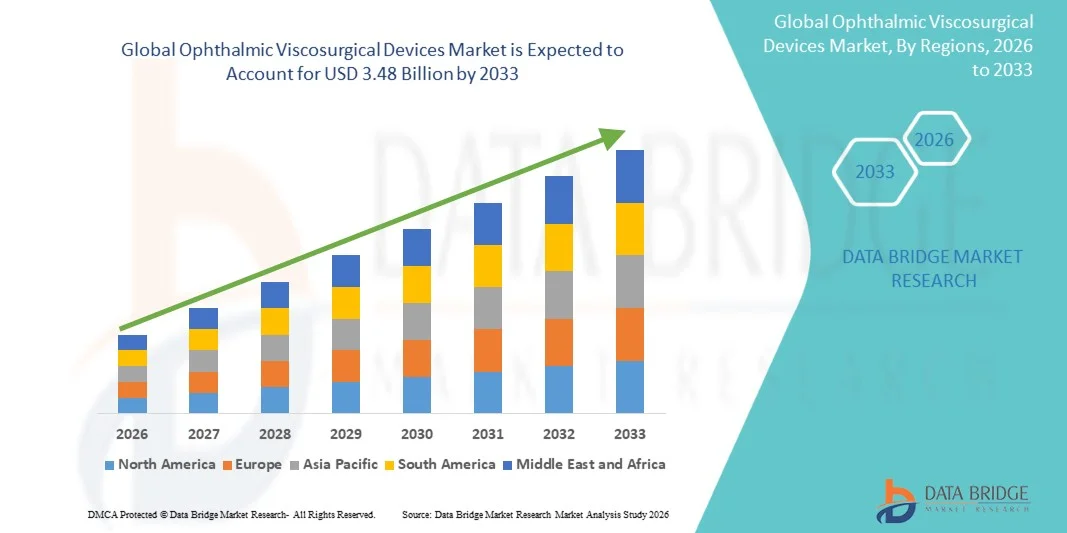
Сфера охвата и сегментация рынка офтальмологических вискохирургических устройств
|
Атрибуты |
Офтальмологические вискохирургические устройства ключевые рыночные идеи |
|
Сегменты покрыты |
|
|
Страны, охваченные |
Северная Америка
Европа
Азиатско-Тихоокеанский регион
Ближний Восток и Африка
Южная Америка
|
|
Ключевые игроки рынка |
|
|
Рыночные возможности |
|
|
Информационные наборы данных с добавленной стоимостью |
В дополнение к информации о рыночных сценариях, таких как рыночная стоимость, темпы роста, сегментация, географическое покрытие и основные игроки, рыночные отчеты, курируемые Data Bridge Market Research, также включают углубленный экспертный анализ, эпидемиологию пациентов, анализ трубопроводов, анализ цен и нормативную базу. |
Каковы основные тенденции на рынке офтальмологических вискохирургических устройств
"Растущий спрос на передовые офтальмологические хирургические процедуры"
- Значительной и ускоряющейся тенденцией на мировом рынке офтальмологических вискохирургических устройств является растущий спрос на передовые офтальмологические хирургические процедуры, особенно операции по удалению катаракты и глаукомы, которые требуют специализированных хирургических материалов для защиты нежных тканей глаз. Офтальмологические вискохирургические устройства (ОВД) играют решающую роль в поддержании пространства в передней камере глаза, защите эндотелиальных клеток роговицы и облегчении точных внутриглазных процедур.
- Например, такие компании, как Alcon и Johnson & Johnson Vision, предлагают широко используемые продукты OVD, включая Healon и Healon GV, которые обычно используются офтальмологами во время операций по удалению катаракты для поддержания внутриглазного пространства и защиты глазных тканей.
- Растущая распространенность возрастных заболеваний глаз, таких как катаракта,глаукомаИ болезни сетчатки значительно стимулируют необходимость офтальмологических хирургических вмешательств во всем мире. По мере старения населения в мире число пациентов, нуждающихся в процедурах коррекции зрения, продолжает расти, тем самым увеличивая спрос на ОВД в хирургических условиях.
- Технологические достижения в офтальмологической хирургии, включая микроразрезную хирургию катаракты и улучшенные методы факоэмульсии, также способствуют растущему принятию передовых препаратов OVD, предназначенных для улучшения хирургической точности и результатов лечения пациентов.
- Кроме того, растущее число специализированных офтальмологических клиник, амбулаторных хирургических центров и передовых больниц по уходу за глазами в развитых и развивающихся странах улучшает доступ к процедурам коррекции зрения и повышает спрос на офтальмологические вискохирургические устройства.
- Поскольку системы здравоохранения продолжают уделять приоритетное внимание уходу за зрением и лечению офтальмологических заболеваний, ожидается, что в ближайшие годы спрос на высококачественные хирургические инструменты и материалы, такие как ОВД, будет неуклонно расти.
Офтальмологические вискохирургические устройства Динамика рынка
водитель
«Растущая распространенность катаракты и растущее стареющее население»
- Растущая распространенность катаракты и других возрастных офтальмологических расстройств в сочетании с быстрым ростом глобального старения населения является основным фактором, стимулирующим расширение рынка офтальмологических вискохирургических устройств. Хирургия катаракты остается одной из наиболее часто выполняемых хирургических процедур во всем мире, и ОВД являются важными компонентами, используемыми во время этих процедур для защиты глазных структур.
- Например, организации здравоохранения, такие как Всемирная организация здравоохранения, сообщают, что катаракта остается одной из ведущих причин ухудшения зрения во всем мире, поощряя больницы и центры по уходу за глазами расширять хирургические возможности и внедрять передовые офтальмологические хирургические технологии.
- Расширение правительственных инициатив, направленных на снижение предотвратимой слепоты и улучшение доступа к услугам по уходу за зрением, также способствует росту офтальмологических хирургических процедур как в развитых, так и в развивающихся регионах.
- Кроме того, непрерывные инновации в составах ОВД, включая когезивные и дисперсионные вискохирургические устройства, повышают эффективность хирургии и безопасность пациентов, что еще больше способствует внедрению среди офтальмологических хирургов.
- Расширение отделений офтальмологии в больницах и увеличение числа специализированных центров по уходу за глазами во всем мире также способствуют росту спроса на офтальмологические вискохирургические устройства в клинической практике.
Сдержанность/вызов
"Высокая стоимость офтальмологических хирургических процедур и ограниченный доступ в развивающихся регионах"
- Несмотря на растущий спрос на офтальмологические операции, высокая стоимость, связанная с передовыми процедурами ухода за глазами и специализированными хирургическими материалами, может ограничить широкое распространение офтальмологических вискохирургических устройств в некоторых регионах. Многие системы здравоохранения в развивающихся странах сталкиваются с финансовыми трудностями, которые ограничивают доступ к передовым хирургическим технологиям.
- Например, в докладах Международного агентства по профилактике слепоты подчеркивается, что ограниченный доступ к офтальмологическим хирургическим учреждениям и квалифицированным глазным хирургам остается проблемой в нескольких странах с низким и средним уровнем дохода.
- Во многих сельских и недостаточно обслуживаемых районах неадекватная инфраструктура здравоохранения и нехватка специализированных офтальмологов могут задержать или помешать пациентам получать своевременное хирургическое лечение катаракты и других нарушений зрения.
- Кроме того, стоимость высококачественных продуктов ОВД и хирургического оборудования может увеличить общую стоимость операций на глазах, что может отбить у пациентов желание проходить процедуры в регионах без адекватной системы возмещения расходов на здравоохранение.
- Решение этих проблем потребует улучшения инфраструктуры здравоохранения, расширения учебных программ для офтальмологических хирургов и увеличения инвестиций в доступные решения по уходу за глазами, чтобы обеспечить более широкий доступ к хирургическим процедурам по всему миру.
Рынок офтальмологических вискохирургических устройств
Рынок офтальмологических вискохирургических устройств (ОВД) сегментирован на основе типа, источника, применения и конечного использования.
• По типу
По типу рынок офтальмологических вискохирургических устройств сегментирован на дисперсный, сплочённый и комбинированный. Сегмент Cohesive доминировал на крупнейшем рынке с долей выручки около 44,6% в 2025 году, что обусловлено его превосходной способностью поддерживать стабильность передней камеры во время офтальмологических хирургических процедур. Сплошные ОВД широко используются в операциях по имплантации катаракты и внутриглазных линз, потому что они обеспечивают отличное обслуживание пространства и могут быть легко удалены из глаза в конце операции. Хирурги часто предпочитают когезивные вязкоупругие растворы из-за их высокой молекулярной массы и вязкости, которые позволяют лучше контролировать во время деликатных офтальмологических процедур. Растущее число операций по удалению катаракты во всем мире, особенно среди стареющих популяций, значительно способствует доминированию этого сегмента. Больницы и специализированные центры по уходу за глазами часто используют сплоченные ОВД для защиты глазных тканей и обеспечения точных хирургических результатов. Технологические достижения в вязкоупругих составах еще больше повысили производительность и безопасность сцепленных устройств. Кроме того, повышение осведомленности о передовых офтальмологических хирургических методах и улучшение доступа к услугам по уходу за глазами в развивающихся регионах поддерживают рост сегмента. Рост инвестиций в здравоохранение и расширение отделов офтальмологии во всем мире еще больше укрепляют сильные позиции сегмента на рынке.
Ожидается, что в комбинированном сегменте самый быстрый CAGR составит 9,7% с 2026 по 2033 год, что обусловлено его способностью обеспечивать преимущества как дисперсных, так и когерентных вязкоупругих свойств в одном продукте. Комбинированные ОВД все чаще предпочитаются в сложных офтальмологических операциях, поскольку они обеспечивают улучшенную защиту тканей и повышенную хирургическую эффективность. Эти устройства поддерживают глубину передней камеры, а также защищают чувствительные глазные структуры, такие как эндотелий роговицы во время операции. Растущее внедрение передовых хирургических методов, включая минимально инвазивные офтальмологические процедуры, стимулирует спрос на универсальные вязкоупругие устройства. Технологические инновации в составах ОВД с двойной вязкостью значительно улучшили хирургическую производительность и результаты лечения пациентов. Офтальмологические хирурги все чаще принимают комбинированные ОВД из-за их способности упростить хирургические шаги и улучшить интраоперационную видимость. Растущие инвестиции в исследования в области офтальмологии и расширение специализированных центров по уходу за глазами также способствуют росту этого сегмента. Кроме того, растущая осведомленность о передовых процедурах лечения катаракты в развивающихся странах ускоряет принятие комбинированных вязкоупругих решений во всем мире.
• Источник
На основе источника рынок офтальмологических вискохирургических устройств сегментирован на животный, биологический и полусинтетический. Биологический сегмент доминировал на крупнейшем рынке с долей выручки около 46,2% в 2025 году, чему способствовало широкое использование вискоупругих веществ на основе гиалуроновой кислоты, полученных из биологических источников. Эти продукты обеспечивают отличные вязкоупругие свойства, что делает их высокоэффективными для защиты глазных тканей во время хирургических процедур. Биологические ОВД обычно используются в хирургии катаракты и имплантации внутриглазных линз, потому что они помогают поддерживать форму передней камеры и уменьшают хирургические осложнения. Больницы и специализированные офтальмологические клиники часто используют эти устройства из-за их проверенного профиля безопасности и высокой биосовместимости с тканями человека. Растущая распространенность возрастных заболеваний глаз, таких как катаракта и глаукома, значительно увеличивает спрос на эффективные хирургические инструменты, включая ОВД. Технологические достижения в процессах очистки и приготовления еще больше повысили безопасность и эффективность биологически полученных вязкоупругих веществ. Кроме того, растущее число офтальмологических операций, выполняемых во всем мире, продолжает укреплять спрос на биологические ОВД. Повышение осведомленности о здоровье глаз и расширение инфраструктуры здравоохранения на развивающихся рынках также способствуют росту сегмента.
Ожидается, что в полусинтетическом сегменте самый быстрый CAGR составит 10,1% с 2026 по 2033 год, что обусловлено растущим спросом на передовые вязкоупругие материалы с улучшенной стабильностью и эксплуатационными характеристиками. Полусинтетические ОВД разработаны для обеспечения повышенной вязкости, долговечности и консистенции во время хирургических процедур. Эти материалы обеспечивают лучший контроль во время операции, одновременно снижая риск послеоперационных осложнений. Офтальмологические хирурги все чаще используют полусинтетические вязкоупругие устройства из-за их улучшенного срока годности и предсказуемой клинической эффективности. Достижения в области биоматериаловедения позволили разработать инновационные вязкоупругие соединения, адаптированные для конкретных офтальмологических процедур. Растущее внедрение современных хирургических технологий и передового офтальмического оборудования также способствует росту этого сегмента. Кроме того, ожидается, что расширение научно-исследовательской деятельности в области биоматериалов и офтальмологии будет способствовать дальнейшему внедрению полусинтетических ОВД в ближайшие годы.
• Подача заявки
На основе применения рынок офтальмологических вискохирургических устройств сегментирован на хирургию катаракты, витреоретинальную хирургию, рефракционную хирургию и кератопластику. Сегмент хирургии катаракты доминировал на рынке с наибольшей долей выручки около 57,8% в 2025 году, что обусловлено высокой глобальной распространенностью катаракты, особенно среди пожилых людей. Хирургия катаракты является одной из наиболее часто выполняемых хирургических процедур во всем мире, и ОВД играют важную роль в поддержании передней камеры и защите внутриглазных тканей во время операции. Офтальмологические хирурги в значительной степени полагаются на вязкоупругие устройства для стабилизации глаза во время удаления линз и внутриглазной имплантации линз. Увеличение стареющего населения, особенно в развитых и развивающихся странах, значительно стимулирует спрос на операции по удалению катаракты. Правительственные инициативы и программы по уходу за глазами, направленные на предотвращение слепоты, также поддерживают широкое внедрение процедур лечения катаракты. Технологические достижения в области хирургического оборудования и внутриглазных линз еще больше улучшили показатели хирургического успеха, увеличивая спрос на высококачественные вязкоупругие устройства. Кроме того, рост инвестиций в здравоохранение и расширение отделений офтальмологии в больницах способствуют сильному росту сегмента.
Сегмент Витреоретинальной хирургии, как ожидается, станет свидетелем самого быстрого CAGR в 10,4% с 2026 по 2033 год, чему способствует рост заболеваемости такими расстройствами сетчатки, как диабетическая ретинопатия, отслоение сетчатки и дегенерация желтого пятна. Витреоретинальные операции являются очень деликатными процедурами, которые требуют точных хирургических инструментов и материалов для обеспечения оптимальных результатов. В этих процедурах все чаще используются ОВД для поддержания стабильности глаз и защиты нежных тканей сетчатки во время операции. Достижения в витреоретинальных хирургических методах и разработка специализированного офтальмического оборудования улучшили эффективность этих процедур. Растущая распространенность диабета во всем мире также способствовала увеличению осложнений сетчатки, тем самым стимулируя спрос на витреоретинальные операции. Больницы и специализированные центры по уходу за глазами все чаще принимают передовые хирургические решения для лечения сложных расстройств сетчатки. Кроме того, ожидается, что расширение специализированных офтальмологических лечебных центров и растущая доступность квалифицированных хирургов сетчатки поддержат быстрый рост этого сегмента.
• Конец использования
На основе конечного использования рынок офтальмологических вискохирургических устройств сегментирован на больницы, диагностические центры, специальные клиники для глаз и другие. Сегмент госпиталей доминировал на рынке с наибольшей долей выручки примерно в 49,5% в 2025 году из-за большого объема офтальмологических операций, выполняемых в больницах. Больницы оснащены передовой хирургической инфраструктурой и опытными офтальмологами, способными выполнять сложные глазные процедуры. Увеличение числа операций по удалению катаракты и сетчатки во всем мире значительно увеличило спрос на вязкоупругие устройства в больницах. Больницы также выигрывают от сильной системы возмещения расходов и доступа к передовым офтальмологическим технологиям. Кроме того, больницы часто служат реферальными центрами для пациентов, нуждающихся в специализированных процедурах по уходу за глазами. Наличие многопрофильных медицинских бригад и комплексных хирургических учреждений еще больше укрепляет доминирование сегмента. Рост инвестиций в здравоохранение и расширение инфраструктуры больниц в странах с развивающейся экономикой также способствуют более широкому внедрению ОВД в больничных условиях.
Ожидается, что сегмент глазных специализированных клиник будет наблюдать самый быстрый CAGR в 11,2% с 2026 по 2033 год, что обусловлено увеличением числа специализированных офтальмологических клиник, предлагающих передовые услуги по уходу за глазами. Эти клиники сосредоточены исключительно на глазных расстройствах и часто выполняют большие объемы операций по удалению катаракты и рефракции. Пациенты все чаще предпочитают специализированные клиники из-за сокращения времени ожидания, специализированного опыта и доступа к передовым офтальмологическим технологиям. Растущая тенденция к амбулаторным хирургическим процедурам также поддерживает расширение специализированных клиник для глаз. Кроме того, увеличение инвестиций в частную практику офтальмологии и растущая доступность современного хирургического оборудования в этих учреждениях ускоряют рост сегмента. Расширение специализированных сетей по уходу за глазами и повышение осведомленности о ранней диагностике и лечении заболеваний глаз также способствуют быстрому внедрению офтальмологических вискохирургических устройств в специализированных клиниках.
Региональный анализ рынка офтальмологических вискохирургических устройств
- Северная Америка доминировала на рынке офтальмологических вискохирургических устройств с самой большой долей выручки примерно 41,3% в 2025 году, поддерживаемой передовой инфраструктурой здравоохранения, высоким внедрением инновационных офтальмологических хирургических технологий и сильным присутствием ведущих производителей офтальмологических устройств.
- Рынок составил большую часть этой доли, испытывая значительный рост использования офтальмологических вискохирургических устройств в больницах и специализированных центрах по уходу за глазами из-за увеличения числа операций по удалению катаракты и рефракции.
- Рост также обусловлен повышением осведомленности пациентов о здоровье глаз, правительственными инициативами по улучшению офтальмологической помощи и постоянными инвестициями в современные хирургические технологии.
Американские офтальмологические вискохирургические устройства Market Insight
Американский рынок офтальмологических вискохирургических устройств занял значительную долю североамериканского рынка в 2025 году, чему способствовало быстрое внедрение передовых хирургических методов и увеличение числа офтальмологических процедур. Больницы и специализированные учреждения по уходу за глазами активно расширяют использование этих устройств для поддержки растущего спроса на операции по удалению катаракты и рефракции. Кроме того, присутствие ведущих производителей офтальмологических устройств и продолжающиеся инновации в хирургических технологиях продолжают укреплять рост рынка в стране.
Европейские офтальмологические вискохирургические устройства Market Insight
Европейский рынок офтальмологических вискохирургических устройств, по прогнозам, будет неуклонно расти в течение прогнозируемого периода, что обусловлено старением населения, увеличением распространенности глазных расстройств и ростом расходов на здравоохранение. Германия и Великобритания являются ключевыми рынками в регионе, а больницы и офтальмологические клиники используют передовые устройства для улучшения хирургических результатов. Хорошо развитая система здравоохранения Германии и акцент на инновации способствуют внедрению, в то время как Великобритания выигрывает от расширения центров офтальмологической помощи и повышения осведомленности пациентов о современных методах лечения глаз.
Британские офтальмологические вискохирургические устройства Market Insight
Ожидается, что рынок офтальмологических вискохирургических устройств в Великобритании будет расти при заметном CAGR в течение прогнозируемого периода, что обусловлено увеличением числа центров по уходу за глазами, растущим спросом пациентов на передовые операции по удалению катаракты и рефракции и внедрением минимально инвазивных хирургических технологий. Надежная инфраструктура здравоохранения страны и растущая осведомленность о здоровье зрения способствуют дальнейшему расширению рынка.
Германия Ophthalmic Viscosurgical Devices Market Insight
Ожидается, что рынок офтальмологических вискохирургических устройств в Германии будет неуклонно расширяться благодаря сильной инфраструктуре здравоохранения страны, акценту на технологические инновации и растущей распространенности возрастных заболеваний глаз. Больницы и специализированные клиники все чаще используют передовые устройства для повышения хирургической точности и результатов лечения пациентов, в то время как соображения устойчивости и эффективности также способствуют росту рынка.
Азиатско-Тихоокеанский рынок офтальмологических вискохирургических устройств
Ожидается, что Азиатско-Тихоокеанский рынок офтальмологических вискохирургических устройств будет самым быстрорастущим регионом в течение прогнозируемого периода, регистрируя CAGR примерно в 9,0%. Рост обусловлен расширением инфраструктуры здравоохранения, повышением осведомленности о здоровье глаз и увеличением объемов офтальмологических операций в таких странах, как Китай, Индия и Япония. Китай доминировал на рынке Азиатско-Тихоокеанского региона в 2025 году, чему способствовала быстрая урбанизация, растущий средний класс и широкое внедрение передовых офтальмологических процедур. Ожидается, что Индия станет самой быстрорастущей страной в регионе из-за увеличения располагаемых доходов, повышения осведомленности об уходе за зрением, расширения офтальмологических клиник и растущего спроса на современные хирургические решения.
Японские офтальмологические вискохирургические устройства Market Insight
Японский рынок офтальмологических вискохирургических устройств набирает обороты благодаря передовой системе здравоохранения страны, старению населения и сильному акценту на уход за глазами. Больницы и специализированные центры по уходу за глазами все чаще используют современные хирургические устройства для улучшения результатов катаракты и рефракционной хирургии. Рынок также поддерживается высокой осведомленностью пациентов и технологическими инновациями в офтальмологическом лечении.
Китайские офтальмологические вискохирургические устройства Market Insight
На долю Китая в 2025 году пришлась наибольшая доля рынка офтальмологических вискохирургических устройств в Азиатско-Тихоокеанском регионе, чему способствовала быстрая урбанизация, увеличение располагаемых доходов и расширение медицинских учреждений. Страна стала свидетелем значительного внедрения офтальмологических вискохирургических устройств в больницах, глазных клиниках и специализированных хирургических центрах. Сильное внутреннее и международное присутствие производителей устройств, наряду с растущим числом офтальмологических процедур, продолжает стимулировать рост рынка в Китае.
Каковы ведущие компании на мировом рынке офтальмологических вискохирургических устройств
Отрасль офтальмологических вискохирургических устройств в основном возглавляется хорошо зарекомендовавшими себя компаниями, в том числе:
•Carl Zeiss Meditec (Германия)
Хирургическая оптика Hoya (Япония)
Dexter Ophthalmics (США)
Интраокулярные линзы Райнера (Великобритания)
Ophtec BV (Нидерланды)
•STAAR Surgical (США)
Kestrel Surgical (США)
Eagle Vision (США)
• Geuder AG (Германия)
•Hanita Lenses (Израиль)
MediWorks (Китай)
Santen Pharmaceutical (Япония)
Oculentis GmbH (Германия)
Essilor Instruments (Франция)
• PhysIOL (Бельгия)
Микрохирургические технологии (США)
Appasamy Associates (Индия)
• Торик Ленс (Китай)
Последние разработки на мировом рынке офтальмологических вискохирургических устройств
- В апреле 2025 года Johnson & Johnson Vision представила клинические данные, поддерживающие передовые технологии хирургии катаракты и офтальмологические хирургические решения на собрании Американского общества катаракты и рефракционной хирургии (ASCRS). В презентации были освещены инновации, направленные на улучшение хирургических результатов и укрепление офтальмологического хирургического портфеля компании, используемого наряду с процедурами, требующими офтальмологических вискохирургических устройств.
- В августе 2025 года Rayner, мировой производитель офтальмологических устройств, объявил о запуске внутриглазных линз RayOne Galaxy и RayOne Galaxy Toric в Бразилии, представив технологию спиральных линз, разработанную ИИ, для улучшения непрерывного диапазона зрения и уменьшения визуальных нарушений после операции по удалению катаракты. Запуск отражает текущие технологические достижения в офтальмологических хирургических экосистемах, включая дополнительные продукты, используемые с ОВД во время процедур.
- В декабре 2024 года компания HOYA Surgical Optics выпустила усовершенствованные фокус-объективы VisuPro, предназначенные для лечения ранней пресбиопии и цифрового напряжения глаз. Линзы используют технологию бинокулярной гармонизации для улучшения комфорта и визуальной ясности, отражающей более широкие инновационные тенденции в офтальмологической помощи и хирургических экосистемах, связанных с решениями для лечения катаракты и рефракции.
- В апреле 2023 года Bausch + Lomb, глобальная компания по охране здоровья глаз, объявила о запуске в США сплочённого офтальмологического вискохирургического устройства StableVisc и вискоэластической системы TotalVisc. Эти решения обеспечивают хирургам защиту от двойного действия во время операции по удалению катаракты, сохраняя пространство в передней камере и защищая глазные ткани. Система сочетает в себе когезивные и дисперсивные технологии OVD, разработанные с гиалуронатом натрия и сорбитолом, для повышения хирургической эффективности и результатов лечения пациентов.
- В апреле 2021 года Bausch + Lomb получил одобрение FDA США на дисперсное офтальмологическое вязкохирургическое устройство ClearVisc, предназначенное для защиты эндотелия роговицы и улучшения визуализации во время офтальмологической хирургии. Продукт содержит сорбит, который помогает уменьшить повреждения свободных радикалов во время таких процедур, как экстракция катаракты и имплантация внутриглазных линз, поддерживая лучшие послеоперационные результаты.
SKU-
Получите онлайн-доступ к отчету на первой в мире облачной платформе рыночной аналитики

- Интерактивная панель анализа данных
- Панель анализа компании для возможностей с высоким потенциалом роста
- Доступ аналитика-исследователя для настройки и запросов
- Анализ конкурентов с помощью интерактивной панели
- Последние новости, обновления и анализ тенденций
- Используйте возможности сравнительного анализа для комплексного отслеживания конкурентов
Методология исследования
Сбор данных и анализ базового года выполняются с использованием модулей сбора данных с большими размерами выборки. Этап включает получение рыночной информации или связанных данных из различных источников и стратегий. Он включает изучение и планирование всех данных, полученных из прошлого заранее. Он также охватывает изучение несоответствий информации, наблюдаемых в различных источниках информации. Рыночные данные анализируются и оцениваются с использованием статистических и последовательных моделей рынка. Кроме того, анализ доли рынка и анализ ключевых тенденций являются основными факторами успеха в отчете о рынке. Чтобы узнать больше, пожалуйста, запросите звонок аналитика или оставьте свой запрос.
Ключевой методологией исследования, используемой исследовательской группой DBMR, является триангуляция данных, которая включает в себя интеллектуальный анализ данных, анализ влияния переменных данных на рынок и первичную (отраслевую экспертную) проверку. Модели данных включают сетку позиционирования поставщиков, анализ временной линии рынка, обзор рынка и руководство, сетку позиционирования компании, патентный анализ, анализ цен, анализ доли рынка компании, стандарты измерения, глобальный и региональный анализ и анализ доли поставщика. Чтобы узнать больше о методологии исследования, отправьте запрос, чтобы поговорить с нашими отраслевыми экспертами.
Доступна настройка
Data Bridge Market Research является лидером в области передовых формативных исследований. Мы гордимся тем, что предоставляем нашим существующим и новым клиентам данные и анализ, которые соответствуют и подходят их целям. Отчет можно настроить, включив в него анализ ценовых тенденций целевых брендов, понимание рынка для дополнительных стран (запросите список стран), данные о результатах клинических испытаний, обзор литературы, обновленный анализ рынка и продуктовой базы. Анализ рынка целевых конкурентов можно проанализировать от анализа на основе технологий до стратегий портфеля рынка. Мы можем добавить столько конкурентов, о которых вам нужны данные в нужном вам формате и стиле данных. Наша команда аналитиков также может предоставить вам данные в сырых файлах Excel, сводных таблицах (книга фактов) или помочь вам в создании презентаций из наборов данных, доступных в отчете.











