



Global Zig-Bee Automation Market Segmentation, By Product (Zigbee Home Automation, Zigbee Light Link, Zigbee Smart Energy and Others), Application (Smart Homes, Connected Light, Utility and Retail Services)- Industry Trends and Forecast to 2033
Каков размер и темпы роста мирового рынка Zig-Bee
- Согласно анализу Data Bridge Market Research, глобальный размер рынка автоматизации зиг-пчёл был оценен как32,03 млрд долларов в 2025 годуОжидается, что он достигнет$79,30 млрд к 2033 году, вCAGR 12.00%в течение прогнозируемого периода
- Рост рынка в значительной степени обусловлен растущим внедрением устройств умного дома, решений промышленной автоматизации и приложений с поддержкой IoT.
- Растущий спрос на энергоэффективные, маломощные и надежные системы беспроводной связи еще больше стимулирует рынок.
Размер рынка и прогноз
Глобальная рыночная стоимость (2025):$32,03 млрд.
Ожидаемая рыночная стоимость (2033):$79,30 млрд.
Прогноз CAGR (2026–2033):12.00%
Анализ рынка автоматизации Zig-Bee
- Рынок демонстрирует сильный рост благодаря широкой интеграции протоколов Zig-Bee в бытовой электронике, системах освещения и промышленных приложениях.
- Технологические достижения, такие как улучшение ячеистой сети, улучшенные функции безопасности и взаимодействие с другими беспроводными протоколами, способствуют развитию рынка.
- Северная Америка доминировала на рынке автоматизации с самой большой долей дохода в 42,15% в 2025 году, чему способствовало растущее внедрение устройств «умного дома», решений промышленной автоматизации и приложений с поддержкой IoT.
- Ожидается, что в Азиатско-Тихоокеанском регионе будут наблюдаться самые высокие темпы роста в мире.Zig-Bee автоматизациярынок, обусловленный быстрыми технологическими достижениями, растущими располагаемыми доходами и расширением развертывания умного дома и промышленного IoT
- Сегмент Zigbee Home Automation занимал самую большую долю рынка в 2025 году, чему способствовало растущее внедрение подключенных устройств для домашней безопасности, освещения и климат-контроля. Решения Zigbee для домашней автоматизации обеспечивают бесшовную совместимость, низкое энергопотребление и надежное подключение к сети, что делает их предпочтительным выбором для жилых пользователей.
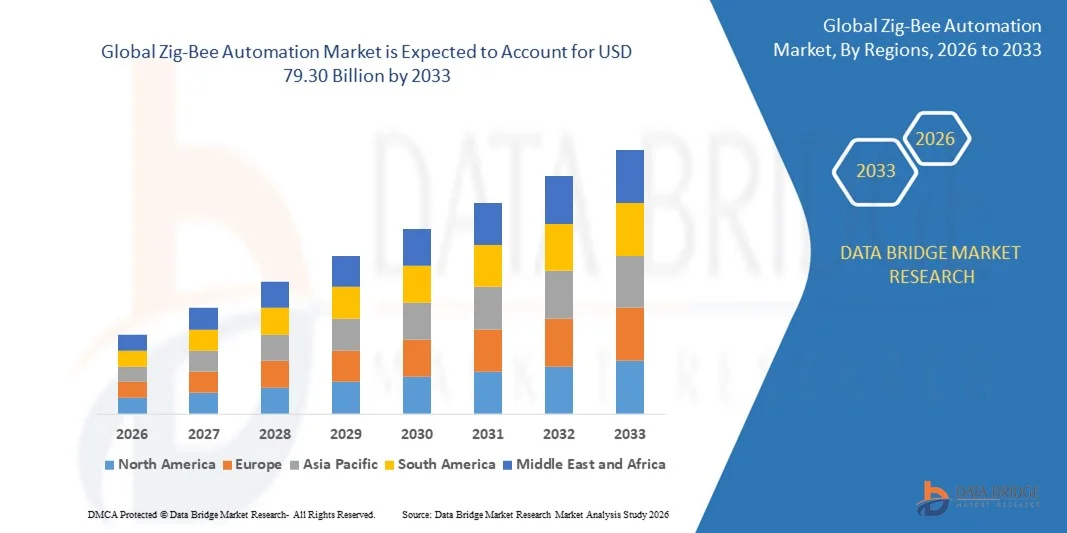
Сегментация рынка автоматизации Zig-Bee
|
Атрибуты |
Zig-Bee Automation - ключевые идеи рынка |
|
Сегменты покрыты |
|
|
Страны, охваченные |
Северная Америка
Европа
Азиатско-Тихоокеанский регион
Ближний Восток и Африка
Южная Америка
|
|
Ключевые игроки рынка |
|
|
Рыночные возможности |
|
|
Информационные наборы данных с добавленной стоимостью |
В дополнение к рыночным идеям, таким как рыночная стоимость, темпы роста, сегменты рынка, географический охват, игроки рынка и рыночный сценарий, отчет о рынке, курируемый командой Data Bridge Market Research, включает углубленный экспертный анализ, анализ импорта / экспорта, анализ цен, анализ потребления продукции и анализ пестле. |
Каковы основные тенденции на рынке автоматизации Zig-Bee
Растущее внедрение умных устройств и беспроводного подключения
- Растущее внимание к подключенным домам и промышленной автоматизации значительно формирует рынок автоматизации, поскольку потребители и предприятия все чаще предпочитают надежные беспроводные решения с низким энергопотреблением. Технология Zig-bee набирает обороты благодаря своей способности обеспечивать бесшовную связь между устройствами при сохранении энергоэффективности и стабильности сети. Эта тенденция усиливает внедрение в умные дома, коммерческие здания и промышленные приложения IoT, побуждая производителей внедрять инновации с новыми продуктами и решениями, которые удовлетворяют растущие потребности в подключении.
- Повышение осведомленности об управлении энергией, операционной эффективности и удаленном мониторинге ускорило потребность в автоматизации зиг-пчел в системах освещения, HVAC, безопасности и интеллектуальных приборах. Потребители и предприятия активно ищут масштабируемые и совместимые беспроводные решения, что побуждает производителей устройств уделять приоритетное внимание совместимости и оптимизации сети.
- Тенденции в области энергоэффективности и устойчивости влияют на решения о покупке, при этом организации и потребители подчеркивают снижение энергопотребления, экологически чистые развертывания и соответствие стандартам беспроводной связи. Эти факторы помогают дифференцировать продукты на конкурентном рынке и завоевать доверие, а также способствуют внедрению сертифицированных устройств с поддержкой зиг-пчел.
- Например, в 2024 году Philips Lighting в США и Schneider Electric во Франции расширили свои портфели интеллектуального освещения и автоматизации зданий, интегрировав модули Zig-bee в жилые и коммерческие решения. Эти развертывания были введены в ответ на растущий спрос на энергоэффективные подключенные устройства с распределением по розничным, онлайн и профессиональным каналам установки.
- В то время как спрос на автоматизацию зиг-пчелы растет, устойчивое расширение рынка зависит от непрерывных исследований и разработок, экономически эффективного производства модулей и поддержания надежной производительности в крупномасштабных сетях. Производители также сосредоточены на улучшении взаимодействия с другими беспроводными стандартами, сетевой безопасности и масштабируемыми решениями для более широкого внедрения.
Динамика рынка автоматизации Zig-Bee
водитель
Растущее предпочтение подключенных беспроводных решений с низким энергопотреблением
- Рост потребительского и корпоративного спроса на умные дома, промышленную автоматизацию и подключение к IoT является основным драйвером для рынка автоматизации зиг-пчел. Производители все чаще интегрируют модули Zig-bee в устройства для обеспечения маломощной, безопасной и надежной беспроводной связи при поддержке масштабируемых сетевых топологий.
- Расширение приложений в области освещения, HVAC, безопасности и промышленного мониторинга влияет на рост рынка. Технология Zig-bee помогает повысить эффективность работы, дистанционное управление иУправление энергопотреблениемподдержание взаимодействия с несколькими устройствами и платформами. Растущее внедрение умных городов и интеллектуальных строительных систем во всем мире еще больше усиливает эту тенденцию.
- Производители устройств активно продвигают решения с поддержкой зиг-пчел через инновации в продуктах, маркетинговые кампании и отраслевые сертификаты. Эти усилия поддерживаются растущим спросом на энергоэффективные, автоматизированные и дистанционно управляемые системы, а также поощряют партнерские отношения между поставщиками технологий, производителями устройств и сервисными интеграторами.
- Например, в 2023 году Samsung SmartThings в Южной Корее и Honeywell в США сообщили об увеличении включения модулей Zig-bee в решения для освещения, HVAC и безопасности. Это расширение последовало за более высоким спросом на подключенные беспроводные системы с низким энергопотреблением, что привело к повторному внедрению и дифференциации продуктов. Обе компании также подчеркнули энергоэффективность и совместимость в маркетинговых кампаниях для укрепления доверия к бренду.
- Хотя растущее внедрение подключенных устройств поддерживает рост, более широкое внедрение зависит от оптимизации затрат, соблюдения нормативных требований и масштабируемости сети. Инвестиции в надежные чипсеты, стандартизированные протоколы и передовые программные решения будут иметь решающее значение для удовлетворения глобального спроса и поддержания конкурентных преимуществ.
Сдержанность/вызов
Высокие затраты на внедрение и проблемы совместимости
- Относительно более высокая стоимость модулей Zig-bee по сравнению с традиционными беспроводными решениями остается ключевой проблемой, ограничивая внедрение среди производителей, чувствительных к цене. Расходы на чипсеты, сборы за сертификацию и сложность интеграции способствуют повышению цен. Кроме того, непоследовательная производительность сети в средах с несколькими поставщиками может дополнительно повлиять на показатели принятия.
- Потребительская и корпоративная осведомленность о преимуществах зиг-пчелы остается неравномерной, особенно на развивающихся рынках, где все еще растет проникновение интеллектуальных устройств. Ограниченное понимание надежности сети и энергосберегающих преимуществ ограничивает внедрение в определенных приложениях. Это также приводит к более медленному внедрению инноваций в странах с развивающейся экономикой, где образовательные инициативы по технологии зиг-пчел минимальны.
- Проблемы интеграции и совместимости также влияют на рост рынка, поскольку сети Zig-Bee требуют совместимости с существующими системами и соблюдения стандартов беспроводной связи. Технические сложности, проблемы сетевой безопасности и обновления прошивки увеличивают операционные усилия. Компании должны инвестировать в надежную инфраструктуру тестирования, сертификации и поддержки для обеспечения бесперебойной работы.
- Например, в 2024 году дистрибьюторы в Индии и Таиланде, поставляющие умные дома и промышленные автоматы, такие как Philips и Schneider Electric, сообщили о более медленном поглощении из-за более высоких затрат на модули и ограниченной осведомленности о преимуществах зиг-пчел по сравнению с решениями Wi-Fi или Bluetooth. Проблемы интеграции с устаревшими устройствами и соответствие сертификации были дополнительными барьерами.
- Преодоление этих проблем потребует экономически эффективного производства, расширенных образовательных инициатив для производителей и конечных пользователей, а также расширенных решений для взаимодействия. Сотрудничество с производителями устройств, органами по стандартизации и поставщиками платформ IoT может помочь раскрыть долгосрочный потенциал роста глобального рынка автоматизации. Кроме того, разработка масштабируемых, безопасных и энергоэффективных модулей при одновременном укреплении маркетинговых стратегий в отношении функциональных преимуществ и преимуществ устойчивости будет иметь важное значение для широкого внедрения.
Как сегментируется рынок автоматизации Zig-Bee
Рынок сегментирован на основе продукта и применения.
- По продукту
На основе продукта рынок автоматизации Zigbee сегментирован на Zigbee Home Automation, Zigbee Light Link, Zigbee Smart Energy и другие. Сегмент Zigbee Home Automation занимал самую большую долю рынка в 2025 году, чему способствовало растущее внедрение подключенных устройств для домашней безопасности, освещения и климат-контроля. Решения Zigbee для домашней автоматизации обеспечивают бесшовную совместимость, низкое энергопотребление и надежное сетевое подключение, что делает их предпочтительным выбором для жилых пользователей.
Ожидается, что в сегменте Zigbee Light Link будут наблюдаться самые быстрые темпы роста с 2026 по 2033 год, чему способствует растущий спрос на энергоэффективные интеллектуальные системы освещения и масштабируемые беспроводные решения управления. Устройства с поддержкой Zigbee Light Link особенно популярны за их простоту установки, возможности удаленного управления и совместимость с несколькими брендами освещения, поддерживающими как новые установки, так и модернизации.
- С помощью приложения
На основе приложения рынок сегментирован на умные дома, подключенный свет, коммунальные услуги и розничные услуги. Сегмент умных домов доминировал в 2025 году из-за растущего предпочтения потребителей автоматизированных домашних сред, которые интегрируют системы освещения, HVAC, безопасности и развлечений. Приложения для умного дома используют технологию Zigbee для надежной беспроводной связи с низким энергопотреблением и упрощенного управления устройствами.
Сегмент Connected Light, по прогнозам, станет свидетелем самого высокого роста с 2026 по 2033 год, чему будет способствовать растущий спрос на энергоэффективные световые решения, инициативы «умного города» и передовые системы автоматизации зданий. Подключенное освещение с поддержкой Zigbee обеспечивает гибкое управление, планирование и интеграцию с другими интеллектуальными устройствами, что делает его все более популярным в жилых, коммерческих и промышленных помещениях.
Региональный анализ рынка автоматизации Zig-Bee
- Северная Америка доминировала на рынке автоматизации с самой большой долей дохода в 42,15% в 2025 году, чему способствовало растущее внедрение устройств «умного дома», решений промышленной автоматизации и приложений с поддержкой IoT.
- Потребители и предприятия в регионе высоко ценят энергоэффективность, низкое энергопотребление и надежную беспроводную связь, предлагаемую устройствами с поддержкой зиг-пчел для домашней автоматизации, освещения, HVAC и систем безопасности.
- Это широкое внедрение также поддерживается высокими располагаемыми доходами, технологически подкованным населением и правительственными инициативами, продвигающими интеллектуальную инфраструктуру, устанавливая автоматизацию зиг-пчел в качестве предпочтительного решения в жилом, коммерческом и промышленном секторах.
Американский рынок автоматизации Zig-Bee
Американский рынок автоматизации zig-bee занял самую большую долю дохода в 2025 году в Северной Америке, чему способствовало быстрое внедрение подключенных устройств и интеллектуальных строительных решений. Потребители и предприятия все чаще отдают приоритет энергоэффективной беспроводной связи, удаленному мониторингу и совместимости устройств. Растущий спрос на умные дома, промышленные IoT-приложения и голосовые системы еще больше стимулирует рынок автоматизации зиг-пчел. Более того, интеграция с такими платформами, как Amazon Alexa, Google Assistant и Apple HomeKit, значительно способствует расширению рынка.
Европейский рынок автоматизации Zig-Bee
Ожидается, что на европейском рынке автоматизации производства зиг-пчел будут наблюдаться самые быстрые темпы роста с 2026 по 2033 год, в первую очередь благодаря строгим правилам энергоэффективности и растущей потребности в подключенных промышленных и жилых решениях. Растущая урбанизация и внедрение интеллектуальных устройств способствуют развертыванию зиг-пчел. Европейские потребители и предприятия стремятся к удобству, дистанционному управлению и экономии энергии, обеспечиваемой технологией Zig-Bee. Регион переживает заметный рост в умных домах, коммерческих зданиях и промышленных приложениях, причем системы зиг-пчел включаются как в новые конструкции, так и в проекты модернизации.
Британский рынок автоматизации Zig-Bee
Ожидается, что на рынке автоматизации зиг-пчел в Великобритании будут наблюдаться самые быстрые темпы роста с 2026 по 2033 год, обусловленные растущим спросом на интеллектуальную домашнюю автоматизацию, энергоэффективное освещение и промышленные решения IoT. Обеспокоенность в отношении потребления энергии, операционной эффективности и устойчивости побуждает домашние хозяйства и предприятия внедрять системы с поддержкой зиг-пчел. Ожидается, что надежная инфраструктура электронной коммерции и интеллектуальных устройств в Великобритании продолжит стимулировать рост рынка.
Немецкий рынок автоматизации Zig-Bee
Ожидается, что немецкий рынок автоматизации зиг-пчел будет наблюдать самые быстрые темпы роста с 2026 по 2033 год, чему способствует повышение осведомленности об энергоэффективности, цифровом управлении зданиями и промышленной автоматизации. Сильная промышленная база Германии и акцент на устойчивых технологических решениях способствуют внедрению зиг-пчел, особенно в жилых, коммерческих и промышленных зданиях. Интеграция зиг-пчелиных систем с интеллектуальными сетями, освещением и решениями HVAC становится все более распространенной, чему способствуют местные потребители, предпочитающие надежные и экологически безопасные технологии.
Азиатско-Тихоокеанский рынок автоматизации Zig-Bee
Ожидается, что на Азиатско-Тихоокеанском рынке автоматизации производства зиг-пчел будут наблюдаться самые быстрые темпы роста с 2026 по 2033 год, обусловленные быстрой урбанизацией, увеличением располагаемых доходов и технологическими достижениями в таких странах, как Китай, Япония и Индия. Растущая склонность региона к умным домам и промышленной автоматизации, наряду с правительственными инициативами, способствующими цифровизации, ускоряет внедрение зиг-пчел. Кроме того, поскольку APAC становится производственным центром для модулей Zig-bee и компонентов IoT, доступность и доступность расширяют рынок до более широкой потребительской базы.
Японский рынок автоматизации Zig-Bee
Ожидается, что японский рынок автоматизации зиг-пчел будет расти с 2026 по 2033 год благодаря высокотехнологичной культуре страны, спросу на подключенные дома и энергоэффективным решениям для автоматизации. Японские потребители и предприятия подчеркивают надежность и совместимость, стимулируя внедрение интеллектуальных домашних, промышленных и осветительных систем с поддержкой зиг-пчел. Интеграция с платформами IoT и системами управления зданиями в сочетании со старением населения для более простых в использовании и автоматизированных решений способствует росту рынка.
Китайский рынок автоматизации Zig-Bee
Китайский рынок автоматизации производства зиг-пчел составил самую большую долю рынка в Азиатско-Тихоокеанском регионе в 2025 году, что объясняется растущим средним классом страны, быстрой урбанизацией и высокими темпами внедрения технологий. Китай является одним из крупнейших рынков смарт-устройств, с технологией зиг-пчелы, все чаще используемой в жилых, коммерческих и промышленных приложениях. Правительственные инициативы «умного города», наличие экономически эффективных модулей «зиг-би» и сильные внутренние производственные возможности являются ключевыми факторами, способствующими росту рынка в Китае.
Доля рынка автоматизации Zig-Bee
Индустрия Zig-Bee Automation в основном управляется хорошо зарекомендовавшими себя компаниями, в том числе:
- Digi International Inc.(США)
- Полупроводники NXP(Нидерланды)
- Корпорация Renesas Electronics(Япония)
- Микрочипные технологии(США)
- STMicroelectronics (Швейцария)
- Texas Instruments Incorporated (США)
- GreenPeak Technologies (Нидерланды)
- Кремниевые лаборатории (США)
- Atmel Corporation (США)
- AAC Technologies (Китай)
- Itron Inc.(США)
- Tendril Networks, Inc. (США)
- Freescale Semiconductor, Inc. (США)
- Aclara Technologies LLC (США)
- Energate Inc. (США)
- Легран (Франция)
- Melange Systems Private Limited (Индия)
- MMB Networks (США)
- OKi Electric Industry Co., Ltd. (Япония)
- SENA Technologies, Inc. (США)
- Profile Systems Holdings (Великобритания)
SKU-
Получите онлайн-доступ к отчету на первой в мире облачной платформе рыночной аналитики

- Интерактивная панель анализа данных
- Панель анализа компании для возможностей с высоким потенциалом роста
- Доступ аналитика-исследователя для настройки и запросов
- Анализ конкурентов с помощью интерактивной панели
- Последние новости, обновления и анализ тенденций
- Используйте возможности сравнительного анализа для комплексного отслеживания конкурентов
Методология исследования
Сбор данных и анализ базового года выполняются с использованием модулей сбора данных с большими размерами выборки. Этап включает получение рыночной информации или связанных данных из различных источников и стратегий. Он включает изучение и планирование всех данных, полученных из прошлого заранее. Он также охватывает изучение несоответствий информации, наблюдаемых в различных источниках информации. Рыночные данные анализируются и оцениваются с использованием статистических и последовательных моделей рынка. Кроме того, анализ доли рынка и анализ ключевых тенденций являются основными факторами успеха в отчете о рынке. Чтобы узнать больше, пожалуйста, запросите звонок аналитика или оставьте свой запрос.
Ключевой методологией исследования, используемой исследовательской группой DBMR, является триангуляция данных, которая включает в себя интеллектуальный анализ данных, анализ влияния переменных данных на рынок и первичную (отраслевую экспертную) проверку. Модели данных включают сетку позиционирования поставщиков, анализ временной линии рынка, обзор рынка и руководство, сетку позиционирования компании, патентный анализ, анализ цен, анализ доли рынка компании, стандарты измерения, глобальный и региональный анализ и анализ доли поставщика. Чтобы узнать больше о методологии исследования, отправьте запрос, чтобы поговорить с нашими отраслевыми экспертами.
Доступна настройка
Data Bridge Market Research является лидером в области передовых формативных исследований. Мы гордимся тем, что предоставляем нашим существующим и новым клиентам данные и анализ, которые соответствуют и подходят их целям. Отчет можно настроить, включив в него анализ ценовых тенденций целевых брендов, понимание рынка для дополнительных стран (запросите список стран), данные о результатах клинических испытаний, обзор литературы, обновленный анализ рынка и продуктовой базы. Анализ рынка целевых конкурентов можно проанализировать от анализа на основе технологий до стратегий портфеля рынка. Мы можем добавить столько конкурентов, о которых вам нужны данные в нужном вам формате и стиле данных. Наша команда аналитиков также может предоставить вам данные в сырых файлах Excel, сводных таблицах (книга фактов) или помочь вам в создании презентаций из наборов данных, доступных в отчете.











