



Middle East and Africa Edible Insects Market, By Insect Type (Crickets, Mealworms, Black Soldier Flies, Buffalo's, Grasshoppers, Ants, Silkworms, Cicadas, and Others), Insect Category (Regular Insects, and Premium Diet-Fed Insects), Application (Human Consumption Products, Animal Nutrition, Insect Oil, Pharmaceuticals, Cosmetics, Personal Care, and Others), Distribution Channel (Direct, Indirect) - Industry Trends and Forecast to 2030.
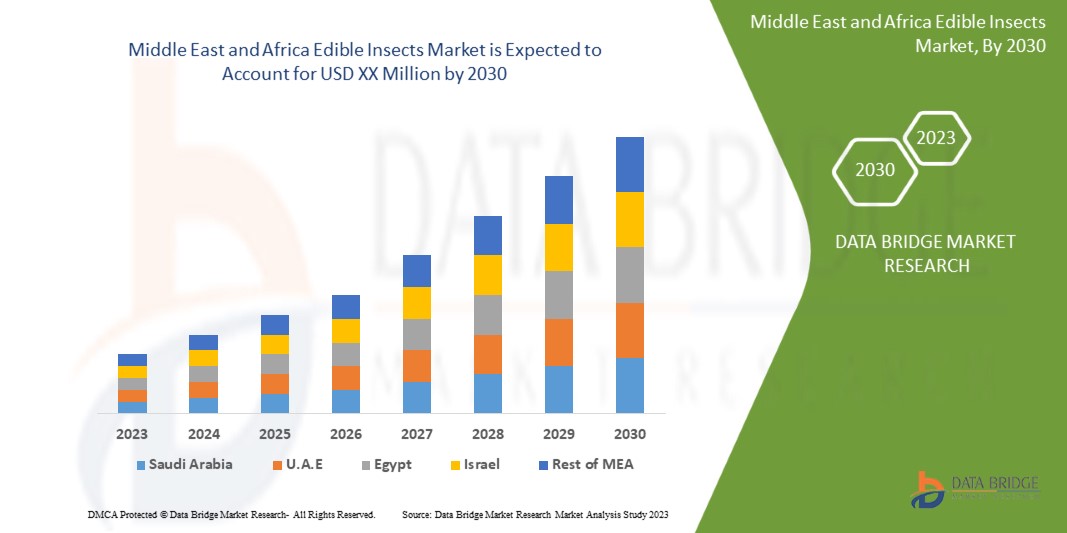
Ближний Восток и Африка Съедобные насекомые Анализ рынка и понимание
Рынок съедобных насекомых на Ближнем Востоке и в Африке обусловлен такими факторами, как растущая склонность к потреблению богатых белком продуктов питания, а также коммерческая выгода от выращивания насекомых.
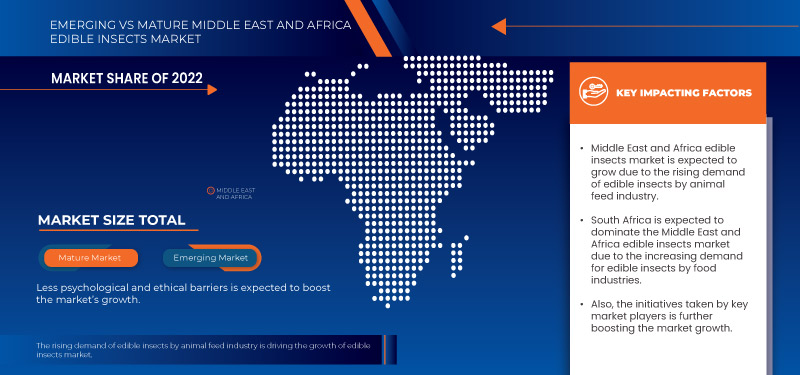
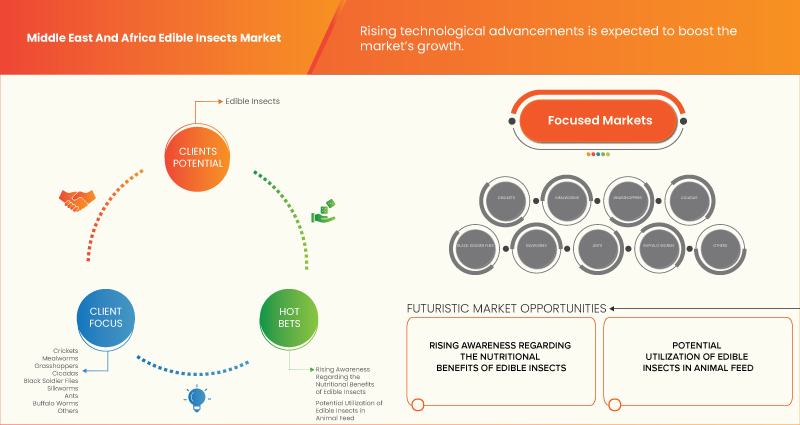
Одним из основных факторов, стимулирующих рост рынка съедобных насекомых, является растущая склонность к потреблению продуктов, богатых белком. Продолжающиеся клинические исследования, проведенные несколькими предприятиями по безопасности пищевых продуктов для улучшения выбора съедобного мяса и потенциала съедобных насекомых в качестве нового источника биологически активных соединений, приводят к расширению рынка. На рынок также влияет увеличение распространенности патогенов пищевого происхождения у насекомых. Однако этические барьеры, связанные с традициями и культурой, недостаточная осведомленность населения, особенно в развивающихся странах, и длительное время для нормативно-правовой базы могут выступать сдерживающими факторами для рынка съедобных насекомых на Ближнем Востоке и в Африке в прогнозируемый период.
Спрос на съедобных насекомых, как ожидается, увеличится на Ближнем Востоке и в Африке из-за растущего недоедания населения.
Рынок съедобных насекомых на Ближнем Востоке и в Африке поддерживает и стремится снизить риск передачи зоонозных заболеваний при потреблении съедобных насекомых. Согласно анализу Data Bridge Market Research, рынок съедобных насекомых на Ближнем Востоке и в Африке вырастет на 24,0% в течение прогнозируемого периода с 2023 по 2030 год.
|
Метрический отчет |
Подробности |
|
Прогнозный период |
2023-2030 годы |
|
Базовый год |
2022 |
|
Исторические годы |
2021 (Customizable to 2014 - 2019) |
|
количественные единицы |
Доход в миллионах, цена в долларах США |
|
Сегменты покрыты |
Тип насекомых (Крикиты, черви, черные солдатские мухи, буйволы, кузнечики, муравьи, шелкопряды, цикады и другие), категория насекомых (обычные насекомые и насекомые с премиальной диетой), применение (продукты для потребления человеком, питание животных, масло насекомых, фармацевтические препараты, косметика, личная помощь и другие), канал распределения (прямой, косвенный) |
|
Страны, охваченные |
Южная Африка, Саудовская Аравия, ОАЭ, Эфиопия, Катар, Кувейт, остальная часть Ближнего Востока и Африка |
|
Рыночные игроки покрыты |
Ynsect, Aspire Food Group, BETA HATCH, Fluker's Cricket Farm, Entomo Farms, Enviroflight, Chapul, LLC, Symton Black Soldier Fly и Armstrong Crickets Georgia среди других |
Определение рынка
Съедобные насекомые представляют собой высококачественную пищу для людей, скота, птицы и рыбы. Поскольку насекомые холоднокровные, они имеют высокий коэффициент конверсии пищи. Некоторые насекомые являются источником полноценного белка и обеспечивают аналогичные необходимые белки вегетарианской диете.
Использование съедобных насекомых в кормах для животных рассматривается для быстрого и быстрого дефицита питательных веществ среди животных. Это потенциальное использование также помогает в массовом распределении и масштабируемости кормов для животных за короткий промежуток времени. Питание съедобных насекомых также устойчиво, поскольку они играют важную роль в круговой цепи питания.
Ближний Восток и Африка Динамика рынка съедобных насекомых
Водители
- Коммерческая выгода от выращивания насекомых
Большинство съедобных насекомых собирают в дикой природе, но некоторые виды насекомых были одомашнены из-за их коммерчески ценных продуктов. Шелковые черви и пчелы являются наиболее известными примерами. Серикультура, практика выращивания шелкопрядов для производства сырого шелка, имеет свое происхождение в Китае.
Насекомые также выращиваются в сельском хозяйстве для борьбы с вредителями насекомых или для опыления. При биологическом контроле крупные животноводческие компании массово производят полезных насекомых, таких как хищники и паразитоиды. Эти насекомые часто продаются фруктовым, овощным и цветочным фермерам для борьбы с насекомыми-вредителями, а также используются в крупных усадебных культурах, например, яичные паразитоиды (Trichogramma spp.) и личиночные паразитоиды (Cotesia flavipes) для борьбы с борцами с сахарным тростником. Шмели (Bombus spp.) и медоносные пчелы (Apis spp.) выращиваются по всему миру, чтобы помочь фермерам опылять сельскохозяйственные культуры и фруктовые сады.
Таким образом, можно сделать вывод, что коммерческие выгоды от выращивания насекомых способствуют росту рынка съедобных насекомых на Ближнем Востоке и в Африке.
- Подходящая альтернатива дорогостоящим традиционным источникам белка
Питательные значения съедобных насекомых сильно различаются, не в последнюю очередь из-за широкого разнообразия видов. Как и большинство продуктов, методы приготовления и обработки (например, сушка, кипячение или жарка), применяемые перед употреблением, также влияют на питательный состав. Тем не менее, из-за их питательной ценности, они по-прежнему являются очень важным источником пищи для населения. Содержание белка также зависит от корма (например, овощей, зерна или отходов).
Кузнечики в Нигерии, которые питаются отрубями, которые содержат высокий уровень незаменимых жирных кислот, имеют почти вдвое больше белка, чем те, которые питаются кукурузой. Содержание белка у насекомых также зависит от стадии метаморфоза. Взрослые обычно имеют более высокое содержание белка, чем взрослые.
Следовательно, ожидается, что использование белков на основе насекомых в качестве альтернативы дорогостоящим растительным и животным белкам будет способствовать росту рынка в прогнозируемый период.
Возможности
- Повышение осведомленности о преимуществах питания
Диета с сбалансированным питанием имеет важное значение для роста, развития и производительности животных, поэтому съедобные насекомые оказываются потенциальным вариантом питания для сбалансированной диеты. Ингредиенты насекомых выступают в качестве важного источника питания для животных с многочисленными потенциальными преимуществами для здоровья.
Использование съедобных насекомых в кормах для животных рассматривается для быстрого и быстрого дефицита питательных веществ среди животных. Это потенциальное использование также помогает в массовом распределении и масштабируемости кормов для животных за короткий промежуток времени. Питание съедобных насекомых также устойчиво, поскольку они играют важную роль в круговой цепи питания.
Тем не менее, съедобные насекомые регулируются таким же образом, как и любые другие продукты питания в соответствии с неформальной политикой FDA, поскольку насекомые подчиняются правилам пищевых добавок, которые регулируются общим признанием безопасности.
Ограничения/проблемы
- Повышение основных рисков безопасности пищевых продуктов и руководящих принципов
Опасность пищевых продуктов играет важную роль на рынке съедобных насекомых. Эти строгие правила и положения необходимы для утверждения правительством для обеспечения безопасности людей и окружающей среды. Различные или растущие опасности безопасности пищевых продуктов от съедобных насекомых могут быть биологическими, химическими или физическими опасностями, включая бактерии, вирусы, грибы, микотоксины, пестициды, паразиты и противомикробные препараты.
Основные участники подсистемы могут отдавать предпочтение или быть менее восприимчивыми к строгим руководящим принципам и правилам отрасли, когда уровни прибыли снижаются, поскольку строгое регулирование повысит инвестиционные и производственные затраты и потенциально снизит маржу для всех фермеров или производителей насекомых и конечных пользователей.
Однако вопросы безопасности и необходимость создания новой правовой базы будут решаться в различных странах.
Последние события
- В январе 2023 года Yensect расширила свое присутствие на Ближнем Востоке и в Африке и завершила строительство крупнейшей в мире фермы насекомых Ynfarm, ускорив ее доставку клиентам.
- В июне 2022 года Aspire поддержала развитие сельского хозяйства насекомых, спонсируя кафедру образовательного лидерства в области производства и первичной обработки съедобных насекомых в Университете Лаваля. Компания считает, что это поможет им распространять информацию о съедобных насекомых.
Сегментация рынка съедобных насекомых на Ближнем Востоке и в Африке
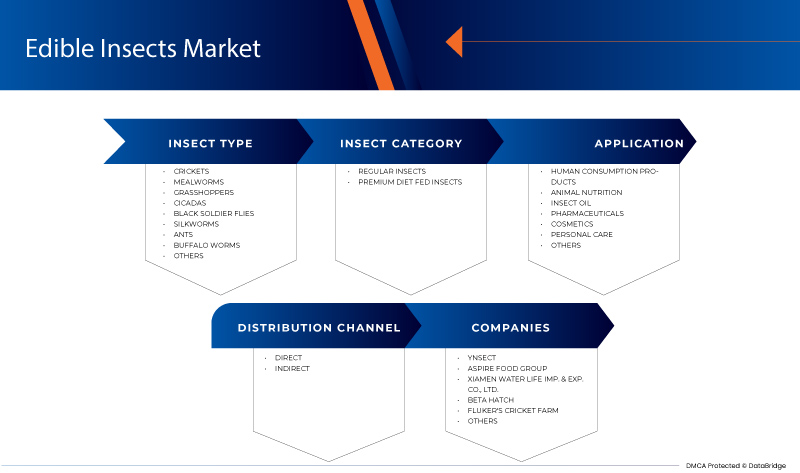
Рынок съедобных насекомых на Ближнем Востоке и в Африке разделен на четыре заметных сегмента на основе типа насекомых, категории насекомых, применения и канала распространения. Рост среди сегментов помогает анализировать нишевые карманы роста и стратегии, чтобы приблизиться к рынку и определить основные области применения и разницу на целевых рынках.
Тип насекомых
- Сверчки
- Пищевые черви
- кузнечики
- Цикады
- Черный солдат летит
- Шелковые черви
- Муравьи
- Буффало
- Другие
На основе типа насекомых рынок съедобных насекомых Ближнего Востока и Африки подразделяется на сверчков, мух-кормилиц, черных солдатских мух, буйволов, кузнечиков, муравьев, шелкопрядов, цикад и других.
Категория насекомых
- регулярные насекомые
- Премиум диета насекомые
Исходя из категории насекомых, рынок съедобных насекомых на Ближнем Востоке и в Африке разделен на обычных насекомых и насекомых с премиальной диетой.
Применение
- Продукты потребления человека
- Питание животных
- Масло насекомых
- Фармацевтические препараты
- косметика
- Личная забота
- Другие
На основе применения рынок съедобных насекомых на Ближнем Востоке и в Африке подразделяется на продукты потребления человеком, питание животных, масло насекомых, фармацевтические препараты, косметику и уход за собой.
канал распределения
- прямой
- косвенный
На основе канала распространения рынок съедобных насекомых Ближнего Востока и Африки сегментирован на прямой и косвенный.
Региональный анализ рынка съедобных насекомых / Insights
Анализируется рынок съедобных насекомых, и информация о размере рынка и тенденциях обеспечивается типом насекомых, категорией насекомых, применением и каналом распространения, как указано выше.
Странами, охваченными в отчете о рынке съедобных насекомых на Ближнем Востоке и в Африке, являются Южная Африка, Саудовская Аравия, ОАЭ, Эфиопия, Катар, Кувейт, остальная часть Ближнего Востока и Африка.
Ожидается, что в 2023 году Южная Африка будет доминировать на рынке съедобных насекомых на Ближнем Востоке и в Африке из-за растущего технологического прогресса в развивающихся районах.
В страновом разделе отчета также представлены отдельные факторы, влияющие на рынок, и изменения в регулировании рынка, которые влияют на текущие и будущие тенденции рынка. Такие данные, как анализ цепочки создания стоимости, технические тенденции, анализ пяти сил Портера, тематические исследования, являются одними из показателей, используемых для прогнозирования рыночного сценария для отдельных стран. Кроме того, рассматриваются наличие и доступность брендов Ближнего Востока и Африки и их проблемы, с которыми сталкиваются из-за большой или скудной конкуренции со стороны местных и отечественных брендов, влияние внутренних тарифов и торговых маршрутов при предоставлении прогнозного анализа данных по стране.
SKU-
Получите онлайн-доступ к отчету на первой в мире облачной платформе рыночной аналитики

- Интерактивная панель анализа данных
- Панель анализа компании для возможностей с высоким потенциалом роста
- Доступ аналитика-исследователя для настройки и запросов
- Анализ конкурентов с помощью интерактивной панели
- Последние новости, обновления и анализ тенденций
- Используйте возможности сравнительного анализа для комплексного отслеживания конкурентов
Содержание
1 Введение
1.1 Цели исследования
1.2 Маркетологическое определение
1.3 ОБЩЕСТВО ПОСЛЕДНОГО ВОСТОКА И АФРИКА СПОСОБНЫЕ МАРКЕТЫ
1.4 КУРРЕНСИЯ И ПРИЧИНА
1.5 Ограничения
1,6 МАРКЕТЫ КОНВЕРЕННЫ
2 МЕЖДУНАРОДНЫЙ ВОСТОК И АФРИКА СПОСОБНЫЕ МАРКЕТЫ: СЕГМЕНТАЦИЯ
2.1 Приняты меры
2.2 ГЕОГРАФИЧЕСКАЯ СКОПА
2,3 года, присланные на обучение
2.4 DBMR TRIPOD DATA VALIDATION
2.5 Первичное Интервью с ключевыми лидерами
2.6 МУЛЬТИВАРИАТНОЕ МОДЕЛЛирование
2.7 КУРВНАЯ ЛИФЕЛИННАЯ ТИПНОСТЬ
2.8 DBMR MARKET POSITION GRID
2.9 ВЕНДОР ДЕЛАЕТ АНАЛИЗИС
2.1 МАРКЕТНАЯ ПРИМЕЧАНИЕ КОВЕРАГ ГРИД
2.11 Вторичные источники
3 ИСПОЛНИТЕЛЬНАЯ РЕЗЮМЕ
4 Премиум Впечатления
4.1 Портеры пяти сил
4.2 Покупатель, владеющий властью:
4.3 СОГЛАШАЮЩАЯ СРЕДСТВО СУПЛЕНИЯ:
4.4 Угроза новых предпринимателей
4.5 Угроза субститутов
4.6 Внутренняя конкуренция (РИВАЛЬНОСТЬ)
4.7 ВАЖНО-ЭКСПОРТНЫЙ АНАЛИЗ
4.8 Индустриальные тенденции и перспективы
4.9 Расширенные стратегии, принятые ключевыми игроками рынка
4.1 Вспомогательный анализ цепи
4.11 Предполагая надежную цепь и ее важность
4.12 СКЕНАРИО В АСИАНСКИХ СТРАНАХ
4.13 СКЕНАРИО в Африке и Европейском союзе
4.14 Принятие электронного сообщения
4.15 ВЫВОД
4.16 Технический обзор методов производства
4.17 ЦЕННОСТЬ СПОСОБНОСТИ МАРКЕТА -
4.18 Последствия экономического спада на рынке
5 ПРАВИЛЬНАЯ РАМКА И ГИДЕЛИНЫ
5.1 СКЕНАРИЯ ПРАВИЛА В ЕВРОПЕЙСКОМ СОЮЗЕ
5.2 СКЕНАРИЯ ПРАВИТЕЛЬСТВА В АМЕРИКАНЕ
5.3 ПРЕДУПРЕЖДЕНИЕ СКЕНАРИО В АСИА-ПАЦИФИКЕ
5.4 СКЕНАРИО ПРАВИТЕЛЬСТВА В СРЕДНЕМ ВОСТОКЕ И АФРИКА
6 МАРКЕТНЫЙ ОБЗОР
6.1 Водители
6.1.1 ЗАПИСАНИЕ ПИЩЕВЫХ ПИЩЕВ ОБЯЗАТЕЛЬНОСТЬ ПИЩЕВЫХ ПРОТЕИНОВ ПИЩА, ПРИМЕНЯЕМЫХ ИЗМЕНЯЮЩИХ ПИЩ МНОГИХ ИНДИВИДУАЛОВ
6.1.2 КОММЕРЧЕСКАЯ ПОЛОЖЕНИЕ ИНСЕКТОВ
6.1.3 ПОСЛЕДОВАТЕЛЬНЫЕ АЛТЕРНАТИВНЫЕ К ВЫСОКОСТОЧНЫМ КОНВЕНЦИОННЫМ ИСТОЧНИКАМ ПРОТЕИНОВ
6.1.4 МИНИМАЛЬНЫЙ РИСК ТРАНСМИТИРОВАНИЯ ЗООНОТНЫХ БЕЗОПАСНОСТЕЙ С ПОСЛЕДОВАНИЕМ ЕДИВЫХ ИНСЕКТОВ
6.2 УВЕДОМЛЕНИЯ
6.2.1 Недостаток ОТВЕТСТВЕННОСТИ, ОТВЕТСТВУЮЩИЙ ПОСЛЕДОВАНИЕ СПОСОБНЫХ ИНСЕКТОВ
6.2.2 Нестандартная нормативная база в некоторых регионах
6.2.3 Включение психологических и этических барьеров
6.3 Положения
6.3.1 ОТВЕТСТВЕННОСТЬ ОТ ОТВЕТСТВЕННОСТИ ПРИРОДНЫХ БЕНЕФИТОВ
6.3.2 ПОТЕНЦИАЛЬНАЯ УТИЛИЗАЦИЯ ЕДИВИЖНЫХ ИНСЕКТОВ ДЛЯ ЖИВОЙ КОЖДЫ
6.4 Вызовы
6.4.1 ВЫСОКИВАЮЩИЕ САМЫЕ БЕЗОПАСНЫЕ ХАЗАРДЫ И ГИДЕЛИНЫ
6.4.2 Угроза хронического заболевания
7 МЕЖДУНАРОДНЫЙ ВОСТОК И АФРИКА СПОСОБНЫЕ МАРКЕТЫ, ПО ТИПУ НЕВЕРНЫХ
7.1 Проверка
7.2 КРИКЕТЫ
7.3 ЗДОРОВЬЯ
7.4 ГРАСШОПЕРЫ
7,5 CICADAS
7.6 Черный солдат
7.7 ШИЛКВОРМС
7,8 Ант
7.9 Слова Буфало
7.1 Другие
8 МЕЖДУНАРОДНЫЙ ВОСТОК И АФРИКА СПОСОБНЫЕ МАРКЕТЫ, ПО КАТЕГОРИИ НЕЗАВИСИМОСТИ
8.1 Проверка
8.2 Регулярные требования
8.3 ПРЕМИУМНЫЕ ПРИМЕНЕНИЯ ДИЕТА
9 МЕДЛЯ ВОСТОК И АФРИКА СПОСОБНЫЕ МАРКЕТЫ
9.1 Проверка
9.2 Продукты человеческого потребления
9.2.1 Продукты человеческого потребления, по типу
9.2.1.1 Все сообщения
9.2.1.2 Оплодотворение и сила
9.2.1.3 ПРИМЕНЯЕТСЯ БАР
9.2.1.4 Недобросовестные схемы
9.2.1.4.1 Осуществляемые сообщения
9.2.1.4.2 ЧИПС
9.2.1.4.3 КРЕКЕРЫ
9.2.1.5 СЕРДЦА
9.2.1.5.1 Питьевые протеины
9.2.1.5.2 Пьянки-инсекты
9.2.1.5.3 Пиво
9.2.1.5.4 Мягкие напитки
9.2.1.5.5 Духи
9.2.1.6 ПРОЦЕССОВАННЫЙ ПИЩ
9.2.1.6.1 ПАСТА
9.2.1.6.2 Ноодли
9.2.1.7 КОНФЕКЦИОНЕР
9.2.1.7.1 Кандидаты
9.2.1.7.2 СВЯЗИ
9.2.1.7.3 ХОКОЛАТЫ
9.2.1.8 БАКЕРИЯ НЕДОСТОЯТЕЛЬНОСТИ
9.2.1.8.1 Куки
9.2.1.8.2 КРАСНЫЙ
9.2.2 Продукты человеческого потребления, по типу инстинкта
9.2.2.1 КРИКЕТЫ
9.2.2.2 Мясоводство
9.2.2.3 ГРАСШОПЕРЫ
9.2.2.4 ЦИКАДА
9.2.2.5 Блэк Солдат Летает
9.2.2.6 ШИЛКВОРМС
9.2.2.7 АНТ
9.2.2.8 Слова Буфало
9.2.2.9 Другие
9.3 Животноводство
9.3.1 Животноводство, по типу продукции
9.3.1.1 Непродуктивная пища
9.3.1.2 ПРОТЕИН ИНСЕКТОВ (как ИНСРЕДИЕНТ)
9.3.2 Животноводство с использованием живописного типа
9.3.2.1 Акуатическое питание
9.3.2.1.1 КПГВ
9.3.2.1.2 Крестьяне
9.3.2.1.3 Моллюски
9.3.2.2 Питание ПЭТ
9.3.2.3 Свиное хозяйство
9.3.2.3.1 РЫБЫ
9.3.2.3.2 ГРУППА
9.3.2.3.3 Стартер
9.3.2.4 ПОЛЬЗОВАТЕЛЬСТВО
9.3.2.4.1 Бройлеры
9.3.2.4.2 Маяки
9.3.2.4.3 СВЕДЕНИЯ
9.3.2.5 ОБЩЕСТВО
9.3.2.5.1 ГЛУБОЧНЫЙ КАТТЛ
9.3.2.5.2 Дневная тележка
9.3.2.5.3 КОЛЬВЫ
9.3.3 АНИМАЛЬНОЕ ПРИРОДСТВО, ПО ТИПУ НЕЗАВИСИМОСТИ
9.3.3.1 КРИКЕТЫ
9.3.3.2 МЕАЛВОРМС
9.3.3.3 ГРАСШОПЕРЫ
9.3.3.4 CICADAS
9.3.3.5 Блэк Солдат Летает
9.3.3.6 ШИЛКВОРМС
9.3.3.7 Антанты
9.3.3.8 Слова Буфало
9.3.3.9 Другие
9.4 Неактивное масло
9.4.1 КРИКЕТЫ
9.4.2 Мясоводство
9.4.3 ГРАСШОПЕРЫ
9.4.4 ЦИКАДА
9.4.5 Блэк Солдат Летает
9.4.6 ШИЛКВОРМС
9.4.7 АНТ
9.4.8 Слова Буфало
9.4.9 Другие
9.5 Фармацевтический
9.5.1 КРИКЕТЫ
9.5.2 Мясоводство
9.5.3 ГРАСШОПЕРЫ
9.5.4 CICADAS
9.5.5 Блэк Солдат Летает
9.5.6 ШИЛКВОРМС
9.5.7 Антанты
9.5.8 Слова Буфало
9.5.9 Другие
9.6 Косметика
9.6.1 КРИКЕТЫ
9.6.2 Мясоводство
9.6.3 ГРАСШОПЕРЫ
9.6.4 ЦИКАДА
9.6.5 Блэк Солдат Летает
9.6.6 ШИЛКВОРМС
9.6.7 Антанты
9.6.8 Слова Буфало
9.6.9 Другие
9.7 Личная забота
9.7.1 Личная забота, по типу
9.7.1.1 Уход за кожей
9.7.1.2 Волосы
9.7.2 ЛИЧНАЯ ОПАСНОСТЬ, ПО ТИПУ НЕПРЯМОСТИ
9.7.2.1 КРИКЕТЫ
9.7.2.2 Мясоводство
9.7.2.3 ГРАСШОПЕРЫ
9.7.2.4 ЦИКАДА
9.7.2.5 Блэк Солдат Летает
9.7.2.6 ШИЛКВОРМС
9.7.2.7 АНТ
9.7.2.8 Слова Буфало
9.7.2.9 Другие
9.8 Другие
10 МЕЖДУНАРОДНЫЙ ВОСТОК И АФРИКА СПОСОБНЫЕ ИНСЕКТЫ МАРКЕТ, СПОСОБСТВЕННЫЙ ШАННЕЛЬ
10.1 Проверка
10.2 Правильный
10.3 Непрямые
11 МЕДЛЕВОЕ ВОСТОК И АФРИКА СПОСОБНЫЕ МАРКЕТЫ
11.1 Средний Восток и Африка
11.1.1 Южная Африка
11.1.2 САУДИ АРАБИЯ
11.1.3 ЕАОС
11.1.4 Катар
11.1.5 КУВАИТ
11.1.6 Эфиопия
11.1.7 Продолжительность пребывания в Средние века и Африке
12 МЕДЛЕВЫЙ ВОСТОК И АФРИКА СПОСОБНЫЕ МАРКЕТЫ: КОМПАНИЯ ЛАНДСКАП
12.1 КОМПАНИЯ ДЛЯ АНАЛИЗА: Средний Восток и Африка
13 СВОТ АНАЛИЗ
14 КОМПАНИЯ ПРОФИЛЬНЫЕ
14.1 ИНСЕКТ
14.1.1 КОМПАНИЯ СНАПШОТ
14.1.2 КОМПАНИЯ ДЛЯ АНАЛИЗА
14.1.3 ПРОДУКТ ПОРТФОЛИО
14.1.4 ТЕХНОЛОГИИ
14.2 Продовольственная группа
14.2.1 КОМПАНИЯ СНАПШОТ
14.2.2 КОМПАНИЯ ДЛЯ АНАЛИЗА
14.2.3 ПРОДУКТ ПОРТФОЛИО
14.2.4 ТЕХНОЛОГИИ
14.3 XIAMEN WATER LIFE IMP. & EXP. CO., LTD.
14.3.1 КОМПАНИЯ СНАПШОТ
14.3.2 КОМПАНИЯ ДЛЯ АНАЛИЗА
14.3.3 ПРОДУКТ ПОРТФОЛИО
14.3.4 ТЕХНОЛОГИИ
14.4 БЕТА-ХАТЧ
14.4.1 КОМПАНИЯ СНАПШОТ
14.4.2 КОМПАНИЯ ДЛЯ АНАЛИЗА
14.4.3 ПРОДУКТ ПОРТФОЛИО
14.4.4 РАЗВИТИЯ РЕЦЕНТОВ
14.5 ФЛУКЕРОВСКАЯ КРИКЕТНАЯ ФАРМА
14.5.1 КОМПАНИЯ СНАПШОТ
14.5.2 КОМПАНИЯ ДЛЯ АНАЛИЗА
14.5.3 ПРОДУКТ ПОРТФОЛИО
14.5.4 ТЕХНОЛОГИИ
14.6 УПРАВЛЕНИЕ КРИКЕТОВ ГЕОРГИЯ
14.6.1 КОМПАНИЯ СНАПШОТ
14.6.2 ПРОДУКТ ПОРТФОЛИО
14.6.3 ТЕХНОЛОГИИ
14.7 CHAPUL, LLC
14.7.1 КОМПАНИЯ СНАПШОТ
14.7.2 ПРОДУКТ ПОРТФОЛИО
14.7.3 ТЕХНОЛОГИИ
14.8 ФАРМЫ ЕНТОМО
14.8.1 КОМПАНИЯ СНАПШОТ
14.8.2 КОМПАНИЯ ДЛЯ АНАЛИЗА
14.8.3 ПРОДУКТ ПОРТФОЛИО
14.8.4 ТЕХНОЛОГИИ
14.9 ОБЩЕСТВО
14.9.1 КОМПАНИЯ СНАПШОТ
14.9.2 КОМПАНИЯ ДЛЯ АНАЛИЗА
14.9.3 ПРОДУКТ ПОРТФОЛИО
14.9.4 ТЕХНОЛОГИИ
14.1 Инсекте
14.10.1 КОМПАНИЯ СНАПШОТ
14.10.2 КОМПАНИЯ ДЛЯ АНАЛИЗА
14.10.3 ПРОДУКТ ПОРТФОЛИО
14.10.4 ТЕХНОЛОГИИ
14.11 INVERTAPRO AS
14.11.1 КОМПАНИЯ СНАПШОТ
14.11.2 КОМПАНИЯ ДЛЯ АНАЛИЗА
14.11.3 ПРОДУКТ ПОРТФОЛИО
14.11.4 ТЕХНОЛОГИИ
14.12 Джимини
14.12.1 КОМПАНИЯ СНАПШОТ
14.12.2 ПРОДУКТ ПОРТФОЛИО
14.12.3 РАЗВИТИЯ РЕЦЕНТОВ
14.13 KRECA ENTO FEED BV
14.13.1 КОМПАНИЯ СНАПШОТ
14.13.2 ПРОДУКТ ПОРТФОЛИО
14.13.3 РАЗВИТИЯ РЕЦЕНТОВ
14.14 Симон Черный Солдат летает.
14.14.1 КОМПАНИЯ СНАПШОТ
14.14.2 ПРОДУКТ ПОРТФОЛИО
14.14.3 РАЗВИТИЯ РЕЦЕНТОВ
15 вопросов
16 Связанные поправки
Список таблиц
СТАТЬЯ 1 МИДЛЯ ВОСТОК И АФРИКА СПОСОБНЫЕ ИНСЕКТЫ МАРКЕТ, В НЕПРОСТОЯННОМ ТИПе, 2021-2030 (Миллион долларов США)
СТАТЬЯ 2 МИДЛЯ ВОСТОЧНИК И КРИКЕТЫ АФРИКИ В РЕГИОНАЛЬНОМ МАРКЕТЕ, 2021-2030 (Миллион долларов США)
СТАТЬЯ 3 МИДЛЯ ВОСТОК И АФРИКА МИЛЬВОРМЫ В РЕГИОНАЛЬНОМ МАРКЕ, 2021-2030 (Миллион долларов США)
СТАТЬЯ 4 МИДЛЯ ВОСТОК И АФРИКА ГРАСШОПЕРЫ В СПОСОБНОМ МАРКЕ ОТВЕТСТВЕННОСТИ, ПО РЕГИОНУ, 2021-2030 (Миллион долларов США)
СТАТЬЯ 5 МИДЛЯ ВОСТОК И АФРИКА ЦИКАДА В РЕГИОНАЛЬНОМ МАРКЕ, 2021-2030 (Миллион долларов США)
СТАТЬЯ 6 МЕЖДУНАРОДНЫЙ ВОСТОК И АФРИКА ЧЕРНЫЙ СОЛДАТ В МАРКЕ ЕДИБИЛЬНЫХ ОТВЕТОВ, КОЛУМБИЯ, 2021-2030 (Миллион долларов США)
СТАТЬЯ 7 МИДЛЯ ВОСТОК И АФРИКА СИЛКВОРМС В РЕГИОНАЛЬНОМ МАРКЕ, 2021-2030 (Миллион долларов США)
СТАТЬЯ 8 МИДЛЯ ВОСТОЧНИК И АФРИКА В РЕГИОНАЛЬНОМ МАРКЕ, 2021-2030 (Миллион долларов США)
СТАТЬЯ 9 МИДЛЯ ИСТОЧНИК И АФРИКА БУФФАЛО В РЕГИОНЕ МАРКЕТ, 2021-2030 (Миллион долларов США)
TABLE 10 MIDDLE EAST & AFRICA OTHERS IN EDIBLE INSECTS MARKET, BY REGION, 2021-2030
СТАТЬЯ 11 МИДЛЯ ВОСТОК И АФРИКА СПОСОБНЫЕ ИНСЕКТЫ МАРКЕТ, КАТЕГОРИЯ НЕЗАВИСИМОСТИ, 2021-2030 (Миллион долларов США)
СТАТЬЯ 12 МЕЖДУНАРОДНЫЙ ВОСТОК И ПРАВИЛЬНЫЕ ИНСЕКТЫ АФРИКИ В РЕГИОНАЛЬНОМ МАРКЕТЕ ИНСЕКТОВ, К РЕГИОНУ, 2021-2030 (Миллион долларов США)
СТАТЬЯ 13 МИДЛЯ ВОСТОК И ПРЕМИИ АФРИКИ ПРАВИЛЬНЫЕ ПРАВИЛЬНЫЕ ПРАВИЛА В РЕГИОНЕ, 2021-2030 (Миллион долларов США)
СТАТЬЯ 14 МИДЛЯ ВОСТОК И АФРИКА СПОСОБНЫЕ МАРКЕТЫ, ПО ПРИМЕЧАНИЮ, 2021-2030 (Миллион долларов США)
СТАТЬЯ 15 ПРОДУКТЫ ЧЕЛОВЕКА В РЕГИОНЕ, 2021-2030 (Миллион долларов США)
СТАТЬЯ 16 ПРОДУКТЫ ЧЕЛОВЕКА В СПОСОБНЫХ МАРКЕТНЫХ ОТВЕТСТВЕННОСТИ, В ТИПЕ, 2021-2030 (Миллион долларов США)
СТАТЬЯ 17 МИДЛЕВОЕ ВОСТОЧНИКОВ И АФРИЧЕСКИХ НЕДОСТОЯТЕЛЬНЫХ ЗНАКОВ В МАРКЕ ЕДИБИЛЬНЫХ ОТВЕТОВ, ПО ПРИМЕЧАНИЮ, 2021-2030 (Миллион долларов США)
СТАТЬЯ 18 МИДЛЯ ВОСТОК И АФРИКА ВЕЛИЧАЕТСЯ В СПОСОБНОМ МАРКЕ ОТВЕТСТВЕННОСТИ, ПО ПРИМЕЧАНИЮ, 2021-2030 (Миллион долларов США)
СТАТЬЯ 19 МЕЖДУНАРОДНЫЙ ВОСТОК И ПРОЦЕССИРОВАННАЯ ПИЩА В МАРКЕ ЕДИБИЛЬНЫХ ОТВЕТОВ, ПО ПРИМЕЧАНИЮ, 2021-2030 (Миллион долларов США)
TABLE 20 MIDDLE EAST & AFRICA CONFECTIONERY IN EDIBLE INSECTS MARKET, BY APPLICATION, 2021-2030 (USD MILLION)
СТАТЬЯ 21 МЕДЛЯ ИСТОЧНИК И АФРИКА В БЕЗОПАСНОСТИ МАРКЕТА, ПО ПРИМЕЧАНИЮ, 2021-2030 (Миллион долларов США)
СТАТЬЯ 22 ПРОДУКТЫ ЧЕЛОВЕКА В ЕДИБИЛЬНОМ МАРКЕТЕ ОТВЕТСТВЕННОСТИ, В НЕЗАВИСИМОМ ТИПе, 2021-2030 (Миллион долларов США)
СТАТЬЯ 23 МЕЖДУНАРОДНЫЙ ВОСТОК И АФРИКА АНИМАЛЬНОЕ ПРИРОДСТВО В РЕГИОННОМ МАРКЕТЕ, 2021-2030 (Миллион долларов США)
СТАТЬЯ 24 МЕЖДУНАРОДНЫЙ ВОСТОК И АФРИКА АНИМАЛЬНОЕ ПРИРОДСТВО В СПОСОБНОМ МАРКЕТЕ ОТВЕТСТВЕННОСТИ, ПО ПРИМЕЧАНИЮ ПРОДУКТА, 2021-2030 (Миллион долларов США)
СТАТЬЯ 25 МЕЖДУНАРОДНЫЙ ВОСТОК И АФРИКА АНИМАЛЬНОЕ ПРИРОДСТВО В СПОСОБНОМ МАРКЕТЕ ОТВЕТСТВЕННОСТИ, ЛИВИСТОК ТИП, 2021-2030 (Миллион долларов США)
СТАТЬЯ 26 МЕЖДУНАРОДНЫЙ ВОСТОК И АФРИКА АКВАТИЧЕСКОЕ ПРИРОДСТВО В СПОСОБНОМ МАРКЕТЕ ОТВЕТСТВЕННОСТИ, В ТИПЕ, 2021-2030 (Миллион долларов США)
СТАТЬЯ 27 МИДЛЯ ВОСТОК И АФРИКА СВИННОГО ПРИРОДСТВА В СПОСОБНОМ МАРКЕТЕ ОТВЕТСТВЕННОСТИ, В ТИПЕ, 2021-2030 (Миллион долларов США)
TABLE 28 MIDDLE EAST & AFRICA POULTRY NUTRITION IN EDIBLE INSECTS MARKET, BYPE, 2021-2030 (USD MILLION)
СТАТЬЯ 29 МИДЛЯ ВОСТОК И АФРИКА ОБЩЕСТВЕННОЕ ПРИРОДСТВО В СПОСОБНОМ МАРКЕТЕ ОТВЕТСТВЕННОСТИ, В ТИПЕ, 2021-2030 (Миллион долларов США)
СТАТЬЯ 30 МЕЖДУНАРОДНЫЙ ВОСТОК И АФРИКА АНИМАЛЬНОЕ ПРИРОДСТВО В СПОСОБНОМ МАРКЕТЕ ОТВЕТСТВЕННОСТИ, В БЕЗОПАСНОМ ТИПе, 2021-2030 (Миллион долларов США)
СТАТЬЯ 31 МИРДЛЕВОЕ ВОСТОЧНИК И НЕФТЬ АФРИКИ В РЕГИОННОМ МАРКЕ, 2021-2030 (Миллион долларов США)
СТАТЬЯ 32 МЕДЛЯ ИСТОЧНИК И НЕДОСТОЯТЕЛЬНОЕ НЕФТЬ АФРИКИ В МАРКЕ ЕДИБИЛЬНЫХ ИНСЕКТОВ, В НЕДОСТОЯТЕЛЬНОМ ТИПе, 2021-2030 (Миллион долларов США)
СТАТЬЯ 33 МИДЛЯ ВОСТОК И АФРИКА ФАРМАЦЕВТИЧЕСКАЯ В РЕГИОНЕ МАРКЕТ, 2021-2030 (Миллион долларов США)
СТАТЬЯ 34 МЕДЛЯ ВОСТОЧНИК И ФАРМАКУТИЧЕСКАЯ АФРИКА В СПОСОБНОМ МАРКЕТЕ ОТВЕТСТВЕННОСТИ, В БЕЗОПАСНОМ ТИПе, 2021-2030 (Миллион долларов США)
СТАТЬЯ 35 МЕЖДУНАРОДНЫЙ ВОСТОК И КОСМЕТИКА АФРИКИ В МАРКЕ ЕДИБИЛЬНЫХ ИНСЕКТОВ, КОЛУМБИЯ, 2021-2030 (Миллион долларов США)
СТАТЬЯ 36 МЕДЛЕВОЕ ВОСТОЧНОЕ И АФРИКАНСКИЕ КОСМЕТИКИ В МАРКЕ ЕДИБИЛЬНЫХ ОТВЕТСТВЕННОСТИ, В БЕЗОПАСНОМ ТИПе, 2021-2030 (Миллион долларов США)
СТАТЬЯ 37 МИДЛЯ ВОСТОК И ЛИЧНОСТЬ АФРИКИ В РЕГИОНАЛЬНОМ МАРКЕТЕ РЕГИОНА, 2021-2030 (Миллион долларов США)
СТАТЬЯ 38 МЕДЛЯ ВОСТОК И ЛИЧНОСТЬ АФРИКИ В СПОСОБНОМ МАРКЕ ОТВЕТСТВЕННОСТИ, В ТИПЕ, 2021-2030 (Миллион долларов США)
СТАТЬЯ 39 МЕДЛЯ ВОСТОЧНИК И ПЕРСОНАЛЬНАЯ ЦЕЛЬ АФРИКИ В СПОСОБНОМ МАРКЕТЕ ОТВЕТСТВЕННОСТИ, В БЕЗОПАСНОМ ТИПе, 2021-2030 (Миллион долларов США)
TABLE 40 MIDDLE EAST & AFRICA OTHERS IN EDIBLE INSECTS MARKET, BY REGION, 2021-2030
TABLE 41 MIDDLE EAST & AFRICA EDIBLE INSECTS MARKET, BY DISTRIBUTION CHANNEL, 2021-2030 (USD MILLION)
СТАТЬЯ 42 МЕДЛЯ ВОСТОК И АФРИКА ПРАВИЛЬНЫЕ МАРКЕТЫ ОТВЕТСТВЕННОСТИ, ПО РЕГИОНУ, 2021-2030 (Миллион долларов США)
СТАТЬЯ 43 МЕЖДУНАРОДНЫЙ ВОСТОК И ИНДИРЕКТ АФРИКИ В МАРКЕ ЕДИБИЛЬНЫХ ОТВЕТОВ, ПО РЕГИОНУ, 2021-2030 (Миллион долларов США)
СТАТЬЯ 44 МИДЛЯ ВОСТОК И АФРИКА СПОСОБНЫЕ МАРКЕТЫ, СТРАНА, 2021-2030 (Миллион долларов США)
СТАТЬЯ 45 МИДЛЯ ВОСТОК И АФРИКА СПОСОБНЫЕ ИНСЕКТЫ МАРКЕТ, В НЕПРЯМОМ ТИПе, 2021-2030 (Миллион долларов США)
СТАТЬЯ 46 МИДЛЯ ВОСТОК И АФРИКА СПОСОБНЫЕ МАРКЕТЫ, В НЕПРОСТОЯТЕЛЬНОМ ТИПе, 2021-2030 (ЮНИТ)
СТАТЬЯ 47 СРЕДСТВО И АФРИКА СПОСОБНЫЕ ИНСЕКТЫ МАРКЕТ, ПО ТИПУ ИНССЕКТОВ, 2021-2030 (ASP)
СТАТЬЯ 48 МЕДЛЯ ВОСТОК И АФРИКА СПОСОБНЫЕ ИНСЕКТЫ МАРКЕТ, КАТЕГОРИЯ НЕЗАВИСИМОСТИ, 2021-2030 (Миллион долларов США)
СТАТЬЯ 49 СРЕДСТВО И АФРИКА СПОСОБНЫЕ ИНСЕКТЫ МАРКЕТ, КАТЕГОРИЯ ИНССЕКТОВ, 2021-2030 (ЮНИТ)
СТАТЬЯ 50 МИДЛЯ ВОСТОК И АФРИКА СПОСОБНЫЕ МАРКЕТЫ, ПО КАТЕГОРИИ ИНССЕКТОВ, 2021-2030 (ASP)
СТАТЬЯ 51 МИДЛЯ ВОСТОК И АФРИКА СПОСОБНЫЕ МАРКЕТЫ, ПО ПРИМЕЧАНИЮ, 2021-2030 (Миллион долларов США)
СТАТЬЯ 52 МИДЛЯ ВОСТОК И АФРИКА СПОСОБНЫЕ МАРКЕТЫ, ПО ПРИМЕЧАНИЮ, 2021-2030 (ЮНИТ)
СТАТЬЯ 53 ПОСЛЕДНИЙ ВОСТОК И СПОСОБНЫЕ МАРКЕТЫ АФРИКИ, ПОСТАНОВЛЕНИЕ, 2021-2030 (ASP)
СТАТЬЯ 54 ПОСЛЕДНИЙ И ПРОДУКТЫ ЧЕЛОВЕКА В ЕДИБИЛЬНЫХ МАРКАХ ОТВЕТСТВЕННОСТИ, В ТИПЕ, 2021-2030 (Миллион долларов США)
СТАТЬЯ 55 ПОСЛЕДНИЙ И ПРОДУКТЫ ЧЕЛОВЕКА В РЕЗУЛЬТАТНЫХ МАРКАХ, ВЫБОР, 2021-2030 (ЮНИТ)
СТАТЬЯ 56 ПОСЛЕДНИЙ И ПРОДУКТЫ ЧЕЛОВЕКА В РЕЗУЛЬТАТНЫХ МАРКАХ, ВЫБОР, 2021-2030 (ASP)
СТАТЬЯ 57 МИДЛЯ ВОСТОК И АФРИКА ИНСЕКТЫ В СПОСОБНОМ МАРКЕ ОТВЕТСТВЕННОСТИ, ПО ПРИМЕЧАНИЮ, 2021-2030 (Миллион долларов США)
СТАТЬЯ 58 МИДЛЯ ВОСТОК И НАЧАЛЬНЫЕ НАКЛЮЧЕНИЯ АФРИКИ В МАРКЕ ЕДИБИЛЬНЫХ ИНСЕКТОВ, ПО ПРИМЕЧАНИЮ, 2021-2030 (ЮНИТ)
СТАТЬЯ 59 МИДЛЯ ВОСТОЧНИКОВ И НАЧАЛЬНЫХ НАКЛЮЧЕНИЙ АФРИКИ В СПОСОБНОМ МАРКЕ ОТВЕТСТВЕННОСТИ, ПО ПРИМЕЧАНИЮ, 2021-2030 (ASP)
СТАТЬЯ 60 МИДЛЯ ВОСТОК И АФРИКА ВЕРЯЕТСЯ В СПОСОБНОМ МАРКЕ ОТВЕТСТВЕННОСТИ, ПО ПРИМЕЧАНИЮ, 2021-2030 (Миллион долларов США)
СТАТЬЯ 61 МИДЛЯ ВОСТОК И АФРИКА В СПОСОБНОМ МАРКЕ ОТВЕТСТВЕННОСТИ, ПО ПРИМЕЧАНИЮ, 2021-2030 (UNIT)
СТАТЬЯ 62 МИДЛЯ ВОСТОК И АФРИКА ПЕРЕВЕРЯЕТСЯ В СПОСОБНОМ МАРКЕ ОТВЕТСТВЕННОСТИ, ПРИМЕЧАНИЕ, 2021-2030 (ASP)
СТАТЬЯ 63 МЕЖДУНАРОДНОЕ ВОСТОЧНИКОВ И ПРОЦЕССОВАННОЕ ПИЩЕНИЕ В ЕДИБЛИЧНЫХ МАРКЕТНЫХ ОТВЕТСТВЕННОСТИ, ПО ПРИМЕЧАНИЮ, 2021-2030 (Миллион долларов США)
СТАТЬЯ 64 МЕЖДУНАРОДНЫЙ ВОСТОК И ПРОЦЕССИРОВАННАЯ ПИЩА В ЕДИБИЛЬНЫХ МАРКЕТАХ, ПОСТАНОВЛЕНИЮ, 2021-2030 (ЮНИТ)
СТАТЬЯ 65 МЕДЛЯ ВОСТОК И АФРИКА ПРОЦЕССИРОВАННАЯ ПИЩА В МАРКЕ ЭДИБЛИЧНЫХ ОТВЕТОВ, ПО ПРИМЕЧАНИЮ, 2021-2030 (ASP)
СТАТЬЯ 66 МЕДЛЯ ВОСТОК И КОНФЕКЦИЯ АФРИКИ В СПОСОБНОМ МАРКЕ ОТВЕТСТВЕННОСТИ, ПРИМЕЧАНИЕ, 2021-2030 (Миллион долларов США)
СТАТЬЯ 67 ПОСЛЕДНИЙ ВОСТОК И КОНФЕКЦИЯ АФРИКИ В СПОСОБНОМ МАРКЕ ОТВЕТСТВЕННОСТИ, ПО ПРИМЕЧАНИЮ, 2021-2030 (UNIT)
СТАТЬЯ 68 СРЕДСТВО И КОНФЕКЦИЯ АФРИКИ В СПОСОБНОМ МАРКЕ ОТВЕТСТВЕННОСТИ, ПРИМЕЧАНИЕ, 2021-2030 (ASP)
СТАТЬЯ 69 МЕДЛЕВОЕ ВОСТОЧНИК И БАКЕРИЯ НЕПРОСТОЯТЕЛЬНОСТИ АФРИКИ В МАРКЕ ЕДИБИЛЬНЫХ ОТВЕТОВ, ПО ПРИМЕНЕНИЮ, 2021-2030 (Миллион долларов США)
СТАТЬЯ 70 МЕЖДУНАРОДНЫЙ ВОСТОК И АФРИКА В БЕЗОПАСНОСТИ МАРКЕТ, ПО ПРИМЕЧАНИЮ, 2021-2030 (UNIT)
СТАТЬЯ 71 МЕЖДУНАРОДНОЕ И АФРИКАНСКОЕ БАКЕРСТВО В МАРКЕ ЕДИБИЛЬНЫХ ИНСЕКТОВ, ПО ПРИМЕНЕНИЮ, 2021-2030 (ASP)
СТАТЬЯ 72 ПОСЛЕДНИЙ И ПРОДУКТЫ ЧЕЛОВЕКА В ЕДИБИЛЬНЫХ ОТВЕТСТВЕННЫХ МАРКЕТОВ, В НЕПРОСТОЯТЕЛЬНОМ ТИПе, 2021-2030 (Миллион долларов США)
СТАТЬЯ 73 МИДЛЯ ВОСТОК И АФРИКА АНИМАЛЬНОЕ ПРИРОДСТВО В СПОСОБНОМ МАРКЕТЕ ОТВЕТСТВЕННОСТИ, В ПРОДУКТНОМ ТИПЕ, 2021-2030 (Миллион долларов США)
СТАТЬЯ 74 МЕЖДУНАРОДНЫЙ ВОСТОК И АФРИКА АНИМАЛЬНОЕ ПРИРОДСТВО В СПОСОБНОМ МАРКЕТЕ ОТВЕТСТВЕННОСТИ, В ПРОДУКТНОМ ТИПе, 2021-2030 (ЮНИТ)
СТАТЬЯ 75 МЕЖДУНАРОДНОЕ ВОСТОЧНОЕ И АФРИКАНСКОЕ ОБЩЕСТВО В СПОСОБНОМ МАРКЕТЕ ОТВЕТСТВЕННОСТИ, ПО ПРИМЕЧАНИЮ ПРОДУКТА, 2021-2030 (ASP)
СТАТЬЯ 76 МИДЛЯ ВОСТОК И АФРИКА АНИМАЛЬНОЕ ПРИРОДСТВО В СПОСОБНОМ МАРКЕТЕ ОТВЕТСТВЕННОСТИ, ЛИВИСТОК ТИП, 2021-2030 (Миллион долларов США)
СТАТЬЯ 77 МЕЖДУНАРОДНЫЙ ВОСТОК И АФРИКА АНИМАЛЬНОЕ ПРИРОДСТВО В СПОСОБНОМ МАРКЕТЕ ОТВЕТСТВЕННОСТИ, ЛИВИСТОК ТИП, 2021-2030 (ЮНИТ)
СТАТЬЯ 78 МЕЖДУНАРОДНЫЙ ВОСТОК И АФРИКА АНИМАЛЬНОЕ ПРИРОДСТВО В СПОСОБНОМ МАРКЕТЕ ОТВЕТСТВЕННОСТИ, ЛИВИСТОК ТИП, 2021-2030 (ASP)
СТАТЬЯ 79 МЕЖДУНАРОДНОЕ И АФРИКАНСКОЕ АКВАТИЧЕСКОЕ ОБЕСПЕЧЕНИЕ В СПОСОБНОМ МАРКЕТЕ ОТВЕТСТВЕННОСТИ, В ТИПЕ, 2021-2030 (Миллион долларов США)
СТАТЬЯ 80 МИДЛЯ ВОСТОК И АФРИКА АКВАТИЧЕСКОЕ ОБЕСПЕЧЕНИЕ В СПОСОБНОМ МАРКЕТЕ, ВЫБОР, 2021-2030 (ЮНИТ)
СТАТЬЯ 81 МИДЛЯ ВОСТОК И АФРИКА АКВАТИЧЕСКОЕ ОБЕСПЕЧЕНИЕ В СПОСОБНОМ МАРКЕТЕ ОТВЕТСТВЕННОСТИ, В ТИПЕ, 2021-2030 (ASP)
СТАТЬЯ 82 МИДЛЯ ВОСТОК И АФРИКА СВАЙН НУТРИЦИЯ В ЕДИБИЛЬНЫХ МАРКЕТОВ, ВЫБОР, 2021-2030 (Миллион долларов США)
СТАТЬЯ 83 МИДЛЯ ВОСТОК И АФРИКА СВАЙН НУТРИЦИЯ В ЕДИБИЛЬНЫХ МАРКЕТОВ, ВЫБОР, 2021-2030 (ЮНИТ)
СТАТЬЯ 84 МИДЛЯ ВОСТОК И АФРИКА СВАЙН НУТРИЦИЯ В ЕДИБИЛЬНЫХ МАРКЕТОВ, ВЫБОР, 2021-2030 (ASP)
СТАТЬЯ 85 МИДЛЯ ВОСТОК И ПОЛЬЗОВАТЕЛЬСТВО АФРИКИ В МАРКЕ ЭДИБЛИЧНЫХ ОТВЕТОВ, В ТИПЕ, 2021-2030 (Миллион долларов США)
СТАТЬЯ 86 МИДЛЯ ВОСТОК И ПОЛЬЗОВАТЕЛЬСТВО АФРИКИ В МАРКЕ ЕДИБИЛЬНЫХ ИНСЕКТОВ, ВЫБОР, 2021-2030 (ЮНИТ)
СТАТЬЯ 87 ВОСТОК И ПОЛЬЗОВАНИЕ АФРИКИ В МАРКЕ ЕДИБИЛЬНЫХ ИНСЕКТОВ, В ТИПЕ, 2021-2030 гг.
СТАТЬЯ 88 МЕДЛЯ ВОСТОК И АФРИКА ОБЯЗАТЕЛЬНОЕ ОБЕСПЕЧЕНИЕ В МАРКЕ ЕДИБИЛЬНЫХ ОТВЕТОВ, В ТИПЕ, 2021-2030 (Миллион долларов США)
СТАТЬЯ 89 МЕЖДУНАРОДНОЕ ВОСТОК И АФРИКА ОБЩЕСТВЕННОЕ ПРИРОДСТВО В СПОСОБНОМ МАРКЕТЕ ОТВЕТСТВЕННОСТИ, В ТИПЕ, 2021-2030 (ЮНИТ)
СТАТЬЯ 90 МИДЛЯ ВОСТОК И АФРИКА ОБЯЗАТЕЛЬНОЕ ОБЕСПЕЧЕНИЕ В СПОСОБНОМ МАРКЕТЕ ОТВЕТСТВЕННОСТИ, В ТИПЕ, 2021-2030 (ASP)
СТАТЬЯ 91 МИДЛЯ ВОСТОК И АФРИКА АНИМАЛЬНОЕ ПРИРОДСТВО В СПОСОБНОМ МАРКЕТЕ ОТВЕТСТВЕННОСТИ, В БЕЗОПАСНОМ ТИПе, 2021-2030 (Миллион долларов США)
СТАТЬЯ 92 МЕЖДУНАРОДНОЕ ВОСТОЧНИКОВ И НЕДОСТОЯТЕЛЬНОЕ НЕФТЬ АФРИКИ В СПОСОБНОМ МАРКЕТЕ ОТВЕТСТВЕННОСТИ, В НЕДОСТОЯТЕЛЬНОМ ТИПе, 2021-2030 (Миллион долларов США)
СТАТЬЯ 93 МЕДЛЯ И АФРИКА ФАРМАЦЕВТИЧЕСКИЙ В СПОСОБНОСТИ МАРКЕТ, В БЕЗОПАСНОМ ТИПе, 2021-2030 (Миллион долларов США)
СТАТЬЯ 94 МЕЖДУНАРОДНЫЙ ВОСТОК И КОСМЕТИКА АФРИКИ В МАРКЕ ЕДИБИЛЬНЫХ ОТВЕТСТВЕННОСТИ, В НЕПРЯМОМ ТИПЕ, 2021-2030 (Миллион долларов США)
СТАТЬЯ 95 МИДЛЯ ВОСТОК И ПЕРСОНАЛЬНАЯ ОБЛАСТЬ АФРИКИ В МАРКЕ ЕДИБИЛЬНЫХ ОТВЕТСТВЕННОСТИ, В ТИПЕ, 2021-2030 (Миллион долларов США)
СТАТЬЯ 96 МЕДЛЯ ВОСТОК И ПЕРСОНАЛЬНАЯ ОБЛАСТЬ АФРИКИ В МАРКЕ ЕДИБИЛЬНЫХ ОТВЕТСТВЕННОСТИ, В ТИПЕ, 2021-2030 (ЮНИТ)
СТАТЬЯ 97 МЕДЛЯ ВОСТОК И ПЕРСОНАЛЬНАЯ ОХРАНА АФРИКИ В СПОСОБНОМ МАРКЕ ОТВЕТСТВЕННОСТИ, В ТИПЕ, 2021-2030 гг.
СТАТЬЯ 98 МЕЖДУНАРОДНЫЙ ВОСТОК И ПЕРСОНАЛЬНАЯ КАРТКА АФРИКИ В БЕЗОПАСНОСТИ МАРКЕТ, В БЕЗОПАСНОСТИ, 2021-2030 (Миллион долларов США)
СТАТЬЯ 99 МИДЛЯ ВОСТОК И АФРИКА СПОСОБНЫЕ ИНСЕКТЫ МАРКЕТ, КАННЕЛЬ ДИСТРИБУЦИИ, 2021-2030 (Миллион долларов США)
СТАТЬЯ 100 ЮЖНЫХ АФРИКАНСКИХ ЭДИБЛЕКТОВ МАРКЕТ, В НЕПРЯМОМ ТИПе, 2021-2030 (Миллион долларов США)
СТАТЬЯ 101 ЮГО-АФРИКА ЭДИБЛЕКТНЫЕ МАРКЕТЫ, В НЕПРЯМОМ ТИПЕ, 2021-2030 (ЮНИТ)
СТАТЬЯ 102 САУТ АФРИКА ЭДИБЛЕКТНЫЕ МАРКЕТЫ, В НЕПРОСТОЯТЕЛЬНОМ ТИПе, 2021-2030 (ASP)
СТАТЬЯ 103 ЮГО-АФРИКА ЭДИБЛЕКТИВНЫЕ МАРКЕТЫ, КАТЕГОРИЯ НЕЗАВИСИМОСТИ, 2021-2030 (Миллион долларов США)
СТАТЬЯ 104 ЮГО-АФРИКА ЭДИБЛЕКТНЫЕ МАРКЕТЫ, ПО КАТЕГОРИИ НЕЗАВИСИМОСТИ, 2021-2030 (ЮНИТ)
СТАТЬЯ 105 ЮГО-АФРИКА ЭДИБЛЕКТНЫЕ МАРКЕТЫ, ПО КАТЕГОРИИ ИНССЕКТОВ, 2021-2030 (ASP)
СТАТЬЯ 106 ЮГО-АФРИКА ЭДИБЛИЧНЫЕ МАРКЕТЫ, ПО ПРИМЕЧАНИЮ, 2021-2030 (Миллион долларов США)
СТАТЬЯ 107 ЮГО-АФРИКА ЭДИБЛИЧНЫЕ МАРКЕТЫ, ПО ПРИМЕЧАНИЮ, 2021-2030 (ЮНИТ)
СТАТЬЯ 108 САУТ АФРИКА ЭДИБЛИЧНЫЕ МАРКЕТЫ, ПО ПРИМЕЧАНИЮ, 2021-2030 (ASP)
СТАТЬЯ 109 ПРОДУКТЫ ЧЕЛОВЕКА ЮЖНОЙ АФРИКИ В ЕДИБИЛЬНОМ МАРКЕ ОТВЕТСТВЕННОСТИ, В ТИПЕ, 2021-2030 (Миллион долларов США)
СТАТЬЯ 110 ПРОДУКТЫ ЧЕЛОВЕКА ЮЖНОЙ АФРИКИ В ЕДИБИЛЬНОМ МАРКЕТЕ ОТВЕТСТВЕННОСТИ, В ТИПЕ, 2021-2030 (ЮНИТ)
СТАТЬЯ 111 ПРОДУКТЫ ЧЕЛОВЕКА ЮЖНОЙ АФРИКИ В ЕДИБИЛЬНОМ МАРКЕТЕ ОТВЕТСТВЕННОСТИ, В ТИПЕ, 2021-2030 гг.
СТАТЬЯ 112 ЮЖНЫЕ АФРИКАНСКИЕ НАКЛЮЧИТЕЛЬНЫЕ НАКЛЮЧЕНИЯ В РЕЗУЛЬТАТНЫХ МАРКАХ, ПО ПРИМЕЧАНИЮ, 2021-2030 (Миллион долларов США)
СТАТЬЯ 113 ЮЖНЫЕ АФРИКА ИНССЕКТНЫЕ СНАКТЫ В ЕДИБИЛЬНЫХ МАРКАХ ОТВЕТСТВЕННОСТИ, ПО ПРИМЕЧАНИЮ, 2021-2030 (ЮНИТ)
СТАТЬЯ 114 ЮЖНАЯ АФРИКА ИНСТЕКТНЫЕ НАКЛЮЧЕНИЯ В СПОСОБНОМ МАРКЕ ОТВЕТСТВЕННОСТИ, ПО ПРИМЕЧАНИЮ, 2021-2030 (ASP)
СТАТЬЯ 115 СЕВЕРНАЯ АФРИКА ВЕЛЯЕТСЯ В СПОСОБНОМ МАРКЕ ОТВЕТСТВЕННОСТИ, ПРИМЕЧАНИЕ, 2021-2030 (Миллион долларов США)
СТАТЬЯ 116 САУТНАЯ АФРИКА ВЕРИТ В БЕЗОПАСНЫЙ МАРКЕТ ОТВЕТСТВЕННОСТИ, ПРИМЕЧАНИЕ, 2021-2030 (ЮНИТ)
СТАТЬЯ 117 Южно-Африканская Республика ВЫСТАВЛЯЕТСЯ В СПОСОБНОМ МАРКЕ ОТВЕТСТВЕННОСТИ, ПРИМЕЧАНИЕ, 2021-2030 (ASP)
СТАТЬЯ 118 ЮЖНАЯ АФРИКА ПРОЦЕССИРОВАННАЯ ПИЩА В МАРКЕ ЕДИВИМЫХ ОТВЕТСТВЕННОСТИ, ПО ПРИМЕНЕНИЮ, 2021-2030 (Миллион долларов США)
СТАТЬЯ 119 ПРОЦЕССОВАННАЯ ПИЩА В ЕДИБИЛЬНЫХ МАРКАХ ОТВЕТСТВЕННОСТИ, ПО ПРИМЕЧАНИЮ, 2021-2030 (ЮНИТ)
СТАТЬЯ 120 ЮЖНАЯ АФРИКА ПРОЦЕССИРОВАННАЯ ПИЩА В МАРКЕ ЭДИБЛИЧНЫХ ИНСЕКТОВ, ПО ПРИМЕЧАНИЮ, 2021-2030 (ASP)
СТАТЬЯ 121 КОНФЕКЦИОНАЛЬНАЯ КОНФЕКЦИЯ ЮГО-Африки в МАРКЕ ЕДИВИМЫХ ОТВЕТСТВЕННОСТИ, ПО ПРИМЕЧАНИЮ, 2021-2030 (Миллион долларов США)
СТАТЬЯ 122 КОНФЕКЦИОНАЛЬНАЯ КОНФЕКЦИЯ ЮЖНОЙ АФРИКИ В СПОСОБНОМ МАРКЕ ОТВЕТСТВЕННОСТИ, ПО ПРИМЕЧАНИЮ, 2021-2030 (ЮНИТ)
СТАТЬЯ 123 КОНФЕКЦИОНАЛЬНАЯ КОНФЕКЦИЯ ЮЖНОЙ АФРИКИ В СПОСОБНОМ МАРКЕ ОТВЕТСТВЕННОСТИ, ПО ПРИМЕЧАНИЮ, 2021-2030 (ASP)
СТАТЬЯ 124 ЮЖНО-АФРИКАНСКАЯ ИНССЕКТНАЯ БАКЕРИЯ В СПОСОБНОМ МАРКЕ ОТВЕТСТВЕННОСТИ, ПРИМЕЧАНИЕ, 2021-2030 (Миллион долларов США)
СТАТЬЯ 125 ЮЖНО-АФРИКАНСКИЙ ИНССЕКТНЫЙ БАКЕРИЙ В СПОСОБНОМ МАРКЕТЕ ОТВЕТСТВЕННОСТИ, ПРИМЕЧАНИЕ, 2021-2030 (ЮНИТ)
СТАТЬЯ 126 ЮЖНО-АФРИКАНСКАЯ ИНССЕКТНАЯ БАКЕРИЯ В СПОСОБНОМ МАРКЕ ОТВЕТСТВЕННОСТИ, ПРИМЕЧАНИЕ, 2021-2030 (ASP)
СТАТЬЯ 127 ПРОДУКТЫ ЧЕЛОВЕКА ЮЖНОЙ АФРИКИ В ЕДИБИЛЬНОМ МАРКЕТЕ ОТВЕТСТВЕННОСТИ, В БЕЗОПАСНОМ ТИПе, 2021-2030 (Миллион долларов США)
СТАТЬЯ 128 ЮЖНОЕ АФРИКАНСКОЕ АНИМАЛЬНОЕ ОБЕСПЕЧЕНИЕ В СПОСОБНОМ МАРКЕТЕ ОТВЕТСТВЕННОСТИ, В ПРОДУКТНОМ ТИПЕ, 2021-2030 (Миллион долларов США)
СТАТЬЯ 129 ЮЖНОЕ АФРИКАНСКОЕ АНИМАЛЬНОЕ ОБЩЕСТВО В СПОСОБНОМ МАРКЕТЕ ОТВЕТСТВЕННОСТИ, В ПРОДУКТНОМ ТИПе, 2021-2030 (ЮНИТ)
СТАТЬЯ 130 ЮЖНОЕ АФРИКАНСКОЕ АНИМАЛЬНОЕ ОБЕСПЕЧЕНИЕ В СПОСОБНОМ МАРКЕТЕ ОТВЕТСТВЕННОСТИ, ПО ПРИМЕЧАНИЮ ПРОДУКТОВ, 2021-2030 гг.
СТАТЬЯ 131 ЮЖНОЕ АФРИКАНСКОЕ АНИМАЛЬНОЕ ОБЕСПЕЧЕНИЕ В СПОСОБНОМ МАРКЕТЕ ОТВЕТСТВЕННОСТИ, В ЛИВОСТОКОМ ТИПЕ, 2021-2030 (Миллион долларов США)
СТАТЬЯ 132 ЮЖНОЕ АФРИКАНСКОЕ ОБЩЕСТВО В СПОСОБНОМ МАРКЕ ОТВЕТСТВЕННОСТИ, ЛИВИСТОКОВЫЙ ТИП, 2021-2030 (ЮНИТ)
СТАТЬЯ 133 ЮЖНОЕ АФРИКАНСКОЕ ОБЩЕСТВО В СПОСОБНОМ МАРКЕ ОТВЕТСТВЕННОСТИ, ПРИ ЖИВОСТОКОМ ТИПЕ, 2021-2030 (ASP)
СТАТЬЯ 134 ЮГО-АФРИКА АКВАТИЧЕСКОЕ ОБЕСПЕЧЕНИЕ В СПОСОБНОМ МАРКЕТЕ ОТВЕТСТВЕННОСТИ, В ТИПЕ, 2021-2030 (Миллион долларов США)
СТАТЬЯ 135 ЮГО-АФРИКА АКВАТИЧЕСКОЕ ОБЕСПЕЧЕНИЕ В СПОСОБНОМ МАРКЕТЕ, ВЫБОР, 2021-2030 (ЮНИТ)
СТАТЬЯ 136 ЮГО-АФРИКА АКВАТИЧЕСКОЕ ОБЕСПЕЧЕНИЕ В МАРКЕ ЭДИБЛИЧНЫХ ИНСЕКТОВ, В ТИПЕ, 2021-2030 гг.
СТАТЬЯ 137 ЮЖНАЯ АФРИКА СВИННАЯ МАРКЕТНАЯ ОТВЕТСТВЕННОСТЬ В СПОСОБНЫХ ОТВЕТСТВЕННОСТИ, В ТИПЕ, 2021-2030 (Миллион долларов США)
СТАТЬЯ 138 ЮЖНАЯ АФРИКА СВИННАЯ МАРКЕТКА В СПОСОБНЫХ ОТВЕТСТВЕННОСТИ, ВЫБОР, 2021-2030 (ЮНИТ)
СТАТЬЯ 139 ЮЖНАЯ АФРИКА СВИННАЯ МАРКЕТНАЯ ОТВЕТСТВЕННОСТЬ В СПОСОБНЫХ ОТВЕТСТВЕННОСТИ, ВЫБОР, 2021-2030 (ASP)
СТАТЬЯ 140 ПОЛЬЗОВАТЕЛЬСТВО ЮЖНОЙ АФРИКИ В БЕЗОПАСНОМ МАРКЕТЕ, В ТИПЕ, 2021-2030 (Миллион долларов США)
СТАТЬЯ 141 ПОЛЬЗОВАТЕЛЬСТВО ЮЖНОЙ АФРИКИ В МАРКЕ ЭДИБЛИЧНЫХ ИНСЕКТОВ, В ТИПЕ, 2021-2030 (ЮНИТ)
СТАТЬЯ 142 ПОЛЬЗОВАТЕЛЬСТВО ЮЖНОЙ АФРИКИ В МАРКЕ ЕДИБИЛЬНЫХ ИНСЕКТОВ, В ТИПЕ, 2021-2030 гг.
СТАТЬЯ 143 ЮЖНОЕ ОБЯЗАТЕЛЬСТВО АФРИКИ В СПОСОБНОМ МАРКЕ ОТВЕТСТВЕННОСТИ, В ТИПЕ, 2021-2030 (Миллион долларов США)
СТАТЬЯ 144 ЮЖНОЕ ОБЯЗАТЕЛЬСТВО АФРИКИ В СПОСОБНОМ МАРКЕ ОТВЕТСТВЕННОСТИ, В ТИПЕ, 2021-2030 (ЮНИТ)
СТАТЬЯ 145 ЮЖНОЕ ОБЯЗАТЕЛЬСТВО АФРИКИ В СПОСОБНОМ МАРКЕ ОТВЕТСТВЕННОСТИ, ВЫБОР, 2021-2030 (ASP)
СТАТЬЯ 146 ЮЖНОЕ АФРИКАНСКОЕ АНИМАЛЬНОЕ ОБЕСПЕЧЕНИЕ В СПОСОБНОМ МАРКЕТЕ ОТВЕТСТВЕННОСТИ, В НЕЗАВИСИМОМ ТИПе, 2021-2030 (Миллион долларов США)
СТАТЬЯ 147 Южно-Африканская недропользовательская нефть в МАРКЕ ЕДИБИЛЬНЫХ БЕЗОПАСНОСТНЫХ БЕЗОПАСНОСТНЫХ БЕЗОПАСНОСТНЫХ БЕЗОПАСНОСТНЫХ БЕЗОПАСНОСТНЫХ БЕЗОПАСНОСТИ, 2021-2030 (Миллион долларов США)
СТАТЬЯ 148 ФАРМАЦИЯ ЮЖНОЙ АФРИКИ В ЕДИБИЛЬНОМ МАРКЕТЕ ОТВЕТСТВЕННОСТИ, В НЕПРЯМОМ ТИПЕ, 2021-2030 (Миллион долларов США)
СТАТЬЯ 149 КОСМЕТИКА ЮЖНОЙ АФРИКИ В МАРКЕ ЕДИБИЛЬНЫХ ИНСЕКТОВ, В НЕПРЯМОМ ТИПЕ, 2021-2030 (Миллион долларов США)
СТАТЬЯ 150 ПЕРСОНАЛЬНАЯ ОБЛАСТЬ ЮЖНОЙ АФРИКИ В СПОСОБНОМ МАРКЕ ОТВЕТСТВЕННОСТИ, В ТИПЕ, 2021-2030 (Миллион долларов США)
СТАТЬЯ 151 ПЕРСОНАЛЬНАЯ ОБЛАСТЬ ЮЖНОЙ АФРИКИ В СПОСОБНОМ МАРКЕ ОТВЕТСТВЕННОСТИ, В ТИПЕ, 2021-2030 (ЮНИТ)
СТАТЬЯ 152 ПЕРСОНАЛЬНАЯ ОБЛАСТЬ ЮЖНОЙ АФРИКИ В СПОСОБНОМ МАРКЕ ОТВЕТСТВЕННОСТИ, В ТИПЕ, 2021-2030 гг.
СТАТЬЯ 153 ПЕРСОНАЛЬНАЯ ОБЛАСТЬ ЮЖНОЙ АФРИКИ В СПОСОБНОМ МАРКЕ ОТВЕТСТВЕННОСТИ, В НЕПРОСТОЯТЕЛЬНОМ ТИПе, 2021-2030 (Миллион долларов США)
СТАТЬЯ 154 ЮЖНАЯ АФРИКА ЭДИБЛЕКТНЫЕ МАРКЕТЫ, КАНАЛ ДИСТРИБУЦИИ, 2021-2030 (Миллион долларов США)
СТАТЬЯ 155 САУДИ АРАБИЙСКИЕ СПОСОБНЫЕ МАРКЕТЫ, В НЕПРЯМОМ ТИПЕ, 2021-2030 (Миллион долларов США)
СТАТЬЯ 156 САУДИ АРАБИЙСКИЕ ЭДИБЛИЧНЫЕ ИНСЕКТЫ МАРКЕТ, В НЕПРЯМОМ ТИПЕ, 2021-2030 (ЮНИТ)
СТАТЬЯ 157 САУДИ АРАБИЙСКИЕ ЭДИБЛИЧНЫЕ ИНСЕКТЫ МАРКЕТ, ПО ТИПУ ИНССЕКТОВ, 2021-2030 (ASP)
СТАТЬЯ 158 САУДИ АРАБИЙСКИЕ СПОСОБНЫЕ МАРКЕТЫ, КАТЕГОРИЯ НЕБЕЗОПАСНОСТИ, 2021-2030 (Миллион долларов США)
СТАТЬЯ 159 САУДИ АРАБИЙСКИЕ ЭДИБЛИЧНЫЕ МАРКЕТЫ, ПО КАТЕГОРИИ ИНССЕКТОВ, 2021-2030 (ЮНИТ)
СТАТЬЯ 160 САУДИ АРАБИЙСКИЕ ЭДИБЛИЧНЫЕ ОТВЕТСТВЕННЫЕ МАРКЕТЫ, ПО КАТЕГОРИИ ИНССЕКТОВ, 2021-2030 (ASP)
СТАТЬЯ 161 САУДИ АРАБИЙСКИЙ ЭДИБЛИЧНЫЙ МАРКЕТ, ПО ПРИМЕНЕНИЮ, 2021-2030 (Миллион долларов США)
СТАТЬЯ 162 САУДИ АРАБИЙСКИЕ ЭДИБЛИЧНЫЕ МАРКЕТЫ, ПРИМЕЧАНИЕ, 2021-2030 (ЮНИТ)
СТАТЬЯ 163 САУДИ АРАБИЙСКИЕ СПОСОБНЫЕ МАРКЕТЫ, ПОСТАНОВЛЕНИЕ, 2021-2030 (ASP)
СТАТЬЯ 164 САУДИ АРАБИЯ ПРОДУКТЫ ЧЕЛОВЕКА В СПОСОБНОМ МАРКЕ ОТВЕТСТВЕННОСТИ, В ТИПЕ, 2021-2030 (Миллион долларов США)
СТАТЬЯ 165 САУДИ АРАБИЯ ПРОДУКТЫ ЧЕЛОВЕКА В РЕЗЮМЕ ЕДИБИЛЬНЫХ ОТВЕТСТВЕННОСТИ, В ТИПЕ, 2021-2030 (ЮНИТ)
СТАТЬЯ 166 САУДИ АРАБИЯ ПРОДУКТЫ ЧЕЛОВЕКА В РЕЗЮМЕ ЕДИБИЛЬНЫХ ОТВЕТСТВЕННОСТИ, В ТИПЕ, 2021-2030 (ASP)
СТАТЬЯ 167 САУДИ-АРАБИЙСКИЕ НАКЛЮЧЕНИЯ В МАРКЕ ЕДИБИЛЬНЫХ ИНСЕКТОВ, ПО ПРИМЕНЕНИЮ, 2021-2030 (Миллион долларов США)
СТАТЬЯ 168 САУДИ-АРАБИЙСКИЕ НАКЛЮЧИТЕЛЬНЫЕ НАКЛЮЧЕНИЯ В СПОСОБНОМ МАРКЕ ОТВЕТСТВЕННОСТИ, ПО ПРИМЕЧАНИЮ, 2021-2030 (ЮНИТ)
СТАТЬЯ 169 САУДИ-АРАБИЙСКИЕ НАКЛЮЧЕНИЯ В СПОСОБНОМ МАРКЕ ОТВЕТСТВЕННОСТИ, ПО ПРИМЕЧАНИЮ, 2021-2030 (ASP)
Таблица 170 SAUDI ARABIA BEVERAGES IN EDIBLE INSECTS MARKET, BY APPLICATION, 2021-2030
СТАТЬЯ 171 САУДИ АРАБИЯ ВЕЛИЧНАЯ В СПОСОБНОСТИ МАРКЕТА, ПО ПРИМЕЧАНИЮ, 2021-2030 (ЮНИТ)
СТАТЬЯ 172 SAUDI ARABIA BEVERAGES IN EDIBLE INSECTS MARKET, BY APPLICATION, 2021-2030 (ASP)
СТАТЬЯ 173 САУДИ АРАБИЯ ПРОЦЕССИРОВАННАЯ ПИЩА В МАРКЕ ЭДИБЛИЧНЫХ ИНСЕКТОВ, ПО ПРИМЕНЕНИЮ, 2021-2030 (Миллион долларов США)
СТАТЬЯ 174 САУДИ АРАБИЯ ПРОЦЕССОВАННАЯ ПИЩА В МАРКЕ ЭДИБЛИЧНЫХ ОТВЕТСТВЕННОСТИ, ПО ПРИМЕЧАНИЮ, 2021-2030 (ЮНИТ)
СТАТЬЯ 175 САУДИ АРАБИЯ ПРОЦЕССИРОВАННАЯ ПИЩА В МАРКЕ ЭДИБЛИЧНЫХ ИНСЕКТОВ, ПОСТАНОВЛЕНИЮ, 2021-2030 (АСП)
СТАТЬЯ 176 САУДИ АРАБИЙСКИЙ КОНФЕКЦИОНАЛЬНЫЙ КОНФЕКЦИОНЕР В МАРКЕ ЕДИВЫХ ОТВЕТОВ, ПО ПРИМЕНЕНИЮ, 2021-2030 (Миллион долларов США)
СТАТЬЯ 177 САУДИ АРАБИЙСКИЙ КОНФЕКЦИОНАЛЬНЫЙ КОНФЕКЦИОНЕРНЫЙ КОНФЕКЦИОНЕРНЫЙ КОНФЕКЦИОНЕРНЫЙ КОНФЕКЦИОНЕРНЫЙ КОНФЕКЦИОННЫЙ КОНФЕКЦИОННЫЙ КОНФЕКЦИОННЫЙ КОНФЕКЦИОННЫЙ КОНФЕКЦИОННЫЙ КОНФЕКТ В ЕДИБИЛЬНЫХ ОТВЕТСТВЕННЫХ МАРКЕТ, ПО ПРИМЕЧАНИЮ, 2021-2030 (ЮНИТ)
СТАТЬЯ 178 САУДИ АРАБИЙСКИЙ КОНФЕКЦИОНАЛЬНЫЙ КОНФЕКЦИОНЕРНЫЙ КОНФЕКЦИОНЕРНЫЙ КОНФЕКЦИОНЕРНЫЙ КОНФЕКЦИОННЫЙ КОНФЕКЦИОННЫЙ КОНФЕКЦИОННЫЙ КОНФЕКЦИОННЫЙ КОНФЕКЦИОННЫЙ КОНФЕКЦИОННЫЙ КОНФЕКЦИОННЫЙ КОНФЕКТ В ЕДИБИЛЬНЫХ ОТВЕТСТВЕННЫХ МАРКЕТ, ПО ПРИМЕНЕНИЮ, 2021-2030 (АСП)
СТАТЬЯ 179 SAUDI ARABIA INSECT BAKERY IN EDIBLE INSECTS MARKET, BY APPLICATION, 2021-2030
СТАТЬЯ 180 SAUDI ARABIA INSECT BAKERY IN EDIBLE INSECTS MARKET, BY APPLICATION, 2021-2030 (UNIT)
Таблица 181 SAUDI ARABIA INSECT BAKERY IN EDIBLE INSECTS MARKET, BY APPLICATION, 2021-2030
СТАТЬЯ 182 САУДИ АРАБИЯ ПРОДУКТЫ ЧЕЛОВЕКА В ЕДИБИЛЬНЫХ МАРКЕТОВ ОТВЕТСТВЕННОСТИ, В НЕПРОСТОЯТЕЛЬНОМ ТИПе, 2021-2030 (Миллион долларов США)
СТАТЬЯ 183 SAUDI ARABIA ANIMAL NUTRITION IN EDIBLE INSECTS MARKET, BY PRODUCT TYPE, 2021-2030 (USD MILLION)
СТАТЬЯ 184 SAUDI ARABIA ANIMAL NUTRITION IN EDIBLE INSECTS MARKET, BY PRODUCT TYPE, 2021-2030 (UNIT)
СТАТЬЯ 185 SAUDI ARABIA ANIMAL NUTRITION IN EDIBLE INSECTS MARKET, BY PRODUCT TYPE, 2021-2030 (ASP)
СТАТЬЯ 186 САУДИ АРАБИЙСКАЯ АНИМАЛЬНАЯ ОБЕСПЕЧЕНИЕ В СПОСОБНОМ МАРКЕТЕ ОТВЕТСТВЕННОСТИ, В ЛИВОСТОКОМ ТИПЕ, 2021-2030 (Миллион долларов США)
СТАТЬЯ 187 SAUDI ARABIA ANIMAL NUTRITION IN EDIBLE INSECTS MARKET, BY LIVESTOCK TYPE, 2021-2030 (UNIT)
СТАТЬЯ 188 SAUDI ARABIA ANIMAL NUTRITION IN EDIBLE INSECTS MARKET, BY LIVESTOCK TYPE, 2021-2030 (ASP)
СТАТЬЯ 189 SAUDI ARABIA AQUATIC NUTRITION IN EDIBLE INSECTS MARKET, BYPE, 2021-2030 (USD MILLION)
СТАТЬЯ 190 SAUDI ARABIA AQUATIC NUTRITION IN EDIBLE INSECTS MARKET, BYPE, 2021-2030 (UNIT)
СТАТЬЯ 191 SAUDI ARABIA AQUATIC NUTRITION IN EDIBLE INSECTS MARKET, BYPE, 2021-2030 (ASP)
СТАТЬЯ 192 SAUDI ARABIA SWINE NUTRITION IN EDIBLE INSECTS MARKET, BYPE, 2021-2030 (USD MILLION)
СТАТЬЯ 193 SAUDI ARABIA SWINE NUTRITION IN EDIBLE INSECTS MARKET, BYPE, 2021-2030 (UNIT)
СТАТЬЯ 194 SAUDI ARABIA SWINE NUTRITION IN EDIBLE INSECTS MARKET, BYPE, 2021-2030 (ASP)
СТАТЬЯ 195 САУДИ АРАБИЙСКАЯ ПОЛЬЗОВАТЕЛЬСКАЯ ПУЛЬТУРНАЯ ПУЛЬТРАЦИЯ В МАРКЕ ЭДИБЛИЧНЫХ ИНСЕКТОВ, В ТИПЕ, 2021-2030 (Миллион долларов США)
СТАТЬЯ 196 САУДИ-АРАБИЙСКАЯ ПОЛЬЗОВАТЕЛЬСКАЯ ПОЛЬЗОВАТЕЛЬСКАЯ ПУЛЬТРАЦИЯ В МАРКЕ ЭДИБЛИЧНЫХ ИНСЕКТОВ, ВЫБОР, 2021-2030 (ЮНИТ)
СТАТЬЯ 197 САУДИ АРАБИЙСКАЯ ПОЛЬЗОВАТЕЛЬСКАЯ ПОЛЬЗОВАТЕЛЬСКАЯ БУДУЩЕСТВЕННОСТЬ В СПОСОБНОМ МАРКЕТЕ ОТВЕТСТВЕННОСТИ, В ТИПЕ, 2021-2030 гг.
СТАТЬЯ 198 САУДИ АРАБИЙСКОЕ ОБЕСПЕЧЕНИЕ В МАРКЕ ЭДИБЛИЧНЫХ ОТВЕТСТВЕННОСТИ, В ТИПЕ, 2021-2030 (Миллион долларов США)
СТАТЬЯ 199 SAUDI ARABIA RUMINANT NUTRITION IN EDIBLE INSECTS MARKET, BYPE, 2021-2030 (UNIT)
Таблица 200 SAUDI ARABIA RUMINANT NUTRITION IN EDIBLE INSECTS MARKET, BYPE, 2021-2030 (ASP)
Таблица 201 SAUDI ARABIA ANIMAL NUTRITION IN EDIBLE INSECTS MARKET, BY INSECT TYPE, 2021-2030 (USD MILLION)
Таблица 202 SAUDI ARABIA INSECT OIL INEDIBLE INSECTS MARKET, BY INSECT TYPE, 2021-2030 (USD MILLION)
Таблица 203 SAUDI ARABIA PHARMACEUTICAL IN EDIBLE INSECTS MARKET, BY INSECT TYPE, 2021-2030 (USD MILLION)
Таблица 204 SAUDI ARABIA COSMETICS IN EDIBLE INSECTS MARKET, BY INSECT TYPE, 2021-2030
Таблица 205 SAUDI ARABIA PERSONAL CARE IN EDIBLE INSECTS MARKET, BYPE, 2021-2030 (USD MILLION)
Таблица 206 SAUDI ARABIA PERSONAL CARE IN EDIBLE INSECTS MARKET, BYPE, 2021-2030 (UNIT)
Таблица 207 SAUDI ARABIA PERSONAL CARE IN EDIBLE INSECTS MARKET, BYPE, 2021-2030 (ASP)
TABLE 208 SAUDI ARABIA PERSONAL CARE IN EDIBLE INSECTS MARKET, BY INSECT TYPE, 2021-2030
СТАТЬЯ 209 САУДИ АРАБИЙСКИЕ ЭДИБЛИЧНЫЕ ИНСЕКТЫ МАРКЕТ, КАНАЛ ДИСТРИБУЦИИ, 2021-2030 (Миллион долларов США)
Таблица 210 ЕДИБЛИЧНЫЕ МАРКЕТЫ ОТВЕТСТВЕННОСТИ, В НЕПРОСТИ, 2021-2030 (Миллион долларов США)
СТАТЬЯ 211 ЕДИБЛИЧНЫЕ МАРКЕТЫ ОТВЕТСТВЕННОСТИ, В НЕПРОСТИ, 2021-2030 (UNIT)
Таблица 212 ЕДИБЛИЧНЫЕ МАРКЕТЫ ОТВЕТСТВЕННОСТИ, ПО ТИПУ ИНССЕКТОВ, 2021-2030 (ASP)
СТАТЬЯ 213 МАРКЕТ ЭДИБЛИЧНЫХ ИНСЕКТОВ У.А.Е., КАТЕГОРИЯ ИНССЕКТОВ, 2021-2030 (Миллион долларов США)
СТАТЬЯ 214 ЕДИБЛИЧНЫЕ МАРКЕТЫ ОТВЕТСТВЕННОСТИ, КАТЕГОРИЯ ИНССЕКТОВ, 2021-2030 (ЮНИТ)
СТАТЬЯ 215 ЕДИБЛИЧНЫЕ МАРКЕТЫ ОТВЕТСТВЕННОСТИ, ПО КАТЕГОРИИ ИНССЕКТОВ, 2021-2030 (ASP)
СТАТЬЯ 216 МАРКЕТ ЭДИБЛИЧНЫХ ИНСЕКТОВ У.А.Е., ПРИМЕЧАНИЕ, 2021-2030 (Миллион долларов США)
СТАТЬЯ 217 ЕДИБЛИЧНЫЕ МАРКЕТЫ ОТВЕТСТВЕННОСТИ, ПО ПРИМЕЧАНИЮ, 2021-2030 (UNIT)
Таблица 218 ЕДИБЛИЧНЫЕ МАРКЕТЫ ОТВЕТСТВЕННОСТИ, ПО ПРИМЕЧАНИЮ, 2021-2030 (ASP)
СТАТЬЯ 219 ПРОДУКТЫ ЧЕЛОВЕКА В РЕЗУЛЬТАТНЫХ МАРКЕТАХ, В ТИПЕ, 2021-2030 (Миллион долларов США)
СТАТЬЯ 220 ПРОДУКТЫ ЧЕЛОВЕКА В СПОСОБНОСТИ МАРКЕТА, В ТИПЕ, 2021-2030 (ЮНИТ)
СТАТЬЯ 221 ПРОДУКТЫ ЧЕЛОВЕКА В СПОСОБНОСТИ МАРКЕТА, В ТИПЕ, 2021-2030 (ASP)
СТАТЬЯ 222 У.А.Е. НЕПРОСТОЯТЕЛЬНЫЕ ЗНАКИ В МАРКЕ ЕДИВИМЫХ ОТВЕТСТВЕННОСТИ, ПО ПРИМЕЧАНИЮ, 2021-2030 (Миллион долларов США)
СТАТЬЯ 223 У.А.Е. НЕПРОСТОЯТЕЛЬНЫЕ НАКЛЮЧЕНИЯ В СПОСОБНОМ МАРКЕ ОТВЕТСТВЕННОСТИ, ПРИМЕЧАНИЕ, 2021-2030 (ЮНИТ)
СТАТЬЯ 224 НАРУШЕНИЯ ИНСЕКТОВ НА ЕДИБИЛЬНЫЕ МАРКЕТЫ, ПО ПРИМЕНЕНИЮ, 2021-2030 (ASP)
СТАТЬЯ 225 U.A.E. БУДЕТ В СПОСОБНОМ МАРКЕ ОТВЕТСТВЕННОСТИ, ПО ПРИМЕЧАНИЮ, 2021-2030 (Миллион долларов США)
СТАТЬЯ 226 U.A.E. БУДЕТ В СПОСОБНОМ МАРКЕ ОТВЕТСТВЕННОСТИ, ПРИМЕЧАНИЕ, 2021-2030 (UNIT)
СТАТЬЯ 227 U.A.E. БУДЕТ В СПОСОБНОМ МАРКЕ ОТВЕТСТВЕННОСТИ, ПО ПРИМЕЧАНИЮ, 2021-2030 (ASP)
СТАТЬЯ 228 ОБЕСПЕЧЕННАЯ ПИЩА В МАРКЕ ЕДИВИМЫХ ОТВЕТСТВЕННОСТИ, ПО ПРИМЕЧАНИЮ, 2021-2030 (Миллион долларов США)
СТАТЬЯ 229 ОБЕСПЕЧЕННАЯ ПИЩА В МАРКЕ ЕДИВИМЫХ ОТВЕТСТВЕННОСТИ, ПО ПРИМЕЧАНИЮ, 2021-2030 (UNIT)
СТАТЬЯ 230 ОБЕСПЕЧЕННАЯ ПИЩА В СПОСОБНОМ МАРКЕ ОТВЕТСТВЕННОСТИ, ПО ПРИМЕЧАНИЮ, 2021-2030 (ASP)
СТАТЬЯ 231 УКОНФЕКЦИОННЫЙ КОНФЕКЦИОНЕР В МАРКЕ ЕДИВИМЫХ ОТВЕТСТВЕННОСТИ, ПО ПРИМЕЧАНИЮ, 2021-2030 (Миллион долларов США)
СТАТЬЯ 232 УКОНФЕКЦИОННЫЙ КОНФЕКЦИОНЕР В МАРКЕ ЕДИВИМЫХ ОТВЕТСТВЕННОСТИ, ПО ПРИМЕЧАНИЮ, 2021-2030 (ЮНИТ)
СТАТЬЯ 233 УКОНФЕКЦИОННЫЙ КОНФЕКЦИОНЕР В МАРКЕ ЕДИВИМЫХ ОТВЕТСТВЕННОСТИ, ПО ПРИМЕЧАНИЮ, 2021-2030 (ASP)
СТАТЬЯ 234 У.А.Е. БАКЕРИЯ НЕДОСТОЯТЕЛЬНОСТИ В МАРКЕ ЕДИБИЛЬНЫХ ИНСЕКТОВ, ПО ПРИМЕНЕНИЮ, 2021-2030 (Миллион долларов США)
СТАТЬЯ 235 У.А.Е. БАКЕРИЯ НЕДОСТОЯТЕЛЬНОСТИ В МАРКЕ ЕДИБИЛЬНЫХ ИНСЕКТОВ, ПО ПРИМЕНЕНИЮ, 2021-2030 (ЮНИТ)
СТАТЬЯ 236 У.А.Е. БАКЕРИЯ НЕДОСТОЯТЕЛЬНОСТИ В МАРКЕ ЕДИБИЛЬНЫХ ИНСЕКТОВ, ПО ПРИМЕНЕНИЮ, 2021-2030 (ASP)
СТАТЬЯ 237 ПРОДУКТЫ ЧЕЛОВЕКА В РЕЗУЛЬТАТНОМ МАРКЕТЕ НЕПРОСТОЯТЕЛЬНОСТИ, В БЕЗОПАСНОМ ТИПЕ, 2021-2030 (Миллион долларов США)
СТАТЬЯ 238 ОБЩЕСТВЕННОЕ ОБЩЕСТВО В СПОСОБНОМ МАРКЕ ОТВЕТСТВЕННОСТИ, ПО ПРИМЕЧАНИЮ ПРОДУКТА, 2021-2030 (Миллион долларов США)
СТАТЬЯ 239 ОБЩЕСТВЕННОЕ ОБЩЕСТВО В СПОСОБНОМ МАРКЕ ОТВЕТСТВЕННОСТИ, ПО ПРИМЕЧАНИЮ ПРОДУКТОВ, 2021-2030 (ЮНИТ)
СТАТЬЯ 240 ОБЩЕСТВЕННОЕ ПРИРОДСТВО В СПОСОБНОМ МАРКЕ ОТВЕТСТВЕННОСТИ, ПО ПРИМЕЧАНИЮ ПРОДУКТОВ, 2021-2030 (ASP)
СТАТЬЯ 241 ОБЩЕСТВЕННОЕ ОБЩЕСТВО В СПОСОБНОМ МАРКЕ ОТВЕТСТВЕННОСТИ, ЛИВИСТОК ТИП, 2021-2030 (Миллион долларов США)
СТАТЬЯ 242 ОБЩЕСТВЕННОЕ ОБЩЕСТВО В СПОСОБНОМ МАРКЕ ОТВЕТСТВЕННОСТИ, В ЛИВОСТОКОМ ТИПЕ, 2021-2030 (ЮНИТ)
СТАТЬЯ 243 ОБЩЕСТВЕННОЕ ПРИРОДСТВО В СПОСОБНОМ МАРКЕ ОТВЕТСТВЕННОСТИ, ПРИ ЛИВОСТОКОМ ТИПЕ, 2021-2030 (ASP)
СТАТЬЯ 244 U.A.E. АКВАТИЧЕСКОЕ ОБЕСПЕЧЕНИЕ В МАРКЕ ЭДИБЛИЧНЫХ ИНСЕКТОВ, В ТИПЕ, 2021-2030 (Миллион долларов США)
СТАТЬЯ 245 U.A.E. АКВАТИЧЕСКОЕ ОБЕСПЕЧЕНИЕ В МАРКЕ ЭДИБЛИЧНЫХ ИНСЕКТОВ, В ТИПЕ, 2021-2030 (ЮНИТ)
СТАТЬЯ 246 АКВАТИЧЕСКОЕ ОБЕСПЕЧЕНИЕ В МАРКЕ ЭДИБЛИЧНЫХ ИНСЕКТОВ, В ТИПЕ, 2021-2030 (ASP)
247 U.A.E. SWINE NUTRITION IN EDIBLE INSECTS MARKET, BYPE, 2021-2030 (USD MILLION)
СТАТЬЯ 248 НАПРАВЛЕНИЕ ВЕЛИКОБРИТАНИЯ В СПОСОБНОМ МАРКЕ ОТВЕТСТВЕННОСТИ, ВЫБОР, 2021-2030 (ЮНИТ)
СТАТЬЯ 249 ОБЩЕСТВЕННОЕ ПРИМЕЧАНИЕ В СПОСОБНЫХ ОТВЕТСТВЕННОСТИ МАРКЕТ, В ТИПЕ, 2021-2030 (ASP)
СТАТЬЯ 250 ПОЛЬЗОВАТЕЛЬСКОЕ ПУЛЬТРИЧЕСКОЕ ПУЛЬТУРНОЕ ПУЛЬТИРОВАНИЕ В МАРКЕ ЭДИБЛИЧНЫХ ИНСЕКТОВ, В ТИПЕ, 2021-2030 (Миллион долларов США)
СТАТЬЯ 251 ПОЛЬЗОВАТЕЛЬСКОЕ ПУЛЬТРИЧЕСКОЕ ПРИРОДСТВО В СПОСОБНОМ МАРКЕ ОТВЕТСТВЕННОСТИ, В ТИПЕ, 2021-2030 (ЮНИТ)
СТАТЬЯ 252 ПОЛЬЗОВАТЕЛЬСКОЕ ПУЛЬТУРНОЕ ПРИРОДСТВО В СПОСОБНОМ МАРКЕТЕ ОТВЕТСТВЕННОСТИ, В ТИПЕ, 2021-2030 (ASP)
СТАТЬЯ 253 ОБЩЕСТВЕННОЕ ОБЕСПЕЧЕНИЕ В МАРКЕ ЭДИБЛИЧНЫХ ИНСЕКТОВ, В ТИПЕ, 2021-2030 (Миллион долларов США)
СТАТЬЯ 254 ОБЩЕСТВЕННОЕ ПРИРОДСТВО В СПОСОБНОМ МАРКЕ ОТВЕТСТВЕННОСТИ, В ТИПЕ, 2021-2030 (ЮНИТ)
СТАТЬЯ 255 ОБЩЕСТВЕННОЕ ПРИРОДСТВО В СПОСОБНОМ МАРКЕ ОТВЕТСТВЕННОСТИ, В ТИПЕ, 2021-2030 (ASP)
СТАТЬЯ 256 МЕЖДУНАРОДНОЕ ОБЩЕСТВО В МАРКЕ ЭДИВИЛЬНЫХ ОТВЕТСТВЕННОСТИ, В НЕПРЯМОМ ТИПЕ, 2021-2030 (Миллион долларов США)
257 U.A.E. INSECT OIL INEDIBLE INSECTS MARKET, BY INSECT TYPE, 2021-2030
СТАТЬЯ 258 ФАРМАЦЕВТИЧЕСКИЙ В СПОСОБНОСТИ МАРКЕТ, В БЕЗОПАСНОСТИ, 2021-2030 (Миллион долларов США)
СТАТЬЯ 259 КОСМЕТИКА ОСНОВНЫХ ИНСЕКТОВ МАРКЕТ, В НЕПРОСТИ, 2021-2030 (Миллион долларов США)
260 U.A.E. PERSONAL CARE IN EDIBLE INSECTS MARKET, BYPE, 2021-2030
СТАТЬЯ 261 ПЕРСОНАЛЬНАЯ ОБЛАСТЬ В СПОСОБНОМ МАРКЕ ОТВЕТСТВЕННОСТИ, В ТИПЕ, 2021-2030 (ЮНИТ)
СТАТЬЯ 262 ПЕРСОНАЛЬНАЯ ОБЛАСТЬ В СПОСОБНОМ МАРКЕ ОТВЕТСТВЕННОСТИ, В ТИПЕ, 2021-2030 (ASP)
СТАТЬЯ 263 ПЕРСОНАЛЬНАЯ ЦЕЛЬ В МАРКЕ СПОСОБНЫХ ОТВЕТСТВЕННОСТИ, В НЕПРЯМОМ ТИПЕ, 2021-2030 (Миллион долларов США)
СТАТЬЯ 264 ЕДИБЛИЧНЫЕ МАРКЕТЫ ОТВЕТСТВЕННОСТИ, КАННЕЛЬ ДИСТРИБУЦИИ, 2021-2030 (Миллион долларов США)
СТАТЬЯ 265 КАТАРСКИЕ ЭДИБЛЕКТНЫЕ МАРКЕТЫ, В НЕПРЯМОМ ТИПЕ, 2021-2030 (Миллион долларов США)
СТАТЬЯ 266 КАТАРСКИЕ ЭДИБЛЕКТИВНЫЕ МАРКЕТЫ, В НЕПРЯМОМ ТИПЕ, 2021-2030 (ЮНИТ)
Таблица 267 QATAR EDIBLE INSECTS MARKET, BY INSECT TYPE, 2021-2030 (ASP)
СТАТЬЯ 268 КАТАРСКИЕ ЭДИБЛЕКТНЫЕ МАРКЕТЫ, КОТОРЫЕ НЕПРОСТОЯТЕЛЬНЫ, 2021-2030 (Миллион долларов США)
СТАТЬЯ 269 КАТАРСКИЕ ЭДИБЛЕКТНЫЕ МАРКЕТЫ, КОТОРЫЕ ИНСЕКТЫ, 2021-2030 (ЮНИТ)
СТАТЬЯ 270 КАТАРСКИЕ ЭДИБЛЕКТНЫЕ МАРКЕТЫ, КОТОРЫЕ НЕПРОСТОЯТЕЛЬНЫ, 2021-2030 (ASP)
Таблица 271 QATAR EDIBLE INSECTS MARKET, BY APPLICATION, 2021-2030 (Миллион долларов США)
СТАТЬЯ 272 QATAR EDIBLE INSECTS MARKET, BY APPLICATION, 2021-2030 (UNIT)
Таблица 273 QATAR EDIBLE INSECTS MARKET, BY APPLICATION, 2021-2030 (ASP)
СТАТЬЯ 274 ПРОДУКТЫ КАТАРНОГО ЧЕЛОВЕКА В РЕЗУЛЬТАТНОМ МАРКЕТЕ, В ТИПЕ, 2021-2030 (Миллион долларов США)
СТАТЬЯ 275 ПРОДУКТЫ КАТАРНОГО ЧЕЛОВЕКА В ЕДИБИЛЬНЫХ МАРКАХ ОТВЕТСТВЕННОСТИ, ВЫБОР, 2021-2030 (ЮНИТ)
СТАТЬЯ 276 КАТАРНЫЕ ПРЕДУПРЕЖДЕНИЯ ЧЕЛОВЕКА В ЕДИБИЛЬНЫХ МАРКАХ ОТВЕТСТВЕННОСТИ, В ТИПЕ, 2021-2030 гг.
СТАТЬЯ 277 КАТАРНЫЕ НАРУШЕНИЯ В МАРКЕ ЕДИБИЛЬНЫХ ИНСЕКТОВ, ПО ПРИМЕНЕНИЮ, 2021-2030 (Миллион долларов США)
СТАТЬЯ 278 КАТАРНЫЕ НАРУШЕНИЯ В СПОСОБНОМ МАРКЕ ОТВЕТСТВЕННОСТИ, ПРИМЕЧАНИЕ, 2021-2030 (ЮНИТ)
СТАТЬЯ 279 КАТАРНЫЕ НАРУШИТЕЛЬНЫЕ НАКЛЮЧЕНИЯ В СПОСОБНОМ МАРКЕ ОТВЕТСТВЕННОСТИ, ПРИМЕЧАНИЕ, 2021-2030 (ASP)
СТАТЬЯ 280 КАТАРНЫЕ БЕВЕРЫ В БЕСПЛАТНЫХ МАРКАХ ОТВЕТСТВЕННОСТИ, ПРИМЕЧАНИЕ, 2021-2030 (Миллион долларов США)
СТАТЬЯ 281 КАТАРНЫЕ ВЕРЖАНИЯ В СПОСОБНОМ МАРКЕ ОТВЕТСТВЕННОСТИ, ПО ПРИМЕЧАНИЮ, 2021-2030 (ЮНИТ)
СТАТЬЯ 282 КАТАРНЫЕ ПЕРЕВОДЫ В СПОСОБНОМ МАРКЕ ОТВЕТСТВЕННОСТИ, ПРИМЕЧАНИЕ, 2021-2030 (ASP)
СТАТЬЯ 283 ПРОЦЕССИРОВАННАЯ КАТАРОМ ПИЩА В МАРКЕ ЕДИВИМЫХ ОТВЕТСТВЕННОСТИ, ПО ПРИМЕЧАНИЮ, 2021-2030 (Миллион долларов США)
СТАТЬЯ 284 ПРОЦЕССИРОВАННАЯ КАТАРОМ ПИЩА В МАРКЕ ЕДИБИЛЬНЫХ ОТВЕТСТВЕННОСТИ, ПО ПРИМЕЧАНИЮ, 2021-2030 (ЮНИТ)
СТАТЬЯ 285 ПРОЦЕССИРОВАННАЯ ПИЩА В СПОСОБНОСТИ МАРКЕТА, ПО ПРИМЕЧАНИЮ, 2021-2030 (ASP)
СТАТЬЯ 286 КАТАРНЫЕ КОНФЕКЦИОНЕРЫ В МАРКЕ ЕДИВИМЫХ ОТВЕТСТВЕННОСТИ, ПО ПРИМЕЧАНИЮ, 2021-2030 (Миллион долларов США)
СТАТЬЯ 287 КАТАРНЫЕ КОНФЕКЦИОНЕРЫ В СПОСОБНОМ МАРКЕ ОТВЕТСТВЕННОСТИ, ПО ПРИМЕЧАНИЮ, 2021-2030 (ЮНИТ)
СТАТЬЯ 288 КАТАРНЫЕ КОНФЕКЦИОНЕРЫ В СПОСОБНОМ МАРКЕ ОТВЕТСТВЕННОСТИ, ПО ПРИМЕЧАНИЮ, 2021-2030 (ASP)
СТАТЬЯ 289 КАТАРНЫЙ ИНССЕКТНЫЙ БАКЕР В МАРКЕ ЕДИБИЛЬНЫХ ИНСЕКТОВ, ПО ПРИМЕНЕНИЮ, 2021-2030 (Миллион долларов США)
СТАТЬЯ 290 КАТАРНЫЙ БАКЕР ИНСЕКТОВ В СПОСОБНОМ МАРКЕ ОТВЕТСТВЕННОСТИ, ПРИМЕЧАНИЕ, 2021-2030 (UNIT)
СТАТЬЯ 291 КАТАРНАЯ ИНССЕКТНАЯ БАКЕРИЯ В СПОСОБНОМ МАРКЕ ОТВЕТСТВЕННОСТИ, ПРИМЕЧАНИЕ, 2021-2030 (ASP)
СТАТЬЯ 292 ПРОДУКТЫ КАТАРНОГО ЧЕЛОВЕКА В РЕЗУЛЬТАТНЫХ ОТВЕТСТВЕННОСТИ, В НЕПРЯМОМ ТИПЕ, 2021-2030 (Миллион долларов США)
СТАТЬЯ 293 КАТАРНОЕ ЗАМЕЩЕНИЕ В СПОСОБНОМ МАРКЕ ОТВЕТСТВЕННОСТИ, ПО ПРИМЕЧАНИЮ ПРОДУКТА, 2021-2030 (Миллион долларов США)
СТАТЬЯ 294 КАТАРНОЕ ОБЩЕСТВО В СПОСОБНОМ МАРКЕ ОТВЕТСТВЕННОСТИ, ПО ПРИМЕЧАНИЮ ПРОДУКТА, 2021-2030 (ЮНИТ)
СТАТЬЯ 295 КАТАРНОЕ ОБЩЕСТВО В СПОСОБНОМ МАРКЕ ОТВЕТСТВЕННОСТИ, ПО ПРИМЕЧАНИЮ ПРОДУКТОВ, 2021-2030 (ASP)
СТАТЬЯ 296 КАТАРНОЕ ЗАМЕЩЕНИЕ В СПОСОБНОМ МАРКЕ ОТВЕТСТВЕННОСТИ, ЛИВИСТОК ТИП, 2021-2030 (Миллион долларов США)
СТАТЬЯ 297 КАТАРНОЕ ЗАМЕЩЕНИЕ В СПОСОБНОМ МАРКЕ ОТВЕТСТВЕННОСТИ, ЛИВИСТОКОВЫЙ ТИП, 2021-2030 (ЮНИТ)
СТАТЬЯ 298 КАТАРНОЕ ЗАМЕЩЕНИЕ В СПОСОБНОМ МАРКЕ ОТВЕТСТВЕННОСТИ, ЛИВИСТОК, 2021-2030 (ASP)
СТАТЬЯ 299 КАТАРНОЕ АКВАТИЧЕСКОЕ ОБЕСПЕЧЕНИЕ В МАРКЕ ЭДИБЛИЧНЫХ ИНСЕКТОВ, В ТИПЕ, 2021-2030 (Миллион долларов США)
СТАТЬЯ 300 QATAR AQUATIC NUTRITION IN EDIBLE INSECTS MARKET, BYPE, 2021-2030 (UNIT)
СТАТЬЯ 301 КАТАРНОЕ АКВАТИЧЕСКОЕ ОБЕСПЕЧЕНИЕ В МАРКЕ ЭДИБЛИЧНЫХ ИНСЕКТОВ, В ТИПЕ, 2021-2030 (ASP)
СТАТЬЯ 302 КАТАРНОЕ ВИННОЕ ПРИРОДСТВО В СПОСОБНОМ МАРКЕ ОТВЕТСТВЕННОСТИ, В ТИПЕ, 2021-2030 (Миллион долларов США)
СТАТЬЯ 303 QATAR SWINE NUTRITION IN EDIBLE INSECTS MARKET, BYPE, 2021-2030 (UNIT)
СТАТЬЯ 304 QATAR SWINE NUTRITION IN EDIBLE INSECTS MARKET, BYPE, 2021-2030 (ASP)
СТАТЬЯ 305 КАТАРНОЕ ПОЛЬЗОВАНИЕ В МАРКЕ ЕДИБИЛЬНЫХ ИНСЕКТОВ, В ТИПЕ, 2021-2030 (Миллион долларов США)
СТАТЬЯ 306 КАТАРНОЕ ПОЛЬЗОВАТЕЛЬСТВО В МАРКЕ ЕДИБИЛЬНЫХ ИНСЕКТОВ, В ТИПЕ, 2021-2030 (ЮНИТ)
СТАТЬЯ 307 КАТАРНОЕ ПОЛЬЗОВАНИЕ В МАРКЕ ЕДИБИЛЬНЫХ ИНСЕКТОВ, В ТИПЕ, 2021-2030 (ASP)
СТАТЬЯ 308 КАТАРНОЕ ОБЕСПЕЧЕНИЕ В МАРКЕ ЭДИБЛИЧНЫХ ОТВЕТСТВЕННОСТИ, В ТИПЕ, 2021-2030 (Миллион долларов США)
СТАТЬЯ 309 КАТАРНОЕ ОБЯЗАТЕЛЬСТВО В СПОСОБНОМ МАРКЕ ОТВЕТСТВЕННОСТИ, В ТИПЕ, 2021-2030 (ЮНИТ)
СТАТЬЯ 310 КАТАРНОЕ ОБЯЗАТЕЛЬСТВО В СПОСОБНОМ МАРКЕ ОТВЕТСТВЕННОСТИ, В ТИПЕ, 2021-2030 (ASP)
СТАТЬЯ 311 КАТАРНОЕ СОБСТВЕННОЕ ОБЩЕСТВО В МАРКЕ ЭДИБЛИЧНЫХ ОТВЕТСТВЕННОСТИ, В НЕПРОСТОЯТЕЛЬНОМ ТИПе, 2021-2030 (Миллион долларов США)
СТАТЬЯ 312 КАТАРНАЯ НЕДЕЯТЕЛЬНАЯ НЕДЕЯТЕЛЬНАЯ НЕДЕЯТЕЛЬНАЯ НЕДЕЯТЕЛЬНАЯ НЕДЕЯТЕЛЬНАЯ НЕДЕЯТЕЛЬНАЯ НЕДЕЯТЕЛЬНАЯ НЕДЕЯТЕЛЬНАЯ НЕДЕЯТЕЛЬНАЯ НЕДЕЯТЕЛЬНАЯ НЕДЕЯТЕЛЬНАЯ НЕДЕЯТЕЛЬНАЯ НЕДЕЯТЕЛЬНАЯ НЕДЕЯТЕЛЬНАЯ НЕДЕЯТЕЛЬНАЯ НЕДЕЯТЕЛЬНАЯ НЕДЕЯТЕЛЬНАЯ НЕДЕЯТЕЛЬНОСТЬ, 2021-2030 (Миллион долларов США)
СТАТЬЯ 313 КАТАРНАЯ ФАРМАЦЕВТИЧЕСКАЯ В СПОСОБНОСТИ МАРКЕТ, В НЕПРОСТИ, 2021-2030 (Миллион долларов США)
СТАТЬЯ 314 КАТАРНЫЕ КОСМЕТИКИ В МАРКЕ ЕДИБИЛЬНЫХ ОТВЕТСТВЕННОСТИ, В НЕПРЯМОМ ТИПЕ, 2021-2030 (Миллион долларов США)
СТАТЬЯ 315 КАТАРНАЯ ПЕРСОНАЛЬНАЯ КАРТА В МАРКЕ ЕДИБИЛЬНЫХ ИНСЕКТОВ, В ТИПЕ, 2021-2030 (Миллион долларов США)
СТАТЬЯ 316 КАТАРНАЯ ПЕРСОНАЛЬНАЯ КАРТА В СПОСОБНОМ МАРКЕ ОТВЕТСТВЕННОСТИ, В ТИПЕ, 2021-2030 (ЮНИТ)
СТАТЬЯ 317 КАТАРНАЯ ПЕРСОНАЛЬНАЯ КАРТА В СПОСОБНОМ МАРКЕ ОТВЕТСТВЕННОСТИ, В ТИПЕ, 2021-2030 (ASP)
СТАТЬЯ 318 КАТАРНАЯ ПЕРСОНАЛЬНАЯ КАРТА В МАРКЕ ЕДИБИЛЬНЫХ ОТВЕТСТВЕННОСТИ, В НЕПРЯМОМ ТИПЕ, 2021-2030 (Миллион долларов США)
СТАТЬЯ 319 КАТАРСКИЕ ЭДИБЛИЧНЫЕ МАРКЕТЫ, КАННЕЛЬ ДИСТРИБУЦИИ, 2021-2030 (Миллион долларов США)
СТАТЬЯ 320 КУВАЙТ ЭДИБЛЕКТНЫЕ МАРКЕТЫ, В НЕПРЯМОМ ТИПЕ, 2021-2030 (Миллион долларов США)
СТАТЬЯ 321 КУВАЙТ ЭДИБЛЕКТНЫЕ МАРКЕТЫ, В НЕПРЯМОМ ТИПЕ, 2021-2030 (ЮНИТ)
СТАТЬЯ 322 КУВАЙТ ЭДИБЛЕКТНЫЕ МАРКЕТЫ, ПО ТИПУ ИНССЕКТОВ, 2021-2030 (ASP)
СТАТЬЯ 323 КУВАЙТ ЭДИБЛЕКТНЫЕ МАРКЕТЫ, КАТЕГОРИЯ НЕЗАВИСИМОСТИ, 2021-2030 (Миллион долларов США)
СТАТЬЯ 324 КУВАЙТ ЭДИБЛЕКТНЫЕ МАРКЕТЫ, ПО КАТЕГОРИИ НЕЗАВИСИМОСТИ, 2021-2030 (ЮНИТ)
СТАТЬЯ 325 КУВАЙТ ЭДИБЛЕКТНЫЕ МАРКЕТЫ, ПО КАТЕГОРИИ ИНССЕКТОВ, 2021-2030 (ASP)
СТАТЬЯ 326 КУВАЙТ ЭДИБЛЕКТОВ МАРКЕТ, ПО ПРИМЕЧАНИЮ, 2021-2030 (Миллион долларов США)
СТАТЬЯ 327 КУВАЙТ ЭДИБЛИЧНЫЕ МАРКЕТЫ, ПО ПРИМЕЧАНИЮ, 2021-2030 (ЮНИТ)
СТАТЬЯ 328 КУВАЙТ ЭДИБЛИЧНЫЕ МАРКЕТЫ, ПРИМЕЧАНИЕ, 2021-2030 (ASP)
СТАТЬЯ 329 ПРОДУКТЫ КУВАИТНОГО ЧЕЛОВЕЧЕСКОГО ПОДДЕРЖАНИЯ В РЕЗУЛЬТАТНОМ МАРКЕТЕ, В ТИПЕ, 2021-2030 (Миллион долларов США)
СТАТЬЯ 330 ПРОДУКТЫ КУВАИТНОГО ЧЕЛОВЕЧЕСКОГО ПОЛУЧЕНИЯ В ЕДИБИЛЬНОМ МАРКЕТЕ ОТВЕТСТВЕННОСТИ, В ТИПЕ, 2021-2030 (ЮНИТ)
СТАТЬЯ 331 ПРОДУКТЫ КУВАИТНОГО ЧЕЛОВЕЧЕСКОГО ПОЛУЧЕНИЯ В ЕДИБИЛЬНЫХ МАРКАХ ОТВЕТСТВЕННОСТИ, В ТИПЕ, 2021-2030 гг.
СТАТЬЯ 332 КУВАИТНЫЕ ИНССЕКТНЫЕ СНАКТЫ В МАРКЕ ЕДИБИЛЬНЫХ ИНСЕКТОВ, ПО ПРИМЕНЕНИЮ, 2021-2030 (Миллион долларов США)
СТАТЬЯ 333 КУВАИТНЫЕ НЕДОСТОЯТЕЛЬНЫЕ ЗНАКИ В СПОСОБНОМ МАРКЕ ОТВЕТСТВЕННОСТИ, ПРИМЕЧАНИЕ, 2021-2030 (ЮНИТ)
СТАТЬЯ 334 КУВАИТНЫЕ ИНССЕКТНЫЕ НАКЛЮЧЕНИЯ В СПОСОБНОМ МАРКЕ ОТВЕТСТВЕННОСТИ, ПРИМЕЧАНИЕ, 2021-2030 (ASP)
СТАТЬЯ 335 КУВАИТНЫЕ БЕВЕРЫ В СПОСОБНОМ МАРКЕ ОТВЕТСТВЕННОСТИ, ПО ПРИМЕЧАНИЮ, 2021-2030 (Миллион долларов США)
СТАТЬЯ 336 КУВАИТНЫЕ ПЕРЕВОДЫ В СПОСОБНОМ МАРКЕ ОТВЕТСТВЕННОСТИ, ПО ПРИМЕЧАНИЮ, 2021-2030 (UNIT)
СТАТЬЯ 337 КУВАИТНЫЕ ПЕРЕВОДЫ В СПОСОБНОМ МАРКЕ ОТВЕТСТВЕННОСТИ, ПО ПРИМЕЧАНИЮ, 2021-2030 (ASP)
СТАТЬЯ 338 ПРОЦЕССИРОВАННАЯ ПИЩА В МАРКЕ ЕДИВИМЫХ ОТВЕТОВ, ПО ПРИМЕНЕНИЮ, 2021-2030 (Миллион долларов США)
СТАТЬЯ 339 ПРОЦЕССИРОВАННАЯ ПРОДУКЦИЯ ПРОДУКТОВ ПРОДУКТОВ ПРОДУКТОВ ПРОДУКТОВ ПРОДУКТОВ ПРОДУКТОВ В МАРКЕ ЕДИБИЛЬНЫХ ОТВЕТСТВЕННОСТИ, ПО ПРИМЕЧАНИЮ, 2021-2030 (ЮНИТ)
СТАТЬЯ 340 ПРОЦЕССИРОВАННАЯ ПИЩА В МАРКЕ ЭДИБЛИЧНЫХ ИНСЕКТОВ, ПО ПРИМЕНЕНИЮ, 2021-2030 (ASP)
СТАТЬЯ 341 КОНФЕКЦИОНЕРНОЕ ОБЕСПЕЧЕНИЕ В МАРКЕ ЕДИВИДНЫХ ОТВЕТСТВЕННОСТИ, ПО ПРИМЕЧАНИЮ, 2021-2030 (Миллион долларов США)
СТАТЬЯ 342 КОНФЕКЦИОНЕРНОЕ ОБЕСПЕЧЕНИЕ В МАРКЕ ЕДИБИЛЬНЫХ ОТВЕТСТВЕННОСТИ, ПО ПРИМЕЧАНИЮ, 2021-2030 (ЮНИТ)
СТАТЬЯ 343 КУВАЙТ КОНФЕКЦИОНАЛЬНОСТЬ В СПОСОБНОМ МАРКЕ ОТВЕТСТВЕННОСТИ, ПРИМЕЧАНИЕ, 2021-2030 (ASP)
344 KUWAIT INSECT BAKERY IN EDIBLE INSECTS MARKET, BY APPLICATION, 2021-2030
СТАТЬЯ 345 КУВАИТНО-ИНСЕКТНЫЙ БАКЕРЫ В МАРКЕ ЕДИБИЛЬНЫХ ИНСЕКТОВ, ПО ПРИМЕНЕНИЮ, 2021-2030 (ЮНИТ)
СТАТЬЯ 346 КУВАИТНО-ИНСЕКТНЫЙ БАКЕРЫ В МАРКЕ ЭДИБЛИЧНЫХ ИНСЕКТОВ, ПО ПРИМЕНЕНИЮ, 2021-2030 (ASP)
СТАТЬЯ 347 ПРОДУКТЫ ЧЕЛОВЕКА В ЕДИВИМЫХ МАРКАХ ОТВЕТСТВЕННОСТИ, В НЕПРЯМОМ ТИПЕ, 2021-2030 (Миллион долларов США)
СТАТЬЯ 348 КУВАЙТ АНИМАЛЬНОЕ ПРИРОДСТВО В МАРКЕ ЭДИБЛИЧНЫХ ИНСЕКТОВ, В ПРОДУКТНОМ ТИПЕ, 2021-2030 (Миллион долларов США)
СТАТЬЯ 349 КУВАИТНО-АНИМАЛЬНОЕ ОБЕСПЕЧЕНИЕ В МАРКЕ ЭДИБЛИЧНЫХ ИНСЕКТОВ, ПО ПРИМЕЧАНИЮ ПРОДУКТОВ, 2021-2030 (ЮНИТ)
СТАТЬЯ 350 КУВАЙТ АНИМАЛЬНОЕ ПРИРОДСТВО В СПОСОБНОМ МАРКЕ ОТВЕТСТВЕННОСТИ, ПО ПРИМЕЧАНИЮ ПРОДУКТОВ, 2021-2030 (ASP)
СТАТЬЯ 351 КУВАИТНАЯ АНИМАЛЬНАЯ ОБЕСПЕЧЕНИЕ В СПОСОБНОМ МАРКЕТЕ ОТВЕТСТВЕННОСТИ, ПРИ ЖИВОСТОКОМ ТИПЕ, 2021-2030 (Миллион долларов США)
СТАТЬЯ 352 КУВАИТНО-АНИМАЛЬНОЕ ПРИРОДСТВО В СПОСОБНОМ МАРКЕ ОТВЕТСТВЕННОСТИ, ЛИВИСТОК, 2021-2030 (ЮНИТ)
СТАТЬЯ 353 КУВАИТНАЯ АНИМАЛЬНАЯ ОБЕСПЕЧЕНИЕ В СПОСОБНОМ МАРКЕТЕ ОТВЕТСТВЕННОСТИ, В ЛИВИСТОКОМ ТИПЕ, 2021-2030 (ASP)
СТАТЬЯ 354 КУВАИТНОЕ АКВАТИЧЕСКОЕ ОБЕСПЕЧЕНИЕ В МАРКЕ ЭДИБЛИЧНЫХ ИНСЕКТОВ, В ТИПЕ, 2021-2030 (Миллион долларов США)
СТАТЬЯ 355 КУВАИТНОЕ АКВАТИЧЕСКОЕ ОБЕСПЕЧЕНИЕ В СПОСОБНОМ МАРКЕТЕ ОТВЕТСТВЕННОСТИ, В ТИПЕ, 2021-2030 (ЮНИТ)
СТАТЬЯ 356 КУВАИТНОЕ АКВАТИЧЕСКОЕ ОБЕСПЕЧЕНИЕ В МАРКЕ ЭДИБЛИЧНЫХ ИНСЕКТОВ, В ТИПЕ, 2021-2030 (ASP)
357 KUWAIT SWINE NUTRITION IN EDIBLE INSECTS MARKET, BYPE, 2021-2030
СТАТЬЯ 358 KUWAIT SWINE NUTRITION IN EDIBLE INSECTS MARKET, BYPE, 2021-2030 (UNIT)
Таблица 359 KUWAIT SWINE NUTRITION IN EDIBLE INSECTS MARKET, BYPE, 2021-2030 (ASP)
TABLE 360 KUWAIT POULTRY NUTRITION IN EDIBLE INSECTS MARKET, BYPE, 2021-2030
СТАТЬЯ 361 ПОЛЬЗОВАТЕЛЬСКОЕ ПУЛЬТУРНОЕ ПРИРОДСТВО В СПОСОБНОМ МАРКЕТЕ, ВЫБОР, 2021-2030 (ЮНИТ)
СТАТЬЯ 362 ПОЛЬЗОВАТЕЛЬСКОЕ ПУЛЬТУРНОЕ ПРИРОДСТВО В СПОСОБНОМ МАРКЕТЕ ОТВЕТСТВЕННОСТИ, ВЫБОР, 2021-2030 (ASP)
363 KUWAIT RUMINANT NUTRITION IN EDIBLE INSECTS MARKET, BYPE, 2021-2030
СТАТЬЯ 364 КУВАИТНОЕ ОБЯЗАТЕЛЬСТВО В СПОСОБНОМ МАРКЕ ОТВЕТСТВЕННОСТИ, В ТИПЕ, 2021-2030 (ЮНИТ)
СТАТЬЯ 365 КУВАИТНОЕ ОБЯЗАТЕЛЬСТВО В СПОСОБНОМ МАРКЕ ОТВЕТСТВЕННОСТИ, В ТИПЕ, 2021-2030 (ASP)
СТАТЬЯ 366 КУВАЙТ АНИМАЛЬНОЕ ПРИРОДСТВО В МАРКЕ ЭДИБЛИЧНЫХ ИНСЕКТОВ, В НЕПРОСТОЯТЕЛЬНОМ ТИПЕ, 2021-2030 (Миллион долларов США)
367 KUWAIT INSECT OIL INEDIBLE INSECTS MARKET, BY INSECT TYPE, 2021-2030
СТАТЬЯ 368 ФАРМАЦЕВТИЧЕСКАЯ КУВАИТНАЯ В СПОСОБНОСТИ МАРКЕТА, В НЕПРОСТОЯТЕЛЬНОМ ТИПе, 2021-2030 (Миллион долларов США)
СТАТЬЯ 369 КУВАИТНЫХ КОСМЕТИКОВ В МАРКЕ ЕДИБИЛЬНЫХ ИНСЕКТОВ, В НЕПРЯМОМ ТИПЕ, 2021-2030 (Миллион долларов США)
СТАТЬЯ 370 КУВАЙТ ПЕРСОНАЛЬНАЯ ОБЛАСТЬ В МАРКЕ ЕДИБИЛЬНЫХ ОТВЕТСТВЕННОСТИ, В ТИПЕ, 2021-2030 (Миллион долларов США)
СТАТЬЯ 371 КУВАЙТ ПЕРСОНАЛЬНАЯ ОХРАНА В СПОСОБНОМ МАРКЕ ОТВЕТСТВЕННОСТИ, В ТИПЕ, 2021-2030 (ЮНИТ)
СТАТЬЯ 372 КУВАЙТ ПЕРСОНАЛЬНАЯ ОХРАНА В СПОСОБНОМ МАРКЕ ОТВЕТСТВЕННОСТИ, В ТИПЕ, 2021-2030 (ASP)
СТАТЬЯ 373 КУВАЙТ ПЕРСОНАЛЬНАЯ ОБЛАСТЬ В МАРКЕ ЭДИБЛИЧНЫХ ОТВЕТСТВЕННОСТИ, В БЕЗОПАСНОМ ТИПЕ, 2021-2030 (Миллион долларов США)
СТАТЬЯ 374 КУВАЙТ ЭДИБЛЕКТНЫЕ МАРКЕТЫ, КАНАЛ ДИСТРИБУЦИИ, 2021-2030 (Миллион долларов США)
СТАТЬЯ 375 ЭТИОПИЙСКИЕ ЭДИБЛЕКТИВНЫЕ МАРКЕТЫ, В НЕПРЯМОМ ТИПЕ, 2021-2030 (Миллион долларов США)
СТАТЬЯ 376 ЭТИОПИЙСКИЕ ЭДИБЛЕКТИВНЫЕ МАРКЕТЫ, В НЕПРЯМОМ ТИПЕ, 2021-2030 (ЮНИТ)
СТАТЬЯ 377 ЭТИОПИЙСКИЕ ЭДИБЛЕКТИВНЫЕ МАРКЕТЫ, ПО ТИПУ ИНССЕКТОВ, 2021-2030 (ASP)
СТАТЬЯ 378 ЭТИОПИЙСКИЕ ЭДИБЛЕКТИВНЫЕ МАРКЕТЫ, КАТЕГОРИЯ ИНСЕКТОВ, 2021-2030 (Миллион долларов США)
СТАТЬЯ 379 ЭТИОПИЙСКИЕ ЭДИБЛИЧНЫЕ ОТВЕТСТВЕННОСТИ МАРКЕТ, ПО КАТЕГОРИИ НЕЗАВИСИМОСТИ, 2021-2030 (ЮНИТ)
СТАТЬЯ 380 ЭТИОПИЙСКИЕ ЭДИБЛИЧНЫЕ ОТВЕТСТВЕННОСТИ МАРКЕТ, ПО КАТЕГОРИИ ИНССЕКТОВ, 2021-2030 (ASP)
СТАТЬЯ 381 ЭТИОПИЙСКИЙ ЭДИБЛИЧНЫЙ МАРКЕТ, ПО ПРИМЕНЕНИЮ, 2021-2030 (Миллион долларов США)
СТАТЬЯ 382 ЭТИОПИЙСКИЕ ЭДИБЛИЧНЫЕ МАРКЕТЫ, ПРИМЕЧАНИЕ, 2021-2030 (ЮНИТ)
СТАТЬЯ 383 ЭТИОПИЙСКИЕ СПОСОБНЫЕ МАРКЕТЫ, ПО ПРИМЕЧАНИЮ, 2021-2030 (ASP)
СТАТЬЯ 384 ПРОДУКТЫ ЭТИОПИИ ЧЕЛОВЕКА В РЕЗУЛЬТАТНЫХ МАРКЕТОВ, В ТИПЕ, 2021-2030 (Миллион долларов США)
СТАТЬЯ 385 ЭТИОПИЯ ПРОДУКТОВ ЧЕЛОВЕКА В РЕЗУЛЬТАТНЫХ МАРКЕТАХ, В ТИПЕ, 2021-2030 (ЮНИТ)
СТАТЬЯ 386 ПРОДУКТЫ ЭТИОПИИ ЧЕЛОВЕКА В РЕЗУЛЬТАТНЫХ МАРКАХ ОТВЕТСТВЕННОСТИ, В ТИПЕ, 2021-2030 (ASP)
СТАТЬЯ 387 ЭТИОПИЙСКИЕ НАКЛЮЧЕНИЯ В МАРКЕ ЕДИБИЛЬНЫХ ИНСЕКТОВ, ПО ПРИМЕНЕНИЮ, 2021-2030 (Миллион долларов США)
СТАТЬЯ 388 ЭТИОПИЙСКИЕ НАКЛЮЧИТЕЛЬНЫЕ НАКЛЮЧЕНИЯ В СПОСОБНОМ МАРКЕ ОТВЕТСТВЕННОСТИ, ПО ПРИМЕЧАНИЮ, 2021-2030 (ЮНИТ)
СТАТЬЯ 389 ЭТИОПИЙСКИЕ НАКЛЮЧЕНИЯ В СПОСОБНОМ МАРКЕ ОТВЕТСТВЕННОСТИ, ПРИМЕЧАНИЕ, 2021-2030 (ASP)
СТАТЬЯ 390 ЭТИОПИЙСКИЕ БИВЕРЫ В СПОСОБНОМ МАРКЕ ОТВЕТСТВЕННОСТИ, ПО ПРИМЕЧАНИЮ, 2021-2030 (Миллион долларов США)
СТАТЬЯ 391 ЭТИОПИЯ В РЕЗЮМЕ ЕДИБИЛЬНЫХ ИНСЕКТОВ, ПО ПРИМЕЧАНИЮ, 2021-2030 (ЮНИТ)
СТАТЬЯ 392 ЭТИОПИЯ В РЕЗЮМЕ ЕДИБИЛЬНЫХ ИНСЕКТОВ, ПО ПРИМЕНЕНИЮ, 2021-2030 (ASP)
СТАТЬЯ 393 ЭТИОПИЯ ПРОЦЕССИРОВАННАЯ ПИЩА В МАРКЕ ЕДИБИЛЬНЫХ ОТВЕТСТВЕННОСТИ, ПО ПРИМЕЧАНИЮ, 2021-2030 (Миллион долларов США)
СТАТЬЯ 394 ЭТИОПИЯ ПРОЦЕССИРОВАННАЯ ПИЩА В МАРКЕ ЕДИБИЛЬНЫХ ИНСЕКТОВ, ПОСТАНОВЛЕНИЮ, 2021-2030 (ЮНИТ)
СТАТЬЯ 395 ЕТИОПИЯ ПРОЦЕССИРОВАННАЯ ПИЩА В МАРКЕ ЕДИБИЛЬНЫХ ИНСЕКТОВ, ПО ПРИМЕНЕНИЮ, 2021-2030 гг.
СТАТЬЯ 396 ЭТИОПИЙСКИЙ КОНФЕКЦИОНЕР В МАРКЕ ЕДИБЛИЧНЫХ ОТВЕТОВ, ПО ПРИМЕНЕНИЮ, 2021-2030 (Миллион долларов США)
СТАТЬЯ 397 ЭТИОПИЙСКИЙ КОНФЕКЦИОНЕРНЫЙ КОНФЕКЦИОНЕР В МАРКЕ ЕДИБЛИЧНЫХ ИНСЕКТОВ, ПО ПРИМЕНЕНИЮ, 2021-2030 (ЮНИТ)
СТАТЬЯ 398 ЭТИОПИЙСКИЙ КОНФЕКЦИОНЕР В СПОСОБНОМ МАРКЕ ОТВЕТСТВЕННОСТИ, ПРИМЕЧАНИЕ, 2021-2030 (ASP)
СТАТЬЯ 399 ЭТИОПИЙСКИЙ ИНССЕКТНЫЙ БАКЕР В МАРКЕ ЕДИБИЛЬНЫХ ИНСЕКТОВ, ПО ПРИМЕНЕНИЮ, 2021-2030 (Миллион долларов США)
СТАТЬЯ 400 ЭТИОПИЙСКИЙ ИНССЕКТНЫЙ БАКЕР В СПОСОБНОМ МАРКЕ ОТВЕТСТВЕННОСТИ, ПО ПРИМЕЧАНИЮ, 2021-2030 (ЮНИТ)
СТАТЬЯ 401 ЭТИОПИЙСКИЙ ИНССЕКТНЫЙ БАКЕР В МАРКЕ ЕДИБИЛЬНЫХ ИНСЕКТОВ, ПОСТАНОВЛЕНИЕ, 2021-2030 (ASP)
СТАТЬЯ 402 ПРОДУКТЫ ЭТИОПИИ ЧЕЛОВЕКА В РЕЗУЛЬТАТНЫХ ОТВЕТСТВЕННОСТИ, В ИНСЕКТНОМ ТИПе, 2021-2030 (Миллион долларов США)
СТАТЬЯ 403 ЭТИОПИЙСКАЯ АНИМАЛЬНАЯ ОБЕСПЕЧЕНИЕ В МАРКЕ ЕДИБИЛЬНЫХ ИНСЕКТОВ, В ПРОДУКТНОМ ТИПЕ, 2021-2030 (Миллион долларов США)
СТАТЬЯ 404 ЭТИОПИЯ АНИМАЛЬНОЕ ПРИРОДСТВО В СПОСОБНОМ МАРКЕ ОТВЕТСТВЕННОСТИ, ПО ПРИМЕЧАНИЮ ПРОДУКТА, 2021-2030 (ЮНИТ)
СТАТЬЯ 405 ЭТИОПИЯ АНИМАЛЬНОЕ ПРИРОДСТВО В СПОСОБНОМ МАРКЕ ОТВЕТСТВЕННОСТИ, ПО ПРИМЕЧАНИЮ ПРОДУКТОВ, 2021-2030 гг.
СТАТЬЯ 406 ЭТИОПИЯ АНИМАЛЬНОЕ ПРИРОДСТВО В СПОСОБНОМ МАРКЕТЕ ОТВЕТСТВЕННОСТИ, В ЛИВОСТОКОМ ТИПЕ, 2021-2030 (Миллион долларов США)
СТАТЬЯ 407 ЭТИОПИЯ АНИМАЛЬНОЕ ПРИРОДСТВО В СПОСОБНОМ МАРКЕ ОТВЕТСТВЕННОСТИ, ЛИВИСТОК ТИП, 2021-2030 (ЮНИТ)
СТАТЬЯ 408 ЭТИОПИЯ АНИМАЛЬНОЕ ПРИРОДСТВО В СПОСОБНОМ МАРКЕ ОТВЕТСТВЕННОСТИ, ЛИВИСТОК ТИП, 2021-2030 (ASP)
СТАТЬЯ 409 ЭТИОПИЯ АКВАТИЧЕСКОЕ ОБЕСПЕЧЕНИЕ В МАРКЕ ЕДИБИЛЬНЫХ ИНСЕКТОВ, В ТИПЕ, 2021-2030 (Миллион долларов США)
СТАТЬЯ 410 ЭТИОПИЯ АКВАТИЧЕСКОЕ ОБЕСПЕЧЕНИЕ В МАРКЕ ЕДИБИЛЬНЫХ ИНСЕКТОВ, В ТИПЕ, 2021-2030 (ЮНИТ)
СТАТЬЯ 411 ЭТИОПИЯ АКВАТИЧЕСКОЕ ОБЕСПЕЧЕНИЕ В МАРКЕ ЕДИБИЛЬНЫХ ИНСЕКТОВ, В ТИПЕ, 2021-2030 (ASP)
412 ETHIOPIA SWINE NUTRITION IN EDIBLE INSECTS MARKET, BYPE, 2021-2030
СТАТЬЯ 413 ЭТИОПИЙСКОЕ ВИДЕНИЕ В МАРКЕ ЕДИБЛИЧНЫХ ИНСЕКТОВ, ВЫБОР, 2021-2030 (ЮНИТ)
СТАТЬЯ 414 ЭТИОПИЙСКОЕ ВИДЕНИЕ В МАРКЕ ЕДИБЛИЧНЫХ ИНСЕКТОВ, ВЫБОР, 2021-2030 (ASP)
415 ETHIOPIA POULTRY NUTRITION IN EDIBLE INSECTS MARKET, BYPE, 2021-2030
СТАТЬЯ 416 ЭТИОПИЙСКОЕ ПОЛЬЗОВАТЕЛЬСКОЕ ПУЛЬТРИЧЕСКОЕ ПУЛЬТРИЧЕСКОЕ ПУЛЬТРИЧЕСКОЕ ПУТЕШЕСТВО В СПОСОБНОМ МАРКЕТЕ, В ТИПЕ, 2021-2030 (ЮНИТ)
СТАТЬЯ 417 ЭТИОПИЙСКОЕ ПОЛЬЗОВАТЕЛЬСКОЕ ПУЛЬТИВНОЕ ПУЛЬТРИЧЕСКОЕ ПУТЕШЕСТВО В МАРКЕ ЕДИБИЛЬНЫХ ИНСЕКТОВ, В ТИПЕ, 2021-2030 гг.
418 ETHIOPIA RUMINANT NUTRITION IN EDIBLE INSECTS MARKET, BYPE, 2021-2030 (USD MILLION)
СТАТЬЯ 419 ЭТИОПИЙСКОЕ ОБЯЗАТЕЛЬСТВО В СПОСОБНОМ МАРКЕ ОТВЕТСТВЕННОСТИ, В ТИПЕ, 2021-2030 (ЮНИТ)
СТАТЬЯ 420 ЭТИОПИЧЕСКОЕ ОБЯЗАТЕЛЬСТВО В СПОСОБНОМ МАРКЕ ОТВЕТСТВЕННОСТИ, В ТИПЕ, 2021-2030 (ASP)
СТАТЬЯ 421 ЭТИОПИЙСКАЯ АНИМАЛЬНАЯ ОБЕСПЕЧЕНИЯ В МАРКЕ ЕДИБИЛЬНЫХ ОТВЕТСТВЕННОСТИ, В НЕПРОСТОЯТЕЛЬНОМ ТИПе, 2021-2030 (Миллион долларов США)
СТАТЬЯ 422 ЭТИОПИЙСКИЙ НЕДОСТОЯТЕЛЬНЫЙ НЕДЕЛ В МАРКЕ ЕДИБИЛЬНЫХ ОТВЕТОВ, В НЕДОСТОЯТЕЛЬНОМ ТИПе, 2021-2030 (Миллион долларов США)
СТАТЬЯ 423 ЭТИОПИЯ ФАРМАЦЕВТИЧЕСКАЯ В СПОСОБНОСТИ МАРКЕТ, В НЕПРОСТОЯТЕЛЬНОМ ТИПе, 2021-2030 (Миллион долларов США)
СТАТЬЯ 424 ЭТИОПИЙСКИЕ КОСМЕТИКИ В МАРКЕ ЕДИБИЛЬНЫХ ОТВЕТСТВЕННОСТИ, В ТИПЕ ИНССЕКТОВ, 2021-2030 (Миллион долларов США)
425 ETHIOPIA PERSONAL CARE IN EDIBLE INSECTS MARKET, BYPE, 2021-2030
СТАТЬЯ 426 ЭТИОПИЙСКАЯ ПЕРСОНАЛЬНАЯ КАРТА В СПОСОБНОМ МАРКЕ ОТВЕТСТВЕННОСТИ, В ТИПЕ, 2021-2030 (ЮНИТ)
СТАТЬЯ 427 ЭТИОПИЙСКАЯ ПЕРСОНАЛЬНАЯ КАРТА В СПОСОБНОМ МАРКЕ ОТВЕТСТВЕННОСТИ, В ТИПЕ, 2021-2030 гг.
428 ETHIOPIA PERSONAL CARE IN EDIBLE INSECTS MARKET, BY INSECT TYPE, 2021-2030
429 ETHIOPIA EDIBLE INSECTS MARKET, BY DISTRIBUTION CHANNEL, 2021-2030 (USD MILLION)
СТАТЬЯ 430 ПРЕДОСТАВЛЕНИЕ МЕЖДУНАРОДНЫХ ВОСТОК И АФРИЧЕСКИХ СПОСОБНЫХ ОТВЕТОВ МАРКЕТ, В НЕПРЯМОМ ТИПЕ, 2021-2030 (Миллион долларов США)
СТАТЬЯ 431 ПРЕДОСТАВЛЕНИЕ МЕЖДУНАРОДНЫХ ВОСТОК И АФРИЧЕСКИХ СПОСОБНЫХ ОТВЕТОВ МАРКЕТ, В НЕПРЯМОМ ТИПе, 2021-2030 (ЮНИТ)
СТАТЬЯ 432 ПРЕДОСТАВЛЕНИЕ МЕЖДУНАРОДНЫХ ВОСТОК И АФРИЧЕСКИХ СПОСОБНЫХ ОТВЕТОВ МАРКЕТ, В НЕПРЯМОМ ТИПЕ, 2021-2030 (ASP)
Список рисунков
ФИГРАФИЯ 1 МИДЛЯ ВОСТОК И АФРИКА СПОСОБНЫЕ МАРКЕТЫ: СЕГМЕНТАЦИЯ
ФИГРАФИЯ 2 МЕЖДУНАРОДНЫЙ ВОСТОК И АФРИКА СПОСОБНЫЕ МАРКЕТЫ: ТРИАНГУляция данных
ФИГРАЛЬ 3 МИДЛЯ ВОСТОК И АФРИКА СПОСОБНЫЕ МАРКЕТЫ: ДРОК АНАЛИЗИС
ФИГРА 4 МЕЖДУНАРОДНЫЙ ВОСТОК И АФРИКА СПОСОБНЫЕ МАРКЕТЫ: МЕЖДУНАРОДНЫЙ ВОСТОК И АФРИКА VS РЕГИОНАЛЬНЫЙ АНАЛИЗ МАРКЕТА
ФИГРА 5 МИДЛЯ ВОСТОК И АФРИКА СПОСОБНЫЕ МАРКЕТЫ: КОМПАНИЯ ИССЛЕДОВАНИЕ АНАЛИЗА
ФИГРАФИЯ 6 МЕЖДУНАРОДНЫЙ ВОСТОК И АФРИКА СПОСОБНЫЕ МАРКЕТЫ: МЕЖДУНАРОДНАЯ ДЕМОГРАФИКА
ФИГРА 7 МЕЖДУНАРОДНЫЙ ВОСТОК И АФРИКА СПОСОБНЫЕ МАРКЕТЫ: DBMR POSITION GRID
ФИГРАЛЬ 8 МИДЛЯ ВОСТОК И АФРИКА СПОСОБНЫЕ МАРКЕТЫ: ВЕНДОР ДЕЛАТЬ АНАЛИЗ
ФИГРАФИЯ 9 МИДЛЯ ВОСТОК И АФРИКА СПОСОБНЫЕ МАРКЕТЫ: ПРИМЕНЕНИЕ КОВЕРАГ ГРИД
ФИГРАЛЬ 10 МИДЛЯ ВОСТОК И АФРИКА СПОСОБНЫЕ МАРКЕТЫ: СЕГМЕНТАЦИЯ
ФИГРАФИЯ 11 ЗАЯВЛЕНИЕ ПИЩЕВЫХ ПРОТЕИНОВ, ПРИМЕЧАЕМЫХ ИЗМЕНЯЮЩИХ БИТАНИЙ МНОГИХ ИНДИВИДУАЛЬНЫХ, ОПРЕДЕЛЯЕМЫХ ДЕЯТЕЛЬНОСТЬЮ И АФРИЧЕСКИМИ СПОСОБНЫМИ ОТВЕТСТВЕННОСТЬЮ РАЗВИТИЙ В ПЕРИОДЕ ФОРЕКАСТА от 2023 до 2030
ФИГРАЛЬ 12 КРИКЕТОВ, КАСАЮЩИХСЯ ДЛЯ СВЯЗАННОГО СРЕДСТВА И АФРИКА СПОСОБНЫХ МАРКЕТОВ В ПЕРИОДЕ ФОРЕКАСТА 2023 И 2030
ФИГРА 13 ВЕДИТЕЛЕЙ, РЕСТРАИНТОВ, ПОСЛЕДОВАТЕЛЬСТВ, И ЗАЯВЛЕНИЙ СРЕДНОГО ВОСТОКА И АФРИЧЕСКИХ СПОСОБНЫХ МАРКЕТОВ
ПРИМЕЧАНИЕ 14 МИДЛЯ ВОСТОКА И СПОСОБНЫЕ МАРКЕТЫ АФРИКИ: ПО ТИПУ ИНССЕКТОВ, 2022
ФИГРА 15 МЕЖДУНАРОДНЫЙ ВОСТОЧНИК И МАРКЕТ СПОСОБНОСТИ АФРИКИ: В НЕПРЯМОМ ТИПЕ, 2023-2030 (Миллион долларов США)
ФИГРА 16 МЕЖДУНАРОДНЫЙ ВОСТОЧНИК И МАРКЕТ СПОСОБНОСТИ АФРИКИ: СПОСОБНЫЙ ТИП, КАГР (2023-2030)
ФИГРАНИЯ 17 МИДЛЯ ВОСТОК И АФРИКА СПОСОБНЫЕ МАРКЕТЫ: СПОСОБНЫЙ ТИП, ЛИФЕЛИНА КУРВ
ФИГРАНИЯ 18 МИДЛЯ ВОСТОК И АФРИКА СПОСОБНЫЕ МАРКЕТЫ: СПОСОБНАЯ КАТЕГОРИЯ, 2022
ФИГРАНИЯ 19 МИДЛЯ ВОСТОЧНИК И МАРКЕТ СПОСОБНЫХ ИНСЕКТОВ АФРИКИ: КАТЕГОРИЯ ИНСЕКТОВ, 2023-2030 (Миллион долларов США)
ФИГРА 20 МЕЖДУНАРОДНЫЙ ВОСТОК И СПОСОБНЫЕ МАРКЕТЫ АФРИКИ: СПОСОБНОСТЬЮ КАТЕГОРИИ, КАГР (2023-2030)
ФИГРАФИЯ 21 МИДЛЯ ВОСТОК И АФРИКА СПОСОБНЫЕ МАРКЕТЫ: СПОСОБНОСТЬ КАТЕГОРИИ, ЛИФЕЛИНА КУРВ
ФИГРАФИЯ 22 МИДЛЯ ВОСТОК И АФРИКА СПОСОБНЫЕ МАРКЕТЫ: ПРИМЕЧАНИЕ, 2022
ФИГРАЛЬ 23 МИДЛЯ ВОСТОК И АФРИКА СПОСОБНЫЕ МАРКЕТЫ: ПРИМЕЧАНИЕ, 2023-2030 (Миллион долларов США)
ФИГРА 24 МИДЛЯ ВОСТОК И АФРИКА СПОСОБНЫЕ МАРКЕТЫ: ПРИМЕЧАНИЕ, КАГР (2023-2030)
ФИГРАНИЯ 25 МИДЛЯ ВОСТОК И АФРИКА СПОСОБНЫЕ МАРКЕТЫ: ПРИМЕЧАНИЕ, ЛИФЕЛИННАЯ КУРВА
ФИГРАФИЯ 26 МИДЛЯ ВОСТОК И АФРИКА СПОСОБНЫЕ МАРКЕТЫ: СПОСОБНОСТИ ЧАННЕЛЬ, 2022
ФИГРАФИЯ 27 МИДЛЯ ВОСТОК И АФРИКА СПОСОБНЫЕ МАРКЕТЫ: СПОСОБНЫЙ КАННЕЛЬ, 2023-2030 (Миллион долларов США)
ФИГРА 28 МЕЖДУНАРОДНЫЙ ВОСТОК И МАРКЕТ ДИСТРИБУЦИОННОГО ОТВЕТСТВА АФРИКА: КАГР (2023-2030)
ФИГРА 29 МИДЛЯ ВОСТОК И АФРИКА СПОСОБНЫЕ МАРКЕТЫ: ПРИ ДИСТРИБУЦИОННОМ ШАННЕЛЕ
ФИГРА 30 СРЕДСТВО И АФРИКА СПОСОБНЫЕ МАРКЕТЫ: СНАПШОТ (2022)
ФИГРА 31 СРЕДСТВО И АФРИКА СПОСОБНЫЕ МАРКЕТЫ: ПО СТРАНЕ (2022)
ФИГРАЛЬ 32 СРЕДСТВО И АФРИКА СПОСОБНЫЕ МАРКЕТЫ: ПО СТРАНЕ (2023 и 2030)
ФИГРА 33 СРЕДСТВО И АФРИКА СПОСОБНЫЕ МАРКЕТЫ: ПО СТРАНЕ (2022 и 2030)
ФИГРА 34 СРЕДСТВО И АФРИКА СПОСОБНЫЕ МАРКЕТЫ: ИНСЕКТНЫЙ ТИП (2023-2030)
ФИГРА 35 МИДЛЯ ВОСТОК И АФРИКА СПОСОБНЫЕ МАРКЕТЫ: КОМПАНИЯ ДЛЯ 2022 (%)

Методология исследования
Сбор данных и анализ базового года выполняются с использованием модулей сбора данных с большими размерами выборки. Этап включает получение рыночной информации или связанных данных из различных источников и стратегий. Он включает изучение и планирование всех данных, полученных из прошлого заранее. Он также охватывает изучение несоответствий информации, наблюдаемых в различных источниках информации. Рыночные данные анализируются и оцениваются с использованием статистических и последовательных моделей рынка. Кроме того, анализ доли рынка и анализ ключевых тенденций являются основными факторами успеха в отчете о рынке. Чтобы узнать больше, пожалуйста, запросите звонок аналитика или оставьте свой запрос.
Ключевой методологией исследования, используемой исследовательской группой DBMR, является триангуляция данных, которая включает в себя интеллектуальный анализ данных, анализ влияния переменных данных на рынок и первичную (отраслевую экспертную) проверку. Модели данных включают сетку позиционирования поставщиков, анализ временной линии рынка, обзор рынка и руководство, сетку позиционирования компании, патентный анализ, анализ цен, анализ доли рынка компании, стандарты измерения, глобальный и региональный анализ и анализ доли поставщика. Чтобы узнать больше о методологии исследования, отправьте запрос, чтобы поговорить с нашими отраслевыми экспертами.
Доступна настройка
Data Bridge Market Research является лидером в области передовых формативных исследований. Мы гордимся тем, что предоставляем нашим существующим и новым клиентам данные и анализ, которые соответствуют и подходят их целям. Отчет можно настроить, включив в него анализ ценовых тенденций целевых брендов, понимание рынка для дополнительных стран (запросите список стран), данные о результатах клинических испытаний, обзор литературы, обновленный анализ рынка и продуктовой базы. Анализ рынка целевых конкурентов можно проанализировать от анализа на основе технологий до стратегий портфеля рынка. Мы можем добавить столько конкурентов, о которых вам нужны данные в нужном вам формате и стиле данных. Наша команда аналитиков также может предоставить вам данные в сырых файлах Excel, сводных таблицах (книга фактов) или помочь вам в создании презентаций из наборов данных, доступных в отчете.











