تصنيف السوق العالمية للمخدرات المضادة للقلق، حسب نوع الاضطراب (الاضطرابات العقلية، وكراهية الأجورا، والقلق العام، والقلق الاجتماعي، والهلع الاجتماعي، والهشاشة المحددة، وما إلى ذلك)، وفئة المخدرات (المنشطات، وفئة المخدرات (معالجات استيلاء على السيروتونين الانتقائي،بين الزدز، Serotonin-Norrepenepepenphrine reupcomat In Inbibitors (SNRIs)، وBeta-Blockers، قناة التوزيع (الصيدليات في المستشفيات، والصيدليات بالتجزئة/مخازن المخدرات، والصيدلة الإلكترونية) - اتجاهات الصناعة وتوقعات المستقبل حتى 2032
تحليل سوق الأدوية المضادة للقلق
لقد شهدت سوق العقاقير المضادة للقلق نمواً ملحوظاً، ويرجع ذلك إلى حد كبير إلى زيادة الوعي حول قضايا الصحة العقلية وتزايد انتشار اضطرابات القلق على الصعيد العالمي. وقد أدت عوامل مثل ارتفاع مستويات الإجهاد الناجم عن ضغوط العمل، والتحديات الشخصية، وأوجه عدم اليقين العالمية إلى زيادة الطلب بشكل ملحوظ على الأدوية المضادة للقلق. وتخطو شركات صناعة الأدوية خطوات واسعة في خلق العقاقير التي لا توفر الإغاثة الفعالة فحسب، بل تأتي أيضاً مع تأثيرات جانبية أقل، الأمر الذي أدى إلى موجة مثيرة من الإبداع في الصناعة.
ومما يغذي الزيادة الكبيرة في الطلب على الأسواق إلى حد كبير ظهور فئات جديدة من الأدوية، مثل مثبطات امتصاص السيروتونين الانتقائي (SSRIs) ومثبطات امتصاص الامتصاص من السيروتونين - نورابينفرين (SNRIs)، التي تحل تدريجيا محل الأدوية القديمة مثل البنزوديازيبينات، ويعتبر هذا التحول مفيدا للغاية، لأن هذه العقاقير الأحدث تشكل خطرا أقل بكثير من التعرض للإدمان والآثار الضارة.
فضلاً عن ذلك فإن تزايد توافر خدمات الرعاية الصحية والاتجاه المتنامي لدى الأشخاص الذين يلتمسون المساعدة المهنية في حالات الصراع في مجال الصحة العقلية يساهمان في توسع السوق. وقد أدى ارتفاع الحلول الصحية الرقمية والتطبيب عن بعد إلى جعل من الأنسب للأفراد أن يتشاوروا مع المهنيين العاملين في مجال الرعاية الصحية، الأمر الذي أدى إلى زيادة الطلب على العلاجات المضادة للقلق.
بيد أن السوق تواجه بالفعل عقبات مثل التحديات التنظيمية، والشواغل المتعلقة بالإدمان، وارتفاع تكلفة الأدوية الحديثة. ورغم هذه التحديات، فإن التركيز المستمر على الرعاية الصحية العقلية يشير إلى مستقبل واعد لسوق العقاقير المضادة للقلق.
سوق العقاقير المضادة للقلق
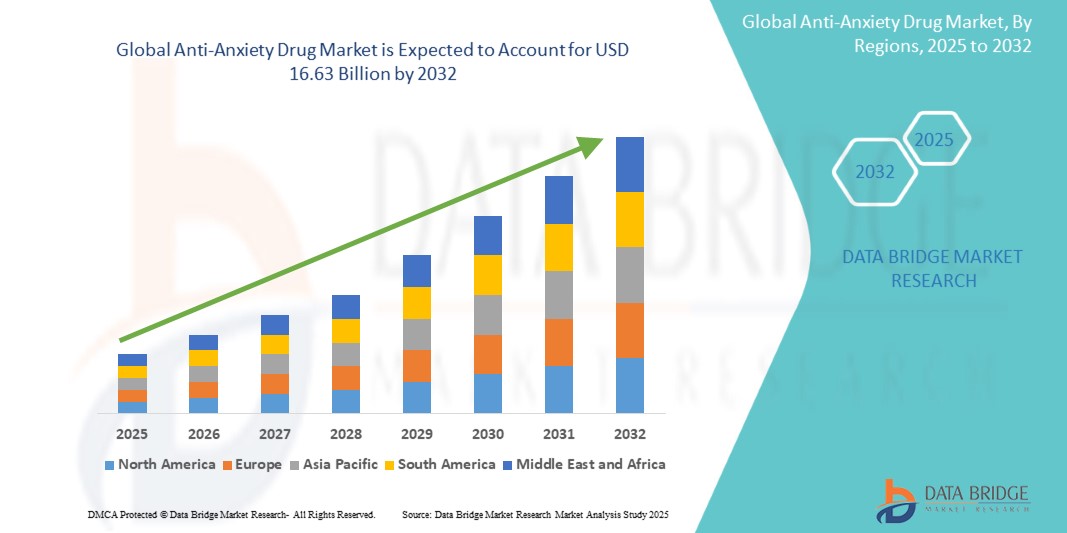
وقُدِّر حجم السوق العالمية للمخدرات المضادة للقلق بمبلغ 11.25 مليار دولار من دولارات الولايات المتحدة في عام 2024، ومن المتوقع أن يصل إلى 16.63 مليار دولار بحلول عام 2032، بمعدل 5.01 في المائة خلال الفترة المتوقعة من عام 2025 إلى عام 2032. وبالإضافة إلى الرؤى عن سيناريوهات السوق مثل القيمة السوقية، ومعدل النمو، والتجزئة، والتغطية الجغرافية، والجهات الفاعلة الرئيسية، فإن تقارير السوق التي تُعَدّها بحوث سوق جسر البيانات تشمل أيضاً تحليل خبراء العمق، وعلم وبائيات المرضى، وتحليل خطوط الأنابيب، وتحليل الأسعار، والإطار التنظيمي.
العقاقير المضادة للمضادالاتجاهات في السوق
“الوقف نحو لا
وهناك اتجاه ملحوظ في سوق العقاقير المضادة للقلق يتمثل في التحول المتزايد نحو الأدوية غير المحتوية على البنزين، وخاصة العقاقير الانتقائية التي تثبيط امتصاص السيروتونين (SSRIs) ومثبطات امتصاص الامتصاص الاكسجيني (SNRIs) من السيروتونين - نورابينفرين (Serotonin-noreepinephrine).حالاتوفي حين يشكل المرضى ومقدمو الرعاية الصحية خطراً أقل للإدمان والآثار الجانبية مقارنة بالبنزوديازيبينات التقليدية، فإن المرضى ومقدمي الرعاية الصحية يختارون على نحو متزايد هذه البدائل لأنهم يقدمون حلولاً طويلة الأجل دون احتمال الاعتماد على البنزوديازيبينات المرتبطة عادة بالبينزوديازيبينات. وهذا الاتجاه تدعمه أيضاً المخاوف المتزايدة بشأن احتمالات إساءة الاستخدام والآثار الضارة لاستخدام البنزوديازيبينات الطويلة الأجل، الأمر الذي يدفع شركات الأدوية إلى التركيز على تطوير علاجات أكثر أماناً واستدامة. ومع تحسن الوعي بالصحة العقلية وزيادة الطلب على علاجات أكثر موثوقية وأمان، تشهد سوق العقاقير المضادة للقلق تحولاً نحو هذه الخيارات الجديدة الأقل ادماناماناً.
تقرير عن نطاق الـمقـدر والـدمن
| الصفات الأولى | العقاقير المضادة للمضادالعنصر: |
| المُسَجَّل |
|
| البلدان | الولايات المتحدة وكندا والمكسيك، وألمانيا، وفرنسا، والمملكة المتحدة، وإيطاليا، وروسيا، وإسبانيا، وإسبانيا، والدانمرك، والسويد، والنرويج، وبقية أوروبا، والصين، واليابان، والهند، وكوريا الجنوبية، وأستراليا، وتايلند، وبقية آسيا والمحيط الهادئ، والمملكة العربية السعودية، والولايات المتحدة الأمريكية، وجنوب أفريقيا، ونيجيريا، ومصر، والكويت، وبقية الشرق الأوسط وأفريقيا، والبرازيل، والأرجنتين، وبقية أمريكا الجنوبية |
| & مفتاح | (الهند)، Abbvi Inc. (U.S.)، Astra Zeeneca (U.K.)، Astra Zeenca (U.K.)، Bristol-Myers Squipb Company (U.S.)، F. Honfn-La Roche Ltd (سويسرا)، Gedeon Rechter Plc. (هنغاريا)، Johnson & Johnson Services, Inc. (U.S.)، Lundbec (الدانمرك)، Mind Medical (Medded) Inc. (كندا)، Merck KGAAA (ألمانيا)، Merk & Co. Inc. (U.S)، Newphoria threportitutics, Inc. (U.S.)، Otsuca Holdings Co., Ltd. (اليابان)، Pfiizer Inc. (U.S)، Pharminovia (U.K)، Sanofi (فرنسا)، Sun Dustristiteds Indials Ltd |
| ما |
|
| جاري | وبالإضافة إلى الرؤى المتعلقة بسيناريوهات السوق مثل القيمة السوقية، ومعدل النمو، والتجزئة، والتغطية الجغرافية، والجهات الفاعلة الرئيسية، فإن تقارير السوق التي تُقيِّمها بحوث سوق جسر البيانات تشمل أيضاً تحليل خبراء العمق، وعلم وبائيات المرضى، وتحليل خطوط الأنابيب، وتحليل الأسعار، والإطار التنظيمي. |
العقاقير المضادة للمضادسوقالتعريف
إن العقاقير المضادة للقلق هي نوع من الأدوية المستخدمة لتخفيف أعراض القلق، وهي حالة تتسم بالقلق الشديد، والتوتر، والخوف. وتعمل هذه العقاقير باستهداف الناقلات العصبية للدماغ أو المستقبلات للمساعدة في تنظيم المزاج والحد من الآثار الفسيولوجية للقلق. وتشمل الأنواع الشائعة من الأدوية المضادة للقلق البنزوديازيبينات، ومثبطات الامتصاص الانتقائية من السيروتونين (SSRIS)، ومثبطات امتصاص السيروتونين - نوريبينفرين (SSRIs)، ومثبطات امتصاص الامتصاص الانتقائي (SNRIs)، ومن نوع بيتاوهذه الأدوية توصف عادة لاضطرابات القلق، مثل اضطراب القلق العام،)والاضطراب الاجتماعي
أسواق الأدوية الناميكية
سكر
- في مجال تطوير المخدرات والابتكار
إن التطورات الأخيرة في مجال تطوير المخدرات تدفع سوق العقاقير المضادة للقلق إلى حد كبير، فشركات الأدوية تركز على إيجاد علاجات أكثر فعالية وأكثر أمانا وأقل استهلاكا لاضطرابات القلق، فالأدوية الجديدة، مثل مثبطات امتصاص ثاني أكسيد النيتروجين - نرويفي - ثنائي الفينيل، والتركيبات الجديدة مثل السكيتامين (SPRAAVATO)، آخذة في الظهور كبدائل للبينزوديازيبينات التقليدية، التي تنطوي على مخاطر أكبر للارتهان، وعلى سبيل المثال، تطور عقار MM120 ODT، وهو عقار قائم على مادة الكسل يجري التحقيق فيه من أجل اضطرابات القلق العامة، يمثل حدا جديدا في مجال العلاج، وتهدف هذه الأدوية المبتكرة إلى التخفيف من آثار جانبية أقل وإمكانات أقل للإدمان، واجتذاب اهتمام أكبر من مقدمي الرعاية الصحية والمرضى على حد سواء، ومع استمرار تطور البحوث، تشهد سوق العقاقير المضادة للقلق نموا مدفوعا بوعد خيارات علاجية أكثر تخصصا وفعالية، وتوفير بدائل أكثر أمانا للمرضى، وتوسيع فرص السوق بشكل كبير.
- الوعي بمعالجة الصحة العقلية وقبولها
لقد أدت زيادة الوعي وإزالة الوصمة عن الصحة العقلية إلى ارتفاع في عدد الأفراد الذين يلتمسون المساعدة المهنية للشعور بالقلق. فمع تزايد انفتاح المجتمع على التحديات الصحية العقلية، يصبح من الأرجح أن يتشاور الناس مع مقدمي الرعاية الصحية ويستكشفوا خيارات العلاج، بما في ذلك الأدوية. وهذا التحول تدعمه الحملات، وحركات وسائل الإعلام الاجتماعية، والسياسات الرامية إلى كسر وصمات العار الصحية العقلية. على سبيل المثال، اكتسبت أدوية مثل الإسكيتامين (SPRAAVATO) للاكتئاب المقاوم للعلاج واضطرابات القلق شعبية بسبب كفاءتها وتقبلها المتزايد. فضلاً عن ذلك، أدى دمج خدمات التطبيب عن بعد والصحة العقلية على شبكة الإنترنت إلى تيسير العلاج، الأمر الذي سمح للمرضى بالحصول بسهولة على الأدوية الطبية. وهذا الطلب المتزايد على العلاجات المضادة للقلق وتنامي مشاركة المرضى يدفعان بشكل كبير إلى النمو في الأسواق، حيث تركز الشركات الصيدلانية على الإبداع لتلبية هذه الحاجة المتزايدة إلى الرعاية الصحية العقلية الفعالة والميسورة.
الفرص
- توسيع الخدمات الرقمية والخدمات الصحية عن بُعد
ومع تزايد فرص الوصول إلى منصات الرعاية الصحية الافتراضية، يمكن للمرضى أن يتشاوروا مع مقدمي الرعاية الصحية عن بعد، مما يسهل على الأفراد التماس العلاج لاضطرابات القلق. على سبيل المثال، توفر منصات التطبيب عن بعد، مثل تحسين المساعدة وحديث الفضاء، استشارات صحية عقلية سهلة المنال، وكثيراً ما تعمل هذه الخدمات جنباً إلى جنب مع العلاجات الصيدلانية، مما يخلق تجربة سلسة للمرضى. وبالإضافة إلى ذلك، فإن العلاجات الرقمية - مثل التطبيقات المصممة للمساعدة في إدارة القلق - الرعاية - اكتساب الجر. وتتيح هذه الخدمات الرصد المستمر لمعالجة أعراض القلق وإدارتها، وتوفر نهجاً شمولياً يكمل الأدوية. ومع استمرار اتساع نطاق الرعاية الصحية عن بعد، فإنها تزيد من فرص الحصول على الرعاية الصحية العقلية، وبالتالي تدفع الطلب على العقاقير المضادة للقلق. ومن المتوقع أن يؤدي هذا التحول الرقمي في الرعاية الصحية إلى تغذية نمو الأسواق من خلال زيادة إمكانية الحصول على العلاجات وزيادة عدد المرضى الذين يطلبون الوصفات الطبية.
- سوق الأدوية المصنّفة
إن التركيز المتزايد على الطب الشخصي يوفر فرصة فريدة للنمو في سوق العقاقير المضادة للقلق. فتوفير العلاجات المكيفة مع الملامح الجينية الفردية والظروف الصحية الفريدة من نوعها من شأنه أن يحسن الفعالية ويقلل من التأثيرات الجانبية، ويوفر حلولاً أكثر استهدافاً لاضطرابات القلق. على سبيل المثال، يستخدم اختبار الحمضيات الصيدلانية لتحديد مضادات الاكتئاب أو الأدوية المضادة للقلق التي قد تعمل على أفضل وجه بالنسبة للمريض استناداً إلى تركيبه الوراثي. إن تطوير العقاقير مثل السكيتامين (سرافاتو)، الذي يستخدم في علاج الاكتئاب والقلق المقاومة للعلاج، يبرز هذا الاتجاه نحو الرعاية الشخصية. فضلاً عن ذلك فإن الشركات تستكشف استخدام العلامات الحيوية والفهم الوراثي لخلق الأدوية التي تلبي الاحتياجات المحددة للمصابين بالقلق. ومع زيادة تعميم الطب الشخصي، فإنه يفتح فرصاً جديدة لمطوري العقاقير لتوفير حلول أكثر فعالية وتكيفاً، وربما تدفع نمو السوق من خلال تحسين نتائج المرضى وتوسيع نطاق تطبيق الدواء.
القيود/التحديات
- حالات التأخير والتأخر في الموافقة
ومن القيود الهامة في سوق المخدرات المناهضة للقلق عملية الموافقة التنظيمية المعقدة والمطولة، وكثيراً ما يواجه تطوير أدوية جديدة مضادة للقلق تحديات خطيرة في مجال السلامة والكفاءة، الأمر الذي يمكن أن يؤخر دخول السوق، وعلى سبيل المثال، فإن أدوية مثل MM120 ODT، التي يجري تطويرها لمعالجة اضطراب القلق العام، تواجه اختباراً دقيقاً قبل أن تحصل على موافقة الهيئات التنظيمية مثل هيئة تنمية الحراجة، ويمكن أن تؤدي هذه الجداول الزمنية الطويلة للموافقة إلى إبطاء تسويق العلاجات المبتكرة، مما يحد من السرعة التي تصل بها الأدوية الجديدة إلى الأسواق، وعلاوة على ذلك، فإن ارتفاع تكلفة وتعقيد إجراء التجارب السريرية، بما في ذلك توظيف المرضى والامتثال التنظيمي، يمكن أن يثبط الشركات الأصغر حجماً عن دخول السوق، وهذا التقييد يمكن أن يعوق سرعة الابتكار ويبطئ النمو العام للأسواق حيث يمكن للشركات أن تؤخر إطلاق علاجات جديدة أو تركز على بدائل أكثر سهولة.
- خطر استعمال
ويتمثل أحد التحديات الرئيسية في سوق المخدرات المضادة للقلق في خطر إساءة الاستعمال والاعتماد، لا سيما مع الأدوية مثل Benzodiazepins، التي توصف عادة لتخفيف القلق.() وقد أثارت القدرة على الإدمان في المخدرات مثل الألبرازولام والديازيبام شواغل بشأن استخدامها في الأجل الطويل، مما أدى إلى فرض قيود على وصفها،() وفي بعض الحالات، يطور المرضى تسامحا أو تبعية بدنية، مما قد يؤدي إلى إساءة الاستخدام وغير ذلك من النتائج الصحية السلبية.() فعلى سبيل المثال، ارتبطت هذه الأدوية بالاضطرابات الناجمة عن إساءة استعمال المواد المخدرة والوفيات الناجمة عن جرعات زائدة، مما دفع الهيئات التنظيمية إلى تشديد المبادئ التوجيهية.() ونتيجة لذلك، يتزايد الضغط على شركات المستحضرات الصيدلانية من أجل استحداث بدائل أكثر أمانا مع انخفاض مخاطر الارتهان.() ويؤثر هذا التحدي على نمو السوق بالحد من الاستخدام الواسع النطاق لبعض الأدوية المضادة للقلق وتشجيع الصناعة على التركيز على إيجاد علاجات ذات خصائص ادمانية أقل، مما يؤدي إلى الحاجة إلى ابتكارات جديدة.
ويقدم تقرير السوق هذا تفاصيل عن التطورات الحديثة العهد، والأنظمة التجارية، وتحليل الاستيراد والتصدير، وتحليل الإنتاج، وتحقيق الاستفادة المثلى من سلسلة القيمة، وحصة السوق، وأثر الجهات الفاعلة المحلية والمحلية في السوق، وتحليل الفرص من حيث جيوب الإيرادات الناشئة، والتغيرات في أنظمة السوق، والتحليل الاستراتيجي لنمو الأسواق، وحجم السوق، ونمو فئات الأسواق، وضواحي التطبيق والهيمنة، والموافقة على المنتجات، وإطلاق المنتجات، والتوسعات الجغرافية، والابتكارات التكنولوجية في السوق.
سوق العقاقير المضادة للقلق
يتم تقسيم السوق على أساس نوع الاضطراب، صنف المخدرات، قناة التوزيع. النمو بين هذه القطاعات سوف يساعدك على تحليل قطاعات النمو الهزيلة في الصناعات وتزويد المستخدمين باستعراض سوقي قيم ورؤى سوقية لمساعدتهم على اتخاذ قرارات استراتيجية لتحديد تطبيقات السوق الأساسية.
& أمر جاري(هـ)
- من
- داء
- نحو
- ما
- مُحد مُحد
- آخرين
من فئة من فئة
- الانتقائي Serotonin
- بين الزدز
- استقـاك مـواكـض في الحكـات (SNRIs)
- منشئات
قناة التوزيع
- روضة
- الصيدليات/مستودعات المخدرات
- الرشايات
السوق الإقليمية للتحليل الإقليمي
ويجري تحليل السوق وتقديم الرؤى والاتجاهات المتعلقة بحجم السوق حسب البلد ونوع الاضطراب وفئة المخدرات وقناة التوزيع على النحو المشار إليه أعلاه.
والبلدان المشمولة بتقرير السوق هي الولايات المتحدة وكندا والمكسيك وألمانيا وفرنسا والمملكة المتحدة وإيطاليا وروسيا وإسبانيا والدانمرك والسويد والنرويج وبقية أوروبا والصين واليابان والهند وكوريا الجنوبية وأستراليا وتايلند وبقية آسيا والمحيط الهادئ والمملكة العربية السعودية والولايات المتحدة الأمريكية وجنوب أفريقيا ونيجيريا ومصر والكويت وبقية الشرق الأوسط وأفريقيا والبرازيل والأرجنتين وبقية أمريكا الجنوبية.
ومن المتوقع أن تهيمن أمريكا الشمالية على سوق العقاقير المضادة للقلق، وتستفيد المنطقة من مجموعة من العوامل، بما في ذلك ارتفاع مستويات الوعي والاعتراف بقضايا الصحة العقلية، واتساع نطاق الحصول على الرعاية الصحية، والبحوث والتطوير في مجال المستحضرات الصيدلانية المتقدمة، وبالإضافة إلى ذلك، تسهم حملات ومبادرات التوعية في مجال الصحة العقلية لمكافحة الوصمة المحيطة بالصحة العقلية في زيادة الطلب على الأدوية المضادة للقلق.
ومن المتوقع أن تشهد منطقة آسيا والمحيط الهادئ أعلى معدلات النمو في سوق العقاقير المضادة للقلق. وتسهم العديد من العوامل في هذا النمو السريع، بما في ذلك تزايد انتشار اضطرابات القلق بسبب ارتفاع مستويات الإجهاد، والتوسع الحضري، وتغير أنماط الحياة في بلدان مثل الصين والهند واليابان. ومع تحسن الوعي بقضايا الصحة العقلية في مختلف أنحاء المنطقة، فإن المزيد من الأفراد يسعون إلى العلاج من القلق، الأمر الذي يؤدي إلى ارتفاع الطلب على الأدوية المضادة للقلق.
ويقدم الفرع القطري من التقرير أيضاً عوامل فردية تؤثر على السوق والتغيرات في التنظيم في السوق محلياً التي تؤثر على الاتجاهات الحالية والمقبلة للسوق، ونقاط البيانات مثل تحليل سلسلة القيمة في أسفل المسار وفي المراحل الأولى، والاتجاهات التقنية وتحليل القوى الخمسة للعتالين، وتعد دراسات الحالات الإفرادية بعض المؤشرات المستخدمة للتنبؤ بسيناريو السوق بالنسبة لفرادى البلدان، وكذلك وجود وتوافر العلامات التجارية العالمية والتحديات التي تواجهها بسبب المنافسة الكبيرة أو النادرة من العلامات التجارية المحلية والمحلية، وتأثير التعريفات المحلية والطرق التجارية المحلية، يجري النظر فيها في الوقت الذي يقدم فيه تحليل التنبؤات للبيانات القطرية.
حصة سوق العقاقير المضادة للقلق
وتقدم المناظر التنافسية في السوق تفاصيل حسب المتنافس، وتشمل التفاصيل استعراض الشركات، والشؤون المالية للشركات، والإيرادات المتولدة، وإمكانات السوق، والاستثمار في البحث والتطوير، ومبادرات السوق الجديدة، والوجود العالمي، ومواقع ومرافق الإنتاج، والقدرات الإنتاجية، ونقاط القوة والضعف في الشركات، وإطلاق المنتجات، وعرض المنتجات وعرضها، وهيمنة التطبيقات، ولا تتصل نقاط البيانات المذكورة أعلاه إلا بتركيز الشركات على السوق.
العقاقير المضادة للمضادقادة الأسواق العاملون في السوق:
- أوروبيندو فارما (الهند)
- AppVie Inc. (الولايات المتحدة)
- أسترا زينيكا (المملكة المتحدة)
- شركة بريستول - مايرز سكويب (الولايات المتحدة الأمريكية)
- هوفمن - لاروشي المحدودة (سويسرا)
- غيديون ريختر PLC. (هنغاريا)
- شركة Joson & Joson Services Inc. (الولايات المتحدة)
- (الولايات المتحدة الأمريكية)
- لوتبيك (الدانمرك)
- شركة Mind Meds (MindMed) (كندا)
- شركة Mark KGA (ألمانيا)
- شركة Merck & Co. Inc.
- (الولايات المتحدة الأمريكية)
- شركة أوتسوكا Holdings Co., Ltd. (اليابان)
- (الولايات المتحدة الأمريكية)
- فارمنوفيا (المملكة المتحدة)
- سانوفي (فرنسا)
- شركة Sun Addmin Addmineds Industries Ltd. (الهند)
- شركة تاكيدا للأدوية المحدودة (اليابان)
- شركة Teva Add الصيدليا Industrisings Ltd. (إسرائيل)
التطورات الأخيرة في سوق المخدرات المضادة للقلق
- أعلنت جونسون وجونسون في كانون الثاني/يناير 2025 أن إدارة الأغذية والعقاقير في الولايات المتحدة وافقت على تطبيق جديد تكميلي للعقاقير (SendA) لرش الأنف (esketamin) SPRAVATO (SPRAVATO) CIII.
- في ديسمبر 2024، أعلنت شركة Mind Medicing (MindMed) Inc. أن المريض الأول قد تم جرفه في المرحلة الثالثة من دراسة Voyage من MMM120 ODT، وهي نسخة صيدلانية مثلى من مادة LISERGID D-trate لمعالجة اضطراب القلق العام (GAD). ودراسة Voyage هي الأولى من تجربتين من المرحلة الثالثة لتقييم فعالية وسلامة MM120 ODT بالمقارنة مع mostbo، مع تسجيل متوقع لنحو 200 مشارك في الولايات المتحدة. وستجرى المرحلة الثانية من التجربة الثالثة، وهي دراسة بانوراما، في كل من الولايات المتحدة وأوروبا، ومن المقرر أن تبدأ في النصف الأول من عام 2025.
- وفي تشرين الأول/أكتوبر 2024، أعلن كل من أبيفي وغيديون ريختر بلوك عن اتفاق جديد لاكتشاف الأهداف الجديدة التي تهدف إلى معالجة الظروف العصبية النفسية والنفسية والنفسية، والاشتراك في تطويرها، والترخيص بها، ويستند هذا التعاون إلى شراكتهما التي دامت قرابة عقدين من الزمن في مشاريع الجهاز العصبي المركزي، مما أدى إلى إطلاق منتجات من قبيل الكاريبرازين (الكاريبرازين) (الفارايلار/رياغيلا) واكتشاف مرشحة العقاقير التحقيقية ABBV-932، التي صممت لمعالجة الاكتئاب الثنائي القطب واضطراب القلق العام.
- في سبتمبر 2023، أعلنت بهارمنوفيا عن توسيع نطاق حافظتها في علم الأعصاب من خلال شراء 11 علامة تجارية في الجهاز العصبي المركزي من سانوفي، وهي شركة عالمية للرعاية الصحية. وتغطي هذه العلامات أربعة مجالات علاجية رئيسية مع الاحتياجات المستمرة غير الملباة في اضطرابات الجهاز العصبي المركزي: هي: الأمراض النفسية، والحساسة، ومضادات الصرع، ومضادات الذهان.
- في مارس 2023، أعلنت شركة فارمانوفيا توسيع نطاق اتفاقية الترخيص والتوريد الحصرية مع شركة Associative Instureutics Inc. لصياغة أفلامها التي بُرِّئت ببراءتها، وتشمل الاتفاقية الموسَّعة الآن بقية العالم، باستثناء الولايات المتحدة وكندا والصين.
SKU-
احصل على إمكانية الوصول عبر الإنترنت إلى التقرير الخاص بأول سحابة استخبارات سوقية في العالم
- لوحة معلومات تحليل البيانات التفاعلية
- لوحة معلومات تحليل الشركة للفرص ذات إمكانات النمو العالية
- إمكانية وصول محلل الأبحاث للتخصيص والاستعلامات
- تحليل المنافسين باستخدام لوحة معلومات تفاعلية
- آخر الأخبار والتحديثات وتحليل الاتجاهات
- استغل قوة تحليل المعايير لتتبع المنافسين بشكل شامل
منهجية البحث
يتم جمع البيانات وتحليل سنة الأساس باستخدام وحدات جمع البيانات ذات أحجام العينات الكبيرة. تتضمن المرحلة الحصول على معلومات السوق أو البيانات ذات الصلة من خلال مصادر واستراتيجيات مختلفة. تتضمن فحص وتخطيط جميع البيانات المكتسبة من الماضي مسبقًا. كما تتضمن فحص التناقضات في المعلومات التي شوهدت عبر مصادر المعلومات المختلفة. يتم تحليل بيانات السوق وتقديرها باستخدام نماذج إحصائية ومتماسكة للسوق. كما أن تحليل حصة السوق وتحليل الاتجاهات الرئيسية هي عوامل النجاح الرئيسية في تقرير السوق. لمعرفة المزيد، يرجى طلب مكالمة محلل أو إرسال استفسارك.
منهجية البحث الرئيسية التي يستخدمها فريق بحث DBMR هي التثليث البيانات والتي تتضمن استخراج البيانات وتحليل تأثير متغيرات البيانات على السوق والتحقق الأولي (من قبل خبراء الصناعة). تتضمن نماذج البيانات شبكة تحديد موقف البائعين، وتحليل خط زمني للسوق، ونظرة عامة على السوق ودليل، وشبكة تحديد موقف الشركة، وتحليل براءات الاختراع، وتحليل التسعير، وتحليل حصة الشركة في السوق، ومعايير القياس، وتحليل حصة البائعين على المستوى العالمي مقابل الإقليمي. لمعرفة المزيد عن منهجية البحث، أرسل استفسارًا للتحدث إلى خبراء الصناعة لدينا.
التخصيص متاح
تعد Data Bridge Market Research رائدة في مجال البحوث التكوينية المتقدمة. ونحن نفخر بخدمة عملائنا الحاليين والجدد بالبيانات والتحليلات التي تتطابق مع هدفهم. ويمكن تخصيص التقرير ليشمل تحليل اتجاه الأسعار للعلامات التجارية المستهدفة وفهم السوق في بلدان إضافية (اطلب قائمة البلدان)، وبيانات نتائج التجارب السريرية، ومراجعة الأدبيات، وتحليل السوق المجدد وقاعدة المنتج. ويمكن تحليل تحليل السوق للمنافسين المستهدفين من التحليل القائم على التكنولوجيا إلى استراتيجيات محفظة السوق. ويمكننا إضافة عدد كبير من المنافسين الذين تحتاج إلى بيانات عنهم بالتنسيق وأسلوب البيانات الذي تبحث عنه. ويمكن لفريق المحللين لدينا أيضًا تزويدك بالبيانات في ملفات Excel الخام أو جداول البيانات المحورية (كتاب الحقائق) أو مساعدتك في إنشاء عروض تقديمية من مجموعات البيانات المتوفرة في التقرير.