



Asia-Pacific Otoscope Devices Market Segmentation, By Product (Pocket Otoscope, Full Size Otoscope, and Video Otoscope), Portability (Wall-Mounted, Hand-Held, and Standalone), Type (Wired and Wireless), Mobility (Rigid and Flexible), Application (Diagnosis and Surgical), End User (Hospitals, ENT Centres, and Clinics), Distribution Channel (Direct Tender and Retail Sales)- Industry Trends and Forecast to 2033
アジアパシフィックオトスコープデバイス市場規模と成長率とは
- データブリッジ市場調査によるアジア・パシフィック・オトスコープ・デバイス市場規模の分析2025年のUSD 49.14百万そして到達する予定米ドル 72.60 百万によって 2033, お問い合わせ5.0%のCAGR予報期間中
- 市場成長は、新興国に広がる医療インフラを拡大し、耳や聴覚障害の普及が進んでおり、早期診断に関する臨床医や患者の認知度が高まり、より高度でユーザーフレンドリーなオトスコープソリューションの需要が高まっています。
- さらに、ポータブルおよびデジタルオトスコープの多様体の技術採用により、視覚化と接続性の向上を実現電子健康記録クリニックや病院の幅広いENTケアインテグレーションと共に、世界のオトスコープデバイス市場における急速に成長するセグメントとして地域の位置を強化しています。
市場規模および予測:
- 市場価値(2025):米ドル 49.14 百万
- 期待される市場価値 (2033):米ドル 72.60 百万
- 予測CAGR (2026–2033):5.0%
アジアパシフィックオトスコープデバイス市場の主要なテイクアウトは何ですか
- Otoscope装置は、耳の運河および鼓膜を調べるのに使用される、診断の正確さ、可搬性および統合による病院および医院の現代ENTの心配のますます重要な部品ですデジタルイメージング電子健康記録システム
- オトスコープデバイスに対するエスケーラブルな要求は、主にヘルスケアインフラの拡大、耳や聴覚障害の拡大、早期診断と予防ケアの重要性に関する臨床医や患者の意識の高まりによって燃料化されます。
- 中国は、2025年に25.7%の収益シェアを持つアジア太平洋オトスコープデバイス市場を支配し、大規模な患者集団、ヘルスケア施設の急速な発展、現代のエント診断技術の採用の増加を特徴とする
- 日本は、先進医療システムによる予測期間中、アジア・パシフィック市場で最も急速に成長している国であり、ポータブルおよびビデオ・オトスコープの早期採用、そして、外来のENTサービスの改善に重点を置いています。
- ビデオオトスコープセグメントは、2025年に45.9%の市場シェアを持つアジア太平洋オトスコープデバイス市場を支配し、視覚化、録画機能を強化し、臨床および外科的アプリケーションの両方での使用を増加させました
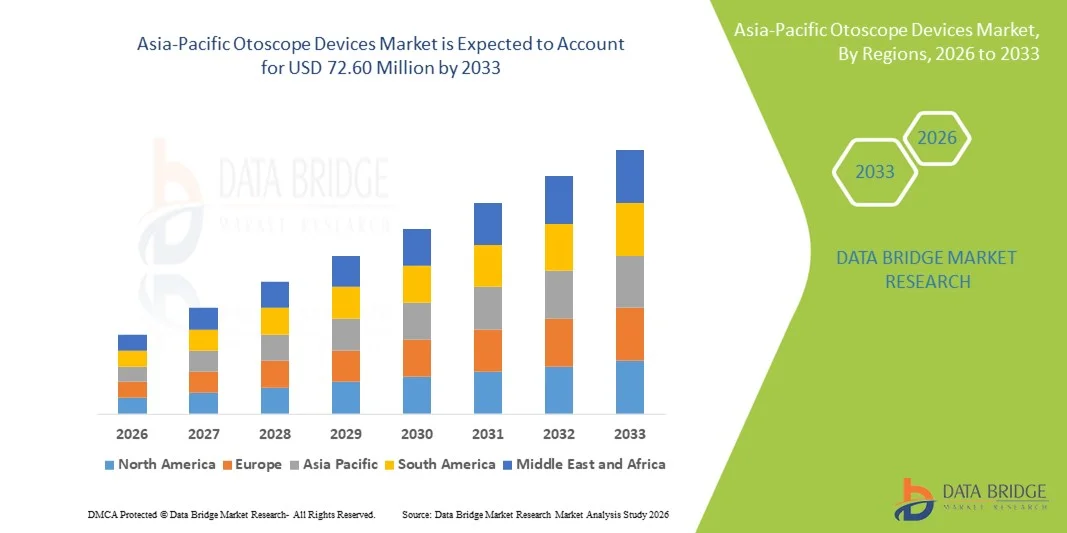
レポートスコープとアジア太平洋オトスコープデバイス市場セグメント
|
アトリビュート |
アジア・パシフィック・オトスコープ・デバイス・キーマーケット・インサイト |
|
カバーされる区分 |
|
|
カバーされた国 |
アジアパシフィック
|
|
主要市場プレイヤー |
|
|
マーケットチャンス |
|
|
付加価値データインフォセットを追加 |
市場価値、成長率、セグメンテーション、地理的カバレッジ、主要なプレーヤーなどの市場シナリオに関する洞察に加えて、Data Bridge Market Researchがキュレーションした市場レポートには、詳細なエキスパート分析、患者疫学、パイプライン分析、価格設定分析、規制フレームワークも含まれています。 |
アジアパシフィックオトスコープデバイス市場動向とは
デジタル・インテグレーションおよびテレエントの採用
- アジア・パシフィック・オトスコープ・デバイス市場における有意で加速的な傾向は、遠隔診断と患者モニタリングを強化し、デジタルヘルス・プラットフォームと接続されたオトスコープの統合が高まっています。
- たとえば、Wi-Fi接続を備えたビデオオトスコープでは、都市病院のENTスペシャリストが農村診療所の患者を遠隔に検査し、物理的な旅行なしでタイムリーな診断と相談を可能にします
- デジタルインテグレーションは、電子健康記録に高解像度の耳画像を格納したり、部門間でデータを共有したり、耳の障害の早期発見のためのAI支援診断サポートを提供するなどの機能を可能にします
- テレヘルスケア プラットフォームと otoscopes のシームレスな接続により、ヘルスケア プロバイダーは、他の患者のデータとともに ENT 診断を管理し、統一された効率的な臨床ワークフローを作成できます。
- 接続、直感的、リモートアクセス可能なオトスコープデバイスへのこの傾向は、エント診断の期待を再構築し、企業がクラウドストレージとAI支援分析でテレエント互換のビデオオトスコープを開発するのを促しています
- ヘルスケアプロバイダーが正確で高速かつリモート診断能力を優先するにつれて、デジタルに統合されたオトスコープデバイスに対する需要は、病院、ENTセンター、クリニック全体で急速に成長しています
- 最小限の侵襲的な診断および結合された耳鼻咽喉科の解決への高められた焦点はアジア太平洋市場を渡る多機能のotoscope装置で革新を運転しています
アジア・パシフィック・オトスコープ・デバイス・マーケット・ダイナミクス
ドライバー
耳の障害の上昇とヘルスケアインフラの拡大
- 耳の感染症、難聴、および関連する障害の増加の発生、現代の医療インフラへの投資と組み合わせて、オトスコープデバイス採用のための主要なドライバーです
- たとえば、インドの大手病院ネットワークである2025年3月では、農村クリニックを横断して接続されたビデオオトスコープの展開を発表し、耳の状態の早期診断を改善
- 臨床医は、正確で効率的な診断ツールを求めているように、オトスコープは、高解像イメージング、LED照明、および移植性などの機能を提供し、従来の検査方法を大幅に改善します。
- さらに、中国、日本、オーストラリアなどの国における予防医療および早期スクリーニングプログラムの普及に重点を置いています。
- ヘルスケアプロバイダーや患者の意識を高めるとともに、電子健康記録の使用、移植性、互換性の容易さは、病院、ENTセンター、クリニックの採用を主導する重要な要因です。
- 学校やコミュニティヘルスセンターでの聴覚スクリーニングを拡大するための政府の取り組みは、オトスコープデバイスのための新しい需要チャネルを作成しています
- 高度の診察道具のための都市の中心の私医院による増加の投資はデジタルおよびビデオ otoscopes の採用を高めます
拘束/チャレンジ
農村地域の高コストと限られた意識
- 先進的なビデオとデジタルオトスコープの比較的高いコストは、特に農村地域で、アジア・パシフィックの価格に敏感な市場で採用するという課題を強調しています。
- たとえば、インドとインドネシアの遠隔地にある小規模なクリニックは、ヘルスケアニーズの高エンド診断機器へのアクセスを制限する予算の制約に直面しています。
- 低コストのポータブルモデルと政府の補助による手頃な価格の確保は、保護地域全体の市場浸透の拡大に不可欠です
- さらに、デジタルオトスコープ機能に関する農村部における臨床医の限られた意識と訓練は、効果的な活用と採用を妨げることができます。
- 認知キャンペーン、プロフェッショナルなトレーニングプログラム、および手頃な価格のデバイスオプションを通じてこれらの課題を克服することは、アジア太平洋オトスコープデバイス市場における持続的な成長にとって不可欠です
- 医療診断装置のためのアジア太平洋諸国における有能な規制基準は、製品の承認や市場参入を遅らせることができます
- 維持の条件および上限のデジタル otoscopesの規則的な口径測定のための必要性は限られた技術的なスタッフが付いているより小さい医院間の採用を悪化できます
アジアパシフィックオトスコープデバイス市場スコープ
市場は、製品、ポータビリティ、タイプ、モビリティ、アプリケーション、エンドユーザー、および流通チャネルに基づいてセグメント化されます。
- 製品情報
製品のベースでは、アジア太平洋オトスコープデバイス市場は、ポケットオトスコープ、フルサイズのオトスコープ、ビデオオトスコープに分けられます。 ビデオオトスコープセグメントは、2025年に45.9%の市場シェアで市場を支配し、その強化された視覚化、リアルタイムイメージング、および臨床および外科的アプリケーションの両方で採用を成長させました。 臨床医は、デジタルプラットフォームに接続し、高解像度画像を保存し、遠隔で遠隔で遠隔で相談できるようにする機能のためにビデオオトスコープを好む。 特に都市や半都市部では、聴覚障害や耳障害の早期発見の意識を高め、需要を燃料化しています。 電子健康記録、Wi-Fi接続、AI支援診断ツールとの統合により、市場のリーダーシップを強化します。 病院やエントトレーニングプログラムを教えるビデオオトスコープの普及が進んでおり、その優しさにも貢献しています。
フルサイズのオトスコープセグメントは、2026年から2033年までの最速の成長率を目撃し、人間工学に基づいた設計、堅牢な性能、および病院やENTセンターの高度診断ワークフローの継続的な設定によって燃料を供給することを期待しています。 フルサイズのotoscopesはまた付属品および照明選択の範囲との両立性のために評価され、臨床効率および診断正確さを高めます。 区分はまた診断正確さを高めるspulaおよび照明選択を含む付属品の広い範囲との両立性からの利点、です。 外科および診断適用の広範な採用は更に市場のリーダーシップをセメントで造ります。 教育目的のためにフルサイズのモデルを使用する医学の大学の訓練プログラムによって要求は更に支えられます。 病院および専門のENTの中心は信頼性および証明された臨床効果のためのフルサイズのotoscopeを優先順位付けします
- ポータビリティ
可搬性に基づいて、市場は壁に取り付けられた、手持ち型およびスタンドアロンに分けられます。 ハンドヘルドセグメントは、2025年に市場を支配し、その柔軟性、使いやすさ、そしてさまざまな病院部門や外来診療所のポータビリティを支持しています。 ハンドヘルドオトスコープは、臨床医がベッドサイドの相談やモバイルヘルスキャンプなど、さまざまな設定で患者を検査し、高度に好まれるようにします。 セグメントは、定期的な検査と予防スクリーニングで広く使用され、採用を強化しています。 人間工学に基づいたデザインと軽量化により、長時間の使用時に臨床医の快適性が向上します。 異なる照明オプションと診断ツールとの互換性により、ハンドヘルドオトスコープの優位性を強化します。 病院やエントセンターは、高度地域では、効率と実用性のために、手持ちのモデルに大きく依存しています。
スタンドアローンのセグメントは、2026から2033までの最速のCAGRを目撃し、ポータブル、自己完結型デバイスのための成長の必要性によって駆動され、農村や遠隔医療のセットアップで独立して機能することができます。 統合されたイメージングとワイヤレス接続を備えたスタンドアローンオトスコープは、臨床医が外部電源や複雑なセットアップに依存することなく検査を実施することができます。 インドや中国などの国々の医療プログラムやモバイルヘルスへの取り組みから、成長をさらに加速します。 アウトリーチとコミュニティヘルスプログラムのスタンドアローンデバイスの利便性は、このセグメントは迅速な展開のために非常に魅力的になります。
- タイプ別
タイプに基づいて、市場は有線および無線のotoscopesに分けられます。 ワイヤーで縛られた区分は外科および高精度の診断塗布のために重要な信頼性、一貫した電源および優秀なイメージの質による2025年に市場を、支配しました。 ワイヤードオトスコープは、途切れない操作が不可欠である病院やENTセンターで広く使用されています。 複数のアクセサリーとの耐久性と互換性は、長期的な臨床使用に優先されます。 訓練機関はまたハンズオンの教授のためのワイヤーで縛られたオトスコープを好む。 確立された医療施設のセグメントの強い存在は、継続的な市場優位性を保証します。 メンテナンスと修理ネットワークは、有線デバイスでより成熟し、ヘルスケアプロバイダーへのさらなる保証を提供します。
ワイヤレスセグメントは、ポータブルデジタルオトスコープおよびテレエントアプリケーションを採用することにより、燃料供給2026から2033までの最速の成長を目撃するために期待されています。 ワイヤレスオトスコープは、モビリティ、リモートコンサルテーション、および簡単な統合を可能にしますスマートフォン遠隔地や半都市圏で非常に魅力的なクラウドプラットフォーム。 パーソナルクリニックやホームヘルスケアプロバイダーからの関心を高めることで、採用を促進します。 セグメントは、バッテリーの効率性、コンパクトな設計、シームレスなワイヤレス接続の革新から恩恵を受けます。 ワイヤレスデバイスは、アウトリーチプログラムやモバイルスクリーニングのイニシアチブにも最適です。
- モビリティ
可動性に基づいて、市場は堅く、適用範囲が広いotoscopesに分けられます。 堅い区分は病院およびENTの中心の精密な制御、耐久性および標準的な使用による2025年に市場を支配しました。 堅いotoscopesは一貫した診断結果を提供し、臨床および外科適用で広く利用されます。 高輝度光源とイメージングアクセサリーとの互換性により、詳細な検査に適しています。 硬質デバイスは、トレーニングや練習のために病院を教えるのに好まれています。 定期的なENTチェックと外来手順の高い採用により、強力な市場シェアを保証します。 信頼性と長寿命は、制度設定における優位性を強化します。
フレキシブルセグメントは、2026年から2033年までの最速成長を目撃し、小型化と内視鏡技術の進歩によって推進されます。 適用範囲が広いotoscopesは複雑な耳の構造のよりよい運行を、特定のENT障害のための診断正確さを改善することを可能にします。 専門のENTの医院および外科中心の燃料の市場の拡張の上昇の採用。 また、画像の解像度や操作性の改善により、成長もサポートしています。 フレキシブルオトスコープは、遠隔診断プログラムおよび遠隔診断プログラムでますます使用されています。 臨床医は患者様の快適性および高められた手続き能力のための適用範囲が広いotoscopesを大切にします。
- 用途別
適用に基づいて、市場は診断および外科に分けられます。 診断の区分は病院、医院およびENTの中心の定期的な耳の検査の大きい容積による2025年に市場を支配しました。 診断otoscopesは早期の検出のために広く利用されています耳の感染症、難聴、その他の耳関連障害。 予防医療や学校やコミュニティスクリーニングプログラムに欠かせないツールです。 デジタルおよびビデオイメージングとの互換性により、そのユーティリティが向上します。 都市部と半都市部の高採用により、市場優位性を維持 手術用オトスコープと比較して、使いやすさやコストを抑えることで、幅広い用途に対応できます。
外科分野は2026年から2033年までの最も速いCAGRを目撃し、アジア・パシフィック諸国のENT手術および最低侵襲的なプロシージャを高めることによって運転されることを期待されます。 外科のotoscopesは高度のプロシージャのためのビデオ システムとの高められた光学、精密および統合を提供します。 病院のインフラへの投資を成長させ、外科的介入の患者の意識を高め、市場成長に貢献します。 外科的訓練のための記録およびテレメディシンの解決との統合は採用を燃料にします。 高度の外科オトスコープはプロシージャ的な結果を改善し、ますます大量のENTの中心で使用されます。
- エンドユーザーによる
エンドユーザーに基づいて、市場は病院、ENTセンター、クリニックに分けられます。 病院の区分は高度の診察道具のための高い忍耐強い流出、投資容量および好みによる2025年に市場を支配しました。 病院は、ENT、小児科、および一般的な健康診断を含む、部門横断オトスコープを利用します。 購買力とメンテナンス能力は、ハイエンドデバイスの採用を支持しています。 病院はまた臨床医のための訓練プログラムで導きます, フル機能オトスコープの需要の増加. 公共および私立病院の強い採用は絶えず市場のリーダーシップを保障します。 病院情報システムとの統合により、さらなる利用率を高めます。
ENTセンターのセグメントは、2026年から2033年にかけて最も速い成長を目撃する見込みで、都会の専門歯科医院の上昇と耳や聴覚に関する意識が高まっています。 ENT の中心は精密な診断のための高度のビデオそしてデジタル otoscopes を優先します。 成長は、外来を増加させ、専門的ケアに焦点を合わせることによって支えられます。 ENTセンターでは、柔軟でワイヤレスデバイスが採用されています。 インド、中国、日本などの国におけるプライベートエントチェーンの拡大が、このセグメントの成長を加速します。
- 流通チャネル
分配チャネルに基づいて、市場は直接入札および小売販売に分けられます。 直接入札セグメントは、病院、政府保健プログラム、機関の買い手によるバルク調達による2025年に市場を支配しました。 直接入札により、大規模な購入、コストメリット、長期保守契約が可能。 病院およびENTの中心は標準化された装置および一貫した供給のための直接入札調達を好みます。 強力な政府と機関の参加により、このチャネルの優位性が確保されます。 メーカーとの長期契約により、サービスの信頼性を高め、運用リスクを削減します。
小売販売部門は、2026年から2033年までの最も速い成長を目撃し、私立医院、小さい病院および個々のENT開業医の採用の増加によって運転されると期待されます。 小売チャネルは、柔軟性、小型注文数量を提供し、さまざまなモデルへのアクセスを提供します。 オンライン小売プラットフォームとeコマースの可用性は、アクセシビリティを高めています。 プライベートクリニックは、より迅速な調達のために小売購入に依存しています。 テレメディシンおよびホームヘルスケアソリューションの拡大により、小売成長に貢献します。
アジアパシフィックオトスコープデバイス市場地域分析
- 中国は、2025年に25.7%の収益シェアを持つアジア太平洋オトスコープデバイス市場を支配し、大規模な患者集団、ヘルスケア施設の急速な発展、現代のエント診断技術の採用の増加を特徴とする
- 中国のヘルスケアプロバイダは、患者ケア、診断効率、リモート相談を強化するデジタルイメージングおよび治療プラットフォームを備えたオトスコープデバイスの精度、ポータビリティ、および統合を非常に評価しています。
- この広範囲にわたる採用は、早期発見と予防接種を促進し、使い捨ての収入、政府の取り組みを増加させ、民間のENTクリニックの存在を増加させ、公共および民間のヘルスケア設定の両面で好ましい診断ソリューションとして、オトスコープデバイスを確立することにより、さらにサポートされています。
中国オトスコープデバイス市場インサイト
中国のオトスコープデバイス市場は、2025年に25.7%の最大の収益シェアを捕捉し、急速な都市化、ヘルスケアインフラの拡大、耳や聴覚障害の患者意識の向上に注力しました。 中国の病院やENTセンターは、テレメディシンプラットフォームとの正確な診断と統合のためのビデオとデジタルオトスコープを採用しています。 使い捨て所得の上昇、予防医療を推進する政府の取り組み、公共および民間医療施設の強力な投資は、市場成長を推進しています。 また、コスト効率の高いソリューションを提供する国内メーカーの存在により、都市や半都市地域におけるアクセシビリティが向上します。
日本オトスコープデバイス市場動向
日本オトスコープデバイス市場は、ハイテクヘルスケアシステム、高度なエント診断によって駆動され、外来および予防ケアに焦点を合わせ、安定した成長を目撃しています。 日本の病院やクリニックは、定期的な検査や手術手順のためのポータブル、ワイヤレス、ビデオのオトスコープを採用しています。 電子健康記録とテレエントプラットフォームによるオトスコープの統合により、ワークフローの効率性が向上します。 また、日本の高齢化人口は、アクセス可能で精密な診断ツールの需要が高まり、学校や高齢者ケアセンターの難聴の意識が高まっています。
インドオトスコープデバイス市場インサイト
インドのオトスコープデバイス市場は、2025年に中国で最大の収益シェアを占め、急速な都市化、成長を続ける中級、近代的な医療施設へのアクセスが増加しました。 病院、医院およびENTの中心は診断正確さおよび忍耐強い心配を改善するためにデジタルおよびビデオ otoscopesを採用します。 地域スクリーニングプログラムや農村地域の医療サービスを推進する政府の取り組みは、オトスコープ機器のリーチを拡大しています。 さらに、手頃な価格のオトスコープの高まる技術採用と国内製造により、これらのデバイスは住宅や臨床設定でますますアクセス可能になります。
韓国オトスコープデバイス市場情報
韓国のオトスコープデバイス市場は、高度医療インフラの燃料供給、ENT専門クリニックの上昇、デジタルヘルス技術の高度採用により、適度な成長を目撃する見込みです。 都市の中心の病院そして医院は精密な診断および外科適用のための無線およびビデオ otoscopes をます統合しています。 政府は、予防医療と医療プログラムに重点を置き、市場拡大を支援しています。 また、聴覚障害に対する意識を高め、現代的なユーザーフレンドリーなデバイスの利用可能性は、病院と私立医院の両方で広く普及している採用を奨励しています。
アジア・パシフィック・オトスコープ・デバイス・マーケットのトップ企業は
アジア・パシフィック・オトスコープ・デバイス業界は、主に、以下を含む広範な企業によって導かれています。
- Welch Allyn, Inc.(ウェルチ・アリン)アメリカ
- アメリカン診断株式会社(アメリカ)
- HEINE Optotechnik GmbH & Co., Ltd.(本社:東京都千代田区、代表取締役社長:小田区)(ドイツ)
- Rudolf Riester, ドイツ(ドイツ)
- 3Mの(アメリカ)
- オリンパス株式会社(日本)
- GF健康製品株式会社(米国)
- Luxamed GmbH & Co. KG (ドイツ)
- Kirchner & Wilhelm GmbH + Co. KG (Kawe) (ドイツ)
- シンクビジョンテクノロジー株式会社(カナダ)
- フラフライグローバル株式会社(イギリス)
- セルスコープ株式会社(米国)
- Inventis SRL(イタリア)
- Zumaxの医学Co.、株式会社(中国)
- Orlvision GmbH(ドイツ)
- マインドマーク株式会社(米国)
- Optomic España S.A.(スペイン)
- メデリン工業株式会社(米国)
- Dr. Mom Otoscopes (アメリカ)
アジア・パシフィック・オトスコープ・デバイス市場における最近の発展とは
- 2025年8月、高度な精密イメージングとワイヤレスコネクティビティを備えたデジタルオトスコープは、ENT診断とテレヘルスの相談にますます集中的に強調され、高精細化と現代の耳の健康ケア設定における接続されたオトスコープ技術のより広い採用傾向を反映しています
- 2025年6月、医療およびオフィスベースのオトロジック試験用に設計されたペン型オトスコープのMDPIが公開した臨床評価研究では、その実現可能性と患者の受容性を実証し、新しいフォーム要因が現実世界の臨床ワークフローにどのように参入しているかを強調し、特にアジアにおけるテレエント導入を増加させる国に関連した
- 2025年2月、JEDMEDとOtologic Techは、耳条件のリアルタイム解析を統合したAI対応のデジタルオトスコープを立ち上げ、ENT検査を合理化し、医療従事者を支援し、医療従事者を支援することで診断精度を向上
- 2024年8月、研究者は、従来のオトポロジーと光学コヒーレンストーモグラフィー(OCT)を組み合わせた新しいOCT統合オトスコープの開発を報告し、耳構造のより深いイメージングを提供し、聴覚クリニックの診断機能を改善しました。 この進歩は、アジア・パシフィックの診断設定で耳疾患診断と臨床医の支援を強化する可能性がある
- 2024年3月、Otorion MedicalとPhilipsは、AI-enhanced otoscopeイメージングをPhilipsの診断ソリューションに統合する戦略的コラボレーションを発表しました。これにより、臨床診断能力を向上し、より広範な臨床的ハードウェアとソフトウェアシステムと組み合わせた高精度のオトースコープイメージングによる診断機能を改善することを目指しています。
SKU-
世界初のマーケットインテリジェンスクラウドに関するレポートにオンラインでアクセスする

- インタラクティブなデータ分析ダッシュボード
- 成長の可能性が高い機会のための企業分析ダッシュボード
- カスタマイズとクエリのためのリサーチアナリストアクセス
- インタラクティブなダッシュボードによる競合分析
- 最新ニュース、更新情報、トレンド分析
- 包括的な競合追跡のためのベンチマーク分析のパワーを活用
調査方法
データ収集と基準年分析は、大規模なサンプル サイズのデータ収集モジュールを使用して行われます。この段階では、さまざまなソースと戦略を通じて市場情報または関連データを取得します。過去に取得したすべてのデータを事前に調査および計画することも含まれます。また、さまざまな情報ソース間で見られる情報の不一致の調査も含まれます。市場データは、市場統計モデルと一貫性モデルを使用して分析および推定されます。また、市場シェア分析と主要トレンド分析は、市場レポートの主要な成功要因です。詳細については、アナリストへの電話をリクエストするか、お問い合わせをドロップダウンしてください。
DBMR 調査チームが使用する主要な調査方法は、データ マイニング、データ変数が市場に与える影響の分析、および一次 (業界の専門家) 検証を含むデータ三角測量です。データ モデルには、ベンダー ポジショニング グリッド、市場タイムライン分析、市場概要とガイド、企業ポジショニング グリッド、特許分析、価格分析、企業市場シェア分析、測定基準、グローバルと地域、ベンダー シェア分析が含まれます。調査方法について詳しくは、お問い合わせフォームから当社の業界専門家にご相談ください。
カスタマイズ可能
Data Bridge Market Research は、高度な形成的調査のリーダーです。当社は、既存および新規のお客様に、お客様の目標に合致し、それに適したデータと分析を提供することに誇りを持っています。レポートは、対象ブランドの価格動向分析、追加国の市場理解 (国のリストをお問い合わせください)、臨床試験結果データ、文献レビュー、リファービッシュ市場および製品ベース分析を含めるようにカスタマイズできます。対象競合他社の市場分析は、技術ベースの分析から市場ポートフォリオ戦略まで分析できます。必要な競合他社のデータを、必要な形式とデータ スタイルでいくつでも追加できます。当社のアナリスト チームは、粗い生の Excel ファイル ピボット テーブル (ファクト ブック) でデータを提供したり、レポートで利用可能なデータ セットからプレゼンテーションを作成するお手伝いをしたりすることもできます。











