



Global Ablation Technology Market Segmentation, By Product (Radiofrequency, Hydrothermal Ablators, Microwave Ablators, Cryoablation Devices, Electrical Ablators, Ultrasound Ablators, and Laser/Light Ablators), Type (Radiofrequency Ablation, Laser or Light Ablation, Ultrasound Ablation, Electrical Ablation, Cryoablation, Microwave Ablation, and Hydrothermal Ablation), Application (Cardiovascular Disease, Ophthalmologic Disease, Pain Management, Gynecological Treatment, Urological Treatment, Orthopedic Treatment, Cosmetic and Aesthetic Surgery, and Other), End User (Hospitals and Surgical Centers, Oncology Centers, Clinics, Community Healthcare, and Others) - Industry Trends and Forecast to 2033
Каков размер рынка технологий абляции и темпы роста
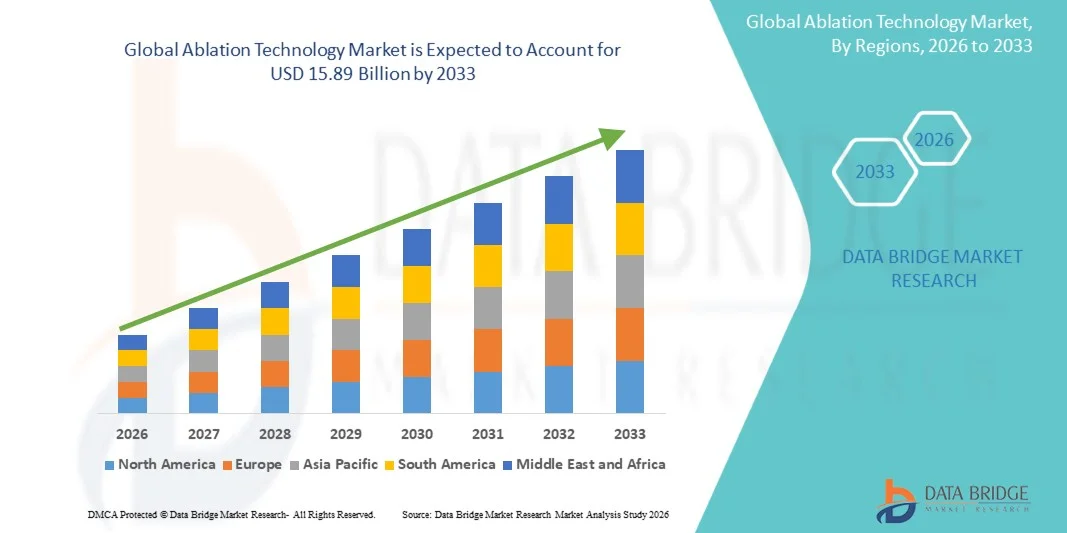
- Согласно анализу Data Bridge Market Research, размер глобального рынка технологий абляции был оценен как$6,80 млрд. в 2025 годуОжидается, что он достигнет15,89 млрд долларов к 2033 году, вCAGR 11,20 %в течение прогнозируемого периода
- Рост рынка в значительной степени подпитывается растущей распространенностьюсердечно-сосудистыйзаболевания, рак и хронические болевые расстройства, наряду с быстрыми технологическими достижениями в минимально инвазивных хирургических процедурах, что приводит к более широкому внедрению передовых систем абляции в больницах и специализированных клиниках;
- Кроме того, растущее предпочтение пациентов к минимально инвазивным методам лечения, более короткое время восстановления, улучшенная процедурная точность и улучшенные клинические результаты устанавливают технологию абляции в качестве предпочтительного терапевтического подхода в кардиологии, онкологии и лечении боли. Эти факторы ускоряют внедрение решений Ablation Technology, тем самым значительно повышая рост отрасли.
Размер рынка и прогноз
- Глобальная рыночная стоимость (2025):$ 6,80 млрд.
- Ожидаемая рыночная стоимость (2033):$15,89 млрд.
- Прогноз CAGR (2026–2033):11.20 %
Анализ рынка абляционных технологий
- Абляционная технология, использующая передовые источники энергии, такие как:радиочастотныйЛазер, микроволновая печь, ультразвук и криоабляция становятся все более важными в современных минимально инвазивных процедурах в кардиологии, онкологии, ортопедии и управлении болью из-за его точности, сокращения пребывания в больнице и улучшения клинических результатов.
- Растущий спрос на технологию абляции в первую очередь подпитывается растущей распространенностью сердечно-сосудистых заболеваний и рака, растущим предпочтением минимально инвазивных хирургических процедур и постоянными достижениями в системах абляции на основе катетера и изображений.
- Северная Америка доминировала на рынке технологий абляции с самой большой долей дохода в 41,6% в 2025 году, характеризующейся передовой инфраструктурой здравоохранения, высоким внедрением минимально инвазивных процедур, сильными рамками возмещения и присутствием ведущих производителей медицинских устройств, причем в США наблюдается значительный рост процедур абляции сердца и опухоли, обусловленный непрерывными технологическими инновациями.
- Ожидается, что Азиатско-Тихоокеанский регион станет самым быстрорастущим регионом на рынке технологий абляции в течение прогнозируемого периода с прогнозируемым CAGR в 12,9% из-за увеличения инвестиций в здравоохранение, роста заболеваемости хроническими заболеваниями, расширения инфраструктуры больниц и растущего внедрения передовых хирургических технологий в таких странах, как Китай и Индия.
- Сегмент радиочастотной абляции занимал самую большую долю рынка в 36% в 2025 году, что объясняется его широким использованием в кардиологии и онкологии.
Сегментация рынка отчетных и абляционных технологий
|
Атрибуты |
Ablation Technology: ключевые идеи рынка |
|
Сегменты покрыты |
|
|
Страны, охваченные |
Северная Америка
Европа
Азиатско-Тихоокеанский регион
Ближний Восток и Африка
Южная Америка
|
|
Ключевые игроки рынка |
|
|
Рыночные возможности |
|
|
Информационные наборы данных с добавленной стоимостью |
В дополнение к информации о рыночных сценариях, таких как рыночная стоимость, темпы роста, сегментация, географическое покрытие и основные игроки, рыночные отчеты, курируемые Data Bridge Market Research, также включают углубленный экспертный анализ, эпидемиологию пациентов, анализ трубопроводов, анализ цен и нормативную базу. |
Каковы основные тенденции на рынке абляционных технологий
"Технологические достижения и расширение минимально инвазивных процедур"
- Ключевой и ускоряющейся тенденцией на мировом рынке технологий абляции является быстрое продвижение минимально инвазивных методов лечения, поддерживаемых высокоточными визуализирующими и энергетическими технологиями, такими как радиочастотные (RF), микроволновые, криоабляционные и лазерные системы. Эти инновации повышают точность процедур, сокращают время восстановления и улучшают результаты лечения пациентов в различных терапевтических областях.
- Например, такие компании, как Medtronic и Boston Scientific, представили передовые радиочастотные и криоабляционные системы, предназначенные для лечения сердечных аритмий и опухолей с большей точностью и безопасностью. Аналогичным образом, Johnson & Johnson (через свое подразделение медицинских технологий) продолжает расширять свой портфель абляции электрофизиологии и онкологии.
- Растущее использование абляции с помощью изображения, особенно с помощью ультразвука, КТ и МРТ, позволяет клиницистам точно нацеливаться на аномальные ткани, сохраняя при этом окружающие здоровые структуры. Например, системы микроволновой абляции все чаще используются для лечения опухолей печени и легких из-за их способности генерировать последовательные тепловые зоны и более короткое время процедуры.
- Расширение процедур сердечной абляции на основе катетера для фибрилляции предсердий является еще одной заметной тенденцией. Передовые технологии картирования позволяют электрофизиологам более точно определять аномальные электрические пути, улучшая показатели успеха процедур и уменьшая рецидивы.
- Кроме того, разработка роботизированных абляционных систем следующего поколения повышает стабильность и навигацию во время сложных процедур, что еще больше поддерживает переход к минимально инвазивным методам лечения в больницах и специализированных клиниках.
- Это постоянное новшество в системах доставки энергии, совместимости изображений и процедурной точности меняет стандарты лечения в сегментах онкологии, кардиологии, гинекологии и управления болью.
Динамика рынка абляционных технологий
водитель
«Повышение распространенности хронических заболеваний и рост гериатрической популяции»
- Растущее глобальное бремя хронических заболеваний, таких как рак, сердечно-сосудистые расстройства и хронические болевые состояния, является основным фактором роста на рынке технологий Ablation. По мере роста заболеваемости этими заболеваниями системы здравоохранения все чаще принимают минимально инвазивные терапевтические альтернативы традиционной хирургии.
- Например, согласно глобальным оценкам здравоохранения, случаи рака продолжают расти ежегодно, что приводит к более высокому спросу на локализованные решения для лечения опухолей, такие как радиочастотная и микроволновая абляция. Такие компании, как Abbott Laboratories и AngioDynamics, расширяют свои портфели онкологии и сердечно-сосудистой абляции для удовлетворения этого спроса.
- В кардиологии катетерная абляция стала стандартным методом лечения фибрилляции предсердий и других аритмий, предлагая сокращение пребывания в больнице и более быстрое восстановление по сравнению с процедурами на открытом сердце. Растущее стареющее население, особенно в Северной Америке, Европе и некоторых частях Азиатско-Тихоокеанского региона, еще больше увеличивает число пациентов, имеющих право на такие процедуры.
- Кроме того, предпочтение пациентов минимально инвазивному лечению, более короткие периоды восстановления и более низкий риск осложнений побуждают больницы инвестировать в современные системы абляции. Благоприятная политика возмещения расходов в развитых странах также способствует процессуальному принятию
- Технологические улучшения, приводящие к более высоким показателям успеха и уменьшению процедурных осложнений, еще больше укрепляют доверие врачей и ускоряют проникновение на рынок в странах с развивающейся экономикой.
Сдержанность/вызов
"Высокая стоимость оборудования и процедурные риски"
- Высокая капитальная стоимость, связанная с передовыми системами абляции, включая радиочастотные генераторы, микроволновые платформы, криоабляционные консоли и инструменты интеграции изображений, остается серьезной проблемой для широкого распространения, особенно в развивающихся регионах.
- Например, комплексные установки абляции от таких производителей, как Stryker Corporation и Terumo Corporation, часто требуют значительных первоначальных инвестиций, что может ограничить доступность для небольших больниц и амбулаторных хирургических центров.
- В дополнение к расходам на оборудование, процедурные расходы, включая одноразовые катетеры, зонды и техническое обслуживание, могут увеличить общую финансовую нагрузку на медицинские учреждения и пациентов. Это может ограничить принятие на чувствительных к затратам рынках.
- Клинические риски, связанные с процедурами абляции, такими как повреждение тканей соседних органов, кровотечение, инфекция или рецидив аритмии в сердечных случаях, также вызывают опасения. Хотя частота осложнений, как правило, низкая, потребность в квалифицированных специалистах и специализированной подготовке по-прежнему имеет решающее значение для обеспечения оптимальных результатов.
- Кроме того, процессы утверждения новых устройств для абляции могут быть длительными и жесткими, потенциально задерживая запуск продукта и увеличивая затраты на соответствие для производителей.
- Преодоление этих проблем за счет экономически эффективной разработки продуктов, расширенных программ обучения врачей и непрерывных улучшений безопасности будет иметь важное значение для обеспечения устойчивого роста рынка Ablation Technology в ближайшие годы.
Сфера охвата рынка технологий абляции
Рынок сегментируется на основе продукта, типа, приложения и конечного пользователя.
• По продукту
На основе продукта рынок Ablation Technology сегментирован на устройства радиочастотной абляции, устройства гидротермальной абляции, устройства микроволновой абляции, криоабляционные устройства, устройства электрической абляции, устройства ультразвуковой абляции и устройства лазерной / легкой абляции. Сегмент устройств радиочастотной абляции (RFA) доминировал на крупнейшей доле рынка в 34% в 2025 году, чему способствовало его широкое клиническое внедрение и доказанная эффективность в лечении сердечно-сосудистых заболеваний, рака и хронических болевых состояний. Устройства RFA являются предпочтительными из-за их точности, минимальной инвазивности и более короткого времени восстановления. Больницы и онкологические центры широко используют эти системы для лечения абляции опухоли и аритмии. Технологические достижения, повышающие температурный контроль и профиль безопасности, способствуют дальнейшему росту. Увеличение распространенности сердечных аритмий и рака печени повышает спрос. Сильная политика возмещения расходов в развитых регионах поощряет принятие. Врачи предпочитают RFA за его установленные клинические рекомендации и процедурное знакомство. Растущее гериатрическое население также способствует расширению сегмента. Стратегическое сотрудничество между производителями и учреждениями здравоохранения укрепляет дистрибьюторские сети.
Ожидается, что сегмент устройств для микроволновой абляции будет наблюдать самый быстрый CAGR в 12,1% с 2026 по 2033 год, что обусловлено растущим спросом на более быстрое и эффективное разрушение опухолей. Микроволновая абляция предлагает большие зоны абляции и более короткое время процедуры по сравнению с традиционным RFA. Увеличение применения при раке печени, легких и почек поддерживает рост. Технологические инновации, улучшающие точность и доставку энергии, улучшают клинические результаты. Онкологические центры все чаще используют микроволновые системы для минимально инвазивной терапии рака. Расширение клинических испытаний, подтверждающих безопасность и эффективность, ускоряет проникновение на рынок. Развивающиеся экономики инвестируют в передовую онкологическую инфраструктуру, что еще больше повышает спрос. Интеграция с системами наведения изображений повышает точность процедур. Благоприятные одобрения регулирующих органов и запуск продуктов укрепляют конкурентный ландшафт. Растущая осведомленность о минимально инвазивных процедурах способствует быстрому принятию.
• По типу
На основе типа рынок сегментирован на радиочастотную абляцию, лазерную или световую абляцию, ультразвуковую абляцию, электрическую абляцию, криоабляцию, микроволновую абляцию и гидротермальную абляцию. Сегмент радиочастотной абляции занимал самую большую долю рынка в 36% в 2025 году, что объясняется его широким использованием в кардиологии и онкологии. Его экономичность и установленные процедурные протоколы делают его предпочтительным выбором. Больницы используют RFA для коррекции аритмии и удаления опухоли. Растущее бремя хронических заболеваний увеличивает объемы процедур во всем мире. Технологические усовершенствования, повышающие безопасность и мониторинг в режиме реального времени, способствуют дальнейшему внедрению. Развитые рынки доминируют благодаря передовым системам здравоохранения. Растущие программы подготовки врачей способствуют процессуальному знакомству. Постоянные инновации в системах RFA на основе катетера стимулируют рост.
Сегмент криоабляции, по прогнозам, будет регистрировать самый быстрый CAGR 11,4% с 2026 по 2033 год, что обусловлено его способностью точно нацеливаться на ткани, минимизируя повреждение окружающих структур. Криоабляция все чаще используется в лечении сердечной аритмии и рака простаты. Снижение боли и улучшение комфорта пациента способствуют клиническим предпочтениям. Расширение применения косметических и дерматологических процедур повышает спрос. Технологические достижения, улучшающие дизайн зонда, улучшают результаты. Повышение осведомленности о минимально инвазивных альтернативах способствует росту. Больницы и специализированные клиники внедряют криосистемы благодаря улучшенным профилям безопасности. Рост инвестиций в онкологические исследования способствует расширению.
• Подача заявки
На основе применения рынок сегментирован на сердечно-сосудистые заболевания, офтальмологические заболевания, управление болью, гинекологическое лечение, урологическое лечение, ортопедическое лечение, косметическую и эстетическую хирургию и другие. Сегмент сердечно-сосудистых заболеваний доминировал на крупнейшей доле рынка в 29% в 2025 году из-за высокой распространенности фибрилляции предсердий и других аритмий. Процедуры абляции широко рекомендуются для управления ритмом. Увеличение стареющего населения способствует более высокой частоте сердечных расстройств. Больницы и сердечные центры широко используют системы абляции на основе катетера. Благоприятная политика возмещения расходов в развитых регионах повышает доступность. Непрерывные клинические исследования, подтверждающие долгосрочную эффективность, поддерживают рост. Технологические инновации, улучшающие точность картирования и визуализации, еще больше способствуют принятию.
Ожидается, что применение твердых опухолей, связанных с онкологией (в более широких областях лечения, таких как урологические и гинекологические методы лечения), будет иметь самый быстрый CAGR 12,6% с 2026 по 2033 год, что обусловлено увеличением распространенности рака во всем мире. Растущий спрос на минимально инвазивные процедуры удаления опухолей поддерживает рост рынка. Технологическая интеграция с системами визуализации улучшает показатели успеха процедур. Расширение клинических испытаний и одобрения регулирующих органов повышают доверие врачей. Развивающиеся рынки, инвестирующие в инфраструктуру лечения рака, создают новые возможности. Повышение осведомленности пациентов об альтернативных методах лечения рака еще больше ускоряет процесс принятия.
• Конечный пользователь
На базе конечного пользователя рынок сегментирован на больницы и хирургические центры, онкологические центры, клиники, общественное здравоохранение и другие. Сегмент больниц и хирургических центров составил самую большую долю рынка в 41% в 2025 году, что обусловлено наличием развитой инфраструктуры и квалифицированных специалистов. Высокий приток пациентов для сердечно-сосудистых и онкологических процедур поддерживает спрос. Доступ к возмещению и страховому покрытию повышает доступность. Больницы являются первопроходцами технологически продвинутых систем абляции. Увеличение объемов процедур способствует доминированию сегмента. Интеграция с передовыми системами визуализации и роботизированными системами повышает эффективность.
Ожидается, что сегмент онкологических центров станет свидетелем самого быстрого CAGR в 13,2% с 2026 по 2033 год, чему способствует растущее глобальное бремя рака и специализация в минимально инвазивных методах лечения опухолей. Выделенные онкологические центры инвестируют в современные микроволновые и криоабляционные системы. Увеличение клинических испытаний и точные онкологические подходы способствуют принятию. Растущее сотрудничество между исследовательскими институтами и производителями устройств поддерживает инновации. Предпочтение пациентов специализированным онкологическим учреждениям стимулирует рост. Расширение онкологических сетей в странах с развивающейся экономикой еще больше ускоряет спрос.
Региональный анализ рынка абляционных технологий
- Северная Америка доминировала на рынке технологий абляции с самой большой долей дохода в 41,6% в 2025 году. Руководство региона связано с его развитой инфраструктурой здравоохранения, высоким уровнем внедрения минимально инвазивных процедур и сильной системой возмещения расходов.
- Больницы и специализированные сердечные центры широко используют технологии абляции для лечения сердечных аритмий, рака и хронических болевых состояний. Присутствие ведущих производителей медицинских изделий и непрерывные технологические инновации еще больше укрепляют рост рынка.
- Увеличение распространенности сердечно-сосудистых заболеваний и рака значительно стимулирует процедурные объемы. Благоприятная нормативная политика и сильный опыт врачей поддерживают быстрое принятие. В целом, Северная Америка остается зрелым и инновационным рынком для технологий абляции.
Обзор рынка технологий Ablation в США
Рынок технологий абляции в США составил самую большую долю доходов в Северной Америке в 2025 году, чему способствовал существенный рост процедур абляции сердца и опухоли. Рост заболеваемости фибрилляцией предсердий, раком и хроническими болями продолжает стимулировать спрос на передовые системы абляции. Медицинские работники все чаще применяют минимально инвазивные и имиджевые процедуры для улучшения результатов лечения пациентов и сокращения времени восстановления. Сильный охват возмещением, высокие расходы на здравоохранение и текущие клинические исследования способствуют устойчивому расширению. Постоянные технологические достижения, включая радиочастотные, микроволновые, криоабляционные и лазерные системы, еще больше ускоряют проникновение на рынок. Присутствие крупных производителей медицинских изделий и научно-исследовательских институтов укрепляет лидирующие позиции страны.
Европейский рынок технологий Ablation
Прогнозируется, что рынок технологий абляции в Европе будет расти на значительном CAGR в течение прогнозируемого периода, что обусловлено растущим внедрением минимально инвазивных хирургических процедур и ростом распространенности хронических заболеваний. В таких странах, как Германия, Франция и Великобритания, наблюдается высокий спрос на лечение сердечной и онкологической абляции. Расширение гериатрического населения и поддерживающая политика в области здравоохранения увеличивают объемы процедур. Инвестиции в модернизацию больниц и современное хирургическое оборудование способствуют дальнейшему внедрению. Растущая осведомленность медицинских работников о преимуществах абляционной терапии способствует устойчивому расширению рынка. В целом Европа представляет собой стабильный и технологически прогрессивный региональный рынок.
Великобритания Ablation Technology Market Insight
Ожидается, что рынок технологий абляции в Великобритании будет неуклонно расти, чему будет способствовать увеличение случаев сердечно-сосудистых заболеваний и рака. Система здравоохранения уделяет особое внимание минимально инвазивным вмешательствам для сокращения пребывания в больнице и повышения клинической эффективности. Принятие передовых систем абляции на основе катетера и изображений расширяется в специализированных лечебных центрах. Государственные инициативы в области здравоохранения и инвестиции в хирургические инновации способствуют росту рынка. Повышение осведомленности пациентов и ранняя диагностика хронических заболеваний также способствуют росту спроса. Перспективы рынка остаются положительными благодаря постоянному повышению безопасности и эффективности процедур.
Немецкий рынок технологий Ablation
Немецкий рынок абляционных технологий представляет собой один из ведущих рынков в Европе для абляционных технологий, обусловленный сильной инфраструктурой здравоохранения и передовыми возможностями медицинских исследований. Страна имеет большой объем процедур абляции сердца из-за увеличения случаев фибрилляции предсердий. Больницы оснащены современными электрофизиологическими лабораториями и онкологическими лечебными центрами, что позволяет широко внедрять системы абляции. Технологические инновации и сотрудничество между исследовательскими институтами и производителями медицинских устройств способствуют росту рынка. Благоприятная политика возмещения расходов и высокие расходы на здравоохранение еще больше усиливают процесс принятия. Германия продолжает демонстрировать устойчивый рост минимально инвазивных методов лечения.
Азиатско-Тихоокеанский рынок технологий абляции
Ожидается, что рынок технологий абляции в Азиатско-Тихоокеанском регионе станет самым быстрорастущим регионом на рынке технологий абляции, регистрируя прогнозируемый CAGR в 12,9% в течение прогнозируемого периода. Рост обусловлен увеличением инвестиций в здравоохранение, ростом заболеваемости хроническими заболеваниями и расширением инфраструктуры больниц в таких странах, как Китай, Индия и Япония. Правительства активно улучшают доступ к передовым хирургическим технологиям и укрепляют системы здравоохранения. Растущая осведомленность о минимально инвазивных процедурах и улучшенная доступность вариантов лечения ускоряют принятие. Большая популяционная база пациентов региона также поддерживает сильный процедурный рост. Азиатско-Тихоокеанский регион предлагает значительные долгосрочные возможности для игроков рынка.
Японский рынок технологий Ablation
Японский рынок технологий абляции расширяется из-за старения населения и растущей распространенности сердечно-сосудистых заболеваний и рака. Медицинские работники все чаще используют передовые системы абляции для повышения точности и уменьшения осложнений. Технологически развитая медицинская инфраструктура страны поддерживает использование роботизированных и имиджевых процедур. Государственная поддержка инновационных решений в области здравоохранения и сильная клиническая экспертиза способствуют устойчивому развитию рынка. Спрос на более безопасные и эффективные минимально инвазивные методы лечения продолжает расти. Япония остается ключевым вкладчиком в ландшафт технологий абляции в Азиатско-Тихоокеанском регионе.
Китайский рынок технологий Ablation
Китайский рынок технологий абляции составил самую большую долю доходов в Азиатско-Тихоокеанском регионе в 2025 году, что обусловлено быстрым развитием инфраструктуры здравоохранения и растущим бременем болезней. Увеличение инвестиций в третичные больницы и специализированные сердечные центры расширяет доступ к процедурам абляции. Повышение осведомленности о минимально инвазивных методах лечения и улучшение системы возмещения дополнительно стимулируют рост рынка. Отечественные и международные производители медицинских изделий укрепляют свое присутствие в стране. Растущее внедрение передовых технологий, включая системы радиочастотной и микроволновой абляции, повышает эффективность процедур. Китай позиционируется как быстрорастущий и стратегически важный рынок в Азиатско-Тихоокеанском регионе.
Доля рынка абляционных технологий
Индустрия Ablation Technology в основном возглавляется хорошо зарекомендовавшими себя компаниями, в том числе:
- Medtronic (Ирландия)
- Бостонская научная корпорация (США)
- Johnson & Johnson (США)
- Эбботт (США)
- AngioDynamics (США)
- AtriCure, Inc. (США)
- Olympus Corporation (Япония)
- Stryker Corporation (США)
- B. Braun SE (Германия)
- Smith & Nephew (Великобритания)
- Varian Medical Systems (США)
- Hologic, Inc. (США)
- CONMED Corporation (США)
- BTG International (Великобритания)
- Erbe Elektromedizin GmbH (Германия)
- Merit Medical Systems (США)
- Zimmer Biomet (США)
- Canon Medical Systems (Япония)
- Fujifilm Holdings Corporation (Япония)
- Terumo Corporation (Япония)
Последние события на мировом рынке абляционных технологий
- В мае 2023 года Abbott получил одобрение FDA США на свой катетер TactiFlex Ablation, Sensor EnabledTM, первый в мире катетер абляции с гибкой технологией наконечника электрода и датчика контактной силы, разработанной специально для повышения точности и сокращения времени процедуры в абляции сердца для фибрилляции предсердий при использовании с картографической системой EnSite X EP Abbott.
- В августе 2023 года Бостонская научная корпорация представила криоабляционный катетер POLARx в европейских больницах, криоабляционное устройство следующего поколения, которое улучшает лечение фибрилляции предсердий за счет повышения процедурной эффективности и сокращения времени абляции для специалистов по электрофизиологии.
- В декабре 2023 года Medtronic plc объявила об одобрении FDA США своей системы PulseSelectTM Pulsed Field Ablation (PFA), отмечая первую одобренную FDA технологию абляции импульсного поля для лечения как пароксизмальной, так и персистирующей фибрилляции предсердий — основной вехой в нетепловой терапии сердечной абляции.
- В январе 2024 года Boston Scientific получила одобрение FDA США для своей системы пульсированной абляции поля FARAPULSETM, новой системы нетепловой абляции, показанной для изоляции легочной вены при лечении лекарственно-рефрактерной, рецидивирующей симптоматической пароксизмальной фибрилляции предсердий, расширяющей минимально инвазивные варианты для пациентов.
- В марте 2024 года Medtronic запустила роботизированную катетерную систему AuroraTM в Северной Америке, роботизированную абляционную платформу с функцией навигации в реальном времени, предназначенную для повышения точности и уменьшения процедурных осложнений во время процедур абляции сердца.
- В ноябре 2024 года Johnson & Johnson MedTech (через свое подразделение Biosense Webster) получил одобрение FDA для платформы Varipulse Pulsed Field Ablation (PFA) Platform, системы импульсной абляции поля следующего поколения, предназначенной для лечения лекарственно-устойчивой пароксизмальной фибрилляции предсердий, что еще больше ускоряет внедрение технологий PFA в кардиологической электрофизиологии.
- В октябре 2024 года Abbott расширила свой портфель PFA с расширенными клиническими усилиями и испытаниями вокруг своей Volt PFA System и катетеров абляции FOCALFLEX и TactiFlex Duo, отражая продолжающиеся инновации в электрофизиологических устройствах для улучшения доставки повреждений и процедурных показателей успеха.
- В июле 2025 года Бостонская научная корпорация получила расширенную маркировку FDA США для своей системы пульсированной абляции поля FARAPULSE, позволяющую использовать для лечения лекарственно-рефрактерной симптоматической персистирующей фибрилляции предсердий; это обновление расширило клиническое применение технологии PFA за пределами пароксизмальной ФП, основываясь на положительных результатах клинических испытаний.
SKU-
Получите онлайн-доступ к отчету на первой в мире облачной платформе рыночной аналитики

- Интерактивная панель анализа данных
- Панель анализа компании для возможностей с высоким потенциалом роста
- Доступ аналитика-исследователя для настройки и запросов
- Анализ конкурентов с помощью интерактивной панели
- Последние новости, обновления и анализ тенденций
- Используйте возможности сравнительного анализа для комплексного отслеживания конкурентов
Методология исследования
Сбор данных и анализ базового года выполняются с использованием модулей сбора данных с большими размерами выборки. Этап включает получение рыночной информации или связанных данных из различных источников и стратегий. Он включает изучение и планирование всех данных, полученных из прошлого заранее. Он также охватывает изучение несоответствий информации, наблюдаемых в различных источниках информации. Рыночные данные анализируются и оцениваются с использованием статистических и последовательных моделей рынка. Кроме того, анализ доли рынка и анализ ключевых тенденций являются основными факторами успеха в отчете о рынке. Чтобы узнать больше, пожалуйста, запросите звонок аналитика или оставьте свой запрос.
Ключевой методологией исследования, используемой исследовательской группой DBMR, является триангуляция данных, которая включает в себя интеллектуальный анализ данных, анализ влияния переменных данных на рынок и первичную (отраслевую экспертную) проверку. Модели данных включают сетку позиционирования поставщиков, анализ временной линии рынка, обзор рынка и руководство, сетку позиционирования компании, патентный анализ, анализ цен, анализ доли рынка компании, стандарты измерения, глобальный и региональный анализ и анализ доли поставщика. Чтобы узнать больше о методологии исследования, отправьте запрос, чтобы поговорить с нашими отраслевыми экспертами.
Доступна настройка
Data Bridge Market Research является лидером в области передовых формативных исследований. Мы гордимся тем, что предоставляем нашим существующим и новым клиентам данные и анализ, которые соответствуют и подходят их целям. Отчет можно настроить, включив в него анализ ценовых тенденций целевых брендов, понимание рынка для дополнительных стран (запросите список стран), данные о результатах клинических испытаний, обзор литературы, обновленный анализ рынка и продуктовой базы. Анализ рынка целевых конкурентов можно проанализировать от анализа на основе технологий до стратегий портфеля рынка. Мы можем добавить столько конкурентов, о которых вам нужны данные в нужном вам формате и стиле данных. Наша команда аналитиков также может предоставить вам данные в сырых файлах Excel, сводных таблицах (книга фактов) или помочь вам в создании презентаций из наборов данных, доступных в отчете.











