


Global Database Automation Market Segmentation, By Component (Solution and Service), Deployment Mode (Cloud and On-Premises), Enterprise Size (Large Enterprises and Small and Medium-Sized Enterprises), Application (Provisioning, Backup, Security, and Compliance), End User (Telecom and IT, Healthcare, Manufacturing, Banking, Financial Services and Insurance, Research and Academia, Government, Media and Entertainment, Retail and E-commerce, Defence, and Others) - Industry Trends and Forecast to 2033
Рынок автоматизации баз данных и темпы роста
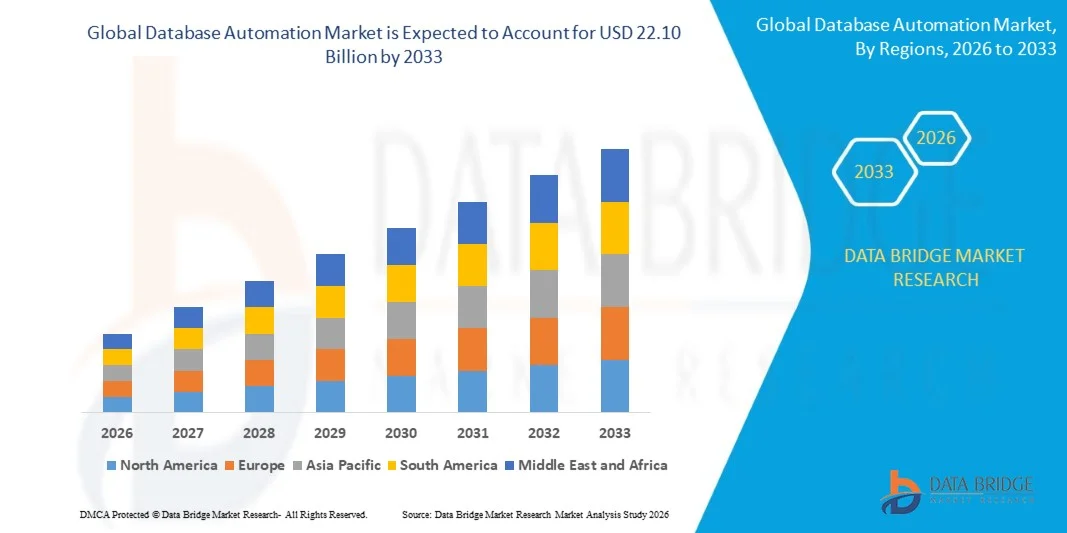
- Согласно анализу Data Bridge Market Research, глобальный размер рынка автоматизации баз данных был оценен как2,94 млрд долларов в 2025 годуОжидается, что он достигнет22,10 млрд долларов к 2033 году, вCAGR 28,68%в течение прогнозируемого периода
- Рост рынка в значительной степени обусловлен растущим внедрением методов облачных вычислений, ИИ и DevOps, которые побуждают организации внедрять автоматизированные решения управления базами данных для повышения эффективности, надежности и масштабируемости.
- Кроме того, растущий спрос предприятий на мониторинг данных в режиме реального времени, автоматизацию соответствия и сокращение ручного управления базами данных делает автоматизацию баз данных критически важным компонентом для инициатив цифровой трансформации. Эти факторы ускоряют внедрение автоматизированных решений для баз данных, тем самым значительно повышая рост рынка.
Размер рынка и прогноз
- Глобальная рыночная стоимость (2025):$2,94 млрд.
- Ожидаемая рыночная стоимость (2033):$22,10 млрд.
- Прогноз CAGR (2026-2033):28.68%
Каковы основные выводы рынка автоматизации баз данных
- Автоматизация баз данных включает в себя инструменты и платформы, которые позволяют автоматизировать резервное копирование, мониторинг, безопасность и соответствие баз данных. Эти решения помогают предприятиям оптимизировать управление жизненным циклом баз данных, минимизировать человеческие ошибки и повысить эффективность работы в гибридных и многооблачных средах.
- Растущий спрос на автоматизацию баз данных в первую очередь подпитывается необходимостью более быстрого развертывания, повышения качества данных, снижения эксплуатационных расходов и растущей зависимости от инфраструктур баз данных на основе ИИ и облачных вычислений в таких отраслях, как BFSI, ИТ, здравоохранение и розничная торговля.
- Северная Америка доминирует на рынке автоматизации баз данных с долей в37,6% в 2025 году, благодаря широкомасштабным инициативам цифровой трансформации и растущему внедрению автоматизированных решений управления базами данных в различных отраслях промышленности.
- Ожидается, что Азиатско-Тихоокеанский регион станет самым быстрорастущим регионом на рынке автоматизации баз данных в течение прогнозируемого периода из-за растущей цифровизации предприятий, внедрения облаков и растущего сектора ИТ-услуг в таких странах, как Китай, Япония и Индия.
- Сегмент решений доминировал на рынке с долей рынка 62,5% в 2025 году из-за растущего спроса на автоматизированные инструменты управления базами данных, которые повышают операционную эффективность и уменьшают человеческие ошибки. Предприятия отдают приоритет решениям за их способность оптимизировать задачи обеспечения, резервного копирования и мониторинга, обеспечивая при этом высокую производительность и надежность. Решения для автоматизации баз данных также обеспечивают интеграцию с конвейерами DevOps и облачными платформами, позволяя организациям поддерживать согласованные среды баз данных.
Сегментация рынка автоматизации отчетов и баз данных
|
Атрибуты |
Автоматизация базы данных Key Market Insights |
|
Сегменты покрыты |
|
|
Страны, охваченные |
Северная Америка
Европа
Азиатско-Тихоокеанский регион
Ближний Восток и Африка
Южная Америка
|
|
Ключевые игроки рынка |
|
|
Рыночные возможности |
|
|
Информационные наборы данных с добавленной стоимостью |
В дополнение к информации о рыночных сценариях, таких как рыночная стоимость, темпы роста, сегментация, географическое покрытие и основные игроки, рыночные отчеты, курируемые Data Bridge Market Research, также включают углубленный экспертный анализ, географически представленное производство и мощности компании, сетевые схемы дистрибьюторов и партнеров, подробный и обновленный анализ ценового тренда и анализ дефицита цепочки поставок и спроса. |
Каковы основные тенденции на рынке автоматизации баз данных
«Растущее внедрение ИИАвтоматизация базы данных"
- Значительной тенденцией на рынке автоматизации баз данных является растущее внедрение решений на основе ИИ для управления, оптимизации и безопасности корпоративных баз данных. Эти решения позволяют прогнозировать обслуживание, автоматическую оптимизацию запросов и интеллектуальное управление рабочей нагрузкой, снижая вмешательство человека и повышая операционную эффективность.
- Например, Oracle и IBM предлагают платформы автоматизации баз данных на базе ИИ, которые используют машинное обучение для прогнозирования проблем с производительностью и автоматизации рутинных задач обслуживания. Такие решения увеличивают время безотказной работы, ускоряют обработку данных и позволяют предприятиям сосредоточиться на стратегических инициативах.
- Предприятия все чаще развертывают автоматизированные системы управления базами данных в гибридных и многооблачных средах для повышения масштабируемости, снижения задержки и упрощения интеграции с критически важными для бизнеса приложениями. Эта тенденция позиционирует автоматизацию баз данных на основе ИИ как краеугольный камень для ИТ-инфраструктуры следующего поколения.
- Растущий объем и сложность корпоративных данных побуждают организации полагаться на инструменты автоматизации, которые могут разумно обрабатывать задачи резервного копирования, восстановления и соответствия. Эти возможности помогают уменьшить количество ошибок, повысить безопасность и поддерживать согласованный уровень обслуживания в различных средах баз данных.
- Организации в сфере финансовых услуг, здравоохранения и электронной коммерции используют автоматизированный мониторинг баз данных для выявления аномалий и предотвращения простоев. Этот проактивный подход способствует более активному внедрению автоматизации баз данных на основе ИИ в критически важных секторах.
- На рынке наблюдается рост спроса на самоуправляемые базы данных, способные к непрерывной оптимизации и аналитике в режиме реального времени. Эта тенденция усиливает потребность в интеллектуальной автоматизации, поскольку предприятия стремятся снизить эксплуатационные расходы, повысить производительность и ускорить цифровую трансформацию.
Динамика рынка автоматизации баз данных
водитель
«Увеличение корпоративного спроса на управление облачными и гибридными базами данных»
- Растущий сдвиг в сторону облачных и гибридных ИТ-инфраструктур заставляет предприятия внедрять решения для автоматизации баз данных, которые могут эффективно управлять сложными средами. Автоматизированные инструменты обеспечивают плавную миграцию, балансировку рабочей нагрузки и настройку производительности на локальных и облачных платформах.
- Например, Azure SQL Database от Microsoft предоставляет функции автоматической настройки, масштабирования и резервного копирования, которые помогают организациям эффективно управлять гибридными архитектурами баз данных. Эти решения повышают гибкость и уменьшают административные накладные расходы, поддерживая более быстрое развертывание и лучшее использование ресурсов.
- Растущая сложность корпоративных приложений требует автоматизированного мониторинга и оптимизации для поддержания высокой производительности и доступности. Эти требования способствуют внедрению инструментов автоматизации баз данных на основе ИИ, способных обрабатывать крупномасштабные транзакционные и аналитические нагрузки.
- Предприятия стремятся к автоматизации баз данных для оптимизации управления данными, обеспечения соответствия и минимизации человеческих ошибок в конфигурации и обслуживании. Автоматизированные решения упрощают аудит, отчетность и реализацию политики на нескольких платформах баз данных.
- Спрос на идеи и аналитику в режиме реального времени побуждает организации интегрировать автоматизацию с поддержкой ИИ в свои системы баз данных. Эта интеграция улучшает производительность запросов, ускоряет поиск данных и поддерживает лучшее принятие решений во всех бизнес-операциях.
Сдержанность/вызов
«Высокая стоимость реализации и сложность»
- Рынок автоматизации баз данных сталкивается с проблемами из-за значительных первоначальных инвестиций, необходимых для лицензирования программного обеспечения, интеграции и обучения персонала. Сложные процессы развертывания могут продлить сроки реализации проекта и потребовать специализированных технических знаний, увеличивая общую стоимость владения.
- Например, компании, внедряющие решения автоматизации IBM Db2, должны инвестировать в обучение и инфраструктуру, чтобы полностью использовать функции, управляемые ИИ. Эти требования могут сдерживать малые предприятия и медленное внедрение в сегментах, чувствительных к затратам.
- Интеграция средств автоматизации с устаревшими системами баз данных часто связана с проблемами совместимости и миграции, что может осложнить развертывание и рабочие процессы. Организации должны тщательно планировать переходы, чтобы избежать потери данных и простоев.
- Сложность поддержания автоматизации на основе ИИ требует постоянного мониторинга, обновлений и квалифицированного персонала для оптимизации производительности. Это постоянное управление увеличивает операционные накладные расходы и может повлиять на возврат инвестиций в краткосрочной перспективе.
- Масштабируемость и настройка решений автоматизации также могут быть препятствием, поскольку предприятиям требуются решения, адаптированные к различным рабочим нагрузкам и требованиям соответствия. Эти факторы в совокупности влияют на темпы внедрения и побуждают поставщиков сосредоточиться на гибких модульных предложениях.
Как сегментируется рынок автоматизации баз данных
Рынок сегментирован на основе компонента, режима развертывания, размера предприятия, приложения и конечного пользователя.
• по компонентам
На основе компонента рынок автоматизации баз данных сегментирован на решение и сервис. Сегмент решений доминировал на рынке с долей выручки 62,5% в 2025 году, что обусловлено растущим спросом на автоматизированные инструменты управления базами данных, которые повышают операционную эффективность и уменьшают человеческие ошибки. Предприятия отдают приоритет решениям за их способность оптимизировать задачи обеспечения, резервного копирования и мониторинга, обеспечивая при этом высокую производительность и надежность. Решения для автоматизации баз данных также обеспечивают интеграцию с конвейерами DevOps и облачными платформами, позволяя организациям поддерживать согласованные среды баз данных. Рынок видит сильное внедрение благодаря передовой аналитике, рекомендациям на основе ИИ и функциям прогнозного обслуживания, предлагаемым этими решениями.
Ожидается, что в сегменте услуг будут наблюдаться самые быстрые темпы роста с 2026 по 2033 год, чему способствует увеличение аутсорсинга задач управления базами данных. Например, такие компании, как IBM, предлагают услуги автоматизации управляемых баз данных, которые позволяют организациям сосредоточиться на основных операциях, обеспечивая безопасную, совместимую и эффективную работу баз данных. Эти сервисы уменьшают потребность в собственном опыте, обеспечивают мониторинг 24/7 и поддерживают гибридные или многооблачные развертывания. Растущая зависимость от профессиональных услуг для внедрения, интеграции и непрерывной оптимизации стимулирует принятие этого сегмента.
• в режиме развертывания
На основе режима развертывания рынок автоматизации баз данных сегментирован в облако и локально. Сегмент локальных вычислений занимал самую большую долю рынка в 2025 году из-за того, что организации уделяют приоритетное внимание контролю над конфиденциальными данными и настройке рабочих процессов автоматизации. Предприятия в сильно регулируемых отраслях предпочитают локальное развертывание для обеспечения безопасности, соответствия требованиям и преимуществ доступа с низкой задержкой. Он также обеспечивает бесшовную интеграцию с устаревшими системами и корпоративной ИТ-инфраструктурой, что делает его предпочтительным выбором для крупномасштабных операций, требующих сложных архитектур баз данных.
Ожидается, что облачный сегмент станет самым быстрым CAGR с 2026 по 2033 год, что обусловлено его масштабируемостью, гибкостью и более низкими первоначальными затратами. Например, Amazon Web Services (AWS) и Microsoft Azure предоставляют облачные платформы автоматизации баз данных, которые обеспечивают быстрое резервное копирование и мониторинг без значительных инвестиций в инфраструктуру. Облачное развертывание поддерживает многорегиональную доступность, аварийное восстановление и оптимизацию на основе ИИ, что делает его идеальным для организаций, стремящихся к гибкому и экономически эффективному управлению базами данных. Растущее внедрение гибридных облачных моделей еще больше ускоряет рост в этом сегменте.
• Размер предприятия
Исходя из размера предприятия, рынок автоматизации баз данных сегментирован на крупные предприятия и малые и средние предприятия (МСП). Крупные предприятия доминировали на рынке в 2025 году, что было обусловлено сложностью и масштабом их среды баз данных. Эти организации вкладывают значительные средства в решения для автоматизации, чтобы уменьшить ручное вмешательство, повысить операционную эффективность и обеспечить высокую доступность критически важных приложений. Крупные предприятия также получают выгоду от централизованного мониторинга, управления соблюдением и интеграции с передовой аналитикой для прогнозирования.
Ожидается, что в сегменте МСП будет наблюдаться самый быстрый рост с 2026 по 2033 год, чему способствует повышение осведомленности о преимуществах автоматизации баз данных и доступности доступных масштабируемых решений. Например, Oracle и Microsoft предлагают инструменты автоматизации, ориентированные на МСП, которые обеспечивают простое развертывание, упрощенное управление и модели ценообразования с оплатой по мере использования. МСП используют эти решения для оптимизации ограниченных ИТ-ресурсов, повышения операционной эффективности и сокращения простоев. Растущие инициативы в области цифровой трансформации среди МСП способствуют быстрому внедрению этого сегмента.
• Подача заявки
На основе применения рынок автоматизации баз данных сегментирован на обеспечение, резервное копирование, безопасность и соответствие. Сегмент ассигнований доминировал на рынке в 2025 году из-за критической потребности в автоматизированном создании баз данных, конфигурации и настройке среды. Автоматизированное обеспечение уменьшает ошибки, ускоряет сроки развертывания и обеспечивает согласованность в средах разработки, тестирования и производства. Автоматизация обеспечения стоимости предприятия за его способность интегрироваться с трубопроводами CI / CD и рабочими процессами DevOps, повышая общую производительность и оперативную гибкость
Ожидается, что в сегменте резервного копирования будут наблюдаться самые быстрые темпы роста с 2026 по 2033 год, обусловленные увеличением объемов данных и необходимостью надежных решений для аварийного восстановления. Например, Veeam и Commvault предоставляют автоматизированные решения для резервного копирования, которые позволяют организациям эффективно планировать, контролировать и восстанавливать базы данных без ручного вмешательства. Автоматизация резервного копирования обеспечивает целостность данных, поддерживает многооблачное хранение и сокращает время восстановления (RTO). Организации все чаще используют автоматизированное резервное копирование для соблюдения нормативных требований и минимизации операционных рисков.
• Конечный пользователь
На основе конечного пользователя рынок автоматизации баз данных сегментируется на телекоммуникации и ИТ, здравоохранение, производство, банковское дело, финансовые услуги и страхование (BFSI), исследования и научные круги, правительство, средства массовой информации и развлечения, розничная торговля и электронная коммерция, оборона и другие. Сегмент телекоммуникаций и ИТ доминировал на рынке в 2025 году благодаря высокой зависимости от крупномасштабных динамических баз данных и необходимости непрерывного безотказного и эффективного управления. Автоматизация баз данных позволяет телекоммуникационным и ИТ-компаниям обрабатывать быстрое обеспечение, мониторинг и масштабирование, обеспечивая при этом низкую задержку и высокую производительность.
Ожидается, что в сегменте BFSI будет наблюдаться самый быстрый рост с 2026 по 2033 год, обусловленный жесткими нормативными требованиями, растущими объемами данных и критической потребностью в безопасных и эффективных операциях с базами данных. Например, Infosys и TCS предоставляют платформы автоматизации, ориентированные на BFSI, которые обеспечивают мониторинг в режиме реального времени, автоматизированные проверки соответствия и безопасную обработку данных. Организации BFSI внедряют автоматизацию баз данных для предотвращения простоев, улучшения обслуживания клиентов и повышения операционной эффективности. Растущий сдвиг в сторону цифровых банковских и финтех-решений способствует дальнейшему росту в этом сегменте.
В каком регионе самая большая доля рынка автоматизации баз данных
- Северная Америка доминировала на рынке автоматизации баз данных с самой большой долей дохода 37,6% в 2025 году, чему способствовали широкомасштабные инициативы по цифровой трансформации и растущее внедрение автоматизированных решений управления базами данных в различных отраслях промышленности.
- Организации в регионе высоко ценят эффективность, снижение человеческих ошибок и возможности мониторинга в режиме реального времени, предлагаемые решениями автоматизации баз данных, такими как обеспечение, резервное копирование и управление соответствием требованиям.
- Это широкое внедрение дополнительно поддерживается высокими расходами на ИТ, технологически квалифицированной рабочей силой и растущей зависимостью от облачных и гибридных сред баз данных, что делает автоматизацию баз данных критически важным компонентом для операционной эффективности.
Обзор рынка автоматизации базы данных США
Рынок автоматизации баз данных в США занял самую большую долю доходов в 2025 году в Северной Америке, чему способствовало быстрое внедрение облачных вычислений, интеграция ИИ и сосредоточение бизнеса на цифровой трансформации. Организации все чаще отдают приоритет эффективности, надежности и безопасности баз данных с помощью автоматизированных решений. Растущий акцент на интеграцию DevOps, гибридные облачные среды и мониторинг, основанный на ИИ, еще больше продвигает рынок. Кроме того, предприятия внедряют решения по предоставлению самообслуживания и автоматическому резервному копированию для повышения оперативной гибкости и сокращения простоев.
Европейский рынок автоматизации баз данных Insight
По прогнозам, рынок автоматизации баз данных в Европе будет расширяться на значительном уровне CAGR в течение прогнозируемого периода, в основном за счет нормативных требований, растущей цифровизации и модернизации предприятий. В регионе наблюдается широкое внедрение облачных и локальных решений автоматизации для оптимизации работы баз данных и минимизации операционных рисков. Компании в секторах производства, BFSI и здравоохранения все чаще внедряют автоматизированные решения для обеспечения, резервного копирования и безопасности. Сильная ИТ-инфраструктура Европы и акцент накибербезопасностиподдержка широкого внедрения технологий автоматизации баз данных.
Британская база данных Automation Market Insight
Ожидается, что рынок автоматизации баз данных в Великобритании в течение прогнозируемого периода будет расти при заметном CAGR, что обусловлено растущим внедрением предприятиями облачных и локальных решений для баз данных. Организации сосредотачиваются на повышении операционной эффективности, обеспечении соблюдения нормативных требований и минимизации ручных задач управления базами данных. Кроме того, растущая тенденция цифровой трансформации и мониторинга с поддержкой ИИ подпитывает спрос. Надежная экосистема ИТ-услуг Великобритании и высокая осведомленность о методах обеспечения безопасности данных продолжают стимулировать рост рынка.
Немецкий рынок автоматизации баз данных Insight
Ожидается, что в течение прогнозируемого периода рынок автоматизации баз данных в Германии будет расширяться на значительном CAGR, чему будет способствовать более широкое внедрение автоматизированного управления базами данных в корпоративных ИТ-средах. Акцент на безопасность данных, соответствие требованиям и операционную эффективность способствует внедрению в таких секторах, как производство, BFSI и здравоохранение. Передовая ИТ-инфраструктура Германии и акцент на оптимизации процессов и автоматизации способствуют внедрению как облачных, так и локальных решений. Предприятия все чаще используют автоматизацию баз данных для поддержки больших объемов критически важных приложений.
Азиатско-Тихоокеанская база данных Automation Market Insight
Рынок автоматизации баз данных в Азиатско-Тихоокеанском регионе будет расти самыми быстрыми темпами в течение прогнозируемого периода с 2026 по 2033 год, что обусловлено растущей цифровизацией предприятий, внедрением облачных технологий и растущим сектором ИТ-услуг в таких странах, как Китай, Япония и Индия. Расширяющаяся база малого и среднего бизнеса в регионе в сочетании с растущими инвестициями в автоматизированное управление базами данных ускоряет внедрение. Кроме того, правительственные инициативы, способствующие цифровой трансформации и интеллектуальным инфраструктурным проектам, стимулируют спрос на решения для обеспечения, резервного копирования и автоматизации соответствия.
Японский рынок автоматизации баз данных Insight
Рынок автоматизации баз данных в Японии демонстрирует значительный рост благодаря акценту страны на технологические инновации, автоматизацию предприятий и внедрение облачных технологий. Предприятия сосредоточены на операционной эффективности, безопасности и соблюдении нормативных требований, что стимулирует спрос на решения для автоматизации баз данных. Интеграция ИИ и расширенной аналитики в системы управления базами данных также поддерживает внедрение. Акцент Японии на интеллектуальных корпоративных решениях и инициативах цифровой трансформации как в производственном, так и в ИТ-секторе вносит значительный вклад в рост рынка.
Китайский рынок автоматизации баз данных
Китайский рынок автоматизации баз данных составил самую большую долю доходов в Азиатско-Тихоокеанском регионе в 2025 году, что объясняется быстрой цифровизацией предприятий, внедрением облачных технологий и расширением отрасли ИТ-услуг в стране. Организации в BFSI, производственном, розничном и государственном секторах все чаще внедряют автоматизированные решения для обеспечения, резервного копирования и безопасности. Растущий акцент на операционную эффективность, соответствие требованиям и управление базами данных на основе ИИ в сочетании с сильными отечественными поставщиками технологий продвигает рынок. Инициативы Китая в отношении умных городов и модернизации предприятий еще больше повышают спрос.
Какие компании занимают лидирующие позиции на рынке автоматизации баз данных
Индустрия автоматизации баз данных в основном управляется хорошо зарекомендовавшими себя компаниями, в том числе:
- Microsoft Corporation (США)
- IBM Corporation(США)
- Корпорация Oracle (США)
- BMC Software Inc.(США)
- Micro Focus International (Великобритания)
- Amazon Web Services Inc. (США)
- Datavail(США)
- Percona LLC (США)
- Системы помощи (США)
- NuoDB, Inc. (США)
- Red Gate Software Ltd.(Великобритания)
- WhereScape Inc.(Канада)
- Clustrix, Inc. (США)
- Severalnines AB (Швеция)
- Quest Software Inc. (США)
- DBmaestro (Израиль)
- IDERA Inc. (США)
- SAP SE (Германия)
- Redis Inc. (США)
- TestingWhiz (США)
- Кукла (США)
- Chef Software (США)
Каковы последние тенденции на мировом рынке автоматизации баз данных
- В марте 2026 года EnterpriseDB представила EDB Postgres AI Factory следующего поколения, что позволило автоматизировать базу данных на базе ИИ с помощью генеративного вывода ИИ корпоративного уровня и вспомогательных рабочих процессов в средах Postgres. Эта разработка значительно продвигает рынок автоматизации баз данных, позволяя организациям автоматизировать сложные задачи, управляемые данными, более эффективно и надежно. Объединяя прототипы ИИ с готовыми к производству операциями с базами данных, предприятия могут оптимизировать процессы предоставления, мониторинга и оптимизации, ускоряя внедрение интеллектуальной автоматизации как в крупномасштабных, так и в гибридных развертываниях.
- В сентябре 2024 года Oracle Corporation в партнерстве с Amazon Web Services, Google Cloud и Microsoft Azure запустила сервисы Oracle Database на Oracle Cloud Infrastructure в центрах обработки данных этих гипермасштаберов. Это сотрудничество улучшает унифицированное управление, биллинг и мультиоблачную связь с низкой задержкой, позволяя организациям более эффективно автоматизировать операции с базами данных в гибридных облачных средах. Инициатива упрощает предоставление, масштабирование и управление кросс-облаками, способствуя более широкому внедрению решений по автоматизации баз данных на предприятиях, реализующих многооблачные стратегии.
- В ноябре 2023 года корпорация IBM совместно с Amazon Web Services запустила Amazon RDS для Db2 в качестве полностью управляемого облачного сервиса. Это позволяет автоматизировать резервирование, масштабирование, резервное копирование и восстановление рабочих нагрузок Db2, особенно для приложений на основе ИИ в гибридных инфраструктурах. Разработка повышает спрос на автоматизированное управление жизненным циклом баз данных за счет сокращения ручного вмешательства и обеспечения высокой доступности, тем самым повышая рыночную привлекательность автоматизации баз данных для сложных рабочих нагрузок предприятия.
- В мае 2023 года data.world приобрела технологию Mighty Canary и интегрировала ее в новое приложение DataOps, которое использует автоматизацию для отображения контекстной информации и обновлений качества данных в реальном времени непосредственно в BI и инструментах совместной работы. Это отражает растущую рыночную тенденцию, когда автоматизированное качество данных и мониторинг становятся все более важными для операционной эффективности. Встраивая автоматизированную обратную связь в существующие рабочие процессы в режиме реального времени, организации могут улучшить процесс принятия решений и ускорить внедрение автоматизации баз данных в аналитических средах.
- В июне 2023 года Aquatic Informatics запустила HydroCorrect, автоматизированный инструмент проверки данных в платформе Aquarius, который использует машинное обучение для оптимизации QA / QC для данных мониторинга окружающей среды. Это достижение подчеркивает роль автоматизации в повышении точности данных и сокращении ручных усилий. Предоставляя стандартизированные рабочие процессы и интеллектуальную валидацию, он демонстрирует растущий спрос на решения для автоматизации баз данных, которые повышают управление данными, надежность и операционную эффективность.
SKU-
Получите онлайн-доступ к отчету на первой в мире облачной платформе рыночной аналитики

- Интерактивная панель анализа данных
- Панель анализа компании для возможностей с высоким потенциалом роста
- Доступ аналитика-исследователя для настройки и запросов
- Анализ конкурентов с помощью интерактивной панели
- Последние новости, обновления и анализ тенденций
- Используйте возможности сравнительного анализа для комплексного отслеживания конкурентов
Методология исследования
Сбор данных и анализ базового года выполняются с использованием модулей сбора данных с большими размерами выборки. Этап включает получение рыночной информации или связанных данных из различных источников и стратегий. Он включает изучение и планирование всех данных, полученных из прошлого заранее. Он также охватывает изучение несоответствий информации, наблюдаемых в различных источниках информации. Рыночные данные анализируются и оцениваются с использованием статистических и последовательных моделей рынка. Кроме того, анализ доли рынка и анализ ключевых тенденций являются основными факторами успеха в отчете о рынке. Чтобы узнать больше, пожалуйста, запросите звонок аналитика или оставьте свой запрос.
Ключевой методологией исследования, используемой исследовательской группой DBMR, является триангуляция данных, которая включает в себя интеллектуальный анализ данных, анализ влияния переменных данных на рынок и первичную (отраслевую экспертную) проверку. Модели данных включают сетку позиционирования поставщиков, анализ временной линии рынка, обзор рынка и руководство, сетку позиционирования компании, патентный анализ, анализ цен, анализ доли рынка компании, стандарты измерения, глобальный и региональный анализ и анализ доли поставщика. Чтобы узнать больше о методологии исследования, отправьте запрос, чтобы поговорить с нашими отраслевыми экспертами.
Доступна настройка
Data Bridge Market Research является лидером в области передовых формативных исследований. Мы гордимся тем, что предоставляем нашим существующим и новым клиентам данные и анализ, которые соответствуют и подходят их целям. Отчет можно настроить, включив в него анализ ценовых тенденций целевых брендов, понимание рынка для дополнительных стран (запросите список стран), данные о результатах клинических испытаний, обзор литературы, обновленный анализ рынка и продуктовой базы. Анализ рынка целевых конкурентов можно проанализировать от анализа на основе технологий до стратегий портфеля рынка. Мы можем добавить столько конкурентов, о которых вам нужны данные в нужном вам формате и стиле данных. Наша команда аналитиков также может предоставить вам данные в сырых файлах Excel, сводных таблицах (книга фактов) или помочь вам в создании презентаций из наборов данных, доступных в отчете.











