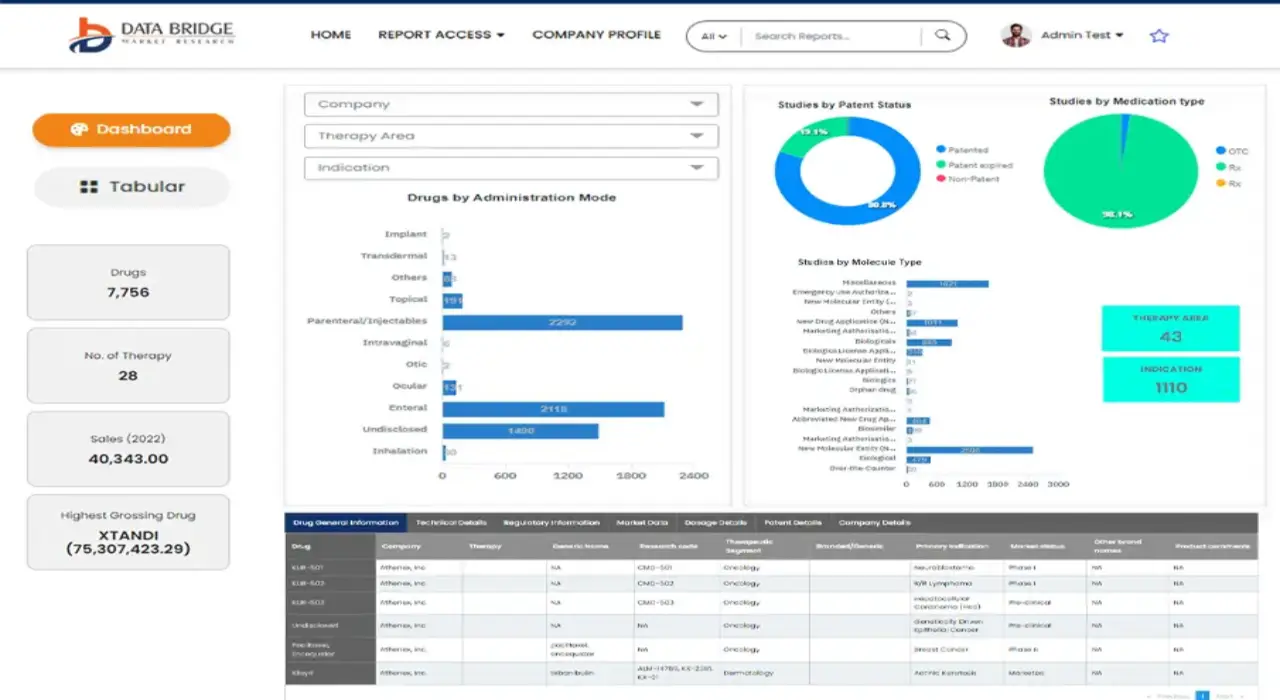
Global Hepatorenal Syndrome Market Segmentation, By Type (Type 1 Hepatorenal Syndrome, Type 2 Hepatorenal Syndrome, and Others), Diagnosis (Complete Blood Cell Count, Liver Function TestsUrinalysis and Urine Electrolytes,, and Others), Medication (Vasopressin Analogues, Sympathomimetic Agents, Plasma Volume Expanders, and Others), Surgical Therapies (Peritoneovenous Shunting, Surgical Shunts, Liver Transplantation, and Others), Route of Administration (Oral, Injectable, and Others), End Users (Hospitals, Homecare, Specialty Clinics, and Others), Distribution Channel (Hospital Pharmacy, Online Pharmacy, Retail Pharmacy, and Others) – Industry Trends and Forecast to 2032
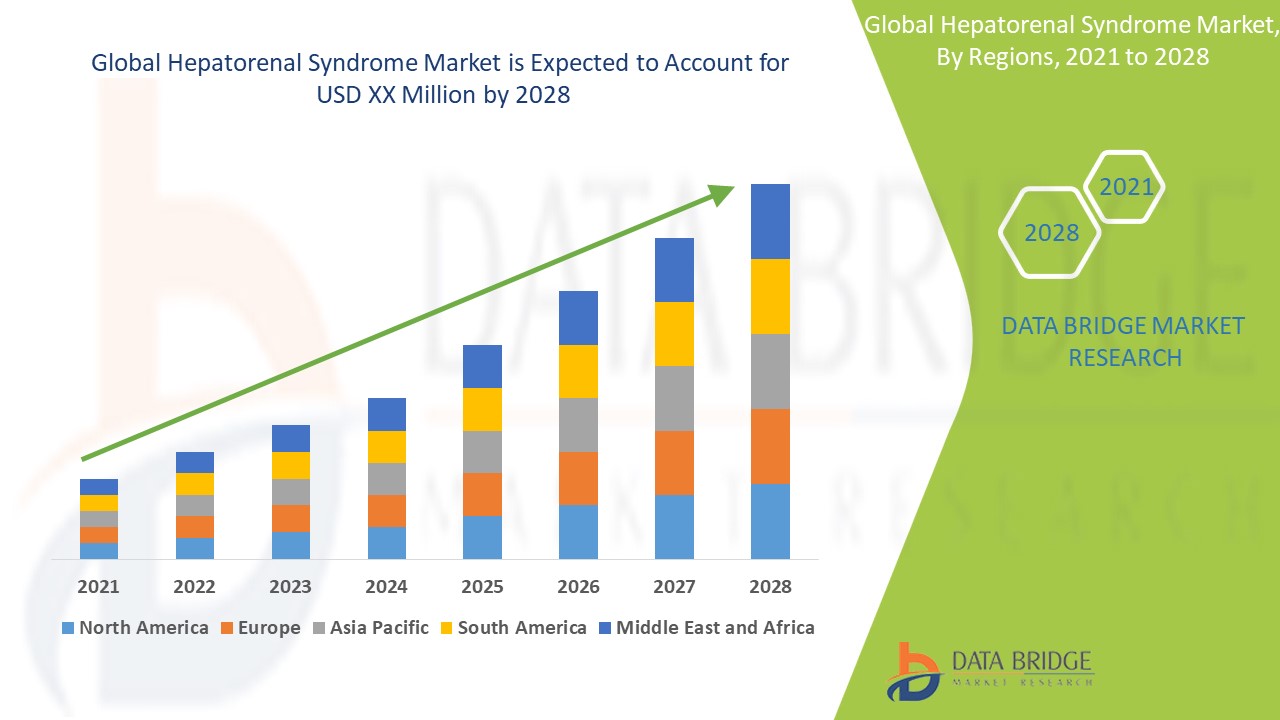
Hepatorenal Syndrome Market Analysis
The hepatorenal syndrome market is witnessing growth driven by advancements in diagnostics, increased awareness, and the rising prevalence of liver diseases such as cirrhosis and hepatitis. Hepatorenal syndrome is a severe kidney dysfunction occurring in patients with advanced liver disease, leading to significant morbidity and mortality. The market includes treatments such as vasopressin analogs, plasma volume expanders, and surgical interventions such as liver transplantation. Recent developments, such as innovative therapies targeting renal perfusion and improved diagnostic tools, are enhancing patient outcomes. Emerging biopharmaceutical players are focusing on novel treatment approaches, creating new opportunities for market growth. Additionally, supportive government programs and increased healthcare expenditure are fueling adoption in both developed and emerging regions. However, challenges like high treatment costs and limited accessibility in low-income countries remain key constraints. Overall, the market is poised for expansion, supported by technological advancements and increasing investment in research and development.
Hepatorenal Syndrome Market Size
The global hepatorenal syndrome market size was valued at USD 1.44 billion in 2024 and is projected to reach USD 2.48 billion by 2032, with a CAGR of 7.04% during the forecast period of 2025 to 2032. In addition to the insights on market scenarios such as market value, growth rate, segmentation, geographical coverage, and major players, the market reports curated by the Data Bridge Market Research also include depth expert analysis, patient epidemiology, pipeline analysis, pricing analysis, and regulatory framework.
Hepatorenal Syndrome Market Trends
“Development of Diagnosis and Effective Treatment”
The hepatorenal syndrome market is evolving due to advancements in treatment strategies and diagnostic technologies. Hepatorenal syndrome, a life-threatening kidney dysfunction associated with advanced liver disease, requires precise diagnosis and effective treatment. Innovations in vasopressin analogs and plasma volume expanders are improving patient outcomes by enhancing renal perfusion. A notable trend is the increasing focus on combination therapies that address both liver and kidney complications, providing holistic patient care. Additionally, the adoption of non-invasive diagnostic techniques, such as biomarkers and imaging technologies, is streamlining early detection. With growing awareness, investment in research, and supportive healthcare policies, the market is set to expand, addressing the unmet needs of patients with advanced liver diseases.
Report Scope and Hepatorenal Syndrome Market Segmentation
|
Attributes |
Hepatorenal Syndrome Key Market Insights |
|
Segments Covered |
|
|
Countries Covered |
U.S., Canada and Mexico in North America, Germany, France, U.K., Netherlands, Switzerland, Belgium, Russia, Italy, Spain, Turkey, Rest of Europe in Europe, China, Japan, India, South Korea, Singapore, Malaysia, Australia, Thailand, Indonesia, Philippines, Rest of Asia-Pacific (APAC) in the Asia-Pacific (APAC), Saudi Arabia, U.A.E., South Africa, Egypt, Israel, Rest of Middle East and Africa (MEA) as a part of Middle East and Africa (MEA), Brazil, Argentina and Rest of South America as part of South America. |
|
Key Market Players |
Mallinckrodt (U.S.), Lupin (India), Salix Pharmaceuticals (U.S.), Norgine (U.K.), ASKA Pharmaceutical Co., Ltd. (Japan), Bausch Health Companies Inc. (Canada), Swedish Orphan Biovitrum AB (U.S.), Umecrine Cognition AB (Sweden), Kannalife Sciences, Inc. (U.S.), Ferring (Switzerland), Merck KGaA (Germany), Amgen Inc. (U.S.), Pfizer Inc. (U.S.), GSK plc. (U.K.), Takeda Pharmaceutical Company Limited (Japan), Merck & Co., Inc. (U.S.), Janssen Pharmaceuticals, Inc. (U.S.), Eisai Co., Ltd. (Japan), AbbVie Inc. (U.S.), BioVie Inc. (U.S.), Cumberland Pharmaceuticals Inc. (U.S.), ORPHAN THERAPEUTICS, LLC (U.S.), Noorik Biopharmaceuticals AG (Switzerland), PharmaIN, Corp. (U.S.), and Hikma Pharmaceuticals PLC (U.K.) |
|
Market Opportunities |
|
|
Value Added Data Infosets |
In addition to the insights on market scenarios such as market value, growth rate, segmentation, geographical coverage, and major players, the market reports curated by the Data Bridge Market Research also include depth expert analysis, patient epidemiology, pipeline analysis, pricing analysis, and regulatory framework. |
Hepatorenal Syndrome Market Definition
Hepatorenal syndrome is a severe medical condition characterized by rapid and progressive kidney failure that occurs in individuals with advanced liver disease, such as cirrhosis or acute liver failure. It results from reduced blood flow to the kidneys without any structural damage, often triggered by liver dysfunction, infections, or bleeding. This condition is life-threatening and typically manifests as decreased urine output, fluid retention, and elevated serum creatinine levels.
Hepatorenal Syndrome Market Dynamics
Drivers
- Rising Prevalence of Liver Diseases
The rising prevalence of chronic liver diseases, including cirrhosis, hepatitis, and non-alcoholic fatty liver disease (NAFLD), is a significant market driver for the hepatorenal syndrome treatment landscape. These liver conditions frequently advance to stages where complications like hepatorenal syndrome emerge, necessitating prompt and effective medical intervention. Contributing factors such as alcohol use, obesity, and viral infections have further escalated the global burden of liver diseases, driving the demand for advanced therapies. This creates a favorable environment for the growth of the hepatorenal syndrome market as pharmaceutical companies and healthcare providers work to address this critical and growing need.
- Development of Innovative Therapies
The development of innovative therapies, such as vasopressin analogs and plasma volume expanders, is a key market driver for hepatorenal syndrome treatment. These advanced treatments are designed to improve renal perfusion and stabilize kidney function in patients with severe liver-related kidney failure. By addressing the root causes of reduced renal blood flow, these therapies enhance patient outcomes, reduce mortality rates, and improve quality of life. The growing focus on research and development in this area has resulted in a pipeline of promising new drugs and treatment protocols, fostering market growth.
Opportunities
- Advancements in Personalized Medicine
The growing adoption of personalized treatment approaches presents a significant opportunity for the hepatorenal syndrome market. Advancements in genetic testing and biomarker identification enable healthcare providers to develop tailored therapies based on individual patient profiles. This precision medicine approach improves treatment efficacy, minimizes adverse effects, and enhances patient outcomes. Personalized treatments also facilitate early intervention by identifying at-risk individuals before symptoms worsen. As research in this area continues to expand, pharmaceutical companies can leverage these advancements to create innovative solutions. This trend meets the rising demand for targeted therapies and drives market growth by delivering better healthcare outcomes.
- Rise in Liver Transplant Programs
The increasing availability of liver transplantation as a definitive treatment option for patients with hepatorenal syndrome presents a significant market opportunity. As liver transplant programs expand globally, there is growing demand for pre- and post-transplant care solutions, such as immunosuppressive therapies, monitoring tools, and supportive treatments to manage the complex patient needs. These therapies help improve transplant success rates, manage complications, and enhance recovery. As the number of liver transplants increases, pharmaceutical companies and healthcare providers have new opportunities. They can develop comprehensive care regimens that address the full continuum of care, thereby expanding the market for hepatorenal syndrome treatments.
Restraints/Challenges
- Limited Treatment Options
While significant advancements have been made in the treatment of hepatorenal syndrome, the available options remain limited, posing a challenge for market growth. Current therapies, such as vasopressin analogs and plasma volume expanders, offer temporary relief but are not long-term solutions. There is a lack of therapies that can effectively address the underlying causes and provide sustained kidney function recovery in patients with advanced liver disease. This gap in effective long-term treatments creates a challenge for the hepatorenal syndrome market.
- High Cost of Treatment
Innovative treatments for hepatorenal syndrome, such as vasopressin analogs and plasma volume expanders, offer significant benefits but come at a high cost, which presents a major restraint for the market. These therapies, while effective, can be prohibitively expensive, limiting their accessibility to patients in low-income and developing regions. The high cost of these treatments can lead to disparities in healthcare access, making it difficult for underserved populations to receive the necessary care. As a result, the widespread adoption of these advanced therapies is slowed, hindering the overall growth of the hepatorenal syndrome market.
This market report provides details of new recent developments, trade regulations, import-export analysis, production analysis, value chain optimization, market share, impact of domestic and localized market players, analyses opportunities in terms of emerging revenue pockets, changes in market regulations, strategic market growth analysis, market size, category market growths, application niches and dominance, product approvals, product launches, geographic expansions, technological innovations in the market. To gain more info on the market contact Data Bridge Market Research for an Analyst Brief, our team will help you take an informed market decision to achieve market growth.
Hepatorenal Syndrome Market Scope
The market is segmented on the basis of type, diagnosis, medication, surgical therapies, route of administration, end users, and distribution channel. The growth amongst these segments will help you analyse meagre growth segments in the industries and provide the users with a valuable market overview and market insights to help them make strategic decisions for identifying core market applications.
Type
- Type 1 Hepatorenal Syndrome
- Type 2 Hepatorenal Syndrome
- Others
Diagnosis
- Complete Blood Cell Count
- Liver Function Tests
- Urinalysis and Urine Electrolytes
- Others
Medication
- Vasopressin Analogues
- Sympathomimetic Agents
- Plasma Volume Expanders
- Others
Surgical Therapies
- Peritoneovenous Shunting
- Surgical Shunts
- Liver Transplantation
- Others
Route of Administration
- Oral
- Injectable
- Others
End Users
- Hospitals
- Homecare
- Specialty Clinics
- Others
Distribution Channel
- Hospital Pharmacy
- Online Pharmacy
- Retail Pharmacy
- Others
Hepatorenal Syndrome Market Regional Analysis
The market is analysed and market size insights and trends are provided by country, type, diagnosis, medication, surgical therapies, route of administration, end users, and distribution channel referenced above.
The countries covered in the market report are U.S., Canada and Mexico in North America, Germany, France, U.K., Netherlands, Switzerland, Belgium, Russia, Italy, Spain, Turkey, Rest of Europe in Europe, China, Japan, India, South Korea, Singapore, Malaysia, Australia, Thailand, Indonesia, Philippines, Rest of Asia-Pacific (APAC) in the Asia-Pacific (APAC), Saudi Arabia, U.A.E., South Africa, Egypt, Israel, Rest of Middle East and Africa (MEA) as a part of Middle East and Africa (MEA), Brazil, Argentina and Rest of South America as part of South America.
North America leads the hepatorenal syndrome market due to the early adoption of cutting-edge technologies, a high prevalence of liver diseases, and the presence of key pharmaceutical companies. The region benefits from a well-established healthcare infrastructure and significant investments in research and development. These factors contribute to the market's expansion and the introduction of innovative treatments for hepatorenal syndrome.
The Asia-Pacific region is expected to experience significant growth during the forecast period, achieving the highest CAGR. This growth is driven by increasing investments in healthcare infrastructure, a rising prevalence of kidney disorders, and a growing elderly population. Additionally, the region's expanding research and development efforts focused on liver disease treatment and management are further fueling market expansion.
The country section of the report also provides individual market impacting factors and changes in regulation in the market domestically that impacts the current and future trends of the market. Data points such as down-stream and upstream value chain analysis, technical trends and porter's five forces analysis, case studies are some of the pointers used to forecast the market scenario for individual countries. Also, the presence and availability of global brands and their challenges faced due to large or scarce competition from local and domestic brands, impact of domestic tariffs and trade routes are considered while providing forecast analysis of the country data.
Hepatorenal Syndrome Market Share
The market competitive landscape provides details by competitor. Details included are company overview, company financials, revenue generated, market potential, investment in research and development, new market initiatives, global presence, production sites and facilities, production capacities, company strengths and weaknesses, product launch, product width and breadth, application dominance. The above data points provided are only related to the companies' focus related to market.
Hepatorenal Syndrome Market Leaders Operating in the Market Are:
- Mallinckrodt (U.S.)
- Lupin (India)
- Salix Pharmaceuticals (U.S.)
- Norgine (U.K.)
- ASKA Pharmaceutical Co., Ltd. (Japan)
- Bausch Health Companies Inc. (Canada)
- Swedish Orphan Biovitrum AB (U.S.)
- Umecrine Cognition AB (Sweden)
- Kannalife Sciences, Inc. (U.S.)
- Ferring (Switzerland)
- Merck KGaA (Germany)
- Amgen Inc. (U.S.)
- Pfizer Inc. (U.S.)
- GSK plc. (U.K.)
- Takeda Pharmaceutical Company Limited (Japan)
- Merck & Co., Inc. (U.S.)
- Janssen Pharmaceuticals, Inc. (U.S.)
- Eisai Co., Ltd. (Japan)
- Janssen Pharmaceuticals, Inc. (U.S.)
- AbbVie Inc. (U.S.)
- BioVie Inc. (U.S.)
- Cumberland Pharmaceuticals Inc. (U.S.)
- ORPHAN THERAPEUTICS, LLC (U.S.)
- Noorik Biopharmaceuticals AG (Switzerland)
- PharmaIN, Corp. (U.S.)
- Hikma Pharmaceuticals PLC (U.K.)
Latest Developments in Hepatorenal Syndrome Market
- In October 2024, Mallinckrodt plc, a global specialty pharmaceutical company, announced a poster presentation on TERLIVAZ® (terlipressin) for injection at Kidney Week 2024. The presentation focused on its use in patients with hepatorenal syndrome (HRS) experiencing rapid kidney function decline. The event took place during the annual meeting of the American Society of Nephrology (ASN) in San Diego from October 23-27, 2024
SKU-
Получите онлайн-доступ к отчету на первой в мире облачной платформе рыночной аналитики
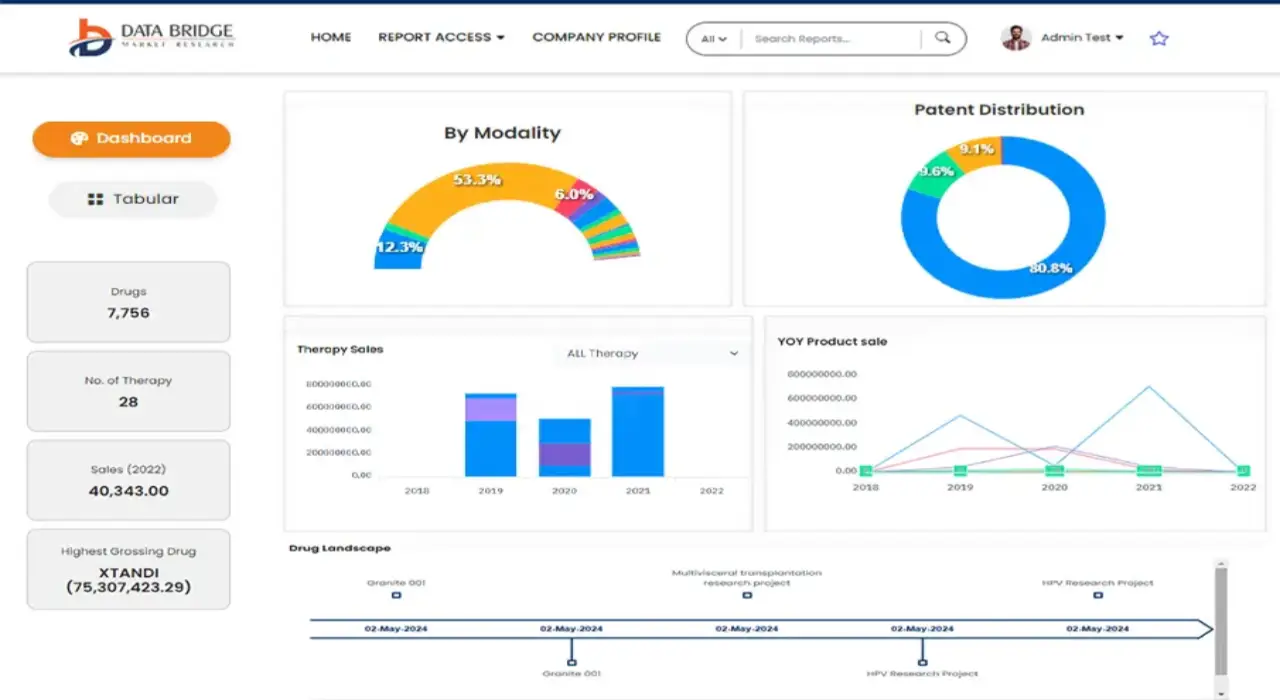
- Интерактивная панель анализа данных
- Панель анализа компании для возможностей с высоким потенциалом роста
- Доступ аналитика-исследователя для настройки и запросов
- Анализ конкурентов с помощью интерактивной панели
- Последние новости, обновления и анализ тенденций
- Используйте возможности сравнительного анализа для комплексного отслеживания конкурентов
Методология исследования
Сбор данных и анализ базового года выполняются с использованием модулей сбора данных с большими размерами выборки. Этап включает получение рыночной информации или связанных данных из различных источников и стратегий. Он включает изучение и планирование всех данных, полученных из прошлого заранее. Он также охватывает изучение несоответствий информации, наблюдаемых в различных источниках информации. Рыночные данные анализируются и оцениваются с использованием статистических и последовательных моделей рынка. Кроме того, анализ доли рынка и анализ ключевых тенденций являются основными факторами успеха в отчете о рынке. Чтобы узнать больше, пожалуйста, запросите звонок аналитика или оставьте свой запрос.
Ключевой методологией исследования, используемой исследовательской группой DBMR, является триангуляция данных, которая включает в себя интеллектуальный анализ данных, анализ влияния переменных данных на рынок и первичную (отраслевую экспертную) проверку. Модели данных включают сетку позиционирования поставщиков, анализ временной линии рынка, обзор рынка и руководство, сетку позиционирования компании, патентный анализ, анализ цен, анализ доли рынка компании, стандарты измерения, глобальный и региональный анализ и анализ доли поставщика. Чтобы узнать больше о методологии исследования, отправьте запрос, чтобы поговорить с нашими отраслевыми экспертами.
Доступна настройка
Data Bridge Market Research является лидером в области передовых формативных исследований. Мы гордимся тем, что предоставляем нашим существующим и новым клиентам данные и анализ, которые соответствуют и подходят их целям. Отчет можно настроить, включив в него анализ ценовых тенденций целевых брендов, понимание рынка для дополнительных стран (запросите список стран), данные о результатах клинических испытаний, обзор литературы, обновленный анализ рынка и продуктовой базы. Анализ рынка целевых конкурентов можно проанализировать от анализа на основе технологий до стратегий портфеля рынка. Мы можем добавить столько конкурентов, о которых вам нужны данные в нужном вам формате и стиле данных. Наша команда аналитиков также может предоставить вам данные в сырых файлах Excel, сводных таблицах (книга фактов) или помочь вам в создании презентаций из наборов данных, доступных в отчете.