



Global Research Antibodies Reagents Market, By Type (Antibodies and Reagents), Application (Enzyme-Linked Immunosorbent Assay, Western Blotting, Immunohistochemistry, Flow Cytometry, Polymerase Chain Reaction, and Others), Research Area (Immunology, Cell & Molecular Biology, Neuroscience, Genomics & Proteomics, Biotechnology & Drug Discovery, Microbiology, and Others), End User (Pharmaceutical and Biopharmaceutical Manufacturers, Academic And Research Institutes, Contract Research Organizations (CROs), Hospitals & Diagnostic Laboratories, and Others), Distribution Channel (Direct Sales, Third Party Sales, and Others) – Industry Trends and Forecast to 2032
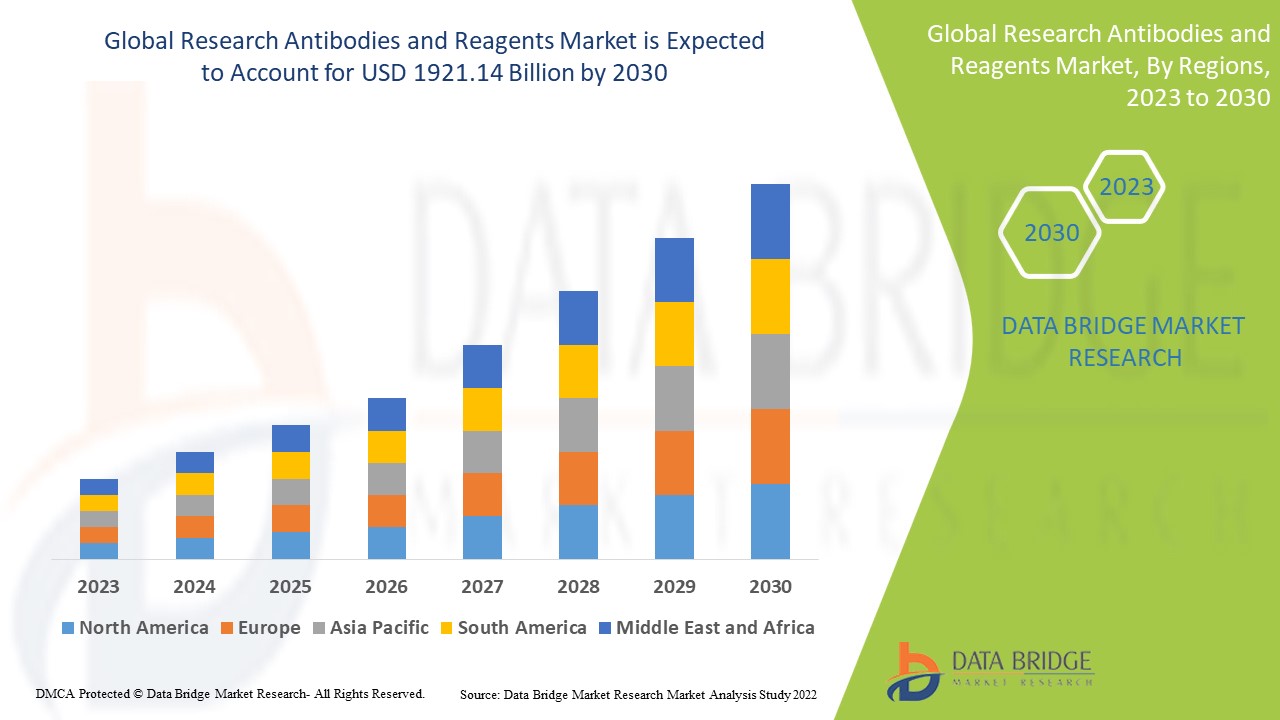
Global Research Antibodies Reagents Market Analysis
The global research antibodies reagents market is a rapidly growing segment within the life sciences and biotechnology industries. Antibodies reagents are crucial tools in research applications, including diagnostics, drug development, disease understanding, and biomarker discovery. The market has witnessed significant growth due to the increasing demand for personalized medicine, advancements in genomics and proteomics, and the rising prevalence of chronic diseases like cancer, diabetes, and autoimmune disorders.
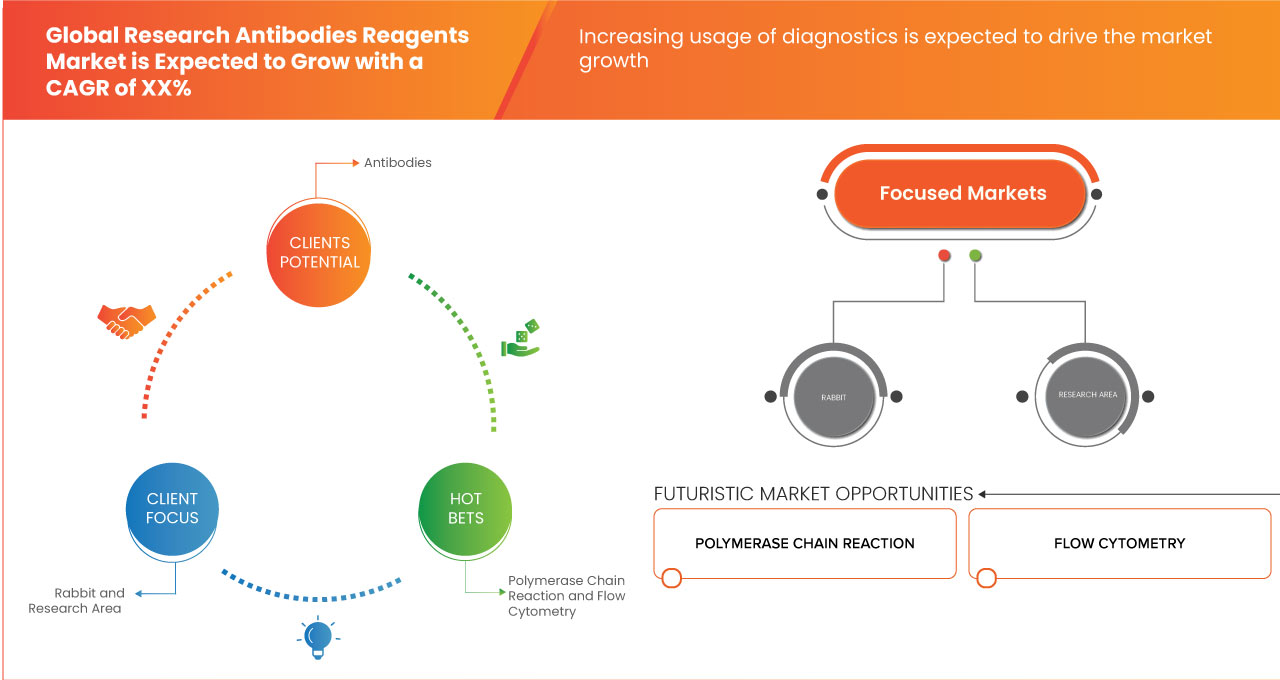
Global Research Antibodies Reagents Market Size
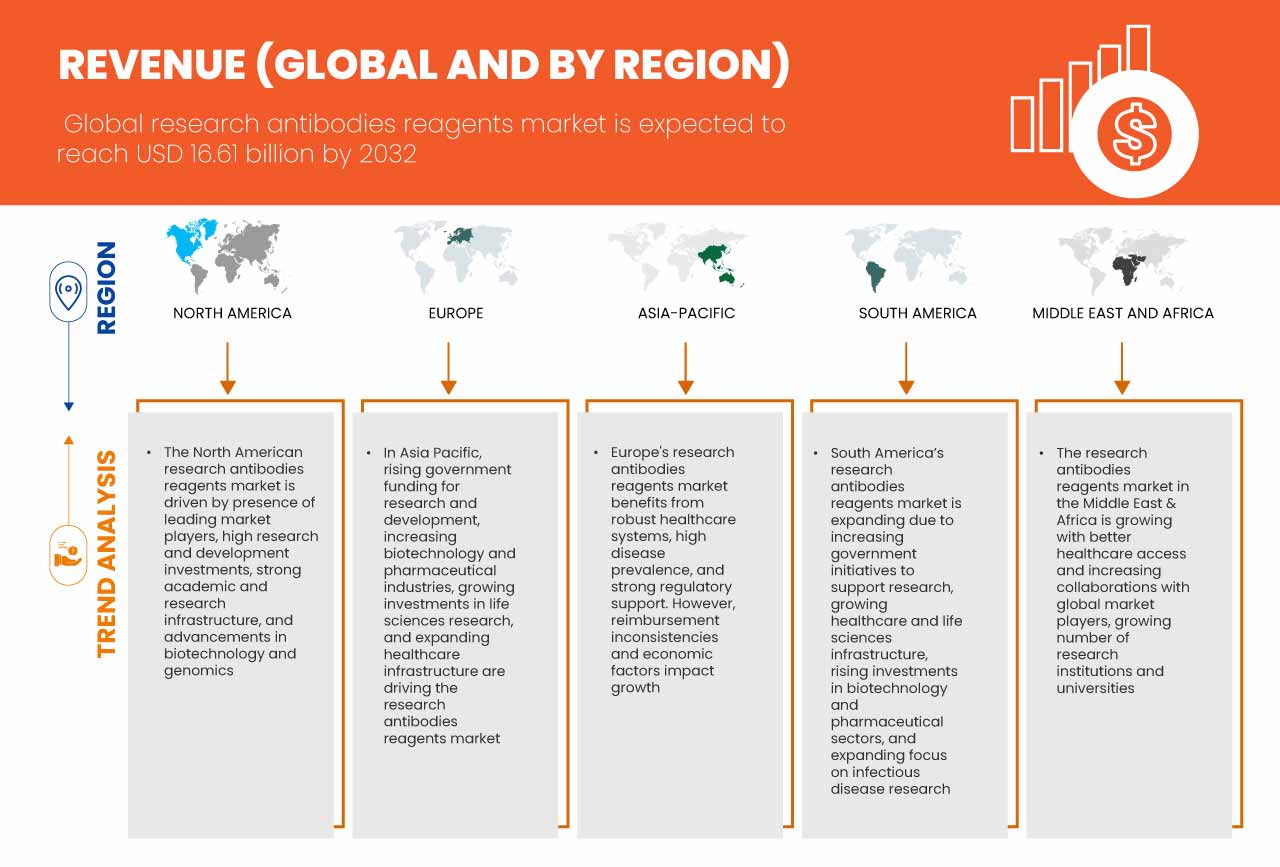
Global research antibodies reagents market size was valued at USD 10.38 billion in 2024 and is projected to reach USD 16.61 billion by 2032, growing with a CAGR of 6.3% during the forecast period of 2025 to 2032.
In addition to the insights on market scenarios such as market value, growth rate, segmentation, geographical coverage, and major players, the market reports curated by the Data Bridge Market Research also include import export analysis, production capacity overview, production consumption analysis, price trend analysis, climate change scenario, supply chain analysis, value chain analysis, raw material/consumables overview, vendor selection criteria, PESTLE Analysis, Porter Analysis, and regulatory framework.
Global Research Antibodies Reagents Market Trends
“Increasing Demand for Personalized Medicine and Targeted Therapies”
One significant trend in the global research antibodies reagents market is the increasing demand for personalized medicine and targeted therapies, which is driving innovation in antibody development. As researchers and pharmaceutical companies focus on developing customized treatments based on individual patient profiles, there is a rising need for high-specificity and affinity antibodies that can accurately target specific biomarkers associated with various diseases. This trend is further fueled by advancements in technologies such as monoclonal antibody production, recombinant DNA technology, and CRISPR, leading to the introduction of novel antibody reagents that enhance the effectiveness of diagnostic and therapeutic applications. Additionally, the growth of biobanks and precision research initiatives contributes to a broader array of available reagents, supporting the evolution of the market toward more specialized and effective research tools.
Report Scope and Global Research Antibodies Reagents Market Segmentation
|
Attributes |
Global Research Antibodies Reagents Market Insights |
|
Segments Covered |
|
|
Countries Covered |
U.S., Canada, and Mexico, Germany, U.K., France, Netherlands, Spain, Switzerland, Belgium, Italy, Russia, Turkey, Rest of Europe, China, Japan, India, South Korea, Australia, Singapore, Thailand, Malaysia, Indonesia, Philippines, Rest of Asia-Pacific, Brazil, Argentina, and rest of South America, South Africa, Saudi Arabia, U.A.E., Egypt, Israel, and Rest of Middle East and Africa |
|
Key Market Players |
Thermo Fisher Scientific (U.S.), MilliporeSigma (U.S.), Santa Cruz Biotechnology (U.S.), Danaher (U.S.), Perkinelmer Inc (U.S.), F.Hoffmann La Roche Ltd.(Switzerland), Rockland Immunochemicals Inc (U.S.), Johnsons & Johnsons (U.S.), Agilent Technologies Inc. (U.S.), Eli Lily and Company (U.S.), BD (U.S.), Genscript Biotech Corporation (U.S.) |
|
Market Opportunities |
|
|
Value Added Data Infosets |
In addition to the insights on market scenarios such as market value, growth rate, segmentation, geographical coverage, and major players, the market reports curated by the Data Bridge Market Research also include import export analysis, production capacity overview, production consumption analysis, price trend analysis, climate change scenario, supply chain analysis, value chain analysis, raw material/consumables overview, vendor selection criteria, PESTLE Analysis, Porter Analysis, and regulatory framework. |
Global Research Antibodies Reagents Market Definition
The global research antibodies reagents market refers to the commercial sector involving the production, distribution, and utilization of antibodies and related reagents used in research applications across various fields, including biotechnology, pharmaceuticals, and academic research. This market encompasses a wide range of products, including monoclonal and polyclonal antibodies, secondary antibodies, antibody fragments, and conjugated antibodies, which are essential tools for a variety of applications such as immunohistochemistry, Western blotting, enzyme-linked immunosorbent assays (ELISA), and flow cytometry. The market is driven by the growing need for innovative research tools to support drug discovery, disease diagnosis, and personalized medicine, as well as advancements in antibody technologies and increasing funding for research in life sciences.
Global Research Antibodies Reagents Market Dynamics
Drivers
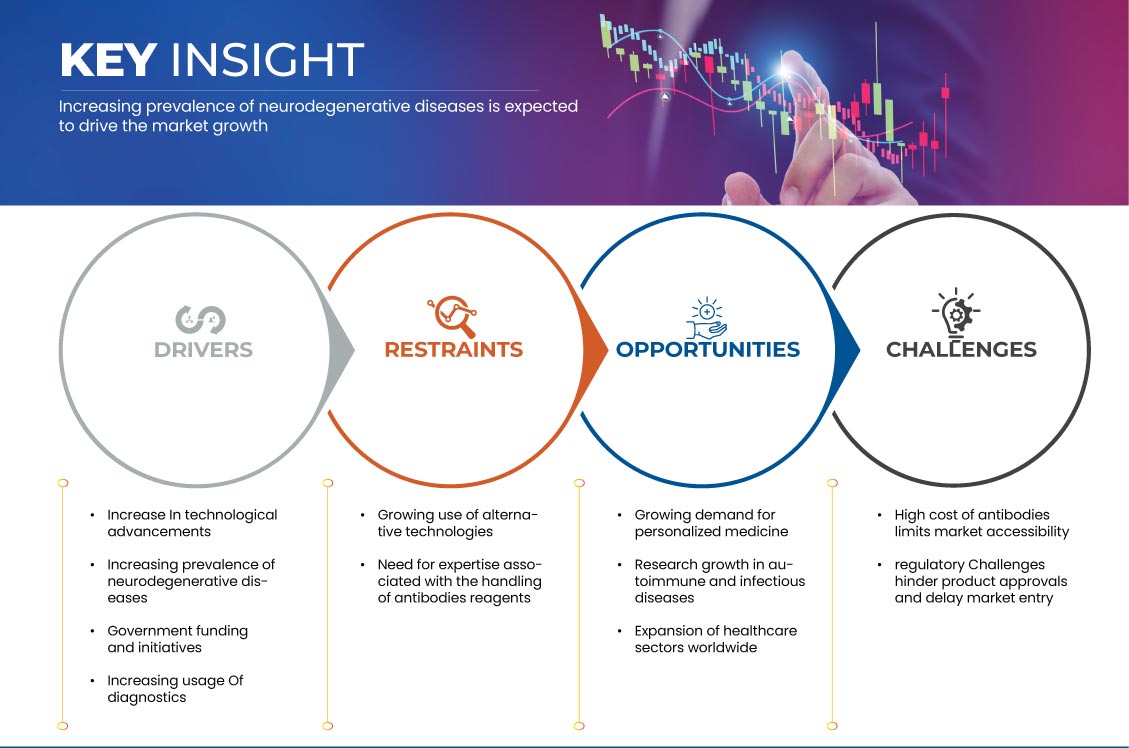
- Increase in Technological Advancements
Technological advancements play a crucial role in driving the global research antibodies reagents market by enabling the development of more specific, efficient, and diverse antibody products. Innovations such as monoclonal antibody production processes, phage display technology, and recombinant DNA technologies have significantly improved the ability to produce high-quality antibodies with enhanced specificity and affinity. These technologies allow researchers to create antibodies that are tailored to specific targets, which is essential in various applications, including drug development, diagnostics, and basic research. The continuous evolution of high-throughput screening techniques and the integration of bioinformatics tools further accelerate the discovery and validation of novel antibodies, leading to a broader range of reagents available on the market and meeting the diverse needs of the scientific community.
For instance,
- In November 2024, according to an article published in the National Library of Medicine, breakthroughs in genetic engineering have enabled the production of humanized antibodies and the advances in Fc engineering, thereby increasing therapeutic efficacy. The discovery of immune checkpoints and cytokines revolutionized the treatment of cancer and autoimmune diseases
- In February 2021, according to an article published in the National Library of Medicine, currently, more than 500 antibodies are in early stages of research, while more than 50 mAbs are in the final stages of clinical development, most of which are directed at combating cancer and autoimmune or inflammatory diseases such as melanoma, lupus, and rheumatoid arthritis
Increasing Prevalence of Neurodegenerative Diseases
The increasing prevalence of neurodegenerative diseases, such as Alzheimer's, Parkinson's, and amyotrophic lateral sclerosis (ALS), is significantly driving demand for research antibodies reagents in the global market. As the incidence of these diseases rises due to factors such as aging populations and lifestyle changes, there is an urgent need for ongoing research to uncover their underlying mechanisms, identify biomarkers for early diagnosis, and develop effective treatments. Antibodies play a critical role in this research, as they are essential tools for studying the pathological processes involved in neurodegenerative diseases. This growing focus on understanding and combating neurodegenerative conditions is fuelling investment in the development of specific antibodies to target proteins associated with these diseases, thus expanding the market for research antibodies reagents.
For instance,
- In February 2021, according to an article published in the National Library of Medicine, neurological disorders are the leading cause of physical and cognitive disability across the globe, currently affecting approximately 15% of the worldwide population. Absolute patient numbers have considerably climbed over the past 30 years. Moreover, the burden of chronic neurodegenerative conditions is expected to at least double over the next two decades
Moreover, the increased funding and resources being allocated to neuroscience research—both by government bodies and private organizations—create a conducive environment for the growth of the antibodies reagents market. As pharmaceutical and biotechnology companies ramp up their efforts to develop new therapies, including monoclonal antibodies and other biologics for treating neurodegenerative diseases, the demand for high-quality research antibodies and reagents to support preclinical and clinical studies is on a rise. This trend translates into opportunities for companies specializing in antibody production and related reagents, enabling them to enhance their product offerings and contribute to the advancement of treatments for neurodegenerative diseases, ultimately benefiting patients and healthcare systems.
Opportunities
- Growing Demand for Personalized Medicine
The growing demand for personalized medicine presents a significant opportunity in the market. Personalized medicine, which tailors treatment based on an individual’s genetic makeup, lifestyle, and environment, has gained momentum due to its potential to improve patient outcomes and reduce adverse effects. This trend is fueling the need for advanced diagnostic tools and biomarker discovery, which rely heavily on antibodies and reagents.
Antibodies play a crucial role in personalized medicine, particularly in identifying and targeting specific biomarkers associated with diseases. Monoclonal and polyclonal antibodies are instrumental in developing precision therapies and companion diagnostics, which are integral to personalized treatment plans. For example, in cancer research, antibodies can target specific tumor antigens, allowing for the development of therapies that are more effective and less toxic than traditional treatments. Similarly, in autoimmune diseases, antibodies can be used to identify specific immune markers that guide treatment decisions.
As more research institutions and pharmaceutical companies focus on developing personalized therapies, there is an increasing demand for high-quality antibodies and reagents to aid in the discovery and validation of biomarkers. These tools are essential for creating diagnostic tests that determine the most appropriate treatments for individual patients, thereby improving therapeutic outcomes.
- Research Growth in Autoimmune and Infectious Diseases
With increasing advancements in biotechnology and the rising global burden of infectious diseases, there is a greater need for precise diagnostic tools and targeted therapies. The demand for antibodies and reagents is particularly high in this field due to their critical role in diagnosing and treating a variety of infectious diseases, such as COVID-19, tuberculosis, HIV, and emerging pathogens like Ebola and monkeypox.
In the case of infectious diseases, antibodies are vital for the development of rapid diagnostic tests that detect specific pathogens or their biomarkers. Monoclonal antibodies, in particular, are essential in developing tests and treatments for various infectious diseases by targeting antigens specific to the disease-causing microorganisms. Furthermore, antibodies play a key role in the development of vaccines, helping to identify and neutralize pathogens before they cause harm. With the increasing focus on pandemic preparedness, antibody-based reagents are critical for the rapid identification and isolation of infectious agents.
Research into autoimmune diseases, which occur when the immune system attacks the body’s own cells, is also gaining significant attention. Conditions such as rheumatoid arthritis, lupus, and multiple sclerosis are increasingly being studied using antibodies that specifically target immune cells involved in disease processes. These developments are crucial for developing more effective and less toxic therapies, offering new treatment options for patients. The growing interest in immunotherapy, which uses antibodies to modulate immune responses, is also expanding research in this area.
Restraints/Challenges
- Growing Use of Alternative Technologies
The growing use of alternative therapies poses significant challenges for the global research antibodies reagents market. As research shifts towards emerging therapeutic modalities, such as gene therapies, cell therapies, and RNA-based treatments, there may be a decreased reliance on traditional antibody-based approaches. This shift can lead to fluctuations in demand for conventional research antibodies, as funding and research priorities increasingly favour these innovative alternatives over established methodologies, potentially leading to market contraction for antibody reagent suppliers. Furthermore, the rapid development of alternative therapies may outpace the ability of antibody manufacturers to adapt, creating a gap between the needs of researchers and the available products.
For instance,
- In May 2024, according to the article, ‘Recent Advances in Gene Therapy for Haemophilia: Projecting the Perspectives’, gene therapy is considered to be the most promising method as it may overcome the problems associated with more traditional treatments
- In April 2020, according to U.S. Government Accountability Office, scientists are using CRISPR/ CAS9 technology to develop diagnostic tests that may rapidly identify diseases such as sickle cell anaemia and some types of cancer. They help in controlling certain diseases by altering the traits of insects or other organisms that can transmit disease
Additionally, the complexity and specificity associated with newer therapies can further challenge the antibodies market. As researchers explore novel approaches that require highly specialized or engineered antibodies, there may be difficulties in sourcing the appropriate reagents to meet these new demands. This creates pressure on manufacturers to invest in research and development for new types of antibodies and reagents that are tailored for these advanced therapies. Such investments may not yield immediate returns, leading to financial strain on companies that have traditionally relied on the sale of standard research antibodies. As a result, the growing demand for alternative therapies could compel antibody suppliers to either diversify their product offerings or face the risk of obsolescence in an evolving therapeutic landscape.
- Need for Expertise Associated With the Handling of Antibodies Reagents
The need for specialized expertise in the handling of antibody reagents presents a significant challenge for the global research antibodies reagents market. Antibodies are complex molecules that require meticulous handling, storage, and application to maintain their stability and functionality. Researchers must be well-versed in various protocols, including dilution, labelling, and conjugation techniques, to ensure that they achieve reliable and reproducible results in their experiments. This necessity for expertise can create barriers for organizations, particularly smaller labs or those in developing regions, which may lack access to adequately trained personnel or resources. As a consequence, the effective utilization of antibody reagents may be compromised, leading to suboptimal research outcomes and potential wastage of costly materials, ultimately challenging the overall growth of the market.
For instance,
- In August 2024, according to an article published by MBL International Corporation, Proper storage and handling of antibody reagents are crucial for maintaining their effectiveness over time. Antibodies degrade or lose activity if not stored under optimal conditions
- In May 2024, according to an article published by AByntek Biopharma S.L., The development of a successful diagnostic test or assay requires a secure supply chain of high-quality reagents. Recombinant antibody technology enables the production of highly reliable antibodies adapted to your specific assay, providing superior performance throughout the lifespan of your diagnosis
Moreover, the evolving landscape of antibody technologies, including advancements in humanization, engineering, and validation, necessitates continuous education and training for researchers. Moreover, as regulatory standards become increasingly stringent for antibody-based diagnostics and therapeutics, researchers must ensure compliance, which adds another layer of complexity in both research and applications. This reliance on expertise may limit the scalability of the market, as it could result in unequal access to advanced antibody reagents, stifling innovation and collaborations among various research institutions and industries. Consequently, the need for specialized knowledge in handling antibody reagents and constrains market growth and restricts the potential for new discoveries in biomedical research.
Global Research Antibodies Reagents Market Scope
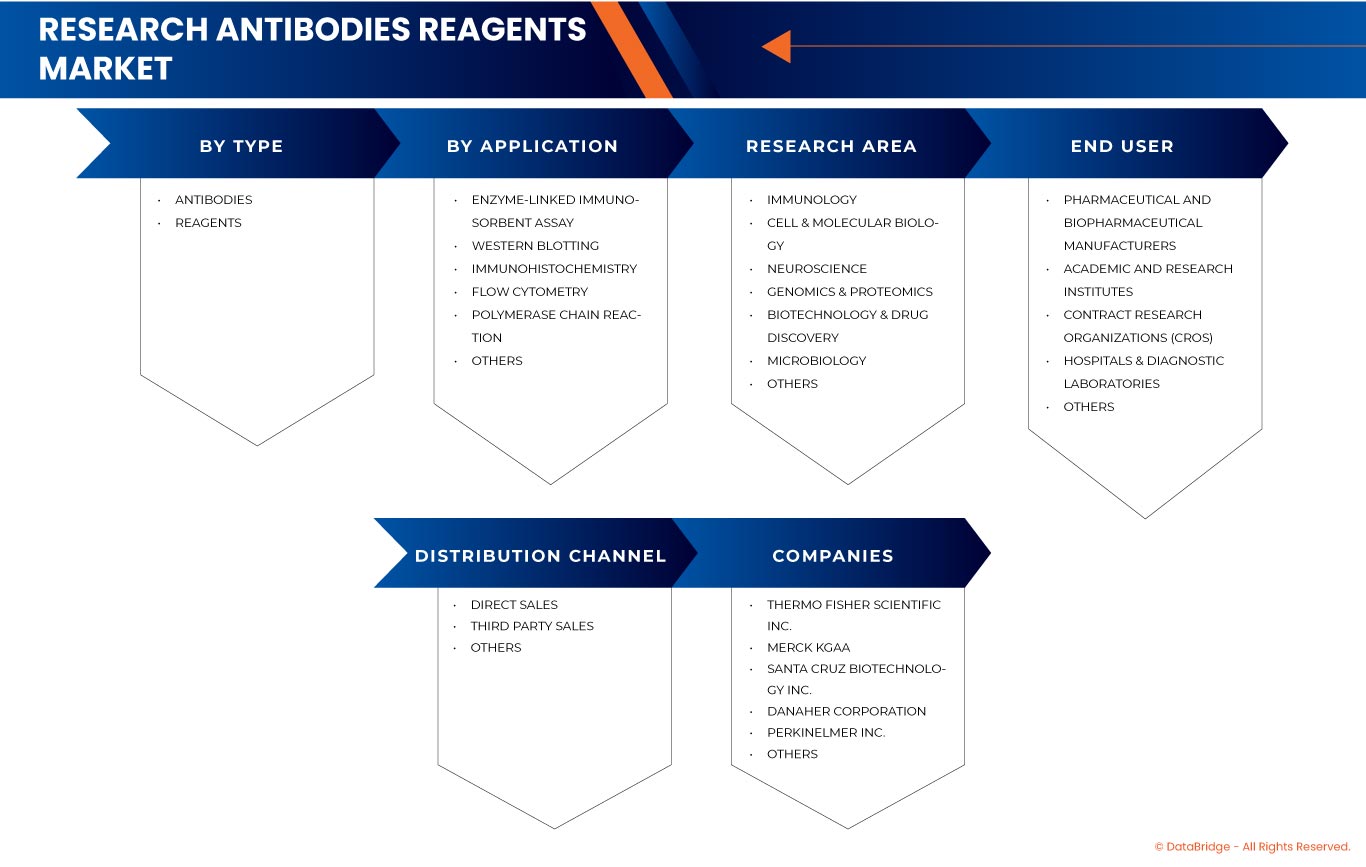
The market is segmented on the basis of type, application, research area, end user, and distribution channel. The growth amongst these segments will help you analyze meagre growth segments in the industries and provide the users with a valuable market overview and market insights to help them make strategic decisions for identifying core market applications.
By Type
- Antibodies
- Antibodies, By Products
- Primary Antibodies
- Secondary Antibodies
- Antibodies, By Source
- Mouse
- Rabbit
- Goat
- Rat
- Others
- Antibodies, Based on Origin
- Monoclonal Antibodies
- Polyclonal Antibodies
- Recombinant Antibodies
- Antibodies, By Products
- Reagents
- Reagents, By Type
- Buffers & Solution
- Chemiluminescent Reagents
- Buffers & Solution, By Type
- PBS (Phosphate Buffered Saline)
- Blocking Buffers
- Dilution Buffers
- Wash Buffers
- Reagents, By Type
By Application
- Enzyme-Linked Immunosorbent Assay
- Western Blotting
- Immunohistochemistry
- Flow Cytometry
- Polymerase Chain Reaction
- Others
By Research Area
- Immunology
- Cell & Molecular Biology
- Neuroscience
- Genomics & Proteomics
- Biotechnology & Drug Discovery
- Microbiology
- Others
By End User
- Pharmaceutical and Biopharmaceutical Manufacturers
- Academic And Research Institutes
- Contract Research Organizations (CROs)
- Hospitals & Diagnostic Laboratories
- Others
By Distribution Channel
- Direct Sales
- Third Party Sales
- Others
Global Research Antibodies Reagents Market Regional Analysis
The market is segmented on the basis of type, application, research area, end user, and distribution channel.
The countries covered in the market are U.S., Canada, and Mexico, Germany, U.K., France, Netherlands, Spain, Switzerland, Belgium, Italy, Russia, Turkey, rest of Europe, China, Japan, India, South Korea, Australia, Singapore, Thailand, Malaysia, Indonesia, Philippines, rest of Asia-Pacific, Brazil, Argentina, and rest of South America, South Africa, Saudi Arabia, U.A.E., Egypt, Israel, and rest of Middle East and Africa.
North America is expected to dominate the market due to advanced research infrastructure, high funding for biotechnology and pharmaceuticals, increasing prevalence of diseases, and strong demand for innovative antibody reagents in diagnostics and drug development.
Asia-Pacific is expected to be the fastest growing due to rapid advancements in healthcare infrastructure and an increasing focus on adopting digital health solutions.
The country section of the report also provides individual market impacting factors and changes in regulation in the market domestically that impacts the current and future trends of the market. Data points like down-stream and upstream value chain analysis, technical trends and porter's five forces analysis, case studies are some of the pointers used to forecast the market scenario for individual countries. Also, the presence and availability of global brands and their challenges faced due to large or scarce competition from local and domestic brands, impact of domestic tariffs and trade routes are considered while providing forecast analysis of the country data.
Global Research Antibodies Reagents Market Share
The market competitive landscape provides details by competitor. Details included are company overview, company financials, revenue generated, market potential, investment in research and development, new market initiatives, global presence, production sites and facilities, production capacities, company strengths and weaknesses, product launch, product width and breadth, application dominance. The above data points provided are only related to the companies' focus related to market.
Global Research Antibodies Reagents Market Leaders Operating in the Market Are:
- Thermo Fisher Scientific (U.S.)
- MilliporeSigma (U.S.)
- Santa Cruz Biotechnology (U.S.)
- Danaher (U.S.)
- Perkinelmer Inc (U.S.)
- F.Hoffmann La Roche Ltd. (Switzerland)
- Rockland Immunochemicals Inc (U.S.)
- Johnsons & Johnsons (U.S.)
- Agilent Technologies Inc. (U.S.)
- Eli Lily and Company (U.S.)
- BD (U.S.)
- Genscript Biotech Corporation (U.S.)
Latest Developments in Global Research Antibodies Reagents Market
- In November 2024, Sigma-Aldrich has announced the winners of its Emerging Biotech Grant Program, which supports innovative biotech startups and researchers. The program aims to foster the development of groundbreaking technologies in life sciences. Winners receive funding, resources, and mentorship to accelerate their research and product development, contributing to advancements in biotechnology
- In September 2024, Sigma-Aldrich has introduced the **Mobius™ ADC** (antibody-drug conjugate) platform, designed to streamline the development and manufacturing of biologics. This advanced platform offers a comprehensive solution for the efficient production of ADCs, enabling faster, more scalable, and cost-effective creation of targeted therapies, enhancing the development of innovative cancer treatments
- In December 2024, Thermo Fisher Scientific has launched CTS Detachable Dynabeads CD4 and CTS Detachable Dynabeads CD8 to support cell therapy development and production. These innovative tools enhance T cell isolation and expansion processes, improving the efficiency and scalability of cell therapies, offering new opportunities for advanced immunotherapies and personalized treatments
- In October 2024, Thermo Fisher Scientific highlighted its expanded biopharma services at CPhI Milan 2024, showcasing innovations designed to support the development and production of complex biologics and cell therapies. These advancements focus on improving the scalability, efficiency, and speed of biopharmaceutical manufacturing, underscoring Thermo Fisher's commitment to accelerating biopharma solutions
SKU-
Получите онлайн-доступ к отчету на первой в мире облачной платформе рыночной аналитики

- Интерактивная панель анализа данных
- Панель анализа компании для возможностей с высоким потенциалом роста
- Доступ аналитика-исследователя для настройки и запросов
- Анализ конкурентов с помощью интерактивной панели
- Последние новости, обновления и анализ тенденций
- Используйте возможности сравнительного анализа для комплексного отслеживания конкурентов
Методология исследования
Сбор данных и анализ базового года выполняются с использованием модулей сбора данных с большими размерами выборки. Этап включает получение рыночной информации или связанных данных из различных источников и стратегий. Он включает изучение и планирование всех данных, полученных из прошлого заранее. Он также охватывает изучение несоответствий информации, наблюдаемых в различных источниках информации. Рыночные данные анализируются и оцениваются с использованием статистических и последовательных моделей рынка. Кроме того, анализ доли рынка и анализ ключевых тенденций являются основными факторами успеха в отчете о рынке. Чтобы узнать больше, пожалуйста, запросите звонок аналитика или оставьте свой запрос.
Ключевой методологией исследования, используемой исследовательской группой DBMR, является триангуляция данных, которая включает в себя интеллектуальный анализ данных, анализ влияния переменных данных на рынок и первичную (отраслевую экспертную) проверку. Модели данных включают сетку позиционирования поставщиков, анализ временной линии рынка, обзор рынка и руководство, сетку позиционирования компании, патентный анализ, анализ цен, анализ доли рынка компании, стандарты измерения, глобальный и региональный анализ и анализ доли поставщика. Чтобы узнать больше о методологии исследования, отправьте запрос, чтобы поговорить с нашими отраслевыми экспертами.
Доступна настройка
Data Bridge Market Research является лидером в области передовых формативных исследований. Мы гордимся тем, что предоставляем нашим существующим и новым клиентам данные и анализ, которые соответствуют и подходят их целям. Отчет можно настроить, включив в него анализ ценовых тенденций целевых брендов, понимание рынка для дополнительных стран (запросите список стран), данные о результатах клинических испытаний, обзор литературы, обновленный анализ рынка и продуктовой базы. Анализ рынка целевых конкурентов можно проанализировать от анализа на основе технологий до стратегий портфеля рынка. Мы можем добавить столько конкурентов, о которых вам нужны данные в нужном вам формате и стиле данных. Наша команда аналитиков также может предоставить вам данные в сырых файлах Excel, сводных таблицах (книга фактов) или помочь вам в создании презентаций из наборов данных, доступных в отчете.











