



Global Telemetry Market Segmentation, By Technology (Wire-Link, Wireless Telemetry, Digital Telemetry, Data Loggers, and Acoustic Telemetry), Component (Telemetry Transmitter and Components of Receiver), Application (Healthcare/ Medicine, Vehicle Telemetry, and Others), Sensor (Optical Rpm Sensors, Vehicle Dynamics Sensors, Position Sensors, GPS Sensors, Magnetic rpm Sensors, Resistance Sensors, Temperature Sensors, Torque Sensors, Current/Voltage Sensors, Displacement Sensors, Pressure Sensors, Vibration Sensors, Load Cell Sensors, and Phasor Sensors)- Industry Trends and Forecast to 2033
Каков размер рынка телеметрии и темпы роста
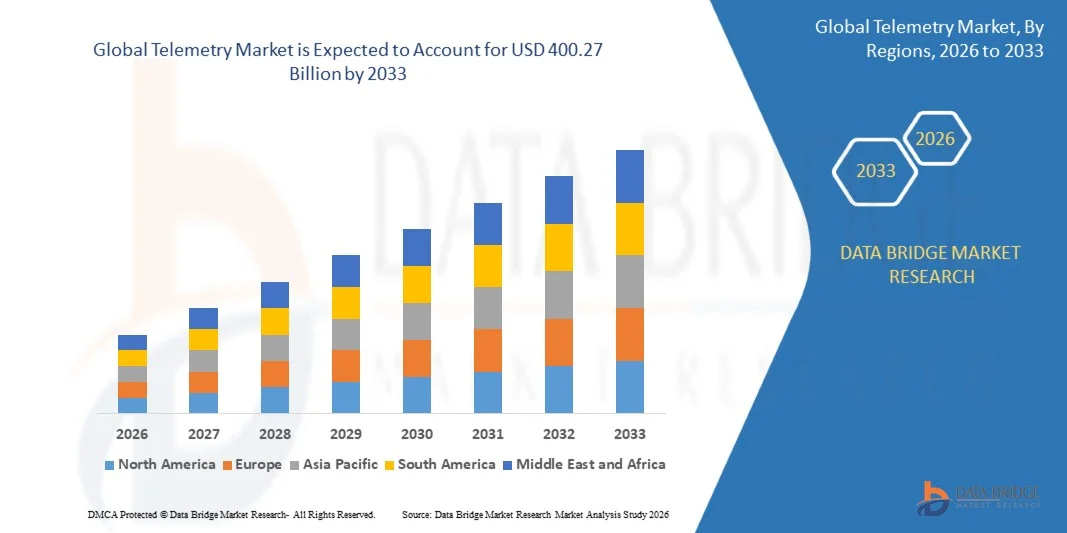
- Согласно анализу Data Bridge Market Research, объем мирового рынка телеметрии был оценен как134,64 млрд долларов в 2025 годуОжидается, что он достигнет400,27 млрд долларов к 2033 году, вCAGR 14,59%в течение прогнозируемого периода
- Рост рынка в значительной степени обусловлен растущим развертыванием устройств с поддержкой IoT и достижениями в этой области.беспроводная связьтехнологии, позволяющие осуществлять сбор данных в режиме реального времени иудаленный мониторингв области здравоохранения, автомобилестроения,аэрокосмическийэнергетического и промышленного секторов
- Кроме того, растущий спрос на точные, безопасные и экономически эффективные телеметрические решения для поддержки профилактического обслуживания, мониторинга пациентов и подключенных систем транспортных средств ускоряет внедрение, тем самым значительно ускоряя расширение отрасли.
Размер рынка и прогноз
- Глобальная рыночная стоимость (2025):$134,64 млрд.
- Ожидаемая рыночная стоимость (2033):$400,27 млрд.
- Прогноз CAGR (2026–2033):14.59%
Каковы основные выводы рынка телеметрии
- Телеметрия включает автоматизированный сбор, передачу и анализ данных из удаленных или недоступных мест в централизованные системы мониторинга и контроля. Он использует беспроводные, спутниковые и облачные сети для обеспечения непрерывной информации в режиме реального времени в таких приложениях, как диагностика здравоохранения, исследование космоса, автомобильная телематика, интеллектуальные сети и промышленная автоматизация.
- Растущая потребность в операционной эффективности, раннем обнаружении неисправностей и бесшовной интеграции данных в сочетании с технологическими инновациями в области 5G, ИИ и облачной аналитики стимулирует высокий спрос на рынке и способствует быстрому росту в глобальном телеметрическом ландшафте.
- Северная Америка доминировала на рынке телеметрии с долей 37,5% в 2025 году из-за высокого спроса на удаленный мониторинг пациентов, промышленную автоматизацию и передовые автомобильные телематические решения.
- Ожидается, что Азиатско-Тихоокеанский регион станет самым быстрорастущим регионом на рынке телеметрии в течение прогнозируемого периода из-за быстрой урбанизации, расширения инфраструктуры здравоохранения и растущего внедрения интеллектуальных транспортных систем.
- Сегмент телеметрических передатчиков доминировал на рынке с долей рынка 45,5% в 2025 году из-за его важной роли в сборе и передаче данных в широком спектре приложений, от устройств мониторинга здравоохранения до автомобильных систем. Достижения в технологии передатчиков, такие как маломощные конструкции и миниатюризация, позволили беспрепятственно интегрироваться в портативные медицинские устройства, интеллектуальные транспортные средства и системы промышленной автоматизации. Высокий спрос на надежную и непрерывную передачу данных для диагностики и операционной эффективности продолжает укреплять доминирование телеметрических передатчиков.
Сфера охвата и сегментация рынка телеметрии
|
Атрибуты |
Телеметрия Key Market Insights |
|
Сегменты покрыты |
|
|
Страны, охваченные |
Северная Америка
Европа
Азиатско-Тихоокеанский регион
Ближний Восток и Африка
Южная Америка
|
|
Ключевые игроки рынка |
|
|
Рыночные возможности |
|
|
Информационные наборы данных с добавленной стоимостью |
|
Каковы основные тенденции на рынке телеметрии
Растущее использование телеметрии с поддержкой IoT в здравоохранении и промышленности
- Интеграция технологий Интернета вещей (IoT) обеспечивает значительные достижения в современных телеметрических решениях, позволяя собирать, передавать и анализировать данные в режиме реального времени в различных отраслях, таких как здравоохранение, производство и автомобилестроение. Эта улучшенная связь позволяет организациям получать более быструю информацию, повышать эффективность и улучшать принятие решений на основе потоков живых данных.
- Например, GE Healthcare внедрила телеметрию с поддержкой IoT для удаленного мониторинга пациентов, что позволяет больницам непрерывно отслеживать жизненно важные показатели пациентов с помощью подключенных датчиков. Аналогичным образом, промышленные гиганты, такие как Siemens, внедряют телеметрические решения в системы предиктивного обслуживания тяжелой техники, сокращая время простоя и повышая надежность оборудования.
- Телеметрия в здравоохранении заметно расширяется, поскольку подключенные медицинские устройства, такие как сердечные мониторы, инсулиновые помпы и носимые датчики, теперь все чаще могут передавать данные о здоровье пациентов напрямую поставщикам. Это позволяет раннее выявление медицинских проблем, поддерживает дистанционное планирование лечения и снижает зависимость от личных визитов. Телеметрические платформы здравоохранения также позволяют получать данные о популяциях пациентов, улучшая как профилактические, так и долгосрочные результаты лечения.
- Промышленные сектора также используют телеметрию для оптимизации производственных процессов, обеспечения прогнозной аналитики и повышения безопасности работников. Например, нефтегазовые компании внедряют передовую телеметрию для мониторинга буровых работ, обеспечивая оптимальную производительность при минимизации операционных рисков. Аналогичным образом, в интеллектуальном производстве телеметрия поддерживает отслеживание оборудования с поддержкой IoT для оптимизации цепочки поставок и управления производством.
- Конвергенция телеметрии с передовой аналитикой и облачными вычислениями создает сквозную видимость во всех отраслях. Компании могут централизовать огромные объемы данных, собранных с помощью телеметрии, и использовать идеи, основанные на ИИ, для более точных оперативных прогнозов и определения повышения эффективности.
- В целом, растущее внедрение телеметрии с поддержкой IoT в секторах здравоохранения, промышленности, автомобилестроения и энергетики переопределяет процесс принятия решений на основе данных. Расширение в этих областях подчеркивает его роль в качестве жизненно важного фактора связанных экосистем, поддерживая более эффективные, прогнозные и автоматизированные будущие операции.
Динамика рынка телеметрии
водитель
«Спрос на мониторинг в реальном времени и прогнозную аналитику»
- Организации во всех отраслях все чаще отдают приоритет решениям, которые обеспечивают мониторинг в режиме реального времени и своевременные возможности принятия решений. Быстрый рост подключенных устройств создал среду, в которой непрерывный поток данных имеет решающее значение для оптимизации работы и предоставления услуг, что делает телеметрию необходимой для предприятий, стремящихся повысить отзывчивость.
- Например, Phillips Healthcare предлагает облачные телеметрические услуги, которые предоставляют больницам мониторинг жизненно важных знаков в режиме реального времени и автоматические оповещения для управления здоровьем пациентов. Аналогичным образом, в транспорте такие компании, как Caterpillar, используют телеметрические решения для непрерывного отслеживания производительности транспортных средств, минимизации затрат на техническое обслуживание и обеспечения эффективности автопарка.
- Мониторинг в режиме реального времени предоставляет организациям возможность выявлять аномалии на ранней стадии, сокращая дорогостоящие простои, повышая безопасность и повышая соответствие нормативным требованиям. Кроме того, такие системы используются для повышения удовлетворенности клиентов, поскольку поставщики услуг теперь могут выявлять и устранять неисправности до того, как клиенты столкнутся с серьезными перерывами в обслуживании.
- Телеметрия также способствует прогнозной аналитике, позволяя компаниям преобразовывать необработанные данные в практические идеи. С помощью инструментов, основанных на искусственном интеллекте и машинном обучении, фирмы могут прогнозировать отказ оборудования или ухудшение производительности, принимать упреждающие стратегии обслуживания и управлять ресурсами с большей точностью.
- Растущий акцент на непрерывности работы, эффективности затрат и упреждающем управлении рисками создает устойчивый спрос на телеметрические решения в режиме реального времени. Поскольку отрасли продолжают расширять свои цифровые экосистемы, роль телеметрии в обеспечении предиктивной аналитики делает ее критическим фактором долгосрочного отраслевого роста.
Сдержанность/вызов
«Высокие затраты и комплексная системная интеграция»
- Высокие затраты на внедрение и интеграцию представляют собой серьезную проблему для широкомасштабного внедрения телеметрических систем. Потребность в современных датчиках, надежной инфраструктуре подключения и интеграции с облачными платформами часто требует значительных первоначальных инвестиций, создавая барьеры для небольших организаций и чувствительных к затратам отраслей.
- Например, в небольших и средних медицинских клиниках трудно внедрить платформы мониторинга телеметрии из-за дорогостоящих сборов за установку оборудования и лицензирование программного обеспечения. Промышленные компании, такие как горнодобывающие МСП, также сталкиваются с высокими затратами на переключение при переходе на современные операционные системы с поддержкой телеметрии, поскольку интеграция с устаревшим оборудованием оказывается сложной и ресурсоемкой.
- Проблемы совместимости систем еще больше усложняют развертывание, поскольку решения телеметрии должны быть в состоянии легко подключаться к различным платформам, устройствам и существующим ИТ-системам. Отсутствие универсальных стандартов в разных отраслях увеличивает задержки интеграции, вызывая опасения по поводу эффективности и долгосрочной устойчивости инвестиций.
- Кибербезопасность добавляет еще один уровень сложности, поскольку подключенные устройства телеметрии очень уязвимы для кибератак, если они не поддерживаются строгими мерами шифрования и защиты сети. Компании, которые не решаются разоблачать конфиденциальные медицинские, промышленные или эксплуатационные данные в подключенных системах, могут отложить принятие из-за опасений по поводу рисков безопасности.
- Преодоление двойной проблемы высокой стоимости и сложности системы требует постоянных усилий поставщиков в отношении масштабируемых, совместимых и экономически эффективных решений. Поскольку поставщики технологий упрощают интеграционные процессы и предлагают гибкие модели ценообразования, более широкое внедрение телеметрических решений, как ожидается, укрепит трансформацию отрасли в ближайшие годы.
Как сегментируется рынок телеметрии
Рынок сегментирован на основе технологий, компонентов, приложений и датчиков.
- По технологии
На основе технологии рынок телеметрии сегментирован на проводную связь, беспроводную телеметрию, цифровую телеметрию, регистраторы данных и акустическую телеметрию. Сегмент беспроводной телеметрии доминировал на крупнейшей доле рынка в 2025 году, в первую очередь из-за быстрого внедрения устройств с поддержкой IoT, развитой инфраструктуры связи и необходимости передачи данных в реальном времени по отраслям. Беспроводная телеметрия устраняет необходимость в обширных кабелях, снижает затраты на установку и повышает гибкость для удаленного мониторинга в здравоохранении, автомобилестроении и промышленности. Возможность интеграции с облачными платформами и поддержки междугородной связи делает беспроводную телеметрию предпочтительным выбором для организаций, которые ищут масштабируемые, экономичные и эффективные решения для сбора данных.
Ожидается, что в сегменте цифровой телеметрии будут наблюдаться самые быстрые темпы роста с 2026 по 2033 год, обусловленные его способностью обеспечивать высокоточную передачу данных без помех в критических приложениях. Цифровые системы предлагают улучшенную обработку сигналов, возможности шифрования и совместимость с передовыми аналитическими платформами, что делает их пригодными для аэрокосмических, оборонных и высокоточных промышленных операций. Растущий спрос на безопасные и высокоскоростные сети связи еще больше ускоряет внедрение цифровой телеметрии для мониторинга и прогнозного обслуживания в режиме реального времени.
- Компонент
На основе компонента рынок телеметрии сегментирован на телеметрический передатчик и компоненты приемника. Сегмент телеметрических передатчиков занимал самую большую долю рынка в 45,5% в 2025 году, чему способствовала его важная роль в сборе и передаче данных по широкому спектру приложений, от устройств мониторинга здравоохранения до автомобильных систем. Достижения в технологии передатчиков, такие как маломощные конструкции и миниатюризация, позволили беспрепятственно интегрироваться в портативные медицинские устройства, интеллектуальные транспортные средства и системы промышленной автоматизации. Высокий спрос на надежную и непрерывную передачу данных для диагностики и операционной эффективности продолжает укреплять доминирование телеметрических передатчиков.
Ожидается, что компоненты сегмента получателей будут демонстрировать самый быстрый рост с 2026 по 2033 год, чему будет способствовать увеличение инноваций в модулях приемников, которые повышают точность и отзывчивость данных. Растущее внедрение сложных сенсорных сетей и растущая потребность в точной интерпретации данных в аэрокосмической промышленности, мониторинге погоды и оборонных приложениях стимулируют спрос на передовые компоненты приемника. Улучшенная чувствительность сигнала, обработка с низкой задержкой и совместимость с беспроводными сетями следующего поколения также поддерживают перспективы роста этого сегмента.
- С помощью приложения
На основе применения рынок телеметрии сегментирован на здравоохранение/медицину, автомобильную телеметрию и другие. Сегмент здравоохранения / медицины доминировал на крупнейшей доле рынка в 2025 году, что обусловлено ростом распространенности хронических заболеваний, растущим спросом на удаленный мониторинг пациентов и увеличением использования носимых медицинских устройств. Телеметрические системы в здравоохранении позволяют в режиме реального времени отслеживать жизненно важные показатели, сокращать посещения больниц и улучшать результаты лечения пациентов посредством ранней диагностики и непрерывного мониторинга. Расширение телемедицинских услуг и правительственных инициатив по продвижению решений в области цифрового здравоохранения еще больше усиливают рост этого сегмента.
Телеметрия транспортных средств, по прогнозам, будет испытывать самый быстрый рост с 2026 по 2033 год, чему способствует быстрое расширение технологий подключенных автомобилей, электромобилей и решений для управления автопарком. Автопроизводители все чаще интегрируют телеметрические системы для диагностики в режиме реального времени, прогнозного обслуживания и анализа поведения водителя для повышения безопасности и операционной эффективности. Растущий спрос на интеллектуальные транспортные системы и регулирующие мандаты для отслеживания транспортных средств ускоряют внедрение телеметрии транспортных средств как на коммерческих, так и на потребительских рынках.
- Сенсор
На основе датчиков рынок телеметрии сегментирован на оптические датчики RPM, датчики динамики транспортного средства, датчики положения, датчики GPS, магнитные датчики RPM, датчики сопротивления, датчики температуры, датчики крутящего момента, датчики тока/напряжения, датчики смещения, датчики давления, датчики вибрации, датчики нагрузочной ячейки и фазорные датчики. Сегмент GPS-датчиков доминировал на рынке в 2025 году, благодаря их широкому использованию в навигации, отслеживании и удаленном мониторинге в автомобильной, логистической и оборонной промышленности. Способность датчиков GPS предоставлять точные данные о местоположении в режиме реального времени имеет решающее значение для управления автопарком, автономной работы транспортных средств и систем реагирования на чрезвычайные ситуации, что делает их незаменимыми в современных телеметрических решениях.
Ожидается, что в сегменте датчиков температуры будет наблюдаться самый быстрый рост с 2026 по 2033 год, что обусловлено растущим спросом на экологический мониторинг, промышленную автоматизацию и приложения для здравоохранения. Эти датчики необходимы для поддержания оптимальных условий эксплуатации на производственных предприятиях, в медицинском оборудовании и энергетических системах. Технологические достижения, обеспечивающие более высокую точность, долговечность и энергоэффективность, способствуют дальнейшему внедрению датчиков температуры в телеметрических системах следующего поколения.
В каком регионе самая большая доля рынка телеметрии
- Северная Америка доминировала на рынке телеметрии с самой большой долей дохода в 37,5% в 2025 году, что обусловлено высоким спросом на удаленный мониторинг пациентов, промышленную автоматизацию и передовые автомобильные телематические решения.
- Регион выигрывает от высоких инвестиций в НИОКР, широкого развертывания 5G и активного внедрения в секторах здравоохранения, аэрокосмической промышленности и энергетики, обеспечивая последовательный рост приложений телеметрии.
- Благоприятная нормативно-правовая поддержка удаленной диагностики и скорейшее внедрение телеметрических платформ на основе IoT еще больше укрепляют рынок, создавая регион в качестве мирового лидера в области передовых телеметрических решений.
Американский рынок телеметрии Insight
Американский рынок телеметрии занял самую большую долю дохода в 2025 году в Северной Америке, чему способствовало растущее использование беспроводной медицинской телеметрии, автомобильной телематики и промышленных систем IoT. Растущий спрос на мониторинг данных в реальном времени в здравоохранении, включая телеметрию сердца и отслеживание пациентов, поддерживает устойчивый рост. Быстрое расширение подключенных транспортных средств и интеллектуальных производственных мощностей наряду с постоянными достижениями в области спутниковой и радиотелеметрии способствует дальнейшему внедрению на рынок.
Европейский рынок телеметрии Insight
Ожидается, что на европейском рынке телеметрии будут наблюдаться самые быстрые темпы роста с 2026 по 2033 год, обусловленные сильным спросом на автомобильную телематику, инициативами по интеллектуальному управлению энергией и нормативными требованиями для мониторинга пациентов в здравоохранении. Страны региона внедряют телеметрию для повышения операционной эффективности в сфере коммунальных услуг, транспорта и аэрокосмической промышленности. Растущее развертывание сетей 5G и растущее внимание к профилактическому обслуживанию в промышленных секторах также являются ключевыми факторами роста рынка.
Великобритания Telemetry Market Insight
Ожидается, что на рынке телеметрии Великобритании будут наблюдаться самые быстрые темпы роста с 2026 по 2033 год, поддерживаемые быстрой интеграцией телеметрии в медицинские услуги и технологии подключенных транспортных средств. Приверженность страны развитию интеллектуальных сетей и мониторингу окружающей среды в режиме реального времени еще больше повышает спрос. Государственная поддержка цифрового здравоохранения и присутствие ведущих автомобильных новаторов дают дополнительный импульс для расширения рынка.
Немецкий рынок телеметрии Insight
Ожидается, что на немецком рынке телеметрии будут наблюдаться самые быстрые темпы роста с 2026 по 2033 год, чему способствует активное внедрение промышленной автоматизации, автомобильной телематики и мониторинга возобновляемых источников энергии. Фокус Германии на Индустрии 4.0 и интеллектуальном производстве ускоряет интеграцию телеметрии для прогнозного обслуживания и оптимизации работы. В здравоохранении растущий спрос на решения для дистанционной телеметрии добавляет дополнительные возможности для роста.
Азиатско-Тихоокеанский рынок телеметрии
Ожидается, что на Азиатско-Тихоокеанском рынке телеметрии будут наблюдаться самые быстрые темпы роста с 2026 по 2033 год, обусловленные быстрой урбанизацией, расширением инфраструктуры здравоохранения и расширением внедрения интеллектуальных транспортных систем. Такие страны, как Китай, Индия и Япония, лидируют по масштабным инвестициям в автомобильную телематику, спутниковую телеметрию и промышленный IoT. Растущая производственная база и экономически эффективное внедрение беспроводных технологий делают APAC ключевым центром для инноваций в телеметрии.
Японский рынок телеметрии Insight
Ожидается, что на японском рынке телеметрии будут наблюдаться самые быстрые темпы роста с 2026 по 2033 год с высоким спросом на передовую автомобильную телематику, мониторинг здравоохранения и экологические телеметрические системы. Ориентация страны на высокотехнологичную инфраструктуру в сочетании с растущим внедрением устройств с поддержкой 5G и IoT способствует росту. Расширение использования телеметрии в аэрокосмических приложениях и проектах «умный город» еще больше ускоряет расширение рынка.
Китайский рынок телеметрии
Китайский рынок телеметрии составил самую большую долю рынка в Азиатско-Тихоокеанском регионе в 2025 году, чему способствовали агрессивные инициативы «умного города», быстрая промышленная цифровизация и широкое использование подключенных транспортных средств. Расширение реформ здравоохранения, способствующих удаленному мониторингу и присутствию ведущих отечественных телематических провайдеров, способствует дальнейшему росту. Сильные государственные инвестиции в спутниковую и космическую телеметрию также позиционируют Китай как глобальную державу в этом секторе.
Какие компании занимают ведущие позиции на рынке телеметрии
Индустрию телеметрии в первую очередь возглавляют хорошо зарекомендовавшие себя компании, среди которых:
- General Electric Company (США)
- Siemens (Германия)
- AstroNova, Inc. (США)
- Rogers Communications (Канада)
- Koninklijke Philips N.V. (Нидерланды)
- Bayerische Motoren Werke AG – BMW (Германия)
- КОНГСБЕРГ (Норвегия)
- Honeywell International Inc. (США)
- Биотелеметрия (США)
- L3Harris Technologies, Inc. (США)
- Cobham Limited (Великобритания)
- Lindsay Corporation (США)
- Schneider Electric (Франция)
- Verizon (США)
- Schlumberger Ltd. (США)
- Sierra Wireless (Канада)
- IBM (США)
Каковы последние тенденции на рынке телеметрии
- В мае 2023 года Honeywell International вступила в стратегическое сотрудничество с Министерством обороны США для продвижения систем телеметрии и сбора данных следующего поколения для оборонных и аэрокосмических миссий. Эта инициатива направлена на повышение безопасности, высокоскоростной передачи данных и мониторинга в режиме реального времени, что позволяет военным и космическим операторам получать доступ к важной информации с большей точностью и скоростью. Эта разработка укрепляет позиции Honeywell как ключевого поставщика технологий в аэрокосмической телеметрии и, как ожидается, будет способствовать более широкому внедрению передовых телеметрических решений в оборонных сетях связи и спутниковых программах.
- В январе 2022 года Siemens Digital Industries Software в партнерстве с SpaceX интегрировала передовую телеметрическую аналитику в спутниковые операции и мероприятия по запуску. Благодаря внедрению инструментов прогнозного обслуживания и высокоточного мониторинга данных сотрудничество повышает эффективность спутниковой связи, повышает надежность миссии и снижает операционные риски. Этот шаг знаменует собой значительный шаг к коммерциализации телеметрии в реальном времени для частных космических предприятий, установлению ориентира для будущих спутниковых миссий и расширению роли телеметрии в быстро растущей коммерческой космической отрасли.
- В августе 2021 года L3Harris Technologies была выбрана Лабораторией реактивного движения НАСА (JPL) для доставки универсального космического транспондера (UST) для программы Mars Sample Return. Эта технология облегчает бесперебойную передачу видео, данных, аудио и телеметрической информации между космическим аппаратом Марса и Землей, а также обеспечивает межспутниковую связь на орбите Марса. Проект укрепляет лидерство L3Harris в области телеметрии дальнего космоса, а также прокладывает путь для более сложных межпланетных миссий, обеспечивая надежную передачу данных в экстремальных космических условиях.
- В марте 2021 года компания Cobham Advanced Electronic Solutions получила контракт от правительства США на разработку современной антенной технологии для гиперзвуковых приложений. Эти антенны предназначены для того, чтобы выдерживать экстремальные условия и доставлять бесперебойные телеметрические сигналы на сверхвысоких скоростях, что является критическим требованием для гиперзвуковых самолетов и ракет следующего поколения. Проект повышает роль Cobham в высокопроизводительных системах аэрокосмической связи и ускоряет разработку телеметрических решений, способных поддерживать передовые оборонные миссии.
SKU-
Получите онлайн-доступ к отчету на первой в мире облачной платформе рыночной аналитики

- Интерактивная панель анализа данных
- Панель анализа компании для возможностей с высоким потенциалом роста
- Доступ аналитика-исследователя для настройки и запросов
- Анализ конкурентов с помощью интерактивной панели
- Последние новости, обновления и анализ тенденций
- Используйте возможности сравнительного анализа для комплексного отслеживания конкурентов
Методология исследования
Сбор данных и анализ базового года выполняются с использованием модулей сбора данных с большими размерами выборки. Этап включает получение рыночной информации или связанных данных из различных источников и стратегий. Он включает изучение и планирование всех данных, полученных из прошлого заранее. Он также охватывает изучение несоответствий информации, наблюдаемых в различных источниках информации. Рыночные данные анализируются и оцениваются с использованием статистических и последовательных моделей рынка. Кроме того, анализ доли рынка и анализ ключевых тенденций являются основными факторами успеха в отчете о рынке. Чтобы узнать больше, пожалуйста, запросите звонок аналитика или оставьте свой запрос.
Ключевой методологией исследования, используемой исследовательской группой DBMR, является триангуляция данных, которая включает в себя интеллектуальный анализ данных, анализ влияния переменных данных на рынок и первичную (отраслевую экспертную) проверку. Модели данных включают сетку позиционирования поставщиков, анализ временной линии рынка, обзор рынка и руководство, сетку позиционирования компании, патентный анализ, анализ цен, анализ доли рынка компании, стандарты измерения, глобальный и региональный анализ и анализ доли поставщика. Чтобы узнать больше о методологии исследования, отправьте запрос, чтобы поговорить с нашими отраслевыми экспертами.
Доступна настройка
Data Bridge Market Research является лидером в области передовых формативных исследований. Мы гордимся тем, что предоставляем нашим существующим и новым клиентам данные и анализ, которые соответствуют и подходят их целям. Отчет можно настроить, включив в него анализ ценовых тенденций целевых брендов, понимание рынка для дополнительных стран (запросите список стран), данные о результатах клинических испытаний, обзор литературы, обновленный анализ рынка и продуктовой базы. Анализ рынка целевых конкурентов можно проанализировать от анализа на основе технологий до стратегий портфеля рынка. Мы можем добавить столько конкурентов, о которых вам нужны данные в нужном вам формате и стиле данных. Наша команда аналитиков также может предоставить вам данные в сырых файлах Excel, сводных таблицах (книга фактов) или помочь вам в создании презентаций из наборов данных, доступных в отчете.











