
19, August, 2025
The global target drones market is experiencing a dynamic shift, with cutting-edge technology reshaping the future of defense training and simulation. These unmanned aerial vehicles (UAVs) are revolutionizing how military forces test weapon systems, refine strategies, and enhance operational readiness. With their ability to replicate real-world targets in challenging environments, target drones offer unparalleled realism, enabling more effective and efficient training exercises. As technological advancements continue to drive drone capabilities—such as increased durability, maneuverability, and precision—there is an expanding opportunity for defense sectors to optimize training operations while reducing costs. Beyond military use, these drones are carving a niche in law enforcement, research, and even environmental monitoring. With governments worldwide investing in advanced defense technologies, the target drones market is poised for robust growth. Join us as we explore how these innovative systems are reshaping defense readiness and offering new possibilities for defense training across the globe.
According to Data Bridge Market Research analyses the global target drones market is expected to reach the value of USD 8.92 billion by 2030, at a CAGR of 5.3% during the forecast period.
To know more about the studies: https://www.databridgemarketresearch.com/reports/global-target-drones-market
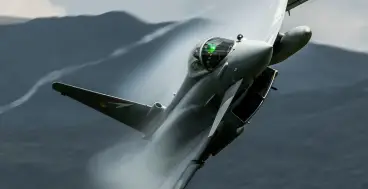
Increased Maneuverability and Realism: Modern target drones, like the QF-16 (developed by Boeing), are designed to simulate real combat aircraft with improved agility and speed. These drones can perform high-speed maneuvers, mimicking the flight patterns of enemy aircraft, which enhances the realism of missile defense and aerial combat training.

Autonomous Flight and Precision Control: The BQM-167A (a target drone used by the U.S. Air Force) is equipped with autonomous flight control systems, allowing it to fly without human intervention, reducing operational risks. This drone can also be precisely controlled to fly specific flight paths, allowing for more accurate and consistent targeting scenarios.
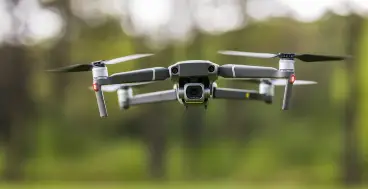
Hybrid Drone Technology: The development of hybrid target drones, like the G100 from Target Drönar, combines the benefits of both fixed-wing and rotary-wing drones. These drones can take off and land vertically (like a helicopter) and then transition to high-speed horizontal flight. This flexibility allows for training in both close-quarter combat and long-range missile systems.

Advanced Simulation Features: Some drones, such as the MANTA 300 from AeroVironment, now come equipped with real-time data transmission and integrated virtual threat environments. These innovations allow operators to simulate complex mission scenarios, including electronic warfare conditions, which add layers of challenge and depth to training exercises.

Improved Durability and Cost-Efficiency: New lightweight materials and battery technologies have made target drones like the WASP AE (by Textron Systems) more durable and cost-efficient. These drones can withstand multiple hits during training exercises and require less frequent maintenance, which significantly reduces operational costs.
Defense Budget Surge
Rising geopolitical tensions and modernization initiatives, particularly in the U.S., Europe, and Asia, are driving governments to invest heavily in advanced defense systems. Target drones are in high demand as militaries seek realistic, scalable training tools to simulate modern battlefield scenarios and prepare troops for emerging threats.
Tech Evolution
Breakthroughs in AI, swarm coordination, and stealth materials are revolutionizing target drones. AI enables adaptive flight patterns, swarm tech mimics multi-threat environments, and lightweight composites improve durability, making drones indispensable for cutting-edge military exercises.
Cost-Effective Combat Prep
Replacing live-fire exercises with reusable drones slashes costs by up to 70%, while minimizing risks to personnel and equipment. Their modular design also simplifies logistics, allowing rapid deployment in diverse terrains—from deserts to maritime zones.
Asymmetric Warfare Rise
Modern conflicts increasingly involve non-traditional threats like hypersonic missiles and cyberattacks. Target drones now simulate these challenges, enabling forces to test countermeasures and refine tactics in controlled environments.
Crossovers
Aerospace giants like Boeing and Airbus are repurposing military-grade drones to test next-gen UAVs and autonomous vehicles. This crossover reduces R&D costs and accelerates innovation in sectors like delivery logistics and urban air mobility.
AI Alliances
Collaborations with tech leaders (e.g., NVIDIA, IBM) are embedding machine learning into drones, enabling real-time threat analysis and decision-making. These “smart targets” enhance training realism while gathering actionable data for defense AI development.
Emerging Markets Lift-Off
Nations like India, Saudi Arabia, and South Korea are boosting defense budgets amid regional tensions. Local manufacturing partnerships and offset agreements offer lucrative entry points for drone suppliers in these high-growth regions.
Dual-Use
Beyond defense, drones are being adapted for wildfire monitoring, disaster relief, and border surveillance. This diversification taps into government sustainability grants and humanitarian aid funding, broadening market reach.
The global target drones market is experiencing a dynamic shift, with cutting-edge technology reshaping the future of defense training and simulation. These unmanned aerial vehicles (UAVs) are revolutionizing how military forces test weapon systems, refine strategies, and enhance operational readiness. With their ability to replicate real-world targets in challenging environments, target drones offer unparalleled realism, enabling more effective and efficient training exercises. As technological advancements continue to drive drone capabilities—such as increased durability, maneuverability, and precision—there is an expanding opportunity for defense sectors to optimize training operations while reducing costs. Beyond military use, these drones are carving a niche in law enforcement, research, and even environmental monitoring. With governments worldwide investing in advanced defense technologies, the target drones market is poised for robust growth. Join us as we explore how these innovative systems are reshaping defense readiness and offering new possibilities for defense training across the globe.
According to Data Bridge Market Research analyses the global target drones market is expected to reach the value of USD 8.92 billion by 2030, at a CAGR of 5.3% during the forecast period.
To know more about the studies: https://www.databridgemarketresearch.com/reports/global-target-drones-market

Regulatory Turbulence
Fragmented airspace laws, privacy concerns, and strict export controls (e.g., ITAR regulations) delay drone deployment. Compliance with evolving global standards requires costly legal frameworks and limits market scalability.

Cyber Warfare Threats
Sophisticated hacking tools can hijack drone navigation systems or spoof sensors, undermining training missions. Manufacturers face pressure to invest in encrypted communication tech and anti-jamming systems to maintain operational reliability.
As the global target drones market continues to evolve, it is clear that technological advancements and increasing defense and training requirements are driving significant growth. With innovations in drone design, autonomous systems, and specialized features, the sector is expanding rapidly, providing a diverse range of opportunities across various industries. However, challenges such as regulatory hurdles and high operational costs remain to be addressed. Looking ahead, the market’s potential is immense, with emerging applications in defense training, entertainment, and testing, making target drones a critical component of the future’s technological landscape. The demand for cutting-edge solutions and sustainable growth strategies will play a pivotal role in shaping the market’s trajectory in the coming years.
Contact us now, https://www.databridgemarketresearch.com/contact