Global Anticoagulants Market
Market Size in USD Billion
CAGR :
% 
 USD
48.92 Billion
USD
82.74 Billion
2025
2033
USD
48.92 Billion
USD
82.74 Billion
2025
2033
 Forecast Period Forecast Period |
2026 –2033 |
 Market Size (Base Year) Market Size (Base Year) |
USD 48.92 Billion |
 Market Size (Forecast Year) Market Size (Forecast Year) |
USD 82.74 Billion |
 CAGR CAGR |
% |
| Major Markets Players |
|

Anticoagulants Market Size
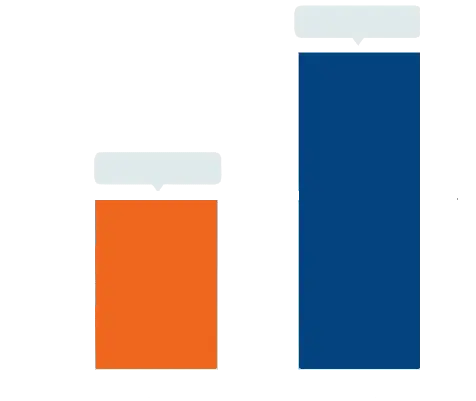
- The global anticoagulants market size was valued at USD 48.92 billion in 2025 and is expected to reach USD 82.74 billion by 2033, at a CAGR of 6.79% during the forecast period
- The market growth is largely fueled by the rising prevalence of cardiovascular diseases, thromboembolic disorders, and atrial fibrillation, along with continuous advancements in anticoagulant drug development, leading to increased adoption across hospital and outpatient care settings
- Furthermore, growing awareness about early diagnosis and prevention of blood clots, increasing preference for novel oral anticoagulants (NOACs) over traditional therapies, and expanding use in chronic disease management are accelerating the uptake of anticoagulant solutions, thereby significantly boosting the industry’s growth
Anticoagulants Market Analysis
- Anticoagulants, which are essential therapeutic agents used for the prevention and treatment of thromboembolic disorders, continue to gain importance across hospitals, specialty clinics, and home-care settings due to their central role in managing cardiovascular and cerebrovascular conditions
- The growing demand for anticoagulants is mainly driven by the rising prevalence of atrial fibrillation, venous thromboembolism, and ischemic heart diseases, along with increasing preference for advanced therapies that offer improved safety profiles, simplified dosing, and reduced need for routine monitoring
- North America dominated the Anticoagulants market with the largest revenue share of approximately 34.2% in 2025, supported by a high incidence of cardiovascular disorders, strong clinical adoption of innovative drugs, favorable reimbursement policies, and continuous product advancements by major pharmaceutical manufacturers
- Asia-Pacific is projected to be the fastest growing region in the Anticoagulants market during the forecast period, recording a high CAGR, owing to rapid population aging, increasing healthcare expenditure, improving diagnostic rates, and expanding access to modern anticoagulation therapies in emerging economies
- The oral anticoagulants segment dominated the market with a revenue share of approximately 61.4% in 2025
Report Scope and Anticoagulants Market Segmentation
|
Attributes |
Anticoagulants Key Market Insights |
|
Segments Covered |
|
|
Countries Covered |
North America
Europe
Asia-Pacific
Middle East and Africa
South America
|
|
Key Market Players |
• Bristol-Myers Squibb (U.S.) |
|
Market Opportunities |
|
|
Value Added Data Infosets |
In addition to the insights on market scenarios such as market value, growth rate, segmentation, geographical coverage, and major players, the market reports curated by the Data Bridge Market Research also include in-depth expert analysis, patient epidemiology, pipeline analysis, pricing analysis, and regulatory framework. |
Anticoagulants Market Trends
Advancements in Drug Formulations and Patient-Centric Anticoagulant Therapies
- A significant and accelerating trend in the global anticoagulants market is the continuous advancement in drug formulations aimed at improving therapeutic efficacy, patient safety, and long-term treatment adherence across diverse clinical settings
- For instance, the increasing adoption of direct oral anticoagulants (DOACs) such as apixaban, rivaroxaban, and dabigatran has reduced the reliance on traditional vitamin K antagonists by offering predictable pharmacokinetics and fewer dietary restrictions
- Pharmaceutical companies are focusing on the development of anticoagulants with reduced bleeding risk, simplified dosing regimens, and minimal need for routine coagulation monitoring, enhancing overall patient convenience
- The growing emphasis on personalized medicine and evidence-based treatment guidelines is encouraging healthcare providers to select anticoagulant therapies tailored to patient-specific risk profiles and comorbidities
- This trend toward safer, more convenient, and patient-friendly anticoagulant therapies is reshaping treatment standards globally. Consequently, leading pharmaceutical companies are investing heavily in clinical trials, lifecycle management strategies, and post-marketing surveillance to strengthen their anticoagulant portfolios
- The demand for innovative anticoagulant therapies is increasing worldwide across hospitals, specialty clinics, and outpatient care settings as healthcare systems seek to reduce thromboembolic complications and improve patient outcome
Anticoagulants Market Dynamics
Driver
Rising Burden of Cardiovascular Disorders and Thromboembolic Conditions
- The increasing global prevalence of cardiovascular diseases, atrial fibrillation, deep vein thrombosis, and pulmonary embolism is a major driver fueling demand for anticoagulant therapies
- For instance, the growing aging population and the rising incidence of lifestyle-related conditions such as obesity and diabetes have significantly increased the number of patients requiring long-term anticoagulation therapy worldwide
- Greater awareness regarding early diagnosis and preventive treatment of thromboembolic events is encouraging higher prescription rates of anticoagulants across both developed and emerging markets
- Furthermore, expanding healthcare access, improving reimbursement frameworks, and the availability of newer-generation anticoagulants are supporting wider adoption across hospital and outpatient settings
- The increasing use of anticoagulants in surgical procedures, orthopedic interventions, and post-operative care is further contributing to sustained market growth on a global scale
Restraint/Challenge
Bleeding Risks, High Treatment Costs, and Regulatory Complexity
- Despite clinical benefits, the risk of bleeding complications associated with anticoagulant therapy remains a significant challenge, often limiting adoption among high-risk patient populations
- For instance, real-world clinical data have highlighted concerns related to gastrointestinal and intracranial bleeding events in patients receiving long-term anticoagulant treatment, necessitating careful patient monitoring
- The relatively high cost of novel anticoagulants compared to traditional therapies can act as a barrier, particularly in low- and middle-income countries where healthcare budgets and insurance coverage are limited
- Strict regulatory requirements, extensive clinical trial timelines, and post-approval pharmacovigilance obligations add to the complexity and cost of developing and commercializing new anticoagulant drugs
- Overcoming these challenges through improved risk management strategies, expanded patient education, cost-effective treatment options, and supportive regulatory pathways will be essential for sustained growth in the global anticoagulants market
Anticoagulants Market Scope
The market is segmented on the basis of drug class, route of administration, and application.
- By Drug Class
On the basis of drug class, the Global Anticoagulants market is segmented into NOACs (Novel/Non-Vitamin K Oral Anticoagulants), Heparin & LMWH, Vitamin K Antagonists, and Others. The NOACs segment dominated the global anticoagulants market, accounting for approximately 46.8% of total revenue in 2025. This dominance is primarily driven by the superior safety profile, predictable pharmacodynamics, and reduced need for routine INR monitoring compared to traditional anticoagulants. Widely prescribed drugs such as apixaban, rivaroxaban, dabigatran, and edoxaban have gained strong physician preference across cardiovascular indications. Clinical guidelines increasingly recommend NOACs as first-line therapy for atrial fibrillation and venous thromboembolism. Improved patient adherence due to fixed dosing regimens further supports adoption. Expanding reimbursement coverage across North America and Europe enhances accessibility. The growing geriatric population and rising prevalence of thrombotic disorders reinforce sustained demand. Real-world evidence demonstrating reduced bleeding risk strengthens prescriber confidence. Pharmaceutical innovation continues to expand indications. Hospital discharge protocols increasingly favor NOACs. These factors collectively secure NOACs’ leading position in the market.
The Heparin & LMWH segment is expected to witness the fastest growth, registering a CAGR of 9.6% from 2026 to 2033. Growth is driven by increasing surgical volumes, rising hospitalization rates, and the widespread use of LMWH in acute care and perioperative settings. These agents remain critical in inpatient thromboprophylaxis and emergency anticoagulation management. Their rapid onset of action makes them indispensable in critical care environments. Growing adoption in cancer-associated thrombosis further fuels demand. Emerging markets increasingly rely on LMWH due to cost advantages. Expanding access to injectable anticoagulants in developing healthcare systems supports growth. Favorable safety data in pregnancy and renal impairment enhances utilization. Biosimilar launches improve affordability. Rising trauma and orthopedic procedures drive consumption. Hospital formularies continue to prioritize LMWH. These factors contribute to strong growth momentum.
- By Route of Administration
On the basis of route of administration, the Global Anticoagulants market is segmented into Oral Anticoagulants and Injectable Anticoagulants. The oral anticoagulants segment dominated the market with a revenue share of approximately 61.4% in 2025. This dominance is largely attributed to the widespread adoption of NOACs and vitamin K antagonists in long-term anticoagulation therapy. Oral formulations offer superior convenience, ease of administration, and improved patient compliance compared to injectables. Growing outpatient management of chronic cardiovascular conditions supports demand. Physicians increasingly favor oral anticoagulants for stroke prevention in atrial fibrillation. Expanded clinical trial data validating efficacy and safety reinforces confidence. Home-based treatment models further accelerate adoption. Aging populations in developed regions contribute significantly to usage. Improved drug accessibility and insurance coverage strengthen penetration. Reduced hospital dependency lowers overall treatment costs. Pharmaceutical advancements continue to enhance oral formulations. These factors collectively sustain market leadership.
The injectable anticoagulants segment is projected to grow at the fastest CAGR of 8.9% from 2026 to 2033. Growth is driven by increasing hospital admissions, surgical procedures, and emergency interventions. Injectable anticoagulants are essential in acute care settings, particularly during perioperative management. Rising prevalence of cancer-associated thrombosis boosts LMWH usage. Expanding trauma care infrastructure supports demand. Developing countries increasingly adopt injectables due to affordability and availability. Short-term anticoagulation protocols favor injectables for immediate efficacy. Improved healthcare access in emerging economies contributes to growth. Increasing use in dialysis patients further supports expansion. Government investments in hospital infrastructure accelerate adoption. Growth of biosimilars reduces treatment costs. Collectively, these factors drive strong growth prospects.
- By Application
On the basis of application, the Global Anticoagulants market is segmented into Atrial Fibrillation & Heart Attack, Stroke, Deep Vein Thrombosis (DVT), Pulmonary Embolism (PE), and Others. The atrial fibrillation & heart attack segment dominated the market, accounting for nearly 38.7% of global revenue in 2025. High disease prevalence and increasing cardiovascular risk factors such as hypertension and diabetes drive demand. Anticoagulants are a cornerstone therapy for stroke prevention in atrial fibrillation patients. Clinical guidelines strongly recommend long-term anticoagulation in high-risk populations. Rising awareness and early diagnosis improve treatment rates. Aging populations significantly contribute to patient volume. Expanding screening programs enhance disease detection. Long-term therapy requirements ensure recurring revenue. Strong physician adherence to evidence-based protocols supports sustained usage. Pharmaceutical innovation continues to optimize therapies. Hospital and outpatient prescriptions remain high. These factors firmly establish dominance.
The deep vein thrombosis (DVT) segment is expected to grow at the fastest CAGR of 10.2% from 2026 to 2033. Growth is driven by increasing sedentary lifestyles, rising obesity rates, and prolonged immobility among hospitalized patients. Growing awareness of venous thromboembolism risk supports early intervention. Expanding use of anticoagulants for post-surgical prophylaxis fuels demand. Improved diagnostic imaging enhances detection rates. Cancer-associated thrombosis significantly contributes to DVT incidence. Adoption of NOACs simplifies long-term DVT management. Outpatient treatment models improve accessibility. Expanding healthcare coverage in emerging economies supports growth. Increasing air travel raises DVT risk awareness. Favorable clinical outcomes encourage early therapy initiation. These drivers collectively accelerate market expansion.
Anticoagulants Market Regional Analysis
- North America dominated the anticoagulants market with the largest revenue share of 34.2% in 2025, driven by the high prevalence of cardiovascular diseases, venous thromboembolism, and atrial fibrillation, along with strong adoption of novel oral anticoagulants (NOACs)
- The region benefits from well-established healthcare infrastructure, early access to advanced therapies, and high awareness among physicians and patients regarding anticoagulation management
- Favorable reimbursement policies, strong presence of key pharmaceutical companies, and continuous clinical research further support widespread use of anticoagulants across hospital and outpatient settings
U.S. Anticoagulants Market Insight
The U.S. anticoagulants market captured the largest revenue share in 2025 within North America, supported by the growing aging population, rising incidence of chronic cardiovascular disorders, and increasing use of direct oral anticoagulants (DOACs). Strong FDA approvals, high healthcare spending, and rapid adoption of innovative drug formulations are key factors propelling market growth. In addition, increasing focus on stroke prevention and post-surgical thrombosis management continues to drive demand.
Europe Anticoagulants Market Insight
The Europe anticoagulants market is projected to expand at a substantial CAGR during the forecast period, driven by increasing burden of cardiovascular diseases, favorable regulatory frameworks, and growing adoption of DOACs over traditional therapies. Rising awareness of anticoagulation therapy safety, along with expanding access to healthcare services, supports market growth across the region.
U.K. Anticoagulants Market Insight
The U.K. anticoagulants market is anticipated to grow at a noteworthy CAGR, supported by strong NHS initiatives for cardiovascular disease management and increasing use of anticoagulants in stroke prevention. The shift toward newer oral anticoagulants and improved clinical guidelines for thrombosis management are further contributing to market expansion.
Germany Anticoagulants Market Insight
The Germany anticoagulants market is expected to expand at a considerable CAGR, driven by advanced healthcare infrastructure, strong clinical research activity, and rising prevalence of cardiovascular and thromboembolic disorders. Germany’s emphasis on evidence-based treatment protocols and early adoption of innovative anticoagulant drugs supports sustained market growth.
Asia-Pacific Anticoagulants Market Insight
The Asia-Pacific anticoagulants market is expected to grow at the fastest CAGR during the forecast period of 2026 to 2033, driven by increasing incidence of cardiovascular diseases, improving healthcare infrastructure, and rising awareness of anticoagulation therapies. Expanding patient populations, growing healthcare expenditure, and improving access to advanced medications in countries such as China and India are key growth drivers.
Japan Anticoagulants Market Insight
The Japan anticoagulants market gaining momentum due to its rapidly aging population and high prevalence of atrial fibrillation and stroke. Strong adoption of direct oral anticoagulants, along with advanced diagnostic capabilities and well-established healthcare systems, is supporting market growth in both hospital and outpatient care settings.
China Anticoagulants Market Insight
The China anticoagulants market accounted for the largest revenue share in Asia Pacific in 2025, driven by a large patient population, rising incidence of cardiovascular diseases, and expanding access to healthcare services. Government healthcare reforms, increased availability of generic anticoagulants, and growing awareness of thrombosis prevention are key factors accelerating market expansion.
Anticoagulants Market Share
The Anticoagulants industry is primarily led by well-established companies, including:
• Bristol-Myers Squibb (U.S.)
• Pfizer Inc. (U.S.)
• Bayer AG (Germany)
• Johnson & Johnson (U.S.)
• Boehringer Ingelheim (Germany)
• Sanofi (France)
• Daiichi Sankyo (Japan)
• AbbVie Inc. (U.S.)
• AstraZeneca (U.K.)
• Novartis AG (Switzerland)
• GlaxoSmithKline plc (U.K.)
• Takeda Pharmaceutical Company (Japan)
• Eisai Co., Ltd. (Japan)
• Leo Pharma (Denmark)
• Aspen Pharmacare (South Africa)
• Dr. Reddy’s Laboratories (India)
• Sun Pharmaceutical Industries (India)
• Cipla Ltd. (India)
• Teva Pharmaceutical Industries (Israel)
Latest Developments in Global Anticoagulants Market
- In March 2025, the U.S. Food and Drug Administration (FDA) approved the first generic versions of rivaroxaban (Xarelto) 2.5 mg tablets to reduce the risk of major cardiovascular and thrombotic events in adults with coronary artery disease and peripheral artery disease, expanding access to a widely prescribed direct oral anticoagulant
- In April 2025, Bristol-Myers Squibb and Pfizer secured FDA approval for Eliquis (apixaban) to treat and prevent recurrent venous thromboembolism (VTE) in children from birth following initial anticoagulant therapy — the first pediatric indication for the drug, marking a significant label expansion in anticoagulant therapy
- In July 2025, the Bristol-Myers Squibb/Pfizer Alliance launched the Eliquis 360 Support Program in the U.S., a direct-to-patient initiative offering discounted apixaban at significantly reduced prices to uninsured or cash-paying patients, improving affordability and patient access
- In March 2025, Cadrenal Therapeutics, Inc. signed a collaboration agreement with Abbott to support its pivotal TECARFARIN trial (TECarfarin Anticoagulation and Hemocompatibility with Left Ventricular Assist Devices), aiming to advance the first new vitamin K-targeted anticoagulant strategy in decades
- In September 2024, Sirius Therapeutics reported promising Phase 1 clinical data for its Factor XI siRNA anticoagulant, showcasing safety, tolerability, and sustained reduction in Factor XI activity — a potential next-generation approach with lower bleeding risk compared to traditional agents
SKU-
Get online access to the report on the World's First Market Intelligence Cloud

- Interactive Data Analysis Dashboard
- Company Analysis Dashboard for high growth potential opportunities
- Research Analyst Access for customization & queries
- Competitor Analysis with Interactive dashboard
- Latest News, Updates & Trend analysis
- Harness the Power of Benchmark Analysis for Comprehensive Competitor Tracking
Research Methodology
Data collection and base year analysis are done using data collection modules with large sample sizes. The stage includes obtaining market information or related data through various sources and strategies. It includes examining and planning all the data acquired from the past in advance. It likewise envelops the examination of information inconsistencies seen across different information sources. The market data is analysed and estimated using market statistical and coherent models. Also, market share analysis and key trend analysis are the major success factors in the market report. To know more, please request an analyst call or drop down your inquiry.
The key research methodology used by DBMR research team is data triangulation which involves data mining, analysis of the impact of data variables on the market and primary (industry expert) validation. Data models include Vendor Positioning Grid, Market Time Line Analysis, Market Overview and Guide, Company Positioning Grid, Patent Analysis, Pricing Analysis, Company Market Share Analysis, Standards of Measurement, Global versus Regional and Vendor Share Analysis. To know more about the research methodology, drop in an inquiry to speak to our industry experts.
Customization Available
Data Bridge Market Research is a leader in advanced formative research. We take pride in servicing our existing and new customers with data and analysis that match and suits their goal. The report can be customized to include price trend analysis of target brands understanding the market for additional countries (ask for the list of countries), clinical trial results data, literature review, refurbished market and product base analysis. Market analysis of target competitors can be analyzed from technology-based analysis to market portfolio strategies. We can add as many competitors that you require data about in the format and data style you are looking for. Our team of analysts can also provide you data in crude raw excel files pivot tables (Fact book) or can assist you in creating presentations from the data sets available in the report.