What is the Film Based Radiography Market Size and Growth Rate?
- As per Data Bridge Market Research analysis, the film based radiography market was valued at USD 226.88 million in 2025 and is projected to reach USD 267.91 million by 2033, growing at a CAGR of 2.10% from 2026 to 2033.
- The market is experiencing steady growth driven by continued demand for conventional diagnostic imaging solutions, the established use of film-based radiography in healthcare facilities, and its applications across dental, veterinary, and industrial non-destructive testing.
- The increasing need for reliable diagnostic imaging, particularly in developing regions with limited access to advanced digital radiography infrastructure, is supporting the continued adoption of film-based radiography systems. In addition, the affordability of conventional X-ray equipment, established film processing infrastructure, and its suitability for specific industrial inspection applications are sustaining market demand. However, the gradual shift toward digital radiography and the growing preference for faster image processing and reduced chemical waste are limiting the pace of market growth.
Market Size & Forecast
- Global Market Value (2025): USD 226.88 Million
- Expected Market Value (2033): USD 267.91 Million
- Forecast CAGR (2026–2033): 2.10%
- Leading Region in 2025: North America
- Fastest Growing Region: Asia Pacific
What are the Major Takeaways of the Film Based Radiography Market?
- North America dominated the film based radiography market with the largest revenue share of 34.0% in 2025, supported by established healthcare infrastructure, advanced diagnostic imaging facilities, and continued demand for conventional radiographic imaging.
- Asia-Pacific is expected to be the fastest-growing region at a CAGR of 4.7% from 2026 to 2033, fueled by expanding healthcare infrastructure, rising diagnostic imaging demand, increasing industrialization, and growing investments in radiography systems.
- The X-ray film segment led the market with a 55.0% share in 2025, driven by its essential role in capturing and recording radiographic images across medical and industrial applications.
- Film processing equipment are the fastest-growing product type, projected to register a CAGR of 4.5%, reflecting the surge in the continued requirement for developing and processing exposed radiographic films.
- The new digital X-ray system segment dominated the portability category with a 55.0% revenue share in 2025, led by increasing investments in modern radiographic inspection infrastructure.
- Medical X-ray film accounted for 52.0% of the market share in 2025, preferred by its extensive use in conventional diagnostic imaging across hospitals, diagnostic centers, and specialized healthcare facilities
- The industrial radiographic film segment is the fastest-growing film type category, with a CAGR of 5.7%, driven by increasing requirements for non-destructive testing across critical industrial sectors.
Report Scope and Film Based Radiography Market Segmentation
|
Attributes |
Film Based Radiography Key Market Insights |
|
Segments Covered |
|
|
Countries Covered |
North America
Europe
Asia-Pacific
Middle East and Africa
South America
|
|
Key Market Players |
|
|
Market Opportunities |
|
|
Value Added Data Infosets |
In addition to the insights on market scenarios such as market value, growth rate, segmentation, geographical coverage, and major players, the market reports curated by the Data Bridge Market Research also include in-depth expert analysis, geographically represented company-wise production and capacity, network layouts of distributors and partners, detailed and updated price trend analysis and deficit analysis of supply chain and demand. |
What is the Key Trend in the Film Based Radiography Market?
- Manufacturers are increasingly focusing on advanced medical dry laser films to improve image clarity, grayscale consistency, and archival stability while maintaining compatibility with existing radiographic imaging equipment.
- For instance, in March 2025, e-Join introduced its latest medical dry laser film at the European Congress of Radiology (ECR 2025), featuring enhanced image clarity, stable grayscale density, and improved archival quality. The product is designed for compatibility with DryPix imagers and supports diagnostic imaging applications, including radiology and mammography.
- The development of eco-conscious dry films is gaining attention as healthcare providers seek alternatives that reduce chemical processing requirements and support more sustainable diagnostic imaging workflows.
- High-resolution radiographic films continue to serve healthcare facilities that require physical image documentation, particularly in markets where conventional imaging infrastructure remains established.
- Industrial radiographic films are also maintaining relevance in non-destructive testing applications, where reliable image recording is essential for inspecting welds, pipelines, and critical industrial components.
- For instance, in December 2024, e-Join announced the launch of a new medical dry laser film compatible with DryPix imagers at RSNA 2024. The product offers high optical density, improved image resolution, stable image retention, and an eco-conscious formulation, reflecting the trend toward improved film quality and environmentally sustainable radiographic imaging solutions.
- As manufacturers continue to improve film quality, compatibility, and environmental performance, product innovation is expected to support specialized film-based radiography applications despite the growing adoption of digital imaging technologies.
What are the Key Drivers of the Film Based Radiography Market?
- The continued demand for affordable diagnostic imaging solutions in emerging economies has significantly supported the adoption of film-based radiography, particularly in healthcare facilities with limited access to advanced digital imaging infrastructure.
- For instance, in December 2022, the Department of Radiodiagnosis at Government Medical College and Hospital, Chandigarh, issued a procurement notice for Agfa Drystar-DT2B medical X-ray films in multiple sizes, including 14 × 17-inch and 8 × 10-inch formats. The procurement demonstrates continued institutional demand for conventional film-based diagnostic imaging products.
- The growing use of industrial radiographic testing across manufacturing, energy, aerospace, and chemical industries is increasing demand for reliable radiographic inspection solutions.
- For instance, in April 2024, Carestream Health announced worldwide price increases for its medical imaging and non-destructive testing films due to rising costs of silver, energy, and other essential manufacturing materials. The announcement demonstrates the continued commercial production and supply of radiographic films for medical and industrial inspection applications.
- With continued demand for affordable medical imaging and industrial inspection solutions, film-based radiography is expected to retain relevance in specialized applications and cost-sensitive markets.
What Factors are Challenging the Growth of the Film Based Radiography Market?
- The increasing adoption of digital radiography systems is creating significant challenges for conventional film-based radiography due to faster image acquisition, improved storage capabilities, and reduced processing requirements.
- For instance, in June 2024, a study published in the journal Radiography examined environmental sustainability challenges in radiography across Zimbabwe and Zambia. The research highlighted the environmental concerns associated with conventional film-screen imaging and found that radiology departments continued using these systems because of insufficient financial resources to transition to digital imaging, emphasizing the sustainability limitations of traditional radiography.
- Digital imaging technologies eliminate the need for chemical film development, reduce recurring consumable expenses, and enable healthcare professionals to access and share diagnostic images more efficiently.
- For instance, in April 2023, a study published in examining teleradiology and technological innovations in India's healthcare system. The study highlighted the worldwide transition from conventional screen-film radiography to digital X-ray systems, driven by improved diagnostic accuracy, reduced radiation exposure, faster workflows, and integration with picture archiving and communication systems (PACS). This transition creates competitive pressure on conventional film-based radiography.
- The gradual transition toward digital imaging, combined with declining conventional film demand and the recurring costs of film processing and chemical supplies, continues to restrict market expansion, particularly in developed healthcare markets where digital imaging infrastructure is increasingly established.
How is the Film Based Radiography Market Segmented?
The film based radiography market is segmented on the basis of product type, portability, film type, and end user.
- By Product Type
On the basis of product type, the film-based radiography market is segmented into X-ray film, film processing equipment, film cassettes, intensifying screens, film viewers, and film accessories. The X-ray film segment is expected to dominate the market with an estimated share of 55.0% in 2025, owing to its essential role in capturing and recording radiographic images across medical and industrial applications. Conventional radiographic films are widely used for detecting internal defects, structural abnormalities, and material inconsistencies. Their established compatibility with existing radiography equipment supports continued demand from healthcare facilities and industrial inspection companies. Different film sensitivities and resolutions allow users to select suitable products for specific inspection requirements. The availability of screen-type and non-screen-type films further supports their application across diverse industries. Replacement demand and recurring consumption also contribute to the segment's market position.
The film processing equipment segment is expected to witness the fastest growth, registering an estimated CAGR of 4.5% from 2026 to 2033, supported by the continued requirement for developing and processing exposed radiographic films. These systems play an important role in converting exposed films into readable images for diagnostic and industrial inspection purposes. Automated film processors help improve processing consistency and reduce manual handling requirements. Demand is supported by healthcare facilities and industrial testing organizations that continue to operate conventional film-based radiography systems. Improvements in processing efficiency, chemical management, and equipment reliability are encouraging upgrades of existing installations. The need to maintain older radiography infrastructure is also supporting equipment replacement and servicing demand.
- By Portability
On the basis of portability, the film-based radiography market is segmented into retrofit digital X-ray systems and new digital X-ray systems. The new digital X-ray system segment is expected to dominate this category with an estimated share of 55.0% in 2025, supported by increasing investments in modern radiographic inspection infrastructure. These systems provide integrated imaging capabilities and advanced image acquisition technologies. Industrial organizations increasingly require reliable inspection systems for evaluating weld quality, pipelines, pressure vessels, and manufactured components. New installations offer opportunities to incorporate improved detectors, imaging software, and automated inspection workflows. Their compatibility with modern industrial inspection requirements supports adoption among organizations establishing new testing facilities. However, these systems represent digital radiography rather than conventional film-based radiography.
The retrofit digital X-ray system segment is expected to witness the fastest growth, registering an estimated CAGR of 6.0% from 2026 to 2033, driven by the need to upgrade existing radiography infrastructure without replacing complete installations. Retrofit solutions allow organizations to modernize selected components of their existing X-ray systems. They can help reduce equipment replacement expenses and minimize operational disruptions. Industrial inspection companies with established radiography facilities may prefer retrofit solutions to extend equipment usability. Growing emphasis on faster image acquisition and improved inspection efficiency is supporting modernization initiatives. These systems also provide a transition pathway for organizations moving from conventional film-based processes toward digital imaging.
- By Film Type
On the basis of film type, the film-based radiography market is segmented into screen film, non-screen film, medical X-ray film, industrial radiographic film, and dental X-ray film. The medical X-ray film segment is expected to dominate the market with an estimated share of 52.0% in 2025, owing to its extensive use in conventional diagnostic imaging across hospitals, diagnostic centers, and specialized healthcare facilities. These films are used for capturing images of bones, internal organs, and other anatomical structures. Their established application in routine diagnostic procedures supports consistent demand across healthcare facilities. Medical X-ray films are available in different formats and sensitivities to accommodate diverse imaging requirements. Their compatibility with conventional X-ray equipment and established processing infrastructure further strengthens their adoption. Continued diagnostic imaging requirements in developing healthcare markets are also supporting the segment's market position.
The industrial radiographic film segment is expected to witness the fastest growth, registering an estimated CAGR of approximately 5.7% from 2026 to 2033, driven by increasing requirements for non-destructive testing across critical industrial sectors. These films are used to identify internal defects, cracks, voids, and structural irregularities in manufactured components. Growing investments in oil and gas infrastructure, power generation facilities, and aerospace manufacturing are supporting their application. Industrial radiographic films provide permanent inspection records that can be reviewed for quality assurance and regulatory documentation. Different film classifications offer varying levels of sensitivity, contrast, and image resolution for specific inspection conditions. Continued demand for weld inspection, pipeline assessment, and component testing is supporting the use of specialized industrial radiographic films.
- By End User
On the basis of end user, the film-based radiography market is segmented into petrochemicals and gas, power generation, manufacturing, aerospace, and automotive and transportation. The petrochemicals and gas segment is expected to dominate the market with an estimated share of 38.5% in 2025, driven by extensive requirements for radiographic inspection of pipelines, pressure vessels, storage tanks, and industrial welding joints. Film-based radiography is used to identify internal defects that may compromise equipment integrity and operational safety. Oil and gas companies rely on non-destructive testing to assess infrastructure during construction, maintenance, and periodic inspections. The technology provides permanent radiographic records that support quality assurance and inspection documentation. Increasing investments in pipeline networks, refinery modernization, and energy infrastructure are sustaining demand. Stringent industrial safety and inspection requirements further support the segment's market position.
The aerospace segment is expected to witness the fastest growth, registering an estimated CAGR of 6.5% from 2026 to 2033, supported by increasing requirements for high-precision inspection of aircraft components and critical structural assemblies. Radiographic testing helps identify internal cracks, porosity, inclusions, and manufacturing defects without damaging inspected components. Aircraft engine parts, turbine components, castings, and composite structures require rigorous quality inspection throughout their manufacturing and maintenance cycles. The growing production of commercial aircraft and expansion of aerospace manufacturing facilities are increasing demand for advanced non-destructive testing solutions. Film-based radiography remains relevant in specialized inspection applications where high-resolution images and permanent documentation are required. Increasing emphasis on aircraft safety, component reliability, and stringent quality standards is further supporting the segment's growth.
Which Region Holds the Largest Share of the Film Based Radiography Market?
- North America dominated the film based radiography market with the largest revenue share of 34.0% in 2025, supported by established healthcare infrastructure, advanced diagnostic imaging facilities, and continued demand for conventional radiographic imaging.
- The region also benefits from the presence of established medical imaging manufacturers, advanced diagnostic facilities, and a strong industrial non-destructive testing sector. The U.S. and Canada continue to support regional demand through healthcare investments, aerospace manufacturing, oil and gas infrastructure inspection, and specialized radiographic applications. The availability of established film-processing infrastructure and continued use of conventional imaging systems further contribute to North America's position in the global market.
U.S. Film Based Radiography Market Insight
The U.S. film-based radiography market is witnessing steady demand due to the continued use of conventional X-ray films across medical diagnostics, industrial inspection, and non-destructive testing applications. The country's established healthcare infrastructure, presence of medical imaging manufacturers, and advanced industrial testing capabilities are supporting demand for radiographic films and processing equipment. In addition, growing requirements for pipeline inspection, aerospace component testing, and quality assurance across manufacturing industries are sustaining the use of conventional radiography systems.
Asia-Pacific Film-Based Radiography Market Insight
The Asia-Pacific film-based radiography market is expected to witness significant growth, driven by expanding healthcare infrastructure, increasing diagnostic imaging requirements, and rising industrial manufacturing activities across countries such as China, India, and Japan. Continued demand for affordable diagnostic solutions and conventional imaging equipment is supporting market expansion, particularly in developing healthcare facilities. In addition, increasing investments in oil and gas infrastructure, power generation, and industrial non-destructive testing are creating sustained demand for radiographic films across the region.
Japan Film-Based Radiography Market Insight
The Japan film-based radiography market is witnessing consistent demand due to the country's advanced industrial manufacturing sector, established healthcare infrastructure, and stringent quality inspection requirements. Medical institutions and industrial organizations continue to utilize conventional radiographic films for specialized diagnostic and non-destructive testing applications. Moreover, the presence of established imaging technology manufacturers, growing aerospace component inspection requirements, and continued emphasis on industrial safety are supporting demand for film-based radiography products in Japan.
China Film-Based Radiography Market Insight
The China film-based radiography market is experiencing steady demand, driven by expanding industrial manufacturing, growing infrastructure development, and increasing requirements for non-destructive testing across critical industries. The country's extensive petrochemical, power generation, automotive, and aerospace sectors are supporting the use of radiographic films for internal defect detection and quality inspection. In addition, continued investments in healthcare facilities and diagnostic imaging infrastructure are sustaining demand for conventional X-ray films, particularly in cost-sensitive medical settings.
U.K. Film-Based Radiography Market Insight
The U.K. film-based radiography market is supported by continued applications of conventional radiographic imaging across healthcare facilities, industrial manufacturing, and specialized inspection services. The country's established aerospace, automotive, energy, and oil and gas industries are generating demand for radiographic testing to assess component integrity and structural reliability. Furthermore, stringent industrial safety standards, increasing requirements for weld inspection, and the continued use of film-based systems in specialized non-destructive testing applications are contributing to market demand.
Germany Film-Based Radiography Market Insight
The Germany film-based radiography market is witnessing steady demand due to the country's strong industrial manufacturing base, advanced engineering capabilities, and stringent product quality requirements. Automotive manufacturers, aerospace companies, and industrial inspection organizations continue to use radiographic testing for detecting internal defects and ensuring component reliability. In addition, the country's established chemical, power generation, and machinery industries are supporting demand for conventional radiographic films in specialized non-destructive testing applications.
Which are the Top Companies in Film Based Radiography Market?
The film based radiography industry is primarily led by well-established companies, including:
- FUJIFILM Corporation (Japan)
- Konica Minolta, Inc. (Japan)
- Agfa-Gevaert NV (Belgium)
- Carestream Health, Inc. (U.S.)
- FOMA BOHEMIA spol. s r.o. (Czech Republic)
- Codonics, Inc. (U.S.)
- COLENTA Labortechnik GmbH & Co KG (Austria)
- Flow Dental (U.S.)
- Lucky Healthcare Co., Ltd. (China)
- China Lucky Film Corporation (China)
- Shenzhen Fumingwei Industrial Co., Ltd. (China)
- Skydent a.s. (Slovakia)
- Jiangsu Taike Medical Technology Co., Ltd. (China)
- Sony Corporation (Japan)
- Tianjin Media Imaging Materials Co., Ltd. (China)
- Shanghai Bai Yun San He Photosensitive Material Co., Ltd. (China)
- Shenbei New District X-Ray Film Factory (China)
- Trivitron Healthcare Private Limited (India)
- Edusoft Healthcare Limited (India)
What are Latest Developments in Film Based Radiography Market?
- In March 2025, Agfa-Gevaert reported that declining demand in traditional film markets continued to affect its business performance in 2024. The company highlighted ongoing measures to address challenges in its film activities, including cost control and manufacturing improvements. At the same time, its Direct Radiography business recorded growth, reflecting the imaging industry's continued transition toward digital technologies. This update demonstrates the changing competitive environment for conventional film-based radiography.
- In April 2024, Carestream Health announced worldwide price increases for its medical imaging and non-destructive testing films. The company attributed the adjustment to higher costs of silver, energy, and other essential raw materials used in film manufacturing. Carestream also noted that it had previously absorbed these rising costs while improving its film manufacturing and supply-chain operations. The announcement highlighted the cost pressures affecting suppliers of conventional medical and industrial radiographic films
- In June 2023, Konica Minolta announced its new SD-Q2 medical X-ray film, designed to produce high-quality images from diagnostic modalities such as CT, MRI, mammography, and radiography. The film was developed for use with the company's DRYPRO 832 and DRYPRO 873 laser imagers and was planned as a replacement for the existing SD-Q film. The company also outlined printer adaptation support to enable compatibility with the new film. This launch represented a product update in the medical imaging film segment.
- In November 2022, Konica Minolta Healthcare introduced new digital radiography solutions at the RSNA 2022 meeting, extending its Dynamic Digital Radiography technology to the KDR Flex Overhead X-ray System. The development expanded the company's X-ray imaging portfolio with systems designed to capture dynamic anatomical movement and support clinical assessment. Although focused on digital rather than film-based imaging, the launch reflected the technology transition influencing demand for conventional radiographic film systems.
- In November 2021, Konica Minolta Healthcare announced the launch of its mKDR Xpress Mobile X-ray System and AeroDR Carbon Flat Panel Detector. The two solutions were designed to support mobile diagnostic imaging and improve the flexibility of digital X-ray examinations in clinical settings. The company presented the products at the 2021 Radiological Society of North America (RSNA) annual meeting. While these products were digital radiography technologies rather than film-based systems, their introduction illustrates the competitive shift toward portable digital imaging in the broader radiography market.
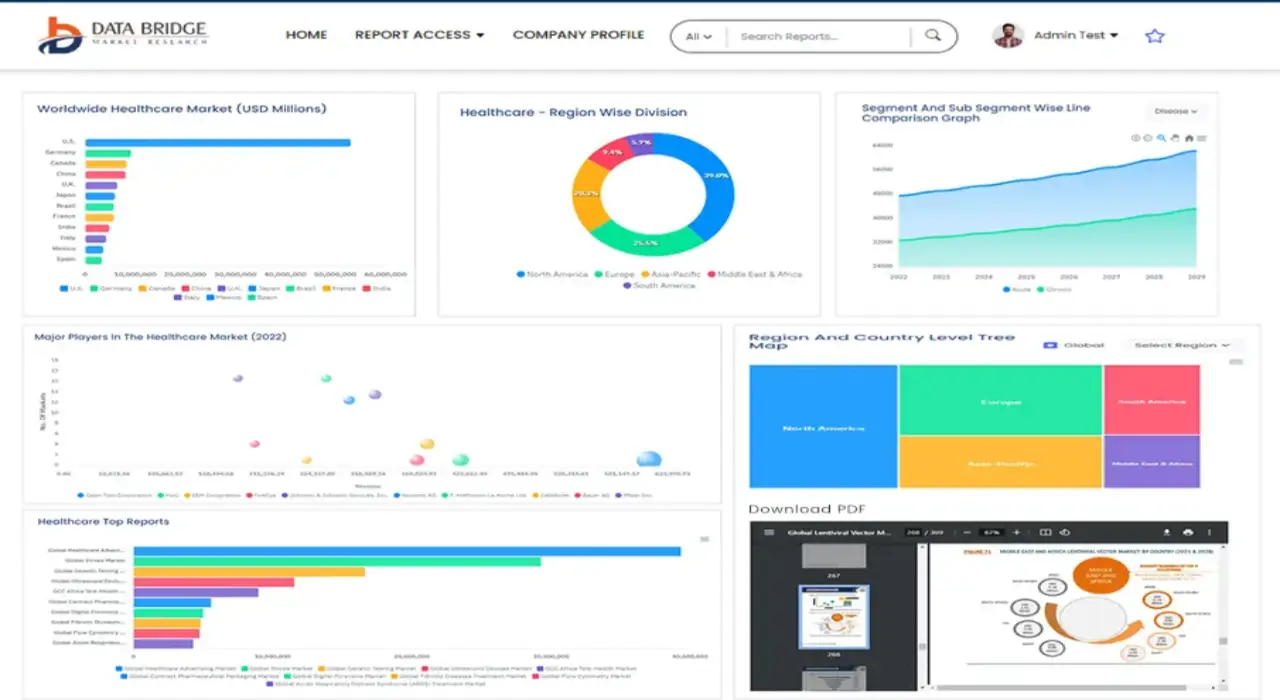
- Interactive Data Analysis Dashboard
- Company Analysis Dashboard for high growth potential opportunities
- Research Analyst Access for customization & queries
- Competitor Analysis with Interactive dashboard
- Latest News, Updates & Trend analysis
- Harness the Power of Benchmark Analysis for Comprehensive Competitor Tracking
Global Film Based Radiography Market, Supply Chain Analysis and Ecosystem Framework
To support market growth and help clients navigate the impact of geopolitical shifts, DBMR has integrated in-depth supply chain analysis into its Global Film Based Radiography Market research reports. This addition empowers clients to respond effectively to global changes affecting their industries. The supply chain analysis section includes detailed insights such as Global Film Based Radiography Market consumption and production by country, price trend analysis, the impact of tariffs and geopolitical developments, and import and export trends by country and HSN code. It also highlights major suppliers with data on production capacity and company profiles, as well as key importers and exporters. In addition to research, DBMR offers specialized supply chain consulting services backed by over a decade of experience, providing solutions like supplier discovery, supplier risk assessment, price trend analysis, impact evaluation of inflation and trade route changes, and comprehensive market trend analysis.
Data collection and base year analysis are done using data collection modules with large sample sizes. The stage includes obtaining market information or related data through various sources and strategies. It includes examining and planning all the data acquired from the past in advance. It likewise envelops the examination of information inconsistencies seen across different information sources. The market data is analysed and estimated using market statistical and coherent models. Also, market share analysis and key trend analysis are the major success factors in the market report. To know more, please request an analyst call or drop down your inquiry.
The key research methodology used by DBMR research team is data triangulation which involves data mining, analysis of the impact of data variables on the market and primary (industry expert) validation. Data models include Vendor Positioning Grid, Market Time Line Analysis, Market Overview and Guide, Company Positioning Grid, Patent Analysis, Pricing Analysis, Company Market Share Analysis, Standards of Measurement, Global versus Regional and Vendor Share Analysis. To know more about the research methodology, drop in an inquiry to speak to our industry experts.
Data Bridge Market Research is a leader in advanced formative research. We take pride in servicing our existing and new customers with data and analysis that match and suits their goal. The report can be customized to include price trend analysis of target brands understanding the market for additional countries (ask for the list of countries), clinical trial results data, literature review, refurbished market and product base analysis. Market analysis of target competitors can be analyzed from technology-based analysis to market portfolio strategies. We can add as many competitors that you require data about in the format and data style you are looking for. Our team of analysts can also provide you data in crude raw excel files pivot tables (Fact book) or can assist you in creating presentations from the data sets available in the report.