Global Fluoxetine Market
Market Size in USD Billion
CAGR :
% 
 USD
1.03 Billion
USD
1.42 Billion
2025
2033
USD
1.03 Billion
USD
1.42 Billion
2025
2033
 Forecast Period Forecast Period |
2026 –2033 |
 Market Size (Base Year) Market Size (Base Year) |
USD 1.03 Billion |
 Market Size (Forecast Year) Market Size (Forecast Year) |
USD 1.42 Billion |
 CAGR CAGR |
% |
| Major Markets Players |
|
Fluoxetine Market Size
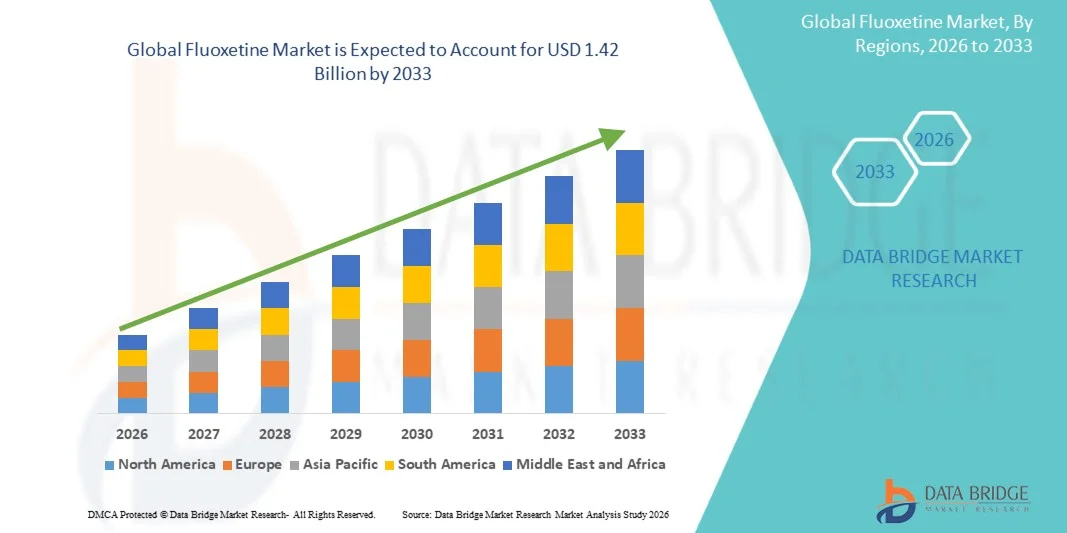
- The global fluoxetine market size was valued at USD 1.03 billion in 2025and is expected to reach USD 1.42 billion by 2033, at a CAGR of 4.10% during the forecast period
- The market growth is largely fueled by the increasing prevalence of depression, anxiety disorders, obsessive-compulsive disorder, and other mental health conditions, leading to rising demand for effective antidepressant medications across both developed and emerging healthcare markets
- Furthermore, growing awareness regarding mental health treatment, expanding access to psychiatric care services, and increasing preference for selective serotonin reuptake inhibitors (SSRIs) due to their favorable efficacy and safety profiles are establishing Fluoxetine as a widely adopted therapeutic solution. These converging factors are accelerating the uptake of Fluoxetine treatments, thereby significantly boosting the industry’s growth
Fluoxetine Market Analysis
- Fluoxetine, a selective serotonin reuptake inhibitor (SSRI) widely used for the treatment of depression, anxiety disorders, obsessive-compulsive disorder, panic disorder, and bulimia nervosa, is becoming increasingly important in modern mental healthcare systems due to its proven efficacy, affordability, and broad therapeutic applications
- The escalating demand for Fluoxetine is primarily fueled by the rising global prevalence of mental health disorders, increasing awareness regarding psychiatric treatment, growing social acceptance of mental healthcare, and expanding access to antidepressant therapies across both developed and emerging economies
- North America dominated the fluoxetine market with the largest revenue share of 39.8% in 2025, characterized by advanced mental healthcare infrastructure, high diagnosis and treatment rates for depressive disorders, and strong presence of leading pharmaceutical manufacturers, with the U.S. witnessing substantial growth in antidepressant prescriptions driven by increasing mental health awareness initiatives and favorable reimbursement policies
- Asia-Pacific is expected to be the fastest growing region in the fluoxetine market during the forecast period due to rising mental health awareness, improving healthcare accessibility, increasing urban stress levels, and expanding investments in psychiatric care services across countries such as China, India, and Japan
- The oral segment dominated the largest market revenue share of 88.1% in 2025, driven by the convenience, non-invasive nature, and high patient preference associated with oral antidepressant therapies
Report Scope and Fluoxetine Market Segmentation
|
Attributes |
Fluoxetine Key Market Insights |
|
Segments Covered |
|
|
Countries Covered |
North America · U.S. · Canada · Mexico Europe · Germany · France · U.K. · Netherlands · Switzerland · Belgium · Russia · Italy · Spain · Turkey · Rest of Europe Asia-Pacific · China · Japan · India · South Korea · Singapore · Malaysia · Australia · Thailand · Indonesia · Philippines · Rest of Asia-Pacific Middle East and Africa · Saudi Arabia · U.A.E. · South Africa · Egypt · Israel · Rest of Middle East and Africa South America · Brazil · Argentina · Rest of South America |
|
Key Market Players |
· Eli Lilly and Company (U.S) · Teva Pharmaceutical Industries Ltd. (Israel) · Sun Pharmaceutical Industries Ltd. (India) · Dr. Reddy’s Laboratories Ltd. (India) · Aurobindo Pharma Limited (India) · Cipla Limited (India) · Lupin Limited (India) · Torrent Pharmaceuticals Ltd. (India) · Apotex Inc. (Canada) · Mylan N.V. (U.S.) · Pfizer Inc. (U.S.) · Abbott Laboratories (U.S.) · Novartis AG (Switzerland) · GlaxoSmithKline plc (U.K.) · Hikma Pharmaceuticals PLC (U.K.) · Zydus Lifesciences Limited (India) · Amneal Pharmaceuticals LLC (U.S.) · Bausch Health Companies Inc. (Canada) · Alkem Laboratories Ltd. (India) · Intas Pharmaceuticals Ltd. (India) |
|
Market Opportunities |
· Rising Awareness and Diagnosis of Mental Health Disorders · Expansion of Generic Antidepressant Markets in Emerging Economies |
|
Value Added Data Infosets |
In addition to the insights on market scenarios such as market value, growth rate, segmentation, geographical coverage, and major players, the market reports curated by the Data Bridge Market Research also include in-depth expert analysis, patient epidemiology, pipeline analysis, pricing analysis, and regulatory framework. |
Fluoxetine Market Trends
“Growing Adoption of Personalized Mental Health Treatment and Extended-Release Formulations”
- A significant and accelerating trend in the global Fluoxetine market is the increasing focus on personalized mental healthcare approaches and the development of improved drug formulations to enhance patient compliance and therapeutic effectiveness
- For instance, healthcare providers are increasingly utilizing patient-specific treatment strategies for depression, obsessive-compulsive disorder, panic disorder, and other psychiatric conditions, leading to higher adoption of selective serotonin reuptake inhibitors (SSRIs) such as Fluoxetine
- The growing integration of digital mental health platforms and telepsychiatry services is improving access to mental healthcare services and supporting continuous patient monitoring, medication adherence, and timely treatment adjustments
- Furthermore, pharmaceutical manufacturers are focusing on developing extended-release and patient-friendly formulations that help reduce dosing frequency and improve convenience for long-term therapy management. These advancements are particularly beneficial for patients requiring chronic antidepressant treatment
- The rising awareness regarding mental health disorders, supported by government initiatives and public health campaigns, is encouraging early diagnosis and treatment adoption across both developed and emerging markets
- This trend toward patient-centric psychiatric care, advanced formulations, and improved accessibility is reshaping the antidepressant treatment landscape. Consequently, companies such as Eli Lilly and Company and Teva Pharmaceutical Industries are expanding production capabilities and strengthening research efforts related to antidepressant therapies
- The demand for Fluoxetine is increasing steadily due to the growing global burden of depression, anxiety disorders, and other mental health conditions requiring long-term pharmacological treatment
Fluoxetine Market Dynamics
Driver
“Increasing Prevalence of Mental Health Disorders and Rising Awareness Regarding Treatment”
- The increasing prevalence of depression, anxiety disorders, obsessive-compulsive disorder, and related psychiatric conditions is a major factor driving the growth of the global Fluoxetine market
- For instance, rising stress levels, changing lifestyles, work-related pressures, and increasing awareness regarding mental health are encouraging more individuals to seek professional psychiatric treatment and medication support
- The growing acceptance of antidepressant therapies and the reduction of social stigma associated with mental health treatment are further contributing to the increasing adoption of Fluoxetine globally
- Furthermore, expanding healthcare access, supportive reimbursement frameworks, and the increasing availability of generic antidepressant medications are making treatment more affordable and accessible for patients across various income groups
- The increasing use of telemedicine and digital healthcare platforms is also improving prescription accessibility and continuity of care, particularly in underserved and remote regions. In addition, ongoing clinical research exploring new therapeutic applications and combination therapies is expected to further support market expansion during the forecast period
Restraint/Challenge
“Risk of Side Effects and Regulatory Concerns Regarding Antidepressant Use”
- The risk of side effects associated with Fluoxetine therapy remains a significant challenge for market growth, particularly among patients requiring long-term antidepressant treatment
- For instance, adverse effects such as nausea, insomnia, dizziness, fatigue, appetite changes, and sexual dysfunction may negatively affect patient adherence and treatment continuation rates
- In addition, regulatory concerns regarding antidepressant usage among adolescents and young adults, particularly related to warnings about suicidal thoughts and behavioral changes, may limit prescription rates in certain patient populations
- The availability of alternative antidepressant therapies and non-pharmacological mental health treatment approaches, including cognitive behavioral therapy and newer psychiatric medications, may also intensify market competition and affect demand for Fluoxetine products
- Furthermore, inconsistent mental healthcare infrastructure and limited access to psychiatric specialists in developing regions can hinder timely diagnosis and treatment adoption, restricting overall market penetration
- Overcoming these challenges through improved patient monitoring, development of safer formulations, enhanced mental health awareness programs, and expanded healthcare accessibility will be essential for sustaining long-term growth in the global Fluoxetine market
Fluoxetine Market Scope
The market is segmented on the basis of drug class, application, demographic, dosage form, route of administration, end-users, and distribution channel.
By Drug Class
On the basis of drug class, the Fluoxetine market is segmented into antidepressant and selective serotonin reuptake inhibitor (SSRI). The selective serotonin reuptake inhibitor (SSRI) segment dominated the largest market revenue share of 72.8% in 2025, driven by the widespread clinical adoption of SSRIs as first-line therapies for depression and anxiety-related disorders. Fluoxetine is one of the most commonly prescribed SSRIs due to its proven efficacy, favorable safety profile, and long-term therapeutic benefits. Healthcare professionals increasingly prefer SSRIs because they are associated with fewer side effects compared to older antidepressant classes such as tricyclic antidepressants and monoamine oxidase inhibitors. Rising awareness regarding mental health disorders and increasing diagnosis rates globally have significantly contributed to segment growth. Pharmaceutical companies continue to invest in awareness programs and patient education initiatives supporting antidepressant treatment adherence. The segment also benefits from expanding healthcare access and improved reimbursement frameworks for psychiatric medications. Increasing prevalence of stress-related disorders, anxiety, and depression among working populations further accelerates demand for SSRIs. In addition, the growing acceptance of mental health treatment and reduced social stigma surrounding psychiatric disorders are supporting market expansion. The availability of generic Fluoxetine formulations has also improved affordability and accessibility across emerging economies. Furthermore, continuous clinical research validating the effectiveness of SSRIs in multiple psychiatric conditions is expected to sustain segment dominance during the forecast period.
The antidepressant segment is expected to witness the fastest CAGR of 8.9% from 2026 to 2033, driven by the rising burden of mental health disorders and increasing global demand for effective mood disorder treatments. Growing awareness campaigns promoting early diagnosis and treatment of depression are significantly boosting antidepressant adoption worldwide. Healthcare providers are increasingly recommending antidepressant therapies for a broad range of psychiatric and neurological conditions beyond major depressive disorder. Rising cases of anxiety, post-traumatic stress disorder, and stress-induced disorders among younger populations are also contributing to segment growth. Pharmaceutical companies continue to develop improved antidepressant formulations with enhanced tolerability and patient compliance. Expanding telepsychiatry services and digital mental health platforms are further improving access to antidepressant therapies across underserved regions. Government initiatives focused on strengthening mental healthcare infrastructure and reducing suicide rates are supporting broader antidepressant utilization. The segment also benefits from increasing investments in psychiatric research and innovative treatment approaches. Growing healthcare expenditure in developing countries and improving psychiatric care accessibility are expected to accelerate market expansion. In addition, increasing social acceptance of mental health therapies and rising patient willingness to seek professional treatment are anticipated to drive strong growth throughout the forecast period.
By Application
On the basis of application, the Fluoxetine market is segmented into obsessive-compulsive disorder, panic disorder, depression, bulimia nervosa, and others. The depression segment accounted for the largest market revenue share of 48.6% in 2025, driven by the increasing prevalence of major depressive disorder and growing awareness regarding mental health management. Fluoxetine is extensively prescribed for depression due to its effectiveness in improving mood stability, emotional regulation, and overall quality of life. Rising work-related stress, social isolation, and lifestyle changes have significantly contributed to the growing global depression burden. Healthcare professionals increasingly prefer Fluoxetine because of its established efficacy, long-term safety profile, and wide availability in generic formulations. Government and non-governmental organizations are actively promoting mental health awareness programs, encouraging early diagnosis and treatment initiation. The segment also benefits from expanding psychiatric consultation services and increasing healthcare expenditure in developed and emerging economies. Pharmaceutical companies continue investing in clinical studies evaluating antidepressant effectiveness across diverse patient populations. Increasing acceptance of psychotherapy combined with pharmacological treatment is further supporting segment expansion. In addition, growing digital healthcare platforms and telemedicine services are improving accessibility to mental health treatment worldwide. Rising suicide prevention initiatives and increasing physician focus on comprehensive mental healthcare are expected to sustain segment dominance throughout the forecast period.
The obsessive-compulsive disorder (OCD) segment is expected to witness the fastest CAGR of 10.7% from 2026 to 2033, driven by increasing diagnosis rates and growing awareness regarding anxiety-related psychiatric conditions. Fluoxetine is widely utilized in OCD management because it helps regulate serotonin levels and reduce compulsive behaviors and intrusive thoughts. The rising prevalence of stress-induced disorders and anxiety conditions among adolescents and adults is significantly supporting segment growth. Healthcare providers are increasingly emphasizing early psychiatric intervention and long-term treatment strategies for OCD patients. Expanding access to psychiatric counseling services and cognitive behavioral therapy is also improving treatment adherence and therapeutic outcomes. Pharmaceutical companies continue to invest in research evaluating Fluoxetine’s effectiveness in severe and treatment-resistant OCD cases. The segment further benefits from increasing public awareness campaigns addressing mental health stigma and encouraging clinical consultation. Growing healthcare infrastructure and improved psychiatric treatment accessibility in developing countries are accelerating adoption. Advancements in digital mental health monitoring tools and telepsychiatry platforms are also supporting patient management and medication adherence. Furthermore, rising investments in mental healthcare systems and increasing recognition of OCD as a significant public health concern are expected to drive strong market growth during the forecast period.
By Demographic
On the basis of demographic, the Fluoxetine market is segmented into adult, pediatric, and geriatric. The adult segment dominated the largest market revenue share of 63.4% in 2025, driven by the high prevalence of depression, anxiety, and stress-related disorders among working-age populations. Adults are the primary recipients of Fluoxetine therapy due to increased exposure to occupational stress, lifestyle-related mental health conditions, and social pressures. Rising awareness regarding psychiatric treatment and improved healthcare access have significantly contributed to segment growth. Healthcare providers commonly prescribe Fluoxetine for adults because of its well-established efficacy and broad application across multiple psychiatric disorders. Increasing urbanization and changing social dynamics are also accelerating the incidence of mood disorders among adults globally. The segment benefits from growing mental health screening programs in workplaces and healthcare institutions. Pharmaceutical companies continue to focus on adult psychiatric care through awareness initiatives and treatment support programs. Furthermore, the increasing acceptance of pharmacological mental health treatment and expanding telemedicine services are improving medication accessibility. Rising healthcare spending and favorable reimbursement policies for psychiatric medications also support segment expansion. In addition, growing concerns regarding emotional well-being and stress management are expected to sustain strong demand among adult patient populations throughout the forecast period.
The geriatric segment is expected to witness the fastest CAGR of 9.6% from 2026 to 2033, driven by the rapidly expanding elderly population and increasing prevalence of age-related depression and anxiety disorders. Older adults are increasingly vulnerable to psychiatric conditions associated with loneliness, chronic illnesses, and cognitive decline, creating significant demand for antidepressant therapies. Fluoxetine is often preferred for geriatric patients because of its relatively favorable safety profile and effectiveness in long-term mood management. Healthcare providers are increasingly focusing on mental health support for elderly individuals as awareness regarding geriatric psychiatric disorders continues to improve. The segment also benefits from rising investments in elderly healthcare infrastructure and integrated psychiatric care services. Increasing life expectancy and improved diagnosis of age-related mental health conditions are significantly supporting market growth. Pharmaceutical companies are expanding geriatric-focused treatment programs and patient support initiatives to improve medication adherence. In addition, growing family awareness regarding elderly emotional health and social well-being is encouraging earlier treatment adoption. Expansion of telehealth services and home-based psychiatric care solutions further supports segment development. Furthermore, increasing government initiatives promoting healthy aging and mental wellness among elderly populations are expected to accelerate segment growth throughout the forecast period.
By Dosage Form
On the basis of dosage form, the Fluoxetine market is segmented into tablet, solution, capsule, syrup, and others. The capsule segment accounted for the largest market revenue share of 46.9% in 2025, driven by its widespread prescription for depression and anxiety-related disorders due to ease of administration and accurate dosing. Capsules are highly preferred because they provide better patient convenience, improved swallowing comfort, and stable drug release characteristics. Healthcare providers frequently prescribe Fluoxetine capsules for long-term psychiatric treatment because they ensure consistent therapeutic effectiveness and high patient adherence. The segment also benefits from strong availability of generic capsule formulations across retail and hospital pharmacies. Pharmaceutical manufacturers continue to invest in advanced capsule technologies to improve bioavailability and treatment compliance. Rising prevalence of chronic mental health disorders requiring long-duration medication use further supports segment growth. Capsules are also favored because they offer enhanced shelf stability and simplified packaging and transportation processes. Growing mental health awareness and increasing antidepressant prescriptions globally are accelerating market expansion. Furthermore, expanding healthcare infrastructure and improved pharmaceutical distribution networks in emerging economies continue to strengthen segment demand. Increasing physician preference for standardized oral dosage forms is expected to sustain segment dominance throughout the forecast period.
The syrup segment is expected to witness the fastest CAGR of 10.3% from 2026 to 2033, driven by rising demand for flexible dosing options among pediatric and geriatric patient populations. Syrup formulations are highly preferred for patients who experience difficulty swallowing tablets or capsules, improving treatment adherence and convenience. Pediatric psychiatrists increasingly prescribe liquid Fluoxetine formulations because they enable precise dosage adjustments based on patient age and therapeutic requirements. The segment also benefits from growing awareness regarding childhood mental health disorders and improved diagnosis rates globally. Pharmaceutical companies are investing in flavored syrup formulations and improved packaging technologies to enhance patient acceptance and usability. Rising geriatric populations with swallowing difficulties are also significantly supporting segment growth. Expanding homecare treatment settings and increasing preference for easy-to-administer medications further contribute to market expansion. In addition, growing healthcare accessibility in emerging economies and rising psychiatric treatment awareness among parents are driving adoption. Regulatory support for pediatric mental healthcare and improved pharmaceutical labeling standards are also benefiting the segment. Furthermore, increasing investments in patient-centric drug delivery solutions are expected to accelerate syrup segment growth during the forecast period.
By Route of Administration
On the basis of route of administration, the Fluoxetine market is segmented into oral and others. The oral segment dominated the largest market revenue share of 88.1% in 2025, driven by the convenience, non-invasive nature, and high patient preference associated with oral antidepressant therapies. Oral Fluoxetine formulations are extensively prescribed due to ease of administration, widespread availability, and suitability for long-term psychiatric treatment. Patients generally prefer oral medications because they are simple to consume and do not require clinical supervision or specialized healthcare settings. Healthcare providers also favor oral administration because it supports improved patient compliance and consistent dosing schedules. The segment benefits from the broad availability of tablets, capsules, and syrup formulations across retail and hospital pharmacies globally. Pharmaceutical companies continue investing in improved oral drug delivery technologies to enhance bioavailability and patient adherence. Rising prevalence of depression and anxiety disorders is significantly increasing demand for convenient oral psychiatric medications. In addition, expanding healthcare infrastructure and increasing awareness regarding mental health management are supporting market growth. Favorable reimbursement policies and the availability of affordable generic oral formulations further strengthen segment expansion. Furthermore, the growing use of telemedicine and online psychiatric consultation services is expected to sustain strong demand for oral Fluoxetine therapies throughout the forecast period.
The others segment is expected to witness the fastest CAGR of 7.8% from 2026 to 2033, driven by ongoing research into alternative antidepressant delivery systems and personalized psychiatric treatment approaches. Healthcare researchers and pharmaceutical companies are exploring novel administration methods to improve treatment outcomes and reduce medication-related side effects. Alternative delivery routes may offer benefits such as improved absorption, rapid onset of action, and enhanced patient convenience in specific clinical scenarios. Increasing focus on patient-centric treatment strategies and personalized medicine is also contributing to segment growth. The segment benefits from growing investments in pharmaceutical innovation and advanced neuropsychiatric research programs. Healthcare providers are increasingly evaluating alternative administration methods for patients with severe swallowing difficulties or treatment-resistant conditions. Technological advancements in drug delivery systems and psychiatric therapeutics further support market development. In addition, rising demand for customized treatment solutions and precision medicine approaches is accelerating innovation within the segment. Expansion of clinical trials focusing on next-generation antidepressant formulations is also expected to contribute to future growth. Furthermore, increasing mental healthcare investments and ongoing pharmaceutical research activities are anticipated to drive gradual segment expansion throughout the forecast period.
By End-Users
On the basis of end-users, the Fluoxetine market is segmented into clinic, hospital, and others. The hospital segment dominated the largest market revenue share of 52.3% in 2025, driven by the growing number of patients seeking professional psychiatric care and advanced mental health treatment services in hospital settings. Hospitals remain primary treatment centers for severe depression, obsessive-compulsive disorder, panic disorders, and other psychiatric conditions requiring continuous medical supervision and multidisciplinary care. The presence of experienced psychiatrists, psychologists, and mental healthcare professionals in hospitals supports accurate diagnosis and effective medication management. Increasing hospitalization associated with severe mental health episodes and suicide prevention initiatives further contributes to segment growth. Hospitals also provide integrated treatment approaches combining pharmacological therapies, counseling, and behavioral interventions, improving overall patient outcomes. Rising investments in psychiatric healthcare infrastructure and expansion of dedicated mental health departments are strengthening hospital-based treatment accessibility globally. In addition, favorable reimbursement policies and insurance coverage for inpatient psychiatric services support higher treatment adoption. Pharmaceutical companies frequently collaborate with hospitals for antidepressant awareness campaigns and clinical research activities, further supporting segment expansion. The segment also benefits from increasing mental health screening programs and growing public awareness regarding early psychiatric intervention. Furthermore, expanding healthcare expenditure and rising prevalence of chronic psychiatric disorders are expected to sustain hospital segment dominance during the forecast period.
The clinic segment is expected to witness the fastest CAGR of 10.4% from 2026 to 2033, driven by the increasing preference for outpatient psychiatric care and rising accessibility to specialized mental health consultation services. Clinics provide convenient and cost-effective treatment options for patients with mild to moderate depression, anxiety disorders, and obsessive-compulsive disorder. Patients increasingly prefer clinics because they offer shorter waiting times, personalized care, and regular follow-up consultations without requiring hospitalization. Growing awareness regarding mental health and reduced social stigma associated with psychiatric treatment are significantly accelerating clinic visits globally. Mental health clinics are also expanding telepsychiatry and digital consultation services, improving treatment access in remote and underserved areas. The segment benefits from increasing numbers of private psychiatric clinics and community mental health centers across developed and emerging economies. Healthcare providers in clinics are increasingly prescribing Fluoxetine due to its effectiveness, affordability, and favorable patient compliance profile. Rising investments in outpatient psychiatric services and integrated behavioral healthcare models are further supporting market growth. In addition, government initiatives promoting mental healthcare accessibility and early intervention strategies are contributing to segment expansion. Furthermore, increasing demand for personalized psychiatric treatment and ongoing monitoring services is expected to drive strong clinic segment growth during the forecast period.
By Distribution Channel
On the basis of distribution channel, the Fluoxetine market is segmented into hospital pharmacy, retail pharmacy, and online pharmacy. The retail pharmacy segment accounted for the largest market revenue share of 49.1% in 2025, driven by the widespread availability of antidepressant medications through local pharmacy networks and increasing consumer accessibility to psychiatric treatments. Retail pharmacies serve as primary distribution points for Fluoxetine prescriptions due to their convenience, broad geographic reach, and direct interaction with patients. Patients commonly prefer retail pharmacies because they offer easy prescription refills, pharmacist guidance, and immediate medication access. The segment also benefits from growing mental health awareness and increasing prescription rates for depression, anxiety, and obsessive-compulsive disorders globally. Pharmaceutical companies continue strengthening partnerships with retail pharmacy chains to improve product availability and expand market penetration. In addition, the rising adoption of generic Fluoxetine formulations has improved affordability and accessibility through retail distribution networks. Expanding urbanization and increasing healthcare infrastructure development in emerging economies are further contributing to market growth. Retail pharmacies also play a significant role in patient counseling and medication adherence support, improving treatment continuity. Favorable reimbursement policies and increasing insurance coverage for psychiatric medications further strengthen segment expansion. Furthermore, growing demand for accessible and cost-effective mental health treatments is expected to sustain retail pharmacy dominance during the forecast period.
The online pharmacy segment is expected to witness the fastest CAGR of 12.2% from 2026 to 2033, driven by the rapid digitalization of healthcare services and increasing consumer preference for convenient medicine purchasing platforms. Online pharmacies provide patients with discreet access to psychiatric medications, which is particularly important for individuals concerned about the social stigma associated with mental health treatment. The convenience of home delivery services, competitive pricing, and subscription-based medication refill systems is significantly accelerating online pharmacy adoption globally. Increasing internet penetration, smartphone usage, and digital healthcare awareness are also supporting segment growth. The COVID-19 pandemic further strengthened consumer trust in online healthcare services and e-pharmacy platforms, creating long-term market opportunities. Pharmaceutical companies and online pharmacy providers are expanding collaborations to improve antidepressant distribution and enhance medication accessibility across remote areas. Regulatory advancements supporting e-prescriptions and secure digital healthcare systems are further contributing to market expansion. Online pharmacies also offer digital reminders, mental health resources, and patient support programs that improve medication adherence and treatment continuity. Rising investments in healthcare e-commerce infrastructure and advanced logistics networks continue to strengthen online pharmaceutical distribution capabilities. In addition, increasing preference for contactless healthcare services and personalized digital treatment experiences is expected to drive substantial segment growth during the forecast period.
Fluoxetine Market Regional Analysis
- North America dominated the fluoxetine market with the largest revenue share of 39.8% in 2025, characterized by advanced mental healthcare infrastructure, high diagnosis and treatment rates for depressive disorders, and the strong presence of leading pharmaceutical manufacturers. The region benefits from increasing awareness regarding mental health conditions, rising acceptance of antidepressant therapies, and favorable reimbursement frameworks supporting psychiatric treatment access
- The growing prevalence of depression, anxiety disorders, obsessive-compulsive disorder, and panic disorder continues to drive demand for Fluoxetine across hospitals, mental health clinics, and outpatient care settings in the region. In addition, increasing government and non-government mental health awareness initiatives are encouraging early diagnosis and treatment adoption
- Furthermore, strong pharmaceutical distribution networks, increasing generic drug availability, and continuous advancements in psychiatric healthcare services are supporting the sustained growth of the Fluoxetine market across North America
U.S. Fluoxetine Market Insight
The U.S. fluoxetine market captured the largest revenue share within North America in 2025, driven by substantial growth in antidepressant prescriptions and increasing awareness regarding mental health disorders. Rising prevalence of depression and anxiety-related conditions, combined with favorable reimbursement policies and improved access to psychiatric care, are significantly contributing to market growth. In addition, the strong presence of major pharmaceutical manufacturers, increasing adoption of generic antidepressants, and growing utilization of mental healthcare services continue to propel the Fluoxetine market in the U.S.
Europe Fluoxetine Market Insight
The Europe fluoxetine market is projected to expand at a substantial CAGR throughout the forecast period, supported by increasing mental health awareness, rising healthcare expenditure, and growing demand for antidepressant medications. The region’s well-established healthcare infrastructure and supportive government initiatives aimed at improving psychiatric care are encouraging wider adoption of Fluoxetine therapies. Furthermore, increasing diagnosis rates of depressive and anxiety disorders and expanding access to mental health treatment services are contributing significantly to market growth across Europe.
U.K. Fluoxetine Market Insight
The U.K. fluoxetine market is anticipated to grow at a noteworthy CAGR during the forecast period due to rising awareness regarding depression and anxiety disorders and increasing demand for effective psychiatric treatments. The country’s expanding mental healthcare programs, coupled with growing government focus on emotional well-being and early intervention strategies, is supporting market growth. Moreover, increasing prescription rates for selective serotonin reuptake inhibitors (SSRIs) and improved accessibility to mental health services are further driving demand for Fluoxetine in the U.K.
Germany Fluoxetine Market Insight
The Germany fluoxetine market is expected to expand at a considerable CAGR during the forecast period, fueled by increasing awareness regarding mental health management, rising adoption of antidepressant therapies, and strong healthcare infrastructure. Germany’s emphasis on advanced psychiatric treatment solutions and patient-centered care is accelerating the use of Fluoxetine across healthcare settings. In addition, growing investments in mental healthcare services and increasing availability of generic antidepressant formulations are contributing positively to market growth in the country.
Asia-Pacific Fluoxetine Market Insight
The Asia-Pacific fluoxetine market is expected to witness the fastest CAGR during the forecast period of 2026 to 2033 due to rising mental health awareness, improving healthcare accessibility, increasing urban stress levels, and expanding investments in psychiatric care services across countries such as China, India, and Japan. Rapid urbanization, changing lifestyles, and increasing prevalence of depression and anxiety disorders are significantly driving demand for antidepressant medications in the region. Furthermore, supportive government initiatives to strengthen mental healthcare infrastructure and rising availability of affordable generic medicines are accelerating market growth across Asia-Pacific.
Japan Fluoxetine Market Insight
The Japan fluoxetine market is gaining momentum due to the country’s growing focus on mental health management, aging population, and increasing prevalence of stress-related psychiatric conditions. Rising awareness regarding depression treatment and increasing acceptance of antidepressant therapies are driving market growth. In addition, Japan’s advanced healthcare infrastructure, strong pharmaceutical industry presence, and increasing integration of mental wellness programs are contributing to the expansion of the Fluoxetine market in the country.
China Fluoxetine Market Insight
The China fluoxetine market accounted for the largest market revenue share in Asia-Pacific in 2025, attributed to growing mental health awareness, expanding healthcare infrastructure, and increasing diagnosis rates of depressive disorders. Rising urban stress, changing social dynamics, and growing government support for mental healthcare services are key factors driving market growth in the country. In addition, increasing pharmaceutical manufacturing capabilities, expanding access to affordable antidepressant medications, and rising investments in psychiatric healthcare are significantly contributing to the growth of the Fluoxetine market in China.
Fluoxetine Market Share
The Fluoxetine industry is primarily led by well-established companies, including:
- Eli Lilly and Company (U.S)
- Teva Pharmaceutical Industries Ltd. (Israel)
- Sun Pharmaceutical Industries Ltd. (India)
- Reddy’s Laboratories Ltd. (India)
- Aurobindo Pharma Limited (India)
- Cipla Limited (India)
- Lupin Limited (India)
- Torrent Pharmaceuticals Ltd. (India)
- Apotex Inc. (Canada)
- Mylan N.V. (U.S.)
- Pfizer Inc. (U.S.)
- Abbott Laboratories (U.S.)
- Novartis AG (Switzerland)
- GlaxoSmithKline plc (U.K.)
- Hikma Pharmaceuticals PLC (U.K.)
- Zydus Lifesciences Limited (India)
- Amneal Pharmaceuticals LLC (U.S.)
- Bausch Health Companies Inc. (Canada)
- Alkem Laboratories Ltd. (India)
- Intas Pharmaceuticals Ltd. (India)
Latest Developments in Global Fluoxetine Market
- In November 2022, ANI Pharmaceuticals announced the U.S. FDA approval and launch of Fluoxetine Oral Solution USP, 20 mg/5 mL, the generic equivalent of Prozac. The launch strengthened ANI’s generics portfolio and improved the availability of cost-effective fluoxetine formulations for patients with major depressive disorder, obsessive-compulsive disorder, and related psychiatric conditions
- In January 2025, Lupin Limited received U.S. FDA approval for Fluoxetine Tablets USP, 10 mg and 20 mg, the generic equivalent of Eli Lilly’s Prozac Tablets. The approval expanded Lupin’s CNS therapeutic portfolio and supported the increasing availability of generic antidepressant therapies in the U.S. market
- In February 2025, Lupin Limited announced the commercial launch of Fluoxetine Tablets USP, 10 mg and 20 mg, in the United States following FDA approval. The product launch was aimed at strengthening Lupin’s position in the psychiatric generics segment and enhancing patient access to affordable antidepressant medications
- In March 2025, Lupin Limited launched Fluoxetine Tablets USP, 60 mg, in the U.S. market after receiving FDA approval. The launch broadened the company’s fluoxetine product portfolio and addressed growing demand for multiple dosage strengths used in the treatment of depression, obsessive-compulsive disorder, bulimia nervosa, and panic disorder
SKU-
Get online access to the report on the World's First Market Intelligence Cloud

- Interactive Data Analysis Dashboard
- Company Analysis Dashboard for high growth potential opportunities
- Research Analyst Access for customization & queries
- Competitor Analysis with Interactive dashboard
- Latest News, Updates & Trend analysis
- Harness the Power of Benchmark Analysis for Comprehensive Competitor Tracking
Research Methodology
Data collection and base year analysis are done using data collection modules with large sample sizes. The stage includes obtaining market information or related data through various sources and strategies. It includes examining and planning all the data acquired from the past in advance. It likewise envelops the examination of information inconsistencies seen across different information sources. The market data is analysed and estimated using market statistical and coherent models. Also, market share analysis and key trend analysis are the major success factors in the market report. To know more, please request an analyst call or drop down your inquiry.
The key research methodology used by DBMR research team is data triangulation which involves data mining, analysis of the impact of data variables on the market and primary (industry expert) validation. Data models include Vendor Positioning Grid, Market Time Line Analysis, Market Overview and Guide, Company Positioning Grid, Patent Analysis, Pricing Analysis, Company Market Share Analysis, Standards of Measurement, Global versus Regional and Vendor Share Analysis. To know more about the research methodology, drop in an inquiry to speak to our industry experts.
Customization Available
Data Bridge Market Research is a leader in advanced formative research. We take pride in servicing our existing and new customers with data and analysis that match and suits their goal. The report can be customized to include price trend analysis of target brands understanding the market for additional countries (ask for the list of countries), clinical trial results data, literature review, refurbished market and product base analysis. Market analysis of target competitors can be analyzed from technology-based analysis to market portfolio strategies. We can add as many competitors that you require data about in the format and data style you are looking for. Our team of analysts can also provide you data in crude raw excel files pivot tables (Fact book) or can assist you in creating presentations from the data sets available in the report.