
Global Lead Market
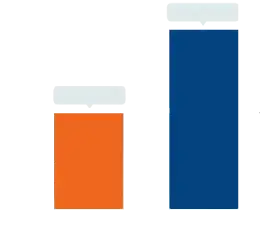
Market Size in USD Billion

 USD
23.34 Billion
USD
37.20 Billion
2024
2032
USD
23.34 Billion
USD
37.20 Billion
2024
2032
 Forecast Period Forecast Period |
2025 - 2032 |
 Market Size (Base Year) Market Size (Base Year) |
USD 23.34 Billion |
 Market Size (Forecast Year) Market Size (Forecast Year) |
USD 37.20 Billion |
 CAGR CAGR |
% |
| Major Markets Players |
|
Lead Market Size
- The global lead market was valued at USD 23.34 billion in 2024 and is expected to reach USD 37.20 billion by 2032
- During the forecast period of 2025 to 2032 the market is likely to grow at a CAGR of 6.00%, primarily driven by the increasing demand from energy storage and automotive sectors
- This growth is driven by factors such as rising adoption of lead-acid batteries, growth in renewable energy storage applications, and infrastructure development in emerging economies
Lead Market Analysis
- Lead is a critical industrial metal used extensively across sectors such as batteries, construction, and radiation shielding, with its primary application being in the manufacturing of lead-acid batteries. These batteries are vital for automotive, industrial, and backup power systems
- The demand for lead is significantly driven by the rising adoption of electric vehicles (EVs) and the growing need for energy storage solutions, particularly in renewable energy systems. Over half of the global demand for lead is attributed to the battery segment, with the highest consumption seen in regions emphasizing sustainable energy storage
- North America leads the global lead market primarily due to high demand from the automotive industry, especially in the U.S., where lead-acid batteries are extensively used in both conventional and advanced vehicles, including electric and hybrid models
- For instance, China's push toward renewable energy and electric mobility has significantly increased its demand for lead-acid batteries, making it a global hub for lead-based energy solutions. Additionally, ongoing investments in grid energy storage are boosting domestic demand
- Globally, lead-acid batteries remain the most widely used battery type due to their cost-effectiveness, reliability, and recyclability. These batteries continue to be indispensable in start-stop vehicle systems, telecom towers, UPS systems, and off-grid solar applications, driving sustained demand for lead worldwide
Report Scope and Lead Market Segmentation
|
Attributes |
Lead Key Market Insights |
|
Segments Covered |
|
|
Countries Covered |
North America
Europe
Asia-Pacific
Middle East and Africa
South America
|
|
Key Market Players |
|
|
Market Opportunities |
|
|
Value Added Data Infosets |
In addition to the insights on market scenarios such as market value, growth rate, segmentation, geographical coverage, and major players, the market reports curated by the Data Bridge Market Research also include import export analysis, production capacity overview, production consumption analysis, price trend analysis, climate change scenario, supply chain analysis, value chain analysis, raw material/consumables overview, vendor selection criteria, PESTLE Analysis, Porter Analysis, and regulatory framework. |
Lead Market Trends
“Rising Emphasis on Battery Recycling and Circular Economy”
- One prominent trend in the global lead market is the increased focus on battery recycling and the development of a circular economy within the lead supply chain
- With over 85% of lead consumption tied to lead-acid battery production, the recycling of used batteries has become both an environmental and economic imperative
- For instance, recycled lead now accounts for more than half of the global lead supply, significantly reducing the dependency on primary mining operations. Countries with mature recycling infrastructures, such as the U.S. and Germany, are setting benchmarks in sustainable lead usage
- This trend is supported by stringent environmental regulations, which are pushing manufacturers to adopt eco-friendly practices and invest in advanced recycling technologies. Companies are also partnering with battery manufacturers to establish closed-loop systems that recover and reuse lead efficiently
- The shift towards sustainable production and resource conservation is reshaping the global lead industry, promoting cost-effective operations and meeting the growing demand for green energy solutions, especially in off-grid and backup power applications
Lead Market Dynamics
Driver
“Growing Demand Due to Expansion in Energy Storage and Automotive Sectors”
- The global demand for lead is being significantly driven by its widespread use in energy storage systems and the automotive industry, especially in lead-acid batteries, which remain a preferred energy solution due to their affordability, recyclability, and reliability
- As the world shifts toward renewable energy sources, the need for scalable, cost-effective storage has intensified. Lead-acid batteries are critical for grid stabilization, backup power, and off-grid renewable setups, particularly in emerging economies and rural electrification projects
- The automotive sector also continues to heavily rely on lead-acid batteries for start-stop systems, SLI (starting, lighting, and ignition), and auxiliary support in electric vehicles (EVs). This consistent demand is supporting stable growth in the global lead market
- In addition, the robust recycling ecosystem for lead—where more than 85% of the lead used is recycled—supports sustainability goals and makes it a resilient material amid growing environmental regulations
For instance,
- In January 2024, Clarios, a global leader in lead-acid battery manufacturing, announced a USD 300 million investment in expanding its battery recycling and production capabilities in the U.S. to meet growing demand in the automotive and energy storage sectors
- As a result of these developments, the global lead market continues to grow, driven by essential applications in energy and mobility, making it a strategic material for both industrial and green energy transitions
Opportunity
“Expanding Opportunities in Energy Storage for Renewable Integration”
- The global push toward decarbonization and energy transition is opening up significant opportunities for the lead market, particularly in the area of renewable energy storage. Lead-acid batteries continue to play a critical role in enabling efficient storage of solar and wind power, especially in off-grid and backup systems
- As governments and utilities seek to improve grid resilience and extend electricity access in remote regions, the demand for affordable, scalable, and recyclable energy storage solutions is growing. Lead-based batteries provide a cost-effective option for such applications, especially in developing economies where lithium-ion options remain expensive
- Furthermore, advancements in enhanced flooded batteries (EFBs) and absorbent glass mat (AGM) technologies are boosting the performance of lead-acid batteries, allowing them to serve a wider range of industrial, telecom, and hybrid vehicle uses
For instance,
- In February 2024, EnerSys, a global leader in stored energy solutions, announced a partnership with India’s Ministry of Power to deploy lead-acid battery systems for rural electrification projects, bringing stable energy storage to over 1,000 off-grid villages
- The integration of lead-based batteries into large-scale renewable energy projects is expected to offer long-term opportunities for manufacturers, especially as global electrification efforts continue and the need for cost-effective, recyclable solutions grows
Restraint/Challenge
“Environmental and Health Concerns Impacting Market Perception and Regulation”
- One of the most significant challenges facing the global lead market is the environmental and health-related concerns associated with lead extraction, processing, and recycling. Lead is a toxic heavy metal, and exposure can result in serious health effects, including neurological and developmental damage—especially in children
- The risks posed by lead contamination have led to stringent environmental regulations in several regions, increasing operational costs for mining and manufacturing companies and limiting the expansion of new facilities
- In addition, negative public perception surrounding lead use and the growing push toward "cleaner" alternatives—such as lithium-ion and other non-toxic materials—have intensified scrutiny on the industry
For instance,
- In August 2023, the European Chemicals Agency (ECHA) proposed new restrictions on lead use in PVC products and reinforced policies on occupational lead exposure limits across the EU, significantly impacting the metal's industrial usage landscape
- As a result, environmental compliance costs, reputational risks, and regulatory uncertainties pose substantial barriers for the lead industry, especially for smaller operators and in regions with stricter enforcement, potentially restraining market growth and innovation.
Lead Market Scope
The market is segmented on the basis of product type, isotope, application, and end user.
|
Segmentation |
Sub-Segmentation |
|
By Product Type |
|
|
By Isotope |
|
|
By Application |
|
|
By End Users |
|
Lead Market Regional Analysis
“Asia Pacific Emerges as the Fastest-Growing Region in the Global Lead Market”
- North America leads the global lead market primarily due to high demand from the automotive industry, especially in the U.S., where lead-acid batteries are extensively used in both conventional and advanced vehicles, including electric and hybrid models
- The growing emphasis on renewable energy and the subsequent need for efficient energy storage systems are boosting the adoption of lead-acid batteries, particularly in grid storage applications across the U.S. and Canada
- U.S. is the dominating country due to its large automotive sector, well-developed lead recycling infrastructure, extensive use of lead-acid batteries across industries, and significant investment in energy storage technologies
- The region has a well-established and regulated lead recycling industry, which supports sustainable sourcing and meets a large portion of domestic demand, further solidifying North America's market position
- Increasing awareness about the environmental benefits of lead recycling and the advantages of using reliable energy storage in vehicles and backup power systems are contributing to the region’s growth
“Asia-Pacific is Projected to Register the Highest Growth Rate”
- The Asia-Pacific region is projected to record the highest growth rate in the global lead market during the forecast period, fueled by strong industrialization, expanding automotive and telecom sectors, and growing demand for energy storage solutions
- Countries like China, India, and South Korea are key contributors to this growth, with significant consumption of lead-acid batteries in electric two-wheelers, backup power systems, and off-grid renewable energy storage, particularly in rural and semi-urban areas
- China, as the world’s largest producer and consumer of lead, continues to drive both primary and secondary lead production, supported by its large-scale recycling industry and dominance in the battery manufacturing ecosystem
- India, with its surging automotive production, expansion of telecom towers, and increasing use of solar energy systems, is witnessing rapid growth in lead demand—especially from battery manufacturers catering to both industrial and consumer applications
Lead Market Share
The market competitive landscape provides details by competitor. Details included are company overview, company financials, revenue generated, market potential, investment in research and development, new market initiatives, global presence, production sites and facilities, production capacities, company strengths and weaknesses, product launch, product width and breadth, application dominance. The above data points provided are only related to the companies' focus related to market.
The Major Market Leaders Operating in the Market Are:
- KOREAZINC (South Korea)
- Aqua Metals, Inc. (U.S.)
- Yuguang Gold Lead Co., Ltd. (China)
- Nyrstar (Belgium)
- Hemendra Metal Industries (India)
- BHP (Australia)
- Teck Resources Limited (Canada)
- Gravita India Ltd (India)
- Canada Metal North America Ltd. (Canada)
- Non Ferrous Metals Inc. (U.S.)
- Hindustan Zinc (India)
- H.M.S Metal Corporation (India)
- South32 (Australia)
- M.A. Metal Corporation (Japan)
- Vedanta Resources Limited (U.K.)
- Mayco Industries (U.S.)
- Gorevsky GOK (Russia)
- ENERSYS (U.S.)
- The Doe Run Company (U.S.)
- Glencore (Switzerland)
Latest Developments in Global Lead Market
- In November 2024, commodity trader Trafigura delivered substantial amounts of lead to London Metal Exchange (LME) warehouses in Singapore. This move was part of lucrative rent-sharing deals, contributing to LME lead inventories reaching 276,250 metric tons on November 18, the highest in over 11 years
- Amara Raja Energy and Mobility Ltd announced plans to start commercial operations at its greenfield lead-acid battery recycling plant in Tamil Nadu by the end of November 2024. The facility, with an initial capacity of 100,000 metric tons per annum, aims to cater to 25-30% of the company's overall raw material requirements
- In December 2024, LICO Materials inaugurated India's largest battery recycling facility in Bengaluru. The plant has an initial capacity of 4 GWh, scalable to 10 GWh, and is designed to recycle and repurpose 17,500 metric tons of batteries annually, supporting India's growing EV market and reducing reliance on critical material imports
- BatX Energies opened a lithium battery recycling and critical minerals extraction plant in Uttar Pradesh, India, in December 2024. The facility uses hydrometallurgical processes to extract materials such as lithium, cobalt, nickel, and manganese from used lithium-ion batteries, contributing to sustainable industrial practices
- In January 2025, Ace Green Recycling announced plans to build India's largest lithium iron phosphate (LFP) battery recycling facility in Mundra, Gujarat. The plant is expected to process 10,000 metric tons of LFP batteries annually by 2026, utilizing zero-emission technology and creating approximately 50 local jobs
SKU-

- Interactive Data Analysis Dashboard
- Company Analysis Dashboard for high growth potential opportunities
- Research Analyst Access for customization & queries
- Competitor Analysis with Interactive dashboard
- Latest News, Updates & Trend analysis
- Harness the Power of Benchmark Analysis for Comprehensive Competitor Tracking
Global Lead Market, Supply Chain Analysis and Ecosystem Framework
To support market growth and help clients navigate the impact of geopolitical shifts, DBMR has integrated in-depth supply chain analysis into its Global Lead Market research reports. This addition empowers clients to respond effectively to global changes affecting their industries. The supply chain analysis section includes detailed insights such as Global Lead Market consumption and production by country, price trend analysis, the impact of tariffs and geopolitical developments, and import and export trends by country and HSN code. It also highlights major suppliers with data on production capacity and company profiles, as well as key importers and exporters. In addition to research, DBMR offers specialized supply chain consulting services backed by over a decade of experience, providing solutions like supplier discovery, supplier risk assessment, price trend analysis, impact evaluation of inflation and trade route changes, and comprehensive market trend analysis.
Data collection and base year analysis are done using data collection modules with large sample sizes. The stage includes obtaining market information or related data through various sources and strategies. It includes examining and planning all the data acquired from the past in advance. It likewise envelops the examination of information inconsistencies seen across different information sources. The market data is analysed and estimated using market statistical and coherent models. Also, market share analysis and key trend analysis are the major success factors in the market report. To know more, please request an analyst call or drop down your inquiry.
The key research methodology used by DBMR research team is data triangulation which involves data mining, analysis of the impact of data variables on the market and primary (industry expert) validation. Data models include Vendor Positioning Grid, Market Time Line Analysis, Market Overview and Guide, Company Positioning Grid, Patent Analysis, Pricing Analysis, Company Market Share Analysis, Standards of Measurement, Global versus Regional and Vendor Share Analysis. To know more about the research methodology, drop in an inquiry to speak to our industry experts.
Data Bridge Market Research is a leader in advanced formative research. We take pride in servicing our existing and new customers with data and analysis that match and suits their goal. The report can be customized to include price trend analysis of target brands understanding the market for additional countries (ask for the list of countries), clinical trial results data, literature review, refurbished market and product base analysis. Market analysis of target competitors can be analyzed from technology-based analysis to market portfolio strategies. We can add as many competitors that you require data about in the format and data style you are looking for. Our team of analysts can also provide you data in crude raw excel files pivot tables (Fact book) or can assist you in creating presentations from the data sets available in the report.