What is the Sleep Masks Market Size and Growth Rate?
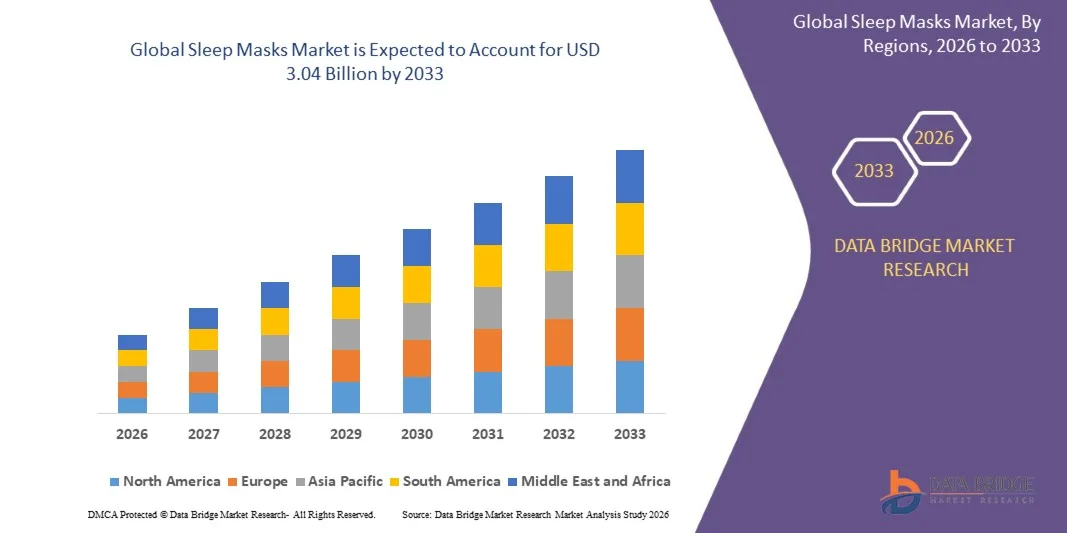
- As per Data Bridge Market Research analysis, the sleep masks market was valued at USD 1.87 Billion in 2025 and is projected to reach USD 3.04 Billion by 2033, growing at a CAGR of 6.30% from 2026 to 2033.
- The market is experiencing consistent growth driven by the rising prevalence of sleep disorders, hectic urban lifestyles, growing awareness of sleep hygiene, a rising urban middle class in developing economies, and a steady stream of innovative product launches and social media marketing.
- The increasing focus on restorative sleep, combined with growing consumer interest in comfort, light-blocking performance, and wellness accessories, is supporting market adoption. Sleep masks are being used by people dealing with sleep apnea, insomnia, and jet lag, as well as by travelers, shift workers, and wellness-focused consumers pursuing sleep optimization, with silk, gel, aromatic, and lightweight designs offered across online and offline channels.
Market Size & Forecast
- Global Market Value (2025): USD 1.87 Billion
- Expected Market Value (2033): USD 3.04 Billion
- Forecast CAGR (2026–2033): 6.30%
- Leading Region in 2025: North America
- Fastest Growing Region: Asia Pacific
What are the Major Takeaways of the Sleep Masks Market?
- North America dominated the sleep masks market with the largest revenue share of 38.20% in 2025 supported by the high occurrence of sleep disorders such as sleep apnea, insomnia, and restless leg syndrome, along with strong consumer spending on sleep wellness.
- Asia-Pacific is expected to be the fastest-growing region at a CAGR of 8.55% from 2026 to 2033, fueled by growing sleep disorder cases, rising disposable incomes, and expanding e-commerce penetration.
- The natural silk segment led the type category with a 32.60% share in 2025, driven by its skin-friendly, breathable, and premium positioning.
- Aromatic masks are the fastest-growing type, projected to register a CAGR of 7.85%, reflecting demand for relaxation-oriented, lavender and essential-oil-infused products.
- The regular segment dominated the product category with a 45.30% revenue share in 2025, led by affordability and wide availability, while contoured masks are the fastest-growing product, with a CAGR of 7.50%.
- The offline channel accounted for 58.70% of the market share in 2025, whereas the online channel is the fastest-growing distribution channel, with a CAGR of 8.20%.
- Women accounted for 63.40% of consumer demand in 2025, while men are the fastest-growing consumer group, with a CAGR of 7.10%, driven by travel, shift work, and wellness-led purchasing.
Report Scope and Sleep Masks Market Segmentation
|
Attributes |
Sleep Masks Key Market Insights |
|
Segments Covered |
|
|
Countries Covered |
North America
Europe
Asia-Pacific
Middle East and Africa
South America
|
|
Key Market Players |
|
|
Market Opportunities |
|
|
Value Added Data Infosets |
In addition to the insights on market scenarios such as market value, growth rate, segmentation, geographical coverage, and major players, the market reports curated by the Data Bridge Market Research also include in-depth expert analysis, pricing analysis, brand share analysis, consumer survey, demography analysis, supply chain analysis, value chain analysis, raw material/consumables overview, vendor selection criteria, PESTLE Analysis, Porter Analysis, and regulatory framework. |
What is the Key Trend in the Sleep Masks Market?
- Sleep masks are increasingly evolving from simple light-blocking fabric covers into connected wellness devices, combining contoured light-blocking designs, wireless audio, light therapy, temperature control, and sleep tracking to help users fall asleep faster and maintain better sleep quality.
- For instance, in January 2025, according to U.S. patent filings assigned to LumosTech, Inc., the company described a sleep mask system that obtains a user’s light-sensitivity data, compares it with calibration data, and generates instructions for activating built-in lights to adjust the user’s circadian rhythm, demonstrating the expansion of sleep masks into circadian-health applications.
- Contoured and modular eye-cup designs that block light without pressing on the eyelids are gaining preference, particularly among side sleepers and consumers wearing eyelash extensions, which is shifting purchases from flat masks toward premium shapes.
- Natural and sustainable materials, including mulberry silk, modal, and eucalyptus fibers, along with weighted designs for deep pressure relaxation, are gaining traction as consumers link sleep products to skin care and mental well-being.
- For instance, in July 2025, according to Business Wire, REMspace launched LucidMe, a smart sleep mask offering five programs for faster sleep onset, real-time sleep stage tracking, and lucid dream induction, highlighting the integration of artificial intelligence and neurotechnology into sleep masks.
- As sensors, wireless connectivity, comfort materials, and personalized sleep programs continue to advance, sleep masks are expected to expand beyond basic eye covers into travel, shift-work, athlete recovery, and digital wellness ecosystems.
What are the Key Drivers of the Sleep Masks Market?
- The growing burden of insomnia and other sleep disturbances, along with irregular work schedules, screen exposure, and urban light and noise pollution, is increasing consumer demand for simple, non-pharmacological aids that improve sleep quality.
- For instance, in May 2025, according to the Journal of Sleep Research, a meta-analysis of general-population studies found a pooled insomnia disorder prevalence of 12.4% when diagnosed by structured interview and 16.3% when assessed by self-reported diagnostic questions, indicating a large addressable consumer base for sleep aids.
- Rising awareness of the health benefits of quality sleep, together with clinical evidence supporting light-blocking aids, is encouraging adoption among both consumers and healthcare settings, where masks are used as an inexpensive, non-invasive intervention.
- For instance, in July 2024, according to Cureus, a study of intensive care unit patients evaluated the overnight use of earplugs and eye masks for three consecutive nights to improve sleep quality and reduce fatigue, supporting the role of sleep masks as a low-cost non-pharmacological aid.
- The growth of travel, shift-based employment, and an urban middle class in developing economies, along with social media marketing and the rapid expansion of e-commerce, is widening access to a broad range of price points and designs.
What Factors Are Challenging the Growth of the Sleep Masks Market?
- Sleep masks require frequent cleaning, and repeated washing can degrade materials such as silk, foam, and elastic straps, shortening product life and prompting replacement purchases only among committed users.
- For instance, in October 2026, according to a Yahoo report on GeniYes’ Sleepmaxxer Mask, conventional sleep masks routinely slip off the face before deep sleep begins, press directly on closed eyelids, and lose their shape within a dozen wash cycles, highlighting fit and durability concerns that limit consumer satisfaction.
- High competition among branded, private-label, and unbranded sellers, particularly on online marketplaces, is putting pressure on prices and margins, while the higher cost of premium silk and smart masks restricts adoption among price-sensitive consumers.
- Smart and heated masks add complexity in the form of batteries, electronics, and thermal safety systems, which raises manufacturing cost and creates quality-assurance and regulatory requirements.
- For instance, in August 2026, according to GlobeNewswire, DR H launched its Mind Ease Mask integrating light management, adjustable temperature control, and audio, and included an intelligent high-temperature protection system designed to monitor temperature and help prevent excessive heating, illustrating the engineering and safety requirements of connected masks.
- Alternatives such as blackout curtains, white-noise machines, melatonin supplements, and sleep applications compete for the same consumer budget, while the relatively short service life of products can complicate raw material planning and supply.
How is the Sleep Masks Market Segmented?
The sleep masks market is segmented on the basis of type, product, distribution channel, and consumer.
- By Type
On the basis of type, the sleep masks market is segmented into natural silk, gel mask, aromatic, lightweight, and others. The natural silk segment dominated the market with 32.60% share in 2025, supported by its smooth, breathable, and hypoallergenic properties and its association with skin and hair care benefits. Mulberry silk masks are widely purchased as gifts and travel accessories, and consumers are willing to pay a premium for softness and durability. Brand collaborations with sleepwear and bedding labels further strengthen demand and reinforce the segment’s luxury positioning.
The aromatic segment is projected to register the fastest growth at a CAGR of 7.85% from 2026 to 2033, driven by growing interest in aromatherapy and relaxation rituals. Lavender, chamomile, and other essential-oil or herb-filled masks are marketed for stress relief and calm before sleep. Gel masks are expected to expand through cooling and de-puffing benefits, while lightweight masks continue to appeal to travelers who prioritize compact, easy-to-pack designs.
- By Product
On the basis of product, the sleep masks market is segmented into regular, contoured, wrap around, and others. The regular segment dominated the market with 45.30% share in 2025, supported by affordability, simple design, and widespread availability across supermarkets, pharmacies, airports, and online marketplaces. Flat masks are widely used as everyday sleep aids and promotional products, and they serve as the entry point for first-time buyers, which sustains high unit volumes even as consumers gradually trade up.
The contoured segment is projected to register the fastest growth at a CAGR of 7.50% from 2026 to 2033, driven by designs that create space around the eyes, block light more completely, and avoid pressure on eyelids and lashes. Contoured masks are particularly preferred by side sleepers and frequent travelers, and they support higher price points and brand loyalty. Wrap-around designs are expected to benefit from demand for secure fit and full-coverage blackout, particularly among shift workers.
- By Distribution Channel
On the basis of distribution channel, the sleep masks market is segmented into online and offline. The offline segment dominated the market with 58.70% share in 2025, supported by availability through supermarkets, hypermarkets, pharmacies, department stores, airports, and specialty home and wellness stores. Consumers often buy sleep masks as impulse or travel purchases, and the ability to evaluate fabric and fit before buying continues to favor physical retail, particularly in regions with limited online penetration.
The online segment is projected to register the fastest growth at a CAGR of 8.20% from 2026 to 2033, driven by growing internet penetration, direct-to-consumer brands, influencer reviews, and subscription and gifting offers. E-commerce platforms allow comparison across a wide range of materials, designs, and price points, and they provide consumers with access to niche smart and weighted masks. Social media marketing and rapid product discovery are further accelerating online sales.
- By Consumer
On the basis of consumer, the sleep masks market is segmented into men and women. The women segment dominated the market with 63.40% share in 2025, supported by higher spending on beauty, self-care, and sleep wellness, as well as the use of silk and gel masks for skin benefits. Women also represent a larger share of gift purchases, and brand marketing frequently targets this group through lifestyle, travel, and beauty channels, sustaining strong demand for premium and aesthetically designed products.
The men segment is projected to register the fastest growth at a CAGR of 7.10% from 2026 to 2033, driven by growing awareness of sleep quality and productivity, increased travel, and rising participation in fitness and recovery routines. Brands are introducing neutral designs, adjustable fits, and tech-enabled masks that appeal to male consumers, and the expansion of men’s wellness and grooming categories is expected to further support adoption.
Which Region Holds the Largest Share of the Sleep Masks Market?
- North America dominated the sleep masks market with the largest revenue share of 38.20% in 2025, supported by the rising occurrence of sleep disorders, including sleep apnea, insomnia, and restless leg syndrome, along with strong consumer spending on sleep and wellness products.
- The region also benefits from high awareness of sleep hygiene, a strong presence of direct-to-consumer and premium brands, and widespread use of online retail. Rising demand for travel accessories, silk and contoured masks, and smart sleep wearables continues to strengthen North America’s position, with the regional market expected to reach approximately USD 1,088.00 million by 2033.
U.S. Sleep Masks Market Insight
The U.S. sleep masks market is witnessing strong growth due to a high prevalence of sleep disturbances, strong wellness spending, and a mature direct-to-consumer ecosystem. Consumers are increasingly purchasing contoured, silk, and weighted masks through online platforms and specialty retailers, while travel and shift-work needs support steady demand. In addition, growing interest in sleep tracking, circadian health, and biohacking is accelerating adoption of smart and light-therapy masks.
Asia-Pacific Sleep Masks Market Insight
The Asia-Pacific sleep masks market is expected to witness rapid growth, expanding at a CAGR of 8.55% from 2026 to 2033, driven by growing sleep disorder cases, rising disposable incomes, and the expansion of e-commerce across countries such as China, India, and Japan. Urban lifestyles, long working hours, and growing awareness of sleep health are supporting regional demand, with the share expected to rise from 21.50% in 2025 to 25.42% by 2033.
Japan Sleep Masks Market Insight
The Japan sleep masks market is witnessing consistent growth due to long working hours, high awareness of sleep quality, and a strong culture of comfort and wellness products. Consumers favor steam-warming, lightweight, and aroma-infused masks, and domestic brands focus on soft materials and refined design. Moreover, a rapidly aging population and rising interest in sleep-supporting products are further contributing to market growth in Japan.
China Sleep Masks Market Insight
The China sleep masks market is growing rapidly, driven by an expanding urban middle class, high levels of work-related stress, and strong e-commerce and livestreaming channels. Young consumers are purchasing silk, gel, and heated masks as part of self-care routines, while domestic manufacturers supply a wide range of affordable designs. Growing attention to sleep health is significantly boosting demand, positioning China as a key growth market for sleep masks across Asia-Pacific.
U.K. Sleep Masks Market Insight
The U.K. sleep masks market is experiencing steady growth, supported by increasing awareness of sleep hygiene, strong online retail, and rising demand for silk and sustainable sleep accessories. Consumers purchase masks for travel, shift work, and home use, and bedding and lifestyle brands are broadening their offerings. Furthermore, growing interest in wellness gifting and weighted products is supporting wider adoption of sleep masks in the U.K.
Germany Sleep Masks Market Insight
The Germany sleep masks market is expanding steadily due to growing awareness of sleep quality, a strong preference for skin-friendly, certified materials, and well-developed pharmacy, drugstore, and online retail networks. Consumers value comfort, durability, and sustainability, and demand for contoured and washable designs is increasing. Continuous product innovation, together with Germany’s focus on quality and consumer safety, is further driving market growth in the country.
Which are the Top Companies in Sleep Masks Market?
The sleep masks industry is primarily led by well-established companies, including:
- Koninklijke Philips N.V. (Netherlands)
- L’Oréal S.A. (France)
- Unilever PLC (U.K.)
- Procter & Gamble (U.S.)
- Shiseido Company, Limited (Japan)
- AMOREPACIFIC Corporation (South Korea)
- Dior (France)
- Chanel (France)
- Groupe Clarins (France)
- PEPKOR TRADING LTD PTY (South Africa)
- LumosTech, Inc. (U.S.)
- Nidra (U.S.)
- Alaska Bear (U.S.)
- HappyLuxe (U.S.)
- Bedtime Bliss (U.S.)
- Wild Essentials LLC (U.S.)
- Sonoma Lavender (U.S.)
- EARTH THERAPEUTICS (U.S.)
- EcoTools (U.S.)
- Dream on Me (U.S.)
What are Latest Developments in Sleep Masks Market?
- In October 2026, GeniYes launched the Sleepmaxxer Mask on Kickstarter, a non-electronic modular sleep mask with contoured eye cups, a removable chin strap, and a pocket for external nasal dilators, with shipping projected to begin in November 2026; the company reported that the campaign reached its funding goal within 3.5 hours.
- In August 2026, smart wearable brand DR H launched the Mind Ease Mask, an intelligent sleep wearable that combines 3D light-blocking, adjustable temperature control with a timer, and built-in Bluetooth audio, expanding the company’s portfolio from smart rings into sleep-focused wellness.
- In May 2026, Bearaby introduced its Dreamer Weighted Sleep Mask in its marketing channels, positioning the gently weighted, light-blocking design for deeper rest and extending its weighted sleep product line.
- In December 2025, Nidra reported that The New York Times Wirecutter had named its Deep Rest Sleep Mask the top blackout sleep mask pick for seven consecutive years, highlighting the market’s emphasis on contoured, lash-friendly light-blocking designs.
- In July 2025, REMspace launched LucidMe, a smart sleep mask with artificial intelligence-powered sleep, snoring, and dream features, offering five programs for faster sleep onset, sleep stage tracking, and lucid dream induction.
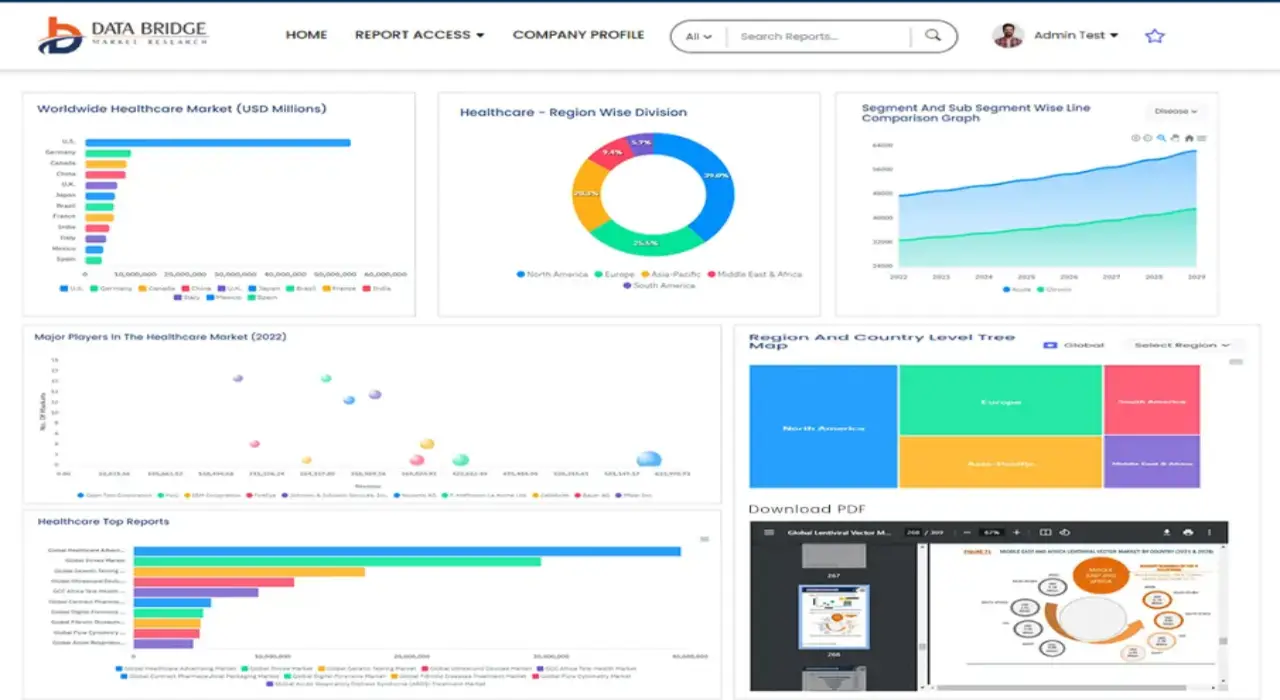
- Interactive Data Analysis Dashboard
- Company Analysis Dashboard for high growth potential opportunities
- Research Analyst Access for customization & queries
- Competitor Analysis with Interactive dashboard
- Latest News, Updates & Trend analysis
- Harness the Power of Benchmark Analysis for Comprehensive Competitor Tracking
Data collection and base year analysis are done using data collection modules with large sample sizes. The stage includes obtaining market information or related data through various sources and strategies. It includes examining and planning all the data acquired from the past in advance. It likewise envelops the examination of information inconsistencies seen across different information sources. The market data is analysed and estimated using market statistical and coherent models. Also, market share analysis and key trend analysis are the major success factors in the market report. To know more, please request an analyst call or drop down your inquiry.
The key research methodology used by DBMR research team is data triangulation which involves data mining, analysis of the impact of data variables on the market and primary (industry expert) validation. Data models include Vendor Positioning Grid, Market Time Line Analysis, Market Overview and Guide, Company Positioning Grid, Patent Analysis, Pricing Analysis, Company Market Share Analysis, Standards of Measurement, Global versus Regional and Vendor Share Analysis. To know more about the research methodology, drop in an inquiry to speak to our industry experts.
Data Bridge Market Research is a leader in advanced formative research. We take pride in servicing our existing and new customers with data and analysis that match and suits their goal. The report can be customized to include price trend analysis of target brands understanding the market for additional countries (ask for the list of countries), clinical trial results data, literature review, refurbished market and product base analysis. Market analysis of target competitors can be analyzed from technology-based analysis to market portfolio strategies. We can add as many competitors that you require data about in the format and data style you are looking for. Our team of analysts can also provide you data in crude raw excel files pivot tables (Fact book) or can assist you in creating presentations from the data sets available in the report.