What is the Tunnel Boring Machine Market Size and Growth Rate?
- As per Data Bridge Market Research analysis, the tunnel boring machine market was valued at USD 7.98 billion in 2025 and is projected to reach USD 13.20 billion by 2033, growing at a CAGR of 6.50% from 2026 to 2033.
- The market is experiencing consistent growth driven by rising investments in underground transportation infrastructure, increasing demand for efficient tunneling solutions, and expanding applications across metro rail networks, highways, railway systems, water management, and utility infrastructure.
- The growing need to expand urban metro networks, high-speed rail corridors, and underground road infrastructure, coupled with increasing investments in water supply, wastewater, and hydropower projects, is encouraging the adoption of tunnel boring machines. Their ability to deliver precise excavation, improve worker safety, minimize surface disruption, and support faster construction in complex geological conditions is strengthening demand for advanced tunneling equipment across major infrastructure projects.
Market Size & Forecast
- Global Market Value (2025): USD 7.98 Billion
- Expected Market Value (2033): USD 13.20 Billion
- Forecast CAGR (2026–2033): 6.50%
- Leading Region in 2025: North America
- Fastest Growing Region: Asia Pacific
What are the Major Takeaways of the Tunnel Boring Machine Market?
- North America dominated the tunnel boring machine market with the largest revenue share of 38.0% in 2025, supported by investments in transportation infrastructure, underground utility networks, and modernization of aging tunnels.
- Asia-Pacific is expected to be the fastest-growing region at a CAGR of 7.5% from 2026 to 2033, fueled by rapid urbanization, expanding metro rail networks, increasing high-speed railway investments, and growing underground infrastructure development in China, India, and Japan.
- The earth pressure balance shield TBM segment led the market with a 32.8% share in 2025, driven by its ability to maintain face stability and control ground settlement during excavation
- Multi-mode TBM are the fastest-growing machine type, projected to register a CAGR of 13.3%, reflecting the surge in increasing demand for adaptable tunneling equipment.
- The mechanized tunneling segment dominated the tunnelling method category with a 40% revenue share in 2025, led by its widespread use in transportation infrastructure, metro networks, and underground utility projects.
- Soft ground accounted for 42% of the market share in 2025, preferred by extensive tunneling requirements across urban transportation, metro rail, and underground utility projects.
- The variable ground segment is the fastest-growing geology type category, with a CAGR of 9.7%, driven by tunneling projects that cross multiple geological formations along a single alignment.
Report Scope and Tunnel Boring Machine Market Segmentation
|
Attributes |
Tunnel Boring Machine Key Market Insights |
|
Segments Covered |
|
|
Countries Covered |
North America
Europe
Asia-Pacific
Middle East and Africa
South America
|
|
Key Market Players |
|
|
Market Opportunities |
|
|
Value Added Data Infosets |
In addition to the market insights such as market value, growth rate, market segments, geographical coverage, market players, and market scenario, the market report curated by the Data Bridge Market Research team includes in-depth expert analysis, import/export analysis, pricing analysis, production consumption analysis, and pestle analysis. |
What is the Key Trend in the Tunnel Boring Machine Market?
- Tunnel boring machine manufacturers are increasingly integrating digital technologies, automated control systems, and real-time monitoring to improve excavation precision, operational efficiency, and worker safety across complex underground construction projects.
- For instance, in June 2025, Springer Nature’s Artificial Intelligence Review published “Advances in artificial intelligence and digital twin for tunnel boring machines,” reviewing how AI-enabled environmental perception, automated control, and predictive health management can improve TBM operations and support intelligent tunneling.
- Real-time monitoring of geological conditions, machine performance, cutter wear, and excavation pressure enables operators to optimize tunneling parameters and reduce unexpected equipment downtime.
- Infrastructure developers are increasingly adopting digital twin systems and data-driven maintenance strategies to improve operational reliability and manage changing ground conditions during long-distance tunneling projects.
- For instance, in February 2024, Elsevier’s Automation in Construction published “Digital twin enabled real-time advanced control of TBM operation using deep learning methods,” presenting a digital-twin-based control approach tested using data from a Singapore tunneling project. The study reported a 21.12% overall improvement across its operational optimization objectives, including efficiency, safety, energy consumption, and tool wear.
- As infrastructure projects increasingly prioritize precision, productivity, and predictive maintenance, the integration of automation, artificial intelligence, and digital monitoring is expected to strengthen the adoption of technologically advanced tunnel boring machines worldwide.
What are the Key Drivers of the Tunnel Boring Machine Market?
- The rising investments in metro rail networks, high-speed rail corridors, highway tunnels, and underground utility infrastructure are increasing demand for tunnel boring machines capable of delivering efficient excavation with minimal surface disruption.
- For instance, in May 2025, the U.K. Department for Transport reported that HS2 completed the first 3.5-mile Bromford Tunnel excavation into Birmingham using a tunnel boring machine, demonstrating the growing demand for mechanized tunneling in high-speed railway infrastructure projects.
- Governments and infrastructure developers are increasingly prioritizing mechanized tunneling to improve construction safety, maintain ground stability, and accelerate the development of transportation and urban infrastructure.
- For instance, in February 2025, Delhi Metro Rail Corporation (DMRC) announced the completion of a 1.475-kilometer underground tunnel between Chhatarpur Mandir and IGNOU stations on the Aerocity–Tughlakabad corridor under Phase IV, highlighting the role of TBMs in expanding urban metro infrastructure.
- As urban populations grow and governments expand underground transportation, water management, and utility networks, demand for advanced tunnel boring machines is expected to increase across major infrastructure markets
What Factors are Challenging the Growth of the Tunnel Boring Machine Market?
- Tunnel boring machines require substantial upfront investment due to their large-scale engineering, specialized cutterheads, hydraulic systems, ground-pressure controls, and customized designs for specific geological conditions.
- For instance, in August 2024, ABC News reported that Snowy Hydro acquired a fourth tunnel boring machine for Australia's Snowy 2.0 hydropower project after repeated operational problems with the existing TBM, Florence. The project faced delays and cost overruns, with its estimated cost reaching AUD 12 billion, highlighting the financial risks associated with equipment performance and complex geological conditions
- These high capital costs, combined with maintenance expenses, specialized labor requirements, and uncertain excavation conditions, can limit adoption among smaller contractors and delay infrastructure projects.
- For instance, in May 2024, ABC News reported that the Florence tunnel boring machine at Australia's Snowy 2.0 hydropower project became wedged in hard rock, following earlier difficulties in soft ground. The equipment problems threatened construction schedules for the project, highlighting how unpredictable geological conditions can disrupt TBM operations and increase project costs
- Geological uncertainty, unexpected groundwater conditions, and equipment maintenance requirements continue to increase project complexity, creating financial risks and potentially slowing the deployment of tunnel boring machines across cost-sensitive infrastructure markets.
How is the Tunnel Boring Machine Market Segmented?
The tunnel boring machine market is segmented on the basis of machine type, tunneling method, geology type, and end-user.
- By Machine Type
On the basis of machine type, the tunnel boring machine market is segmented into slurry type, Earth Pressure Balance (EPB) Shield TBM, shielded TBM, multi-mode TBM, and others. The earth pressure balance shield TBM segment dominated the market with an estimated 32.8% share in 2025, owing to its ability to maintain face stability and control ground settlement during excavation. These machines are particularly suitable for soft soils and mixed ground conditions in urban environments where buildings, roads, and underground utilities require protection. Their ability to balance excavated soil pressure against surrounding ground pressure helps reduce surface subsidence. EPB machines are widely used in metro rail projects, urban road tunnels, and underground infrastructure development. Continuous improvements in screw conveyors, pressure sensors, and automated excavation controls are enhancing operational efficiency.
The multi-mode TBM segment is projected to register the fastest growth at a CAGR of 13.3% from 2026 to 2033, driven by increasing demand for adaptable tunneling equipment. These systems can switch between different operating modes, including EPB and slurry configurations, depending on geological conditions and groundwater pressure. This flexibility reduces the need to deploy separate machines for different geological sections. Multi-mode TBMs are particularly useful for long-distance metro, railway, and road tunnel projects crossing mixed ground formations. Advances in automated pressure control and adaptable excavation systems are improving their operational versatility. Increasing demand for customized tunneling solutions in complex urban environments is supporting adoption.
- By Tunneling Method
On the basis of tunneling method, the tunnel boring machine market is segmented into mechanized tunneling, shield tunneling, open-face tunneling, microtunneling, pipe jacking, and rock tunneling. Mechanized tunneling segment dominated the market with an estimated 40% share in 2025, because it enables continuous excavation through soil and rock using specialized machinery. It is widely used in metro rail networks, railway corridors, road tunnels, and underground utility projects. Compared with conventional excavation methods, mechanized tunneling can improve excavation consistency and reduce disruption at the ground surface. Integration of automated steering, real-time monitoring, and mechanized muck removal further improves construction efficiency. Increasing investments in large-scale infrastructure projects continue to support the use of mechanized tunneling worldwide.
The microtunneling segment is expected to witness strong growth at a CAGR of 7.0% from 2026 to 2033, supported by increasing demand for underground water supply, sewerage, drainage, and utility networks. Microtunneling enables pipeline installation with limited surface excavation, making it suitable for congested urban environments. Remote-controlled equipment improves alignment accuracy and reduces the need for workers to enter excavation areas. The method is particularly useful beneath roads, railways, and existing infrastructure where open-cut construction would cause significant disruption. Growing requirements for wastewater management and urban flood-control systems are supporting its adoption. Improvements in guidance technology and compact excavation equipment are further strengthening demand. An independently verified CAGR for microtunneling was not available, so no unsupported growth rate has been assigned.
- By Geology Type
On the basis of geology type, the tunnel boring machine market is segmented into soft ground, hard rock ground, heterogeneous ground, and variable ground. The soft ground segment dominated the geology category with an estimated 42% share in 2025, supported by extensive tunneling requirements across urban transportation, metro rail, and underground utility projects. Soft-ground TBMs are designed to excavate soil while maintaining stability at the tunnel face. Earth pressure balance and slurry systems help manage ground pressure and groundwater during excavation. These machines are particularly valuable in densely populated cities where excessive settlement can damage nearby buildings and infrastructure.
The variable ground segment is projected to register the fastest growth at a CAGR of 9.7% from 2026 to 2033. This growth is supported by tunneling projects that cross multiple geological formations along a single alignment. Variable ground conditions can involve changes in soil strength, rock composition, groundwater pressure, and excavation resistance. TBMs designed for these conditions require adaptable cutting tools, pressure-control systems, and monitoring technologies. Infrastructure developers increasingly value equipment that can accommodate geological changes without major interruptions or machine replacement. Rising investment in complex urban and intercity tunnels is expected to strengthen demand for variable-ground tunneling solutions.
- By End-User
On the basis of end-user, the tunnel boring machine market is segmented into road transport, railway transport, metro and transit, utilities, mining, oil and gas, and others. The metro and transit segment dominated the end-user category with an estimated 39.6% share in 2025, supported by increasing investments in urban rail infrastructure and underground public transportation networks. Metro systems require extensive tunneling to connect densely populated residential, commercial, and industrial areas. TBMs help construct underground rail corridors while minimizing surface disruption and maintaining stability around existing infrastructure. Rising urban populations and increasing demand for efficient mass transit are encouraging governments to expand metro networks.
The metro and transit segment is projected to register a CAGR of 7.1% from 2026 to 2033, supported by increasing demand for urban mass transportation and underground rail connectivity. Traffic congestion and the need for reliable public transportation are encouraging cities to develop new underground rail corridors. Metro expansion projects require specialized TBMs capable of operating in densely built environments and varying soil conditions. Government investment in sustainable urban mobility is supporting the development of new metro lines and extensions to existing networks. Improvements in automated excavation, machine guidance, and real-time monitoring are helping improve construction precision and operational efficiency. These factors are expected to sustain demand for tunnel boring machines across urban transit projects.
Which Region Holds the Largest Share of the Tunnel Boring Machine Market?
- North America dominated the tunnel boring machine market with the largest revenue share of 38.0% in 2025, supported by investments in transportation infrastructure, underground utility networks, and modernization of aging tunnels.
- The region also benefits from infrastructure rehabilitation initiatives, increasing demand for efficient tunneling technologies, and investments in water and wastewater management systems. Growing development of metro extensions, highway tunnels, and underground transportation infrastructure across the U.S., Canada, and Mexico continues to support demand for advanced tunnel boring machines and strengthen North America's position in the global market.
U.S. Tunnel Boring Machine Market Insight
The U.S. tunnel boring machine market is witnessing strong growth due to rising investments in transportation infrastructure modernization, urban transit expansion, and underground utility development. The country’s aging infrastructure, along with increasing adoption of advanced tunneling technologies, is driving demand across road, railway, metro, and water management applications. In addition, growing emphasis on improving transportation connectivity, upgrading wastewater systems, and reducing surface disruption during construction is accelerating the adoption of tunnel boring machines across infrastructure projects.
Asia-Pacific Tunnel Boring Machine Market Insight
The Asia-Pacific tunnel boring machine market is expected to witness rapid growth, driven by increasing urbanization, expanding metro networks, and rising investments in railway and underground infrastructure across countries such as China, India, and Japan. Growing demand for efficient transportation systems, large-scale infrastructure development, and increasing adoption of mechanized tunneling technologies are supporting regional market expansion. Additionally, rising investments in water supply networks, sewage systems, and urban transit projects are accelerating the adoption of tunnel boring machines across public infrastructure and construction sectors.
Japan Tunnel Boring Machine Market Insight
The Japan tunnel boring machine market is witnessing consistent growth due to rising investments in transportation infrastructure, underground construction, and advanced tunneling technologies. Infrastructure developers are increasingly utilizing tunnel boring machines for railway tunnels, urban transit systems, road connectivity, and utility projects. Moreover, the country’s challenging geological conditions, focus on earthquake-resilient infrastructure, and emphasis on construction precision are encouraging the adoption of technologically advanced tunneling equipment, further contributing to market growth.
China Tunnel Boring Machine Market Insight
The China tunnel boring machine market is growing rapidly, driven by expanding high-speed railway networks, metro construction, and large-scale transportation infrastructure projects. Growing adoption of advanced mechanized tunneling systems across urban rail, road tunnels, and underground utility applications is significantly boosting market demand. In addition, rising government investments in infrastructure modernization, increasing urbanization, and continuous advancements in domestic tunneling equipment manufacturing are positioning China as a key market for tunnel boring machines globally.
U.K. Tunnel Boring Machine Market Insight
The U.K. tunnel boring machine market is experiencing steady growth, supported by investments in railway infrastructure, urban transit development, and underground utility projects. Increasing demand for efficient tunneling solutions and growing emphasis on minimizing disruption in densely populated areas are contributing to market expansion. Furthermore, adoption of advanced excavation technologies, automated monitoring systems, and improved ground-control solutions is enhancing tunneling efficiency and safety, supporting the use of tunnel boring machines across major transportation and infrastructure projects.
Germany Tunnel Boring Machine Market Insight
The Germany tunnel boring machine market is expanding steadily due to the country’s established engineering capabilities, infrastructure modernization initiatives, and increasing demand for efficient underground construction technologies. Infrastructure developers are increasingly utilizing tunnel boring machines for railway corridors, road tunnels, metro systems, and utility networks. Continuous advancements in excavation automation, machine guidance, and geological monitoring, along with growing emphasis on sustainable transportation infrastructure and construction efficiency, are further driving market growth in Germany.
Which are the Top Companies in Tunnel Boring Machine Market?
The tunnel boring machine industry is primarily led by well-established companies, including:
- Herrenknecht AG (Germany)
- Robbins (U.S.)
- China Railway Engineering Equipment Group Co., Ltd. (China)
- Tianhe Mechanical & Electrical (China)
- Komatsu Ltd. (Japan)
- Underground Infrastructure Technologies Corporation (Japan)
- TERRATEC Pty Ltd (Australia)
- Akkerman, Inc. (U.S.)
- Bohrtec Gesellschaft für Bohrtechnologie mbH (Germany)
- Iseki Poly-Tech, Inc. (Japan)
- JFE Engineering Corporation (Japan)
- Mitsubishi Heavy Industries, Ltd. (Japan)
- MTS Perforator GmbH (Germany)
- Vermeer Corporation (U.S.)
- American Augers, Inc. (U.S.)
- Barbco, Inc. (U.S.)
- RASA Industries, Ltd. (Japan)
- SANY Heavy Industry Co., Ltd. (China)
- XCMG Construction Machinery Co., Ltd. (China)
What are Latest Developments in Tunnel Boring Machine Market?
- In February 2025, Webuild announced the start of excavation by its tunnel boring machine Partenope for the Saginara Tunnel on Italy’s Salerno–Reggio Calabria high-speed railway line. Equipped with a large-diameter cutting head and powerful electric motors, the machine was designed to support continuous excavation for the railway project. This development highlights advances in large-scale tunneling equipment and the growing role of specialized TBMs in major rail infrastructure construction.
- In February 2024, HS2 Ltd announced that its tunnel boring machine Florence had completed its journey beneath the Chilterns in the U.K., marking a major breakthrough for the high-speed railway project. The machine excavated the long tunnel section while the project team planned to reuse excavated chalk material for landscape restoration. The achievement demonstrated the scale of modern TBM operations and the potential to integrate tunneling with environmental restoration initiatives.
- In April 2023, the National Capital Region Transport Corporation (NCRTC) announced the first tunnel breakthrough on the Delhi section of the Delhi–Ghaziabad–Meerut Regional Rapid Transit System corridor. The breakthrough was achieved by tunnel boring machine Sudarshan 4.1, which completed its drive to the retrieval shaft at Khichdipur, Delhi. This milestone demonstrated the importance of mechanized tunneling in developing urban and regional rapid transit infrastructure while supporting underground construction in densely populated areas.
- In October 2022, HS2 Ltd launched its tunnel boring machine Sushila to begin excavation of a tunnel beneath west London for the U.K.’s high-speed railway project. The launch marked a significant stage in the development of underground railway infrastructure, with the machine designed to excavate the tunnel while installing structural lining segments. The project highlighted the use of large-scale TBMs to construct rail tunnels in densely developed urban environments while limiting surface disruption.
- In May 2021, HS2 Ltd launched Florence, the first of its tunnel boring machines for the Chiltern tunnel on the U.K.’s high-speed railway project. Manufactured by Herrenknecht, the machine was designed to excavate a long tunnel beneath the Chiltern Hills while supporting the installation of tunnel lining and protecting the surrounding environment. The launch represented a major engineering milestone and demonstrated the role of advanced TBM technology in delivering large-scale railway infrastructure.
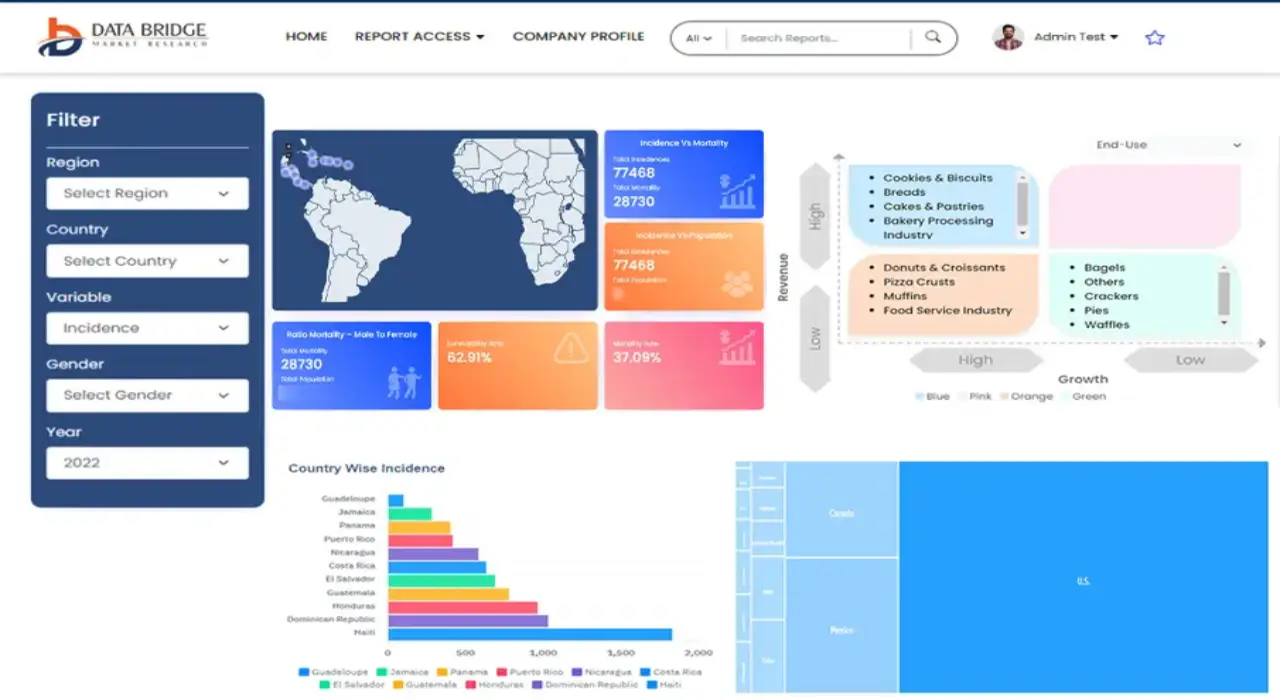
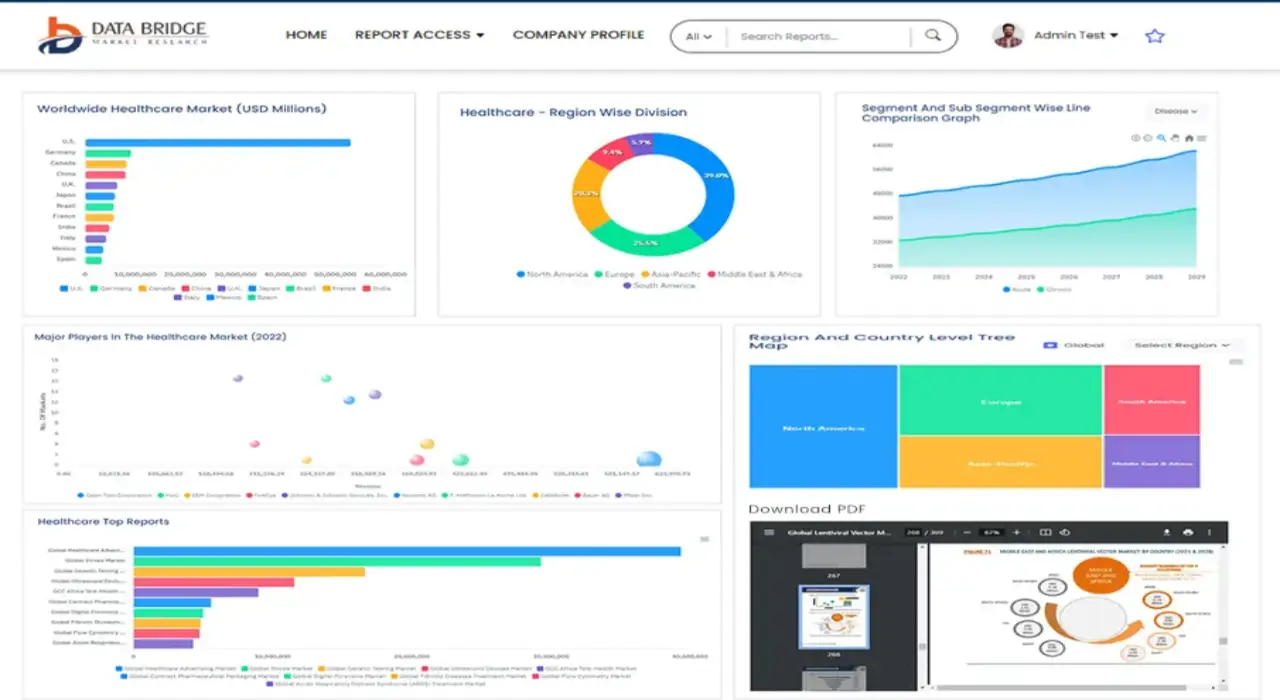
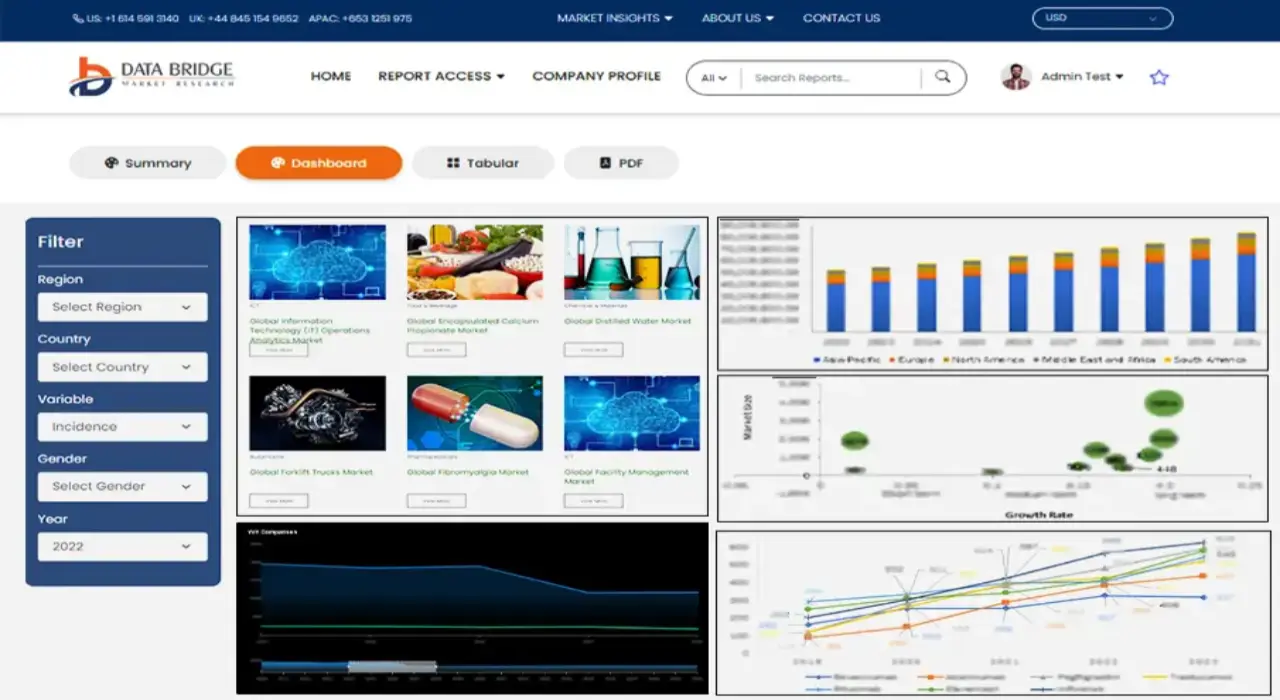
- Interactive Data Analysis Dashboard
- Company Analysis Dashboard for high growth potential opportunities
- Research Analyst Access for customization & queries
- Competitor Analysis with Interactive dashboard
- Latest News, Updates & Trend analysis
- Harness the Power of Benchmark Analysis for Comprehensive Competitor Tracking
Data collection and base year analysis are done using data collection modules with large sample sizes. The stage includes obtaining market information or related data through various sources and strategies. It includes examining and planning all the data acquired from the past in advance. It likewise envelops the examination of information inconsistencies seen across different information sources. The market data is analysed and estimated using market statistical and coherent models. Also, market share analysis and key trend analysis are the major success factors in the market report. To know more, please request an analyst call or drop down your inquiry.
The key research methodology used by DBMR research team is data triangulation which involves data mining, analysis of the impact of data variables on the market and primary (industry expert) validation. Data models include Vendor Positioning Grid, Market Time Line Analysis, Market Overview and Guide, Company Positioning Grid, Patent Analysis, Pricing Analysis, Company Market Share Analysis, Standards of Measurement, Global versus Regional and Vendor Share Analysis. To know more about the research methodology, drop in an inquiry to speak to our industry experts.
Data Bridge Market Research is a leader in advanced formative research. We take pride in servicing our existing and new customers with data and analysis that match and suits their goal. The report can be customized to include price trend analysis of target brands understanding the market for additional countries (ask for the list of countries), clinical trial results data, literature review, refurbished market and product base analysis. Market analysis of target competitors can be analyzed from technology-based analysis to market portfolio strategies. We can add as many competitors that you require data about in the format and data style you are looking for. Our team of analysts can also provide you data in crude raw excel files pivot tables (Fact book) or can assist you in creating presentations from the data sets available in the report.