Global Hypoprothrombinemia Treatment Market Segmentation, By Type (True Hypoprothrombinemia (Type I Deficiency) and Dysprothrombinemia (Type II Deficiency), Treatment (Medication, Preventive Care and Supplements), Product (Prothrombin Complex Concentrates (PCC) or Fresh Frozen Plasma (FFP) Drugs), Drugs (Phytomenadione, Menadoxime and Others), Route of Administration (Oral and Parenteral), Distribution Channel (Hospital Pharmacy, Retail Pharmacy, and Online Pharmacy), End-Users (Hospitals, Homecare, Specialty Clinics and Others)- Industry Trends and Forecast to 2033
Каков размер рынка лечения гипопротромбинемии и темпы роста
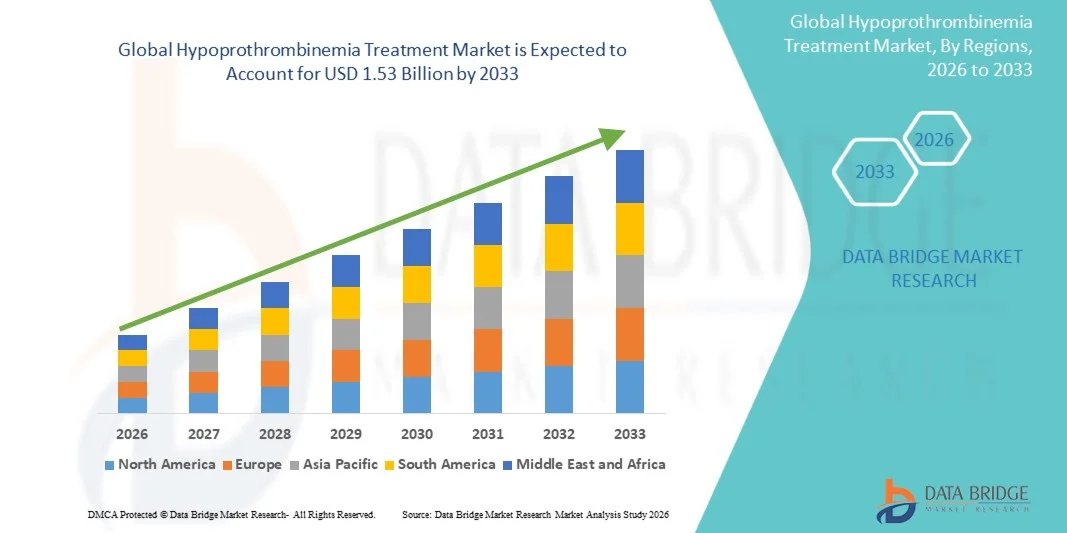
- Мировой объем рынка лечения гипопротромбинемии был оценен в1,08 млрд долларов США в 2025 годуОжидается, что он достигнет1,53 млрд долларов к 2033 году, вCAGR 4,50%в течение прогнозируемого периода
- Рост рынка в значительной степени подпитывается растущей распространенностью нарушений свертываемости крови и недостатков свертывания крови, улучшенными методами диагностики, растущим спросом на доступные варианты лечения, такие как:витамин KДобавки, концентраты протромбинового комплекса и рекомбинантная терапия, а также расширение инфраструктуры здравоохранения во всем мире
- Кроме того, достижения в области технологий лечения, включая рекомбинантные факторы свертывания, персонализированные подходы к медицине и инновационные системы доставки лекарств в сочетании с повышенным вниманием к моделям лечения на дому и центрам лечения, ориентированным на гематологию, способствуют внедрению методов лечения гипопротромбинемии. Эти факторы ускоряют внедрение эффективных методов лечения, тем самым значительно повышая рост отрасли.
Размер рынка и прогноз
- Глобальная рыночная стоимость (2025):$1,08 млрд.
- Ожидаемая рыночная стоимость (2033):$1,53 млрд.
- Прогноз CAGR (2026-2033):4.50%
Каковы основные выводы рынка лечения гипопротромбинемии
- Лечение гипопротромбинемии, включая методы лечения истинной гипопротромбинемии (дефицит I типа) и диспротромбинемии (дефицит II типа), становятся все более важными компонентами современной гематологии и управления коагуляцией из-за их критической роли в предотвращении чрезмерного кровотечения, улучшении результатов лечения пациентов и обеспечении как острого, так и долгосрочного ухода в клинических и домашних условиях.
- Растущий спрос на лечение гипопротромбинемии в первую очередь подпитывается растущей распространенностью расстройств свертывания, достижениями в диагностических технологиях, растущей осведомленностью среди поставщиков медицинских услуг и пациентов и растущим принятием целевых вариантов лечения, таких как лекарства, профилактическая помощь и пищевые добавки.
- Северная Америка доминировала на рынке лечения гипопротромбинемии с самой большой долей дохода в 38,5% в 2025 году, характеризующейся развитой инфраструктурой здравоохранения, высокими расходами на здравоохранение и сильным присутствием ключевых фармацевтических игроков.
- Ожидается, что Азиатско-Тихоокеанский регион станет самым быстрорастущим регионом на рынке лечения гипопротромбинемии в течение прогнозируемого периода из-за расширения инфраструктуры здравоохранения, повышения осведомленности о нарушениях кровотечения, увеличения доступности передовых методов лечения и поддерживающих правительственных инициатив в таких странах, как Китай и Индия.
- Сегмент лекарств доминировал на рынке лечения гипопротромбинемии с долей рынка 45,2% в 2025 году, что обусловлено широким использованием таких препаратов, как фитоменадион и менадоксим.
Сфера охвата и сегментация рынка лечения гипопротромбинемии
|
Атрибуты |
Лечение гипопротромбинемии Ключевые идеи рынка |
|
Сегменты покрыты |
|
|
Страны, охваченные |
Северная Америка
Европа
Азиатско-Тихоокеанский регион
Ближний Восток и Африка
Южная Америка
|
|
Ключевые игроки рынка |
|
|
Рыночные возможности |
|
|
Информационные наборы данных с добавленной стоимостью |
В дополнение к информации о рыночных сценариях, таких как рыночная стоимость, темпы роста, сегментация, географический охват и основные игроки, рыночные отчеты, курируемые Data Bridge Market Research, также включают углубленный экспертный анализ, эпидемиологию пациентов, анализ трубопроводов, анализ цен и нормативную базу. |
Каковы основные тенденции на рынке лечения гипопротромбинемии
«Достижения в области рекомбинантной и целевой терапии»
- Значительной и ускоряющейся тенденцией на мировом рынке лечения гипопротромбинемии является возрастающее развитие и принятие рекомбинантных факторов коагуляции.таргетная терапияповышение безопасности лечения, эффективности и удобства пациента
- Например, рекомбинантные концентраты протромбинового комплекса все чаще используются для управления как наследственными, так и приобретенными недостатками коагуляции, снижая зависимость от продуктов, полученных из плазмы.
- Целенаправленная терапия позволяет персонализировать дозирование на основе профилей коагуляции конкретного пациента, сводя к минимуму побочные эффекты и улучшая долгосрочные результаты, в то время как новые системы доставки лекарств облегчают домашнее или амбулаторное введение.
- Интеграция этих передовых методов лечения в стандартные протоколы лечения улучшает доступность и соблюдение, позволяя клиницистам адаптировать стратегии лечения для острой, хронической или профилактической помощи.
- Например, такие компании, как CSL Behring, разрабатывают рекомбинантные PCC с повышенной стабильностью и более длительным сроком хранения, предлагая поставщикам медицинских услуг более гибкие варианты как для больниц, так и для домашнего администрирования.
- Тенденция к более точному, ориентированному на пациента и простому в управлении лечению меняет ожидания рынка, причем спрос растет как в развитых, так и в развивающихся регионах.
- Например, облачные приложения для мониторинга коагуляции, интегрированные с носимыми устройствами, пилотируются для удаленного отслеживания приверженности и эффективности терапии.
Динамика рынка лечения гипопротромбинемии
водитель
«Увеличение распространенности коагуляционных расстройств и осведомленности»
- Растущая распространенность нарушений свертываемости крови в сочетании с растущей осведомленностью среди пациентов и медицинских работников является значительным фактором увеличения спроса на лечение гипопротромбинемии.
- Например, в марте 2025 года Pfizer объявила о расширении клинических программ лечения на основе менадоксима для улучшения доступности для пациентов с недостатками типа I и типа II, что, как ожидается, будет стимулировать рост рынка.
- По мере того, как все больше пациентов диагностируется с помощью расширенного коагуляционного тестирования, потребление лечения увеличивается из-за критической необходимости предотвращения тяжелых кровотечений и связанных с ними осложнений.
- Кроме того, расширение инфраструктуры здравоохранения, ориентированной на гематологию, и политики вспомогательного возмещения делают лечение более доступным как в больницах, так и дома.
- Например, усовершенствованные кампании по обучению пациентов и программы информирования о заболеваниях в Северной Америке и Европе привели к более ранним вмешательствам и более высоким показателям внедрения методов лечения ПЦК и ФФП.
- Сочетание расширенной диагностики пациентов, доступности передовых методов лечения и повышенной осведомленности в значительной степени продвигает рынок лечения гипопротромбинемии во всем мире.
- Сильные фармацевтические научно-исследовательские и опытно-конструкторские разработки, ориентированные на новые методы коагуляции, внедряют препараты следующего поколения, которые являются более безопасными и эффективными, что еще больше стимулирует рост рынка.
- Например, новые методы лечения, направленные на конкретные пути коагуляции, быстро отслеживаются в клинических испытаниях для удовлетворения неудовлетворенных потребностей пациентов, особенно в педиатрических популяциях.
Сдержанность/вызов
«Высокая стоимость терапии и ограниченный доступ в развивающихся регионах»
- Относительно высокая стоимость передовых методов лечения гипопротромбинемии, включая рекомбинантные ПЦК и специализированные лекарства, представляет собой серьезную проблему для более широкого проникновения на рынок.
- Например, ограниченное возмещение и более высокие излишние расходы в развивающихся регионах затрудняют доступ пациентов к премиальной терапии, ограничивая усыновление.
- Хотя плазменная терапия остается доступной, проблемы безопасности и ограниченное предложение ограничивают ее широкое использование, особенно в странах с низким уровнем дохода, где развитая инфраструктура отсутствует.
- Решение этих проблем доступа и доступности имеет решающее значение для расширения охвата рынка и обеспечения доступности справедливого режима во всех регионах.
- Например, программы помощи пациентам и многоуровневые стратегии ценообразования изучаются такими компаниями, как Grifols, для улучшения доступности для экономически ограниченных групп населения.
- Преодоление барьеров в области затрат и доступности за счет поддержки политики, инновационных цен и расширенных каналов распределения будет иметь жизненно важное значение для поддержания роста рынка в течение прогнозируемого периода.
- Регулирующие препятствия для новых методов лечения, включая длительные клинические испытания и сложные процессы утверждения, дальнейшее затягивание выхода на рынок и увеличение затрат на разработку
- Например, новые рекомбинантные препараты часто требуют одобрения нескольких стран перед коммерческим запуском, замедляя принятие в нескольких регионах и увеличивая общую неопределенность рынка.
Как сегментируется рынок лечения гипопротромбинемии
Рынок сегментирован на основе типа, лечения, продукта, лекарств, маршрута введения, канала распределения и конечных пользователей.
- По типу
По типу рынок сегментирован на Истинную гипопротромбинемию (дефицит I типа) и Диспротромбинемию (дефицит II типа). Сегмент истинной гипопротромбинемии (дефицит I типа) доминировал на рынке с наибольшей долей дохода в 2025 году, что обусловлено его более высокой распространенностью и срочной необходимостью клинического вмешательства. Больницы и специализированные клиники часто запасают протромбиновые комплексные концентраты (PCC) и свежую замороженную плазму (FFP) для лечения острых эпизодов кровотечения. Установленные протоколы лечения и сильное страховое покрытие в Северной Америке и Европе еще больше усиливают доминирование этого сегмента. Пациенты с дефицитом I типа нуждаются как в острой, так и в профилактической терапии, что создает постоянный спрос на лекарства. Широкая доступность терапии на основе витамина К гарантирует, что этот сегмент остается крупнейшим источником дохода на рынке. Кроме того, текущие исследования и разработки и одобрение регулирующих органов поддерживают его постоянный рост.
Ожидается, что сегмент диспротромбинемии (дефицит II типа) будет наблюдать самый быстрый рост с 2026 по 2033 год, чему способствуют достижения в области диагностических технологий, которые позволяют раннее выявление функциональных дефектов протромбина. Повышение осведомленности среди гематологов и пациентов способствует принятию целевых методов лечения. На развивающихся рынках Азиатско-Тихоокеанского региона наблюдается увеличение программ скрининга и улучшение доступа к здравоохранению. Клинические исследования новых препаратов для лечения дефицита II типа создают возможности для роста. Управление домашним хозяйством и интеграция телемедицины еще больше ускоряют процесс принятия. Программы обучения пациентов и инициативы по профилактике также способствуют быстрому расширению рынка.
- Лечение
На основе лечения рынок сегментирован на лекарства, профилактическую помощь и добавки. Сегмент лекарств доминировал в 2025 году с долей рынка 45,2%, что обусловлено широким использованием таких препаратов, как фитоменадион и менадоксим, как для острого, так и для хронического лечения. Больницы и поставщики услуг по уходу на дому полагаются на лекарства для доказанной эффективности, одобрения регулирующих органов и простоты администрирования. Высокое внедрение на развитых рынках обеспечивает устойчивое доминирование. Лекарства занимают центральное место в стандартных протоколах лечения в больницах и специализированных клиниках. Текущие исследования и разработки в улучшенных составах улучшают результаты лечения пациентов и увеличивают долю рынка в сегменте. Кроме того, страховое возмещение и государственные программы здравоохранения поддерживают последовательное использование во всем мире.
Сегмент профилактической помощи и добавок, как ожидается, продемонстрирует самый быстрый рост с 2026 по 2033 год из-за увеличения предпочтений пациентов в отношении долгосрочного лечения в домашних условиях. Оральный витамин К и поддерживающая диетическая терапия набирают популярность.Электронная торговляОнлайн-аптечные каналы повышают доступность на развивающихся рынках. Профилактическая терапия снижает расходы на госпитализацию и связанные с ней расходы в соответствии с тенденциями эффективности здравоохранения. Пропагандистские кампании, подчеркивающие раннее вмешательство, способствуют усыновлениюТелемедицинаУслуги по уходу за домом еще больше ускоряют рост в этом сегменте во всем мире.
- По продукту
На основе продукта рынок сегментирован на Протромбиновые комплексные концентраты (PCC) и Свежие замороженные плазменные (FFP) препараты. Сегмент PCC доминировал на рынке в 2025 году из-за его быстрого начала действия, более низких объемов инфузий и более низкого риска заражения по сравнению с плазменной терапией. Больницы запас PCC для эффективного управления острыми кровотечениями. Развитые рынки лидируют в принятии ПХК благодаря установленным клиническим протоколам и поддержке возмещения. Новые составы с улучшенной стабильностью укрепляют позиции на рынке. ПЦК широко используется в клиниках критической помощи и специализированных клиниках. Непрерывное обучение врачей и установленная эффективность укрепляют его доминирование на рынке.
Ожидается, что сегмент FFP Drugs продемонстрирует самый быстрый рост с 2026 по 2033 год, чему способствует расширение инфраструктуры больниц и банков крови на развивающихся рынках. FFP имеет важное значение в тех случаях, когда доступность PCC ограничена или ограничена по стоимости. Он играет важную роль в периоперационном и остром управлении кровотечениями. Усилия по улучшению хранения, срока хранения и безопасности переливания расширяют доступность. Расходы на здравоохранение в Азиатско-Тихоокеанском регионе и Латинской Америке способствуют усыновлению. Больницы все чаще полагаются на FFP для экстренных вмешательств. Информационные кампании о преимуществах плазменной терапии еще больше ускоряют рост.
- С помощью наркотиков
На основе препаратов рынок сегментирован на Фитоменадион, Менадоксим и другие. Сегмент Phytomenadione доминировал в 2025 году благодаря своей эффективности, низкой стоимости и широкой доступности. Он широко используется как для типов I, так и для типов II. Пероральные и парентеральные составы делают его подходящим для больничных, домашних и профилактических применений. Национальные списки основных лекарственных средств включают фитоменадион, обеспечивающий постоянный спрос. Больницы, специализированные клиники и программы по уходу на дому полагаются на этот препарат для острой и профилактической терапии. Клиническое доверие и одобрение регулирующих органов поддерживают его доминирование во всем мире.
Сегмент Менадоксима, как ожидается, будет наблюдать самый быстрый рост с 2026 по 2033 год из-за его повышенной эффективности у пациентов, не реагирующих на стандартную терапию витамином К. Усыновление быстро растет в специализированных клиниках и больницах Северной Америки и Европы. Клинические испытания и исследования новых методов доставки расширяют терапевтические применения. Развивающиеся рынки интегрируют менадоксим в схемы профилактического ухода. Гематологи все больше осознают его целевые преимущества. Программы телемедицины и мониторинга пациентов поддерживают быстрое внедрение.
- По маршруту администрации
На основе маршрута рынок сегментирован на устный и парентеральный. Родительский сегмент доминировал в 2025 году, что было обусловлено быстрым началом действий по острой терапии и управлению чрезвычайными ситуациями. Больницы и специализированные клиники полагаются на внутривенное или внутримышечное введение для точного дозирования. Парентеральная терапия предпочтительна для препаратов PCC и FFP. Высокие показатели эффективности и безопасности поддерживают внедрение на развитых рынках. Оптимизированные составы обеспечивают более длительный срок хранения и стабильность. Постоянное обучение медицинских работников усиливает доминирование парентерального администрирования.
Ожидается, что в сегменте устной терапии будет наблюдаться самый быстрый рост с 2026 по 2033 год из-за простоты самоуправления и пригодности для долгосрочного профилактического ухода. Пациенты предпочитают пероральный витамин К и добавки для домашнего использования. Онлайн-дистрибуция аптек и мониторинг телемедицины способствуют внедрению на развивающихся рынках. Устное введение снижает посещение больниц и расходы на здравоохранение. Просветительские кампании по управлению хронической терапией приводят к росту. Программы обучения и приверженности пациентов еще больше ускоряют внедрение пероральной терапии во всем мире.
- Дистрибьюторский канал
На основе канала дистрибуции рынок сегментирован в больничную аптеку, розничную аптеку и онлайн-аптеку. Сегмент больничных аптек доминировал в 2025 году благодаря прямому доступу к острой терапии и экстренным вмешательствам. Отделения критической помощи и гематологические отделения полагаются на больничные аптеки для ПЦК, ФФП и лекарств. Развитые рынки обеспечивают значительную долю доходов. Страховое покрытие поддерживает распределение в больницах. Больницы обеспечивают надлежащее хранение, дозирование и администрирование. Интеграция с клиническими протоколами усиливает доминирование.
Ожидается, что сегмент онлайн-аптеки будет наблюдать самый быстрый рост с 2026 по 2033 год из-за удобства и прямой доставки пероральных терапий и добавок. Телемедицинские рецепты облегчают усыновление на дому. Платформы электронной коммерции повышают доступность в отдаленных и недостаточно обслуживаемых регионах. Пациенты предпочитают онлайн-заказ на профилактические и хронические методы лечения. Партнерство с цифровыми платформами ускоряет рост. Развивающиеся рынки видят растущее внедрение из-за проникновения Интернета и улучшения логистики.
- конечными пользователями
На базе конечных пользователей рынок сегментирован на больницы, домашнюю помощь, специализированные клиники и другие. Сегмент госпиталей доминировал в 2025 году, что обусловлено высоким спросом на острую и неотложную коагуляционную терапию. Больницы запасаются PCC, FFP и лекарствами для оказания критической помощи. Развитые регионы с развитой инфраструктурой составляют значительную долю рынка. Больницы интегрируют клинические испытания и внедрение новых методов лечения. Страховое покрытие и политика возмещения поддерживают использование больниц. Больницы обеспечивают точное и своевременное проведение лечения.
Ожидается, что в сегменте Homecare будет наблюдаться самый быстрый рост с 2026 по 2033 год из-за предпочтения пациентов к самостоятельной пероральной и парентеральной терапии. Хроническое и профилактическое лечение теперь можно контролировать дома с помощью телемедицины. Удобство, сокращение посещений больниц и экономичность приводят к принятию. Развивающиеся рынки улучшают инфраструктуру и осведомленность в области ухода на дому. Удобные для пациентов наборы и инструменты цифровой поддержки повышают приверженность. Усыновление домашних хозяйств ускоряется во всем мире, особенно в программах профилактического ухода.
В каком регионе находится наибольшая доля рынка лечения гипопротромбинемии
- Северная Америка доминировала на рынке лечения гипопротромбинемии с самой большой долей дохода в 38,5% в 2025 году, характеризующейся развитой инфраструктурой здравоохранения, высокими расходами на здравоохранение и сильным присутствием ключевых фармацевтических игроков.
- Пациенты и поставщики медицинских услуг в регионе высоко ценят доступ к передовым методам лечения, таким как протромбиновые комплексные концентраты (PCC), свежая замороженная плазма (FFP) и рекомбинантные препараты, которые обеспечивают быстрое и эффективное управление острыми эпизодами кровотечения.
- Это широкое распространение также поддерживается всеобъемлющим страхованием, государственными программами здравоохранения и высокими инвестициями в исследования гематологии, что делает Северную Америку крупнейшим рынком как для лечения в больницах, так и для лечения на дому.
Американский рынок лечения гипопротромбинемии Insight
Рынок лечения гипопротромбинемии в США занял самую большую долю дохода в 78% в 2025 году в Северной Америке, чему способствовала хорошо налаженная инфраструктура здравоохранения, передовые диагностические учреждения и высокая осведомленность пациентов о нарушениях свертывания крови. Пациенты все чаще отдают приоритет своевременному доступу к протромбиновым комплексным концентратам (PCC), свежей замороженной плазме (FFP) и терапии витамином К для лечения острых и хронических эпизодов кровотечения. Растущая тенденция управления домашним хозяйством и поддержки телемедицины позволяет пациентам самостоятельно назначать пероральное и парентеральное лечение, улучшая приверженность и удобство. Больницы и специализированные клиники поддерживают высокий спрос на экстренную терапию, особенно в хирургических и гематологических отделениях. Кроме того, сильное страховое покрытие и государственные программы здравоохранения способствуют принятию как профилактических, так и острых методов лечения. Интеграция цифровых платформ мониторинга пациентов также улучшает результаты лечения, поддерживая траекторию роста рынка.
Европейский рынок лечения гипопротромбинемии Insight
В течение прогнозируемого периода рынок лечения гипопротромбинемии в Европе, по прогнозам, будет расширяться при существенном CAGR, в первую очередь за счет строгих правил здравоохранения, увеличения распространенности нарушений свертывания крови и хорошо развитой инфраструктуры больниц. Растущая урбанизация и растущая осведомленность о профилактической помощи способствуют принятию пероральных добавок и терапии витамином К. Европейские пациенты и поставщики медицинских услуг высоко ценят интегрированные протоколы лечения, которые сочетают стационарную и домашнюю терапию. Рынок демонстрирует рост в больницах, специализированных клиниках и приложениях по уходу на дому, уделяя все больше внимания пероральным и парентеральным препаратам, благоприятным для пациентов. Кроме того, правительственные инициативы, поощряющие профилактические меры в области здравоохранения и схемы возмещения расходов, способствуют более широкому внедрению методов лечения. Растущий акцент на исследованиях и клинических испытаниях в гематологии также стимулирует расширение рынка.
Британский рынок лечения гипопротромбинемии Insight
Ожидается, что рынок лечения гипопротромбинемии в Великобритании будет расти в течение прогнозируемого периода, что обусловлено растущим вниманием к гематологической помощи, ранней диагностике нарушений свертывания крови и осведомленности о профилактическом лечении. Опасения по поводу тяжелых осложнений кровотечения побуждают как больницы, так и поставщиков услуг по уходу на дому обеспечивать своевременную доступность ПЦК, ФФП и терапии витамином К. Передовая инфраструктура здравоохранения Великобритании и сильная интеграция телемедицины поддерживают самоуправление пероральным и парентеральным лечением дома. Пациенты все чаще отдают приоритет удобству, соблюдению и профилактическому уходу, в то время как специализированные клиники расширяют услуги по хроническому лечению. Кроме того, надежные сети электронной коммерции и аптек улучшают доступность лекарств и добавок. Программы повышения осведомленности и инициативы по клинической поддержке еще больше стимулируют рост рынка в Великобритании.
Немецкий рынок лечения гипопротромбинемии Insight
Ожидается, что в течение прогнозируемого периода рынок лечения гипопротромбинемии в Германии будет расширяться при значительном CAGR, чему будет способствовать повышение осведомленности о нарушениях свертывания крови и спрос на передовые терапевтические решения. Больницы и специализированные клиники в Германии принимают PCC, FFP и новые препараты витамина K для оказания неотложной, хронической и профилактической помощи. Хорошо развитая инфраструктура страны в сочетании с акцентом на инновации и безопасность пациентов способствует принятию программ лечения на дому. Родительские и пероральные пути лечения все чаще используются для удобства и соблюдения. В Германии особое внимание уделяется устойчивым и технологически продвинутым решениям в области здравоохранения, что еще больше повышает спрос на высококачественную терапию. Исследовательские инициативы в области гематологии и профилактические программы способствуют дальнейшему расширению рынка.
Азиатско-Тихоокеанский рынок лечения гипопротромбинемии
Рынок лечения гипопротромбинемии в Азиатско-Тихоокеанском регионе будет расти на самом быстром CAGR 23% в течение прогнозируемого периода с 2026 по 2033 год, что обусловлено ростом урбанизации, увеличением расходов на здравоохранение и технологическими достижениями в таких странах, как Китай, Япония и Индия. Растущая осведомленность региона о коагуляционных расстройствах и программах ранней диагностики увеличивает применение ПЦК, ФФП и пероральной терапии витамином К. Программы по уходу на дому и телемедицинские платформы расширяют охват пациентов, делая профилактическую помощь более доступной. Кроме того, развитие отечественного фармацевтического производства и доступных вариантов лечения способствует проникновению на рынок. В больницах, специализированных клиниках и розничных аптеках наблюдается повышенный спрос. Правительственные инициативы по продвижению цифрового здравоохранения и профилактического лечения еще больше ускоряют региональный рост.
Японский рынок лечения гипопротромбинемии Insight
Японский рынок лечения гипопротромбинемии набирает обороты благодаря высокотехнологичной экосистеме здравоохранения, старению населения и росту предпочтений пациентов в профилактических и домашних методах лечения. Больницы и специализированные клиники принимают PCC, FFP и пероральный витамин K для лечения острых и хронических недостатков свертывания. Интеграция телемедицинских платформ позволяет обеспечить безопасное самоуправление и удаленный мониторинг, поддерживая приверженность пациентов. Акцент на удобстве и качественный уход стимулирует принятие как в жилых, так и в клинических условиях. Нормативно-правовая база Японии обеспечивает доступ к инновационным методам лечения. Растущая осведомленность пациентов о хроническом лечении и профилактической помощи повышает спрос на рынке. Сочетание внедрения технологий и государственной поддержки здравоохранения способствует устойчивому росту.
Индийский рынок лечения гипопротромбинемии Insight
На индийский рынок лечения гипопротромбинемии в 2025 году пришлась самая большая доля доходов рынка в Азиатско-Тихоокеанском регионе, что объясняется быстрой урбанизацией, расширением доступа к здравоохранению и высокой осведомленностью о нарушениях свертываемости крови. Индия становится свидетелем растущего внедрения PCC, FFP и пероральной терапии витамином К в больницах, специализированных клиниках и программах по уходу на дому. Растущий средний класс страны и растущие располагаемые доходы стимулируют спрос на профилактические и острые методы лечения. Правительственные инициативы, включая схемы медицинского страхования и цифровые программы здравоохранения, поддерживают более широкий доступ. Доступное отечественное производство и онлайн-распределение аптек еще больше расширяют охват рынка. Ожидается, что продвижение к платформам профилактического ухода, обучения пациентов и телемедицины ускорит рост рынка по всей Индии.
Каковы основные компании на рынке лечения гипопротромбинемии
Индустрия лечения гипопротромбинемии в основном возглавляется хорошо зарекомендовавшими себя компаниями, в том числе:
- Компания Takeda Pharmaceutical Limited(Япония)
- Pfizer Inc.(США)
- Intas Pharmaceuticals Ltd. (Индия)
- Грифолс С.А.(Испания)
- Бакстер(США)
- Компания Octapharma AG(Швейцария)
- CSL Behring (США)
- Hualan Biological Engineering Co., Ltd (Китай)
- Shanghai RAAS Blood Products Co., Ltd (Китай)
- LFB S.A. (Франция)
- Green Cross Corporation (Южная Корея)
- Bio Products Laboratory Ltd (Великобритания)
- Prothya Biosolutions B.V. (Нидерланды)
- China Biologic Products Holdings Inc (США)
- Meheco Xinxing Pharma (Китай)
- Kedrion Biopharma (Италия)
- Emergent BioSolutions (США)
- Haemonetics Corporation (США)
- Полный уход врача (США)
- ZoomRx Analytics (США)
Каковы последние события на мировом рынке лечения гипопротромбинемии
- В марте 2025 года британские исследователи запустили исследование Prophesy-2, крупное многоцентровое рандомизированное исследование в Великобритании, чтобы напрямую сравнить комплексный протромбиновый концентрат (PCC) с свежей замороженной плазмой (FFP) для управления кровотечением у взрослых после сердечной хирургии, с целью получения высококачественных доказательств клинической и экономической эффективности PCC по сравнению со стандартным лечением FFP.
- В марте 2025 года результаты клинического испытания фазы 3 FARES-II, представленные на ежегодной научной сессии Американского колледжа кардиологии, показали, что четырехфакторный комплексный протромбиновый концентрат (4F-PCC) значительно снижает основные потребности в кровотечениях и переливании по сравнению с замороженной плазмой у взрослых пациентов с сердечной хирургией, что указывает на потенциальные сдвиги в клинических рекомендациях в отношении управления коагуляцией на основе PCC.
- В августе 2024 года журнал Американской медицинской ассоциации (JAMA) Network Open опубликовал результаты, подчеркивающие эффективность Balfaxar® для разворота варфарина у хирургических пациентов, укрепляя клиническую уверенность в способности этой терапии PCC восстанавливать факторы свертывания крови в сценариях с высоким риском кровотечения.
- В январе 2024 года Octapharma USA официально объявила о доступности Balfaxar® в США, указывая, что больницы и медицинские работники теперь имеют доступ к этому недавно одобренному продукту 4F-PCC для срочного разворота коагуляции в клинических условиях по всей стране.
- В июле 2023 года Balfaxar® от Octapharma (неактивированный четырехфакторный концентрат протромбинового комплекса) получил одобрение FDA США для срочного устранения дефицита приобретенного фактора свертывания, вызванного терапией антагонистом витамина К (варфарином), предлагая новый вариант для взрослых, нуждающихся в экстренной хирургии или инвазивных процедурах.
SKU-
Получите онлайн-доступ к отчету на первой в мире облачной платформе рыночной аналитики
- Интерактивная панель анализа данных
- Панель анализа компании для возможностей с высоким потенциалом роста
- Доступ аналитика-исследователя для настройки и запросов
- Анализ конкурентов с помощью интерактивной панели
- Последние новости, обновления и анализ тенденций
- Используйте возможности сравнительного анализа для комплексного отслеживания конкурентов
Методология исследования
Сбор данных и анализ базового года выполняются с использованием модулей сбора данных с большими размерами выборки. Этап включает получение рыночной информации или связанных данных из различных источников и стратегий. Он включает изучение и планирование всех данных, полученных из прошлого заранее. Он также охватывает изучение несоответствий информации, наблюдаемых в различных источниках информации. Рыночные данные анализируются и оцениваются с использованием статистических и последовательных моделей рынка. Кроме того, анализ доли рынка и анализ ключевых тенденций являются основными факторами успеха в отчете о рынке. Чтобы узнать больше, пожалуйста, запросите звонок аналитика или оставьте свой запрос.
Ключевой методологией исследования, используемой исследовательской группой DBMR, является триангуляция данных, которая включает в себя интеллектуальный анализ данных, анализ влияния переменных данных на рынок и первичную (отраслевую экспертную) проверку. Модели данных включают сетку позиционирования поставщиков, анализ временной линии рынка, обзор рынка и руководство, сетку позиционирования компании, патентный анализ, анализ цен, анализ доли рынка компании, стандарты измерения, глобальный и региональный анализ и анализ доли поставщика. Чтобы узнать больше о методологии исследования, отправьте запрос, чтобы поговорить с нашими отраслевыми экспертами.
Доступна настройка
Data Bridge Market Research является лидером в области передовых формативных исследований. Мы гордимся тем, что предоставляем нашим существующим и новым клиентам данные и анализ, которые соответствуют и подходят их целям. Отчет можно настроить, включив в него анализ ценовых тенденций целевых брендов, понимание рынка для дополнительных стран (запросите список стран), данные о результатах клинических испытаний, обзор литературы, обновленный анализ рынка и продуктовой базы. Анализ рынка целевых конкурентов можно проанализировать от анализа на основе технологий до стратегий портфеля рынка. Мы можем добавить столько конкурентов, о которых вам нужны данные в нужном вам формате и стиле данных. Наша команда аналитиков также может предоставить вам данные в сырых файлах Excel, сводных таблицах (книга фактов) или помочь вам в создании презентаций из наборов данных, доступных в отчете.