


تقسيم سوق أورام الدماغ منخفضة الدرجة عالميًا، حسب النوع (منخفض الدرجة الأولى ومنخفض الدرجة الثانية)، وفئة الدواء (تراميتينيب، دابرافينيب، إيفوسيدينيب، وميرداميتينيب)، وطريقة الإعطاء (موضعي وفموي)، وقناة التوزيع (الصيدليات الإلكترونية، وصيدليات المستشفيات، وصيدليات البيع بالتجزئة) - اتجاهات الصناعة وتوقعاتها حتى عام 2032
تحليل سوق أورام الدماغ منخفضة الدرجة
شهد سوق أورام الدماغ منخفضة الدرجة نموًا ملحوظًا، مدفوعًا بالتطورات في التشخيص والعلاج. ومع التركيز المتزايد على الكشف المبكر والعلاجات الشخصية، يزداد الطلب على خيارات علاجية فعّالة، تشمل الجراحة والعلاج الإشعاعي والعلاج الكيميائي. وقد ساهمت الابتكارات في العلاجات الموجهة والعلاجات المناعية في تعزيز توسع السوق، إذ توفر أساليب علاجية أكثر دقة مع آثار جانبية أقل مقارنةً بالطرق التقليدية.
يتأثر السوق أيضاً بتزايد انتشار أورام الدماغ منخفضة الدرجة، وتنامي الوعي بين مقدمي الرعاية الصحية والمرضى بخيارات العلاج المتاحة. وقد ساهمت زيادة الاستثمارات في البحث والتطوير، إلى جانب التعاون بين شركات الأدوية وشركات التكنولوجيا الحيوية والمؤسسات الأكاديمية، في تسريع طرح علاجات جديدة في السوق. علاوة على ذلك، من المتوقع أن تُسهم التجارب السريرية التي تستكشف أدوية جديدة ومجموعات علاجية في تشكيل ديناميكيات السوق بشكل أكبر.
يُسهم التطوير المستمر لأدوات تشخيصية أفضل، مثل تقنيات التصوير المتقدمة، في تحسين دقة تشخيص أورام الدماغ منخفضة الدرجة، مما يُسهّل التدخل المبكر ويُحسّن نتائج المرضى. مع ذلك، قد تُعيق بعض التحديات، كارتفاع تكاليف العلاج، وتعقيد بروتوكولات العلاج، ومحدودية توفر البنية التحتية المتخصصة للرعاية الصحية في بعض المناطق، نمو السوق إلى حدٍ ما. ورغم هذه التحديات، تبقى التوقعات العامة لسوق أورام الدماغ منخفضة الدرجة إيجابية، مع توقعات بأن تُحسّن التطورات المستمرة رعاية المرضى وفعالية العلاج.
حجم سوق أورام الدماغ منخفضة الدرجة
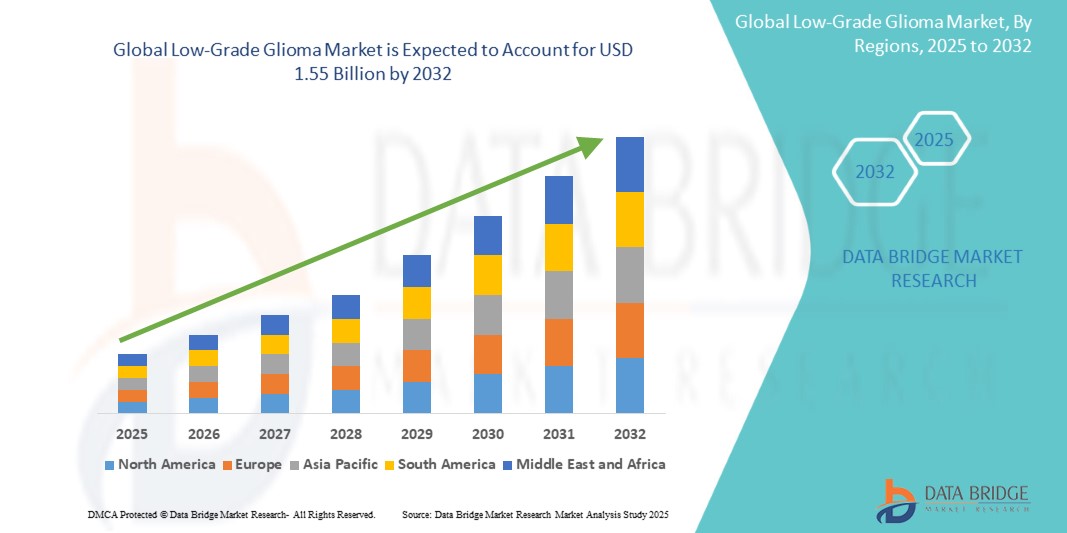
بلغت قيمة سوق أورام الدماغ منخفضة الدرجة العالمية 1.11 مليار دولار أمريكي في عام 2024، ومن المتوقع أن تصل إلى 1.55 مليار دولار أمريكي بحلول عام 2032، بمعدل نمو سنوي مركب قدره 4.28% خلال الفترة المتوقعة من 2025 إلى 2032. إلى جانب المعلومات المتعمقة حول سيناريوهات السوق، مثل قيمة السوق ومعدل النمو والتجزئة والتغطية الجغرافية واللاعبين الرئيسيين، تتضمن تقارير السوق التي أعدتها شركة داتا بريدج لأبحاث السوق أيضًا تحليلاً معمقًا من قبل خبراء، وبيانات وبائية عن المرضى، وتحليلاً لخطوط الإنتاج، وتحليلاً للتسعير، والإطار التنظيمي.
اتجاهات سوق أورام الدماغ منخفضة الدرجة
"تزايد اعتماد العلاجات الموجهة والعلاجات المناعية"
من أبرز الاتجاهات في سوق علاج أورام الدماغ منخفضة الدرجة، تزايد الإقبال على العلاجات الموجهة والعلاجات المناعية. تكتسب هذه العلاجات رواجاً متزايداً لما توفره من خيارات أكثر دقة وفعالية مقارنةً بالعلاجات التقليدية كالعلاج الكيميائي والإشعاعي. تعمل العلاجات الموجهة من خلال استهداف طفرات جينية محددة أو أهداف جزيئية موجودة في خلايا الورم الدبقي، مما يقلل من الضرر الذي يلحق بالأنسجة السليمة المحيطة. أما العلاجات المناعية، مثل مثبطات نقاط التفتيش المناعية والعلاجات القائمة على اللقاحات، فتهدف إلى تعزيز جهاز المناعة في الجسم للتعرف على الخلايا السرطانية وتدميرها.
أدى الفهم المتزايد للأسس الجينية والجزيئية لأورام الدبقية منخفضة الدرجة إلى تسريع تطوير هذه العلاجات المتقدمة، مما يوفر إمكانية تحسين نتائج المرضى وتقليل الآثار الجانبية. ومن المتوقع أن تُسهم التجارب السريرية والأبحاث الجارية حول هذه العلاجات المبتكرة في تشكيل السوق بشكل أكبر، مما يجعل هذا التوجه محركًا رئيسيًا في مستقبل رعاية وعلاج أورام الدبقية منخفضة الدرجة.
نطاق التقرير وتجزئة سوق أورام الدماغ منخفضة الدرجة
|
صفات |
أهم المعلومات السوقية حول أورام الدبقية منخفضة الدرجة |
|
القطاعات التي تم تغطيتها |
|
|
الدول المشمولة |
الولايات المتحدة الأمريكية، كندا والمكسيك، ألمانيا، فرنسا، المملكة المتحدة، إيطاليا، روسيا، إسبانيا، الدنمارك، السويد، النرويج، باقي دول أوروبا، الصين، اليابان، الهند، كوريا الجنوبية، أستراليا، تايلاند، باقي دول آسيا والمحيط الهادئ، المملكة العربية السعودية، الإمارات العربية المتحدة، جنوب أفريقيا، نيجيريا، مصر، الكويت، باقي دول الشرق الأوسط وأفريقيا، البرازيل، الأرجنتين، وباقي دول أمريكا الجنوبية |
|
اللاعبون الرئيسيون في السوق |
أسترازينيكا (المملكة المتحدة)، أبفي (الولايات المتحدة)، أمجن (الولايات المتحدة)، بريستول مايرز سكويب (الولايات المتحدة)، دايتشي سانكيو (اليابان)، داي وان بيوفارماسوتيكالز (الولايات المتحدة)، إف هوفمان لا روش (سويسرا)، جينينتيك (الولايات المتحدة)، هيلسين هيلثكير (سويسرا)، ليلي (الولايات المتحدة)، لي لابوراتوار سيرفييه (فرنسا)، ميرك (الولايات المتحدة)، ميرك (ألمانيا)، نوفو نورديسك (الدنمارك)، نوفارتس (سويسرا)، فايزر (الولايات المتحدة)، ريجل فارماسوتيكالز (الولايات المتحدة)، سبرينغ وركس ثيرابيوتكس (الولايات المتحدة)، صن فارماسوتيكال إندستريز (الهند) وتيفا فارماسوتيكال إندستريز (إسرائيل). |
|
فرص السوق |
|
|
مجموعات بيانات القيمة المضافة |
بالإضافة إلى المعلومات المتعلقة بسيناريوهات السوق مثل قيمة السوق ومعدل النمو والتجزئة والتغطية الجغرافية واللاعبين الرئيسيين، تتضمن تقارير السوق التي أعدتها شركة Data Bridge Market Research أيضًا تحليلًا معمقًا من قبل الخبراء، وعلم الأوبئة الخاص بالمرضى، وتحليل خطوط الإنتاج، وتحليل التسعير، والإطار التنظيمي. |
تعريف سوق أورام الدماغ منخفضة الدرجة
يشير الورم الدبقي منخفض الدرجة إلى نوع من أورام الدماغ ينشأ في الخلايا الدبقية، التي تدعم وتحمي الخلايا العصبية في الدماغ. تُصنف هذه الأورام عادةً إلى الدرجة الأولى أو الثانية بناءً على نموها البطيء نسبيًا وانخفاض خباثتها مقارنةً بالأورام الدبقية عالية الدرجة. تُعد الأورام الدبقية منخفضة الدرجة أكثر شيوعًا لدى المرضى الأصغر سنًا، وقد تظهر في مناطق مختلفة من الدماغ. ورغم أنها أقل عدوانية من الأورام الدبقية عالية الدرجة، إلا أنها قد تُسبب أعراضًا عصبية شديدة وتتطلب علاجًا مثل الجراحة والعلاج الإشعاعي، وأحيانًا العلاج الكيميائي. نظرًا لبطء نموها، قد يصعب اكتشاف الأورام الدبقية منخفضة الدرجة مبكرًا، ولكنها قد تتطور إلى أشكال أكثر عدوانية مع مرور الوقت.
ديناميكيات سوق أورام الدماغ منخفضة الدرجة
السائقين
- التطورات في العلاجات الموجهة والعلاجات المناعية
يُعدّ التطور المتزايد واعتماد العلاجات الموجهة والعلاجات المناعية من العوامل الرئيسية المحركة لسوق أورام الدبقية منخفضة الدرجة. تركز العلاجات الموجهة على طفرات جينية أو بروتينات محددة متورطة في نمو الورم، مما يوفر علاجات أكثر دقة مع آثار جانبية أقل مقارنةً بالأساليب التقليدية كالعلاج الكيميائي والإشعاعي. أما العلاجات المناعية، مثل مثبطات نقاط التفتيش المناعية، فتعمل على تعزيز جهاز المناعة في الجسم لاستهداف الخلايا السرطانية بشكل أفضل. ومن الأمثلة البارزة على ذلك تطوير أدوية مثل ميرداميتينيب، وهو مثبط MEK قيد الدراسة، والذي يُقيّم حاليًا لعلاج أورام الدبقية منخفضة الدرجة في التجارب السريرية. تحمل هذه العلاجات المتقدمة إمكانية تحسين نتائج المرضى بشكل كبير من خلال توفير خيارات أكثر تخصيصًا وفعالية. ومع ازدياد توافر هذه العلاجات، يُتوقع أن تُحدث ثورة في مجال علاج أورام الدبقية منخفضة الدرجة، مما يدفع نمو السوق من خلال تحسين معدلات البقاء على قيد الحياة وتقليل الآثار الجانبية المرتبطة بالعلاج. ومن المتوقع أن يؤدي الاهتمام المتزايد والاستثمار في هذه العلاجات إلى زيادة حجم السوق مع ارتفاع الطلب على العلاجات الموجهة، مما يُسهم في التحول العام نحو أنظمة علاجية أكثر تخصصًا وفعالية.
- زيادة في التشخيص المبكر وتحسين تقنيات التصوير
يُعدّ ارتفاع معدلات التشخيص المبكر بفضل التطورات في تقنيات التصوير عاملاً حاسماً آخر يدفع سوق علاج أورام الدبقية منخفضة الدرجة. إذ تُتيح أدوات التشخيص الأكثر دقة، مثل فحوصات الرنين المغناطيسي المتقدمة والتصوير المقطعي بالإصدار البوزيتروني (PET) وتقنيات التصوير الوظيفي، الكشف المبكر عن أورام الدبقية، مما يُسهم في التدخل العلاجي في الوقت المناسب. كما تُتيح القدرة على الكشف عن أورام الدبقية منخفضة الدرجة في مراحلها المبكرة نتائج علاجية أفضل، مما يُقلل من تطور الورم ويُحسّن جودة حياة المرضى. فعلى سبيل المثال، تُساعد تقنيات التصوير المتطورة في التمييز بين أنواع الأورام، مما يُسهّل التخطيط الدقيق للعلاج. علاوة على ذلك، يُمكن أن يُساعد التشخيص المبكر في تحديد المرضى الأكثر استفادة من العلاجات الحديثة، مثل العلاجات الموجهة أو العلاج المناعي. ومع تحسّن أدوات التشخيص، يتوسع سوق علاجات أورام الدبقية منخفضة الدرجة، حيث يُؤدي التدخل المبكر إلى زيادة الطلب على العلاجات، لا سيما تلك التي تهدف إلى إدارة المرض ومراقبته على المدى الطويل. ويُساهم هذا في نمو السوق من خلال تعزيز التحوّل نحو استراتيجيات الرعاية الاستباقية.
فرص
- نمو خيارات العلاج لدى الأطفال والمراهقين
تكمن إحدى الفرص الهامة في سوق أورام الدماغ منخفضة الدرجة في توسيع خيارات العلاج المتاحة للأطفال والمراهقين. تُعدّ أورام الدماغ منخفضة الدرجة من أكثر أورام الدماغ شيوعًا لدى الأطفال والشباب، وهناك نقص ملحوظ في خيارات العلاج المُخصصة لهذه الفئة العمرية. واستجابةً لذلك، تُركّز شركات الأدوية بشكل متزايد على تطوير علاجات مُصممة خصيصًا للمرضى الأصغر سنًا، والذين غالبًا ما يحتاجون إلى جرعات مختلفة ويعانون من آثار جانبية مُختلفة عن البالغين. على سبيل المثال، بدأت شركة SpringWorks Therapeutics تجربة سريرية من المرحلة الأولى/الثانية في عام 2021 لتقييم دواء ميرداميتينيب، وهو مُثبّط MEK قيد الدراسة، لدى الأطفال والشباب المصابين بأورام الدماغ منخفضة الدرجة. يُتيح هذا التركيز على رعاية الأطفال والمراهقين فرصة سوقية هامة، مع تزايد الطلب على العلاجات المُناسبة لهذه الفئة العمرية. ومع حصول هذه العلاجات المُتخصصة على الموافقة، من المُرجّح أن تُساهم في زيادة انتشارها في السوق وجذب استثمارات جديدة في مجال علاج أورام الدماغ منخفضة الدرجة.
- توسيع نطاق التجارب السريرية لطرائق العلاج الجديدة
يمثل تزايد عدد التجارب السريرية التي تقيّم العلاجات المبتكرة لأورام الدبقية منخفضة الدرجة فرصةً رئيسيةً في السوق. فمع تزايد الأبحاث حول أساليب علاجية جديدة، كالعلاجات الجينية والفيروسات المحللة للأورام والعلاجات المركبة، تُسهم التجارب السريرية في تطوير استراتيجيات علاجية أكثر فعالية وتخصيصًا. فعلى سبيل المثال، يعكس حصول دواء MB-108، وهو فيروس محلل للأورام من نوع HSV-1 لعلاج الورم الدبقي الخبيث، على تصنيف دواء اليتيم من شركة موستانج بايو، الاهتمام المتزايد بالعلاجات البديلة لأورام الدبقية. ومن المرجح أن يؤدي توسع التجارب السريرية إلى طرح علاجات رائدة، مما يوسع نطاق العلاجات المتاحة لمرضى أورام الدبقية منخفضة الدرجة. ويمكن لهذا النمو في خيارات العلاج أن يجذب الاستثمارات ويزيد الطلب، مما يدعم التوسع العام للسوق مع اعتماد العلاجات الجديدة ودمجها في ممارسات الرعاية القياسية.
القيود/التحديات
- ارتفاع تكاليف العلاج
يُعدّ ارتفاع تكلفة العلاج أحد أبرز المعوقات في سوق علاج أورام الدماغ منخفضة الدرجة، لا سيما العلاجات المتقدمة كالعلاجات الموجهة والعلاجات المناعية. ورغم فعالية هذه العلاجات، إلا أنها قد تكون أغلى بكثير من الطرق التقليدية كالجراحة والعلاج الكيميائي. فعلى سبيل المثال، قد يكون استخدام ميرداميتينيب، وهو مثبط جديد لإنزيم MEK، مكلفًا نظرًا لكونه لا يزال قيد البحث العلمي وطبيعته المتخصصة. وقد يُحدّ ارتفاع تكلفة العلاج من إمكانية حصول المرضى عليه، خاصةً في المناطق ذات البنية التحتية الصحية المحدودة أو لمن لا يملكون تغطية تأمينية كافية. كما أن العبء المالي المصاحب لهذه العلاجات قد يُعيق توسع السوق، إذ لن يتمكن جميع المرضى من تحمل تكاليف العلاجات المتطورة. وقد تواجه شركات الأدوية وأنظمة الرعاية الصحية ضغوطًا لإيجاد سبل لخفض التكاليف أو تقديم برامج مساعدة مالية لضمان وصول أوسع إلى العلاج، مما سيؤثر على إمكانات نمو السوق.
- مقاومة الأورام وتطور المرض
يُعدّ احتمال مقاومة الورم وتطوره مع مرور الوقت تحديًا كبيرًا في علاج الأورام الدبقية منخفضة الدرجة. فبينما تنمو هذه الأورام ببطء في البداية، إلا أنها قد تتطور إلى أورام دبقية عالية الدرجة أكثر شراسة، ما يجعل علاجها أكثر صعوبة. وقد يُحدّ هذا التطور من فعالية العلاجات على المدى الطويل، ويُصعّب السيطرة على المرض. فعلى سبيل المثال، على الرغم من النتائج الواعدة للعلاجات الموجهة مثل ميرداميتينيب، إلا أن مقاومة هذه العلاجات قد تتطور، ما يُقلّل من فعاليتها. كما أن تحدي مقاومة الورم وتطوره قد يُحدّ من استدامة فعالية العلاجات المتاحة، ما قد يُبطئ من اعتماد علاجات جديدة.
يقدم هذا التقرير السوقي تفاصيل حول أحدث التطورات، واللوائح التجارية، وتحليل الاستيراد والتصدير، وتحليل الإنتاج، وتحسين سلسلة القيمة، والحصة السوقية، وتأثير اللاعبين المحليين والإقليميين، وتحليل الفرص المتاحة من حيث مصادر الإيرادات الناشئة، والتغيرات في اللوائح السوقية، وتحليل النمو الاستراتيجي للسوق، وحجم السوق، ونمو فئات السوق، ومجالات التطبيقات المتخصصة وهيمنتها، وموافقات المنتجات، وإطلاق المنتجات، والتوسعات الجغرافية، والابتكارات التكنولوجية في السوق. لمزيد من المعلومات حول السوق، تواصل مع شركة داتا بريدج لأبحاث السوق للحصول على ملخص تحليلي، وسيساعدك فريقنا على اتخاذ قرار سوقي مدروس لتحقيق النمو.
نطاق سوق أورام الدماغ منخفضة الدرجة
يُقسّم السوق بناءً على النوع، وفئة الدواء، وطريقة الإعطاء، وقناة التوزيع. سيساعدك النمو في هذه القطاعات على تحليل القطاعات ذات النمو المحدود في الصناعات، وتزويد المستخدمين بنظرة عامة قيّمة على السوق ورؤى معمقة تساعدهم على اتخاذ قرارات استراتيجية لتحديد التطبيقات السوقية الأساسية.
يكتب
- الدرجة الأولى المنخفضة
- الدرجة الثانية المنخفضة
فئة الدواء
- تراميتينيب
- دابرافينيب
- إيفوسيدينيب
- ميرداميتينيب
طريقة الإعطاء
- موضوعي
- شفوي
قناة التوزيع
- الصيدليات الإلكترونية
- صيدليات المستشفيات
- الصيدليات التجارية
تحليل إقليمي لسوق أورام الدماغ منخفضة الدرجة
يتم تحليل السوق وتقديم رؤى حول حجم السوق واتجاهاته حسب البلد والنوع وفئة الدواء وطريقة الإعطاء وقناة التوزيع كما هو مذكور أعلاه.
تشمل الدول التي يغطيها تقرير السوق الولايات المتحدة الأمريكية وكندا والمكسيك وألمانيا وفرنسا والمملكة المتحدة وإيطاليا وروسيا وإسبانيا والدنمارك والسويد والنرويج وبقية أوروبا والصين واليابان والهند وكوريا الجنوبية وأستراليا وتايلاند وبقية منطقة آسيا والمحيط الهادئ والمملكة العربية السعودية والإمارات العربية المتحدة وجنوب إفريقيا ونيجيريا ومصر والكويت وبقية الشرق الأوسط وأفريقيا والبرازيل والأرجنتين وبقية أمريكا الجنوبية.
من المتوقع أن تهيمن أمريكا الشمالية على سوق أورام الدماغ منخفضة الدرجة، وذلك بفضل بنيتها التحتية المتطورة للرعاية الصحية، وارتفاع معدل انتشار سرطان الدماغ فيها، واستثماراتها الكبيرة في البحث والتطوير. وتستفيد المنطقة من أحدث تقنيات التشخيص وخيارات العلاج المبتكرة، بما في ذلك العلاجات الموجهة والعلاجات المناعية. إضافةً إلى ذلك، يُسهم ارتفاع مستوى الوعي، والتشخيص المبكر، ووجود شركات الأدوية والتكنولوجيا الحيوية الكبرى التي تُجري تجارب سريرية، في تعزيز ريادة أمريكا الشمالية في هذا السوق.
من المتوقع أن تشهد منطقة آسيا والمحيط الهادئ أعلى معدل نمو في سوق علاج أورام الدماغ منخفضة الدرجة. ويعزى هذا النمو إلى تحسين البنية التحتية للرعاية الصحية، وزيادة الوعي بمرض السرطان، وتوسيع نطاق الوصول إلى العلاجات المتقدمة في دول مثل الصين والهند. إضافةً إلى ذلك، يُسهم ارتفاع الاستثمارات في البحث والتطوير، إلى جانب تزايد الإنفاق على الرعاية الصحية، في توسع السوق. ومع ازدياد سهولة الوصول إلى التشخيص المبكر وخيارات العلاج، يُتوقع أن يرتفع الطلب على علاجات أورام الدماغ منخفضة الدرجة في هذه المنطقة.
يُقدّم قسم الدول في التقرير أيضًا العوامل المؤثرة على السوق المحلية والتغييرات التنظيمية التي تؤثر على اتجاهات السوق الحالية والمستقبلية. وتُعدّ بيانات مثل تحليل سلسلة القيمة (الاستهلاكية والتشغيلية)، والاتجاهات التقنية، وتحليل قوى بورتر الخمس، ودراسات الحالة، من بين المؤشرات المستخدمة للتنبؤ بسيناريو السوق في كل دولة. كما يُؤخذ في الاعتبار وجود العلامات التجارية العالمية ومدى توفرها، والتحديات التي تواجهها نتيجة المنافسة الشديدة أو المحدودة من العلامات التجارية المحلية، وتأثير التعريفات الجمركية المحلية ومسارات التجارة، عند تقديم تحليل التنبؤ لبيانات كل دولة.
حصة سوق أورام الدماغ منخفضة الدرجة
يُقدّم تحليل المشهد التنافسي للسوق تفاصيل شاملة عن كل منافس، تشمل نبذة عن الشركة، وبياناتها المالية، والإيرادات المُحققة، وإمكانات السوق، والاستثمار في البحث والتطوير، ومبادرات السوق الجديدة، والانتشار العالمي، ومواقع ومرافق الإنتاج، والطاقات الإنتاجية، ونقاط القوة والضعف، وإطلاق المنتجات، وتنوعها، وهيمنتها على التطبيقات. وتقتصر البيانات المذكورة أعلاه على تركيز الشركات في السوق.
الشركات الرائدة في سوق أورام الدماغ منخفضة الدرجة هي:
- أسترازينيكا (المملكة المتحدة)
- شركة أبفي (الولايات المتحدة الأمريكية)
- شركة أمجن (الولايات المتحدة الأمريكية)
- شركة بريستول مايرز سكويب (الولايات المتحدة الأمريكية)
- شركة دايتشي سانكيو المحدودة (اليابان)
- شركة داي وان للصناعات الدوائية الحيوية (الولايات المتحدة الأمريكية)
- شركة إف. هوفمان-لا روش المحدودة (سويسرا)
- شركة جينينتيك (الولايات المتحدة الأمريكية)
- هلسن للرعاية الصحية (سويسرا)
- ليلي (الولايات المتحدة)
- LES LABORATOIRES SERVIER (فرنسا)
- شركة ميرك وشركاه (الولايات المتحدة الأمريكية)
- شركة ميرك كيه جي إيه إيه (ألمانيا)
- نوفو نورديسك إيه/إس (الدنمارك)
- شركة نوفارتس إيه جي (سويسرا)
- شركة فايزر (الولايات المتحدة الأمريكية)
- شركة ريجل للأدوية (الولايات المتحدة الأمريكية)
- شركة سبرينغ وركس ثيرابيوتكس (الولايات المتحدة الأمريكية)
- شركة صن للصناعات الدوائية المحدودة (الهند)
- شركة تيفا للصناعات الدوائية المحدودة (إسرائيل)
آخر التطورات في سوق أورام الدماغ منخفضة الدرجة
- في نوفمبر 2024، أعلنت شركة موستانج بيو أن إدارة الغذاء والدواء الأمريكية (FDA) منحت تصنيف دواء اليتيم لـ MB-108، وهو فيروس محلل للأورام من نوع فيروس الهربس البسيط من النوع 1 (HSV-1)، لعلاج الورم الدبقي الخبيث
- في سبتمبر 2024، أعلنت شركة Adaptin Bio أن إدارة الغذاء والدواء الأمريكية (FDA) قد وافقت على طلب دواء تجريبي جديد (IND) لبرنامجها APTN-101 لعلاج الورم الأرومي الدبقي (GBM)، وهو أكثر أورام الدماغ الأولية شيوعًا وخطورة. وتتيح هذه الموافقة للشركة بدء المرحلة الأولى من التجارب السريرية على البشر لتقييم إمكانات الدواء التجريبي في علاج الورم الأرومي الدبقي.
- في أغسطس 2024، أعلنت شركة سيرفييه أن إدارة الغذاء والدواء الأمريكية (FDA) قد وافقت على دواء فورانيغو، وهو مثبط يستهدف إنزيمي إيزوسيترات ديهيدروجينيز-1 (IDH1) وإيزوسيترات ديهيدروجينيز-2 (IDH2). أصبح هذا العلاج معتمدًا الآن للمرضى البالغين والأطفال من عمر 12 عامًا فما فوق المصابين بورم نجمي من الدرجة الثانية أو ورم دبقي قليل التغصن يحمل طفرة جينية في IDH1 أو IDH2، وذلك بعد خضوعهم لعملية جراحية مثل الخزعة أو الاستئصال الجزئي أو الاستئصال الكامل. يتوفر دواء فورانيغو الآن، مما يوفر لمرضى الورم الدبقي قرصًا واحدًا يوميًا سهل الاستخدام لإدارة حالتهم بفعالية.
- في سبتمبر 2023، أعلنت شركة AnHeart Therapeutics أنه تم إعطاء الجرعة الأولى لأول مريض في المرحلة الثانية من التجربة السريرية G203، والتي تقيّم فعالية سافوسيدينيب في المرضى المصابين بالورم الدبقي المتكرر أو المتقدم من الدرجة 2 أو 3 الناتج عن طفرة إنزيم إيزوسيترات ديهيدروجينيز 1 (mIDH1)، وهو شكل شائع من سرطان الدماغ الأولي لدى البالغين
- في يونيو 2021، أعلنت شركة SpringWorks Therapeutics, Inc. عن إطلاق تجربة سريرية من المرحلة 1/2 لتقييم فعالية ميرداميتينيب، وهو مثبط MEK تجريبي، في علاج الأطفال والمراهقين والشباب المصابين بالورم الدبقي منخفض الدرجة (LGG).
SKU-
احصل على إمكانية الوصول عبر الإنترنت إلى التقرير الخاص بأول سحابة استخبارات سوقية في العالم
- لوحة معلومات تحليل البيانات التفاعلية
- لوحة معلومات تحليل الشركة للفرص ذات إمكانات النمو العالية
- إمكانية وصول محلل الأبحاث للتخصيص والاستعلامات
- تحليل المنافسين باستخدام لوحة معلومات تفاعلية
- آخر الأخبار والتحديثات وتحليل الاتجاهات
- استغل قوة تحليل المعايير لتتبع المنافسين بشكل شامل
منهجية البحث
يتم جمع البيانات وتحليل سنة الأساس باستخدام وحدات جمع البيانات ذات أحجام العينات الكبيرة. تتضمن المرحلة الحصول على معلومات السوق أو البيانات ذات الصلة من خلال مصادر واستراتيجيات مختلفة. تتضمن فحص وتخطيط جميع البيانات المكتسبة من الماضي مسبقًا. كما تتضمن فحص التناقضات في المعلومات التي شوهدت عبر مصادر المعلومات المختلفة. يتم تحليل بيانات السوق وتقديرها باستخدام نماذج إحصائية ومتماسكة للسوق. كما أن تحليل حصة السوق وتحليل الاتجاهات الرئيسية هي عوامل النجاح الرئيسية في تقرير السوق. لمعرفة المزيد، يرجى طلب مكالمة محلل أو إرسال استفسارك.
منهجية البحث الرئيسية التي يستخدمها فريق بحث DBMR هي التثليث البيانات والتي تتضمن استخراج البيانات وتحليل تأثير متغيرات البيانات على السوق والتحقق الأولي (من قبل خبراء الصناعة). تتضمن نماذج البيانات شبكة تحديد موقف البائعين، وتحليل خط زمني للسوق، ونظرة عامة على السوق ودليل، وشبكة تحديد موقف الشركة، وتحليل براءات الاختراع، وتحليل التسعير، وتحليل حصة الشركة في السوق، ومعايير القياس، وتحليل حصة البائعين على المستوى العالمي مقابل الإقليمي. لمعرفة المزيد عن منهجية البحث، أرسل استفسارًا للتحدث إلى خبراء الصناعة لدينا.
التخصيص متاح
تعد Data Bridge Market Research رائدة في مجال البحوث التكوينية المتقدمة. ونحن نفخر بخدمة عملائنا الحاليين والجدد بالبيانات والتحليلات التي تتطابق مع هدفهم. ويمكن تخصيص التقرير ليشمل تحليل اتجاه الأسعار للعلامات التجارية المستهدفة وفهم السوق في بلدان إضافية (اطلب قائمة البلدان)، وبيانات نتائج التجارب السريرية، ومراجعة الأدبيات، وتحليل السوق المجدد وقاعدة المنتج. ويمكن تحليل تحليل السوق للمنافسين المستهدفين من التحليل القائم على التكنولوجيا إلى استراتيجيات محفظة السوق. ويمكننا إضافة عدد كبير من المنافسين الذين تحتاج إلى بيانات عنهم بالتنسيق وأسلوب البيانات الذي تبحث عنه. ويمكن لفريق المحللين لدينا أيضًا تزويدك بالبيانات في ملفات Excel الخام أو جداول البيانات المحورية (كتاب الحقائق) أو مساعدتك في إنشاء عروض تقديمية من مجموعات البيانات المتوفرة في التقرير.











