



تصنيف السوق العالمية لسوق التجارة الاجتماعية، حسب النموذج التجاري (باء2 جيم، باء 2 باء، وجيم 2 جيم)، ونوع المنتج (الرعاية الشخصية ورعاية الجمال، والألبسة، والمستحقات، والمنتجات المنزلية، والملحقات الصحية، والأغذية والمشروبات، وما إلى ذلك)، والمنبر/قناة السلال (التجارة الافتراضية، والتجارة التي تقودها الشبكات الاجتماعية، والبيع الاجتماعي، والمشتريات الجماعية، ومنافذ استعراض المنتجات) - اتجاهات الصناعة والتنبؤات حتى عام 2033
ما هو حجم سوق التجارة الاجتماعية ومعدل النمو؟
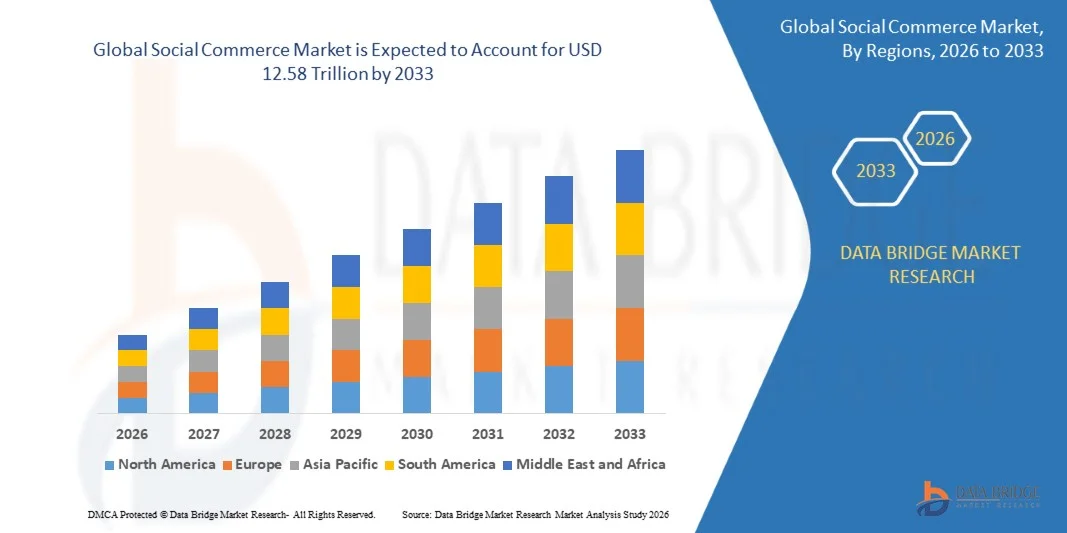
- حسب بيانات قاعدة البيانات قُدِّر حجم سوق التجارة الاجتماعية العالمية بقيمة1.55 تريليون دولار في عام 2025ومن المتوقع أن يتم ذلك12.58 تريليون من دولارات, ما(أ) أُئئئئ من 29.84٪خلال الفترة التي
- ويغذي نمو السوق إلى حد كبير التوسع السريع في منصات وسائط التواصل الاجتماعي، وزيادة اختراق الهواتف الذكية، وأوجه التقدم المستمر فيالدفعة رقميةالتي تؤدي إلى زيادة إدماج سمات التسوق في بيئات الربط الاجتماعي
- وعلاوة على ذلك، فإن زيادة تفضيل المستهلكين لتجارب تجارية تفاعلية وشخصية وملائمة وسهلة، إلى جانب تزايد تأثير المبدعين وتوصيات الأقران، تعجل باعتماد منابر التجارة الاجتماعية، مما يعزز نمو السوق عموما بدرجة كبيرة.
سوق الحجم و توقّر
- قيمة السوق العالميةالمصدر: المصدر:
- القيمة السوقية المتوقعة (2033): 12.58
- )٢٠٢٦-٢٠٣٣(: 29.84%
ما هي أهم عمليات النقل في سوق التجارة الاجتماعية؟
- أصبحت التجارة الاجتماعية، التي تدمج اكتشاف المنتجات وإشراكها وشراءها مباشرة في منصات وسائط التواصل الاجتماعي، عنصرا حاسما في استراتيجيات تجارة التجزئة الرقمية الحديثة نظرا لقدرتها على الجمع بين الترفيه والتفاعل المجتمعي والمعاملات السلسة
- ويُعزى الطلب المتزايد على التجارة الاجتماعية في المقام الأول إلى ارتفاع مستوى مشاركة المستعملين في البرامج الاجتماعية، وفعالية التسويق القائم على المؤثرات والفيديو، وتزايد الثقة في الشراء، الذي يقوم معا بإعادة تشكيل سلوك المستهلكين في مجال الشراء وتسريع توسع السوق.
- تهيمن منطقة آسيا والمحيط الهادئ على سوق التجارة الاجتماعية بحصة قدرها 72.1 في المائة في عام 2025، بسبب ارتفاع معدل تغلغل وسائط التواصل الاجتماعي، والتبني السريع للناطقين الذكية، وثقافة قوية للتسوق بالعربات المتنقلة أولاً
- ومن المتوقع أن تكون أمريكا الشمالية أسرع المناطق نمواً في سوق التجارة الاجتماعية خلال الفترة المتوقعة بسبب الابتكار السريع في سمات التسوق الاجتماعي والاستثمارات القوية في العلامات التجارية في تسويق المضاربين.
- وكان القطاع التجاري في منطقة العاصمة البريطانية يهيمن على السوق بحصة سوقية بلغت 59.3% في عام 2025، وذلك بسبب الوجود القوي للعلامات التجارية وتجار التجزئة الذين يبيعون مباشرة للمستهلكين من خلال منصات وسائط الإعلام الاجتماعية. ذلك أن الشركات تعمل على تعزيز تسويق المضاربين، وخصائص متكاملة للمغادرة، والإعلان الشخصي لدفع أسعار تحويل ومشتريات دفعية أعلى. كما أن سهولة الاستفادة من تجارب التسوق من البداية إلى النهاية في إطار التطبيقات الاجتماعية تزيد من تعزيز هيمنة الشركات على منطقة التجارة الحرة.
تقرير الـسـع الـدورة
|
الصفات الأولى |
التجارة الأساسية |
|
المُسَجَّل |
|
|
البلدان |
أمريكا الشمالية
أوروبا
منطقة آسيا والمحيط الهادئ
الشرق الأوسط وأفريقيا
جنوب أمريكا الجنوبية
|
|
& مفتاح |
|
|
ما |
|
|
جاري |
وبالإضافة إلى الرؤى السوقية مثل القيمة السوقية، ومعدل النمو، وأجزاء السوق، والتغطية الجغرافية، والجهات الفاعلة في السوق، وسيناريو السوق، يشمل تقرير السوق الذي أعده فريق بحوث سوق جسر البيانات تحليلا متعمقا للخبراء، وتحليلا للاستيراد/التصدير، وتحليلا للتسعير، وتحليلا لاستهلاك الإنتاج، وتحليلا للآفات. |
ما هي الفكرة الرئيسية في سوق التجارة الاجتماعية؟
“تسوّق تسوّق الفيديو - الملوّد بالفيديو والمحلّات التي تسوقها الحية التي تسوقها ستريم”
- وهناك اتجاه بارز في سوق التجارة الاجتماعية يتمثل في النمو السريع للأشكال التجارية التي تستخدم الفيديو والتي تستخدم فيها وسائط الإعلام، والتي تحركها زيادة تفضيل المستهلكين لتجارب الشراء التفاعلية، والآنية، والقائمة على المحتوى في مختلف منابر وسائط الإعلام الاجتماعية. وتجمع هذه الأشكال بين الترفيه، واكتشاف المنتجات، والشراء الفوري، الأمر الذي يؤدي إلى زيادة كبيرة في مشاركة المستخدمين وأسعار التحويل.
- فعلى سبيل المثال، مكّنت منصات مثل TikTok Shoop وDooyyin العلامات التجارية والمبدعين من عقد دورات بيع حية في المسار العام حيث يتم عرض المنتجات وشراءها على الفور، مما أدى إلى ارتفاع متوسط قيم الطلبية وتقوية سلوكيات الشراء التحفيزي. وقد عزز هذا النهج دور المبدعين باعتبارهم عوامل تمكين رئيسية للمبيعات في إطار النظام الإيكولوجي للتجارة الاجتماعية.
- وتكتسب التجارة باستخدام الفيديو قوة متزايدة حيث تتيح أشرطة الفيديو القصيرة الشكل والمحتوى الحي للعلامات التجارية إبراز استخدام المنتجات ونوعيتها وفوائدها على نحو أكثر فعالية من القوائم الثابتة. وهذا السرد المرئي يعزز الثقة ويقلل من تردد الشراء، وخاصة في فئات مثل الأزياء والجمال ومنتجات أسلوب الحياة.
- وتستثمر البرامج الاجتماعية الرئيسية استثماراً كبيراً في أدوات التجارة الحية، وسمات خلق تحويل الأموال إلى نقود، وفي القدرات على الخروج من الأسواق لدعم هذا الاتجاه. وهذه الاستثمارات تعمل على تسريع التحول من التجارة الإلكترونية التقليدية إلى رحلات تسوق اجتماعية أولى مزدهرة.
- إن التأثير المتزايد للمؤثرين والمصممين الدقيقين يزيد من تعزيز تبني التجارة بواسطة الفيديو، حيث يعتمد المستهلكون بشكل متزايد على التوصيات التي يقودها الأقران وعلى المحتوى الأصيل. وهذه الديناميكية تعيد صياغة الكيفية التي تخصص بها العلامات التجارية ميزانيات التسويق لاستراتيجيات التجارة الاجتماعية.
- والتوسيع المطرد لشرائط الفيديو والتسوق على الهواء مباشرة هو وضع منصات التجارة الاجتماعية في مواقعها كقنوات تجزئة كاملة، مما يعزز دورها في قيادة الاكتشافات والمشاركة والمبيعات المباشرة داخل بيئات التجارة الرقمية
سوق التجارة الاجتماعية
سائق
"استحداث وسائل الإعلام الاجتماعية وأسلوب المستهلك الأول المتنقل"
- إن سوق التجارة الاجتماعية مدفوعة بقوة بالاختراق الواسع النطاق لوسائل الإعلام الاجتماعية والتحول السريع نحو سلوك المستهلك المتنقل الأول عبر الأسواق العالمية. وقد خلق الاستخدام اليومي المتزايد للتطبيقات الاجتماعية بيئة طبيعية لإدماج التسوق في التفاعلات الرقمية الروتينية.
- فعلى سبيل المثال، أدرجت شركة Meta Frances Inc. سمات تجارية عبر إنستاغرام وفيسبوك، مما مكّن العلامات التجارية من الوصول إلى المستخدمين مباشرة من خلال التغذية والقصص والفراخ. وقد أدت هذه التكاملات إلى تحسين بروز المنتجات واختصر الطريق من الاكتشاف إلى الشراء.
- وقد أدى تزايد توافر الهواتف الذكية الميسورة التكلفة والإنترنت المحمول إلى توسيع نطاق الوصول إلى التجارة الاجتماعية، وخاصة في الاقتصادات الناشئة. ويتزايد تفضيل المستهلكين لاستكمال المعاملات في إطار التطبيقات التي يستخدمونها بالفعل، وتعزيز معدلات الملاءمة والتبني.
- تدعم الوصلات البينية البينية الأولية المتنقلة سمات مثل مراقبة خروج من خلال نقرة واحدة، والحافظات الرقمية، والتوصيات الشخصية، مما يحسن من خبرة المستعملين ويشجع على تكرار المشتريات.
- إن الارتفاع المستمر في استخدام وسائط التواصل الاجتماعي بالاقتران مع سلوكيات التسوّق المتمركزة في الجوال يعزز التجارة الاجتماعية كمحرك أساسي للنمو في إطار المشهد الأوسع للتجزئة الرقمية.
التعرّض/التحديي
“شواغل الخصوصية في البيانات وقضايا الثقة في المعاملات الاجتماعية”
- وتواجه سوق التجارة الاجتماعية تحديات تتعلق بالشواغل المتعلقة بخصوصية البيانات وثقة المستهلك في إجراء المعاملات مباشرة داخل المنابر الاجتماعية.
- فعلى سبيل المثال، واجهت شركة Meta Plores، في مناطق متعددة، اهتماماً تنظيمياً مستمراً فيما يتعلق بممارسات حماية البيانات، مما دفع منابر إلى تعزيز الشفافية وتدابير الامتثال.
- ويظل المستهلكون حذرين من تبادل المعلومات المالية عن التطبيقات الاجتماعية، ولا سيما في الأسواق التي ترتفع فيها درجة الوعي بإساءة استعمال البيانات ومخاطر أمن الفضاء الحاسوبي.
- ويتطلب ضمان تجهيز المدفوعات المأمونة، ومنع الغش، واتباع سياسات شفافة لاستخدام البيانات استثمارا مستمرا في التكنولوجيا وأطر الامتثال.
- ومن المتوقع أن تؤثر الشواغل الجارية بشأن الخصوصية والثقة على تصميم المنهاج والمشاركة التنظيمية واعتماد المستهلك، مما يشكل التطور الطويل الأجل لسوق التجارة الاجتماعية
نوع السوق
وتقسم السوق إلى قطاعات على أساس نموذج الأعمال التجارية، ونوع المنتج، والمنصة أو قناة البيع.
● باستخدام نموذج تجاري
واستناداً إلى نموذج الأعمال التجارية، فإن سوق التجارة الاجتماعية مقسمة إلى سوق الأعمال التجارية، وسوق التجارة الدولية، وسوق الأعمال التجارية، وسوق التجارة الدولية. وسيطر قطاع التجارة بين الشركات على السوق بأكبر حصة من الإيرادات بلغت 59.3% في عام 2025، مدفوعاً بالوجود القوي للعلامات التجارية وتجار التجزئة الذين يبيعون مباشرة للمستهلكين من خلال منصات وسائط الإعلام الاجتماعية. كما تعمل الشركات على التأثير في تسويق المؤثرات، وخصائص الخروج المتكاملة، والإعلان الشخصي لدفع أسعار تحويل أعلى ومشتريات دافعة. ومما يزيد من تقوية هيمنة الشركات على التجارة من نقطة البداية إلى النهاية في التطبيقات الاجتماعية.
ومن المتوقع أن يشهد الجزء الخاص بالتفاعل بين القطاعين العام والخاص أسرع معدل للنمو من عام 2026 إلى عام 2033، مدفوعاً بالارتفاع السريع في نماذج البيع من الأقران إلى الأقران وإعادة البيع الاجتماعي. ويتزايد استخدام فرادى البائعين للبرامج الاجتماعية لتحويل الشبكات الشخصية، والبيع الحي، والثقة المجتمعية. وتشجع الحواجز المنخفضة أمام الدخول والحد الأدنى من الاستثمار الأولي على المشاركة على نطاق أوسع، وتسريع النمو عبر الأسواق الناشئة والمتقدمة النمو.
• حسب نوع المنتج
واستناداً إلى نوع المنتج، تُقسم سوق التجارة الاجتماعية إلى رعاية شخصية ورعاية للجمال، وملابس، ولوازم، ومنتجات منزلية، ومكملات صحية، والأغذية والمشروبات، وغيرها، ويهيمن قطاع الرعاية الشخصية ورعاية الجمال على السوق في عام 2025، مدعوماً بالجذب البصري العالي، وعمليات إطلاق المنتجات المتكررة، والطلب القوي الذي يحركه المؤثرون. وتؤدي أشرطة الفيديو القصيرة، والدروس، والاستعراضات دوراً حاسماً في تشكيل قرارات الشراء وقيادة المبيعات المتكررة. كما تساهم الهوامش العالية وقصص العلامات التجارية في قيادة القطاع.
ومن المتوقع أن يسجل قطاع الملابس أسرع نمو من عام 2026 إلى عام 2033، مدفوعاً بزيادة تبني التجارة الحية وعرض المنتجات في الوقت الحقيقي. ويستفيد المستهلكون من توجيه الحجم، وكتابة النصائح، والتغذية المرتدة الفورية أثناء الجلسات الحية، مما يؤدي إلى تحسين الثقة في شراء الملابس على الإنترنت. وتعجل دورات الاتجاهات السريعة والمصادقة الاجتماعية بسلوك الشراء، وتدعم النمو المستدام.
• بواسطة المنبر/القناة
وعلى أساس المنصة وقناة المبيعات، تُقسم سوق التجارة الاجتماعية إلى تجارة الفيديو، والتجارة الاجتماعية التي تقودها الشبكات الاجتماعية، وإعادة البيع الاجتماعي، والشراء الجماعي، وبرامج استعراض المنتجات. واحتلت التجارة التي تقودها الشبكات الاجتماعية أكبر حصة من إيرادات السوق في عام 2025 بسبب الدمج العميق لملامح التسوق داخل منصات وسائط الإعلام الاجتماعية المستخدمة على نطاق واسع.
ومن المتوقع أن يشهد قطاع تجارة الفيديو الأسرع من عام 2026 إلى عام 2033، مدفوعاً بتزايد تفضيل المستهلكين لتجارب التسوّق التفاعلية والغامضة. ويتيح البثّ الحي والفيديو القصير عروضاً إيضاحية في الوقت الحقيقي للمنتجات والتفاعل الفوري بين المشترين، مما يزيد من الثقة وأسعار التحويل. كما أن التوسع في اقتصاد الإبداع وتحسين البنية التحتية المتدفقة يزيدان من تسارع الاعتماد عبر المناطق.
(السوق الاجتماعية
- هيمنت منطقة آسيا والمحيط الهادئ على سوق التجارة الاجتماعية بأكبر حصة من الإيرادات بلغت 72.1 في المائة في عام 2025، مدفوعاً بارتفاع معدل تغلغل وسائط التواصل الاجتماعي، وتبني الهواتف الذكية السريعة، وثقافة قوية للتسوق أولاً بواسطة الهاتف المحمول
- ويعجّل نمو السوق بكثافة عدد سكان المنطقة الكبير من الشباب، وتوسع البنية الأساسية للمدفوعات الرقمية، والاستخدام الواسع النطاق لنماذج البيع التي يقودها المؤثرون والمجاري الحية
- :: دعم التوسع المطرد في زيادة إمكانية الوصول إلى الإنترنت، والابتكار من منطلقات الابتكار، وزيادة الثقة في النظم الإيكولوجية الاجتماعية في الاقتصادات الناشئة
شركة الصين للتجارة الاجتماعية
كانت الصين صاحبة أكبر حصة في سوق التجارة الاجتماعية لآسيا والمحيط الهادئ في عام 2025، وذلك بسبب نظامها الإيكولوجي لوسائل التواصل الاجتماعي المتقدمة للغاية، واعتماد التجارة في المسار الحيوي في وقت مبكر. فالتكامل القوي لسمات التسوق داخل المنابر الاجتماعية، والاقتصاد الإبداعي الواسع النطاق، وقبول المستهلك الواسع النطاق للمشتريات داخل نطاق واسع تشكل محركات رئيسية للنمو. ولا تزال معدلات المشاركة المرتفعة والمدفوعات الرقمية السلسة تعزز الموقف القيادي للصين.
شركة الهند للتجارة الاجتماعية
إن الهند تشهد أسرع نمو في منطقة آسيا والمحيط الهادئ، حيث يغذيها اختراق سريع للهواتف الذكية، والبيانات المتنقلة الميسورة التكلفة، وزيادة مشاركة صغار الباعة والمؤثرين. والواقع أن تبني نماذج إعادة البيع الاجتماعية والمحتوى العاموي آخذ في التوسع إلى أبعد من المدن المترو. والواقع أن زيادة الثقة في المدفوعات الرقمية واشتراك المستخدمين القوي في المنابر الاجتماعية من شأنهما أن يزيدا من قوة دفع زخم السوق.
أوروبا أوروبا
إن سوق التجارة الاجتماعية في أوروبا آخذة في التوسع باطراد، بدعم من زيادة اعتماد سمات التسوق في وسائط الإعلام الاجتماعية وزيادة التعاون بين العلامات التجارية ومبدئي المحتوى. ويبدي المستهلكون تفضيلاً متزايداً لتجارب التسوق المكيفة حسب الشخصية والتي تحركها المجتمعات المحلية. والواقع أن المعايير القوية لحماية البيانات والتركيز على المعاملات الرقمية الآمنة تشكل استراتيجيات أساسية في مختلف أنحاء المنطقة.
ألمانيا سوق التجارة الاجتماعية
الواقع أن سوق التجارة الاجتماعية في ألمانيا مدفوعة بارتفاع معدل اختراق الإنترنت، ونضج التجارة الإلكترونية القوي، وزيادة استخدام المنصات الاجتماعية في اكتشاف المنتجات. وتركز العلامات التجارية على الجودة والشفافية والاستعراضات الموثوقة لإشراك المستهلكين. والواقع أن دمج وسائل الإعلام الاجتماعية مع أنظمة التجزئة القائمة على الإنترنت يدعم النمو التدريجي ولكن المتسق.
المملكة المتحدة
ويستفيد سوق المملكة المتحدة من قاعدة استهلاكية رقمية عالية الكفاءة، ومن الاستخدام الواسع النطاق لوسائل التواصل الاجتماعي، والتأثير القوي للتسويق الذي يقوده المبدعون. ويتعزز النمو من خلال زيادة تبني الترويج للمنتجات القائمة على الفيديو، وعمليات التكامل السلسة للمغادرة. ولا تزال المشاركة العالية للمستهلكين والثقة في قنوات التجزئة الرقمية تعمل على تعزيز حضور السوق.
سوق التجارة الاجتماعية في أمريكا الشمالية
ومن المتوقع أن تنمو أميركا الشمالية على أسرع مستويات نموها من عام 2026 إلى عام 2033، مدفوعاً بالابتكار السريع في السمات الاجتماعية للتسوق والاستثمارات القوية في تسويق النفوذ. ومن العوامل الرئيسية في هذا السياق ارتفاع الدخل المتاح، والبنية الأساسية الرقمية المتقدمة، والقبول المتزايد للشراء في مرحلة الشراء. ومن العوامل الرئيسية في هذا السياق التوسع في تجارة الفيديو وأشكال التسوق الحية.
سوق التجارة الاجتماعية في الولايات المتحدة
لقد استأثرت الولايات المتحدة بأكبر حصة في سوق التجارة الاجتماعية لأمريكا الشمالية في عام 2025، بدعم من مشهد إعلامي اجتماعي ناضج ومشاركة قوية من العلامات التجارية العالمية. إن أدوات الإعلان المتقدمة، وإضفاء الطابع الشخصي على أساس البيانات، والاستخدام الواسع النطاق للمؤثرات من شأنه أن يعزز أسعار التحويل. والواقع أن رفع مستوى المنصة المستمرة وارتفاع مستوى مشاركة المستهلكين يعملان على تعزيز الدور القيادي للولايات المتحدة في المنطقة.
الإقليم الذي يحمل أكبر حصة من -السوق التجارية الاجتماعية؟
وتقود صناعة التجارة الاجتماعية في المقام الأول شركات راسخة، منها:
- )الولايات المتحدة الأمريكية(
- شياو هونشو (الصين)
- Etsy, Inc. (الولايات المتحدة)
- (الهند)
- Wecht / Weexin (الصين)
- شركة Pushmarc, Inc. (الولايات المتحدة)
- ترايل شوش (الهند)
- منبرات ميتا، Inc. (الولايات المتحدة)
- شركة يونجي المحدودة المحدودة (الصين)
- (الولايات المتحدة الأمريكية)
- تيك توكيك / دوين (الصين)
- شركة فاشنير المحدودة (الهند)
- تاوباو (الصين)
- (الولايات المتحدة الأمريكية)
- بيندودودودوو Inc. (الصين)
آخر التطورات في السوق العالمية للتجارة الاجتماعية
- وفي أيار/مايو 2025، أقام علي بابا شراكة مع شياو هونشو لتعزيز التكامل في التجارة الاجتماعية في الصين، مما مكّن من إعادة التوجيه مباشرة من توصيات المنتجات القائمة على المحتوى إلى المشتريات من تاوباو وتمال. وقد حسن هذا التطور إلى حد كبير مشاركة المستعملين وكفاءة التحويل، كما يتجلى في ارتفاع معدلات الانتصار وزيادة التفاعل، مما عزز دور المنصات القائمة على المحتوى في دفع نمو المعاملات داخل النظام الإيكولوجي للتجارة الاجتماعية.
- وفي أيار/مايو 2025، أدخلت شركة Penter، Inc.، تصنيف المحتوى الذي أنتجته شركة AI لتحسين الشفافية وثقة المستعملين على منصة الشركة. وبتحديدها الواضح للصور المعدلة وفقاً للتصنيف من خلال العلامات البصرية ونظم الكشف المتقدمة، عززت الشركة مصداقية المحتوى، التي من المتوقع أن تؤثر إيجابياً على ثقة المستخدمين، وثقة المُعلِنين، والمشاركة الطويلة الأجل في إطار الاكتشاف الاجتماعي والبيئات التي تحركها التجارة.
- في إبريل/نيسان من عام 2025، وسع تيك توك نطاق خاصية محله في أسواق أوروبية إضافية، بالاستفادة من الأداء القوي في المملكة المتحدة وجنوب شرق آسيا. ويدعم هذا التوسع استراتيجية تيك تيك توك الرامية إلى توسيع نطاق المشتريات والتجارة الحية، وتمكين العلامات التجارية من الوصول إلى جماهير أوسع نطاقاً، وتسريع نمو المبيعات المدفوع من المنصة عبر مشهد التجارة الاجتماعية السريع التوسع في أوروبا.
- في فبراير/شباط من عام 2025، أعلن عليبابا عن شراكة استراتيجية مع شركة أبل لإدماج نموذجها Qwen AI في خدمات آي فون في الصين، بهدف تعزيز الطابع الشخصي والتوصية بدقة في تجارب التسوق الرقمي. وهذا التحرك يعزز قدرات التجارة الاجتماعية التي تحركها وكالة العفو الدولية، الأمر الذي يسمح بقدر أكبر من المحتوى المكيف، واكتشاف المنتجات، وارتفاع معدلات التحويل عبر النظام الإيكولوجي في عليبابا.
- في نوفمبر/تشرين الثاني 2023، أدخلت شركة Meta Porces, Inc. حساب ربط بين فيسبوك، وإنستاغرام، والأمازون لتبسيط تجارب التسوق في التطبيق. ومن خلال تمكين المستخدمين من إتمام مشترياتهم من الأمازون مباشرة داخل منصات ميتا، خفض هذا التكامل من احتكاك الشراء، وحسّن أسعار التحويل، وعزز دور المنصات الاجتماعية كقنوات للتجارة الكاملة النفق.
SKU-
احصل على إمكانية الوصول عبر الإنترنت إلى التقرير الخاص بأول سحابة استخبارات سوقية في العالم

- لوحة معلومات تحليل البيانات التفاعلية
- لوحة معلومات تحليل الشركة للفرص ذات إمكانات النمو العالية
- إمكانية وصول محلل الأبحاث للتخصيص والاستعلامات
- تحليل المنافسين باستخدام لوحة معلومات تفاعلية
- آخر الأخبار والتحديثات وتحليل الاتجاهات
- استغل قوة تحليل المعايير لتتبع المنافسين بشكل شامل
منهجية البحث
يتم جمع البيانات وتحليل سنة الأساس باستخدام وحدات جمع البيانات ذات أحجام العينات الكبيرة. تتضمن المرحلة الحصول على معلومات السوق أو البيانات ذات الصلة من خلال مصادر واستراتيجيات مختلفة. تتضمن فحص وتخطيط جميع البيانات المكتسبة من الماضي مسبقًا. كما تتضمن فحص التناقضات في المعلومات التي شوهدت عبر مصادر المعلومات المختلفة. يتم تحليل بيانات السوق وتقديرها باستخدام نماذج إحصائية ومتماسكة للسوق. كما أن تحليل حصة السوق وتحليل الاتجاهات الرئيسية هي عوامل النجاح الرئيسية في تقرير السوق. لمعرفة المزيد، يرجى طلب مكالمة محلل أو إرسال استفسارك.
منهجية البحث الرئيسية التي يستخدمها فريق بحث DBMR هي التثليث البيانات والتي تتضمن استخراج البيانات وتحليل تأثير متغيرات البيانات على السوق والتحقق الأولي (من قبل خبراء الصناعة). تتضمن نماذج البيانات شبكة تحديد موقف البائعين، وتحليل خط زمني للسوق، ونظرة عامة على السوق ودليل، وشبكة تحديد موقف الشركة، وتحليل براءات الاختراع، وتحليل التسعير، وتحليل حصة الشركة في السوق، ومعايير القياس، وتحليل حصة البائعين على المستوى العالمي مقابل الإقليمي. لمعرفة المزيد عن منهجية البحث، أرسل استفسارًا للتحدث إلى خبراء الصناعة لدينا.
التخصيص متاح
تعد Data Bridge Market Research رائدة في مجال البحوث التكوينية المتقدمة. ونحن نفخر بخدمة عملائنا الحاليين والجدد بالبيانات والتحليلات التي تتطابق مع هدفهم. ويمكن تخصيص التقرير ليشمل تحليل اتجاه الأسعار للعلامات التجارية المستهدفة وفهم السوق في بلدان إضافية (اطلب قائمة البلدان)، وبيانات نتائج التجارب السريرية، ومراجعة الأدبيات، وتحليل السوق المجدد وقاعدة المنتج. ويمكن تحليل تحليل السوق للمنافسين المستهدفين من التحليل القائم على التكنولوجيا إلى استراتيجيات محفظة السوق. ويمكننا إضافة عدد كبير من المنافسين الذين تحتاج إلى بيانات عنهم بالتنسيق وأسلوب البيانات الذي تبحث عنه. ويمكن لفريق المحللين لدينا أيضًا تزويدك بالبيانات في ملفات Excel الخام أو جداول البيانات المحورية (كتاب الحقائق) أو مساعدتك في إنشاء عروض تقديمية من مجموعات البيانات المتوفرة في التقرير.











