


心嚢液貯留治療の世界市場セグメンテーション、治療(投薬、手術、排液、その他)、診断(胸部X線、コンピューター断層撮影(CT)スキャン、心電図、心エコー図、磁気共鳴画像(MRI)など)、症状(不安、腹部膨満感、胸痛、混乱、落ち着きのなさ、息切れ、咳、失神、動悸、ふらつき、吐き気、腹部および脚の腫れなど)、投与量(錠剤、注射など)、投与経路(経口、静脈内など)、エンドユーザー(クリニック、病院など)、流通チャネル(病院薬局、小売薬局、オンライン薬局)– 2032年までの業界動向と予測
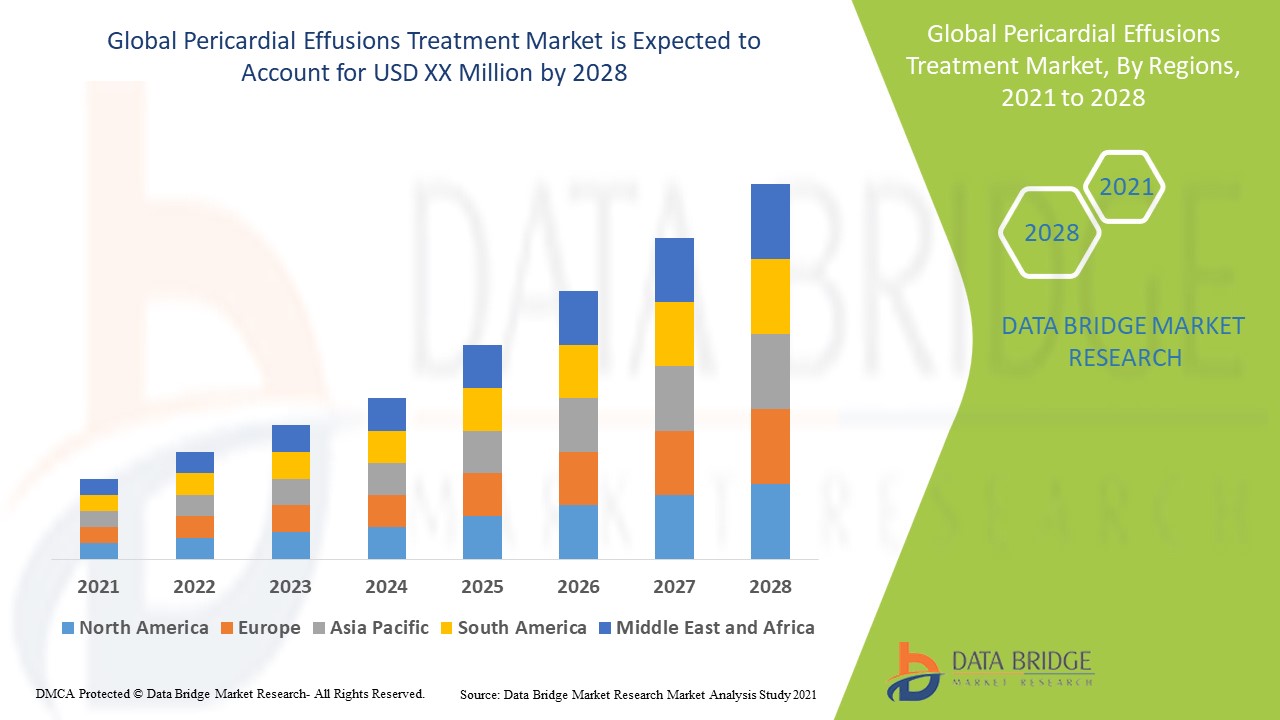
心嚢液貯留治療市場分析
心嚢液貯留の治療市場は、診断技術の進歩、革新的な治療法、心血管疾患に対する意識の高まりにより、著しい成長を遂げています。心嚢液貯留は、心嚢内に異常に液体が溜まる病気で、感染症、がん、心不全などの症状が原因となることがあります。心タンポナーデなどの合併症を防ぐには、早期診断と効果的な管理が不可欠です。心エコー図、CTスキャン、MRIなどの画像診断技術の最近の進歩により、心嚢液貯留のより正確な検出とモニタリングが可能になりました。さらに、心嚢穿刺や心嚢ドレーンの使用などの新しい治療法により、胸痛や息切れなどの症状が早く緩和され、患者の転帰が改善されました。さらに、コルチコステロイドや非ステロイド性抗炎症薬(NSAID)などの薬物療法の開発により、根本的な原因に対するより効果的な治療オプションが提供されています。特に北米やアジア太平洋などの地域では、ヘルスケアに対する意識が高まるにつれて、高度な治療に対する需要が高まることが予想されます。これは、政府の取り組みやヘルスケアインフラへの民間投資によってさらに後押しされ、心嚢液貯留に対するタイムリーで費用対効果の高い治療へのアクセスが向上します。
心嚢液貯留治療市場規模
世界の心嚢液貯留治療市場規模は、2024年に3億7,102万米ドルと評価され、2025年から2032年の予測期間中に6.84%のCAGRで成長し、2032年には6億2,971万米ドルに達すると予測されています。市場価値、成長率、セグメンテーション、地理的範囲、主要プレーヤーなどの市場シナリオに関する洞察に加えて、Data Bridge Market Researchがまとめた市場レポートには、詳細な専門家分析、患者の疫学、パイプライン分析、価格分析、規制枠組みも含まれています。
心嚢液貯留治療市場の動向
「低侵襲手術の採用拡大」
心嚢液貯留治療市場は、心血管疾患の増加と診断技術の進歩に牽引され、成長を遂げています。重要な傾向の 1 つは、心嚢から過剰な液を迅速に排出できる心嚢穿刺などの低侵襲手術の採用が増えていることです。この手術は、心嚢窓手術などの従来の外科的介入に比べて合併症のリスクが低いため、より一般的になっています。さらに、心エコー図や CT スキャンなどの高度な画像技術の導入により、早期診断の精度が向上し、タイムリーな介入が可能になり、心タンポナーデなどの合併症のリスクが軽減されています。医療インフラが高度に発達している北米やヨーロッパなどの市場では、より多くの患者が早期に診断および治療を受けているため、この傾向が加速しています。さらに、患者中心のケアへの注目の高まりと治療後のモニタリングの改善により、診断ツールと治療介入の両方に対する需要がさらに高まり、市場の成長が促進されると予想されます。
レポートの範囲と心嚢液浸出液治療市場のセグメンテーション
|
属性 |
心嚢液貯留の治療に関する主要な市場洞察 |
|
対象セグメント |
|
|
対象国 |
北米では米国、カナダ、メキシコ、ヨーロッパではドイツ、フランス、英国、オランダ、スイス、ベルギー、ロシア、イタリア、スペイン、トルコ、ヨーロッパではその他のヨーロッパ、中国、日本、インド、韓国、シンガポール、マレーシア、オーストラリア、タイ、インドネシア、フィリピン、アジア太平洋地域 (APAC) ではその他のアジア太平洋地域 (APAC)、中東およびアフリカ (MEA) の一部としてサウジアラビア、UAE、南アフリカ、エジプト、イスラエル、中東およびアフリカ (MEA) の一部としてその他の中東およびアフリカ (MEA)、南米の一部としてブラジル、アルゼンチン、南米のその他の地域 |
|
主要な市場プレーヤー |
ベーリンガーインゲルハイムインターナショナル GmbH(ドイツ)、GSK plc(英国)、バイエル AG(ドイツ)、ファイザー社(米国)、サノフィ(フランス)、サンファーマシューティカルインダストリーズ社(インド)、武田薬品工業株式会社(日本)、ドクターレディーズラボラトリーズ社(インド)、ジョンソン・エンド・ジョンソンサービス社(米国)、リリー社(米国)、大日本住友製薬株式会社(日本)、バウシュヘルスカンパニーズ社(カナダ)、LEO Pharma A/S(デンマーク)、ルピン社(インド)、シプラ社(インド)、アッヴィ社(米国)、F.ホフマン・ラ・ロシュ社(スイス)、マイラン社(米国)、オーロビンドファーマ社(インド)、アボット社(米国)、アストラゼネカ社(英国)、ノバルティス社(スイス) |
|
市場機会 |
|
|
付加価値データ情報セット |
Data Bridge Market Research がまとめた市場レポートには、市場価値、成長率、セグメンテーション、地理的範囲、主要プレーヤーなどの市場シナリオに関する洞察に加えて、専門家による詳細な分析、患者の疫学、パイプライン分析、価格分析、規制の枠組みも含まれています。 |
心嚢液貯留治療市場の定義
心嚢液貯留とは、心臓を囲む二重壁の膜である心嚢内に過剰な液体が貯留することです。この症状は、感染症、がん、外傷、心不全などの基礎疾患など、さまざまな原因で起こります。心嚢液貯留の治療は、症状を軽減し、貯留した液体の圧力によって心臓が血液を効果的に送り出す能力が損なわれる、生命を脅かす状態である心タンポナーデなどの合併症を防ぐことを目的としています。
心嚢液貯留治療市場の動向
ドライバー
- 心血管疾患(CVD)の罹患率の上昇
The rising prevalence of cardiovascular diseases (CVDs), such as heart failure, coronary artery disease, and pericarditis, has significantly increased the occurrence of pericardial effusions, driving the demand for treatment options. According to the World Health Organization (WHO), CVDs remain the leading cause of death worldwide, accounting for over 17 million deaths annually, which underscores the growing need for effective management of related complications such as pericardial effusion. Additionally, heart failure, a major contributor to pericardial effusion, affects an estimated 64 million people globally, with projections suggesting this number will rise as populations age. The increasing number of patients diagnosed with these conditions has expanded the need for innovative diagnostic and therapeutic solutions, contributing to the growth of the pericardial effusion treatment market. As heart-related diseases continue to rise, particularly in developed regions, healthcare systems are focusing on improving patient outcomes, further driving the demand for pericardial effusion treatments. This growing burden of cardiovascular diseases is a significant market driver for treatments such as pericardiocentesis and anti-inflammatory therapies
- Rising Aging Population
The aging population, particularly in developed regions such as North America and Europe, is a significant driver of the pericardial effusion treatment market. As individuals age, the risk of developing cardiovascular diseases (CVDs) increases, which in turn raises the incidence of pericardial effusion. According to the World Health Organization (WHO), the global population aged 60 years or older is expected to reach 2.1 billion by 2050, accounting for 22% of the total population. This demographic shift is notably pronounced in regions such as Europe, where nearly 25% of the population is aged 60 or older, making elderly individuals more susceptible to heart conditions such as heart failure, which is a major contributor to pericardial effusion. For instance, heart failure affects more than 64 million people globally, and as the elderly population grows, the demand for specialized care for cardiovascular-related complications, including pericardial effusions, is expected to increase. This trend is driving the market for treatment options, such as pericardiocentesis and surgical interventions, as healthcare systems adapt to the rising healthcare needs of an aging population.
Opportunities
- Rise in Research and Development (R&D) Activities
The rise in research and development (R&D) activities is a significant market opportunity in the pericardial effusion treatment market. Ongoing R&D in both diagnostic and therapeutic technologies is driving innovation, offering potential improvements in patient outcomes. For instance, advancements in imaging techniques such as high-resolution echocardiography and CT scans have made early detection of pericardial effusion more accurate and efficient, which allows for timely intervention. Additionally, researchers are focusing on developing less invasive treatment options, such as advanced pericardiocentesis methods and novel drug therapies aimed at managing underlying causes such as inflammation or infections. Companies such as Abbott and Johnson & Johnson are investing heavily in R&D to develop cutting-edge treatments, while academic institutions are exploring more effective management strategies for pericardial effusion, driven by the increasing cardiovascular disease burden globally. The growing commitment to R&D is expected to create new market opportunities by enhancing the quality of care and expanding treatment options for pericardial effusion, thus driving market growth.
- Rising Initiatives by Both Public and Private Organizations
The rising initiatives by both public and private organizations to spread awareness about pericardial effusion and related cardiovascular diseases present a significant market opportunity. Global health organizations, such as the World Health Organization (WHO) and American Heart Association (AHA), are increasing their efforts to raise awareness about the symptoms, risks, and early detection of pericardial effusion, particularly among at-risk populations such as the elderly. For instance, the AHA’s campaigns on heart health and their focus on educating individuals about heart disease symptoms have drawn attention to conditions such as pericardial effusion that can arise from complications such as heart failure. Additionally, private companies and pharmaceutical firms are collaborating with healthcare providers to run public awareness programs and educational campaigns. These initiatives help individuals recognize the signs of pericardial effusion early and encourage healthcare systems to adopt improved diagnostic and treatment protocols. The growing focus on awareness has the potential to expand the market for treatment options, such as pericardiocentesis and minimally invasive surgery, as more patients seek timely interventions.
Restraints/Challenges
- High Cost of Treatment for Pericardial Effusion
The high cost of treatment for pericardial effusion is a significant challenge that limits access to care, particularly in low-income regions. Treatments such as pericardiocentesis, which are essential for draining excess fluid from the pericardial sac, require specialized equipment and trained professionals, making them costly. Additionally, the use of advanced imaging technologies, including echocardiograms and CT scans, is crucial for accurate diagnosis and monitoring, but these procedures can further drive up expenses. These high costs can pose barriers to timely intervention, especially in under-resourced healthcare settings, leading to delays in diagnosis and treatment. In many cases, patients may not receive optimal care due to financial constraints, exacerbating health outcomes and increasing long-term treatment costs. As healthcare systems seek to balance quality care with cost-effectiveness, the financial burden remains a key challenge, hindering the widespread adoption of pericardial effusion treatments and limiting market growth. This challenge underscores the need for more affordable and accessible treatment options to ensure better patient outcomes across diverse populations.
- Complications Associated with Pericardial Effusion
Complications associated with pericardial effusion present a significant challenge in the management and treatment of the disease. One of the most serious complications is cardiac tamponade, a life-threatening condition where the buildup of fluid in the pericardial sac exerts pressure on the heart, impairing its ability to pump blood. This can lead to shock, organ failure, and, if untreated, death. The diagnosis of cardiac tamponade often requires immediate intervention, such as pericardiocentesis, to drain the fluid. However, the presence of other comorbidities, such as heart failure, cancer, or infections, can complicate treatment and recovery, often necessitating a more aggressive and multi-disciplinary approach. For instance, in patients with cancer, pericardial effusion may be recurrent, requiring frequent procedures or long-term medication to manage inflammation, which adds to the complexity and cost of treatment. These complications can lead to delays in diagnosis or treatment, which in turn can increase morbidity, reduce the effectiveness of interventions, and drive up healthcare costs, making it a key challenge for expanding market access and improving patient outcomes.
この市場レポートでは、最近の新しい開発、貿易規制、輸出入分析、生産分析、バリュー チェーンの最適化、市場シェア、国内および現地の市場プレーヤーの影響、新たな収益源の観点から見た機会の分析、市場規制の変更、戦略的市場成長分析、市場規模、カテゴリ市場の成長、アプリケーションのニッチと優位性、製品の承認、製品の発売、地理的拡大、市場における技術革新などの詳細が提供されます。市場に関する詳細情報を取得するには、アナリスト ブリーフについて Data Bridge Market Research にお問い合わせください。当社のチームが、情報に基づいた市場決定を行い、市場の成長を実現できるようお手伝いします。
心嚢液貯留治療市場の範囲
市場は、治療、診断、症状、投与量、投与経路、エンドユーザー、流通チャネルに基づいてセグメント化されています。これらのセグメントの成長は、業界におけるわずかな成長セグメントの分析に役立ち、ユーザーに貴重な市場概要と市場洞察を提供し、コア市場アプリケーションを特定するための戦略的決定を下すのに役立ちます。
処理
- 薬
- 手術
- 体液排出
- その他
診断
- 胸部X線
- コンピュータ断層撮影(CT)スキャン
- 心電図
- 心エコー検査
- 磁気共鳴画像(MRI)
- その他
症状
- 不安
- 腹部膨満感
- 胸痛
- 混乱
- 落ち着きのなさ
- 息切れ
- 咳
- 失神
- 動悸
- ふらつき
- 吐き気
- 腹部と脚の腫れ
- その他
投与量
- 錠剤
- 注射
- その他
投与経路
- オーラル
- 静脈内
- その他
エンドユーザー
- クリニック
- 病院
- その他
流通チャネル
- 病院薬局
- 小売薬局
- オンライン薬局
心嚢液浸出液治療市場の地域分析
市場は分析され、市場規模の洞察と傾向は、上記のように国、治療、診断、症状、投与量、投与経路、エンドユーザー、流通チャネル別に提供されます。
市場レポートでカバーされている国は、北米では米国、カナダ、メキシコ、ヨーロッパではドイツ、フランス、英国、オランダ、スイス、ベルギー、ロシア、イタリア、スペイン、トルコ、その他のヨーロッパ諸国、アジア太平洋地域 (APAC) では中国、日本、インド、韓国、シンガポール、マレーシア、オーストラリア、タイ、インドネシア、フィリピン、その他のアジア太平洋地域 (APAC)、中東およびアフリカ (MEA) の一部としてサウジアラビア、UAE、南アフリカ、エジプト、イスラエル、その他の中東およびアフリカ (MEA)、南米の一部としてブラジル、アルゼンチン、その他の南米です。
心嚢液貯留治療市場は北米が優勢で、これは心血管疾患や関連する健康合併症に関する一般の認識の高まりが牽引しています。大手製薬会社やヘルスケア会社の存在により、先進的な治療オプションへのアクセスと利用可能性が向上しています。さらに、この地域は可処分所得が高く、医療インフラが整備されているため、心嚢液貯留の早期診断と効果的な管理がサポートされています。これに研究開発への継続的な投資が加わることで、北米の市場における優位性が強化され、患者ケアの向上と先進的な治療ソリューションが保証されます。
アジア太平洋地域では、医療インフラと研究への投資増加により、2025年から2032年の間に心嚢液貯留治療市場が著しく成長すると予想されています。特に中国やインドなどの新興市場で医療費が増加していることから、医療施設の充実と治療へのアクセスが向上しています。さらに、公衆衛生の向上を目指す政府の取り組みや、心血管疾患に対する意識の高まりにより、高度な診断および治療ソリューションの導入が加速しています。研究開発活動が拡大するにつれ、この地域では市場がさらに成長し、国内外の医療関係者に有望な機会がもたらされると見込まれています。
レポートの国別セクションでは、市場の現在および将来の動向に影響を与える国内市場における個別の市場影響要因と規制の変更も提供しています。下流および上流のバリュー チェーン分析、技術動向、ポーターの 5 つの力の分析、ケース スタディなどのデータ ポイントは、各国の市場シナリオを予測するために使用される指標の一部です。また、国別データの予測分析を提供する際には、グローバル ブランドの存在と可用性、および地元および国内ブランドとの競争が激しいか少ないために直面する課題、国内関税と貿易ルートの影響も考慮されます。
心嚢液貯留治療の市場シェア
市場競争環境では、競合他社ごとの詳細が提供されます。詳細には、会社概要、会社の財務状況、収益、市場の可能性、研究開発への投資、新しい市場への取り組み、世界的なプレゼンス、生産拠点と施設、生産能力、会社の強みと弱み、製品の発売、製品の幅と広さ、アプリケーションの優位性などが含まれます。提供される上記のデータ ポイントは、市場に関連する会社の焦点にのみ関連しています。
心嚢液貯留治療市場で活動するリーダー企業は次のとおりです。
- ベーリンガーインゲルハイムインターナショナルGmbH(ドイツ)
- GSK plc(英国)
- バイエルAG(ドイツ)
- ファイザー社(米国)
- サノフィ(フランス)
- サン・ファーマシューティカル・インダストリーズ(インド)
- 武田薬品工業株式会社(日本)
- ドクター・レディーズ・ラボラトリーズ社(インド)
- ジョンソン・エンド・ジョンソン・サービス社(米国)
- リリー(米国)
- 大日本住友製薬株式会社(日本)
- バウシュ・ヘルス・カンパニーズ(カナダ)
- LEO Pharma A/S(デンマーク)
- ルピナス(インド)
- シプラ社(インド)
- アッヴィ社(米国)
- F.ホフマン・ラ・ロシュ社(スイス)
- マイランNV(米国)
- オーロビンドファーマ(インド)
- アボット(米国)
- アストラゼネカ(英国)
- ノバルティスAG(スイス)
心嚢液貯留治療市場の最新動向
- 2021年3月、キニクサ・ファーマシューティカルズ社は、米国食品医薬品局(FDA)が皮下注射で毎週投与される組み換え融合タンパク質ARCALYST(リロナセプト)を承認したと発表した。この薬はインターロイキン-1アルファ(IL-1α)とインターロイキン-1ベータ(IL-1β)のシグナル伝達を阻害し、再発性心膜炎の治療と、成人および12歳以上の小児の再発リスクの軽減に承認されている。
- 2022年5月、Cardiol Therapeuticsは、再発性心膜炎に対するCardiolRxの多施設第II相オープンラベルパイロットスタディを開始するためのFDA治験薬(IND)の承認を取得したことを明らかにした。
SKU-
世界初のマーケットインテリジェンスクラウドに関するレポートにオンラインでアクセスする
- インタラクティブなデータ分析ダッシュボード
- 成長の可能性が高い機会のための企業分析ダッシュボード
- カスタマイズとクエリのためのリサーチアナリストアクセス
- インタラクティブなダッシュボードによる競合分析
- 最新ニュース、更新情報、トレンド分析
- 包括的な競合追跡のためのベンチマーク分析のパワーを活用
調査方法
データ収集と基準年分析は、大規模なサンプル サイズのデータ収集モジュールを使用して行われます。この段階では、さまざまなソースと戦略を通じて市場情報または関連データを取得します。過去に取得したすべてのデータを事前に調査および計画することも含まれます。また、さまざまな情報ソース間で見られる情報の不一致の調査も含まれます。市場データは、市場統計モデルと一貫性モデルを使用して分析および推定されます。また、市場シェア分析と主要トレンド分析は、市場レポートの主要な成功要因です。詳細については、アナリストへの電話をリクエストするか、お問い合わせをドロップダウンしてください。
DBMR 調査チームが使用する主要な調査方法は、データ マイニング、データ変数が市場に与える影響の分析、および一次 (業界の専門家) 検証を含むデータ三角測量です。データ モデルには、ベンダー ポジショニング グリッド、市場タイムライン分析、市場概要とガイド、企業ポジショニング グリッド、特許分析、価格分析、企業市場シェア分析、測定基準、グローバルと地域、ベンダー シェア分析が含まれます。調査方法について詳しくは、お問い合わせフォームから当社の業界専門家にご相談ください。
カスタマイズ可能
Data Bridge Market Research は、高度な形成的調査のリーダーです。当社は、既存および新規のお客様に、お客様の目標に合致し、それに適したデータと分析を提供することに誇りを持っています。レポートは、対象ブランドの価格動向分析、追加国の市場理解 (国のリストをお問い合わせください)、臨床試験結果データ、文献レビュー、リファービッシュ市場および製品ベース分析を含めるようにカスタマイズできます。対象競合他社の市場分析は、技術ベースの分析から市場ポートフォリオ戦略まで分析できます。必要な競合他社のデータを、必要な形式とデータ スタイルでいくつでも追加できます。当社のアナリスト チームは、粗い生の Excel ファイル ピボット テーブル (ファクト ブック) でデータを提供したり、レポートで利用可能なデータ セットからプレゼンテーションを作成するお手伝いをしたりすることもできます。











