


世界の交通電子チケット市場の細分化、システム別(スマートカードとスマートフォン)、アプリケーション別(鉄道・地下鉄、バス、自家用車) - 2032年までの業界動向と予測
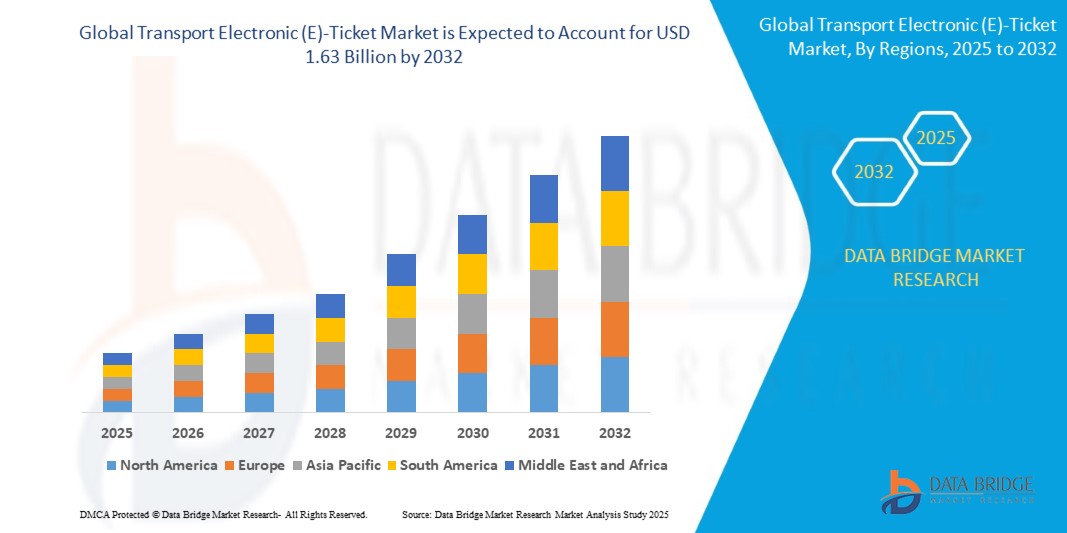
交通電子チケット市場規模
- 世界の交通電子チケット市場規模は2024年に11億3000万米ドルと評価され、予測期間中に4.60%のCAGRで成長し、2032年には16億3000万米ドル に達すると予想されています。
- 市場の成長は、主にデジタルチケットシステムの導入増加、スマートフォンの普及率上昇、交通部門における非接触型・キャッシュレス取引への移行によって推進されている。
- 乗客の利便性の向上、運用コストの削減、リアルタイムデータとモバイルアプリの統合も市場の需要を加速させている。
交通電子チケット市場分析
- シームレスな旅行体験とマルチモーダルなチケットオプションへの需要の高まりが、公共交通機関と民間交通機関のイノベーションを推進しています。
- 政府や交通当局は、NFC、QRコードスキャン、RFIDベースのシステムを含むスマート交通インフラへの投資を増やしている。
- 公共交通機関の近代化と主要都市における非接触技術の導入増加により、北米は2024年に交通電子チケット市場で最大の収益シェアを獲得し、市場を席巻した。
- ヨーロッパ地域は、スマートモビリティソリューションの導入拡大、非接触型決済の支援規制、持続可能な都市交通のトレンドの高まりにより、世界の交通電子チケット市場において最も高い成長率を達成すると予想されています。
- スマートカード分野は、確立された公共交通機関システムでの広範な利用により、2024年には市場を席巻し、最大の市場収益シェアを獲得しました。スマートカードは、利便性、再利用性、乗車時の迅速な認証により広く支持されており、交通量の多い交通網における待ち時間を大幅に短縮します。多くの大都市圏の鉄道・バス網では、データの安全な保存とオフラインアクセスポイントとの統合が可能であることから、スマートカードを運賃管理システムの中核コンポーネントとして推進し続けています。
レポートの範囲と輸送電子チケット市場のセグメンテーション
|
属性 |
交通電子チケット(Eチケット)の主要市場分析 |
|
対象セグメント |
|
|
対象国 |
北米
ヨーロッパ
アジア太平洋
中東およびアフリカ
南アメリカ
|
|
主要な市場プレーヤー |
|
|
市場機会 |
|
|
付加価値データ情報セット |
データブリッジマーケットリサーチがまとめた市場レポートには、市場価値、成長率、セグメンテーション、地理的範囲、主要企業などの市場シナリオに関する洞察に加えて、専門家による詳細な分析、地理的に表された企業別の生産量と生産能力、販売業者とパートナーのネットワークレイアウト、詳細かつ最新の価格動向分析、サプライチェーンと需要の不足分析も含まれています。 |
交通電子チケット市場の動向
「電子チケットシステムとモバイルアプリケーションの統合の進展」
- 交通当局は、ユーザーの利便性を高めるために、モバイルアプリケーションに電子チケット機能を統合するケースが増えている。
- 例えば、ロンドン交通局(TfL)は、ユーザーがモバイルアプリを通じて電子チケットや旅行履歴にアクセスできるようにしている。
- これらのアプリは、リアルタイムのスケジュール、運賃の比較、GPSベースのナビゲーションなどの追加機能を提供することが多い。
- モバイルベースの発券は、紙のチケットや物理的なキオスクへの依存を大幅に減らし、環境に優しい目標をサポートします。
- デジタルウォレットとUPIチャネルを介したアプリ内決済は、取引プロセスを合理化し、待ち時間を短縮します。
- 統合により、バス、地下鉄、電車間のシームレスな乗り換えを 1 つのアプリで可能にし、マルチモーダル輸送をサポートします。
交通電子チケット市場の動向
ドライバ
「非接触型・デジタル通勤ソリューションの需要の高まり」
- COVID-19後の公衆衛生上の懸念により、公共交通機関におけるタッチフリーチケットの需要が加速している。
- 例えば、ニューヨーク都市圏交通局(MTA)は、OMNYシステムによる非接触運賃支払いを全面的に導入した。
- デジタルチケットは、セキュリティの強化、運賃逃れの減少、乗客データの追跡の容易化を実現します。
- 非接触型ソリューションは、乗車時間を短縮し、混雑する駅での混雑管理を迅速化します。
- 政府は、デジタルチケットが重要なインフラ要素となるスマートシティプロジェクトを推進している。
- Integration with mobile phones and wearables makes e-ticketing more accessible to tech-savvy users
Restraint/Challenge
“Lack of Standardization Across Regional Transit Networks”
- Many transit systems lack uniform digital ticketing platforms, making cross-region travel inconvenient
- For instance, Japan’s Suica and ICOCA cards are not universally accepted across all regional lines
- Legacy systems still in use by several transit agencies hinder integration with modern e-ticket platforms
- Transit operators face high capital costs to upgrade outdated infrastructure for digital readiness
- Commuters face confusion and inefficiencies due to inconsistent user interfaces across different city apps
- Regulatory variations and fragmented procurement policies limit nationwide or cross-border implementation
Transport Electronic (E)-Ticket Market Scope
The market is segmented on the basis of system and application.
• By System
On the basis of system, the transport electronic (e)-ticket market is segmented into smart card and smartphone. The smart card segment dominated the market with the largest market revenue share in 2024, owing to its widespread usage in well-established public transport systems. Smart cards are widely preferred for their convenience, reusability, and quick validation during boarding, significantly reducing wait times in high-volume transit networks. Several metropolitan rail and bus networks continue to promote smart cards as a core component of their fare management systems due to their ability to store data securely and integrate with offline access points.
The smartphone segment is expected to witness the fastest growth rate from 2025 to 2032, driven by increasing smartphone penetration and demand for contactless payment methods. Smartphone-based e-tickets enable users to purchase and store tickets digitally, offering convenience and enhanced user experience. Many transport authorities are also integrating journey planning, real-time tracking, and digital payments within mobile apps, further accelerating the adoption of smartphone-based ticketing.
• By Application
On the basis of application, the transport electronic (e)-ticket market is segmented into railways and metros, buses, and personal vehicles. The railways and metros segment held the largest revenue share in 2024 due to high daily ridership volumes and early adoption of digital fare collection technologies in urban transit systems. E-ticketing in railways and metros ensures faster throughput, improves operational efficiency, and supports multimodal connectivity for commuters in dense urban regions.
The buses segment is expected to witness the fastest growth rate from 2025 to 2032, supported by increasing government investments in public transportation infrastructure and the push for digital ticketing across municipal bus services. Smartphone and QR-code-based ticketing systems are increasingly being used in intra-city and intercity bus services to eliminate the need for physical tickets and reduce cash transactions.
Transport Electronic (E)-Ticket Market Regional Analysis
- North America dominated the transport electronic (e)-ticket market with the largest revenue share in 2024, driven by the modernization of public transport systems and the increasing adoption of contactless technologies across major cities
- The region benefits from a high level of smartphone penetration and digital literacy, enabling widespread use of mobile ticketing apps and smart card solutions
- Ongoing investments in urban mobility infrastructure and the integration of multimodal transport platforms further support the expansion of digital ticketing solutions across the U.S. and Canada
U.S. Transport Electronic (E)-Ticket Market Insight
The U.S. transport electronic (e)-ticket market accounted for the largest revenue share in North America in 2024, supported by strong government initiatives toward smart transit systems. Major cities such as New York, San Francisco, and Chicago are deploying mobile ticketing systems, such as OMNY and Ventra, enabling seamless, cashless access to subways and buses. The expansion of app-based platforms integrating journey planning, fare payment, and real-time updates is expected to fuel further adoption.
Europe Transport Electronic (E)-Ticket Market Insight
Europe is expected to witness the fastest growth rate from 2025 to 2032, driven by the growing demand for integrated mobility and smart city infrastructure. Countries such as Germany, France, and the U.K. are actively investing in interoperable fare collection systems that enable seamless travel across multiple transport modes. In addition, the EU’s focus on reducing emissions and promoting public transportation is accelerating the shift toward digital ticketing technologies.
U.K. Transport Electronic (E)-Ticket Market Insight
The U.K. transport electronic (e)-ticket market is expected to witness the fastest growth rate from 2025 to 2032, driven by the widespread use of smart cards such as the Oyster card and the rise in smartphone-based ticketing apps. Upgrades in rail, metro, and intercity bus systems are accompanied by the deployment of open-loop and account-based ticketing models. The convenience of digital solutions and national strategies supporting digital transformation in transit systems continue to strengthen the market outlook.
Germany Transport Electronic (E)-Ticket Market Insight
ドイツでは、都市交通の拡大と公共交通網全体にわたるデジタルサービスの統合を背景に、交通機関における電子チケット(eチケット)システムの導入が急速に進んでいます。地方および国営鉄道事業者はモバイルチケットの導入を進めており、自治体はバス、路面電車、地下鉄向けの統合デジタルプラットフォームを展開しています。環境の持続可能性と交通効率への重点が置かれる中で、ベルリン、ミュンヘン、フランクフルトなどの都市では、スマートチケットソリューションの需要がさらに高まっています。
アジア太平洋交通電子チケット市場インサイト
アジア太平洋地域は、大規模な都市化とスマート公共交通インフラへの投資拡大に支えられ、2025年から2032年にかけて最も高い成長率を達成すると予想されています。中国、日本、インドなどの国々は、地下鉄、鉄道、バスサービスに非接触型決済を導入することで、デジタル化をリードしています。スマートフォンと電子ウォレットの急速な普及により、スマートフォンを使った乗車券購入が通勤者の間でますます普及しています。
中国交通電子チケット市場インサイト
中国の交通電子チケット市場は、スマートシティ構想やAlipay、WeChat Payといったモバイル決済プラットフォームの普及に牽引され、アジア太平洋地域で大きなシェアを占めています。北京、上海、深センといった都市では鉄道や地下鉄が整備されており、アプリやQRコードによる乗車券の普及が進み、公共交通機関への迅速かつ非接触型のアクセスが可能になっています。
日本交通電子チケット市場インサイト
日本の交通系電子チケット市場は、SuicaやPASMOなどのICカードが鉄道・バス路線に統合されることで、2025年から2032年にかけて最も高い成長率を記録すると予想されています。テクノロジーに精通した日本の国民性と利便性への需要は、モバイルベースのチケットソリューションの導入を促進しています。スマートフォンやウェアラブルデバイスとの連携、そして複数の交通機関間の相互運用性も、市場拡大を後押ししています。
交通電子チケット市場シェア
交通電子チケット(Eチケット)業界は、主に、次のような定評のある企業によって牽引されています。
- HIDグローバルコーポレーション(米国)
- タレス(米国)
- NXPセミコンダクターズ(オランダ)
- アクセンチュア(アイルランド)
- CPIカードグループ(米国)
- キュービックコーポレーション(米国)
- ゼロックス社(米国)
- AEP Ticketing solutions srl(イタリア)
- ラムバス(米国)
- インフィニオンテクノロジーズAG(ドイツ)
世界の交通電子チケット市場の最新動向
- 2023年4月、キュービック・コーポレーションは、ニューヨーク市の地下鉄、バス、通勤鉄道網に新たな運賃決済システムを導入するために、メトロポリタン・トランスポーテーション・オーソリティ(MTA)から選定されたことを発表しました。このシステムは、非接触型スマートカード、モバイルチケット、券売機を備えたキュービックのAxon運賃収集技術を活用し、交通機関へのアクセスを効率化します。
- 2023年3月、シャイト・アンド・バッハマンは、ロンドン地下鉄向けの新たなスマートチケットシステムを提供する契約を獲得したことを発表しました。同社のAperio運賃収受技術を活用したこのシステムは、非接触型スマートカード、モバイルチケット、券売機などの機能を備え、通勤者の利便性と効率性を向上させます。
SKU-
世界初のマーケットインテリジェンスクラウドに関するレポートにオンラインでアクセスする

- インタラクティブなデータ分析ダッシュボード
- 成長の可能性が高い機会のための企業分析ダッシュボード
- カスタマイズとクエリのためのリサーチアナリストアクセス
- インタラクティブなダッシュボードによる競合分析
- 最新ニュース、更新情報、トレンド分析
- 包括的な競合追跡のためのベンチマーク分析のパワーを活用
調査方法
データ収集と基準年分析は、大規模なサンプル サイズのデータ収集モジュールを使用して行われます。この段階では、さまざまなソースと戦略を通じて市場情報または関連データを取得します。過去に取得したすべてのデータを事前に調査および計画することも含まれます。また、さまざまな情報ソース間で見られる情報の不一致の調査も含まれます。市場データは、市場統計モデルと一貫性モデルを使用して分析および推定されます。また、市場シェア分析と主要トレンド分析は、市場レポートの主要な成功要因です。詳細については、アナリストへの電話をリクエストするか、お問い合わせをドロップダウンしてください。
DBMR 調査チームが使用する主要な調査方法は、データ マイニング、データ変数が市場に与える影響の分析、および一次 (業界の専門家) 検証を含むデータ三角測量です。データ モデルには、ベンダー ポジショニング グリッド、市場タイムライン分析、市場概要とガイド、企業ポジショニング グリッド、特許分析、価格分析、企業市場シェア分析、測定基準、グローバルと地域、ベンダー シェア分析が含まれます。調査方法について詳しくは、お問い合わせフォームから当社の業界専門家にご相談ください。
カスタマイズ可能
Data Bridge Market Research は、高度な形成的調査のリーダーです。当社は、既存および新規のお客様に、お客様の目標に合致し、それに適したデータと分析を提供することに誇りを持っています。レポートは、対象ブランドの価格動向分析、追加国の市場理解 (国のリストをお問い合わせください)、臨床試験結果データ、文献レビュー、リファービッシュ市場および製品ベース分析を含めるようにカスタマイズできます。対象競合他社の市場分析は、技術ベースの分析から市場ポートフォリオ戦略まで分析できます。必要な競合他社のデータを、必要な形式とデータ スタイルでいくつでも追加できます。当社のアナリスト チームは、粗い生の Excel ファイル ピボット テーブル (ファクト ブック) でデータを提供したり、レポートで利用可能なデータ セットからプレゼンテーションを作成するお手伝いをしたりすることもできます。











