- Acute ischemic stroke (AIS) is a critical medical condition that requires prompt and accurate diagnosis followed by immediate treatment to reduce long-term disability and mortality. Advanced imaging techniques and rapid therapeutic interventions have become vital components in managing AIS effectively
- The rising prevalence of stroke, increasing geriatric population, and heightened awareness about early diagnosis and treatment options are primary factors driving growth in the AIS diagnosis and treatment market globally
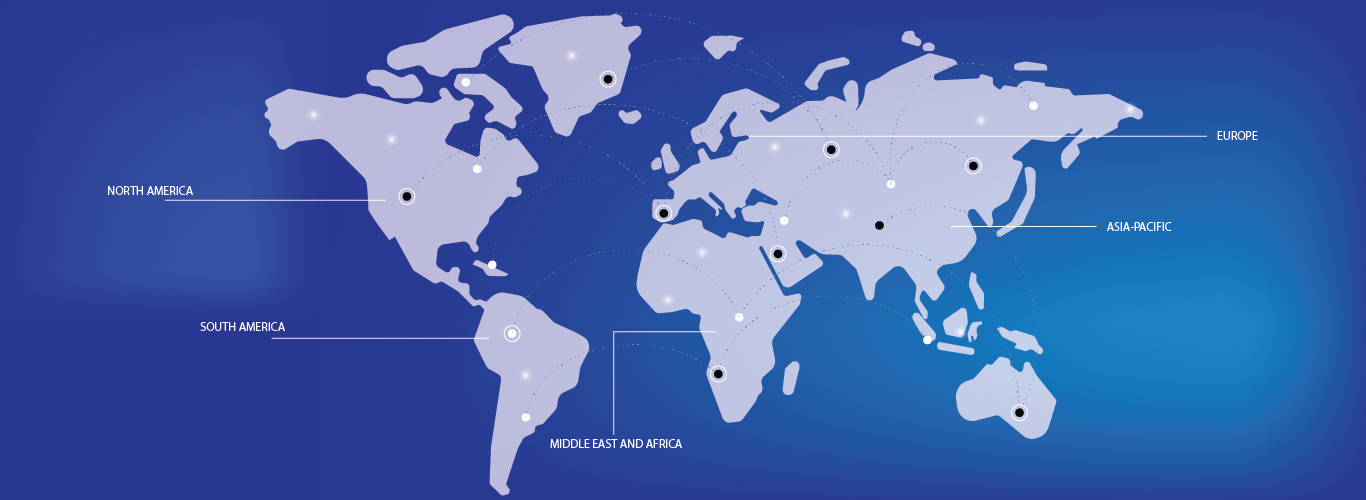
- North America dominated the acute ischemic stroke diagnosis and treatment market with the largest revenue share of 38.7% in 2024, attributed to a well-established healthcare infrastructure, high adoption of advanced diagnostic technologies such as CT/MRI, and a strong presence of pharmaceutical and medtech companies. The U.S., in particular, has seen a surge in mechanical thrombectomy procedures and increased access to primary stroke centers, propelling market expansion
- Asia-Pacific is expected to be the fastest growing region in the acute ischemic stroke diagnosis and treatment market with CAGR of 7.7% during the forecast period, driven by rising stroke incidence, improving healthcare access, growing medical tourism, and increasing government investments in healthcare infrastructure in countries such as China, India, and Japan
- Endovascular mechanical thrombectomy segment dominated the acute ischemic stroke diagnosis and treatment market with a market share of 47.2% in 2024, due to its high success rate in treating large vessel occlusions and its expanding adoption in comprehensive stroke centers. The procedure’s ability to rapidly restore blood flow in eligible patients has made it a critical component in acute stroke intervention protocols