- The animal feed organic trace minerals market is witnessing consistent growth globally, driven by rising demand for nutritionally fortified livestock feed and improved animal productivity. These minerals—such as zinc, copper, manganese, and iron—are chelated or protein-bound, offering superior bioavailability compared to inorganic counterparts. Their role in enhancing immunity, reproduction, and feed efficiency is gaining prominence across commercial poultry, swine, and ruminant farming sectors. However, challenges persist in standardizing formulations, ensuring traceability, and balancing mineral levels to prevent toxicity or environmental runoff.
- The livestock industry's shift toward performance-enhancing and sustainable feed additives is a primary driver, especially as producers seek alternatives to Antibiotic Growth Promoters (AGPs). Organic trace minerals align with this trend by supporting gut health, skeletal development, and immune modulation. Growing concerns around antibiotic resistance and regulatory bans in regions like the EU have further accelerated the uptake of organic mineral supplements. Integration of precision nutrition in animal husbandry is also expanding market opportunities.
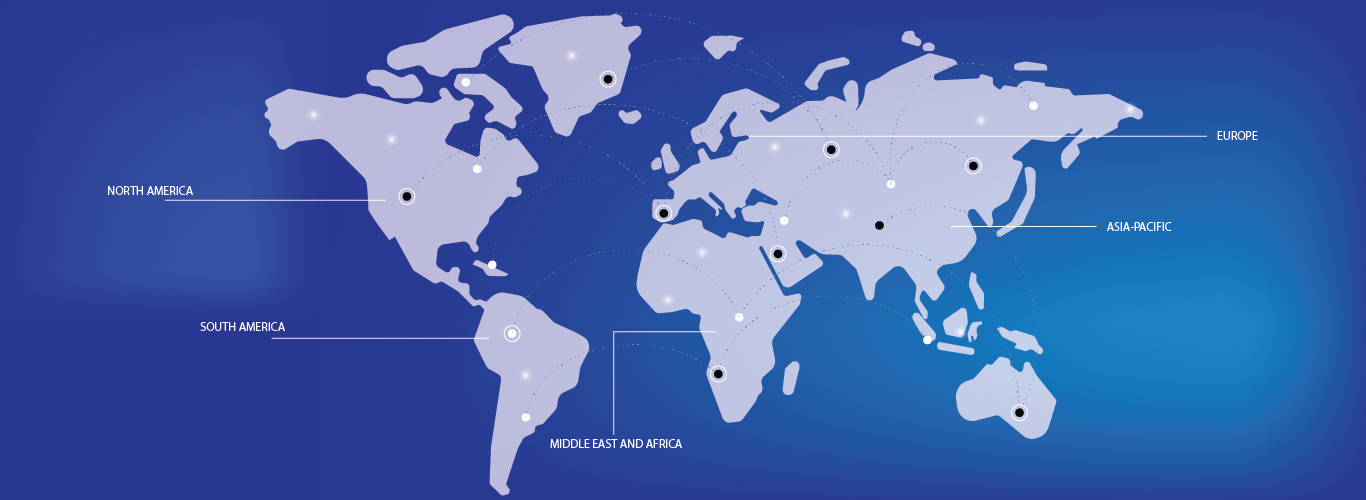
- Asia-Pacific and Europe dominate global demand, with the former driven by large-scale meat production in China and India, and the latter shaped by stringent feed additive regulations and animal welfare standards. North America is a mature yet innovation-driven market, where focus is on premium livestock products and functional feed formulations. Meanwhile, South America is emerging due to expanding poultry and swine production in Brazil and Mexico.
- Major manufacturers are investing in advanced chelation technologies to improve mineral absorption rates and reduce environmental excretion. Product differentiation is occurring through species-specific blends, encapsulation techniques, and synergy with other functional ingredients like enzymes and probiotics. As traceability becomes increasingly important in global animal feed supply chains, compliance with FAMI-QS, GMP+, and other international quality frameworks will be essential for sustained market access and competitiveness.