- Anticoagulation therapy, involving the use of drugs to prevent or reduce blood clot formation, is a critical component in managing various cardiovascular and thrombotic disorders, including atrial fibrillation, deep vein thrombosis (DVT), pulmonary embolism (PE), and stroke
- The escalating demand for anticoagulation therapy is primarily fueled by the increasing global prevalence of cardiovascular diseases, an aging population more susceptible to these conditions, and significant advancements in drug development, particularly the introduction and growing adoption of novel oral anticoagulants (NOACs)
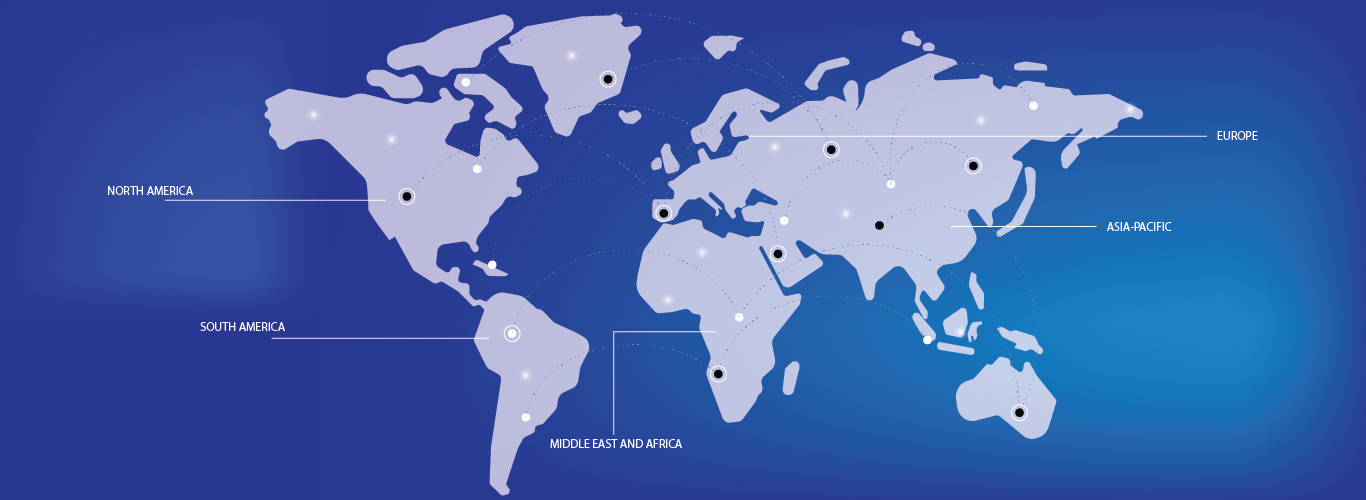
- North America dominates the anticoagulation therapy market with the largest revenue share of 51.7% in 2024, characterized by its advanced healthcare infrastructure, high healthcare expenditure, established presence of major pharmaceutical companies, and a high burden of cardiovascular diseases
- Asia-Pacific is expected to be the fastest growing region in the anticoagulation therapy market with a CAGR of 6.6%, during the forecast period due to increasing urbanization, rising disposable incomes, improving healthcare access, growing awareness of cardiovascular health, and a rising patient population
- Novel Oral Anticoagulants (NOAC), segment dominates the Anticoagulation Therapy market with a market share of 57.7% in 2024, driven by its superior convenience improved safety profiles, and predictable pharmacokinetics, leading to increased patient compliance and broader adoption