- Antimycotic drugs, used to treat fungal infections, are becoming increasingly vital components of modern healthcare systems due to the rising prevalence of fungal diseases, especially among immunocompromised patients. These drugs offer broad-spectrum antifungal activity, improved patient outcomes, and are available in various formulations including oral, topical, and intravenous, ensuring accessibility across diverse clinical settings
- The escalating demand for antimycotic therapies is primarily fueled by the growing number of patients undergoing chemotherapy, organ transplants, or living with HIV/AIDS, as well as the increase in hospital-acquired fungal infections. The development of novel antifungal agents and advancements in drug delivery systems are further propelling market growth
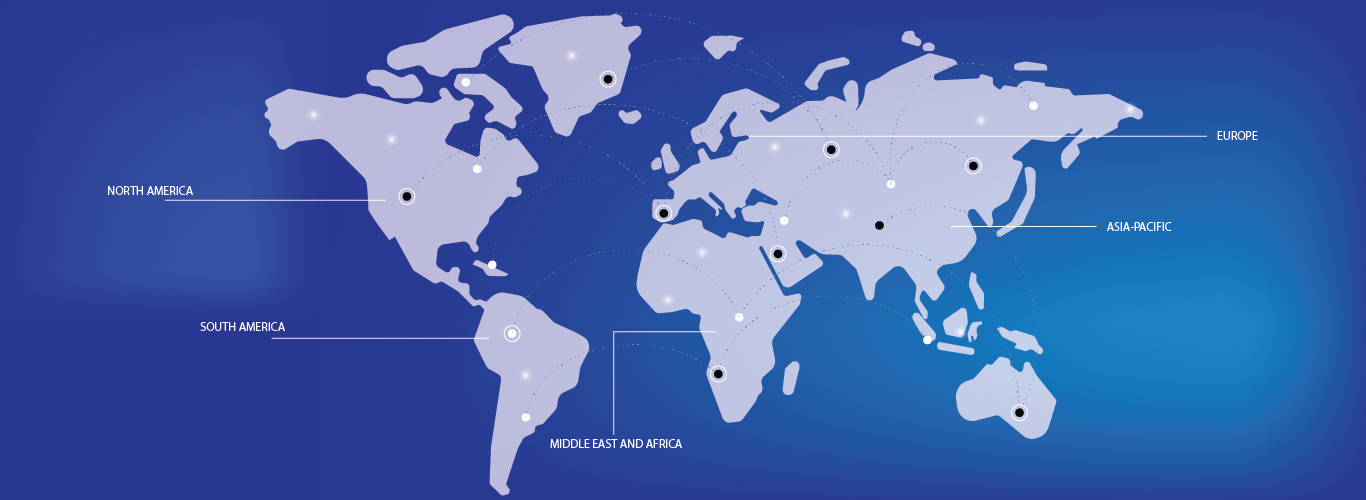
- North America dominated the antimycotic drugs market with the largest revenue share of 38.6% in 2024, attributed to the region’s high awareness levels, strong healthcare infrastructure, early adoption of novel antifungal agents, and the presence of key pharmaceutical companies
- Asia-Pacific is expected to be the fastest growing region in the antimycotic drugs market with a projected CAGR of 9.4% from 2025 to 2032, driven by rising healthcare expenditure, expanding access to antifungal medications, and increasing awareness about fungal infections. Emerging economies like India and China are witnessing a surge in fungal disease diagnoses and treatment rate
- The azole segment dominated the antimycotic drugs market with a market share of 42.1% in 2024, due to its broad-spectrum activity, cost-effectiveness, and widespread use in both superficial and systemic infections. Azoles remain the first-line treatment for conditions such as candidiasis, aspergillosis, and dermatophytosis, contributing significantly to overall market revenue