- API contract manufacturing involves the outsourcing of active pharmaceutical ingredient production to third-party manufacturers, enabling pharmaceutical companies to reduce costs, increase scalability, and focus on core competencies such as R&D and commercialization. These services are critical for meeting stringent regulatory standards and ensuring consistent supply of high-quality APIs.
- The rising demand for API contract manufacturing is driven by the increased complexity of drug molecules, cost pressures in drug development, and the growing trend of pharmaceutical companies outsourcing non-core activities to specialized contract manufacturing organizations (CMOs). This is further bolstered by the need for flexibility in production capacities and global supply chain optimization.
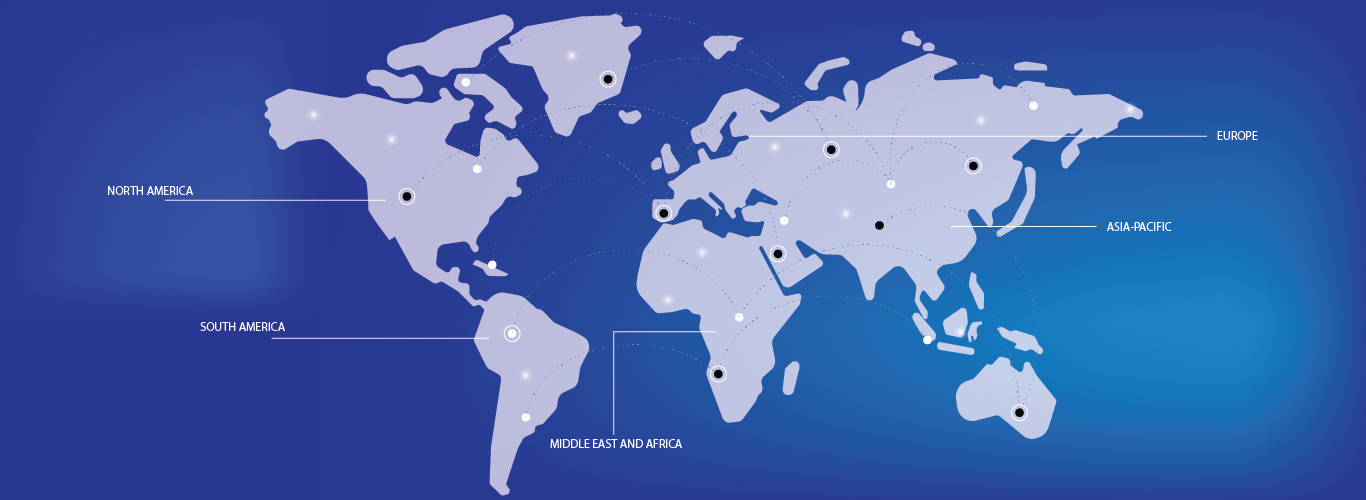
- North America currently leads the API contract manufacturing market, accounting for the largest revenue share of 37.5% in 2025, attributed to its strong presence of major pharmaceutical firms, advanced manufacturing infrastructure, and stringent regulatory oversight. The United States, in particular, is witnessing consistent outsourcing demand from both branded and generic drug developers due to rising development costs and patent cliffs.
- Asia-Pacific is projected to be the fastest-growing region in the market during the forecast period, fueled by low-cost manufacturing capabilities, government support for pharma exports, and increasing FDA- and EMA-approved production facilities, especially in countries like India and China.
- Among the types, the organic API segment is expected to dominate the market with a market share of 45.6% in 2025, owing to the widespread use of organic compounds in drug formulations and the large volume of generics that rely on traditional chemical synthesis routes.