- Breast lesion localization methods are essential tools in modern breast cancer diagnosis and surgery, enabling precise identification and removal of non-palpable lesions. These methods are widely used in procedures such as breast-conserving surgeries, biopsies, and preoperative planning
- The demand for breast lesion localization methods is significantly driven by the rising incidence of breast cancer, increased awareness through screening programs, and technological advancements such as wireless localization and magnetic tracers
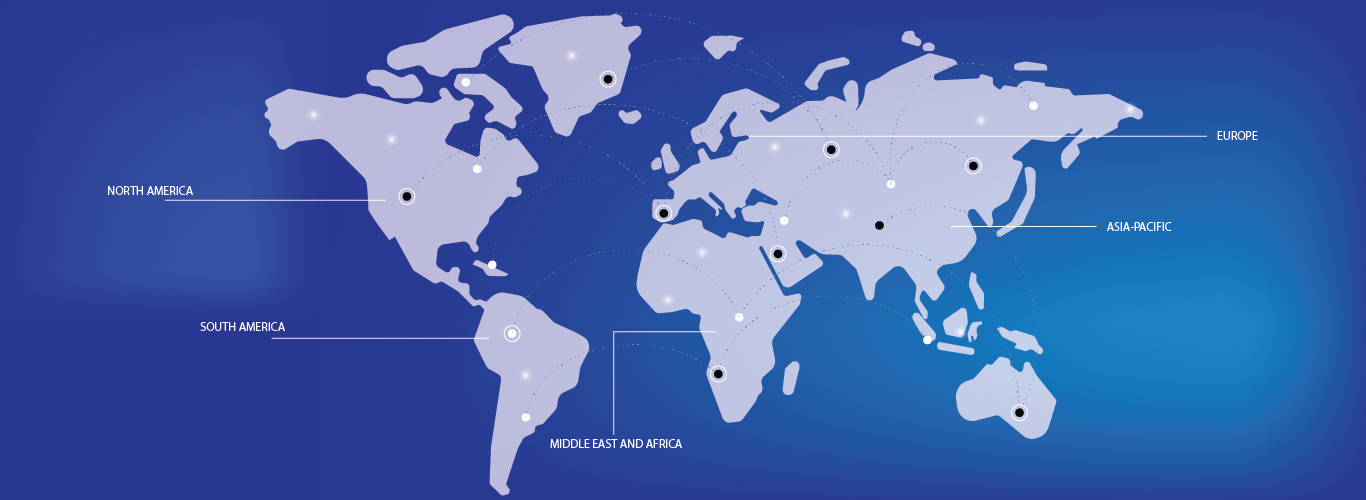
- North America is expected to dominate the breast lesion localization methods market with a share of 36.4%, due to advanced healthcare infrastructure, the high adoption of cutting-edge localization technologies, and the strong presence of key market players
- Asia-Pacific is expected to be the fastest growing region in the breast lesion localization methods market during the forecast period due to rapid expansion in healthcare infrastructure, increasing awareness about breast cancer, and growing procedure volumes
- Wire localization segment is expected to dominate the market with a market share of 34.5% due to its widespread clinical adoption, cost-effectiveness, and procedural familiarity among radiologists and surgeons. Despite the emergence of newer techniques such as radioactive seed localization and magnetic tracers, wire localization remains the standard method in many healthcare settings because it is well-established, relatively simple to implement, and does not require extensive additional infrastructure or training. Its long-standing track record in accurately guiding surgical excision of non-palpable breast lesions continues to support its leading position in the market