


Brook Speigler Syndrome (Cylindroma) Market Size
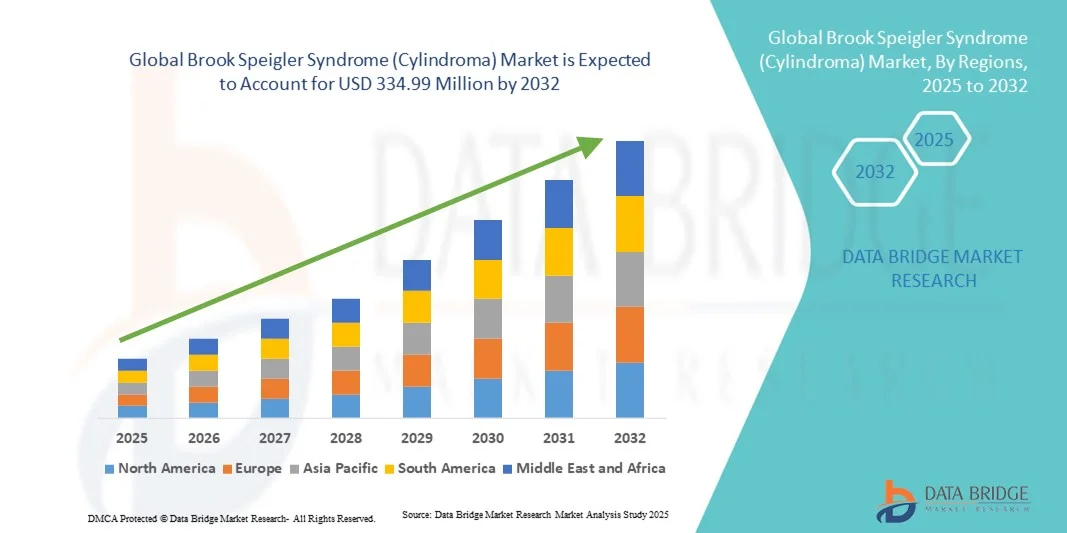
- The global brook speigler syndrome (Cylindroma) market size was valued at USD 250.5 Million in 2024 and is expected to reach USD 334.99 Million by 2032, at a CAGR of 3.70% during the forecast period
- The market growth is largely fueled by increasing awareness of rare genetic disorders and advancements in diagnostic technologies, enabling earlier detection and targeted treatment approaches
- Furthermore, rising demand for personalized therapies and improved patient outcomes is driving the adoption of Brook Spiegler Syndrome (Cylindroma) solutions, thereby significantly boosting the industry's growth
Brook Speigler Syndrome (Cylindroma) Market Analysis
- Rare genetic disorders like Brook Spiegler Syndrome (Cylindroma) are increasingly gaining attention due to rising awareness and advancements in diagnostic and treatment approaches
- The escalating demand for targeted therapies, personalized interventions, and improved patient outcomes is significantly driving the adoption of Brook Spiegler Syndrome (Cylindroma) solutions
- North America dominated the brook spiegler syndrome (Cylindroma) market with the largest revenue share of 44.5% in 2024, characterized by advanced healthcare infrastructure, high healthcare expenditure, and strong presence of key pharmaceutical and biotechnology players, with the U.S. experiencing substantial growth in diagnostics and therapeutic solutions for Brook Spiegler Syndrome (Cylindroma)
- Asia-Pacific is expected to be the fastest growing region in the brook spiegler syndrome (Cylindroma) market during the forecast period due to increasing healthcare access, growing awareness of rare genetic disorders, and expanding diagnostic and treatment facilities
- The cylindromas segment dominated the largest market revenue share of 45.3% in 2024, attributed to their higher prevalence among diagnosed patients and the frequency of clinical interventions
Report Scope and Brook Speigler Syndrome (Cylindroma) Market Segmentation
|
Attributes |
Brook Speigler Syndrome (Cylindroma) Key Market Insights |
|
Segments Covered |
|
|
Countries Covered |
North America
Europe
Asia-Pacific
Middle East and Africa
South America
|
|
Key Market Players |
• Pfizer Inc.(U.S.) |
|
Market Opportunities |
|
|
Value Added Data Infosets |
In addition to the insights on market scenarios such as market value, growth rate, segmentation, geographical coverage, and major players, the market reports curated by the Data Bridge Market Research also include in-depth expert analysis, patient epidemiology, pipeline analysis, pricing analysis, and regulatory framework. |
Brook Speigler Syndrome (Cylindroma) Market Trends
Enhanced Convenience Through Improved Diagnosis and Therapeutic Management
- A significant and accelerating trend in the global brook speigler syndrome (Cylindroma) market is the growing adoption of advanced diagnostic tools and integrated patient management solutions. These developments are enhancing early detection, enabling timely therapeutic interventions, and improving long-term patient outcomes
- For instance, genetic testing and imaging diagnostics are increasingly being utilized for early identification of Brook Speigler Syndrome, facilitating appropriate monitoring and intervention strategies. Early detection allows clinicians to implement individualized treatment plans, which can reduce complications and improve quality of life. Similarly, specialized patient monitoring and follow-up programs allow healthcare providers to track disease progression, assess treatment efficacy, and adjust care plans as necessary
- Advances in diagnostic approaches, including next-generation sequencing and enzyme activity assays, enable precise and reliable identification of patients with Brook Speigler Syndrome. These tools provide clinicians with accurate information to plan treatment, monitor progression, and optimize therapeutic outcomes over time
- The integration of diagnostics and treatment protocols into broader healthcare platforms allows centralized management of patient care. Through coordinated clinical workflows, physicians and specialists can monitor patients across multiple care settings, ensuring consistent therapy adherence and better clinical outcomes
- This trend toward more precise, patient-centered, and coordinated management is reshaping expectations for the diagnosis and treatment of Brook Speigler Syndrome. Companies and healthcare providers are developing comprehensive programs focused on early detection, effective therapeutic management, and long-term patient support
- The demand for improved diagnostic and therapeutic solutions is growing rapidly across both pediatric and adult populations, as healthcare providers increasingly prioritize early detection, disease prevention, and comprehensive care management
Brook Speigler Syndrome (Cylindroma) Market Dynamics
Driver
Growing Need Due to Rising Awareness and Improved Screening Programs
- Increasing awareness of genetic and rare disorders, coupled with expanding screening programs, is driving the demand for diagnostic and therapeutic solutions for Brook Speigler Syndrome
- For instance, in April 2024, several healthcare institutions implemented advanced genetic screening protocols to identify patients at risk of Brook Speigler Syndrome, allowing early intervention and treatment planning. Such initiatives by key hospitals and research institutions are expected to accelerate market growth during the forecast period
- As clinicians and caregivers become more informed about the consequences of delayed diagnosis, the adoption of advanced diagnostics, imaging, and personalized therapy programs is becoming more widespread, providing a significant improvement over traditional reactive approaches
- Furthermore, the growing focus on preventive healthcare and integrated patient management is making comprehensive diagnostic and therapeutic programs a core component of patient care, ensuring timely intervention and improved outcomes
- The convenience of early detection, individualized treatment planning, and continuous monitoring are key factors propelling adoption in clinical and hospital settings. The increasing availability of specialized Brook Speigler Syndrome diagnostic tests and therapy programs further contributes to market growth
Restraint/Challenge
Concerns Regarding Accessibility and High Costs
- Accessibility and high costs of specialized diagnostics and therapeutic interventions pose a significant challenge to market expansion. Advanced genetic tests, imaging diagnostics, and long-term therapeutic programs require specialized infrastructure, trained personnel, and continuous follow-up, which may not be universally available
- Limited access to specialized testing centers in certain regions has delayed early diagnosis and treatment, impacted clinical outcomes and restricting broader market penetration
- Addressing these challenges through expansion of healthcare infrastructure, clinician training, and patient support programs is crucial for increasing adoption. Key institutions and providers are emphasizing subsidized testing and treatment initiatives to improve accessibility and affordability
- In addition, the relatively high cost of advanced diagnostics and therapies compared to conventional healthcare services can be a barrier, especially in developing regions or for budget-conscious patients. While costs are gradually decreasing with technological advancements, affordability remains a concern that may limit widespread adoption
- Overcoming these challenges through expanded screening initiatives, improved patient support, and cost-effective diagnostic and therapeutic solutions will be vital for sustained market growth in the forecast period
Brook Speigler Syndrome (Cylindroma) Market Scope
The market is segmented on the basis of tumor type, treatment, end-user, and distribution channel
- By Tumor Type
On the basis of tumor type, the Brook Speigler Syndrome (Cylindroma) market is segmented into cylindromas, trichoepitheliomas, and spirodenomas. The cylindromas segment dominated the largest market revenue share of 45.3% in 2024, attributed to their higher prevalence among diagnosed patients and the frequency of clinical interventions. Cylindromas are often detected earlier due to visible skin manifestations, prompting timely medical consultation and treatment. Their tendency to recur and potential for malignant transformation drives ongoing demand for monitoring and therapeutic interventions. Strong awareness campaigns and dermatological screening programs in developed regions further support the segment’s dominance. Cylindromas also benefit from established treatment protocols, well-documented case studies, and inclusion in genetic counseling programs, making them the most managed tumor type within the market. Healthcare professionals frequently prioritize cylindroma management due to its clinical significance and patient quality-of-life considerations.
The trichoepitheliomas segment is anticipated to witness the fastest CAGR of 22.1% from 2025 to 2032, driven by increased diagnosis rates, rising patient awareness, and technological advances in non-invasive imaging. Early detection through dermoscopy and imaging enhances treatment outcomes, stimulating demand for specialized therapies. Growing adoption of cosmetic procedures for facial lesions also contributes to market growth. Integration of trichoepithelioma management into dermatology clinics and increased research into minimally invasive interventions further bolster expansion. Rising prevalence in urban populations and enhanced reimbursement policies for dermatological care accelerate growth. Patient preference for outpatient procedures and shorter recovery times enhances adoption of targeted therapies. The segment’s growth is further propelled by innovations in laser and electrosurgical treatments, improving efficacy and cosmetic outcomes.
- By Treatment
On the basis of treatment, the Brook Speigler Syndrome (Cylindroma) market is segmented into electrosurgery, dermabrasion, carbon dioxide laser resurfacing, cryotherapy, radiotherapy, and others. The carbon dioxide laser resurfacing segment held the largest revenue share of 40.7% in 2024, driven by high precision, minimal invasiveness, and favorable cosmetic outcomes. This treatment modality is widely adopted due to its effectiveness in removing multiple lesions with reduced scarring. Availability of advanced laser systems, physician familiarity, and clinical training programs reinforce its dominance. The segment benefits from increasing patient preference for outpatient procedures and aesthetic considerations. Integration of laser therapy in dermatology centers and its compatibility with other treatment approaches further strengthen its position.
The electrosurgery segment is expected to witness the fastest CAGR of 21.9% from 2025 to 2032, fueled by its cost-effectiveness, accessibility in clinics, and ability to treat multiple lesions efficiently. Rising adoption in emerging regions, coupled with improved surgical equipment and training, enhances market penetration. Patients and practitioners favor electrosurgery due to shorter procedure times and reduced post-operative complications. Expansion of dermatology clinics offering comprehensive care, along with awareness campaigns highlighting treatment options, supports growth. Technological advancements in electrosurgical devices increase precision, making it a preferred treatment method.
- By End-Users
On the basis of end-users, the Brook Speigler Syndrome (Cylindroma) market is segmented into clinics, hospitals, and others. The hospitals segment dominated the largest market revenue share of 52.4% in 2024, driven by access to multidisciplinary dermatology departments, advanced surgical equipment, and the ability to manage complex cases. Hospitals offer integrated care including diagnosis, treatment, and follow-up, which reinforces their dominant position. Strong referral networks, collaborations with research institutions, and patient trust in hospital care support segment growth. Availability of specialized surgeons and outpatient facilities also contributes to market leadership.
The clinics segment is expected to witness the fastest CAGR of 20.7% from 2025 to 2032, fueled by increasing establishment of dermatology and cosmetic-focused outpatient centers. Clinics provide personalized care, quicker appointments, and patient convenience, enhancing adoption. Rising awareness of minimally invasive treatment options, combined with local accessibility, drives market penetration. Clinics also leverage modern imaging technologies, teleconsultations, and flexible scheduling, attracting a broader patient base. Partnerships with healthcare providers and pharmaceutical companies for post-treatment care support sustained growth.
- By Distribution Channel
On the basis of distribution channel, the Brook Speigler Syndrome (Cylindroma) market is segmented into direct tenders, hospital pharmacy, retail pharmacy, online pharmacy, and others. The direct tenders segment held the largest market revenue share of 48.5% in 2024, attributed to bulk procurement by hospitals and specialty clinics for treatment procedures. Government contracts and institutional purchasing agreements enhance its market dominance. Reliable supply chains and favorable pricing through tenders ensure availability of therapies and consumables at healthcare facilities.
The online pharmacy segment is expected to witness the fastest CAGR of 19.3% from 2025 to 2032, driven by growing patient preference for convenience, ease of ordering, and home delivery of medications or topical treatments. Increasing digital literacy, expansion of e-commerce platforms, and enhanced logistics infrastructure accelerate adoption. Online pharmacies also benefit from patient awareness programs, teleconsultation integration, and subscription-based delivery models. Rising acceptance of remote healthcare services and prescription fulfillment contributes to robust segment growth.
Brook Speigler Syndrome (Cylindroma) Market Regional Analysis
- North America dominated the brook speigler syndrome (Cylindroma) market with the largest revenue share of 44.5% in 2024, characterized by advanced healthcare infrastructure, high healthcare expenditure, and strong presence of key pharmaceutical and biotechnology players
- The market experienced substantial growth in diagnostics and therapeutic solutions for Brook Speigler Syndrome (Cylindroma), driven by the widespread adoption of newborn and genetic screening programs, increased awareness among clinicians, and expanding access to specialized treatment facilities
- Healthcare providers in the region are increasingly prioritizing early diagnosis, timely therapeutic interventions, and patient monitoring programs, which are enhancing clinical outcomes and improving quality of life for affected individuals. The region’s robust research ecosystem and collaborations between hospitals, diagnostic laboratories, and pharmaceutical companies are further supporting market growth
U.S. Brook Speigler Syndrome (Cylindroma) Market Insight
The U.S. brook speigler syndrome (Cylindroma) market captured the largest revenue share within North America in 2024. This growth is fueled by the expansion of nationwide genetic screening programs, increasing integration of enzyme activity and molecular diagnostic tests into standard clinical practice, and broader access to specialized therapeutic interventions. Ongoing research and development initiatives, along with increasing healthcare awareness, are enabling early detection and personalized treatment strategies, further driving market expansion.
Europe Brook Speigler Syndrome (Cylindroma) Market Insight
The Europe brook speigler syndrome (Cylindroma) market is projected to expand at a substantial CAGR throughout the forecast period, primarily driven by increasing awareness of rare genetic disorders, stringent healthcare regulations, and the growing need for early diagnosis and effective treatment. Countries such as Germany, France, and Italy are investing in advanced diagnostic facilities and treatment programs, supporting both pediatric and adult patient populations. Enhanced clinical protocols, improved healthcare infrastructure, and patient support initiatives are facilitating market growth.
U.K. Brook Speigler Syndrome (Cylindroma) Market Insight
The U.K. brook speigler syndrome (Cylindroma) market is anticipated to grow at a noteworthy CAGR during the forecast period. Growth is driven by government-supported newborn screening initiatives, rising awareness of rare genetic disorders, and the need for timely diagnostic and therapeutic solutions. Improved healthcare access and specialized care centers are contributing to enhanced patient outcomes.
Germany Brook Speigler Syndrome (Cylindroma) Market Insight
The Germany brook speigler syndrome (Cylindroma) market is expected to expand at a considerable CAGR during the forecast period, fueled by increasing awareness of rare metabolic and genetic disorders, widespread adoption of standardized diagnostic protocols, and growing availability of specialized treatment programs. Germany’s advanced healthcare infrastructure, focus on innovation, and emphasis on preventive care support the market’s expansion, especially for early diagnosis and management of both pediatric and adult cases.
Asia-Pacific Brook Speigler Syndrome (Cylindroma) Market Insight
The Asia-Pacific brook speigler syndrome (Cylindroma) market is expected to be the fastest-growing region during the forecast period, driven by increasing healthcare access, growing awareness of rare genetic disorders, and expansion of diagnostic and treatment facilities in countries such as China, India, and Japan. Government initiatives supporting rare disease screening, improved healthcare infrastructure, and rising investment in specialized diagnostic and therapeutic centers are facilitating early detection and better disease management, contributing to rapid market growth.
Japan Brook Speigler Syndrome (Cylindroma) Market Insight
The Japan Brook Speigler Syndrome (Cylindroma) market is gaining momentum due to the country’s advanced healthcare system, high awareness of rare genetic disorders, and expanding diagnostic and therapeutic capabilities. Increasing government focus on rare disease management, coupled with a well-established network of specialty clinics, supports early diagnosis and effective patient care, driving market adoption.
China Brook Speigler Syndrome (Cylindroma) Market Insight
The China brook speigler syndrome (Cylindroma) market accounted for the largest market revenue share in Asia-Pacific in 2024. This growth is driven by expanding healthcare infrastructure, increasing awareness of rare genetic disorders, and improved access to diagnostic and therapeutic services. Government initiatives for rare disease screening, growing healthcare expenditure, and investments in specialized care centers are further enhancing early detection and treatment outcomes, establishing China as a key growth market in the region.
Brook Speigler Syndrome (Cylindroma) Market Share
The Brook Speigler Syndrome (Cylindroma) industry is primarily led by well-established companies, including:
• Pfizer Inc.(U.S.)
• Novartis AG(Switzerland)
• Roche (Switzerland)
• Johnson & Johnson and its affiliates(U.S.)
• Merck & Co. (U.S.)
• Bristol-Myers Squibb (U.S.)
• Sanofi (France)
• AstraZeneca (U.K.)
• Amgen (U.S.)
• Gilead Sciences (U.S.)
• Bayer (Germany)
• Celgene (U.S.)
• AbbVie (U.S.)
• GSK Plc. (U.K.)
• Takeda Pharmaceutical (Japan)
Latest Developments in Global Brook Speigler Syndrome (Cylindroma) Market
- In November 2024, a report in the Journal of Clinical and Aesthetic Dermatology presented a case where Erbium:Yttrium-Aluminum-Garnet (Er:YAG) laser therapy was used to treat trichoepitheliomas in a patient with Brooke-Spiegler Syndrome, demonstrating the effectiveness of laser treatments in managing skin neoplasms associated with the syndrome

- Interactive Data Analysis Dashboard
- Company Analysis Dashboard for high growth potential opportunities
- Research Analyst Access for customization & queries
- Competitor Analysis with Interactive dashboard
- Latest News, Updates & Trend analysis
- Harness the Power of Benchmark Analysis for Comprehensive Competitor Tracking
Data collection and base year analysis are done using data collection modules with large sample sizes. The stage includes obtaining market information or related data through various sources and strategies. It includes examining and planning all the data acquired from the past in advance. It likewise envelops the examination of information inconsistencies seen across different information sources. The market data is analysed and estimated using market statistical and coherent models. Also, market share analysis and key trend analysis are the major success factors in the market report. To know more, please request an analyst call or drop down your inquiry.
The key research methodology used by DBMR research team is data triangulation which involves data mining, analysis of the impact of data variables on the market and primary (industry expert) validation. Data models include Vendor Positioning Grid, Market Time Line Analysis, Market Overview and Guide, Company Positioning Grid, Patent Analysis, Pricing Analysis, Company Market Share Analysis, Standards of Measurement, Global versus Regional and Vendor Share Analysis. To know more about the research methodology, drop in an inquiry to speak to our industry experts.
Data Bridge Market Research is a leader in advanced formative research. We take pride in servicing our existing and new customers with data and analysis that match and suits their goal. The report can be customized to include price trend analysis of target brands understanding the market for additional countries (ask for the list of countries), clinical trial results data, literature review, refurbished market and product base analysis. Market analysis of target competitors can be analyzed from technology-based analysis to market portfolio strategies. We can add as many competitors that you require data about in the format and data style you are looking for. Our team of analysts can also provide you data in crude raw excel files pivot tables (Fact book) or can assist you in creating presentations from the data sets available in the report.












