- Campomelic Syndrome Treatment, involving multidisciplinary management of this rare genetic disorder, is becoming increasingly vital in both pediatric and genetic medicine settings due to its complex clinical presentation and need for early intervention and supportive care.
- The escalating demand for effective treatments is primarily driven by increasing awareness among clinicians, improving genetic diagnostic capabilities, and growing support from rare disease advocacy groups
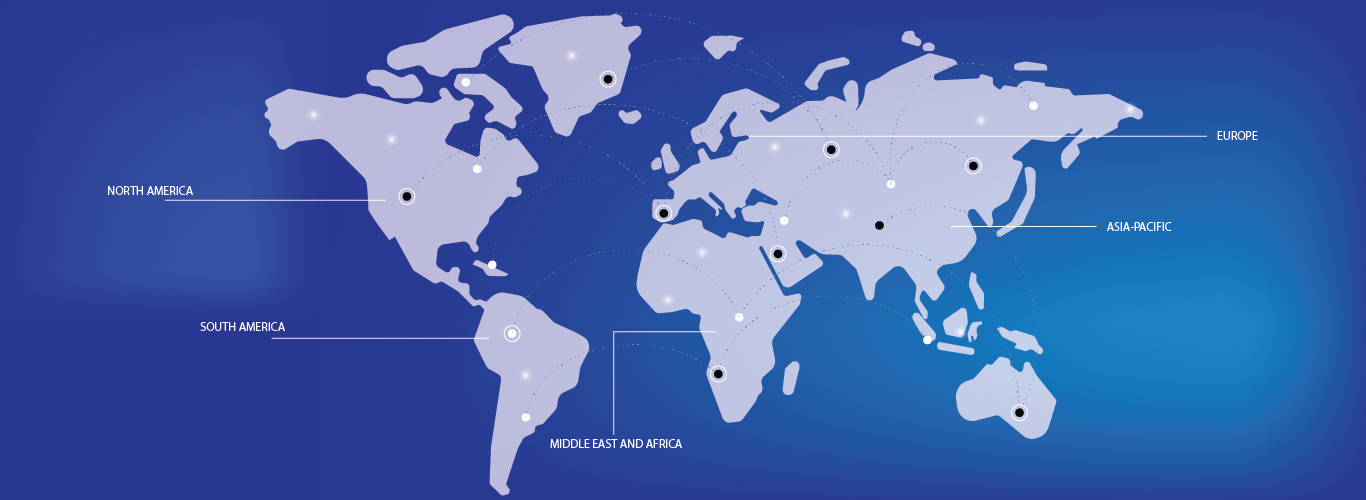
- North America dominated the campomelic syndrome treatment market with the largest revenue share of 41.3% in 2024, attributed to advanced healthcare infrastructure, high healthcare expenditure, and the presence of major pharmaceutical and biotechnology firms. The U.S. accounted for a dominant 80.7% share of the North American market, due to the widespread use of genetic screening, availability of multidisciplinary treatment centers, and government support for orphan drug development
- Asia-Pacific is expected to witness the fastest growth in the campomelic syndrome treatment market, with a CAGR of 23.5% during the forecast period (2025–2032), driven by rising birth rates, increasing healthcare investments, and growing access to genetic testing in emerging economies such as India and China. Government-led initiatives promoting neonatal screening and rare disease awareness are also supporting market growth
- The ultrasound segment dominated the campomelic syndrome treatment market with a market revenue share of 38.2% in 2024, owing to its non-invasive nature and frequent use in prenatal screening for skeletal abnormalities. Its widespread availability, cost-effectiveness, and utility in early detection make it the preferred diagnostic tool in both hospital and outpatient settings, especially for identifying hallmark features of Campomelic Syndrome during pregnancy