- Closed system transfer devices (CSTDs) are medical devices designed to prevent environmental contamination and the escape of hazardous drugs or vapours during drug preparation and administration, particularly for hazardous medications such as chemotherapy. They are increasingly vital components of modern healthcare safety protocols in various settings due to their enhanced protection for healthcare workers and patients
- The escalating demand for CSTDs is primarily fueled by the rising incidence of cancer and the subsequent increase in chemotherapy treatments, growing awareness of occupational safety among healthcare professionals, and stringent regulatory requirements for the safe handling of hazardous drugs
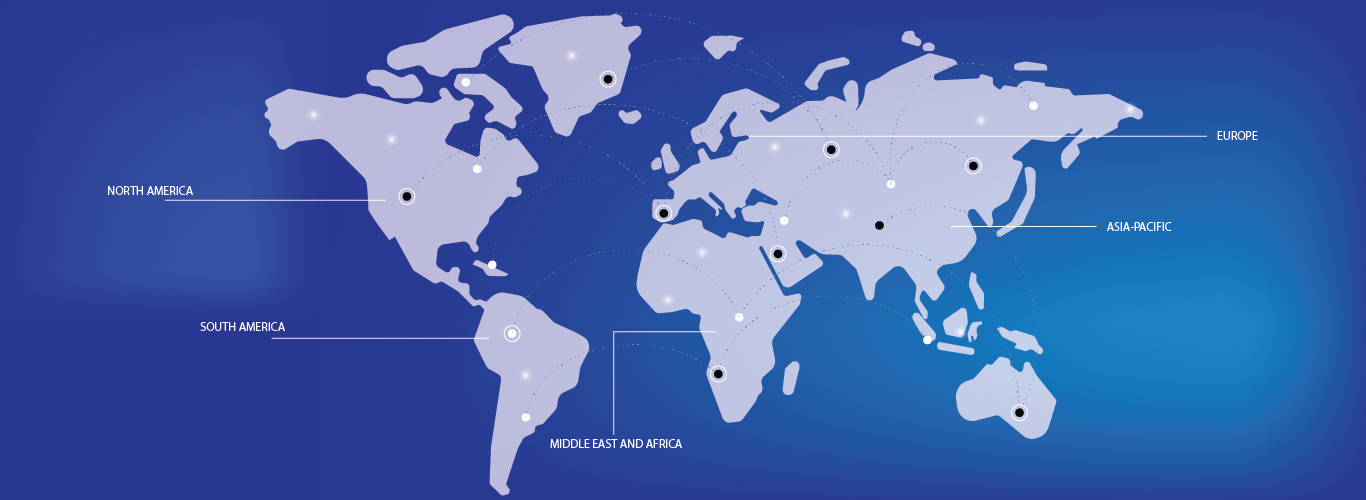
- North America dominated the closed system transfer devices market with the largest revenue share of 43.5%, characterized by advanced medical technology landscapes, stringent regulatory frameworks that mandate the use of CSTDs, and a strong focus on safety and compliance
- Asia-Pacific is expected to be the fastest-growing region in the closed system transfer devices market during the forecast period with a CAGR of 12.23%. This growth is due to rapid economic development, expanding healthcare infrastructure, increasing awareness of drug safety, and a rising number of cancer cases coupled with growing investments in healthcare facilities
- The membrane-to-membrane systems segment dominated the Closed system transfer devices market. With a revenue share of 63.2% in 2024, due to their ease of usage and reduced chance of contamination